
Korea is famous for its yummy and healthy food. The secret to Korean people’s long and healthy life is simple dishes made with love and care. You can make delicious bibimbap with many colorful veggies at home.
Making Korean food is easy and fun, and it’s good for your body and tummy. You can add lean meats or tofu for protein and make probiotic-rich kimchi to eat with your meals. This will help you stay healthy and strong every day.
Table of Contents
- Classic Bibimbap With Veggies and Lean Protein
- Simple Homemade Kimchi for Gut Health
- Flavorful Chicken Bulgogi for a Protein Boost
- Nutritious Doenjang Jjigae Soybean Paste Stew
- Light and Refreshing Korean Cucumber Salad
- Spicy and Healthy Kimchi Jjigae With Tofu
- Veggie-Packed Japchae Sweet Potato Noodles
- Grilled Mackerel With Citrus Soy Marinade
- Gyeranjjim Steamed Egg Custard
- Tofu and Spinach Korean Pancakes
- Seaweed Soup Miyeok Guk for Nourishment
- Conclusion
Classic Bibimbap With Veggies and Lean Protein

Classic bibimbap features a nourishing mix of colorful vegetables, such as spinach, carrots, zucchini, and mushrooms, served over steamed rice. This version incorporates lean protein like grilled chicken or tofu for a balanced meal. A spicy-sweet gochujang sauce ties everything together, enhancing flavor without excess fat. Packed with fiber, vitamins, and protein, this dish offers a wholesome, energizing option rooted in traditional Korean cuisine while supporting a healthy lifestyle.
Simple Homemade Kimchi for Gut Health
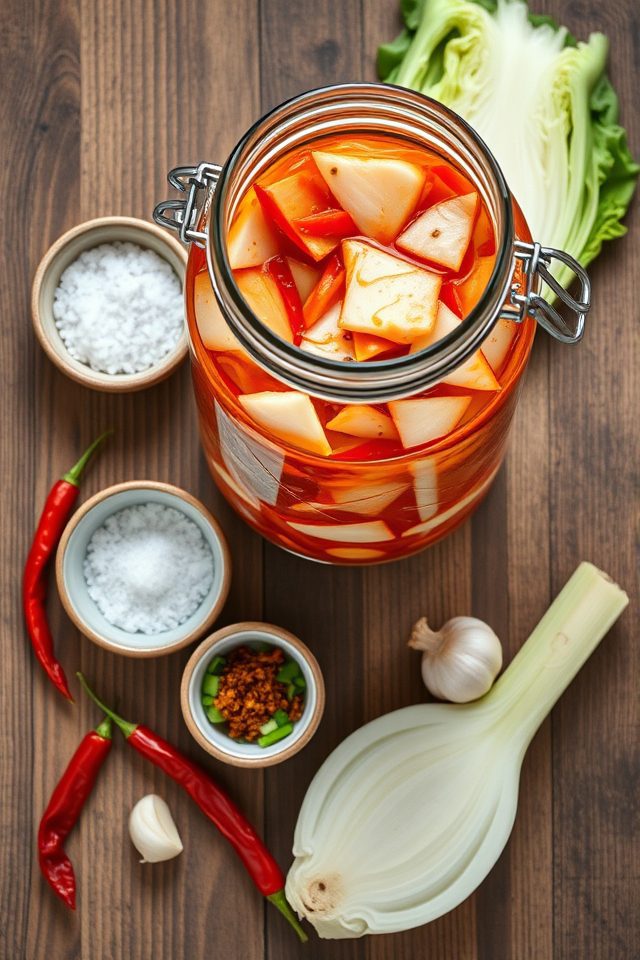
Kimchi, a staple in Korean cuisine, is a fermented vegetable dish rich in probiotics that support gut health and digestion. Made primarily with Napa cabbage, radish, garlic, ginger, and Korean chili flakes, it strikes a balance of spicy, sour, and umami flavors. Preparing simple homemade kimchi allows control over spice and fermentation time, resulting in a nutrient-packed condiment full of vitamins, fiber, and beneficial bacteria that promote a healthy gut microbiome.
Flavorful Chicken Bulgogi for a Protein Boost

Chicken bulgogi is a savory Korean dish marinated in a blend of soy sauce, garlic, ginger, sesame oil, and a touch of honey for natural sweetness. Grilling or pan-cooking locks in flavor while keeping the chicken tender and juicy. This high-protein meal pairs well with leafy greens or steamed rice, offering a balanced, nutritious option that satisfies cravings without excess calories, making it ideal for a healthy diet.
Nutritious Doenjang Jjigae Soybean Paste Stew
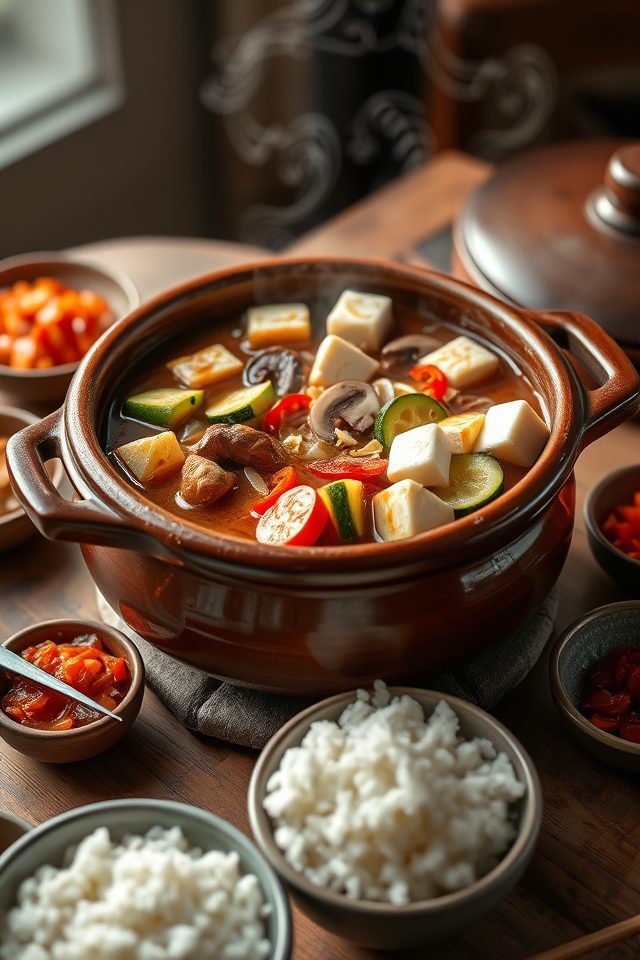
Nutritious Doenjang Jjigae is a staple Korean soybean paste stew packed with fermented doenjang, tofu, mushrooms, zucchini, onions, and garlic. Rich in probiotics and plant-based protein, it supports gut health and boosts immunity. Low in calories yet full of deep umami flavor, this comforting dish is often enjoyed alongside rice and kimchi, making it a wholesome option for a balanced, nutrient-dense meal.
Light and Refreshing Korean Cucumber Salad
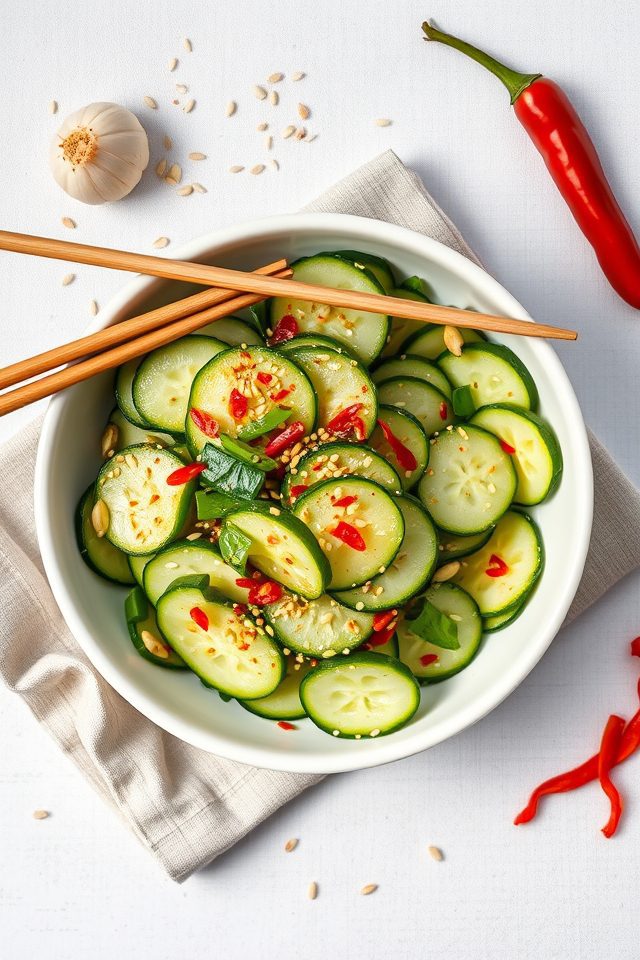
Light and Invigorating Korean Cucumber Salad, known as Oi Muchim, features crisp cucumber slices tossed with garlic, green onions, sesame seeds, Korean red pepper flakes (gochugaru), vinegar, and a touch of sugar. This quick and easy side dish delivers a vibrant balance of cool crunch, subtle heat, and tangy flavor. Perfect alongside grilled meats or rice dishes, it complements meals with its freshness while remaining low in calories and full of nutrients.
Spicy and Healthy Kimchi Jjigae With Tofu
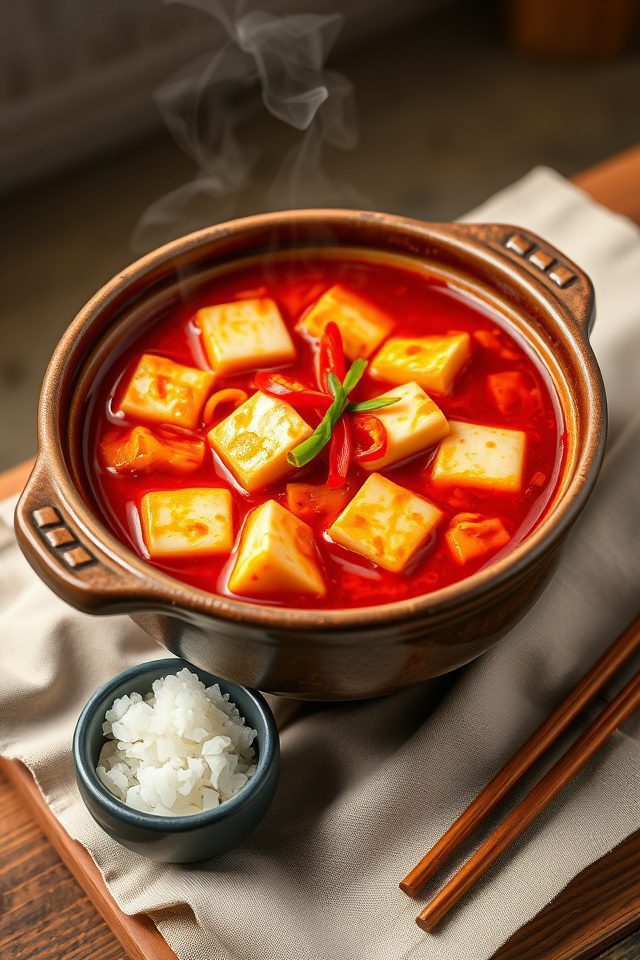
Spicy and Healthy Kimchi Jjigae with Tofu is a nourishing Korean stew made with fermented kimchi, soft tofu, and vegetables simmered in a flavorful chili-garlic broth. Rich in probiotics, antioxidants, and protein, this dish supports gut health and immune function. Its vibrant spice not only enhances metabolism but also delivers satisfying warmth, making it a wholesome, low-calorie option perfect for a hearty yet balanced meal.
Veggie-Packed Japchae Sweet Potato Noodles
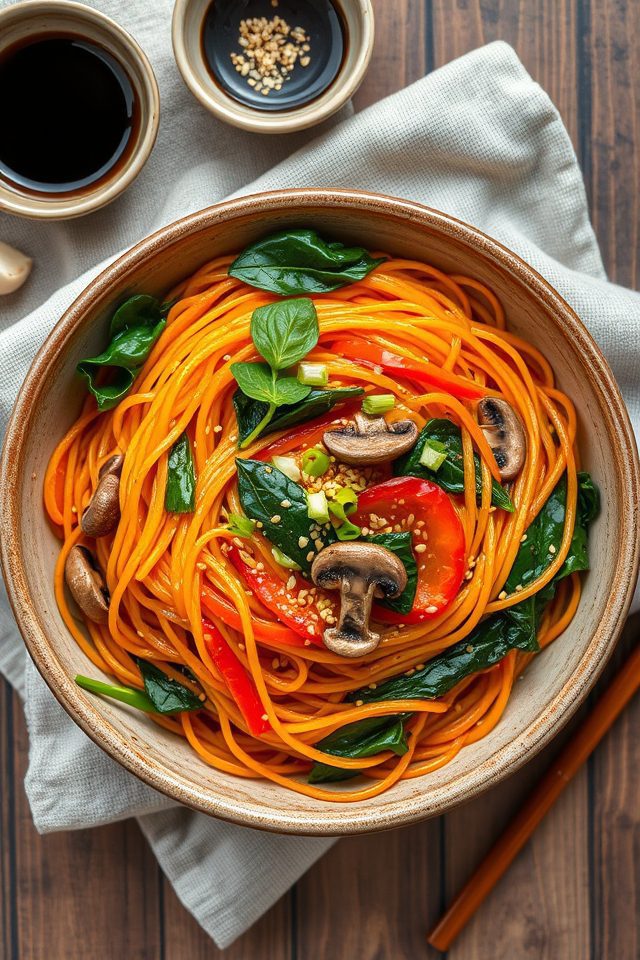
Veggie-packed japchae features chewy sweet potato noodles stir-fried with a colorful medley of vegetables like spinach, carrots, mushrooms, and bell peppers. Tossed in a savory-sweet sauce made from soy sauce, sesame oil, and a hint of garlic, this dish is naturally gluten-free and loaded with nutrients. It offers a satisfying, light, and healthy alternative to heavier noodle dishes while showcasing vibrant Korean flavors in a nutritious, plant-based way.
Grilled Mackerel With Citrus Soy Marinade

Grilled mackerel with citrus soy marinade combines the rich, savory flavor of fresh mackerel with a bright, tangy blend of soy sauce, lemon or yuzu, garlic, and ginger. This marinade enhances the natural umami of the fish while reducing its strong odor, resulting in a light yet flavorful dish. High in omega-3 fatty acids and protein, this healthy Korean recipe is perfect served with steamed rice and seasonal vegetables.
Gyeranjjim Steamed Egg Custard
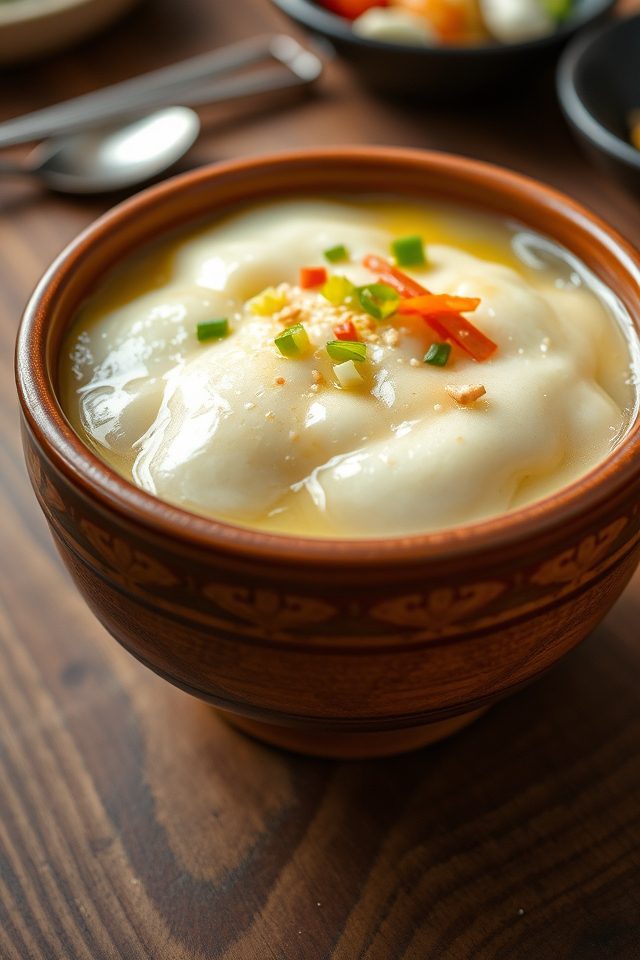
Gyeranjjim, a traditional Korean steamed egg custard, is a light and savory dish made by whisking eggs with water or broth, then gently steaming until fluffy and silky smooth. Often seasoned with salt, sesame oil, and garnished with chopped scallions or vegetables, it offers a delicate, protein-rich option that complements any meal. Low in calories and high in nutrients, this comforting dish is popular for breakfast, side dishes, or a nutritious snack.
Tofu and Spinach Korean Pancakes

Tofu and Spinach Korean Pancakes are a nutritious twist on traditional Korean pancakes, incorporating protein-rich tofu and vitamin-packed spinach into a light, crispy batter. The mixture creates a savory and satisfying dish brimming with texture and flavor. Typically pan-fried until golden, these pancakes can be served as a wholesome appetizer or a light meal, complemented by a tangy soy dipping sauce that enhances their fresh, delicate taste.
Seaweed Soup Miyeok Guk for Nourishment
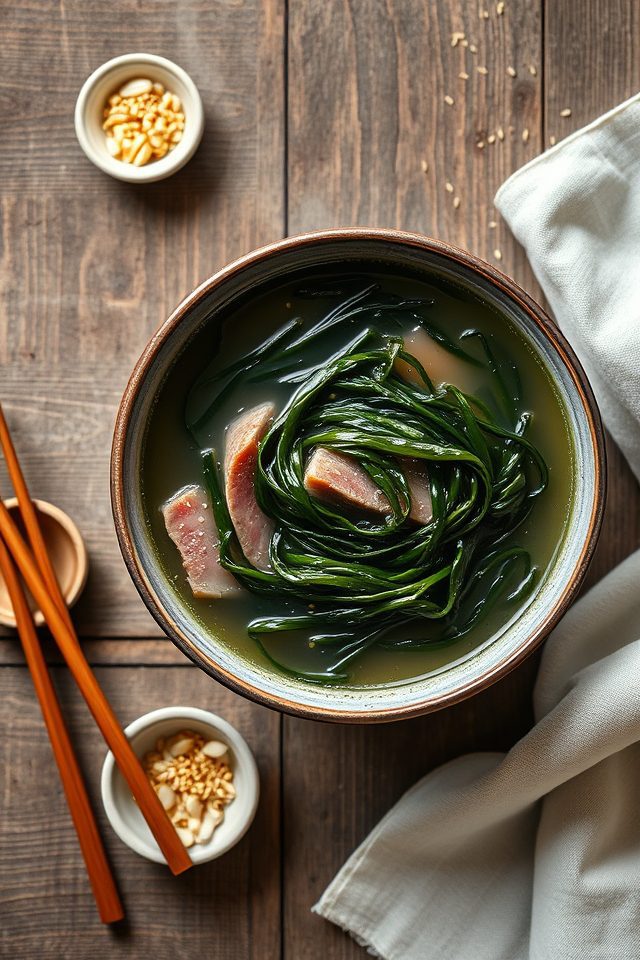
Seaweed Soup, known as Miyeok Guk, is a traditional Korean dish made primarily with nutrient-rich seaweed simmered in a flavorful broth, often enhanced with beef, seafood, or simply sesame oil and garlic. Celebrated for its high mineral and vitamin content, it’s especially enjoyed by postpartum mothers for recovery and nourishment. Light yet hearty, this soothing soup supports digestion and provides essential iodine, calcium, and antioxidants, making it a wholesome daily addition.
Conclusion
Adding Korean dishes to your weekly meals boosts nutrition—studies show diets rich in fermented foods like kimchi may increase gut microbiome diversity by up to 26%. Use quick swaps like lean meats or tofu, double the veggies, and limit excess salt for even healthier options. Batch-make kimchi or soups to save time. Experiment with colorful produce for vibrant plates packed with vitamins, making your Korean cooking both nutritious and delicious with minimal fuss.