
Japanese food is super cool and very good for you. It has lots of seafood, fermented foods, and veggies that make your body strong.
You can get lots of good things like probiotics, protein, and omega-3s without extra calories.
Japanese food is easy to add to your daily meals, even if you’re new to it. You can try different dishes to see what you like and what’s good for your body.
Start exploring now and find the perfect foods for your taste and health goals!
Table of Contents
Miso Soup
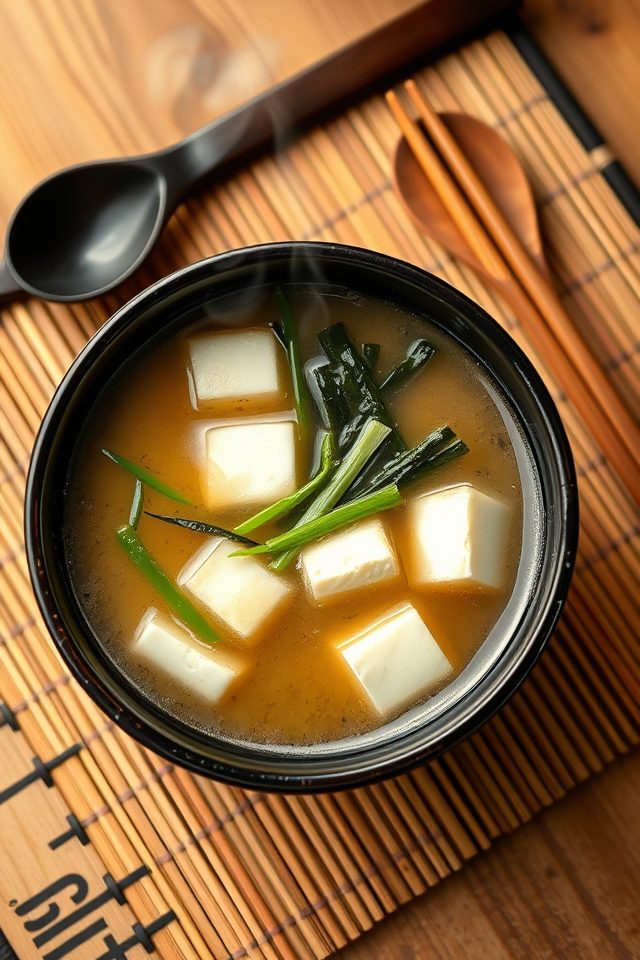
Miso soup is a traditional Japanese dish made from fermented soybean paste called miso, combined with dashi, a savory broth. It typically contains ingredients such as tofu, seaweed (wakame), and green onions. Rich in probiotics, vitamins, and minerals, miso soup aids digestion and supports gut health. Its low calorie content and nourishing properties make it a popular and healthy choice, often served as a starter in Japanese meals to promote a balanced diet.
Sashimi
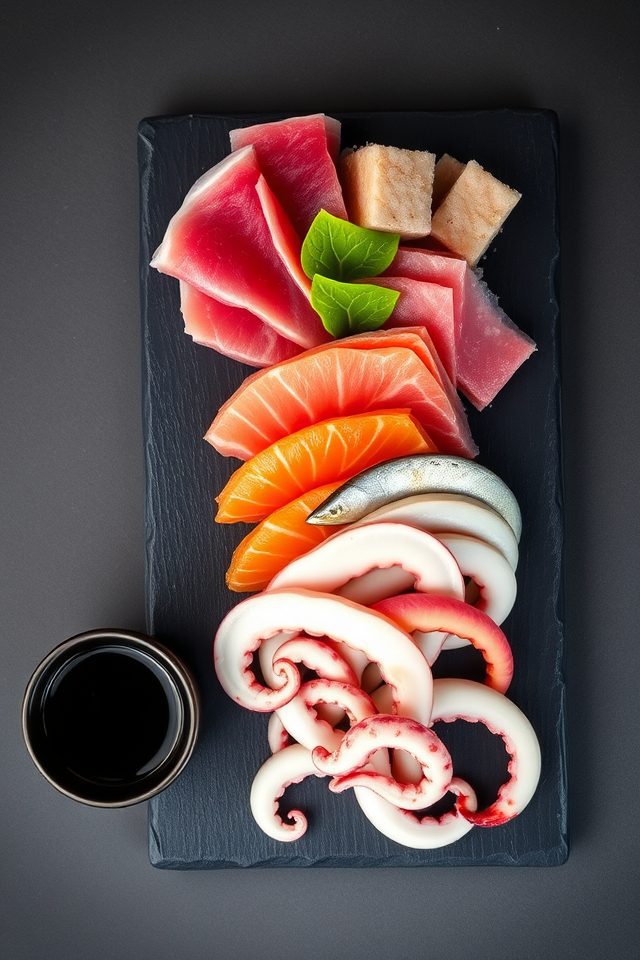
Sashimi is a traditional Japanese dish consisting of thinly sliced, fresh raw fish or seafood served without rice. Packed with lean protein, omega-3 fatty acids, vitamins, and minerals, it promotes heart health and supports muscle growth. Typical sashimi options include tuna, salmon, mackerel, and octopus. Served with wasabi, soy sauce, and pickled ginger, sashimi is a nutritious, low-calorie choice that highlights the natural flavors and freshness of high-quality seafood.
Edamame
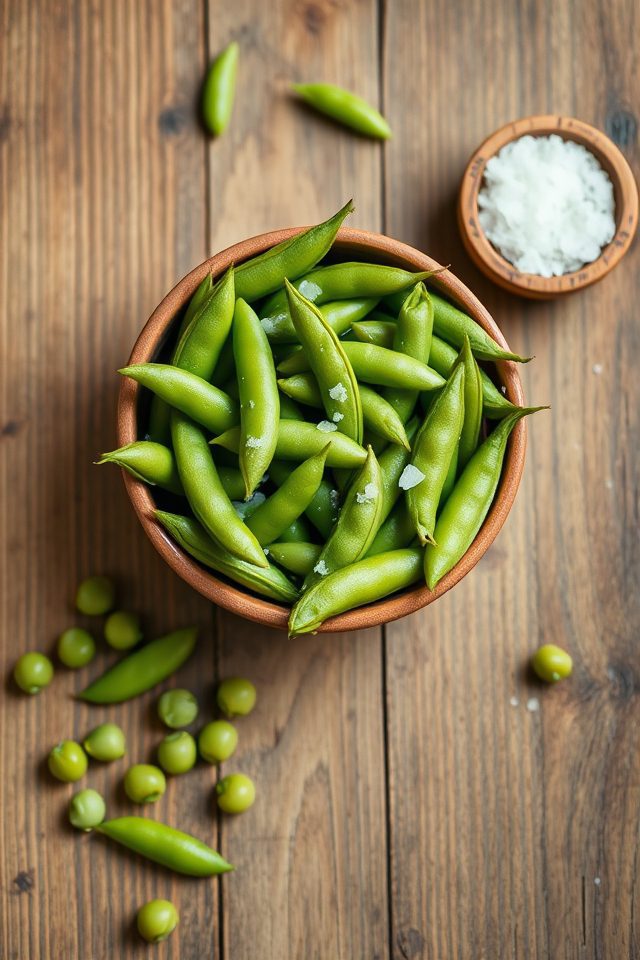
Edamame are young, green soybeans harvested before they fully mature. Often served steamed or boiled and lightly salted, they are a popular Japanese appetizer or snack. Rich in plant-based protein, fiber, vitamins, and minerals such as folate and iron, edamame supports muscle health and digestion. Naturally low in calories and cholesterol-free, these nutrient-dense beans make a wholesome addition to salads, rice dishes, or enjoyed simply in their pods.
Natto
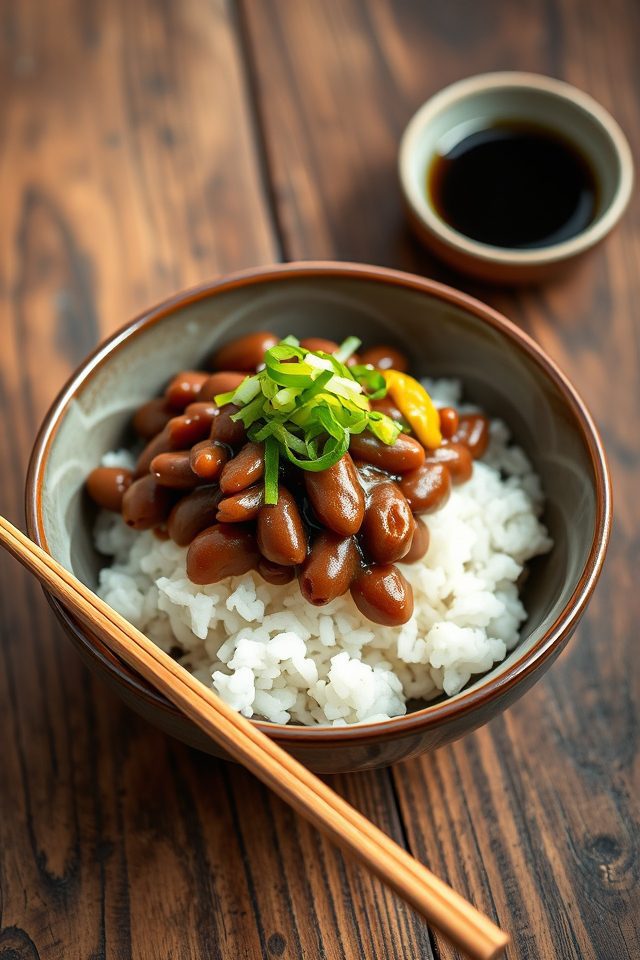
Natto is a traditional Japanese food made from fermented soybeans. Rich in protein, fiber, vitamins B2 and K2, as well as probiotics, natto supports digestive health and cardiovascular function. Its distinct aroma and sticky texture make it an acquired taste, but it remains popular for its nutritional benefits. Often eaten over steamed rice with soy sauce and mustard, natto is a staple breakfast item in many Japanese households.
Chirashi Sushi
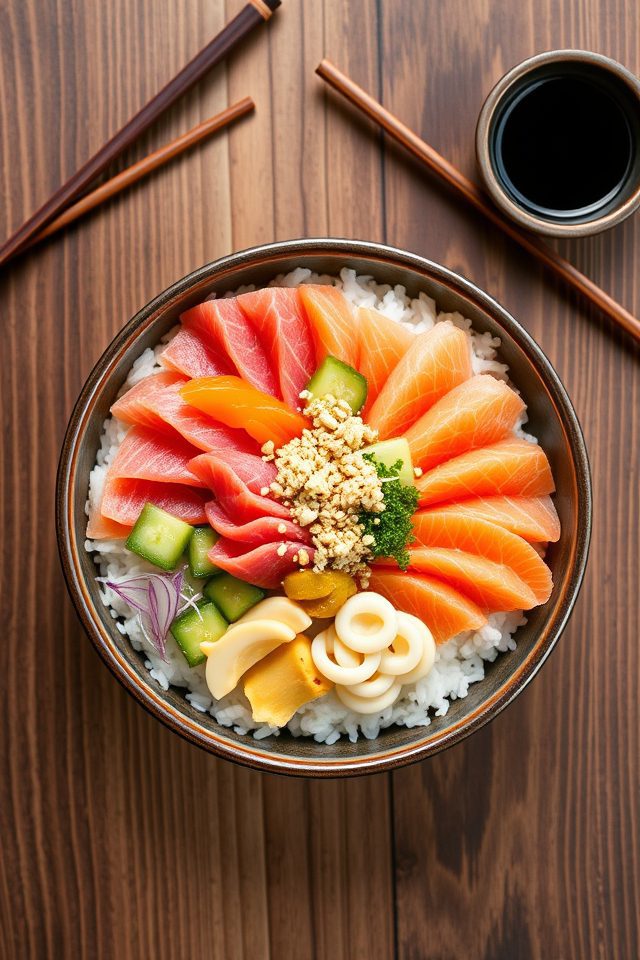
Chirashi sushi, meaning “scattered sushi,” is a colorful bowl of sushi rice topped with an assortment of fresh sashimi, vegetables, and sometimes egg. This dish is a nutrient-dense choice, rich in lean protein, omega-3 fatty acids, vitamins, and minerals. It is typically lower in calories compared to other sushi varieties since it avoids heavy sauces and fried ingredients, making it a wholesome, balanced option for those seeking a healthy Japanese meal.
Soba Noodles
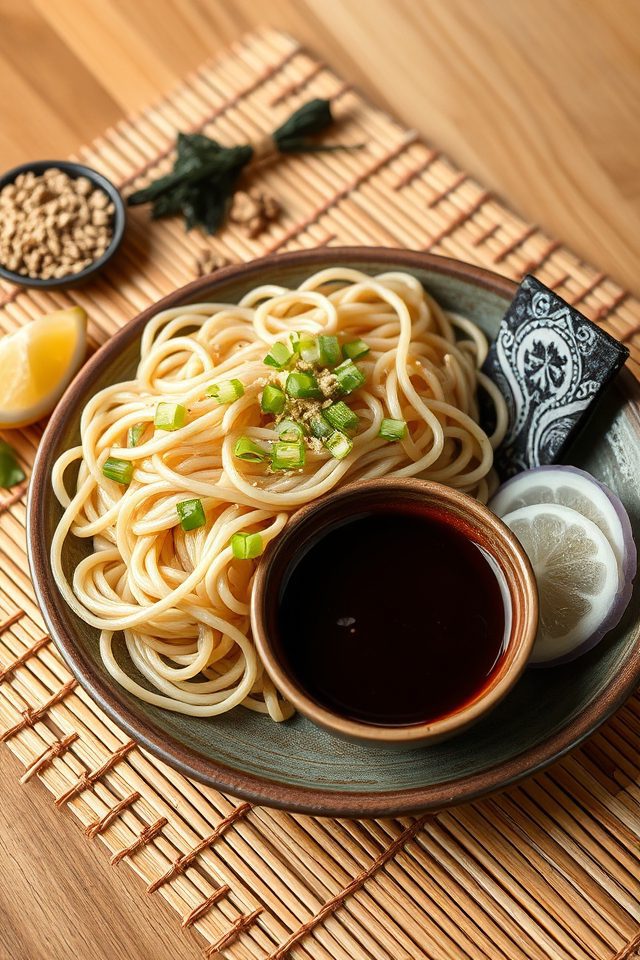
Soba noodles are traditional Japanese noodles made primarily from buckwheat flour, which is rich in fiber, protein, and essential minerals like manganese and magnesium. They have a nutty flavor and can be served hot in soups or chilled with dipping sauce. Naturally low in calories and gluten-free (if 100% buckwheat), soba noodles support digestive health and provide sustained energy, making them a popular, nutritious alternative to wheat-based noodles.
Seaweed Salad
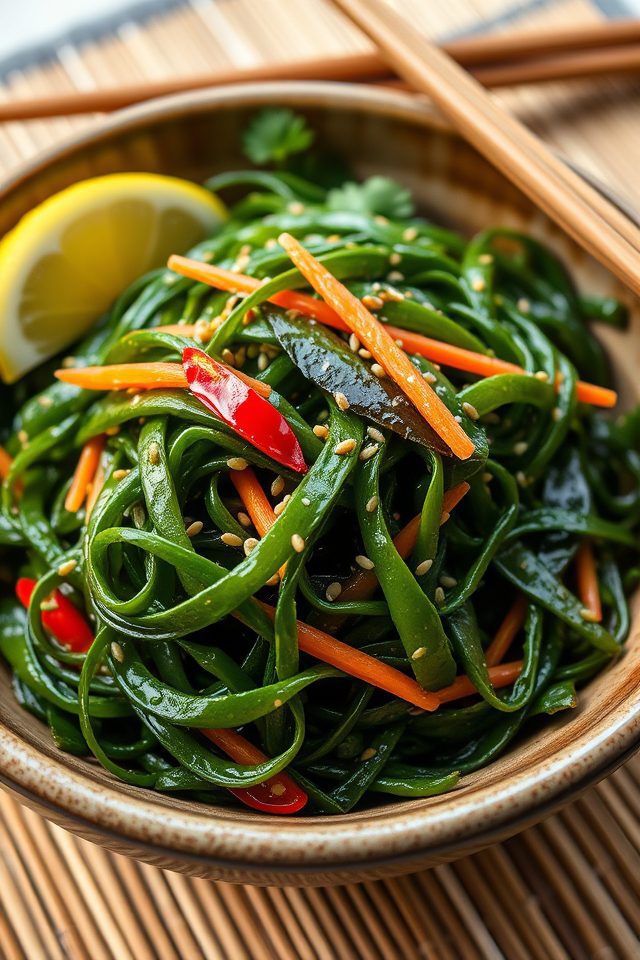
Seaweed salad is a nutrient-dense Japanese dish made primarily from varieties like wakame and kombu. Rich in vitamins A, C, E, and K, as well as minerals such as iodine, calcium, and magnesium, it supports thyroid health and immune function. Typically seasoned with sesame oil, rice vinegar, and sesame seeds, it offers a savory, slightly tangy flavor. Low in calories and high in fiber, seaweed salad promotes digestion and can be enjoyed as a healthy appetizer or side.
Grilled Fish
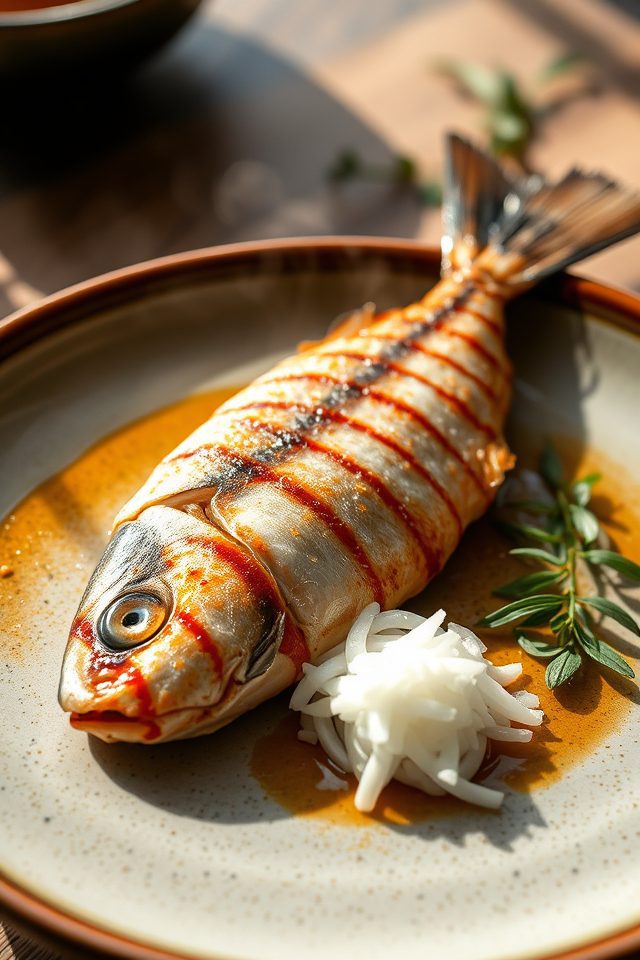
Grilled fish is a staple in Japanese cuisine, known for its simplicity and health benefits. Typically seasoned lightly with salt or soy sauce, it retains natural flavors and essential nutrients such as omega-3 fatty acids, protein, and vitamins. Common varieties include mackerel, salmon, and sardines. Cooking over an open flame or charcoal imparts a smoky aroma without added fats, making it a nutritious, low-calorie choice that supports heart health.
Tsukemono Pickles
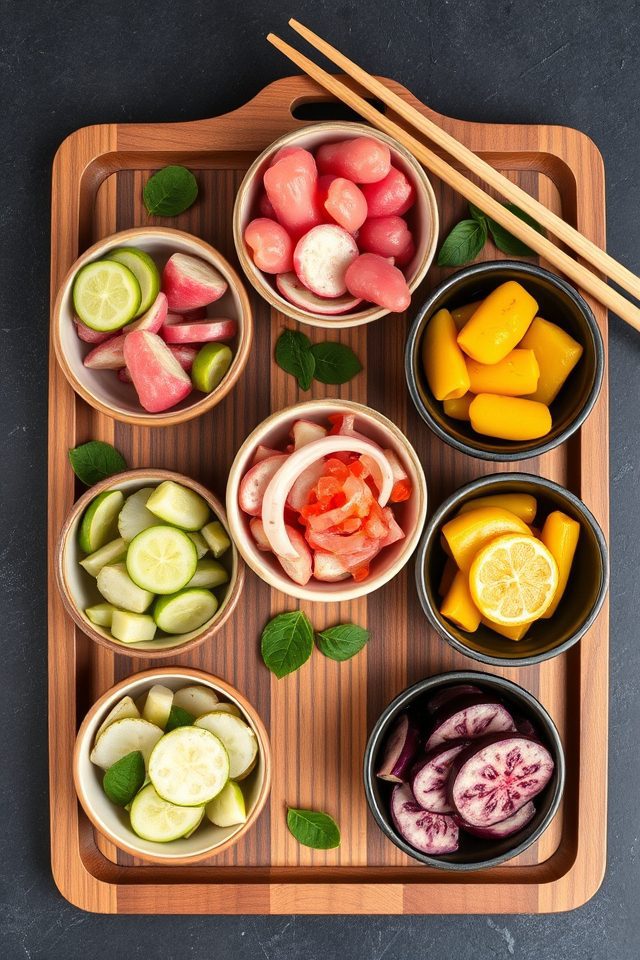
Tsukemono are traditional Japanese pickles made by fermenting or marinating vegetables in salt, rice bran, miso, or vinegar. They provide a crunchy, flavorful accompaniment to meals and are rich in beneficial probiotics that support gut health. Common ingredients include cucumbers, daikon radish, eggplant, or ginger. Low in calories but high in vitamins and fiber, tsukemono enhance digestion and add vibrant color and texture to Japanese cuisine.
Onigiri
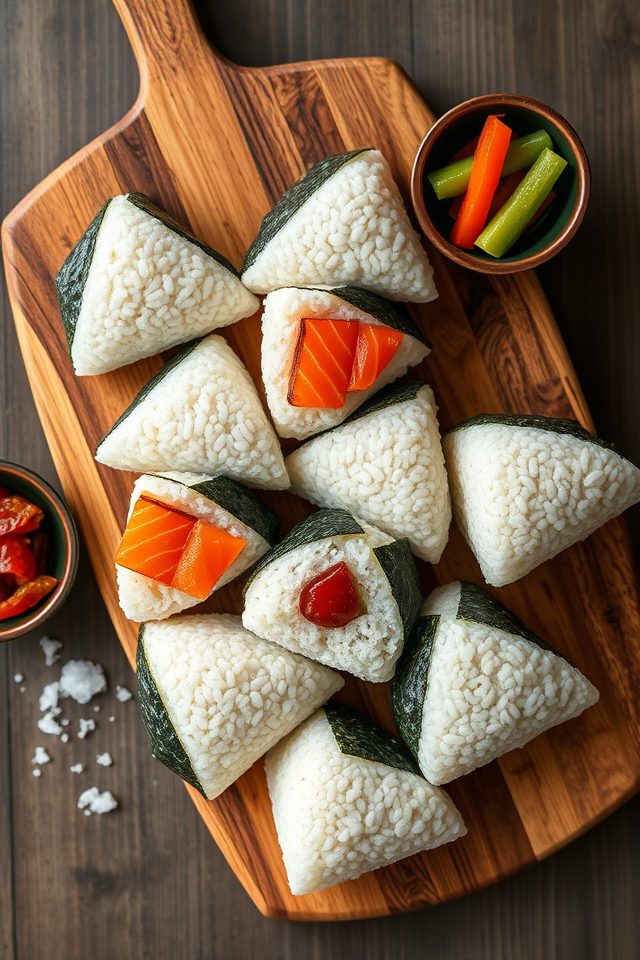
Onigiri, or Japanese rice balls, are a popular and nutritious snack made from steamed rice shaped into triangles or rounds, often wrapped in nori seaweed. They typically contain fillings such as salmon, pickled plum (umeboshi), or seasoned seaweed, providing a balance of carbohydrates, protein, and minerals. Naturally low in fat and easy to customize with healthy ingredients, onigiri is a convenient option for a light meal or snack on the go.
Chawanmushi
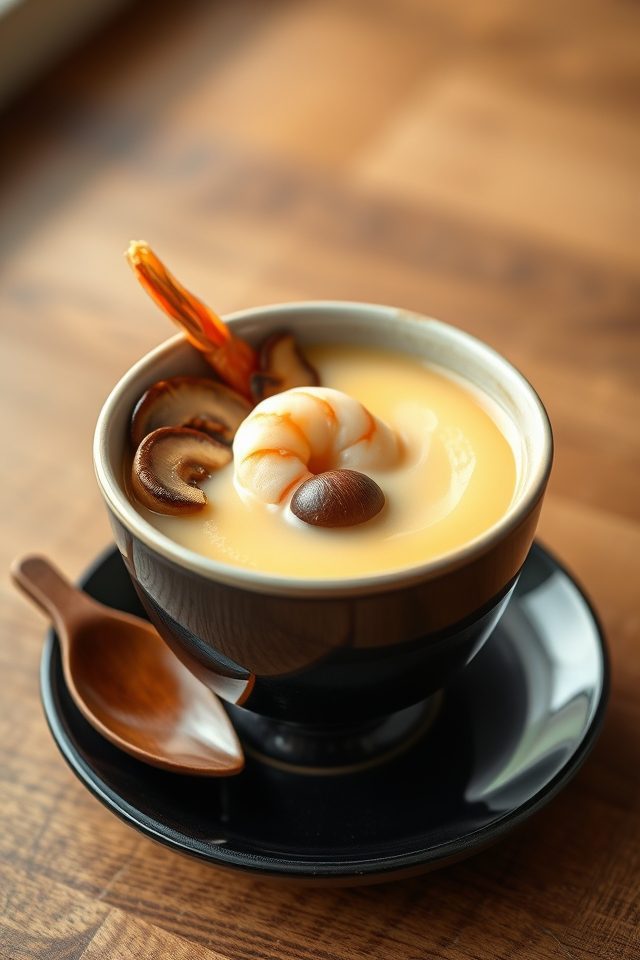
Chawanmushi is a delicate Japanese steamed egg custard made with a savory dashi broth base, gently seasoned with soy sauce and mirin. It often contains nutritious ingredients like shiitake mushrooms, shrimp, chicken, and ginkgo nuts. Low in calories and high in protein, it provides a silky, light texture while delivering essential nutrients and umami flavor. This dish is a healthy appetizer or side, offering both comforting warmth and satisfying nourishment.
Tamagoyaki
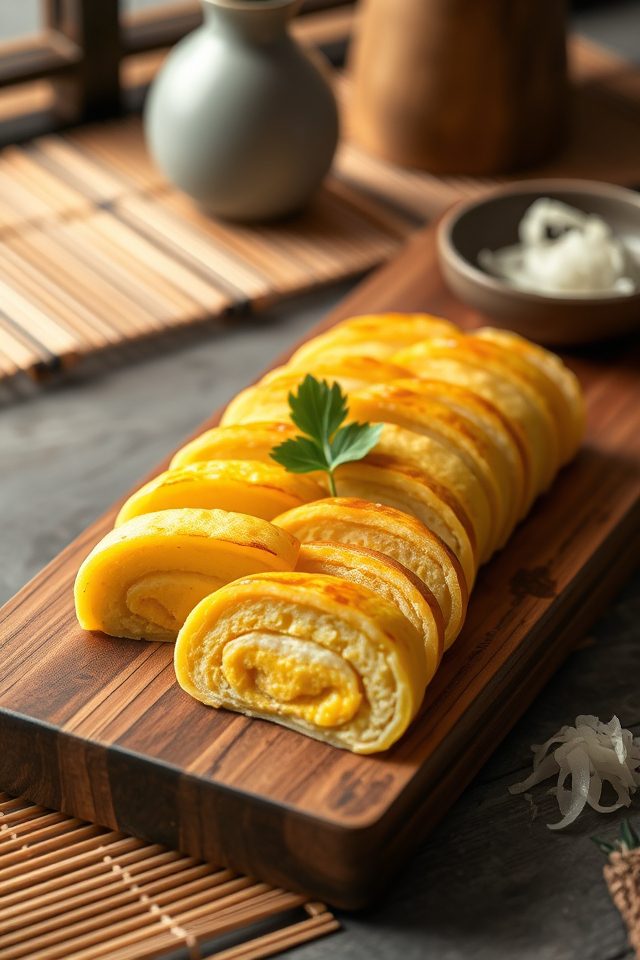
Tamagoyaki is a Japanese rolled omelet made by layering seasoned eggs cooked in a rectangular pan. Lightly sweet and savory, it typically contains dashi (Japanese soup stock), soy sauce, and a touch of sugar, creating a delicate yet flavorful dish. Tamagoyaki is rich in protein, low in fat, and often served as a sushi topping or side dish. Its simple ingredients and balanced taste make it a healthy, nutrient-dense food choice.
Yakitori

Yakitori is a popular Japanese dish consisting of skewered and grilled chicken pieces, often seasoned with a savory tare sauce or simply salted. Various chicken parts such as thigh, breast, skin, and liver provide distinct flavors and textures. Typically cooked over charcoal for a smoky aroma, yakitori is a protein-rich, relatively low-fat option. Served with vegetables like negi (green onions), it offers a healthy, balanced choice in Japanese cuisine.
Oden
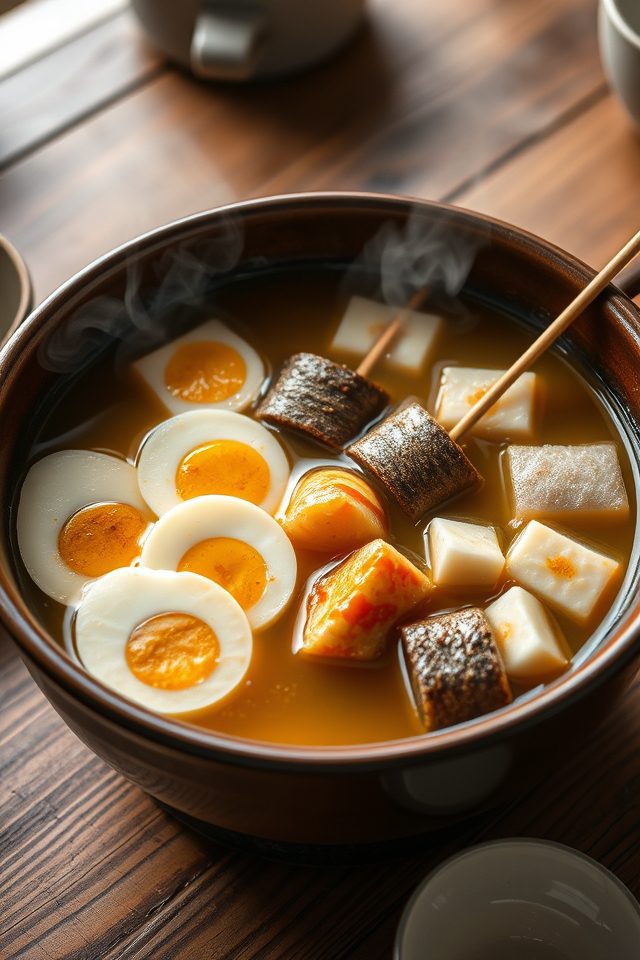
Oden is a traditional Japanese winter dish consisting of various ingredients simmered in a light soy-flavored dashi broth. Common components include boiled eggs, daikon radish, konjac, and fish cakes, all low in calories and rich in nutrients. Its mild seasoning and focus on whole foods make it a healthy, comforting option. High in fiber and protein yet low in fat, oden supports digestion and provides sustained energy without excessive calories.
Kinpira Gobo

Kinpira Gobo is a traditional Japanese side dish made primarily from burdock root (gobo) and carrots, sautéed and simmered in a savory-sweet mix of soy sauce, mirin, and sugar. Rich in fiber and antioxidants, burdock root supports digestion and overall health. The vegetables remain slightly crisp, offering a satisfying texture. Low in calories yet flavorful, kinpira gobo is a nutritious option often served with rice or as part of a bento.
Zaru Udon

Zaru udon is a chilled Japanese noodle dish made from wheat flour-based udon noodles served on a bamboo tray, usually accompanied by a savory dipping sauce called tsuyu. The noodles are rinsed in cold water to enhance their chewy texture and served with toppings like sliced green onions, grated ginger, and wasabi. Low in fat and invigorating, zaru udon offers a light, nutritious option especially popular during warmer months.
Tofu Dishes
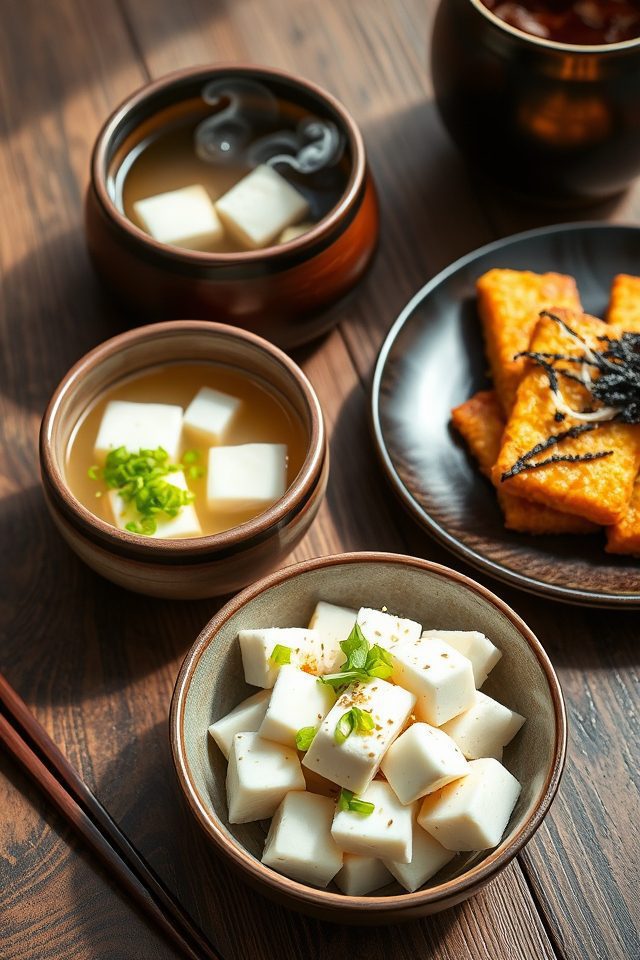
Tofu dishes are a staple in Japanese cuisine, offering a nutritious source of plant-based protein. Whether served chilled as hiyayakko, simmered in hot pots like yudofu, or pan-fried as agedashi tofu, these dishes are low in calories and rich in essential amino acids. Tofu readily absorbs flavors from broth, miso, or soy sauce, making it a versatile and satisfying choice for those seeking balanced, heart-healthy meals.
Conclusion
Adding these 17 healthy Japanese dishes to your meals gives you gut-friendly probiotics, lean protein, and plenty of vitamins and minerals. With options from simple miso soup to fresh sashimi, there’s something for every palate and lifestyle. Why not explore these balanced, nutrient-dense foods to support heart health and digestion? Incorporate them gradually, respecting portion sizes and variety, so you can enjoy delicious flavors while nourishing your body in a sustainable, evidence-based way.