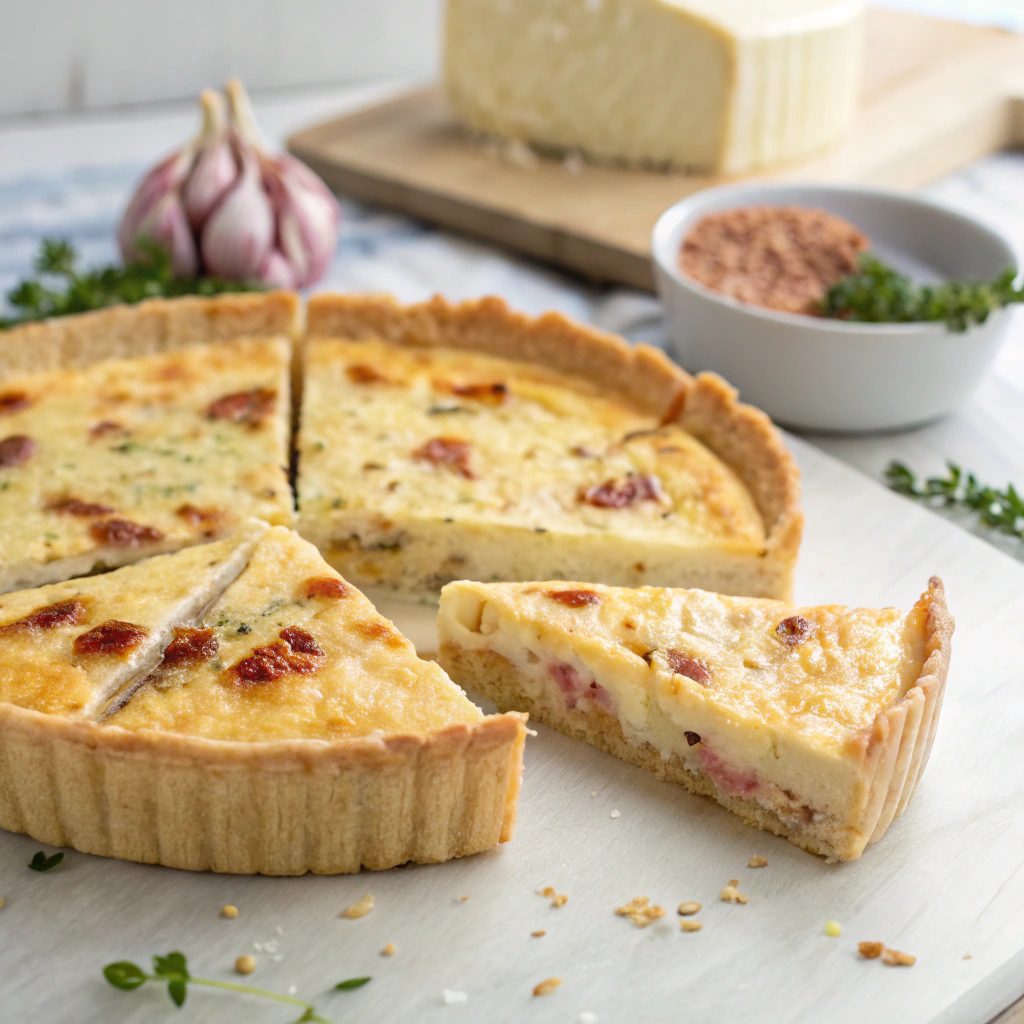
Transport yourself to a charming French bistro with every bite of this timeless classic: the Quiche Lorraine Delight. Imagine a delicate, buttery pastry crust holding a rich, velvety custard, generously studded with savory bacon lardons and nutty Gruyère cheese.
This isn’t just an egg pie; it’s a sophisticated yet profoundly comforting dish, celebrated for its perfect balance of flavors and textures.
Baked until golden and just set, it’s equally wonderful served warm for brunch, lunch, or a light dinner. Let’s master this iconic French tart together, creating a truly delightful experience.
Table of Contents
Why You’ll Love This Quiche Lorraine Delight Recipe?
This quintessential French tart is beloved for its elegant simplicity and satisfying richness. Here’s why this particular recipe for Quiche Lorraine Delight will become a cherished favorite:
- Iconic French Flavor: Captures the classic, authentic taste of savory bacon, nutty cheese, and creamy custard in a flaky crust.
- Elegant Yet Achievable: Looks impressive and sophisticated, but the process is straightforward enough for home cooks to master.
- Perfect for Any Meal: Equally delicious served warm or at room temperature for brunch, lunch, or a light dinner.
- Make-Ahead Convenience: Ideal for prepping ahead, making entertaining or meal planning much easier.
- Deeply Comforting: The combination of rich custard, savory bacon, and buttery pastry offers pure comfort food satisfaction.
Ingredients for Quiche Lorraine Delight
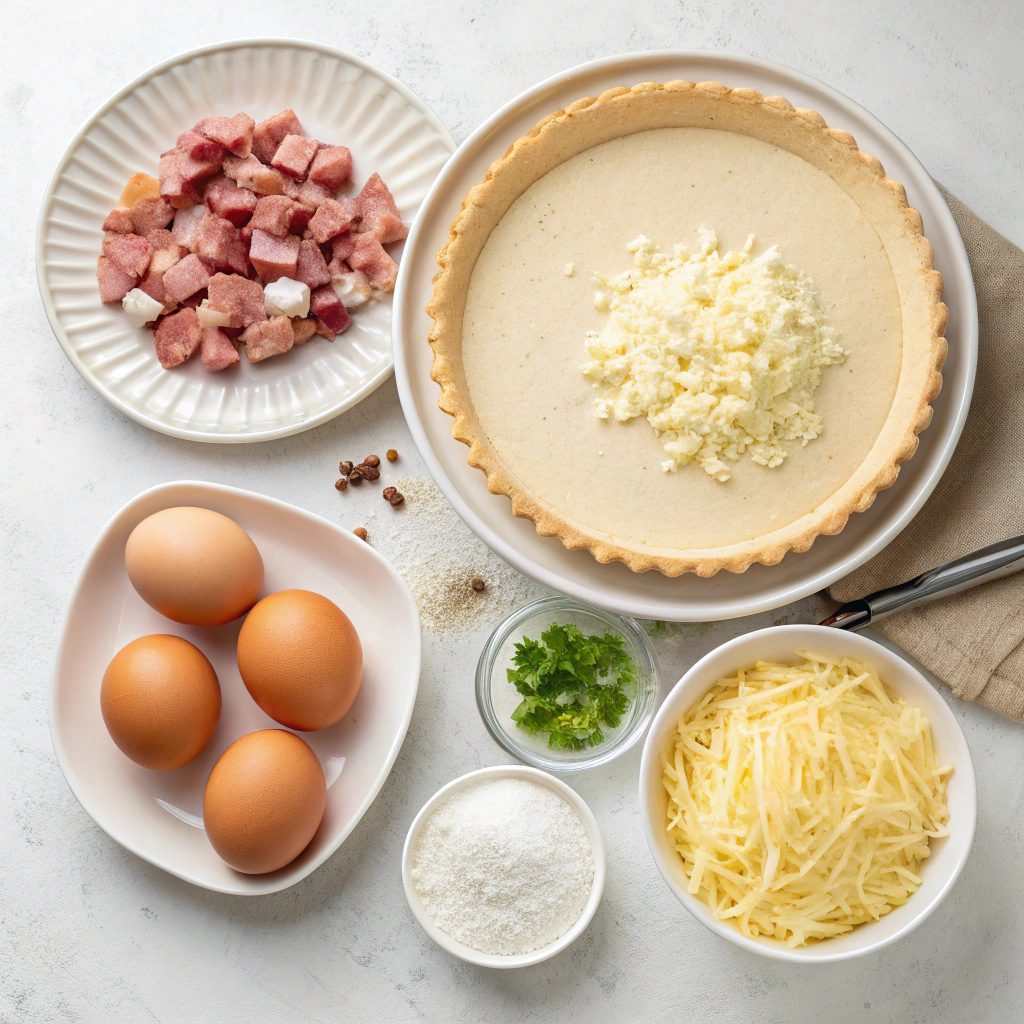
Gathering high-quality ingredients is key to achieving the authentic flavor and texture of this classic French tart. A good pastry, flavorful bacon, and nutty Gruyère are essential components.
For the Crust:
- 1 single pie crust (9-inch), preferably homemade Pâte Brisée or a good-quality store-bought all-butter crust
For the Filling:
- 6 slices thick-cut bacon, diced (about 6 ounces)
- 1 small yellow onion or 2 shallots, finely chopped (optional, but adds flavor)
- 4 large eggs
- 1 1/2 cups heavy cream (or 1 cup heavy cream + 1/2 cup whole milk)
- 1/2 teaspoon salt
- 1/4 teaspoon freshly ground black pepper
- Pinch of freshly grated nutmeg
- 1 cup shredded Gruyère cheese (or Swiss cheese), divided
Step By Step Instruction To Make Quiche Lorraine Delight
Creating an authentic Quiche Lorraine involves preparing the crust, cooking the bacon filling, mixing a rich custard, and baking until perfectly set and golden. Follow these steps carefully for classic French perfection.
- Prepare and Blind Bake the Crust: Preheat your oven according to your pie crust recipe or package directions (usually 375°F-400°F or 190°C-200°C). Gently fit the pie crust into a 9-inch pie plate or tart pan, fluting the edges as desired. Prick the bottom of the crust several times with a fork. Line the crust with parchment paper and fill with pie weights or dried beans. Bake for 15 minutes. Carefully remove the parchment paper and weights and bake for another 5-8 minutes, or until the crust is set and lightly golden. Set aside to cool slightly. Reduce oven temperature to 350°F (175°C) for baking the quiche.
- PRO TIP: Blind baking is crucial for a crisp bottom crust that doesn’t get soggy from the custard filling.
- Cook Bacon and Onion: While the crust bakes/cools, place the diced bacon in a medium skillet over medium heat. Cook, stirring occasionally, until the bacon is crisp and the fat has rendered. Use a slotted spoon to transfer the cooked bacon bits to a paper towel-lined plate to drain. Pour off all but 1 tablespoon of the bacon fat from the skillet. If using onion/shallots, add them to the skillet with the reserved bacon fat and cook over medium-low heat until softened and translucent, about 5-7 minutes. Remove from heat.
- Prepare the Custard: In a medium bowl, whisk together the eggs, heavy cream (or cream/milk mixture), salt, pepper, and pinch of nutmeg until well combined but not overly frothy.
- Assemble the Quiche: Sprinkle half of the shredded Gruyère cheese evenly over the bottom of the pre-baked crust. Scatter the cooked bacon bits and sautéed onion/shallots (if using) over the cheese. Sprinkle the remaining half of the Gruyère cheese over the bacon and onions. {PRO TIP: Layering the cheese helps prevent the bacon and onions from sinking directly to the bottom.}
- Add Custard: Carefully pour the prepared egg custard mixture slowly over the fillings in the pie crust. Pour gently to avoid displacing the fillings too much.
- Bake the Quiche: Carefully place the quiche on a baking sheet (to catch potential spills) and transfer it to the preheated 350°F (175°C) oven. Bake for 35-45 minutes, or until the custard is set and the top is golden brown. The center should no longer jiggle significantly when the pan is gently shaken (a knife inserted near the center should come out clean).
- Rest Before Serving: Let the quiche rest on a wire rack for at least 10-15 minutes before slicing and serving. This allows the custard to fully set, making slicing cleaner and preventing the filling from running out. Serve warm or at room temperature.
Frequently Asked Questions & Chef’s Tips
Mastering this classic French tart involves achieving a flaky crust and perfectly set custard. Here are answers to common questions to help you create a delightful Quiche Lorraine every time.
How do I prevent a soggy crust?
Blind baking the crust is key—it sets and browns the pastry before the custard goes in. Adding a layer of cheese before the filling can also help block moisture.
Can I use milk instead of heavy cream?
You can, but heavy cream (or a cream and whole milk mix) gives the richest texture and best set. Using only milk can lead to a thinner, watery custard.
What’s the best cheese to use if I can’t find Gruyère?
Try Emmental, Jarlsberg, Comté, or Swiss cheese. Sharp white cheddar also works but gives a bolder flavor than traditional Gruyère.
Can I make Quiche Lorraine ahead of time?
Yes! Bake it fully, cool, cover, and refrigerate for up to 3 days. It’s great chilled, at room temp, or gently reheated.
What’s the best way to reheat Quiche Lorraine?
Reheat in a 325°F (160°C) oven for 10–20 minutes to warm through and crisp the crust. Avoid microwaving if possible—it softens the pastry.
Variations and Serving Suggestions
While the classic Quiche Lorraine is defined by bacon and cheese, slight variations are common, and it pairs beautifully with simple accompaniments.
- Add Vegetables: Although not traditional for Lorraine, you could add sautéed spinach (squeezed very dry), caramelized onions (instead of just softened), or sautéed mushrooms for extra flavor and texture.
- Different Cheese Blends: Mix Gruyère with a bit of Parmesan for extra saltiness or white cheddar for sharpness.
- Herb Additions: While classic Lorraine is often herb-free, a tablespoon of finely chopped fresh chives or parsley can be added to the custard for a touch of freshness.
- Serving Ideas: Quiche Lorraine is wonderfully versatile. Serve a warm slice for brunch with a side of fresh fruit or breakfast potatoes. For lunch or a light dinner, pair it with a simple green salad dressed with a sharp vinaigrette (like a classic French bistro salad) or a cup of soup (like French onion or tomato). It’s also great served cold or at room temperature for picnics or buffets.
Estimated Nutrition & Summary
Below is an estimated nutritional breakdown per slice (assuming the quiche is cut into 6 slices). Please note that actual values will vary greatly depending on the type of crust used (especially fat content), thickness of bacon, fat content of dairy (cream vs. milk), and amount of cheese.
| Nutrient | Amount per Serving (1/6th Quiche) |
|---|---|
| Calories | ~450-650 kcal |
| Protein | ~15-20 g |
| Fat | ~35-55 g |
| Saturated Fat | ~15-28 g |
| Carbohydrates | ~15-25 g |
| Sodium | ~600-900 mg |
(Note: Based on using an all-butter crust, heavy cream, thick-cut bacon, and Gruyère cheese. High variability expected.)
Quiche Lorraine Delight is the embodiment of classic French comfort food – elegant, savory, and deeply satisfying. The combination of a flaky, buttery crust filled with rich custard, smoky bacon, and nutty Gruyère cheese creates a timeless dish perfect for any meal. By following simple techniques like blind baking the crust and gently cooking the custard, you can easily recreate this bistro favorite at home. Serve it warm or at room temperature, and enjoy a true taste of French culinary tradition. Bon appétit!
Disclaimer: Nutritional information on this blog is estimated and may vary based on ingredients and portions. We are not nutritionists and recommend consulting a professional for specific dietary advice.