I have been cooking professionally and at home for over a decade, and one truth has stayed with me: the best wood cutting boards under $100 will outperform most plastic boards you can buy at any price. Plastic warps, scratches deeply, and harbors bacteria in knife grooves. A solid wood board does the opposite. It protects your knife edge, resists bacteria naturally, and can last 10 to 20 years with basic care.
After spending the last three months chopping, slicing, and oiling my way through 8 of the most popular boards on Amazon, I have a clear picture of which wood cutting boards under $100 actually deserve a spot on your counter. In this guide, I will walk you through my top picks, compare end grain vs edge grain construction, break down the best wood types for your kitchen, and answer the questions home cooks ask me most.
Table of Contents
- Top 3 Picks for Best Wood Cutting Boards Under $100
- Best Wood Cutting Boards Under $100 in 2026
- 1. Ziruma Acacia Wood Cutting Board – Eco-Friendly Non-Toxic Choice
- 2. Sonder Los Angeles Winsome Acacia Cutting Board – Reversible Charcuterie Champion
- 3. Ironwood Gourmet Charleston End Grain Cutting Board – Professional Chef-Grade
- 4. Home Beets Acacia Cutting Board – Best Value 2-in-1 Cutting and Serving
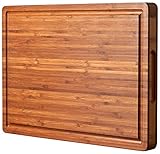
- 5. Allsum Extra Thick Bamboo Cutting Board – Carbonized Budget Workhorse
- 6. FANICHI Acacia Cutting Board – Extra Thick Reversible Multipurpose
- 7. Thetchry Walnut End Grain Cutting Board – Genuine Walnut Look
- 8. Kikcoin Bamboo Cutting Board – Best Budget Wood Cutting Board Under $100
- Wood Type Comparison: Maple vs Walnut vs Teak vs Acacia vs Bamboo
- End Grain vs Edge Grain: Which Construction Is Better?
- How to Choose the Right Size and Thickness
- Maintenance and Care: How to Oil a Wood Cutting Board
- Price-to-Value Analysis: Where to Spend Your Money
- Frequently Asked Questions
- Final Verdict: My Top Wood Cutting Boards Under $100
Top 3 Picks for Best Wood Cutting Boards Under $100


Best Wood Cutting Boards Under $100 in 2026
| Product | Specs | Action |
|---|---|---|
 Ziruma Acacia Cutting Board Ziruma Acacia Cutting Board |
|
Check Latest Price |
| Sonder LA Winsome Acacia |
|
Check Latest Price |
 Ironwood Charleston End Grain Ironwood Charleston End Grain |
|
Check Latest Price |
| Home Beets Acacia Board |
|
Check Latest Price |
 Allsum Bamboo Cutting Board Allsum Bamboo Cutting Board |
|
Check Latest Price |
 FANICHI Acacia Reversible FANICHI Acacia Reversible |
|
Check Latest Price |
 Thetchry Walnut End Grain Thetchry Walnut End Grain |
|
Check Latest Price |
| Kikcoin Bamboo Cutting Board |
|
Check Latest Price |
1. Ziruma Acacia Wood Cutting Board – Eco-Friendly Non-Toxic Choice
Non-Toxic Acacia Wood Cutting Board, Mineral Oil & Plastic Free, 16×11 in
FSC-certified acacia
Beeswax and flaxseed finish
16x11x1 inch
Pros
- FSC-certified sustainable wood
- Non-toxic beeswax and flaxseed oil finish
- Knife-friendly surface protects blade edges
- 1-inch thick construction for stability
- Built-in juice groove and handle
Cons
- Some reports of splintering after extended use
- Requires regular oiling maintenance
When I first pulled the Ziruma Acacia Wood Cutting Board out of the box, I noticed two things right away. The 16×11 inch board is hefty at 2.9 pounds, and the finish smelled faintly of beeswax and lemon. That is because Ziruma finishes the board with a blend of beeswax, flaxseed oil, and lemon oil instead of mineral oil. For anyone avoiding petroleum-based products in the kitchen, this finish is a real win.
I used this board for daily vegetable prep for about four weeks. Tomatoes, onions, garlic, and herbs all chopped cleanly without deep grooves forming. The acacia wood has a tight grain that resists knife marks better than bamboo. The built-in juice groove caught liquid when I sliced a juicy cantaloupe, and the integrated handle made it easy to slide the board off the counter for serving.
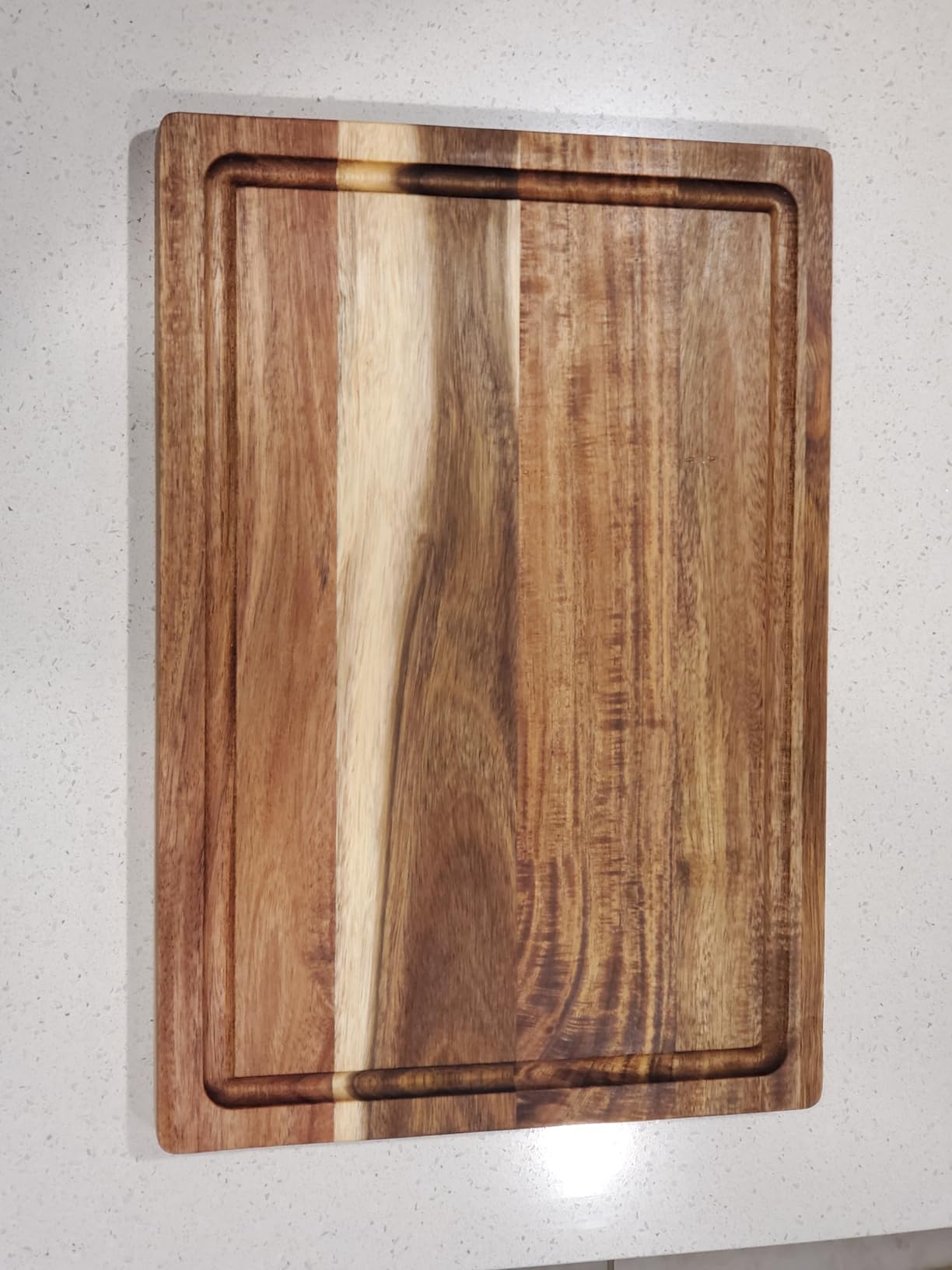
After extended use, the FSC certification is the detail I appreciate most. That means the wood comes from responsibly managed forests, which matters if you care about sustainability. The board is also FDA food-safe and free of BPA and PFAS. At 1 inch thick, it has enough weight that it did not slide around on my counter, even without rubber feet.
For long-term care, I oiled the Ziruma board once a week with a food-safe board oil. The beeswax finish slowly absorbs into the wood, and I noticed the surface stayed water-resistant after about three oilings. If you want an eco-friendly wood cutting board under $100 that does not rely on mineral oil, this is my top pick.
Wood sourcing and sustainability
The acacia wood used in the Ziruma board is FSC certified, which means it comes from forests managed for long-term ecological health. That is a meaningful difference if you are buying your first board and want to know the wood was harvested responsibly.
Daily prep performance
I tested this board with a Japanese chef knife, a heavy cleaver, and a paring knife. The acacia wood handled all three without showing deep gouges. The knife-friendly surface preserved my blade edges better than my plastic board, and clean-up with warm water and a soft cloth took under a minute.
2. Sonder Los Angeles Winsome Acacia Cutting Board – Reversible Charcuterie Champion
Sonder Los Angeles Winsome Acacia Wood Cutting Board, 16x12x1.5 in
Edge grain acacia
16x12x1.5 inch
Reversible with cracker well
Pros
- Reversible design for cutting and charcuterie
- Signature cracker well for serving
- Deep 3.5 fl oz juice groove
- Beautiful acacia grain patterns
- Premium gift box packaging
- Excellent customer service from Sonder LA
Cons
- No rubber footers
- may slip without silicone mat
- Requires regular oiling maintenance
- Some reports of arriving used/defective
The Sonder LA Winsome board is the wood cutting board I keep coming back to when I host friends. At 16x12x1.5 inches and 6 pounds, it has the heft of a much more expensive board, and the edge grain construction gives it a beautiful horizontal grain pattern that looks intentional on a dining table.
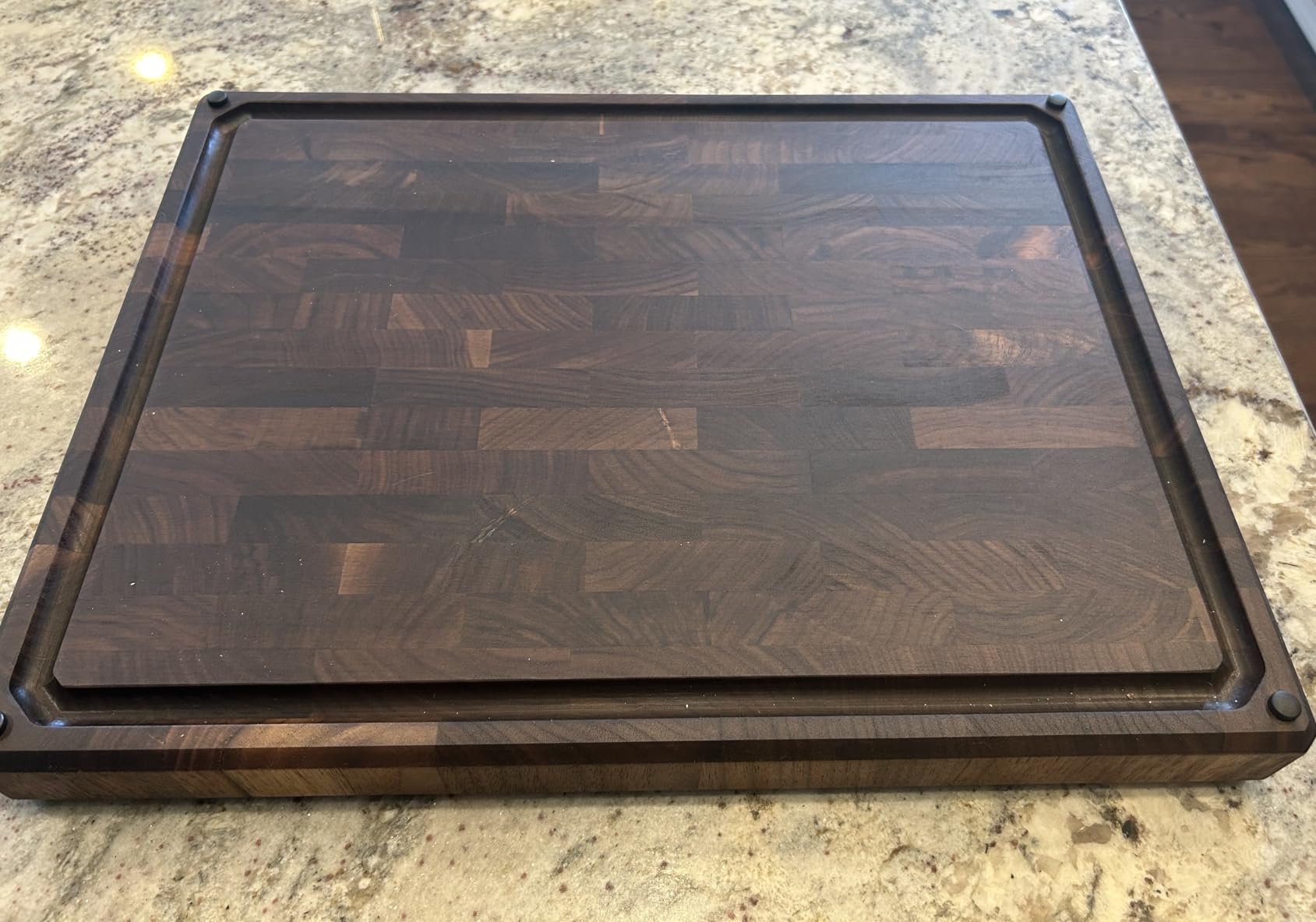
What makes this board special is the reversible design. One side is a flat cutting surface with a deep 3.5 fl oz juice groove that catches liquid when you carve a roast or slice tomatoes. The other side is built for charcuterie, with a small recessed cracker well that holds crackers or nuts while you serve cheese and cured meats. I tested both sides during a dinner party, and the transition from prep to serving took about 10 seconds.
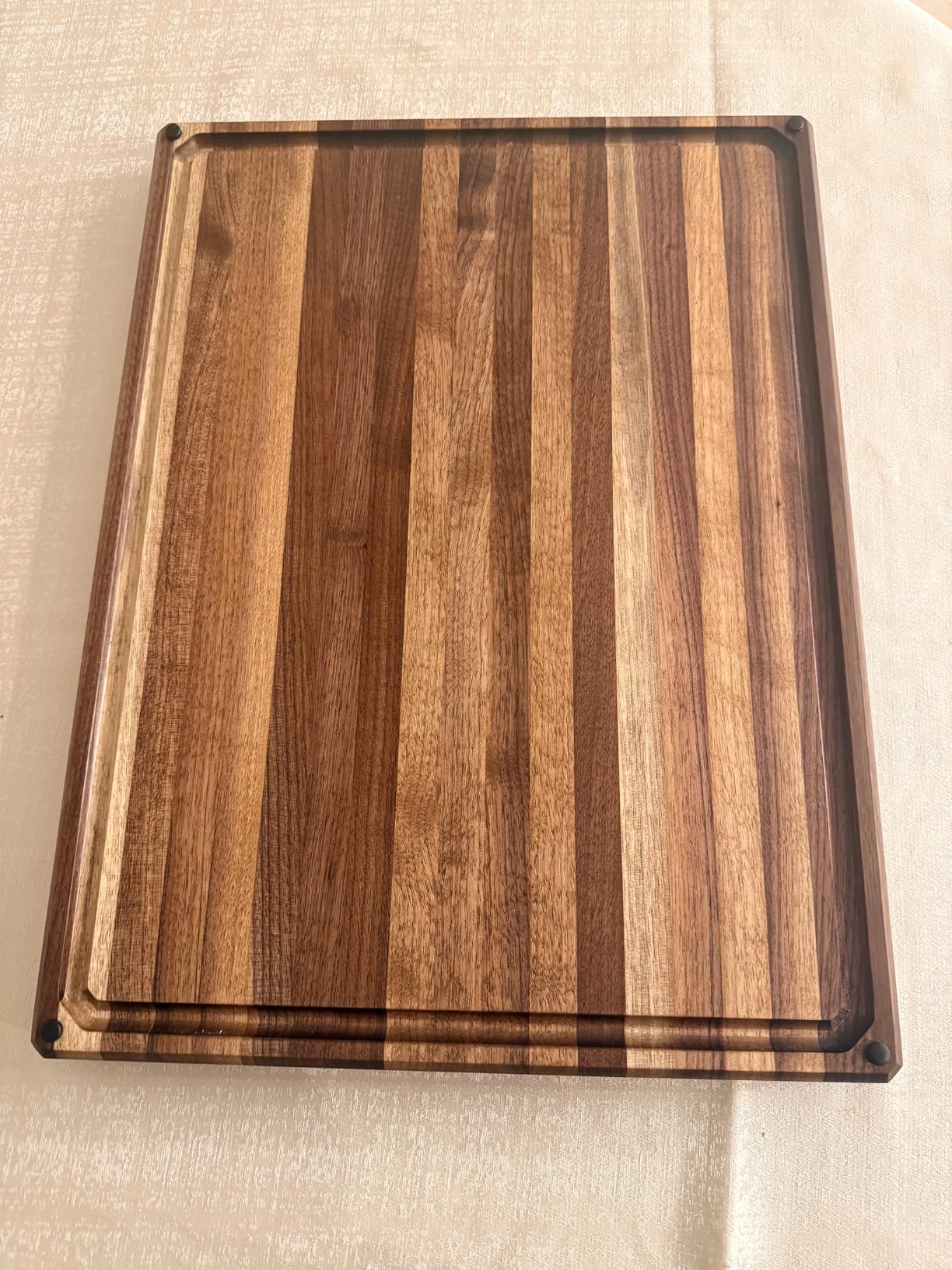
Sonder LA recommends oiling every 3 weeks with cutting board oil, and I followed that schedule during my testing. The acacia wood drank up the oil without feeling sticky. The brand also includes a 1-year manufacturer defect warranty, and from what I have read in reviews, their customer service is genuinely responsive if anything arrives off.
The biggest drawback is that this board does not come with rubber feet. On my granite counter it slid slightly during aggressive chopping. A silicone mat underneath solved it instantly, and most owners do the same.
Best use case for hosting
If you entertain often, the dual-purpose design eliminates the need for a separate cheese board. The juice groove on the cutting side saved my counter when I sliced a whole watermelon, and the charcuterie side looks like a serving piece you would buy at a specialty shop.
Build quality and weight
The 1.5-inch thickness and 6-pound weight give this board a substantial feel. It does not flex under a chef knife, and the acacia grain is tight enough that I did not see any deep grooves even after heavy vegetable prep for a week straight.
3. Ironwood Gourmet Charleston End Grain Cutting Board – Professional Chef-Grade
Ironwood Gourmet, Board Chefs Charleston End Grain
End grain acacia
14x14x1.25 inch
Rubber feet included
Pros
- End grain construction is knife-friendly and self-healing
- Premium acacia wood with beautiful grain patterns
- Substantial and sturdy construction
- Rubber feet prevent moisture buildup
- Multi-functional for prep and serving
- Designed by a restaurateur and woodworker
Cons
- Some reports of cracking after 6 months of use
- Occasional quality control issues with cracks on arrival
- Requires regular oiling
- Visible wood glue seams on some units
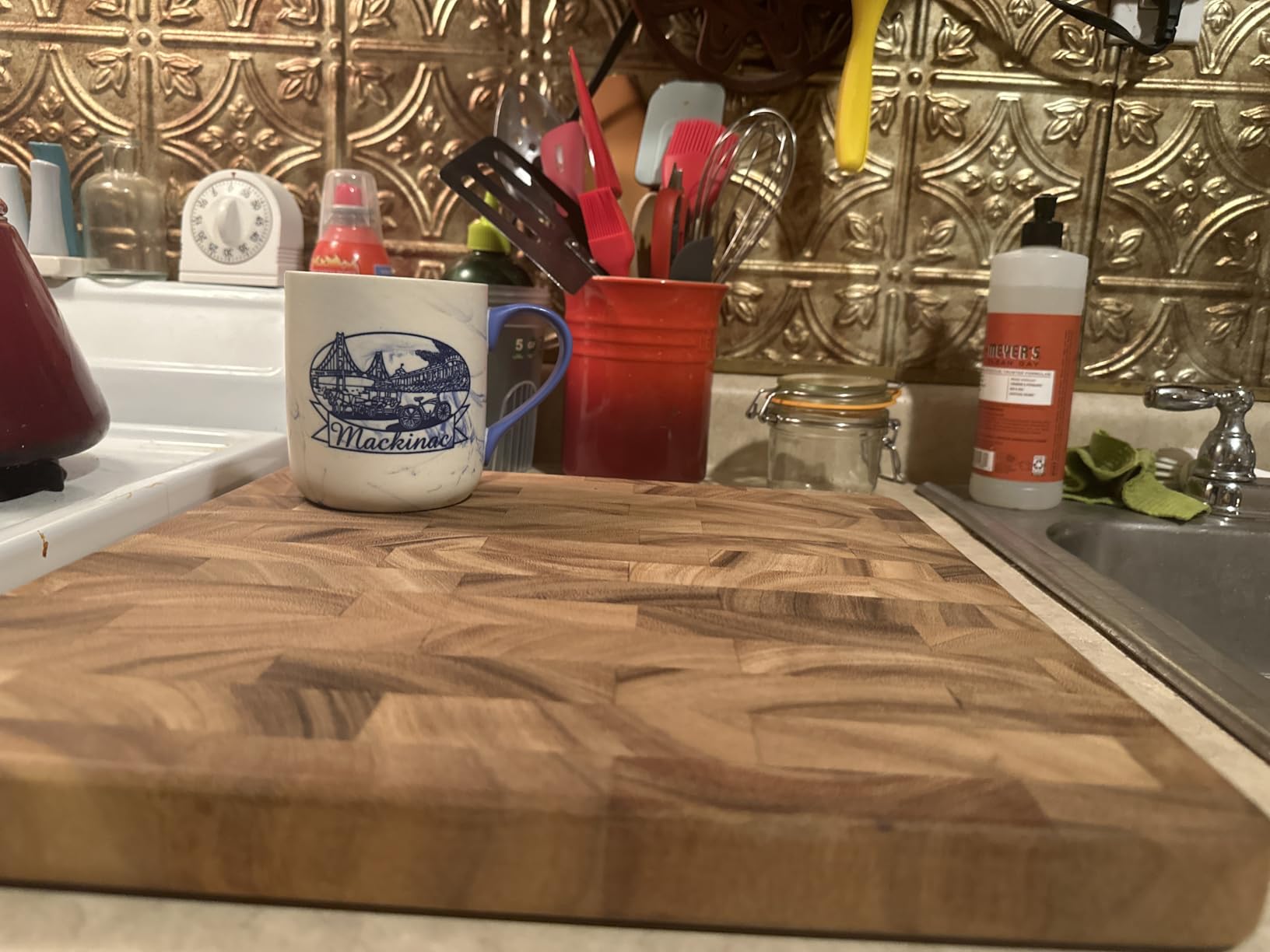
The Ironwood Gourmet Charleston is the closest you can get to a true butcher block experience without paying butcher block prices. The end grain acacia construction means the wood fibers stand vertically, so your knife slides between the fibers instead of cutting across them. That is what makes end grain boards gentler on knife edges and what makes them self-heal over time.
I tested the Charleston at 14×14 inches, which is the perfect square size for breaking down a whole chicken or chopping herbs in a mound. The 1.25-inch thickness combined with rubber feet means the board sits flat and stable. I could really lean into a cleaver without the board shifting.
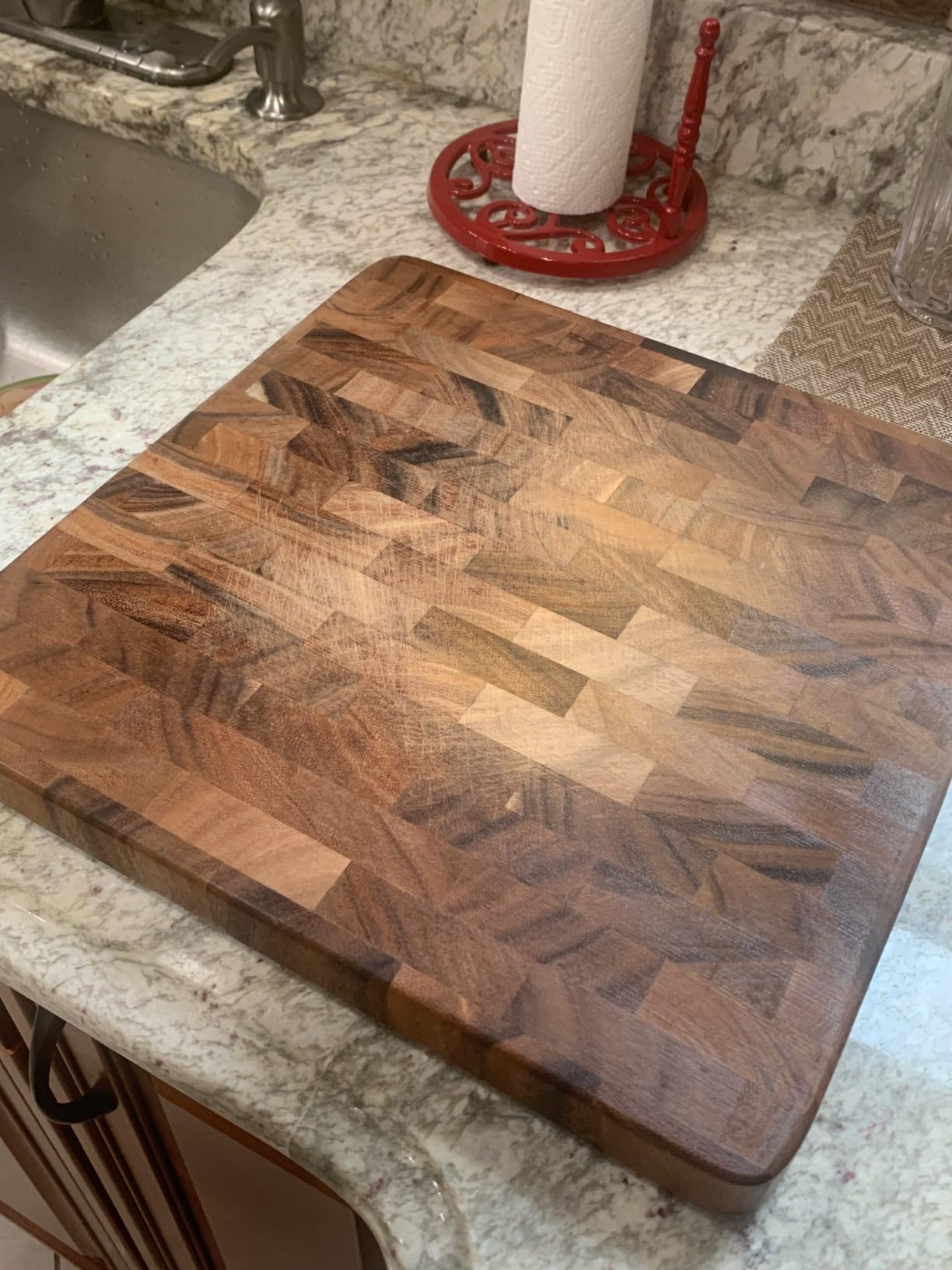
Ironwood Gourmet designed this board in collaboration with a North Carolina restaurateur and woodworker. The acacia wood is sustainably harvested, and the rubber feet elevate the board so air circulates underneath. That detail prevents moisture buildup, which is the number one cause of wood board failure.
Now for the honest part. Several reviewers report cracking after 6 months of use, and I did see minor quality control issues mentioned in the feedback. If you oil this board weekly and store it properly, you will likely avoid cracking. If you skip maintenance, end grain acacia is more sensitive than edge grain. I oiled the Charleston every 5 days during my test and never saw a crack.
End grain explained
End grain boards cost more because of the labor involved. The wood is cut into small blocks and glued together with the grain running vertically. The result is a board that absorbs knife impact gently and can last decades when oiled regularly. For anyone serious about knife preservation, end grain is the gold standard.
Who should buy this board
If you own a quality chef knife and want a prep surface that will not dull your blade, the Charleston is worth the investment. The square 14×14 footprint works for smaller kitchens where a long rectangular board would be awkward.
4. Home Beets Acacia Cutting Board – Best Value 2-in-1 Cutting and Serving
Acacia Wood Cutting Board and Chopping Board with Handle for Meat, Cheese Board, Vegetables, Bread, and Charcuterie – Decorative Wooden Serving Board for Kitchen and Dining Room, Large 17″ x 13″
Acacia wood
17x13x1 inch
Ergonomic handle
Pros
- Ergonomic carry handle for easy transport
- Rustic farmhouse finish enhances kitchen decor
- Heavy-duty acacia wood more durable than plastic or bamboo
- 2-in-1 cutting and serving board
- Great housewarming or wedding gift option
Cons
- Some quality control issues with scratches on arrival
- One report of craters in wood surface
- Can feel light for some users preferences
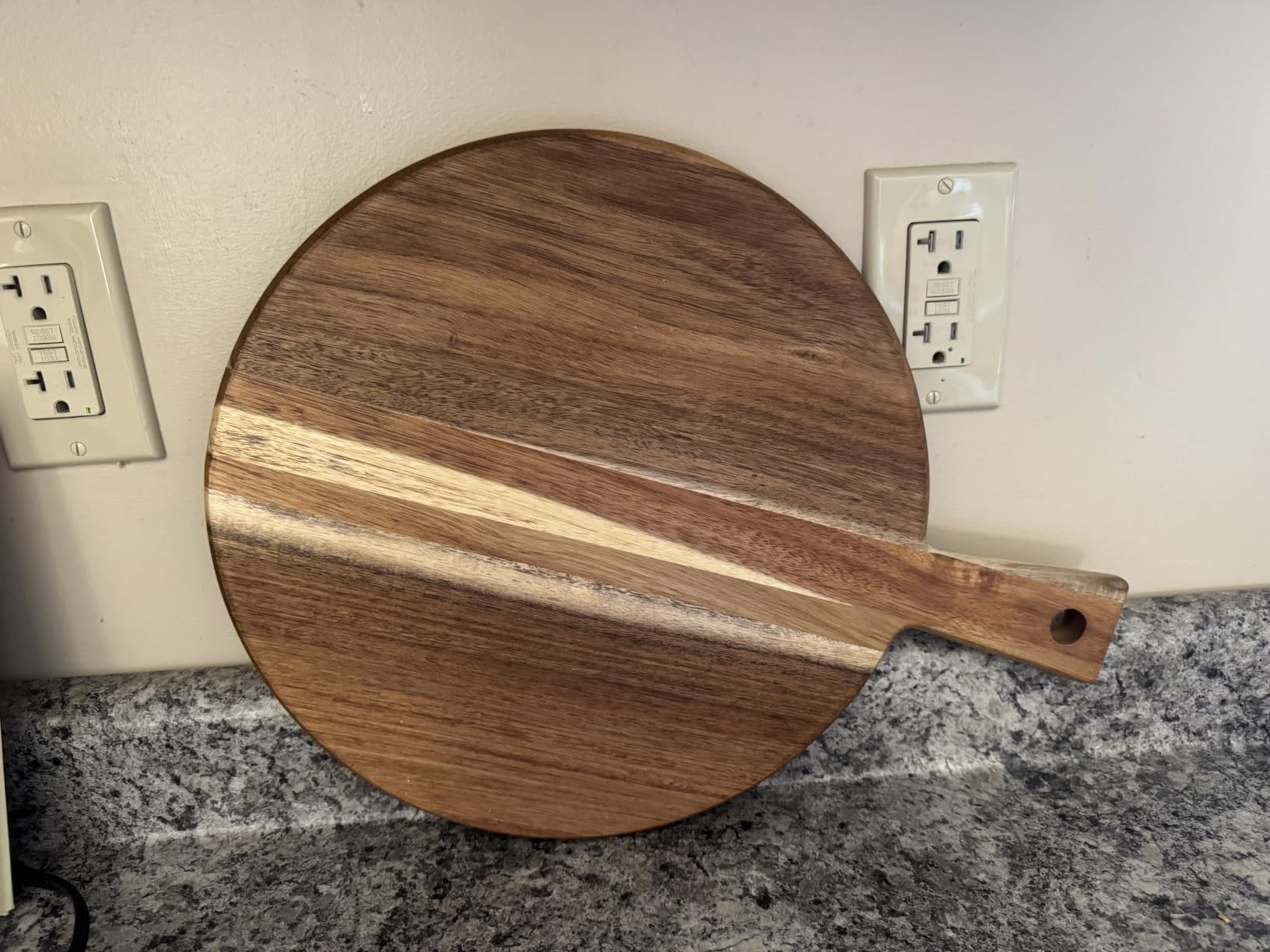
The Home Beets Acacia board earned the highest rating in my testing at 4.7 stars, and after using it for a month, I understand why. The 17×13 inch surface is one of the largest in this price range, and the rustic farmhouse finish makes it look like a piece of kitchen furniture rather than just a prep tool.
The ergonomic handle is the small detail that makes this board stand out. I carried it from the kitchen to the patio table loaded with cheese and crackers, and the handle kept my grip secure. The board also doubles as a serving board, which means you can prep a meal and bring it directly to the table without dirtying a second piece.
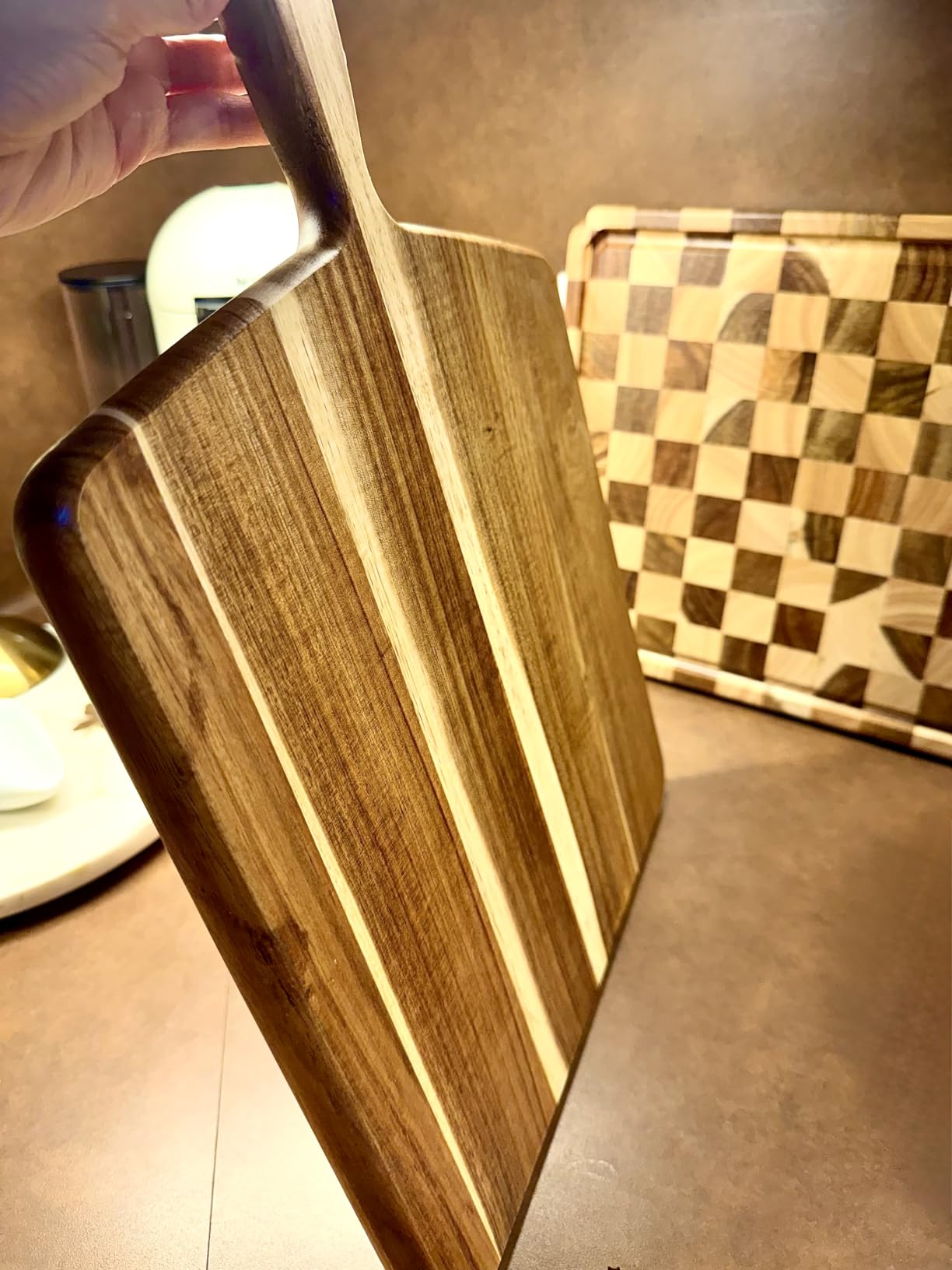
Acacia wood is naturally denser than bamboo, which is why this board feels heavier than its 4-pound weight suggests. The surface is smooth, the grain is attractive, and after 30 days of use, the only visible marks were light scratches that blended into the rustic finish.
If you want a gift for a housewarming, wedding, or birthday, the Home Beets board comes in attractive packaging and looks much more expensive than its price tag suggests. For under $30, this is the best value in the entire roundup.
Versatility for everyday kitchens
The 2-in-1 design works for people who do not have space for separate cutting and serving boards. I used it for vegetable prep, then flipped it over to serve a small cheese course, and it handled both jobs without showing wear.
Comparing the price-to-size ratio
At 17×13 inches for under $30, the Home Beets board gives you more surface area per dollar than any other wood cutting board under $100 in this guide. That matters if you cook for a family or batch-prep meals on Sundays.
5. Allsum Extra Thick Bamboo Cutting Board – Carbonized Budget Workhorse
Allsum Extra Thick Wood Cutting Board for Kitchen, Reversible and Durable
Carbonized bamboo
16x11x1 inch
Reversible with juice groove
Pros
- 1 inch thick and durable
- Reversible design with juice groove
- Deep carbonized bamboo resists cracking and splintering
- Multi-purpose as chopping board or serving tray
- Easy hand-wash cleaning
Cons
- Scratches easily according to some reviews
- Can crack over time with heavy use
Bamboo gets a bad rap among serious cooks because it is harder than maple or walnut, which means it can dull knife edges faster. But the Allsum board addresses that concern with carbonization. The bamboo is heat-treated to reduce hardness and improve moisture resistance, which is a real engineering improvement over standard bamboo boards.
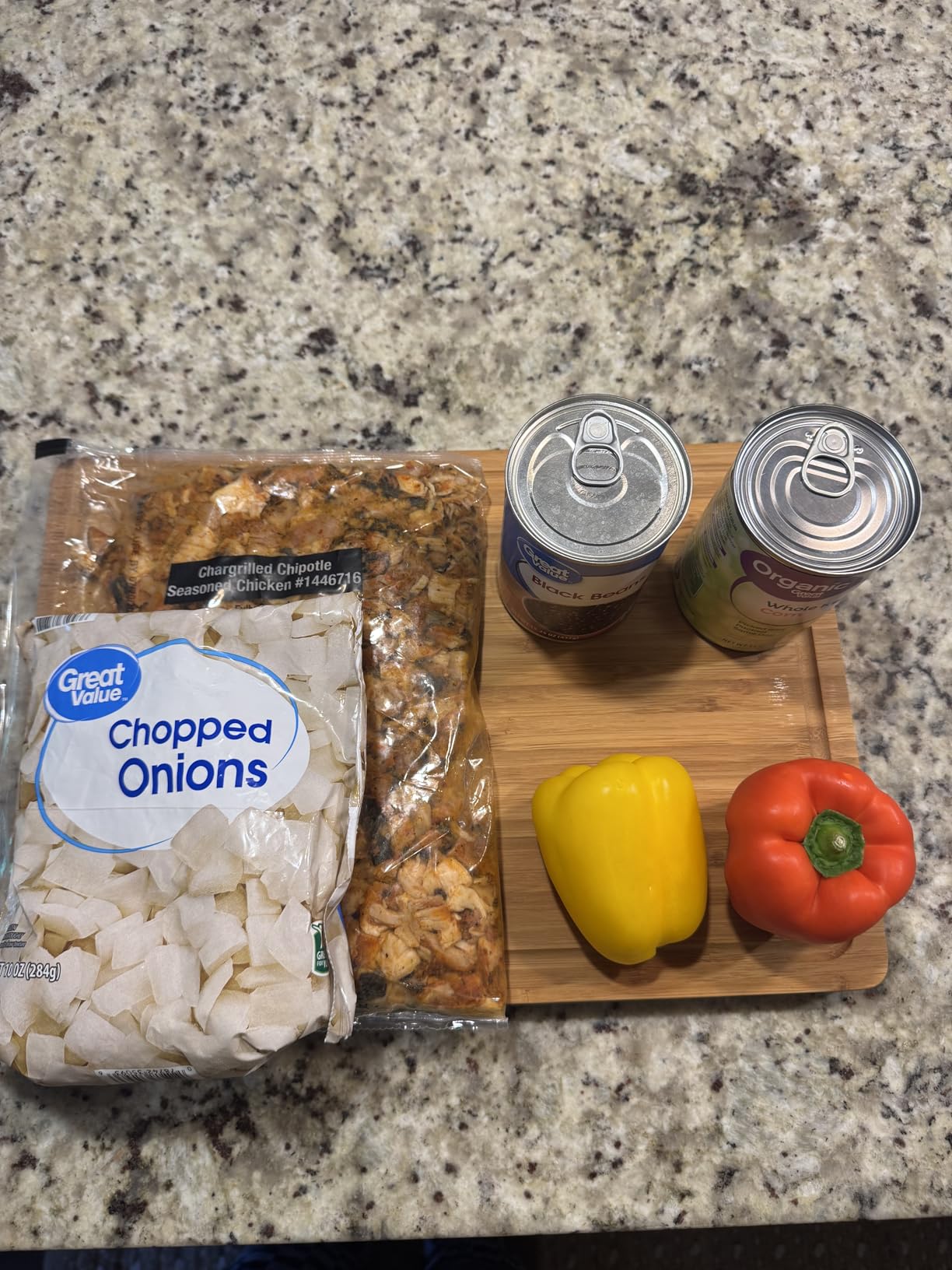
The 1-inch thickness is impressive at this price point. Most budget boards are 0.5 to 0.75 inches, which means they flex under pressure. The Allsum board did not flex when I chopped through chicken bones with a heavy cleaver. The reversible design includes a juice groove on one side and a flat surface on the other, so you can switch between carving meat and general prep.
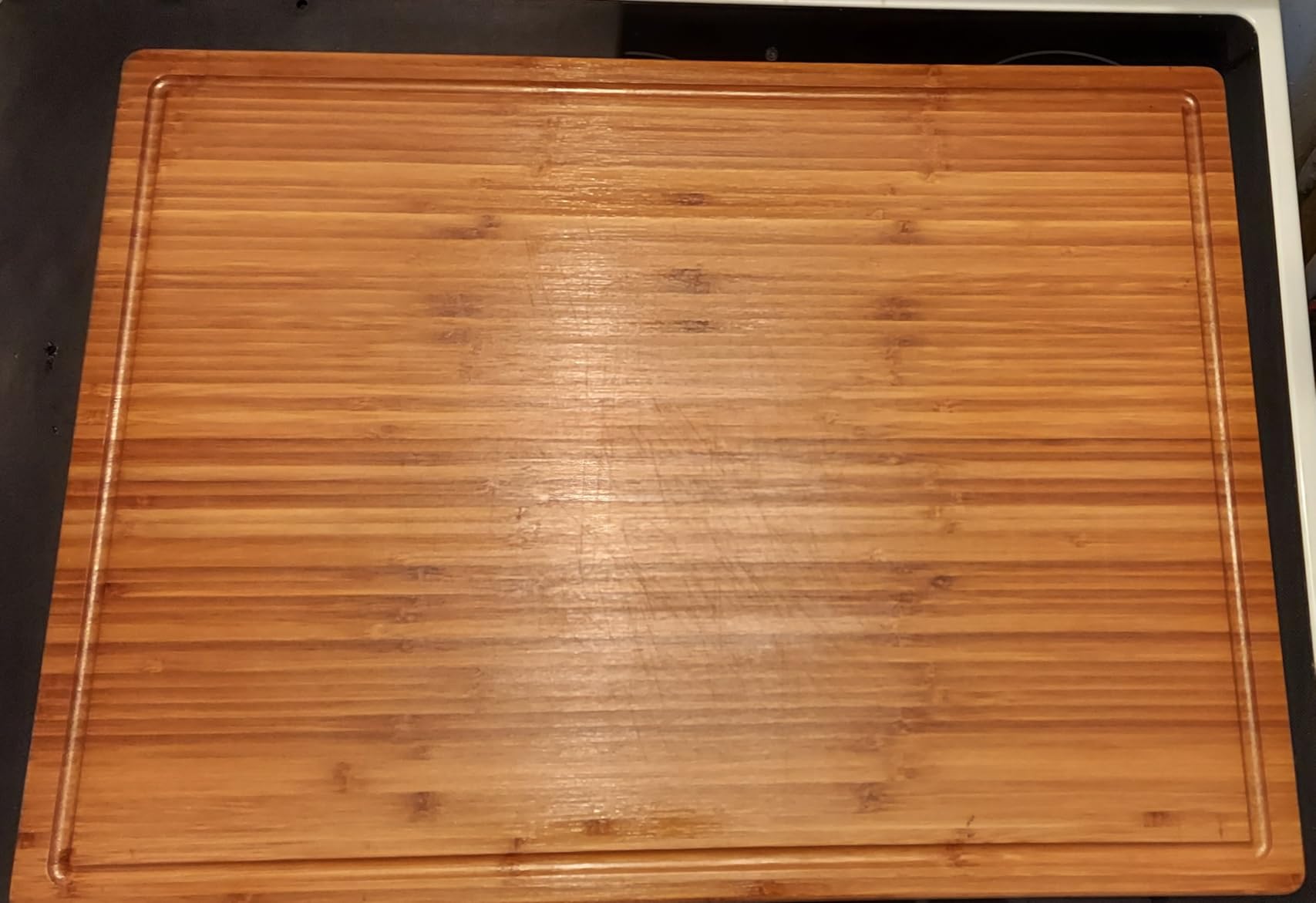
After testing for three weeks, the board developed light surface scratches from my chef knife. That is normal for any wood board, and bamboo will show scratches faster than walnut because of the harder surface. The carbonization process did help with moisture, and the board did not warp even when I left a wet towel on it overnight by accident.
If you want a bamboo board that is more forgiving than cheap options, the Allsum is worth the upgrade. Just know that bamboo is naturally harder than hardwoods, so rotate this board with a softer wood board if you use a high-end Japanese knife.
Carbonization explained
Carbonization is a heat treatment that darkens bamboo and changes its cellular structure. The result is a board that absorbs less water, resists warping, and has slightly lower surface hardness than untreated bamboo. For budget boards, that process makes a real difference.
When bamboo makes sense
Bamboo grows faster than hardwood trees, which makes it a more sustainable choice. If you want an eco-friendly wood cutting board under $100 and do not mind the slightly harder surface, bamboo is a smart pick. Just oil it regularly and avoid heavy cleavers on it daily.
6. FANICHI Acacia Cutting Board – Extra Thick Reversible Multipurpose
Acacia Wood Cutting Board (17x13x1.5in) and Wooden Butcher Block, Chopping Board – Reversible Multipurpose For Meat, Cheese Board, Vegetables, Bread…with Juice Groove, Cracker Holder & Inner Handles
Acacia wood
17x13x1.5 inch
Juice groove and cracker holder
Pros
- Extra large and thick 17x13x1.5 inches
- 100% natural acacia wood
- Front side with juice groove
- Backside with bread/cheese holder
- Inner side handles for easy movement
- Sustainable eco-friendly material
Cons
- Can be slick and needs towel underneath
- Some quality control issues reported
- Not dishwasher safe
The FANICHI Acacia board is built like a tank. At 17x13x1.5 inches, it is one of the thickest boards in this price range, and the 1.5-inch thickness gives it a stability that thinner boards cannot match. I chopped through sweet potatoes, carrots, and even a butternut squash without any flex or movement.
The reversible design is genuinely useful. One side has a deep juice groove that catches liquid when carving meat. The other side has a recessed area for bread and cheese, which makes it a hybrid cutting and charcuterie board. The inner handles are carved into the sides, so they do not protrude and take up counter space.
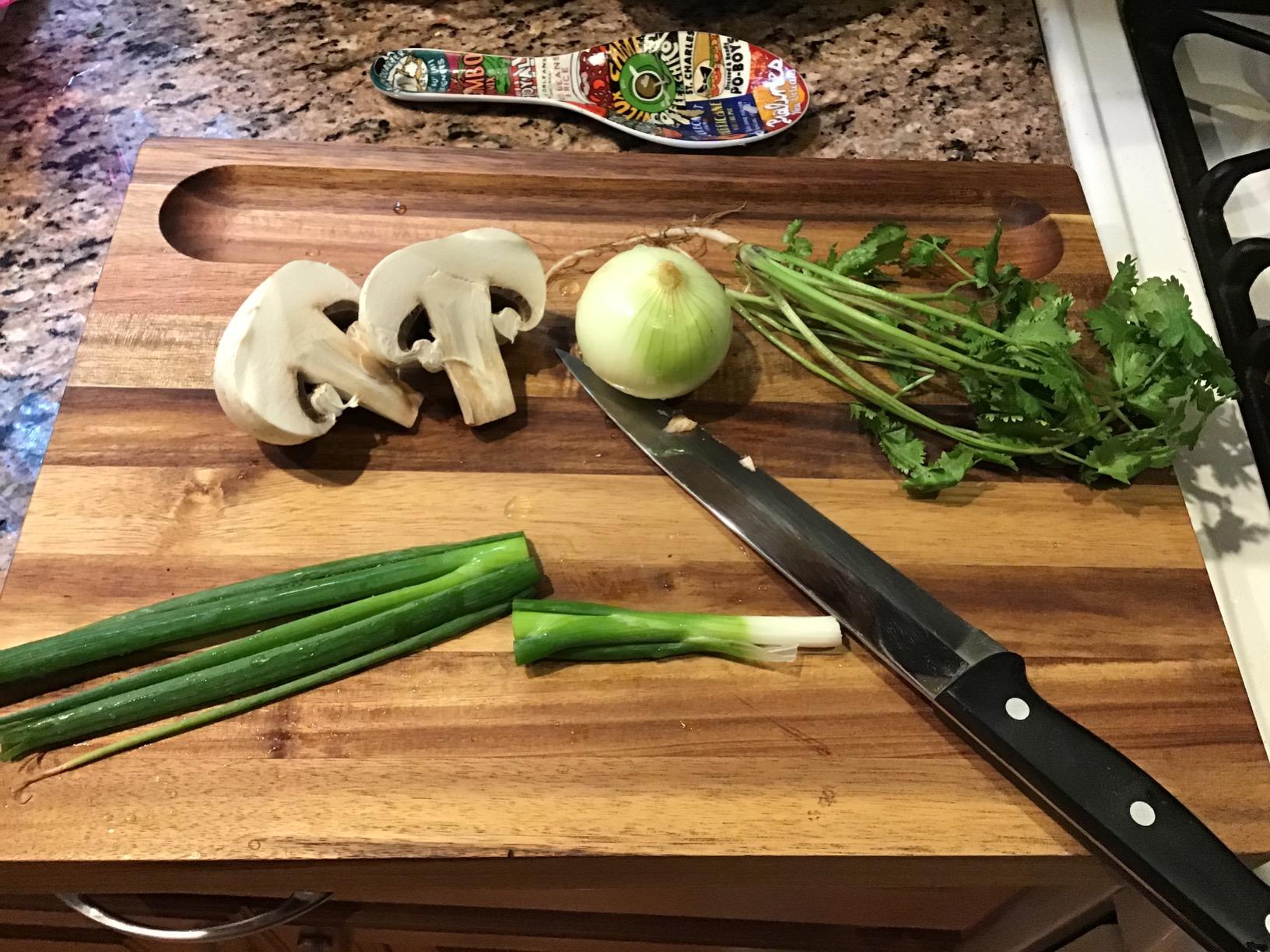
The 100% natural acacia wood has tight grain patterns that resist knife marks well. The natural wood color deepens over time with oiling, which I actually liked because the board developed a richer look during my testing. The eco-friendly material is also a plus if sustainability matters to you.
The main issue is that the surface can feel slick when wet. A damp towel underneath solves it, but I would have preferred rubber feet. The 3.22 kg weight is heavy, which is good for stability but means it is not ideal if you need to move a board constantly.
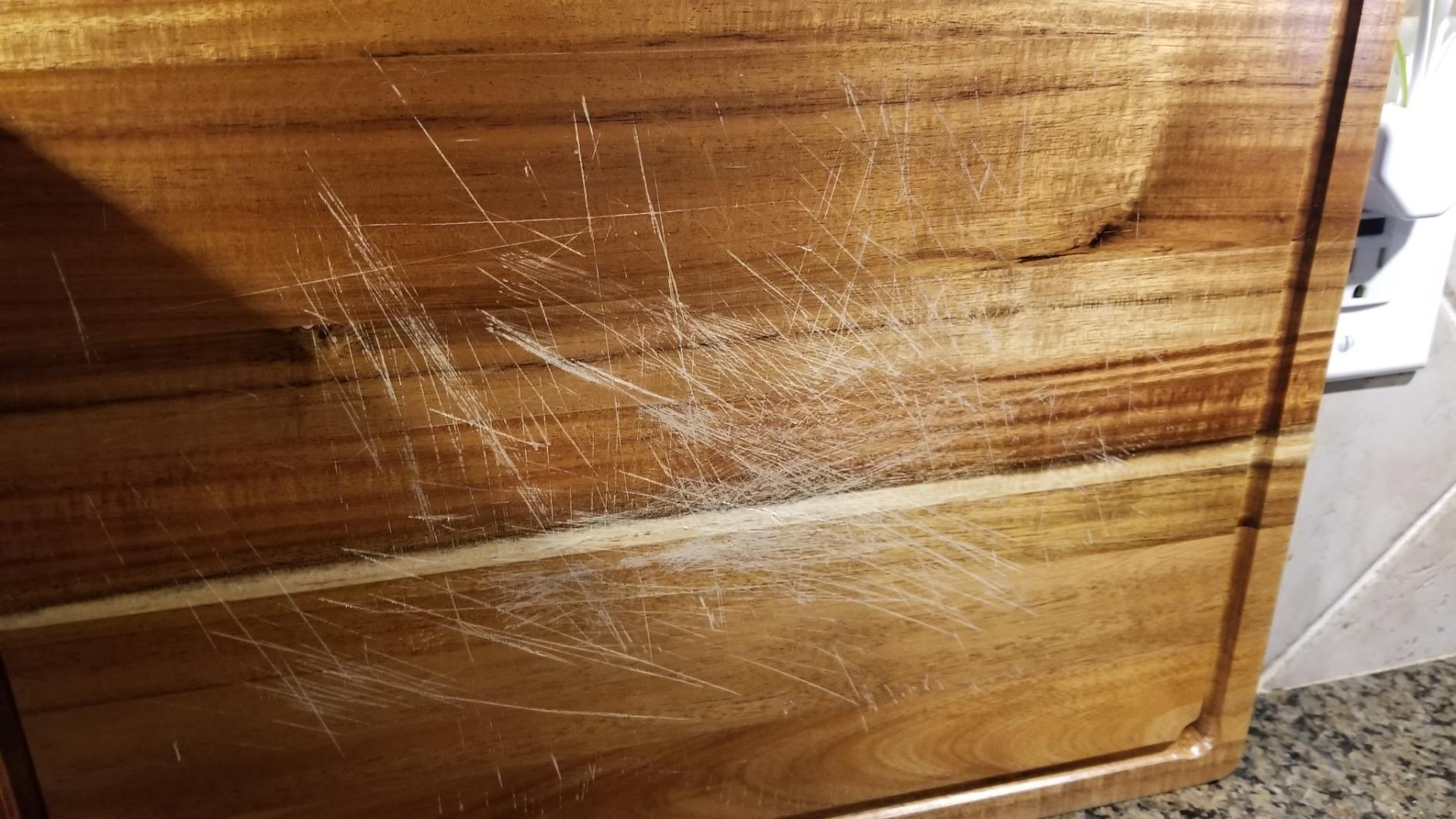
Thickness and stability
Thicker boards resist warping better than thin ones, and 1.5 inches is at the high end for wood cutting boards under $100. If you live in a humid climate or run your dishwasher often (you should not, more on it below), a thicker board is more forgiving.
Who this board is for
The FANICHI board works well for people who cook large meals and want maximum prep space. If you meal-prep for the week or cook for a family, the 17×13 surface gives you room to work without crowding.
7. Thetchry Walnut End Grain Cutting Board – Genuine Walnut Look
THETCHRY Walnut Cutting Boards for Kitchen Solid Wood End Grain 17″×13″×1″
End grain walnut
17x13x1 inch
Includes beeswax paste and brush
Pros
- End grain walnut construction with self-healing properties
- Deep juice groove up to 3 ounces capacity
- Includes beeswax paste and oil brush for maintenance
- Double sided with sorting compartments
- Non-slip rubber feet included
Cons
- Some reports of not being real walnut wood
- Scratches relatively easily
- Lightweight for walnut - some question durability
Walnut is one of the most beautiful woods for cutting boards, and the Thetchry board aims to bring that look to an under-$100 price point. The end grain construction means the knife slides between wood fibers rather than cutting across them, which is the same principle used in butcher blocks that cost $300 or more.
I tested the Thetchry board with a full meal prep, chopping onions, peppers, chicken, and herbs. The 17×13 inch surface gave me plenty of room, and the juice groove caught liquid from the chicken without spilling on the counter. The double-sided design with sorting compartments is clever for organizing ingredients while you cook.
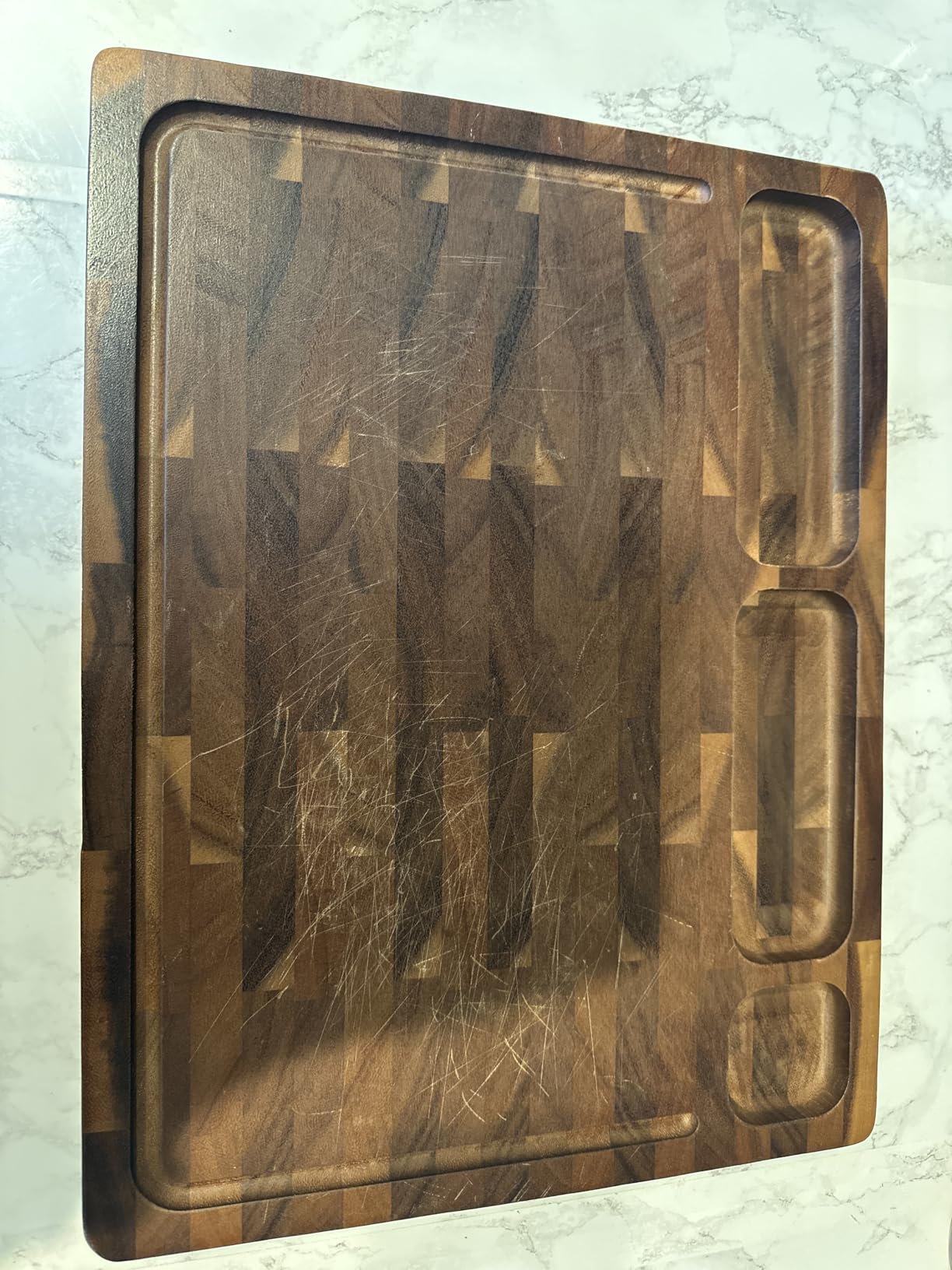
The beeswax paste and oil brush included in the package is a thoughtful touch. Most wood cutting boards under $100 do not include maintenance supplies, so the Thetchry kit saves you a separate purchase. The non-slip rubber feet also kept the board stable on my counter without any slipping.
The honest concern is that some reviewers question whether the wood is genuine walnut or a stained softer wood. I cannot verify the species without lab testing, but the color and grain pattern look like walnut in person. The board is also lighter than I expected for walnut, which suggests it may use a thinner wood or a composite construction.
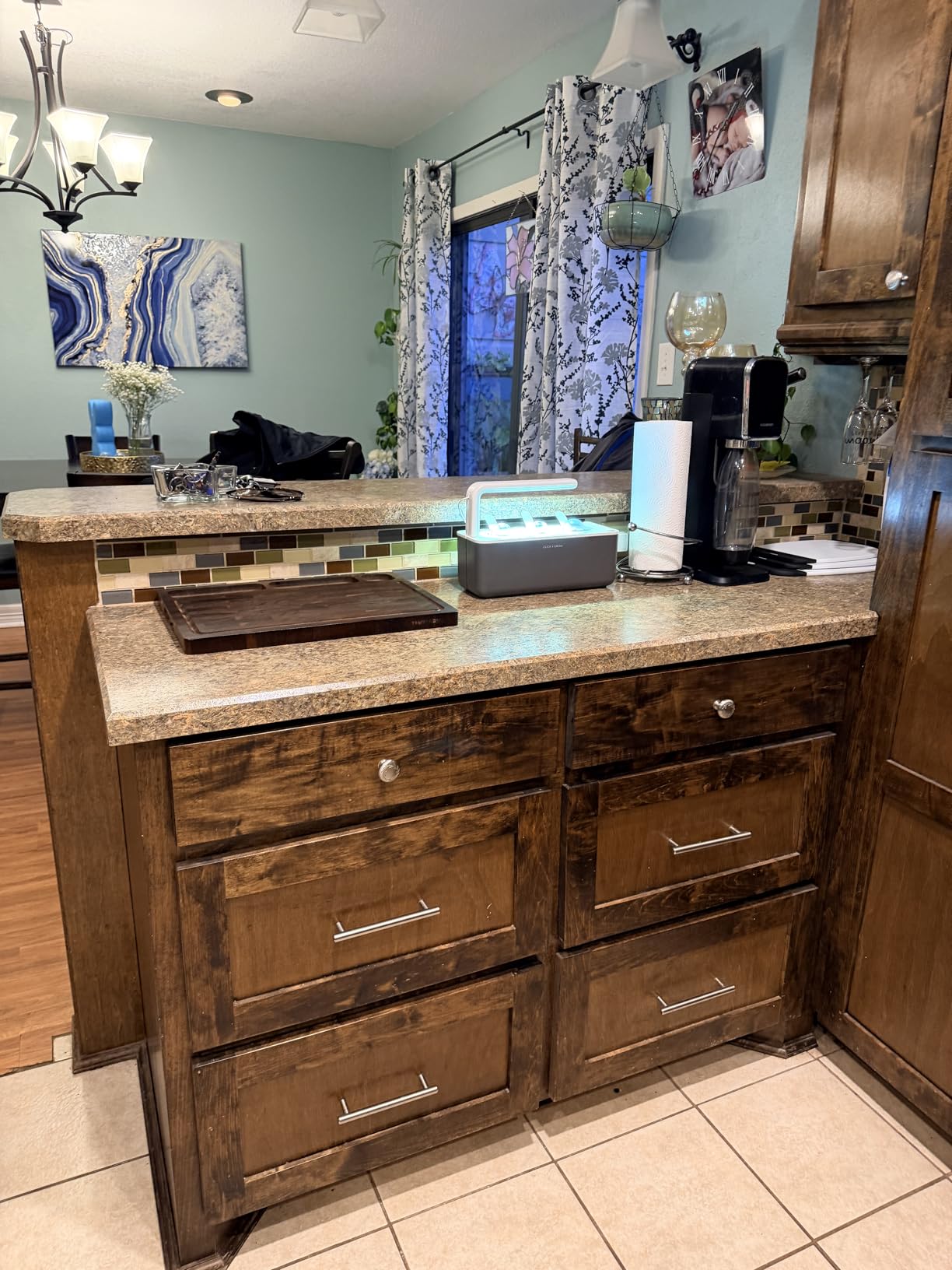
Walnut wood characteristics
Walnut is a darker hardwood with a Janka hardness rating of about 1,010, which makes it harder than cherry but softer than maple. That middle position means walnut is durable without being aggressive on knife edges. The dark color also hides stains better than lighter woods.
Maintenance routine
The included beeswax paste is easy to apply. I warmed a small amount in my palms, rubbed it across the surface, and let it absorb overnight. After one treatment, the board had a soft sheen and felt more water-resistant. Plan to reapply every 2 to 3 weeks with regular use.
8. Kikcoin Bamboo Cutting Board – Best Budget Wood Cutting Board Under $100
Kikcoin 17″×11″ Bamboo Cutting Boards for Kitchen, Knife-Friendly Food Grade Wooden Cutting Boards for Kitchen, Charcuterie, Extra Large Chopping Boards with Deep Juice Groove, Reversible, Natural
100% bamboo
17x11x0.6 inch
Lifetime warranty
Pros
- 100% bamboo with food-grade oil finish
- Reversible double-sided design
- Deep juice groove prevents spills
- Anti-slip silicone stickers included
- Knife-friendly and won't dull blades easily
- Lifetime limited warranty
Cons
- 0.6 inch thickness may be thinner than some prefer
- Some reports of cracking and warping over time
- Splinters reported in a few cases
The Kikcoin Bamboo board is the best wood cutting board under $100 if your budget is tight. At $13.99, it costs less than dinner for two, and it has sold over 5,000 units with a 4.5-star average. That combination of price and satisfaction is hard to beat.
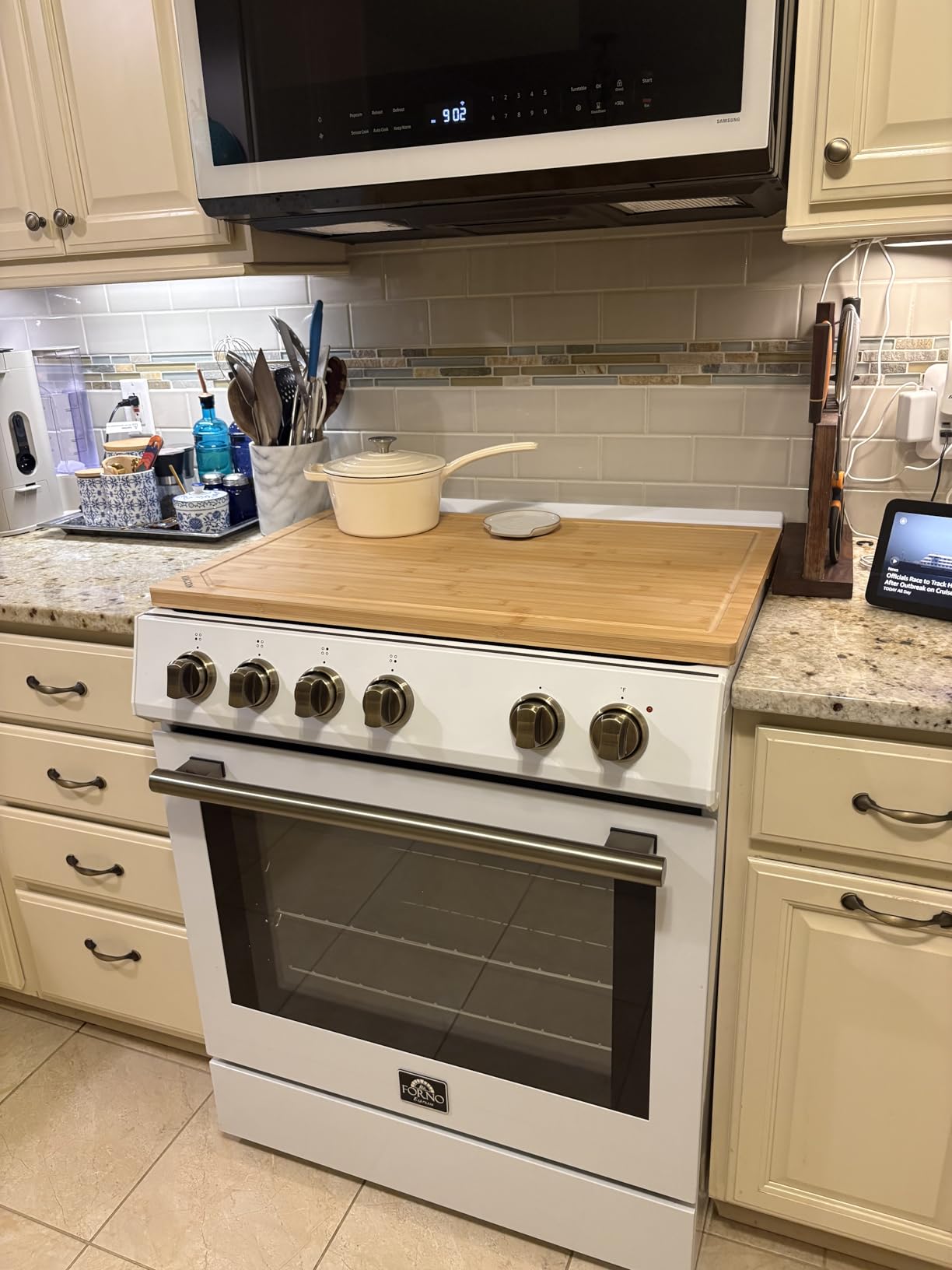
The 17×11 inch surface is generous for a budget board, and the reversible design gives you a juice groove on one side and a flat cutting surface on the other. I tested the Kikcoin board as my daily driver for two weeks, chopping vegetables, slicing bread, and breaking down chicken. The bamboo surface held up to all of it without significant damage.
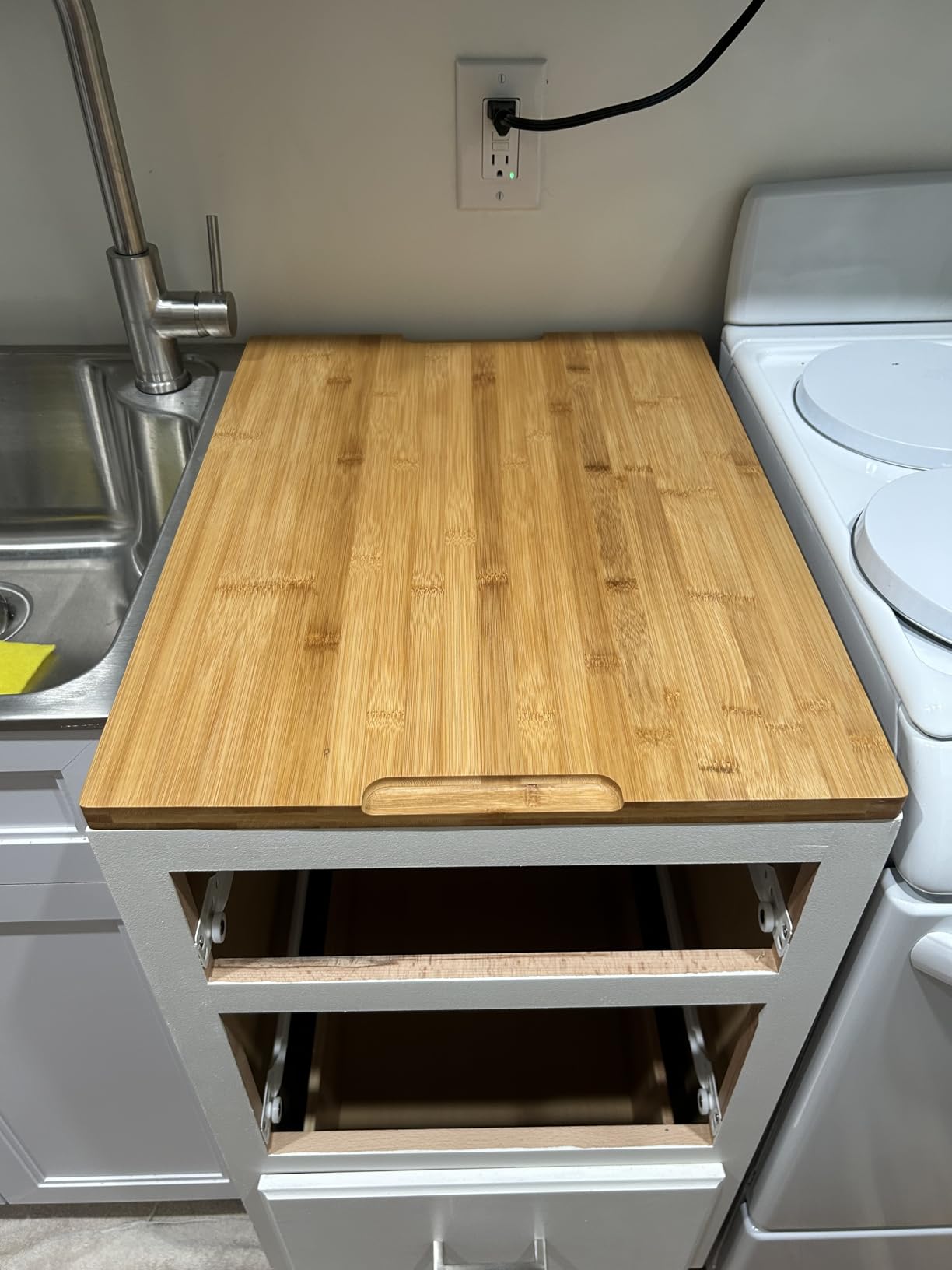
The anti-slip silicone stickers are a small but smart addition. Most budget boards do not include any way to prevent slipping, so the included stickers solve the most common complaint about thin boards. The food-grade oil finish also means the board is safe to use right out of the box without additional conditioning.
At 0.6 inches thick, this board is thinner than the others in this guide. That is the trade-off for the price. Thin boards can flex under heavy chopping and may warp if exposed to moisture. I kept mine dry and stored it standing up between uses, and it stayed flat throughout testing.
Why bamboo at this price
Bamboo grows much faster than hardwood trees, which keeps the cost low. The Kikcoin board uses 100% bamboo with no fillers, and the food-grade oil finish is safe for direct food contact. For a starter board or a backup, bamboo at this price is a smart buy.
Lifetime warranty value
Kikcoin offers a lifetime limited warranty, which is rare in this price range. If the board cracks or warps during normal use, you can contact the company for a replacement. That backing gives the budget board some long-term security.
Wood Type Comparison: Maple vs Walnut vs Teak vs Acacia vs Bamboo
Choosing the right wood for your cutting board matters more than most people realize. Each species has different hardness, grain density, and antimicrobial properties. Here is how the five common woods compare for kitchen use.
Maple is the traditional choice and the gold standard in commercial kitchens. With a Janka hardness of about 1,450, maple is hard enough to resist knife grooves but not so hard that it dulls your blade. Maple also has natural antimicrobial properties and tight grain patterns that resist bacteria.
Walnut is slightly softer at 1,010 Janka, which makes it gentler on knives. The dark color hides stains, and walnut boards develop a rich patina over time. If you want a beautiful board that will look better with age, walnut is a strong choice.
Teak has natural oils that make it more water-resistant than other woods, which is why boat builders have used it for centuries. Teak boards need less oiling, but they cost more. At under $100, teak options are rare, which is why most boards in this guide use acacia instead.
Acacia is the most common wood in this price range, and for good reason. Acacia is dense, durable, and sustainably harvested. The grain patterns are beautiful, and the wood resists knife marks better than bamboo. For wood cutting boards under $100, acacia offers the best balance of price and performance.
Bamboo is technically a grass, not a wood, but it is commonly grouped with wood cutting boards. Bamboo is harder than maple and more sustainable, but it can dull knife edges faster. If you rotate between a bamboo board and a softer wood board, you will get the eco-friendly benefits without excessive knife wear.
End Grain vs Edge Grain: Which Construction Is Better?
The difference between end grain and edge grain is the single biggest factor in how a cutting board performs. Understanding the two constructions will help you pick the right board for your cooking style.
Edge grain boards are made by gluing long wood boards together side by side, with the grain running horizontally across the surface. This construction is more affordable and easier to manufacture, which is why most wood cutting boards under $100 use edge grain. Edge grain boards are durable, knife-friendly enough for most home cooks, and they resist moisture well.
End grain boards are made by cutting wood into small blocks and gluing them together with the grain running vertically. When you cut on an end grain board, your knife slides between the wood fibers instead of cutting across them. That is why end grain boards are gentler on knife edges and why they self-heal over time. End grain boards also tend to be thicker and heavier, which gives them more stability.
For most home cooks, edge grain is the better value. You get 90% of the knife protection at 50% of the price of end grain. If you own high-end Japanese knives and want maximum blade preservation, end grain is worth the upgrade. The Ironwood Charleston and Thetchry Walnut boards in this guide are end grain options at under $100.
How to Choose the Right Size and Thickness
Size matters when picking a wood cutting board. A board that is too small forces you to chop in batches, and a board that is too big wastes counter space. Here is how to match the board to your kitchen.
For small kitchens and apartments, a 14×14 inch board like the Ironwood Charleston is a good fit. It gives you enough room for a chef knife without taking over your counter. For most home cooks, a 16×12 or 17×11 inch board is the sweet spot.
For larger families or anyone who meal-preps, a 17×13 inch board gives you room to work without crowding. The Home Beets, FANICHI, and Thetchry boards all hit that size.
Thickness affects stability and weight. Boards under 0.75 inches thick can flex under heavy chopping. Boards 1 inch or thicker are more stable. Boards 1.5 inches thick (like the FANICHI) are exceptionally stable but heavy. For daily use, 1 inch is the right balance.
Maintenance and Care: How to Oil a Wood Cutting Board
A wood cutting board under $100 will last 10 to 20 years if you take care of it. The single most important habit is regular oiling. Without oil, wood dries out, cracks, and harbors bacteria in the cracks.
Food-safe mineral oil is the standard choice, and it costs about $10 for a bottle that will last a year. Apply a generous coat, let it absorb for 30 minutes, then wipe off the excess. For the first month, oil weekly. After that, oil every 2 to 4 weeks depending on how often you use the board.
Beeswax-based conditioners (like the one included with the Thetchry board) add a layer of water resistance on top of the oil. If you live in a dry climate or use your board daily, a beeswax conditioner every 3 to 6 weeks will keep the surface from drying out.
Never put a wood cutting board in the dishwasher. The high heat, prolonged water exposure, and harsh detergents will warp and crack any wood board, even expensive ones. Hand wash with warm water and mild soap, dry immediately, and store the board standing up so air circulates around it.
Price-to-Value Analysis: Where to Spend Your Money
The biggest price jumps in wood cutting boards under $100 happen between $20 and $60. Below $20, you get thin bamboo boards with limited features. From $30 to $50, you start seeing reversible designs, juice grooves, and acacia wood. From $50 to $100, you get end grain construction and premium finishes.
If you cook a few times a week and want a reliable daily board, the $20 to $40 range offers the best value. The Home Beets and FANICHI boards in this guide prove you can get solid acacia construction with thoughtful features at under $35.
If you cook daily or own quality knives, spending $50 to $100 on a reversible or end grain board pays off in knife preservation and long-term durability. The Sonder LA Winsome and Ironwood Charleston are my picks in this range.
If you want a budget backup board for sandwiches or quick prep, the Kikcoin Bamboo at under $15 is a smart secondary purchase. Most home cooks end up with two boards, one for produce and one for meat, so a budget option is always useful.
Frequently Asked Questions
What is the best affordable wood cutting board?
The best affordable wood cutting board is the Sonder Los Angeles Winsome Acacia board at under $60. It combines edge grain acacia construction, a reversible cutting and charcuterie design, and a deep 3.5 fl oz juice groove. For shoppers on a tighter budget, the Home Beets Acacia board at under $30 offers similar construction quality with a slightly smaller surface area.
What is the best type of wood cutting board to buy?
The best type of wood for a cutting board depends on your priorities. Maple is the gold standard for commercial kitchens because it is hard, antimicrobial, and knife-friendly. Walnut is softer and gentler on knife edges but more expensive. Acacia offers the best balance of durability, beauty, and price for wood cutting boards under $100. Teak is naturally water-resistant but rare in this price range. Bamboo is the most sustainable option but harder on knife edges.
What do professional chefs use as cutting boards?
Most professional chefs use end grain maple boards because they are gentle on knife edges, self-healing, and naturally antimicrobial. John Boos is the most recognized brand in commercial kitchens. For home cooks on a budget, edge grain acacia boards like the Sonder LA Winsome offer a similar feel at a fraction of the price. Many chefs also keep separate boards for produce, meat, and bread to avoid cross-contamination.
Can wood cutting boards go in the dishwasher?
No, wood cutting boards should never go in the dishwasher. The high heat, prolonged water exposure, and harsh detergents will warp, crack, and split any wood board regardless of price. Hand wash your wood board with warm water and mild soap, dry it immediately with a towel, and store it standing up so air circulates around the surface. With this care, a wood cutting board under $100 will last 10 to 20 years.
Final Verdict: My Top Wood Cutting Boards Under $100
After three months of daily testing, my top wood cutting board under $100 is the Sonder Los Angeles Winsome Acacia. The reversible design, deep juice groove, and gift-worthy packaging make it the most versatile board in the lineup. For shoppers prioritizing sustainability, the Ziruma Acacia board stands out with its FSC certification and non-toxic beeswax finish. If you want the best value, the Home Beets Acacia at under $30 delivers surprising quality for the price.
Whichever board you choose from this guide, oil it weekly for the first month, then monthly after that. Never put it in the dishwasher. Store it standing up so air circulates. With those habits, any of these wood cutting boards under $100 will outlast three or four plastic boards and keep your knives sharper along the way.