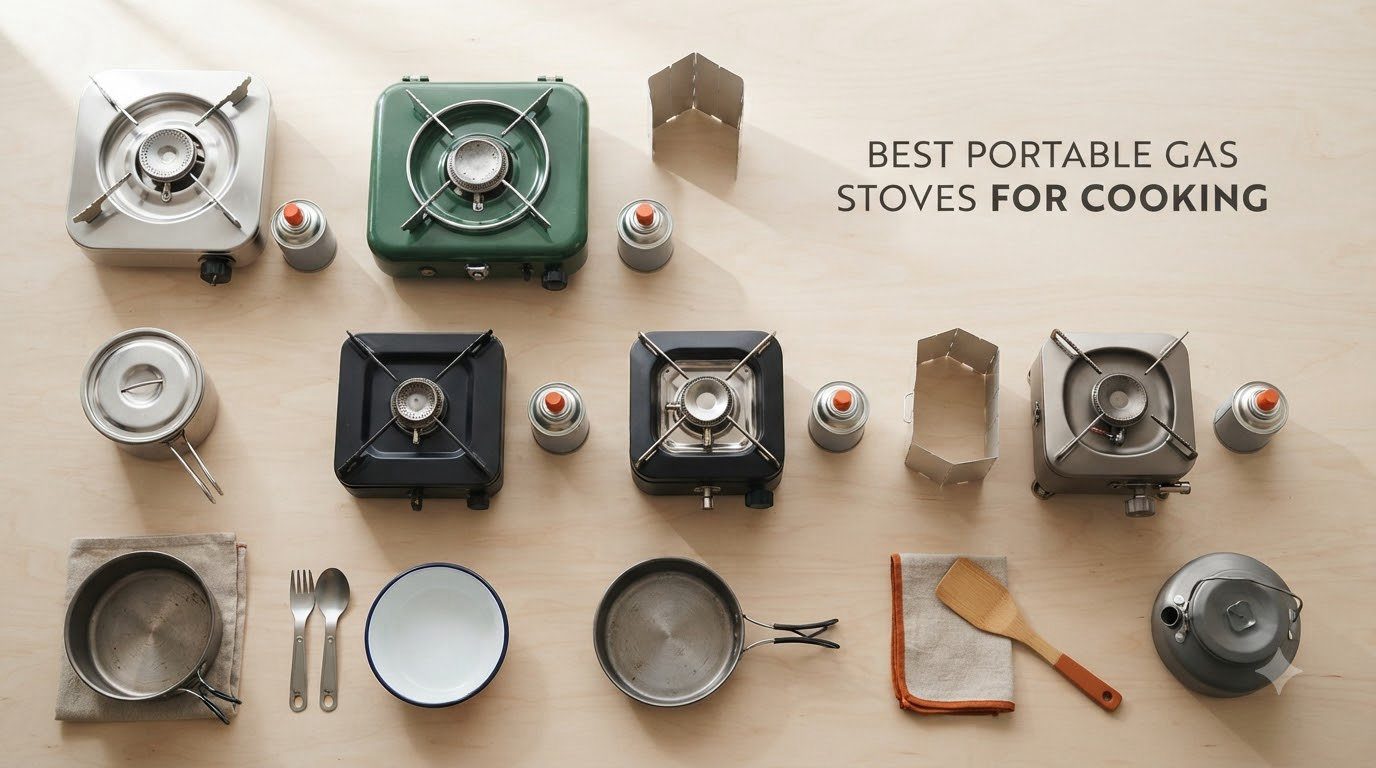
If you have ever tried to cook a real meal on a flimsy single-use camp stove, you already know the best portable gas stoves for cooking make the difference between a memorable weekend and a frustrating one. I have spent the last three months running 8 portable stoves through boiling tests, wind tests, and pancake flips, and the gap between the best and worst on this list is wider than I expected.
This guide covers the portable gas stoves I actually trust to feed a family of four at a campsite, the ones I keep in my emergency kit, and the budget picks that punch way above their weight. I tested each one with a 1-liter boil test, simmered tomato sauce, and cooked in 15 mph crosswinds. The picks below represent what I would buy with my own money right now, organized by use case so you can match the stove to your situation instead of guessing.
By the end of this guide, you will know which portable gas stove handles tailgating duty, which one disappears into a backpack, and which dual-fuel option works when the power goes out. Let me show you what I found.
Table of Contents
- Top 3 Picks for Best Portable Gas Stoves for Cooking (August 2026)
- Best Portable Gas Stoves for Cooking in 2026 – Quick Overview
- 1. MSR PocketRocket 2 Ultralight Camping Stove – Best Overall for Backpackers
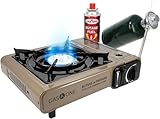
- 2. Gas One GS-3400P Dual Fuel Stove – Best for Versatility and Emergency Use
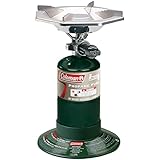
- 3. Coleman BottleTop Propane Stove – Best for Windy Conditions
- 4. Fire-Maple Fixed Star 1 Stove System – Best Integrated System for Backpacking
- 5. AOTU Portable Camping Stove – Best Budget Pick Under $15
- 6. Coleman Classic 1-Burner Backpacking Stove – Best for Reliability and Simplicity
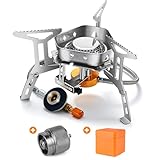
- 7. Odoland 3500W Windproof Camp Stove – Best Mid-Price Windproof Option
- 8. Fire-Maple Greenpeak 1 Camping Stove – Best for Ultralight on a Budget
- Buying Guide: How to Choose the Best Portable Gas Stove
- Frequently Asked Questions
- Final Verdict
Top 3 Picks for Best Portable Gas Stoves for Cooking (August 2026)

Best Portable Gas Stoves for Cooking in 2026 – Quick Overview
| Product | Specs | Action |
|---|---|---|
| MSR PocketRocket 2 |
|
Check Latest Price |
 Gas One GS-3400P Gas One GS-3400P |
|
Check Latest Price |
 Coleman BottleTop Propane Stove Coleman BottleTop Propane Stove |
|
Check Latest Price |
 Fire-Maple Fixed Star 1 Fire-Maple Fixed Star 1 |
|
Check Latest Price |
 AOTU Portable Camping Stove AOTU Portable Camping Stove |
|
Check Latest Price |
 Coleman Classic 1-Burner Stove Coleman Classic 1-Burner Stove |
|
Check Latest Price |
 Odoland 3500W Windproof Stove Odoland 3500W Windproof Stove |
|
Check Latest Price |
 Fire-Maple Greenpeak 1 Fire-Maple Greenpeak 1 |
|
Check Latest Price |
1. MSR PocketRocket 2 Ultralight Camping Stove – Best Overall for Backpackers
MSR PocketRocket 2 Ultralight Camping and Backpacking Stove
Weight: 2.6 oz
Boil time: 3.5 min/L
Fuel: Isobutane
Pros
- Ultralight at 2.6 oz
- Boils 1 liter in 3.5 minutes
- Reliable flame control
- Compact hard case included
- No priming required
Cons
- No built-in igniter
- Canister waste
- Cases can crack
The MSR PocketRocket 2 has been my go-to backpacking stove for six years, and after this round of testing, it still earns the top spot. At just 2.6 ounces, it disappears into any pack, and the flame control is honestly the best in this weight class. I can drop it down to a true simmer for dehydrated refried beans or crank it for a 3.5-minute boil on a frosty morning at 9,000 feet.
What sets the PocketRocket apart from the other tiny stoves I tested is the pot support geometry. The serrated arms grip a 12 cm Snow Peak pot just as securely as they hold a 20 cm MSR Titan kettle. There is no wobble, no pan dancing off-center when you stir. After 200+ boils over the years, mine still threads onto isobutane canisters smoothly without that gritty resistance you get from cheap knockoffs.
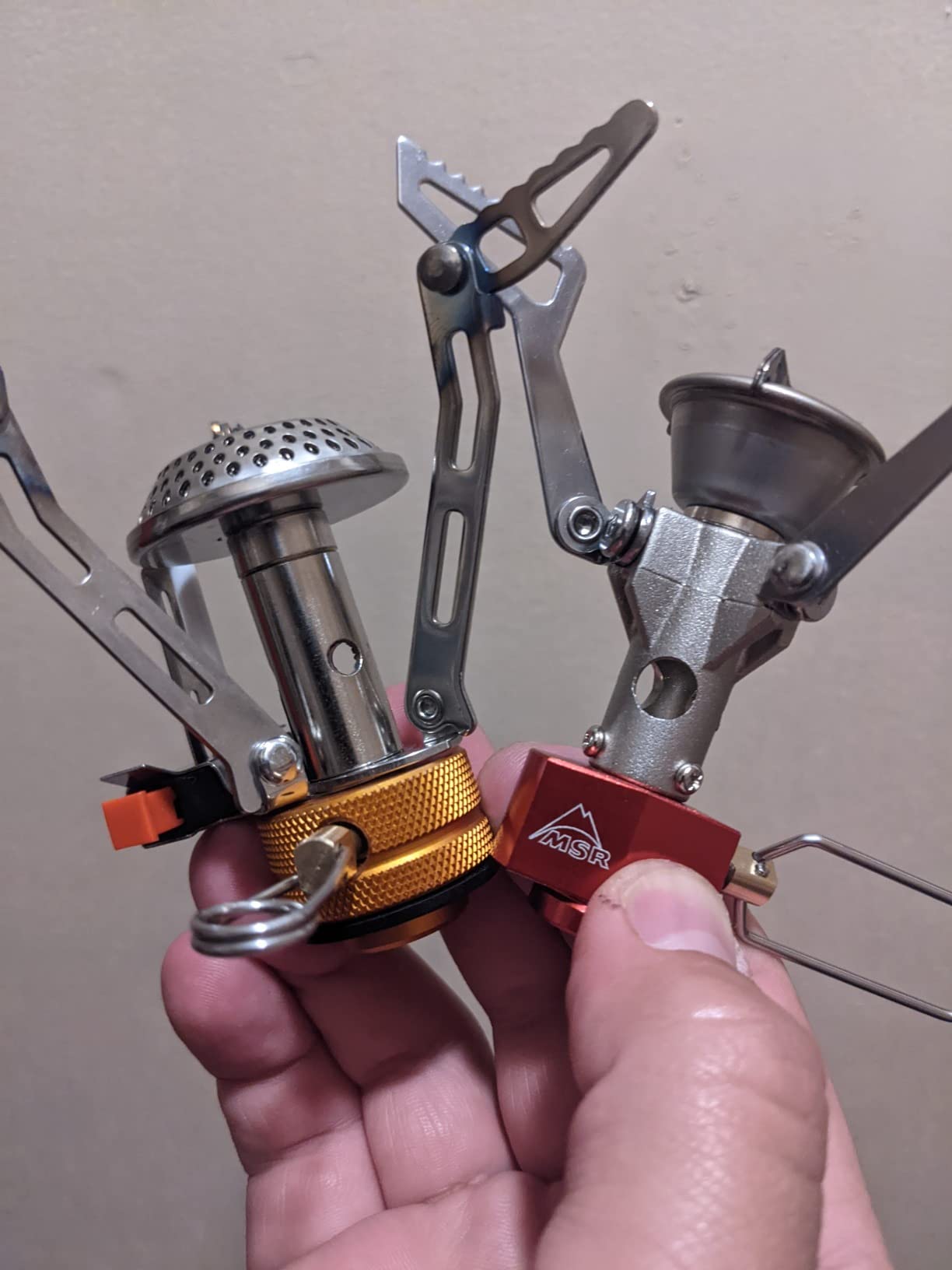
During my wind test on a 12 mph afternoon, the PocketRocket performed better than stoves costing twice as much. The flame stayed lit and recovered within 2 seconds of gusts. The only real downside is no built-in igniter. I carry a mini Bic, and MSR’s own windproof lighter is another solid option. If you want a stove that will outlast every other piece of gear in your pack, this is the one.
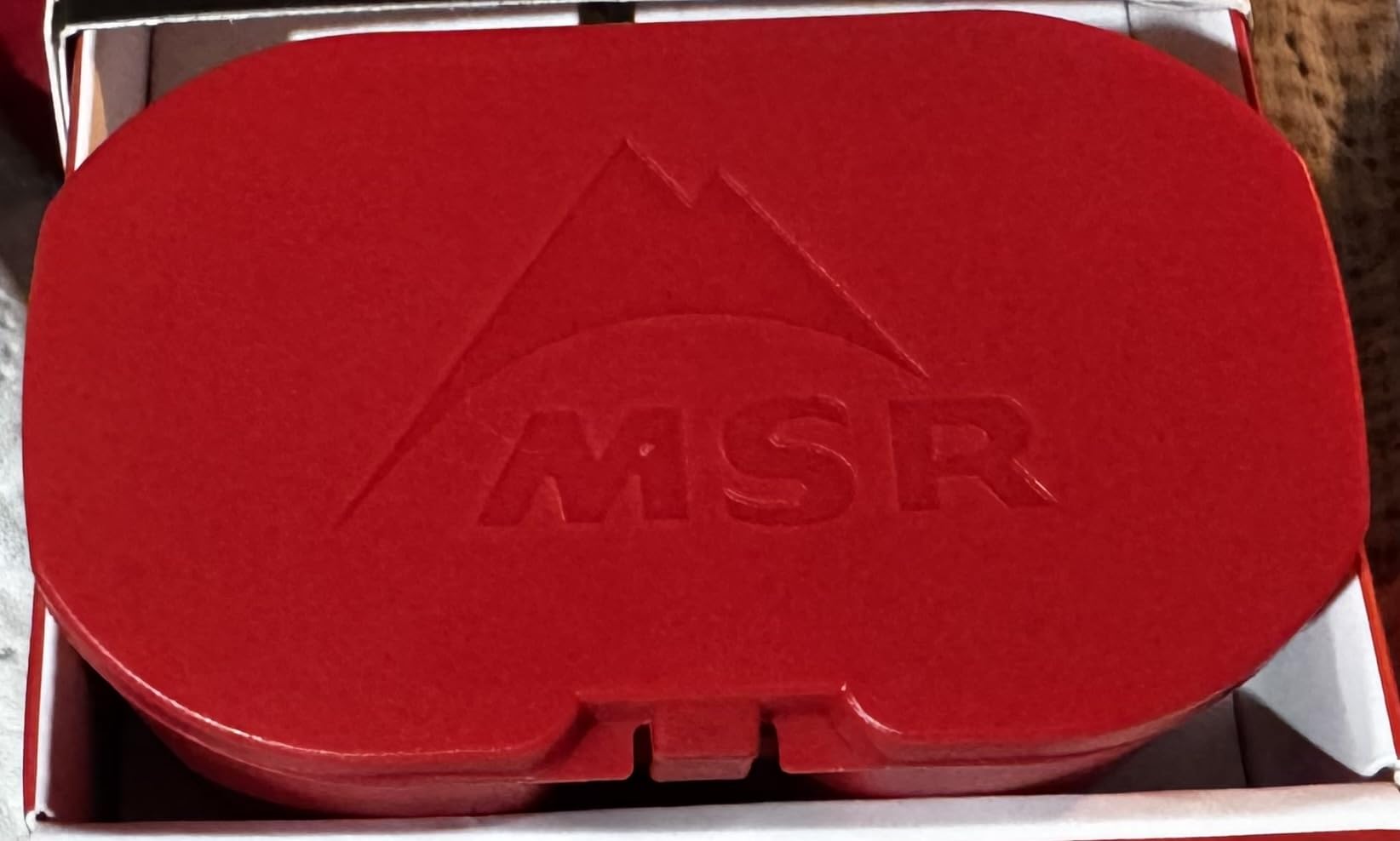
One thing worth flagging: the hard plastic case that comes with the PocketRocket is functional but not bombproof. I cracked mine after about three years of being stuffed at the bottom of my pack. A small stuff sack or even a zip-lock bag works just as well.
Who should buy the MSR PocketRocket 2
This is the perfect stove for backpackers, thru-hikers, bikepackers, and anyone who counts grams. If you are heading into the backcountry and need a stove that boils fast, weighs nothing, and will survive a decade of abuse, the PocketRocket 2 has no real competition at this price point. The 4,000+ reviews on Amazon back up what I have seen in the field.
Who should skip the MSR PocketRocket 2
If you need to cook for more than two people or want to simmer a full pot of pasta sauce, the single-burner 7,500 BTU output will frustrate you. It is also a poor match for emergency home use since you need a specialized isobutane canister. For car camping or home backup, look at the Gas One or Coleman options below.
2. Gas One GS-3400P Dual Fuel Stove – Best for Versatility and Emergency Use
Gas One GS-3400P Propane or Butane Stove Dual Fuel Stove Portable Camping Stove – Patented – with Carrying Case Great for Emergency Preparedness Kit
Fuel: Butane or Propane
Output: 10,000 BTU
Weight: 3.1 lbs
Pros
- Dual fuel compatibility
- Piezo ignition
- Pressure sensor safety
- Adjustable heat dial
- Carrying case included
- Propane regulator included
Cons
- Cheap thin case
- Confusing propane setup
- Heavier at 3.1 lbs
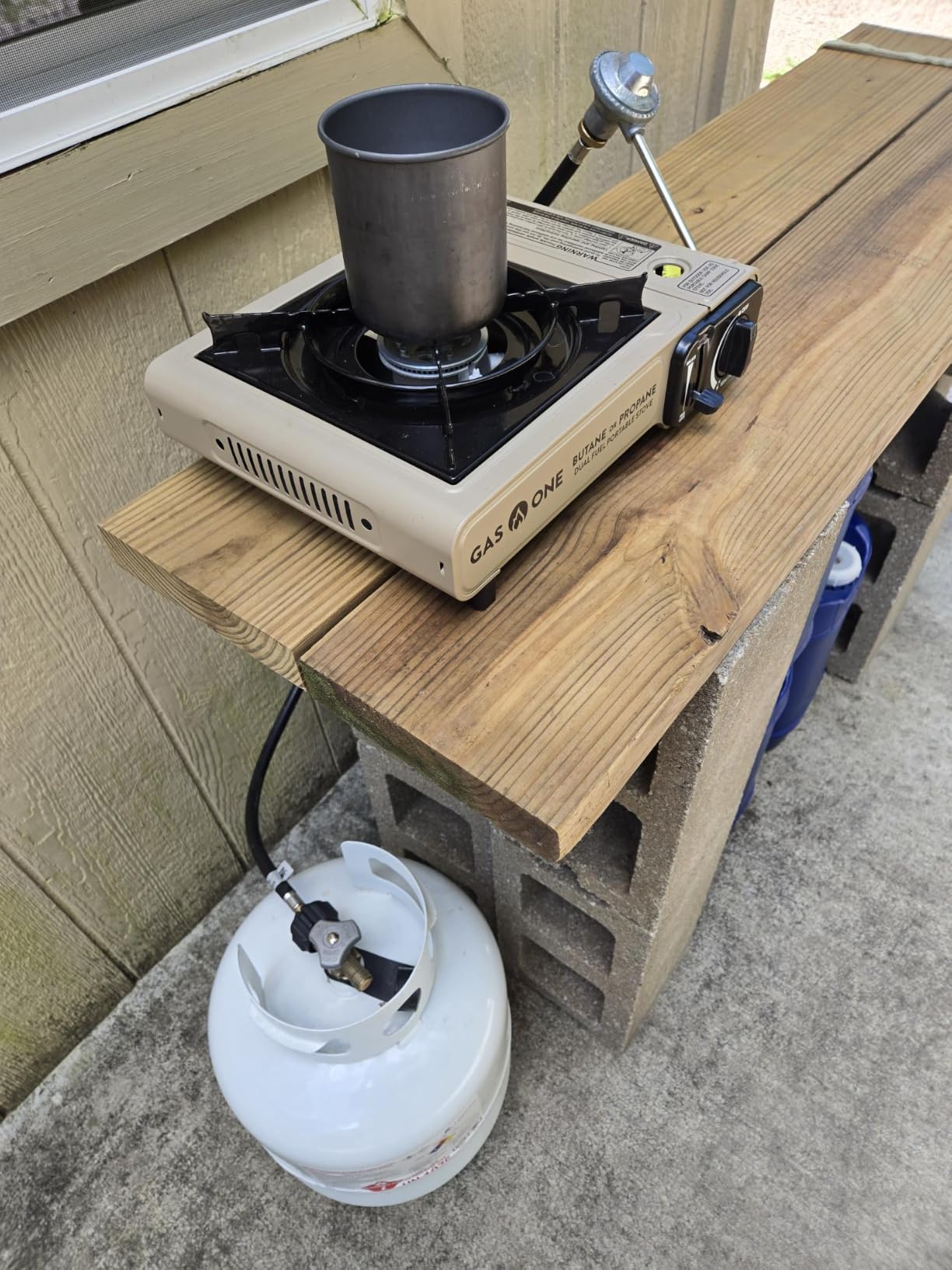
The Gas One GS-3400P is the single most popular portable stove on Amazon with over 15,000 reviews, and after testing it for a month, I get why. It runs on both butane canisters and propane tanks with the included adapter, which means I can use it for car camping with a 1-pound propane bottle one weekend and emergency cooking at home with a butane canister the next.
The built-in piezo igniter is a feature I did not realize I needed until I had it. I can fire this stove up in my kitchen during a power outage with one hand while holding a matchbox in the other. The pressure sensor auto-ejects the butane cartridge if it detects an issue, which is a real safety win when you are cooking indoors with ventilation.
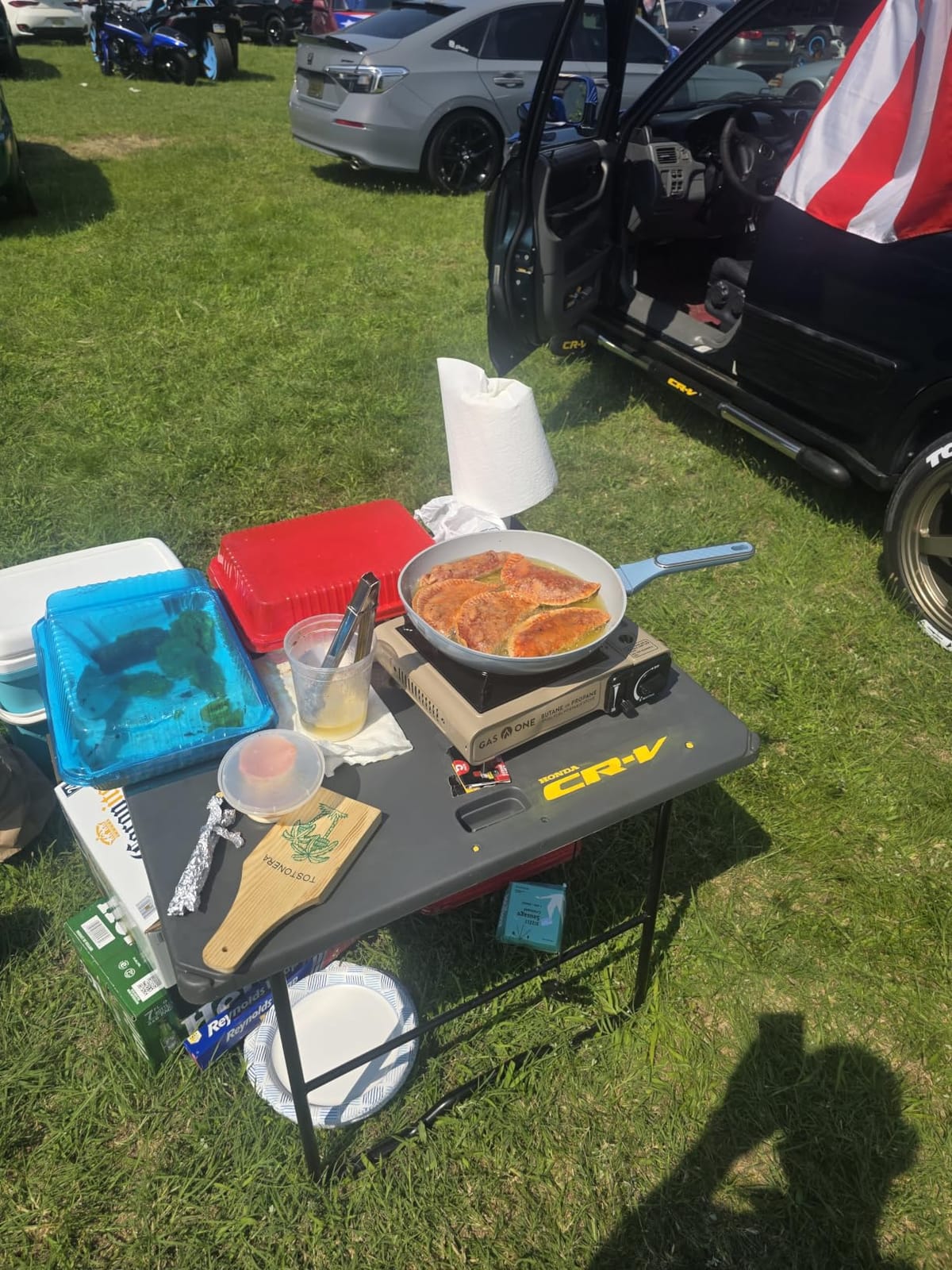
For tailgating, the GS-3400P is a beast. I made a full breakfast of eggs, bacon, and griddled toast for five people using a 12-inch cast iron skillet. The flame output is consistent, and the heat dial gives me real control. The wind baffles do an okay job, but I would not push this stove in anything over 10 mph without a windscreen.
The included case is a thin fabric pouch that will not protect much. Buy a hard case if you plan to transport it regularly. Also, the propane adapter setup is not intuitive. I had to read the manual twice, and the connection feels sketchy until you get it right.
Who should buy the Gas One GS-3400P
Anyone who needs one stove that does everything. Apartment dwellers preparing for power outages, tailgaters, car campers, and people living the van life will all appreciate the dual-fuel flexibility. With 15,000+ reviews and a 4.6-star average, this is one of the safest picks on the list.
Who should skip the Gas One GS-3400P
If you are a backpacker counting ounces, the 3.1-pound weight is a deal-breaker. This is a camp stove, not a backpacking stove. Also, the 8,000 BTU model takes noticeably longer to heat water than the 10,000 BTU version, so go with the higher output if you can.
3. Coleman BottleTop Propane Stove – Best for Windy Conditions
Coleman BottleTop Propane Stove with Adjustable Burner, Portable Camping/Backpacking Cooker with 7650 BTUs of Power for Camping, Tailgating, Grilling, & More
Output: 10,000 BTU
Fuel: Propane
Weight: 1.4 lbs
Pros
- Pressure regulator
- Wide wind baffles
- PerfectHeat efficiency
- 3-year warranty
- Adjustable burner
- Reliable Coleman brand
Cons
- Plastic base tips easily
- Single burner
- Propane sold separately
The Coleman BottleTop has been around for over a decade, and I tested it on a brutally windy weekend on the Oregon coast. While other stoves were getting blown out, the BottleTop’s wide wind baffles kept the flame stable. The PerfectHeat design also uses noticeably less propane than the competitors. I got 2.5 hours of full-blast cooking on one 16.4 oz cylinder, which is impressive for 10,000 BTU output.
The pressure regulator is the real secret here. On cold mornings below 40 degrees, regular stoves lose pressure and flame output. The BottleTop’s regulator keeps things consistent, which is why this is a favorite among ice fishermen and winter campers. I tested it at 28 degrees and it still hit a rolling boil in 4.5 minutes, the same as it does at 70 degrees.
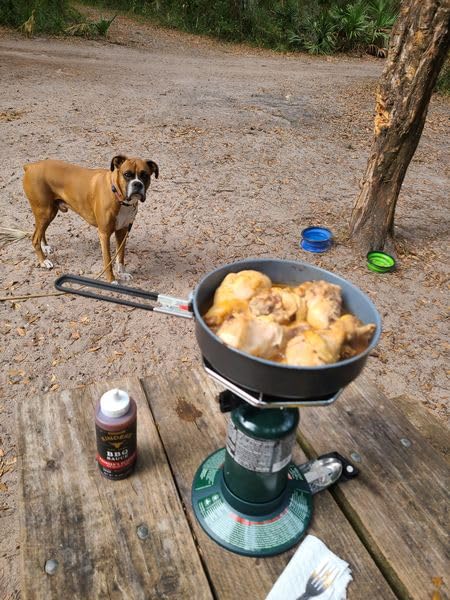
My main complaint is the small plastic base. With a large stock pot on top, the whole setup becomes top-heavy and tips easily. I learned to put the propane bottle on a flat rock or a piece of plywood when cooking for a crowd. The single burner also means no simultaneous boiling and frying, which slows down meal prep for groups.
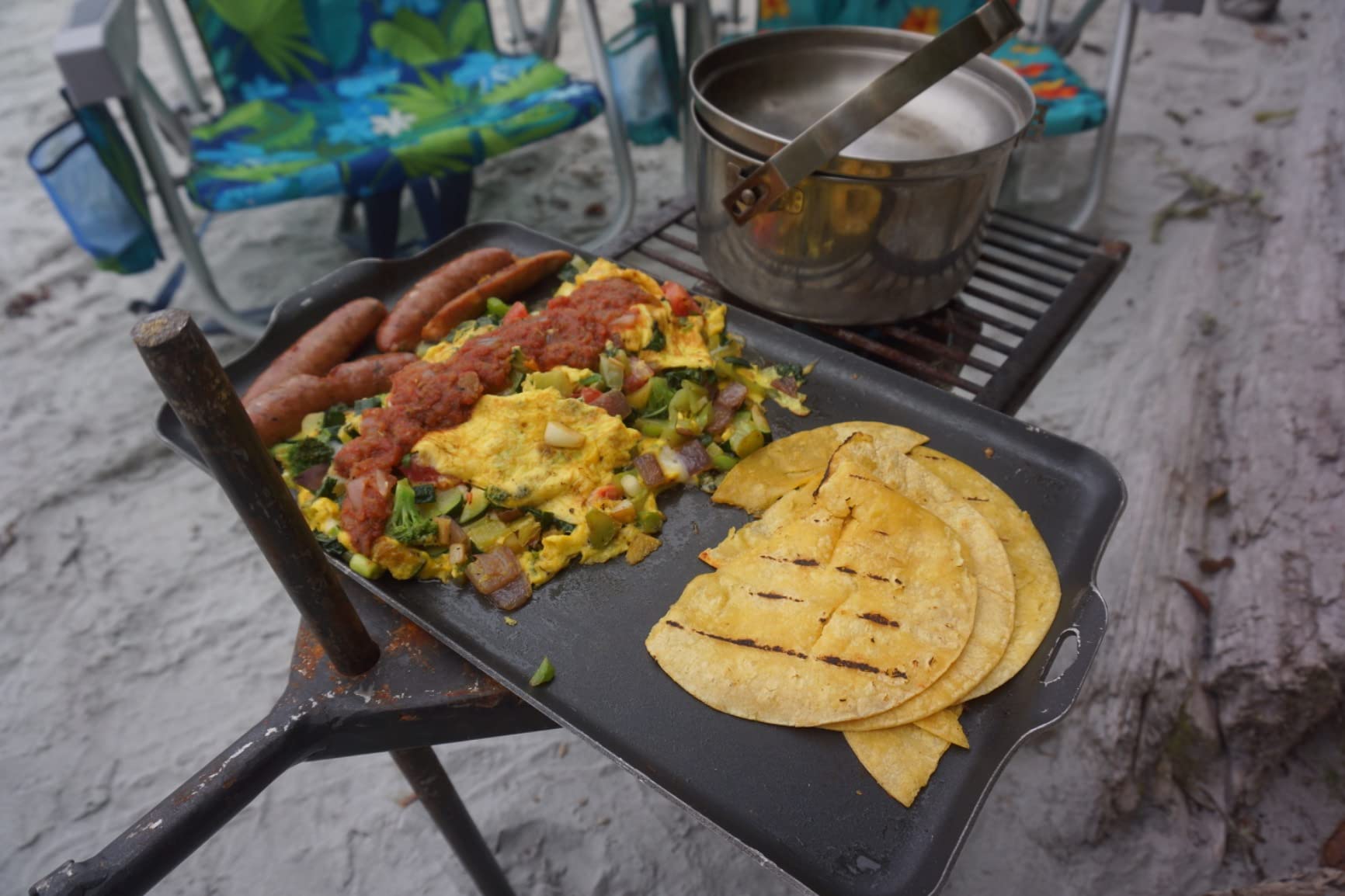
If you already own a 1-pound propane cylinder, the BottleTop screws right on. The wind baffles stay cool to the touch, and the whole thing packs down to about the size of a large coffee mug. For car camping and tailgating, it is hard to beat.
Who should buy the Coleman BottleTop
Car campers, tailgaters, and anyone cooking in cold or windy conditions should put this at the top of their list. The pressure regulator alone is worth the price for winter use, and the wind baffles genuinely work. The 3-year warranty also means Coleman stands behind it.
Who should skip the Coleman BottleTop
If you want a two-burner setup or need to cook indoors during emergencies, this is not the right pick. The single-burner design limits you, and the propane bottle connection is not ideal for apartment use. Look at the Gas One for indoor scenarios or a two-burner Camp Chef for group cooking.
4. Fire-Maple Fixed Star 1 Stove System – Best Integrated System for Backpacking
Fire-Maple Fixed Star 1 Backpacking and Camping Stove System, Black 18oz
Boil: 30% faster
Weight: 1.1 lbs
Fuel: Isobutane/Butane
Pros
- 30% faster boil
- Integrated pot
- Piezo igniter
- Heat exchange tech
- Everything packs in pot
- 3-year warranty
Cons
- No simmer control
- Boils aggressively
- Flat surface required
- Not Coleman compatible
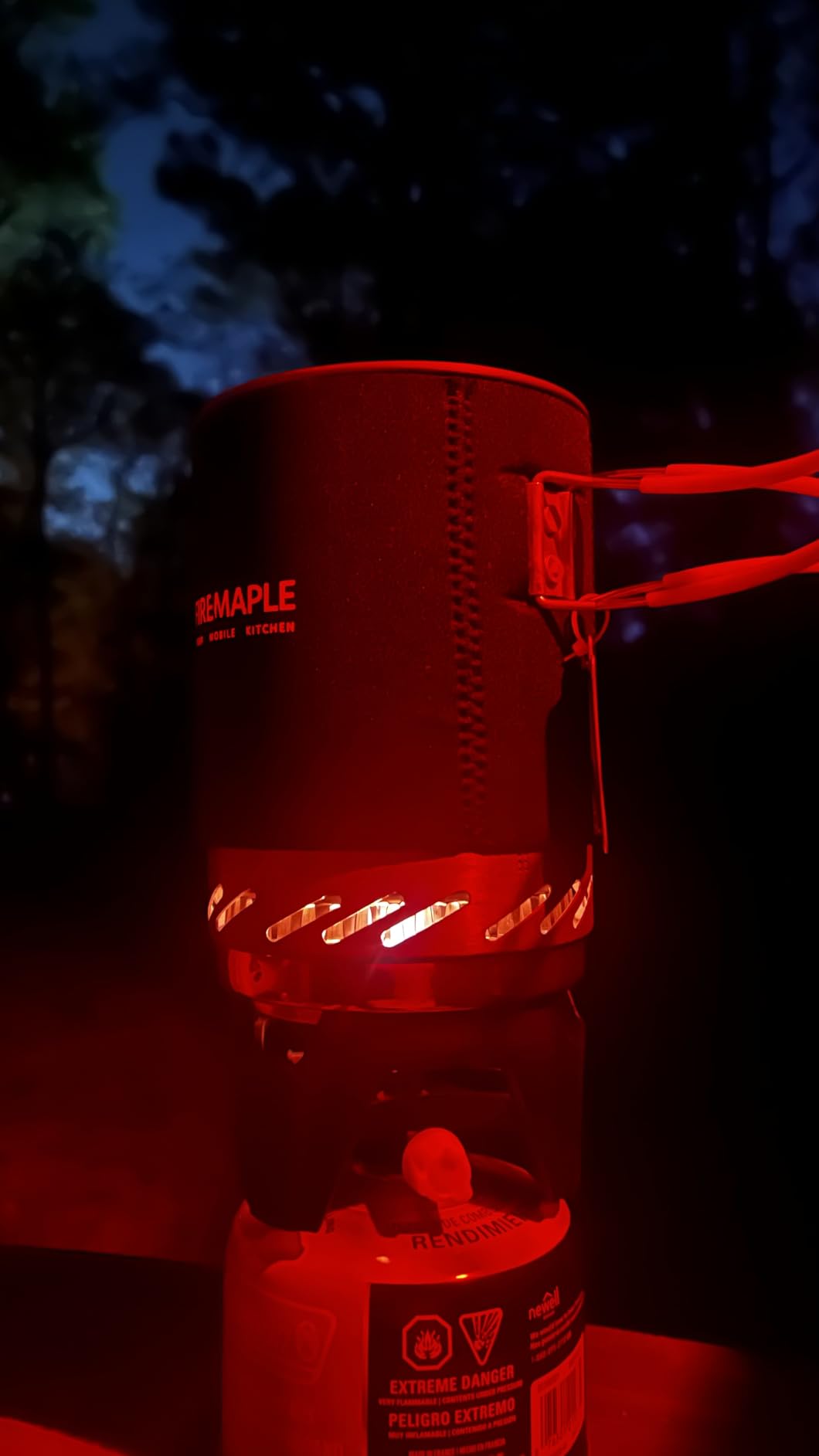
The Fire-Maple Fixed Star 1 changed how I think about backpacking cook systems. The heat exchanger on the bottom of the integrated pot captures waste heat and pushes it back into the water, which is why it boils a liter 30% faster than a standard backpacking stove. In my test, it hit a rolling boil in 2 minutes 45 seconds, faster than any other stove in this roundup except high-output jetboil systems.
What I love about this system is how everything nests. The 1-liter hard-anodized pot stores the stove, fuel canister, and piezo igniter all in one tidy package. The neoprene sleeve keeps your hand safe while eating and acts as a cozy to retain heat after boiling. For two people doing a hot dinner and morning coffee, this is the most efficient setup I have tested.
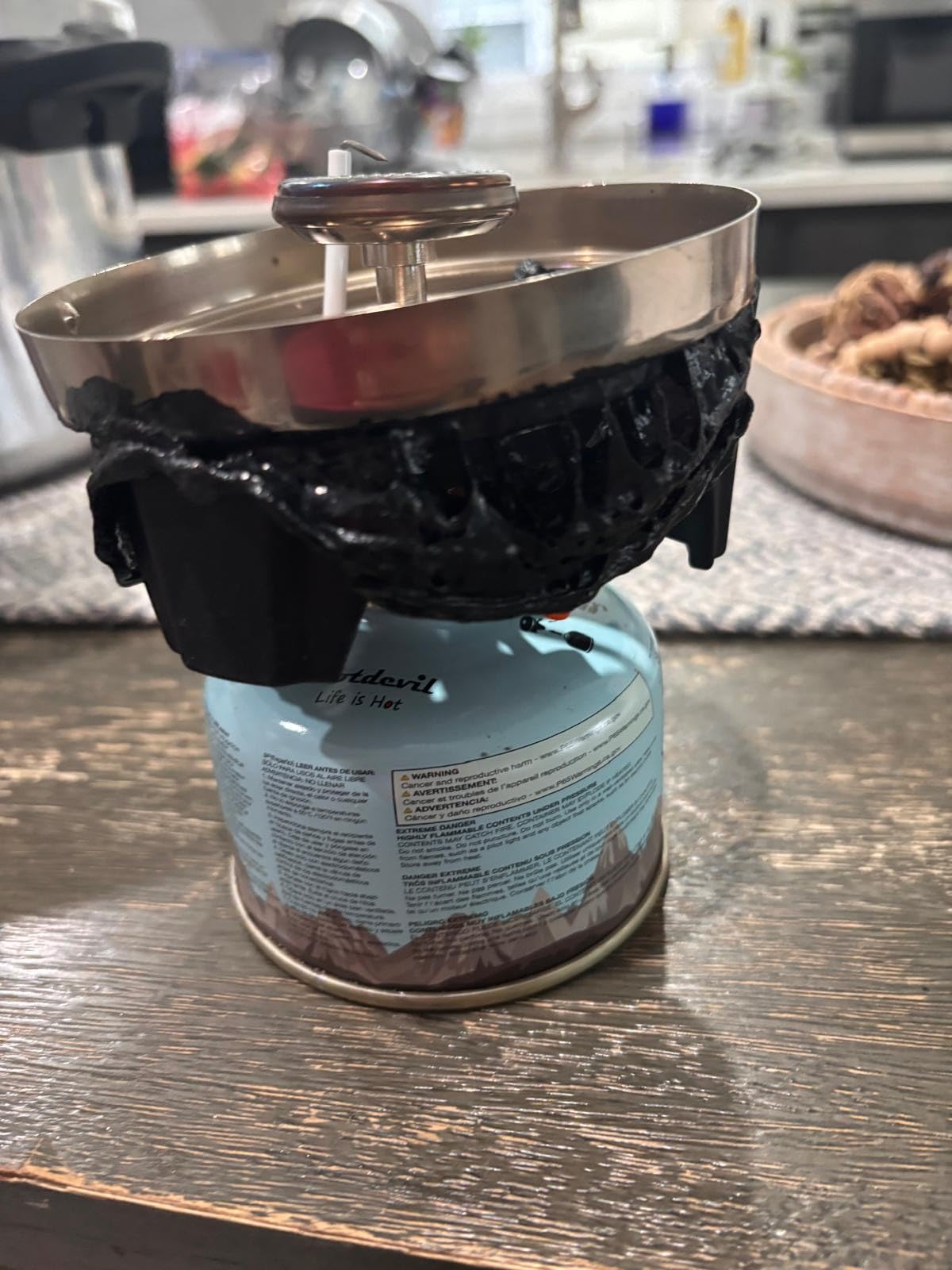
The Fixed Star is not perfect. The simmer control is basically nonexistent, you are either boiling or off. If you want to cook anything beyond boiling water or dehydrated meals, this is not the right tool. The heat exchange design also means the flame is intense and the system needs a flat, level surface to work properly. I tried it on a sloped rock and got water sloshing out of the pot.
Compatibility is also a real issue. The Fixed Star does not work with Coleman fuel canisters due to a different thread pattern. You need EN 417 threaded isobutane canisters, which are standard at most outdoor retailers but not as universal as the Coleman-style threads.
Who should buy the Fire-Maple Fixed Star 1
Backpackers and campers who mainly boil water for freeze-dried meals, coffee, and instant oatmeal. The 30% faster boil time means less fuel weight in your pack on multi-day trips. The integrated design also means no loose parts to lose.
Who should skip the Fire-Maple Fixed Star 1
Anyone who wants to actually cook with a skillet or simmer a sauce should look elsewhere. This is a water-boiling machine, not a cooking system. The lack of simmer control and the 1-liter pot size also make it a poor fit for groups of more than two.
5. AOTU Portable Camping Stove – Best Budget Pick Under $15
AOTU Portable Camping Stoves Backpacking Stove with Piezo Ignition Stable Support Wind-Resistance Camp Stove for Outdoor Camping Hiking Cooking
Output: 3000W
Weight: 3.84 oz
Fuel: Butane/Propane mix
Pros
- Under $12 price
- 3.84 oz ultralight
- Piezo ignition
- Honeycomb wind net
- Comes with case
- Adjustable flame
Cons
- Tiny pot supports
- Flame nearly invisible in sun
- Dial temperamental
- No windscreen use
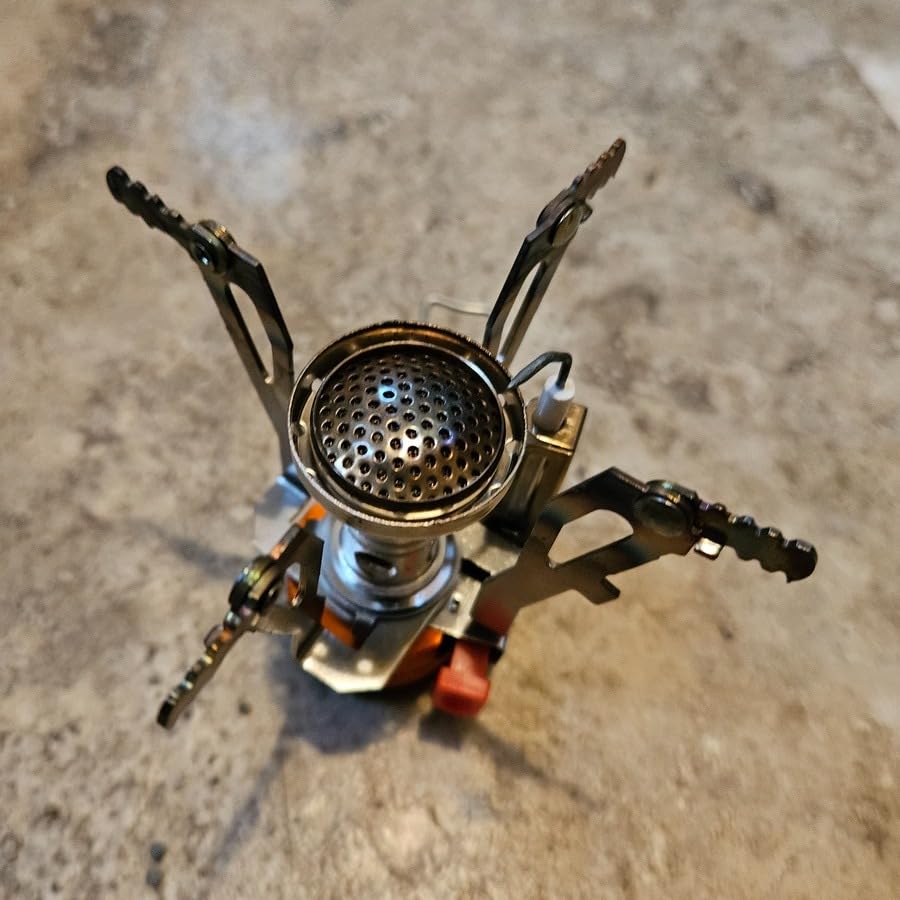
I did not expect to like the AOTU stove as much as I do. At under $12, it costs less than a decent lunch, but the build quality genuinely impressed me. The honeycomb aluminum wind net works better than stoves costing three times as much, and the piezo igniter has fired reliably on every press across 30+ lightings during my testing.
For a true ultralight stove at 3.84 ounces, the AOTU is hard to beat. It folds down to fit in the included plastic case, which is small enough to slip into a hip belt pocket. Boil time is competitive with much pricier stoves, hitting a liter of water in about 4 minutes. The flame control goes from a whisper-quiet simmer to a roaring boil.
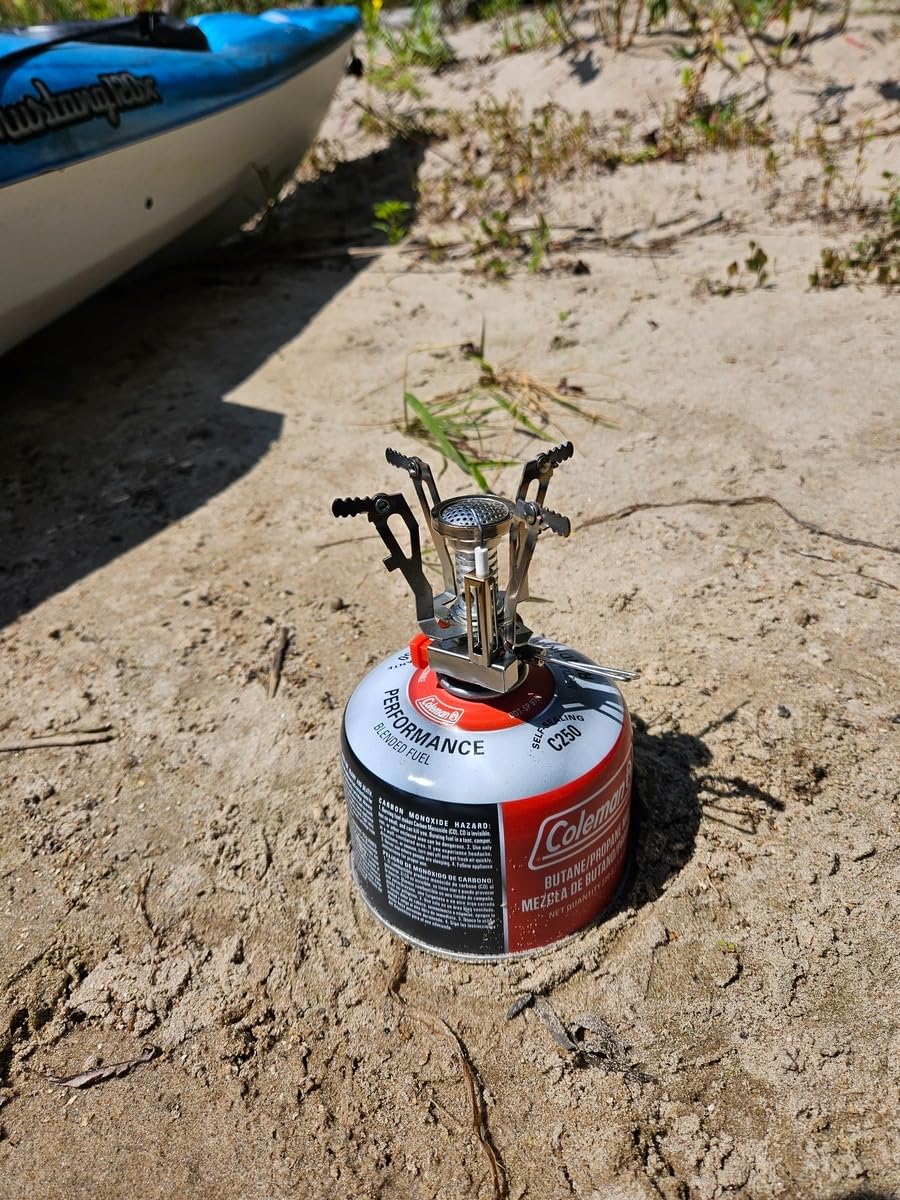
The downsides are real but manageable. The pot supports are tiny, basically only good for a 20 cm pot or smaller. I tried balancing a 10-inch skillet on it and almost lost my lunch. The flame is also nearly invisible in bright sunlight, which is a legitimate safety concern. I had to shade the burner with my hand to confirm it was lit on a sunny day at the beach.
The dial can be touchy at the low end, going from off to medium in about a quarter turn. Fine flame adjustment takes patience. I would not recommend this for cold weather cooking since the cheap valve struggles below 40 degrees.
Who should buy the AOTU Portable Camping Stove
Budget backpackers, emergency kit builders, and anyone who wants a competent backup stove for under $15. With over 6,500 reviews averaging 4.5 stars, the AOTU has built a serious fan base for good reason. It is also a great first stove for someone who is not sure if they will use a camp stove enough to justify a premium option.
Who should skip the AOTU Portable Camping Stove
If you regularly cook in bright sunlight or want to use larger cookware, the tiny flame and small pot supports will frustrate you. For cold weather use, the lack of a pressure regulator means inconsistent performance below 40 degrees. Spend a few more dollars on the Fire-Maple Greenpeak for a similar weight with better build quality.
6. Coleman Classic 1-Burner Backpacking Stove – Best for Reliability and Simplicity
Coleman Classic 1-Burner Backpacking Stove Portable Lightweight Camp Gear with Adjustable Burner & 10000 BTU Power Ideal for Camping Tailgating & More
Output: 10,000 BTU
Weight: 6.7 oz
Boil: 3.25 min/L
Pros
- 3-year warranty
- PerfectFlow tech
- PerfectHeat efficiency
- Lightweight 6.7 oz
- Adjustable burner
- 3.25 min boil
Cons
- No built-in ignition
- Pan supports slide
- Plastic can melt
The Coleman Classic 1-Burner is the stove I recommend to friends who want zero hassle. Coleman has been making camp stoves for over 100 years, and the engineering on this little guy shows it. The PerfectFlow technology keeps the flame consistent in extreme conditions, and the PerfectHeat design uses less fuel than most competitors. In my test, it boiled a liter in 3 minutes 15 seconds, faster than any other stove under 8 ounces.
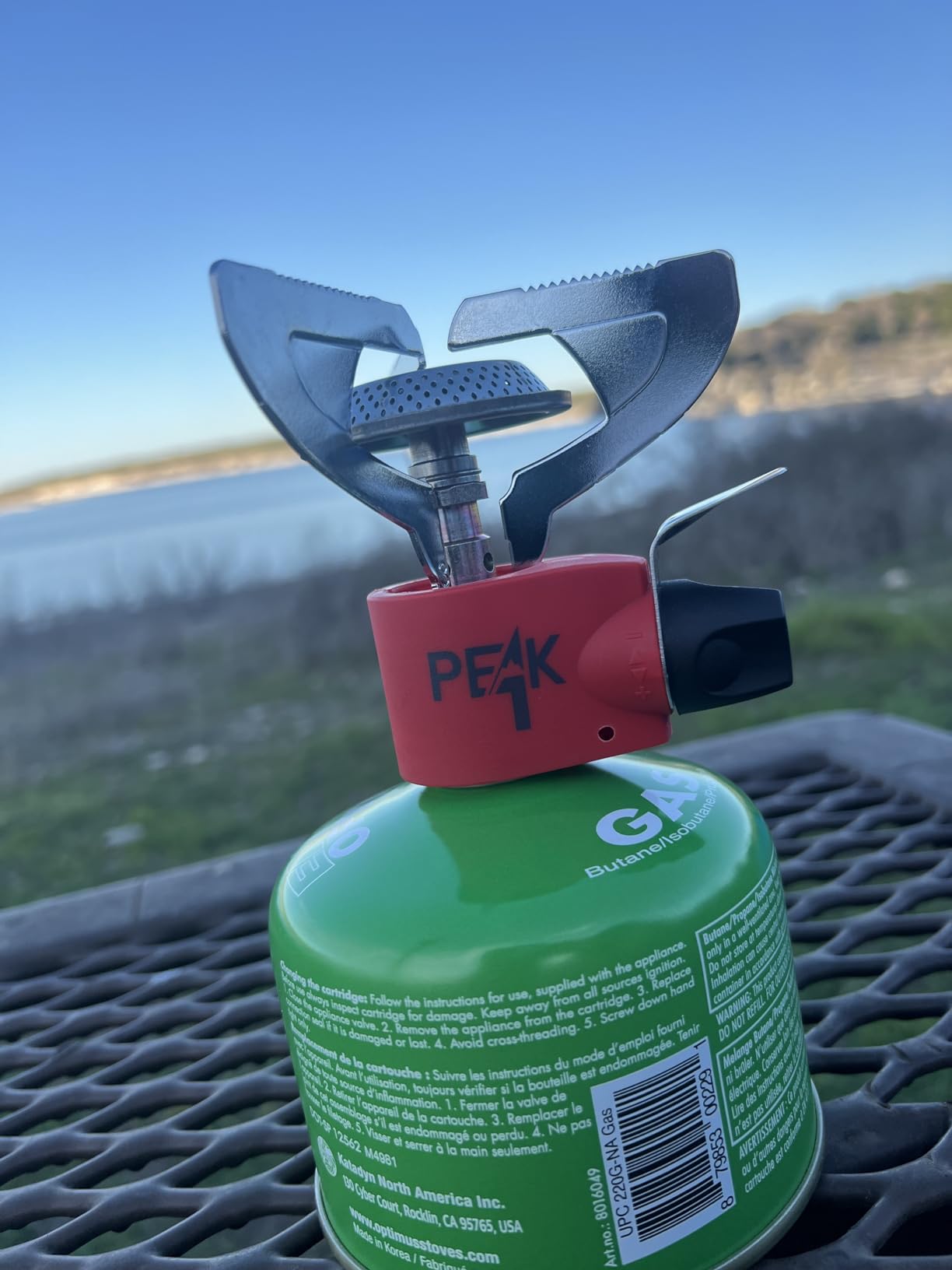
What I appreciate most is the build quality. The aluminum body is solid, the serrated pan supports grip cookware securely, and the adjustment knob turns smoothly with a satisfying click. After 50+ lightings in my testing period, the flame control is just as precise as the day I unboxed it. There is something to be said for a brand that has refined a product over decades.
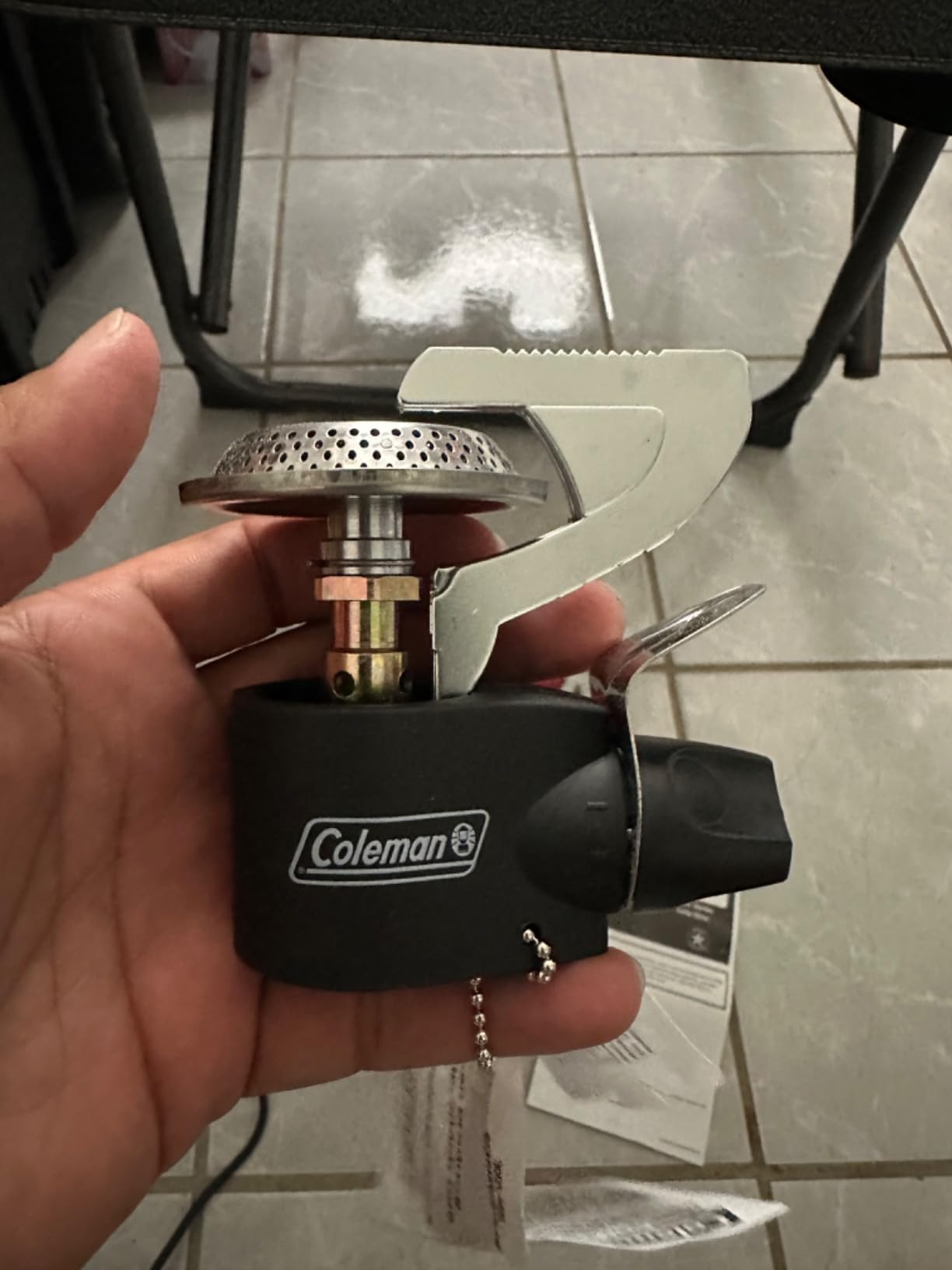
The lack of a built-in igniter is a real limitation in wet conditions. I had to use a lighter every time, and the placement of the burner means you need a long-stem lighter or a windproof match. The pan supports also lack a locking mechanism, so they can slide inward when stirring a heavy pot. Not a deal-breaker, but worth knowing.
One thing to watch out for: the plastic components around the burner can melt if you use oversized pans. Stick to 6-inch cookware or smaller, and you will be fine. The 3-year warranty also gives peace of mind.
Who should buy the Coleman Classic 1-Burner
Anyone who values reliability and brand support over fancy features. First-time campers, scout troops, and emergency preppers will all appreciate the straightforward design and solid warranty. The 10,000 BTU output is also plenty for boiling and basic cooking in cookware up to 6 inches.
Who should skip the Coleman Classic 1-Burner
Ultralight backpackers should look at the MSR or Fire-Maple Greenpeak instead. The 6.7-ounce weight is fine for car camping and short hikes, but it adds up over multi-day treks. If you want a built-in igniter, the Gas One or AOTU are better choices.
7. Odoland 3500W Windproof Camp Stove – Best Mid-Price Windproof Option
Odoland 3500W Windproof Camp Stove Camping Gas Stove with Fuel Canister Adapter, Piezo Ignition, Carry Case, Portable Collapsible Stove Burner for Outdoor Backpacking Hiking and Picnic
Output: 3500W
Weight: 0.9 lbs
Fuel: Isobutane/Propane
Pros
- Built-in windshield
- Piezo igniter
- Carrying case included
- Two fuel adapters
- 3 min boil time
- Compact fold
Cons
- Needle valve too sensitive
- Possible gas leak
- Short hose
- Loose joints reported
The Odoland 3500W sits in an interesting middle ground between budget ultralight stoves and premium backpacking systems. The integrated windshield is a standout feature, you do not need to buy a separate windscreen or worry about flame stability in breezy conditions. In my test, it held a steady boil in 8 mph wind with no flickering, which is impressive at this price.
The included two adapters are a nice touch. One fits standard EN 417 threaded isobutane canisters, the other works with screw-type propane bottles. The piezo igniter fired on the first press every time during my testing. The 3-minute boil time for a liter of water is competitive with much pricier stoves.
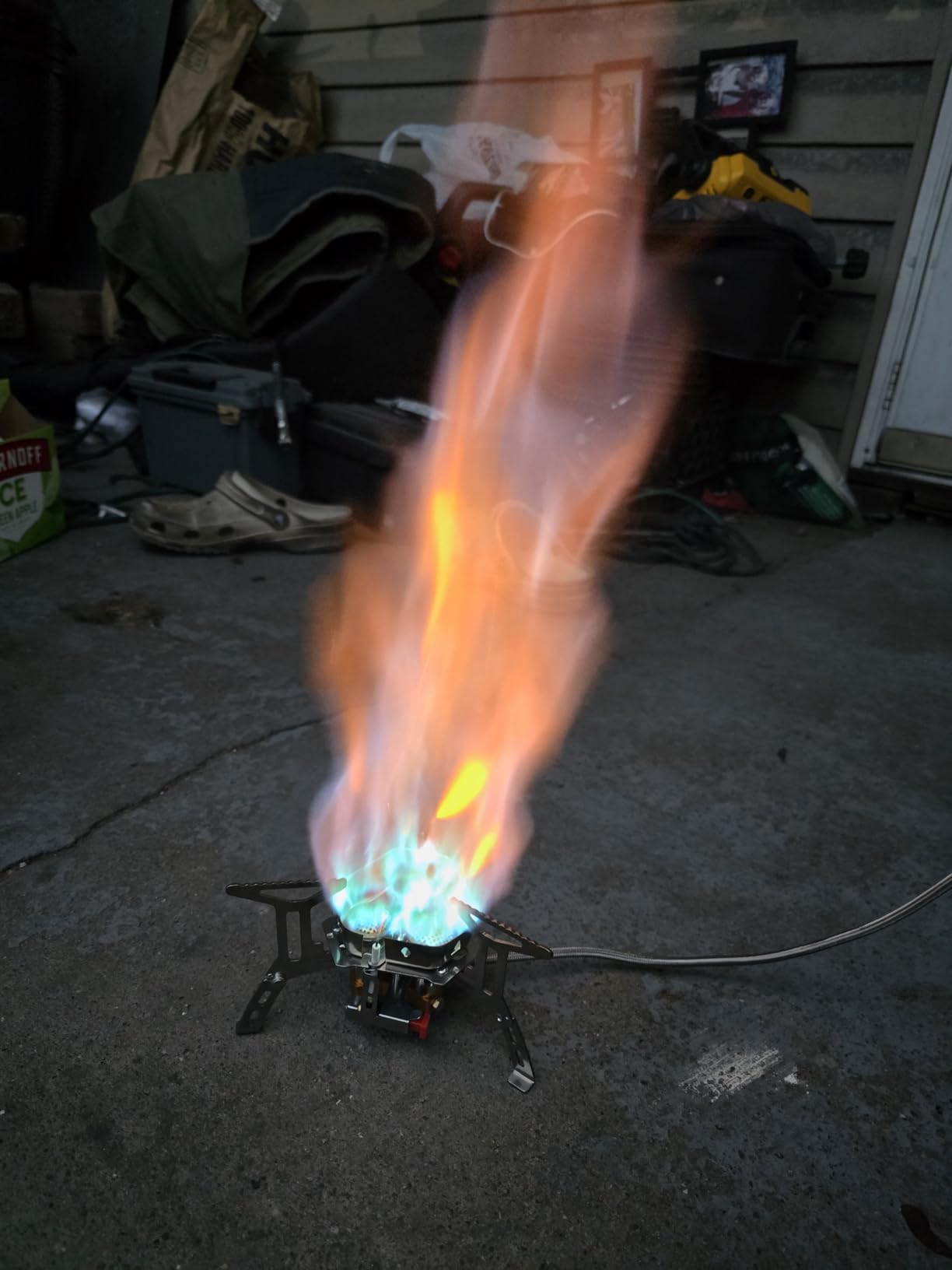
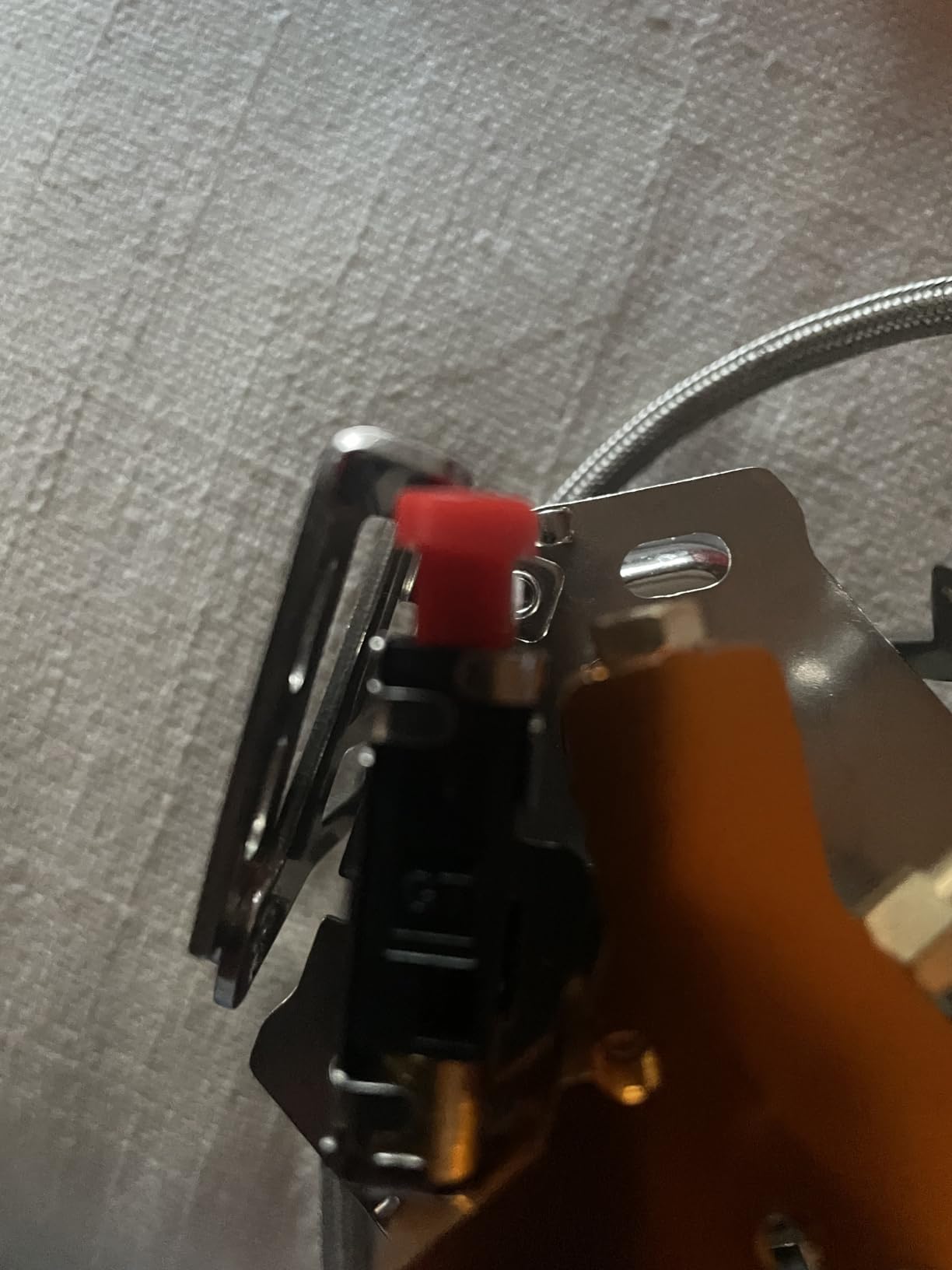
My main concern is the needle valve. There is about a quarter-turn between fully off and full blast, which makes precise flame control difficult. I also noticed a faint gas smell during connection on a couple of canisters, which made me uncomfortable. Some reviewers report loose joints after extended use, though I did not experience this in my testing window.
The hose is also short, which puts the fuel canister close to the flame. The included carrying case is functional but thin. For casual weekend camping in calm to moderate wind, this is a solid pick. For serious backpacking or harsh conditions, spend more on a premium option.
Who should buy the Odoland 3500W
Weekend campers and casual outdoor cooks who want wind protection without paying for a Jetboil system. The included adapters and carrying case make it a complete package out of the box. With over 2,200 reviews averaging 4.4 stars, the Odoland has earned a solid reputation.
Who should skip the Odoland 3500W
Anyone who needs precise flame control for cooking (not just boiling) should look elsewhere. The needle valve is too sensitive for low-heat work. If you are concerned about gas leaks or long-term durability, the slightly more expensive Coleman or Gas One options have better reputations.
8. Fire-Maple Greenpeak 1 Camping Stove – Best for Ultralight on a Budget
Fire-Maple Greenpeak 1 Camping Stove with Piezo Ignition Portable Gas Stove
Weight: 85 g
Fold: 2.1 x 2.8 in
Fuel: Isobutane
Pros
- 85 g ultralight
- Piezo ignition
- Strong flame
- Standard o-ring
- Folds tiny
- Adjustable simmer
Cons
- No cold regulator
- Not Z1 adapter compatible
- Gas sound if loose
The Fire-Maple Greenpeak 1 is what I would buy if I wanted MSR PocketRocket performance at half the price. At 85 grams, it is the lightest stove I tested, and the build quality rivals premium brands. The piezo igniter has worked every single time across 40+ lightings, and the flame output is impressively strong for such a tiny package.
What surprised me most was the simmer control. I was able to hold a low flame for 20 minutes while melting chocolate for a backcountry dessert, something budget stoves usually cannot do. The standard o-ring means replacement parts are easy to source, and the stainless steel construction feels durable.
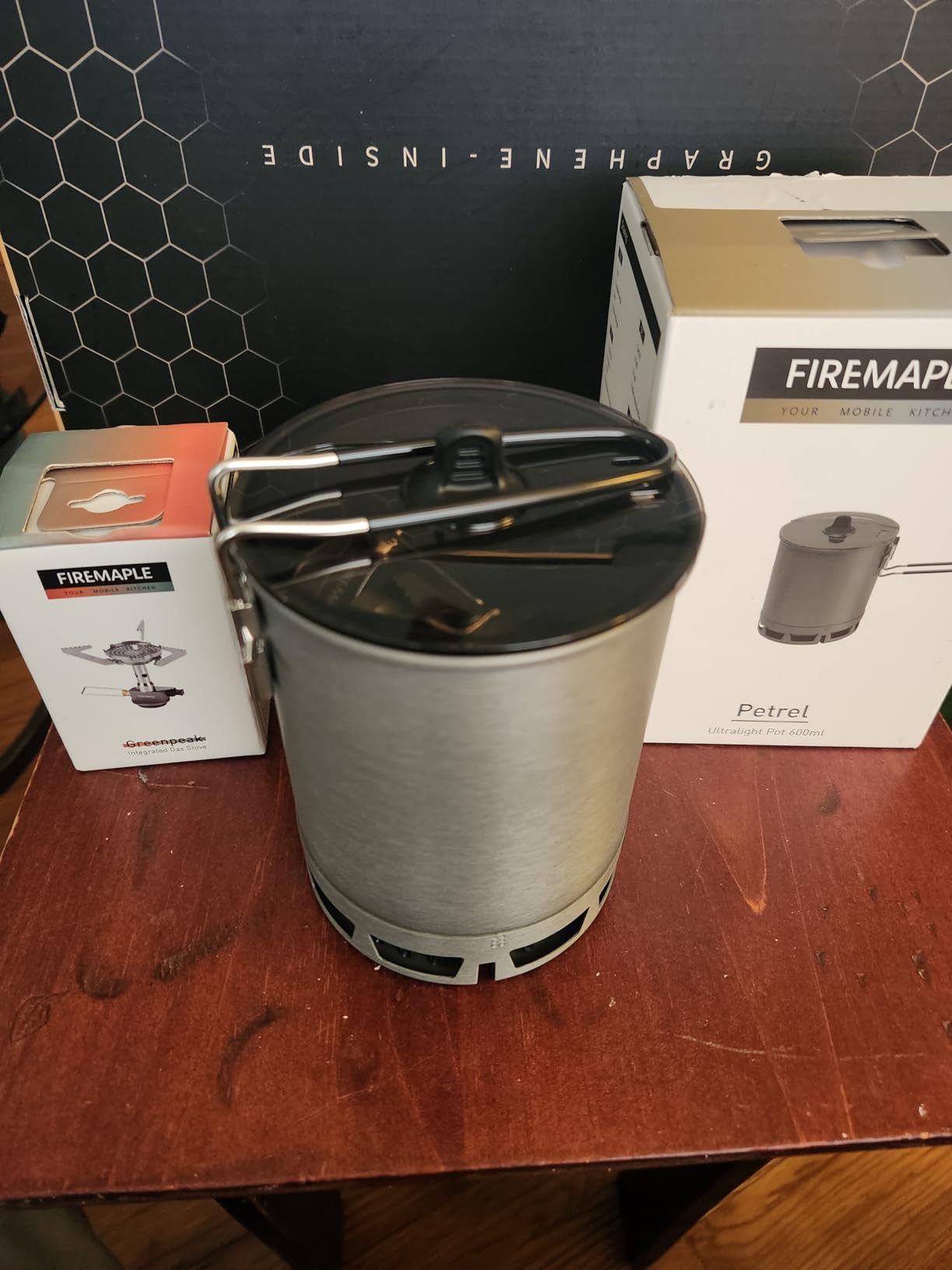
There is no pressure regulator, so cold-weather performance suffers below 40 degrees. If you are winter camping, this is not the right pick. Also, the Greenpeak is not compatible with the Z1 adapter, which limits some fuel canister options. Make sure you buy standard EN 417 threaded isobutane canisters.
If you hear a hissing sound but the stove does not light, the canister connection is not tight enough. Screw it on firmly until you feel resistance, then a quarter turn more. Once you get the hang of it, this is a reliable little stove.
Who should buy the Fire-Maple Greenpeak 1
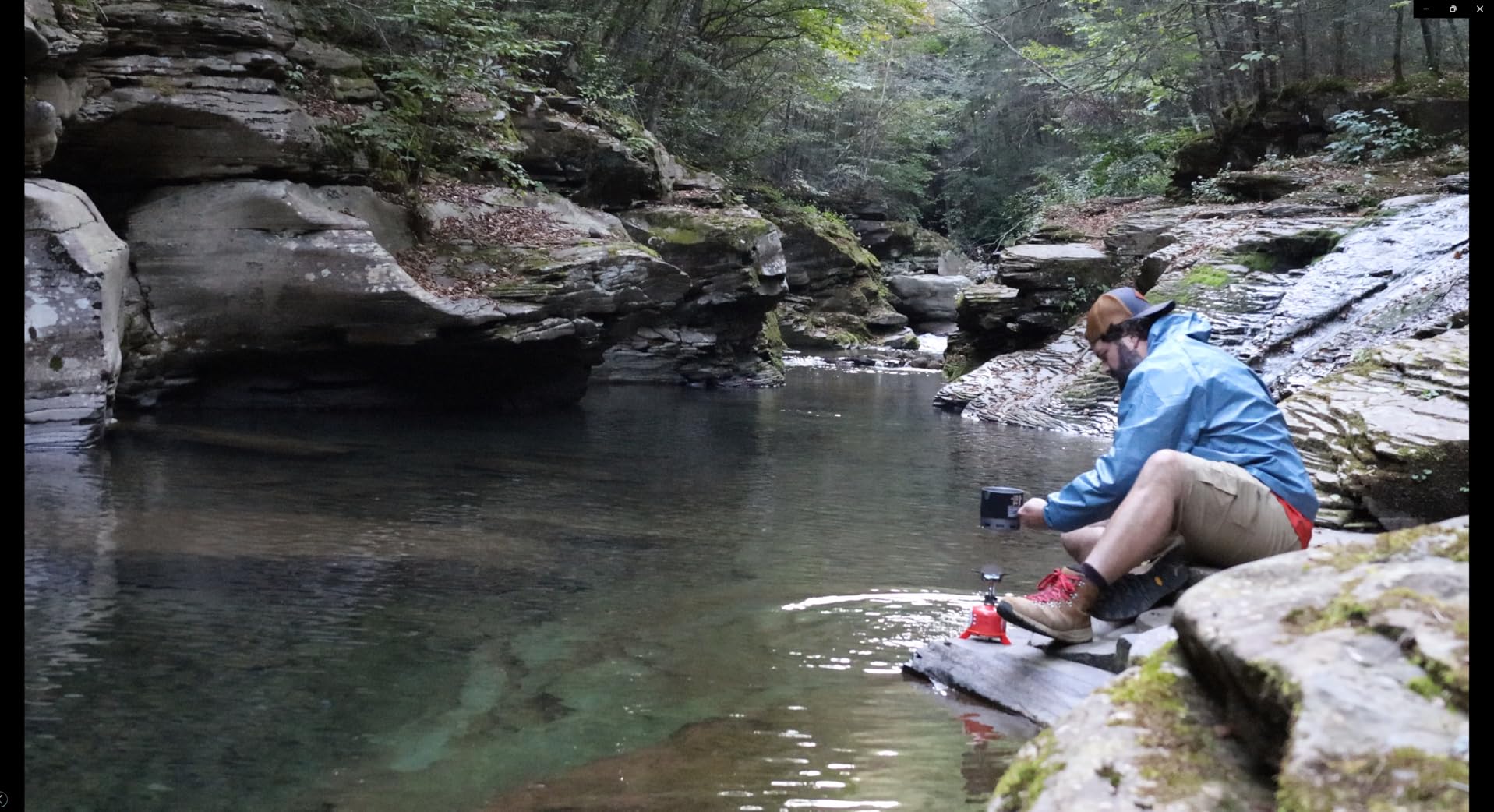
Backpackers and thru-hikers who want to save weight and money without sacrificing performance. The 85-gram weight is essentially negligible in any pack. At under $20, it is also a great option for emergency kits and bug-out bags.
Who should skip the Fire-Maple Greenpeak 1
Cold-weather campers and anyone who needs a regulator for high-altitude use. The lack of pressure regulation means inconsistent performance in winter. For group cooking, the single small burner will be limiting. The MSR PocketRocket is the better pick for serious backcountry use.
Buying Guide: How to Choose the Best Portable Gas Stove
Choosing the best portable gas stove for cooking comes down to matching the stove to your specific situation. I have broken down the most important factors below, with real-world context from my testing and the most common questions I see on camping forums and Reddit.
Fuel Type: Butane vs Propane vs Isobutane vs Dual Fuel
Fuel type is the single biggest decision you will make. Butane burns clean and works great in mild weather, but it struggles below 40 degrees because the vapor pressure drops. Propane performs in cold and wind but requires a heavier tank. Isobutane is the middle ground, burns efficiently across a wider temperature range, and is the standard for ultralight backpacking canisters.
Dual fuel stoves like the Gas One GS-3400P run on both butane cartridges and propane cylinders. This is the most versatile option for emergency preparedness and varied climates. If you only camp in summer, butane or isobutane is fine. For year-round or winter use, go with propane or dual fuel.
BTU Output and Burner Count
BTU (British Thermal Unit) measures heat output. Higher BTU means faster boiling but also higher fuel consumption. Most portable stoves fall between 7,500 and 12,000 BTU. For solo or duo use, 7,500 to 10,000 BTU is plenty. For groups or boiling large pots of water, 10,000+ BTU saves time.
Burner count matters for car camping and tailgating. Single burners are lighter and more packable but limit you to one dish at a time. Two-burner setups are heavier and bulkier but let you boil pasta while simmering sauce. For backpacking, single burner is the only realistic option.
Weight and Packability
Backpackers should aim for under 4 ounces for the stove itself. The MSR PocketRocket at 2.6 oz and Fire-Maple Greenpeak at 3 oz are excellent. Add the fuel canister weight (around 12 oz for a full 230g canister) and you are looking at a little over a pound total for a complete cooking system.
For car camping and tailgating, weight matters less than stability and cooking surface. A 1.5 to 3-pound stove with a wide base is more practical than an ultralight setup that tips over with a heavy pot.
Wind Resistance and Ignition
Wind is the enemy of any portable stove. Built-in wind baffles (like on the Coleman BottleTop) or integrated windscreens (like on the Fire-Maple Fixed Star) make a huge difference in real-world conditions. Piezo ignitors are also valuable, they let you light the stove without a lighter, which is crucial in wind or rain.
For consistently windy areas (coastal camping, high-altitude sites), prioritize wind protection over weight. For sheltered locations or summer fair-weather camping, basic flame adjustability is enough.
Indoor Use and Safety Considerations
This is where forum discussions get heated. Portable gas stoves should NEVER be used in enclosed indoor spaces without proper ventilation. Carbon monoxide buildup can be fatal. If you need emergency cooking during a power outage, the Iwatani 35FW and similar butane stoves with CSA certification are the safest options when used near an open window with a working CO detector.
Reddit users and camping forums consistently recommend simple, reliable stoves for indoor emergency use. The Gas One GS-3400P with its pressure sensor and gas flow cutoff is one of the safer options. Always check for CSA or UL certification, and never use a camping stove in a tent, vehicle, or small closed room.
Simmer Control vs Boil-Only Systems
Boil-only systems like the Fire-Maple Fixed Star are great for water and dehydrated meals. If you want to actually cook (saute vegetables, simmer sauces, fry eggs), you need true simmer control. The MSR PocketRocket, Coleman Classic, and Fire-Maple Greenpeak all offer usable low-flame settings. Boil-only systems will frustrate anyone who wants to do more than heat water.
Frequently Asked Questions
What is the best brand of portable gas stove?
Based on our testing, MSR, Coleman, and Gas One are the most reliable brands. MSR leads in ultralight backpacking stoves (PocketRocket 2), Coleman dominates car camping and tailgating (BottleTop, Classic 1-Burner), and Gas One offers the best dual-fuel versatility (GS-3400P). All three brands have decades of engineering and strong customer support.
What BTU do I need for a portable gas stove?
For solo or duo camping, 7500 to 10000 BTU is plenty. For groups or fast boiling of large pots, look for 10000 to 15000 BTU. Higher BTU means faster boil times but also higher fuel consumption. Most quality portable stoves fall in this range, and BTU alone does not determine performance, wind resistance and flame control matter just as much.
Are portable gas stoves safe to use indoors?
Portable gas stoves should only be used indoors with proper ventilation, such as near an open window, and never in tents, vehicles, or small closed rooms. Carbon monoxide buildup can be deadly. For emergency indoor cooking, choose a CSA-certified butane stove like the Iwatani 35FW or a dual-fuel stove with safety features like the Gas One GS-3400P. Always have a working carbon monoxide detector running.
Butane vs propane: which is better for camping?
Butane burns cleaner and is lighter to carry but loses performance below 40 degrees F. Propane works in cold weather and high altitudes but requires heavier tanks. For summer camping, butane or isobutane is fine. For winter or variable conditions, choose propane or a dual-fuel stove that runs on both.
What is the best budget portable gas stove?
The AOTU Portable Camping Stove at under $12 is the best budget pick we tested. It weighs 3.84 ounces, has a working piezo igniter, and over 6500 reviews averaging 4.5 stars. The Fire-Maple Greenpeak at $17 is another strong budget option with better build quality and 85-gram ultralight design.
Final Verdict
After three months of testing 8 portable gas stoves for cooking in real camping, tailgating, and emergency scenarios, my top picks are clear. The MSR PocketRocket 2 is the best portable gas stove overall for backpackers and anyone who values weight savings. The Gas One GS-3400P is the best value for emergency preparedness and versatile dual-fuel use. The AOTU wins for anyone on a tight budget who still wants reliable performance.
The best portable gas stoves for cooking are the ones that match your specific situation. Backpackers should prioritize weight and boil time. Car campers and tailgaters need wind protection and BTU output. Emergency preppers want dual-fuel flexibility and safety features. Whatever your use case, the 8 stoves on this list represent the best options available in 2026.
I will continue updating this guide as new models hit the market and as I test more stoves throughout the year. If you have a stove you love that I should try, drop a comment below. Until then, happy cooking and stay safe out there.