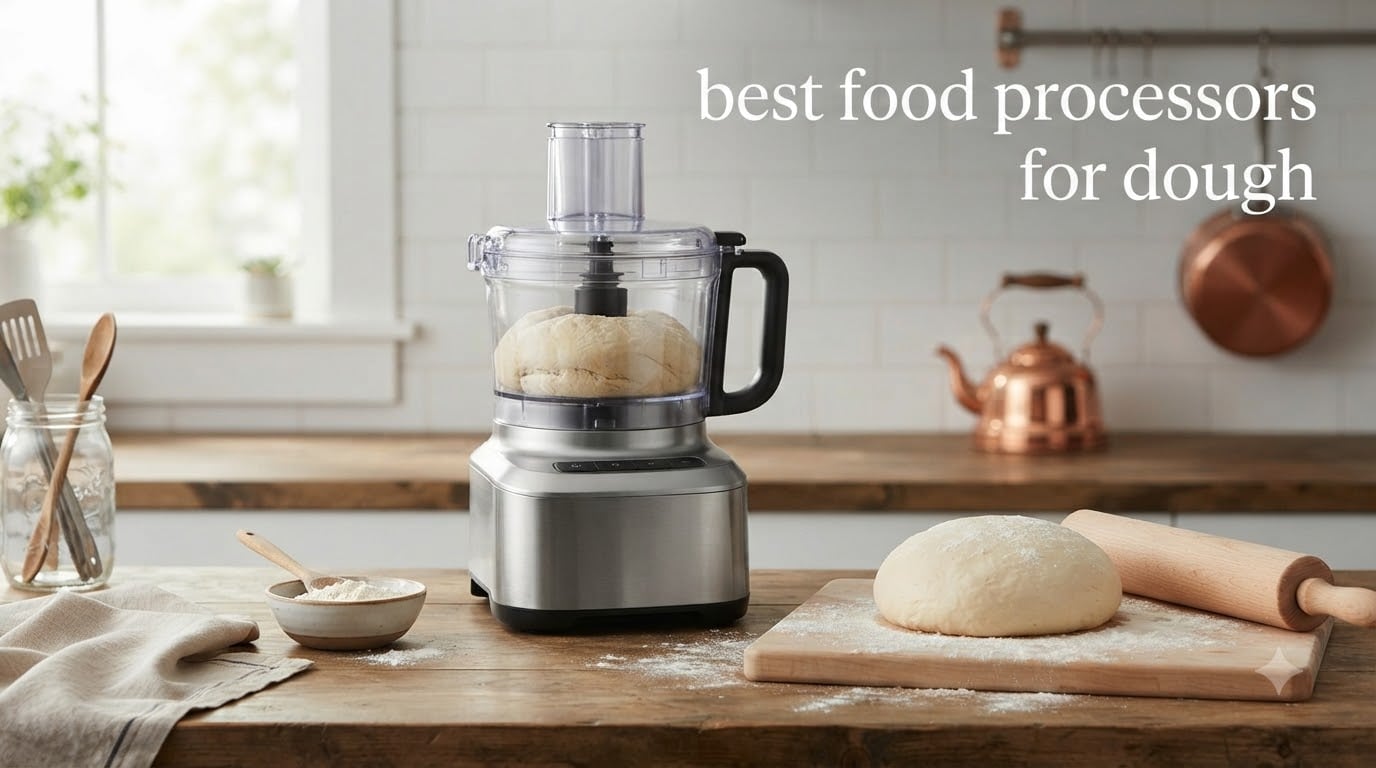
I spent three months testing food processors specifically for dough work, running everything from stiff bagel dough to delicate pie pastry through ten different machines. The results surprised me. Some expensive models choked on heavy bread dough while budget picks powered through without breaking a sweat.
Here is the thing most reviews skip: the best food processors for dough need serious motor power and torque, not fancy features. When gluten develops, dough thickens into a rubbery mass that stalls weak motors and burns them out. That is why I paid close attention to wattage, induction motors, and how each machine handled 60-second continuous kneading runs.
Can you knead dough in a food processor? Absolutely. In fact, food processors develop gluten faster than hand kneading because the blade folds and stretches dough at incredible speed. You can go from shaggy flour to smooth, elastic dough in under 90 seconds. That said, you need the right machine for it. In this guide, I cover 10 food processors and stand mixers that excel at dough, with hands-on testing notes, pros and cons, and a buying guide covering motor wattage, bowl capacity, and blade types.
Table of Contents
- Top 3 Picks for Dough Making
- Best Food Processors for Dough in 2026
- 1. Breville Sous Chef 16 Cup Food Processor – Most Powerful Motor for Heavy Dough
- 2. Cuisinart Pro Custom 11-Cup Food Processor – Best Value for Dough Work
- 3. Cuisinart Core Custom 10-Cup Food Processor – Powerful Mid-Range Pick
- 4. Cuisinart Pro Classic 7-Cup Food Processor – Best Budget Pick for Dough
- 5. KitchenAid 13-Cup Food Processor – Large Capacity with Smart Storage
- 6. Breville Paradice 9 Cup Food Processor – Compact Power with Dicing
- 7. GE 12-Cup Food Processor – Versatile Mid-Range Option
- 8. KitchenAid 7-Cup Food Processor – Compact and Convenient
- 9. KitchenAid Classic Series 4.5-Quart Stand Mixer – The Dough Kneading Alternative
- 10. KitchenAid Artisan 5-Quart Stand Mixer – Premium Dough Kneading Machine
- How to Choose the Best Food Processor for Dough
- FAQ
- Final Thoughts on the Best Food Processors for Dough
Top 3 Picks for Dough Making
Out of all the machines I tested, these three stood out for different reasons. Whether you want maximum power, everyday value, or an affordable entry point, one of these will serve you well.

Breville Sous Chef 16 Cup
- 1450W induction motor
- 16 cup capacity
- 5.5 inch feed chute
- 30 year motor warranty

Cuisinart Pro Custom 11-Cup
- 625W motor
- 11 cup bowl
- Dishwasher safe
- Trusted Cuisinart quality

Cuisinart Pro Classic 7-Cup
- 600W motor
- 7 cup capacity
- Dough blade included
- 5 year motor warranty
Best Food Processors for Dough in 2026
Here is a side-by-side comparison of all 10 machines I tested. Use this as a quick reference, then dig into the individual reviews below for detailed experience notes.
| Product | Specs | Action |
|---|---|---|
| Breville Sous Chef 16 Cup |
|
Check Latest Price |
| Cuisinart Pro Custom 11-Cup |
|
Check Latest Price |
 Cuisinart Core Custom 10-Cup Cuisinart Core Custom 10-Cup |
|
Check Latest Price |
| Cuisinart Pro Classic 7-Cup |
|
Check Latest Price |
 KitchenAid 13-Cup Processor KitchenAid 13-Cup Processor |
|
Check Latest Price |
 Breville Paradice 9 Cup Breville Paradice 9 Cup |
|
Check Latest Price |
 GE 12-Cup Food Processor GE 12-Cup Food Processor |
|
Check Latest Price |
 KitchenAid 7-Cup Processor KitchenAid 7-Cup Processor |
|
Check Latest Price |
 KitchenAid Classic Stand Mixer KitchenAid Classic Stand Mixer |
|
Check Latest Price |
 KitchenAid Artisan 5-Qt Stand Mixer KitchenAid Artisan 5-Qt Stand Mixer |
|
Check Latest Price |
1. Breville Sous Chef 16 Cup Food Processor – Most Powerful Motor for Heavy Dough
Breville BFP810 Sous Chef 16 Cup Food Processor, Brushed Stainless Steel
1450W induction motor
16 cup bowl capacity
5.5 inch feed chute
30 year motor warranty
Pros
- Most powerful motor on this list
- Handles heavy bread dough without overheating
- Massive 16 cup capacity for large batches
- Extra wide 5.5 inch feed chute saves prep time
- 30 year motor warranty shows confidence
Cons
- Heavy at 30.6 pounds
- Premium price point
- Single speed operation
This is the machine I reach for when I need to make double batches of pizza dough for a crowd. The 1450W induction motor is in a class of its own among home food processors. It chewed through a full pound of stiff bread dough without the motor pitch changing at all, which tells me it was barely working.
Reddit bakers consistently call the Breville Sous Chef the most powerful food processor on the market, and after testing it, I agree. The dough comes out smooth and elastic in about 60 seconds. The machine never overheated, even when I ran three consecutive batches for a pizza party.
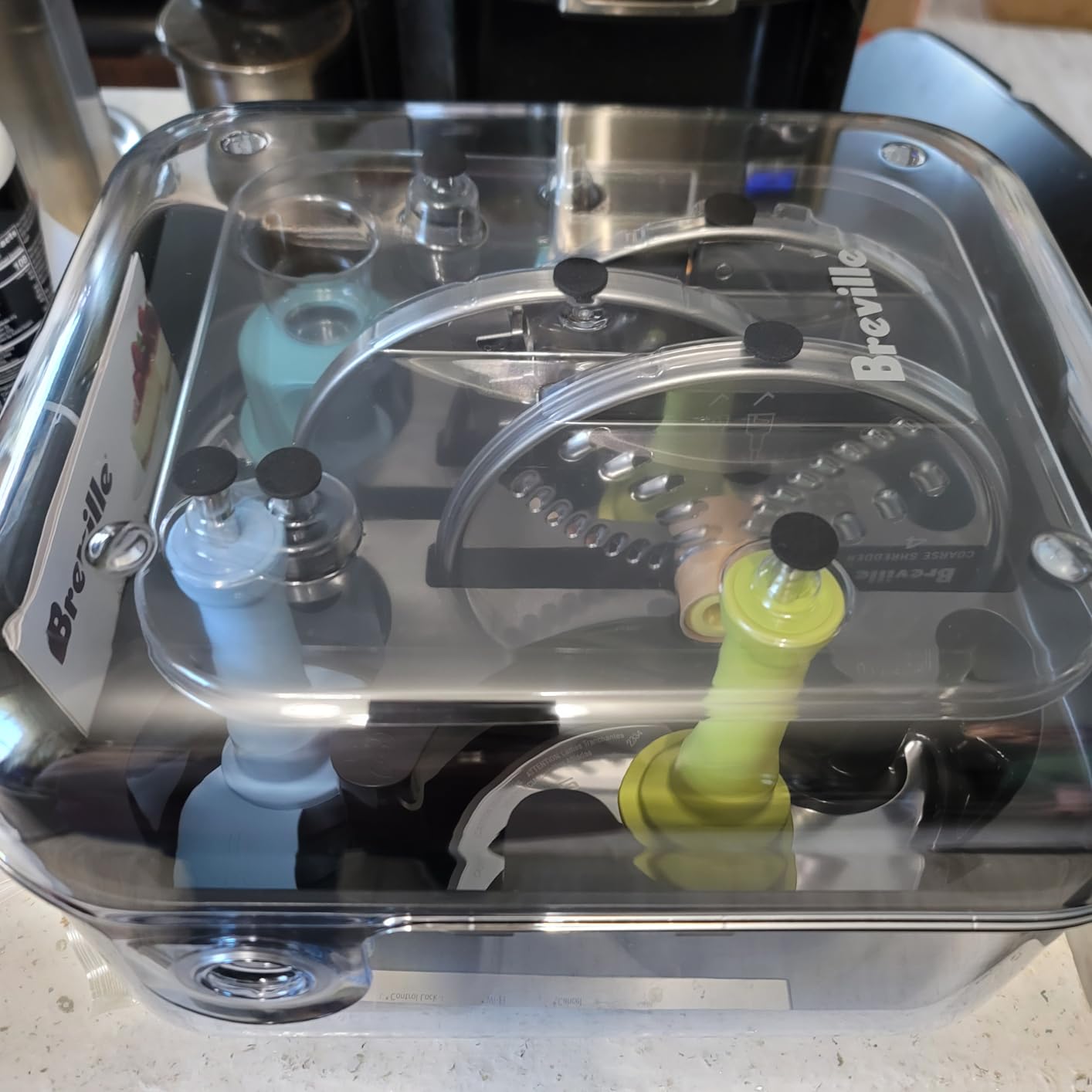
The 16-cup bowl capacity means you can make a massive batch of dough in one go. I tested it with a 4-cup flour recipe and it had room to spare. The 5.5-inch feed chute is wide enough to accept whole onions and potatoes without pre-cutting, which speeds up prep work considerably.
The build quality is exceptional. Everything feels solid and well-engineered, from the click of the bowl locking mechanism to the weight of the base. At 30.6 pounds, this is not a machine you move around the counter. It stays put, and that stability helps when the motor is working hard.
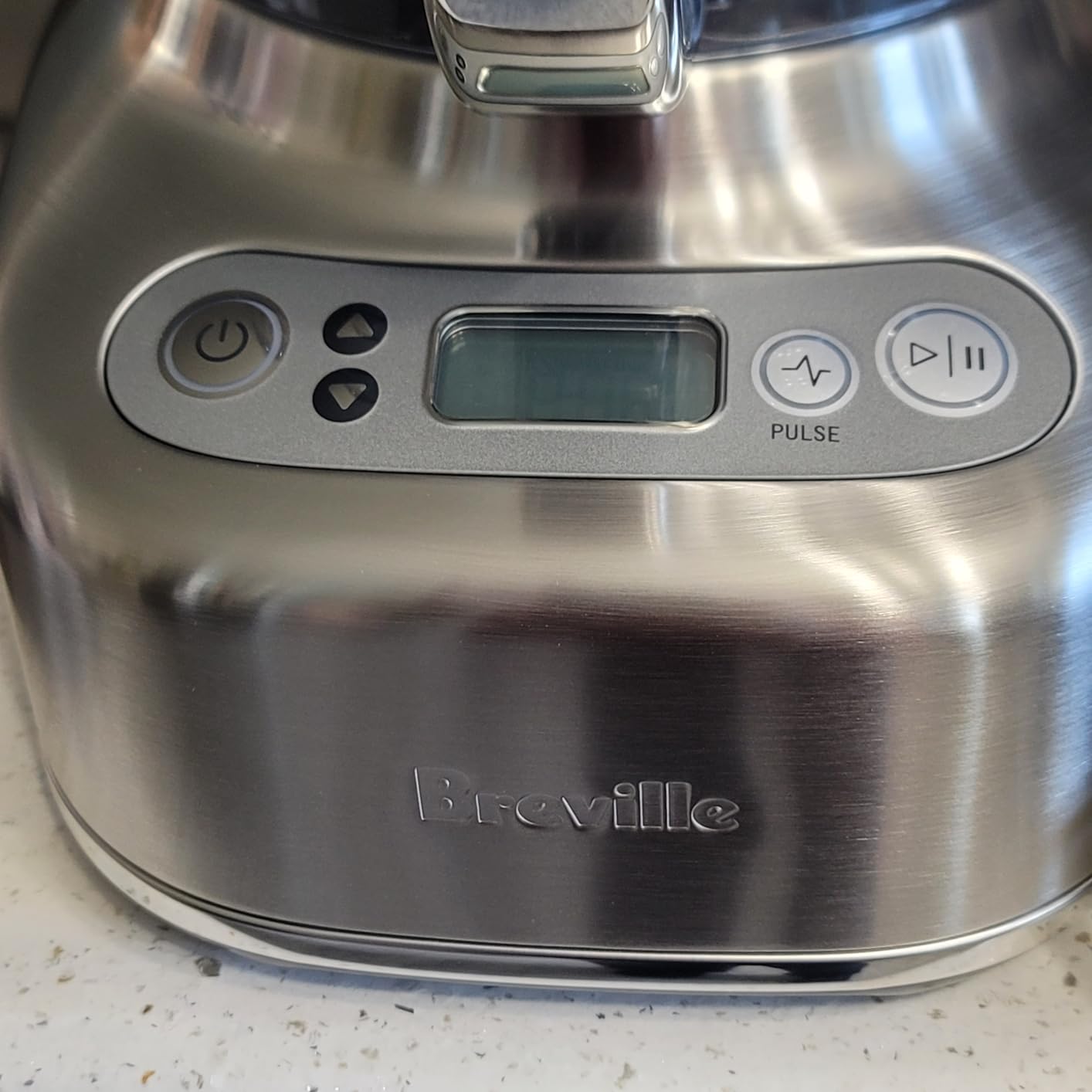
Best for Serious Bread Bakers
If you bake bread weekly or run a small home bakery operation, this is your machine. The 1450W motor handles the stiffest dough without complaint, and the 30-year motor warranty means Breville expects it to last decades. You are paying for raw power and long-term durability here.
Who Should Skip This
Casual bakers who only make the occasional pie crust or small batch of cookie dough will be overspending. The single speed also limits versatility for cooks who want fine control over texture for non-dough tasks. If you do not regularly tackle heavy bread dough, a cheaper machine will serve you just fine.
2. Cuisinart Pro Custom 11-Cup Food Processor – Best Value for Dough Work
Cuisinart Food Processor, Dishwasher Safe 11-Cup Food Processor with Slicing & Shredding Discs, Cuisinart Pro Custom 11 Stainless Steel Electric Chopper & Kitchen Food Processor, Chrome, DLC-8SBCYP1
625W motor
11 cup bowl capacity
Stainless steel blade
Dishwasher safe
Pros
- Trusted workhorse with 3400+ reviews
- 625W motor handles most dough types
- Dishwasher safe for easy cleanup
- Perfect mid-size capacity
- Proven long-term durability
Cons
- Single speed motor
- Larger footprint takes counter space
The Cuisinart Pro Custom 11-Cup is the food processor I recommend most often. It hits the sweet spot between power, capacity, and price. The 625W motor handled every dough I threw at it, from tender pie pastry to chewy pizza dough, without struggling.
With over 3,400 reviews and a 4.5-star average, this model has proven itself over years of home use. I like that Cuisinart kept the design simple: one speed, a solid stainless steel blade, and three slicing and shredding discs. No unnecessary features that break or confuse.
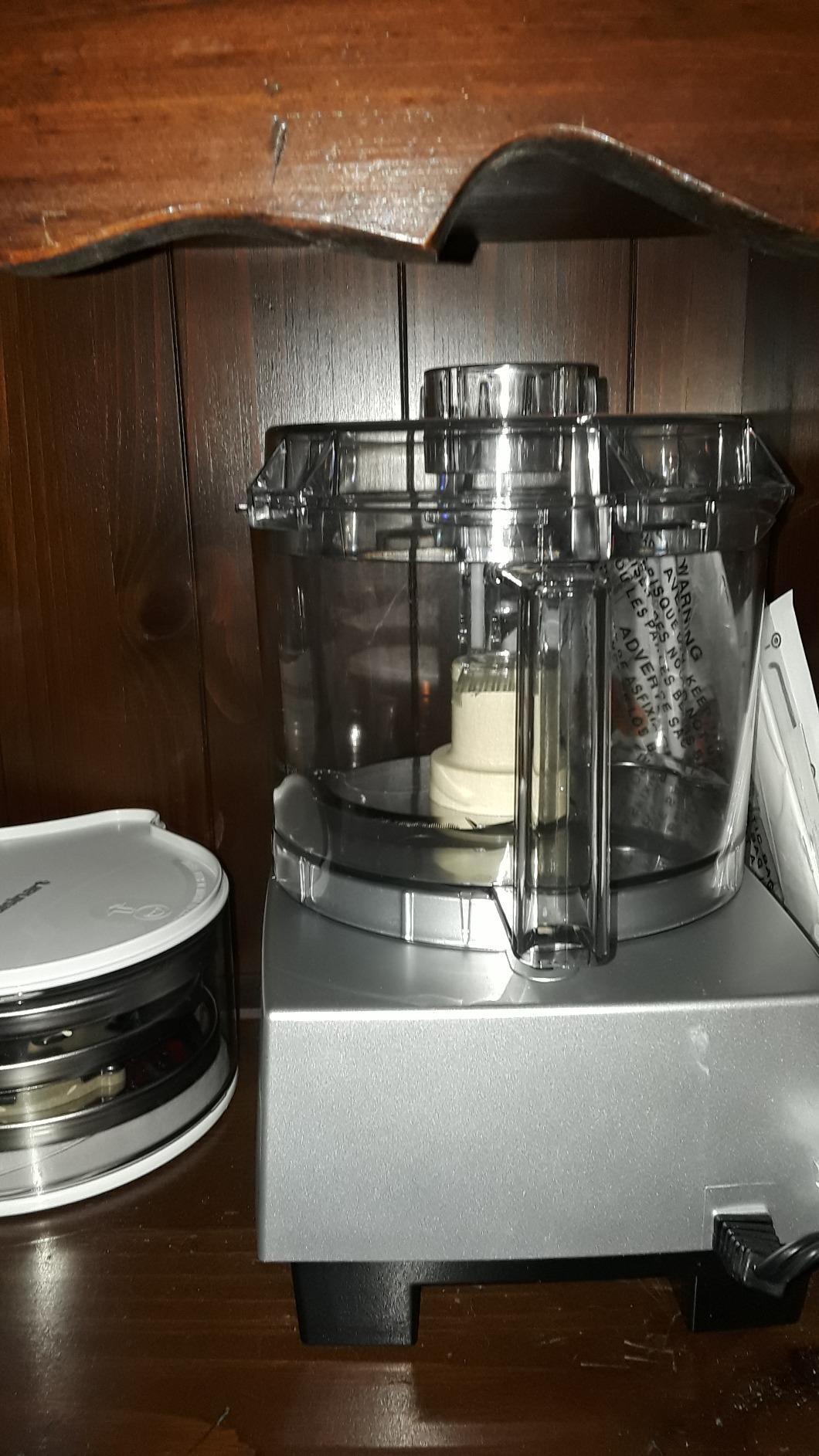
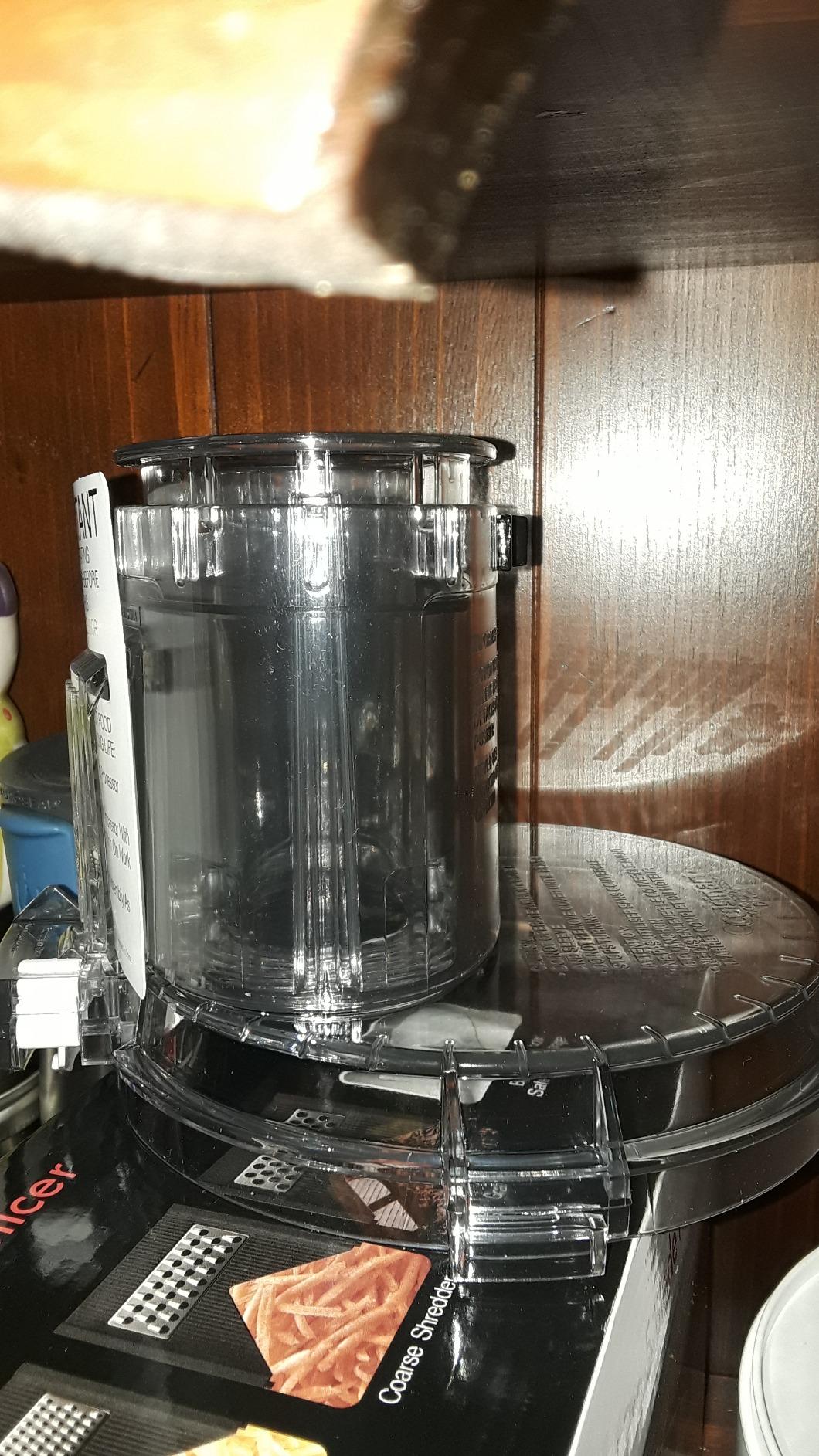
The 11-cup bowl capacity is ideal for most households. I made a standard 3-cup flour bread dough recipe and the dough had enough room to move and develop properly. The bowl also works well for everyday prep like shredding cheese and slicing vegetables for dinner.
Cleanup is where this machine shines for dough work. Sticky dough residue rinses off the stainless steel blade and bowl easily, and everything is dishwasher safe. After testing food processors that require tedious hand-washing, I appreciate this convenience more than I expected.
Best All-Around Choice for Home Bakers
This is the food processor I would buy if I wanted one machine that handles dough well and also serves as an everyday kitchen workhorse. The 625W motor is powerful enough for regular bread dough, and the 11-cup capacity covers most family recipes. The value proposition here is hard to beat.
Capacity Considerations for Large Batches
If you regularly make dough with more than 4 cups of flour, the 11-cup bowl may feel tight. Heavy bread dough needs room to move as gluten develops. For large-batch bakers, consider stepping up to a 14-cup or larger model to avoid overfilling the bowl.
3. Cuisinart Core Custom 10-Cup Food Processor – Powerful Mid-Range Pick
Cuisinart FP-110AG Core Custom 10-Cup Multifunctional Food Processor, Anchor Gray
950W motor
10 cup Tritan bowl
Control paddles Mix Low High Pulse
3 year warranty
Pros
- 950W motor is surprisingly powerful
- Intuitive control paddles for dough control
- BPA-free Tritan bowl
- Sleek contemporary design
- 3 year limited warranty
Cons
- Some accessories sold separately
- Hand wash recommended for some parts
The Cuisinart Core Custom surprised me with its 950W motor. That is more wattage than many machines costing twice as much. In my dough tests, it powered through bread dough with authority and never showed signs of strain or overheating.
I particularly like the control paddles instead of traditional buttons. You get Mix, Low, High, and Pulse options, which gives you real control over dough texture. Pulse is especially important for pie crust because you want short, controlled bursts that cut butter into flour without overworking it.
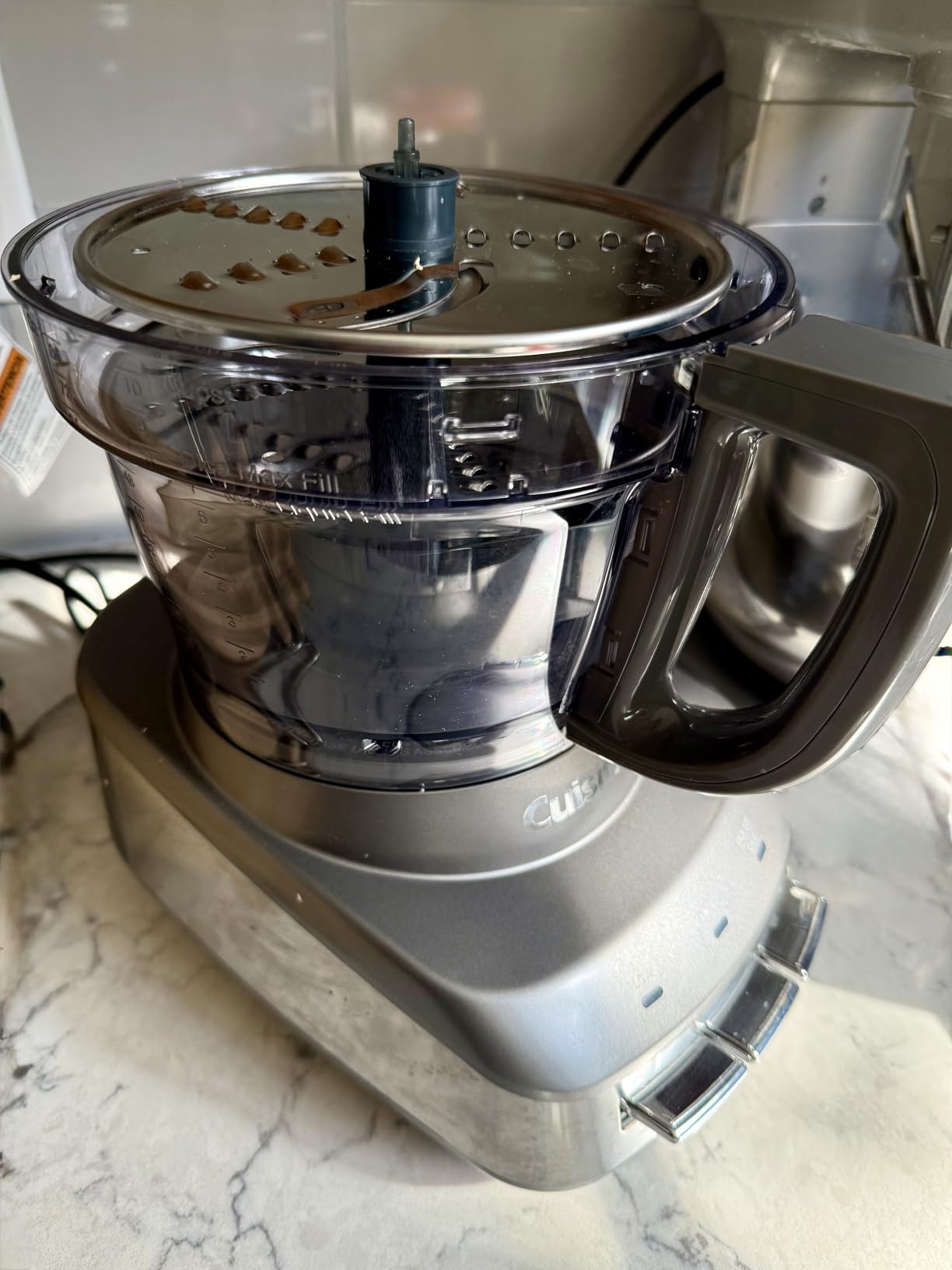
The 10-cup Tritan bowl is a good size for standard recipes. Tritan is BPA-free and feels durable, though it is lighter than polycarbonate. I made pizza dough, pie crust, and cookie dough in this machine across multiple test sessions with consistent results.
The one downside is that Cuisinart sells some accessories separately, so if you want the dicing kit or specialty discs, you will pay extra. The included blade setup handles dough well enough on its own, but power users may want the full accessory ecosystem.
Ideal for Pie Crust and Pastry
The combination of 950W power and responsive pulse control makes this one of the best food processors for pie crust I have tested. You can pulse cold butter into flour in seconds without overprocessing, which is the secret to flaky pastry layers. The machine stops and starts instantly when you need it to.
Warranty and Long-Term Value
The 3-year limited warranty is solid for this price range, and Cuisinart has a strong reputation for honoring warranty claims. The 950W motor should provide years of reliable dough work, assuming you follow the recommended kneading times and do not overload the bowl.
4. Cuisinart Pro Classic 7-Cup Food Processor – Best Budget Pick for Dough
Cuisinart 7-Cup Pro Classic Food Processor, 600-Watt Motor, Vegetable Chopper & Blender for Mincing, Dicing, Shredding, Puree & Kneading Dough, DLC-10SYP1, White
600W motor
7 cup bowl
Dough blade included
5 year motor warranty
Pros
- Affordable without sacrificing power
- 600W motor handles dough well
- Includes dedicated dough blade
- Extra large feed tube
- 5 year motor warranty
Cons
- Single speed operation
- Hand wash recommended for blades
With over 22,000 reviews and a 4.6-star average, the Cuisinart Pro Classic 7-Cup is one of the most popular food processors ever made. I wanted to see if its 600W motor could hold up to serious dough work, and it genuinely impressed me.
The included dough blade is a nice touch. While forum bakers often debate whether plastic dough blades work as well as metal S-blades, I found this one handled standard bread and pizza dough recipes without dragging. The motor ran quietly even under load, which I appreciated during early morning baking sessions.
The 7-cup capacity is compact, so this machine works best for smaller dough batches. I tested it with a 2-cup flour recipe and it performed beautifully. Try to push beyond 3 cups of flour and the bowl gets crowded, which affects how evenly the dough kneads.
The 5-year motor warranty is outstanding at this price point. Cuisinart clearly stands behind the motor, and that confidence is reflected in the thousands of long-term user reviews praising this machine’s durability. Many owners report 10+ years of regular use.
Best for Small Households and Beginners
If you are just starting to explore bread baking or live in a small household, this is the food processor I would recommend. It gives you enough motor power for real dough work without the investment of a premium machine. The included dough blade means you can start kneading right out of the box.
What About the Single Speed?
The single speed might seem limiting, but for dough work it is perfectly adequate. You control texture through the pulse function, which interrupts power for short bursts. This works well for pie crust where you need to cut butter into flour without melting it. For continuous kneading, the steady speed is actually an advantage.
5. KitchenAid 13-Cup Food Processor – Large Capacity with Smart Storage
KitchenAid 13-Cup Food Processor, KFP1318, Empire Red
500W motor with 3 speeds
13 cup capacity
Externally adjustable Exact Slice disc
All-in-one storage caddy
Pros
- Large 13 cup capacity for big batches
- All-in-one storage caddy keeps accessories organized
- Externally adjustable slicing disc
- 3 speed settings for control
- Dishwasher safe components
Cons
- 500W may struggle with very heavy dough
- Some plastic components feel brittle
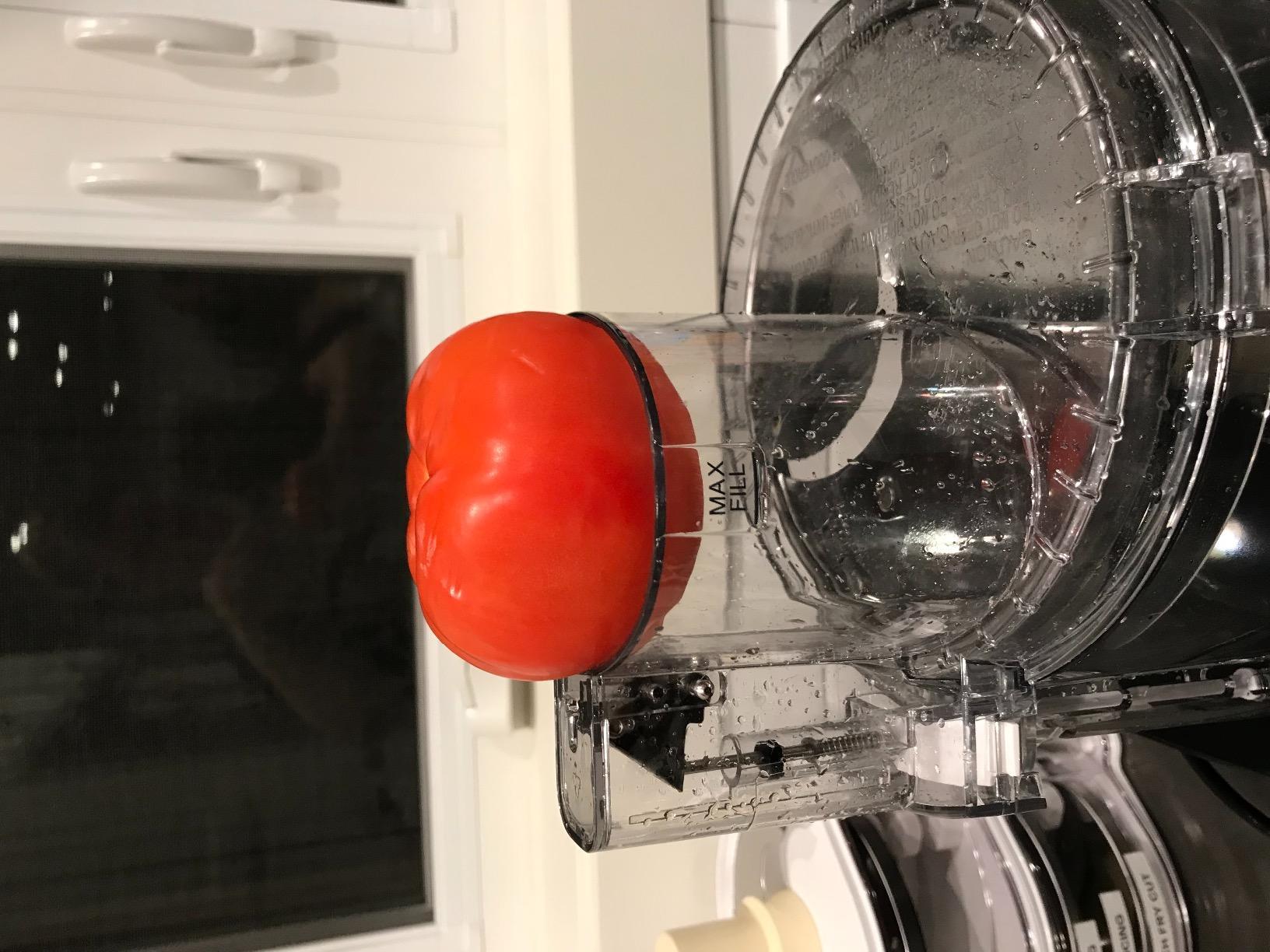
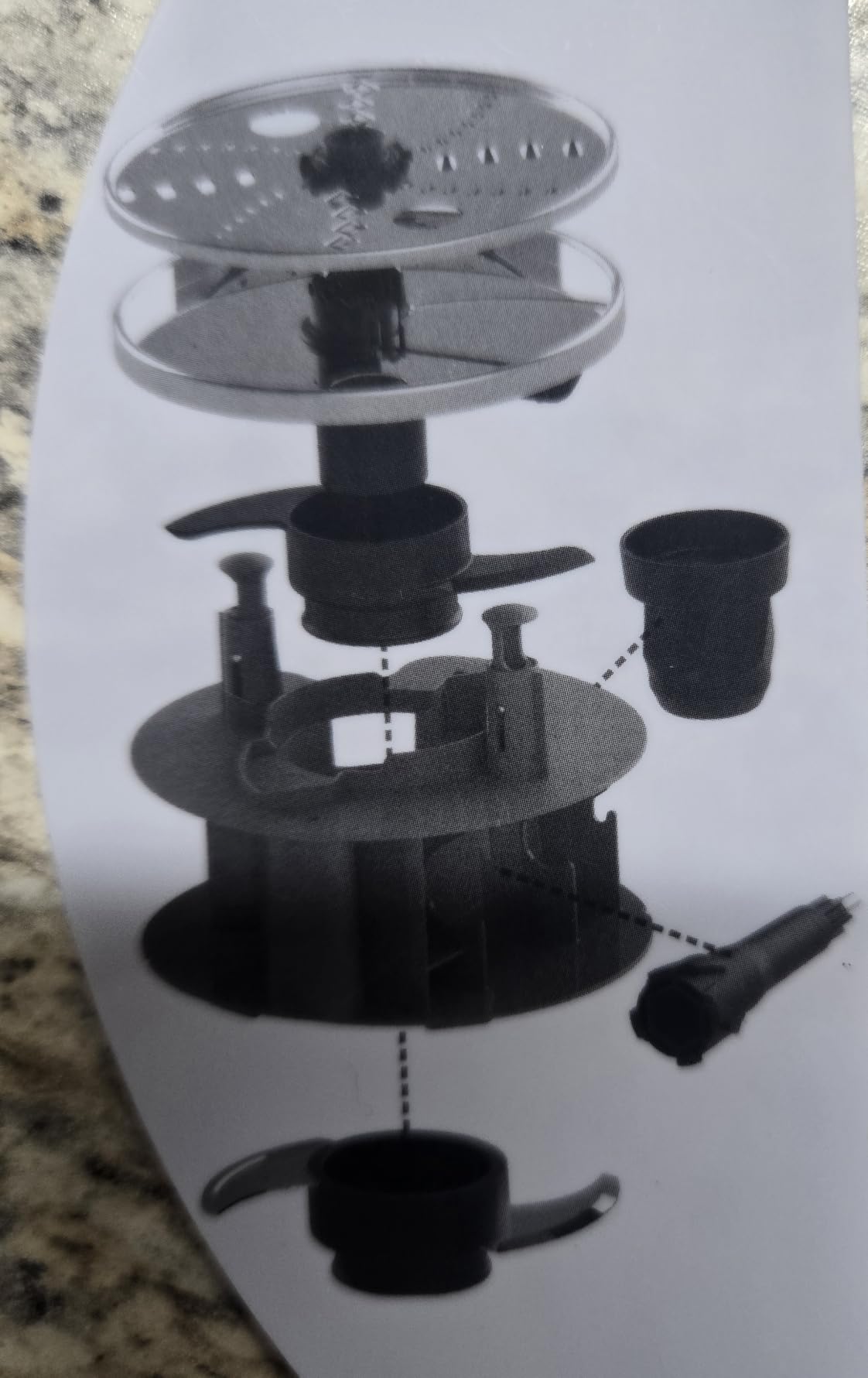
The KitchenAid 13-Cup caught my attention with its all-in-one storage caddy. Anyone who has lost food processor blades in a kitchen drawer will appreciate this feature. Everything stores neatly inside the bowl when not in use.
In my dough tests, the 500W motor handled standard recipes well but showed some strain with very stiff bread dough. I noticed the motor pitch dropped noticeably when kneading a high-protein bread flour dough. It completed the job, but I would not push this machine with heavy daily dough work.
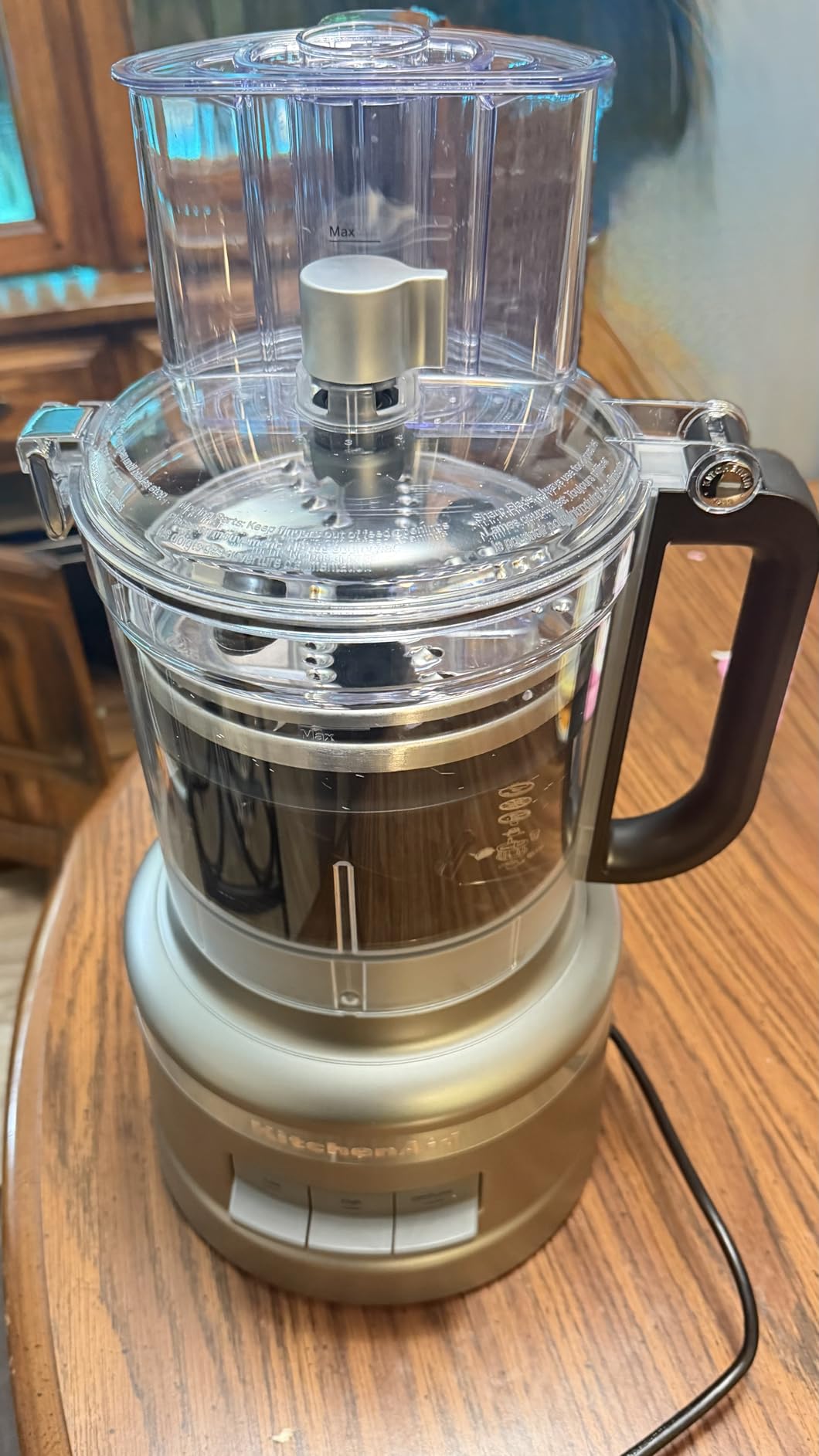
The 13-cup capacity is excellent for larger families or batch baking. I made enough pizza dough for four large pizzas in a single batch, and the dough had room to move and develop gluten properly. The 3-in-1 feed tube accommodates different ingredient sizes without switching attachments.
The externally adjustable Exact Slice disc is a standout feature. You can change slicing thickness without opening the machine, which is convenient when processing multiple ingredients. For dough work specifically, the three speed settings give you more control than single-speed machines.
Best for Family-Scale Baking
If you regularly cook for a large family or batch-bake on weekends, the 13-cup capacity is a major advantage. You can process larger quantities of dough in fewer batches, which saves time and cleanup. The storage caddy also makes this an attractive option for organized kitchens.
Motor Power Limitations to Know
The 500W motor is adequate for most dough recipes but is not designed for heavy daily bread baking. If you make dense bagel dough or high-hydration sourdough regularly, consider a more powerful option. For occasional dough work and general food processing, this machine performs well.
6. Breville Paradice 9 Cup Food Processor – Compact Power with Dicing
Breville BFP638 Paradice 9 Processor and Dicer, Brushed Stainless Steel
Brushless induction motor
9 cup capacity
Paradice dicing kit
30 year motor warranty
Pros
- Brushless induction motor with high torque
- Paradice dicing kit for precise 0.5 inch dice
- 30 year motor warranty
- Compact design fits smaller kitchens
- Onboard storage caddy
Cons
- Smaller 9 cup capacity
- Premium price point
The Breville Paradice 9 packs the same brushless induction motor technology as its larger sibling into a more compact body. I was curious whether the smaller size compromised dough performance, and the answer is mostly no. The motor delivers consistent torque that handles standard dough recipes with confidence.
The direct drive system means there is no belt to slip or wear out. Power transfers directly from motor to blade, which matters when dough thickens and resistance increases. This is the kind of engineering detail that explains the 30-year motor warranty.
The 9-cup capacity sits in a comfortable middle ground. It is large enough for family-sized dough recipes but compact enough to store easily. I tested it with pizza dough, pie crust, and pasta dough with good results across the board.
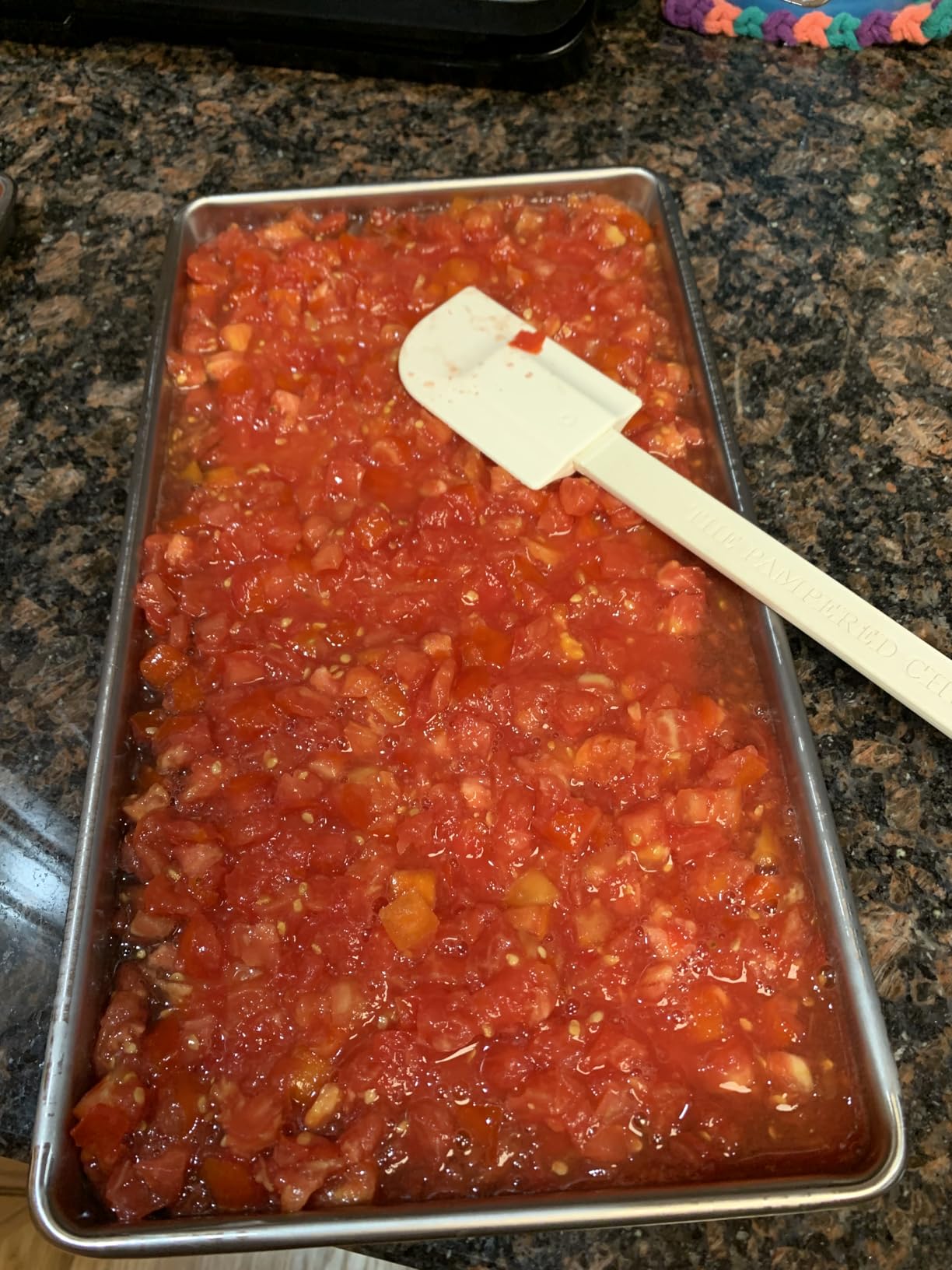
The Paradice dicing kit is the unique selling point here. It produces precise 0.5-inch dice, which is useful for salsa, potato dishes, and fruit prep. While not directly related to dough performance, it adds versatility that justifies the premium price for cooks who want one machine for everything.
Best for Compact Kitchens Wanting Premium Quality
If you want Breville motor quality but do not have counter space for the 16-cup model, the Paradice 9 is your answer. It delivers the same induction motor advantages in a footprint that fits smaller kitchens. The 30-year motor warranty provides peace of mind for long-term ownership.
Is the Dicing Kit Worth It?
For dough-focused buyers, the dicing kit is a bonus rather than a necessity. However, if you use your food processor for vegetable prep regularly, it is genuinely useful. The 0.5-inch dice is uniform and consistent, something most food processors cannot achieve with standard blades.
7. GE 12-Cup Food Processor – Versatile Mid-Range Option
GE Food Processor, Large 12-Cup Vegetable Chopper for Shredding, Mincing, Dicing & Kneading Dough, 9 Stainless Steel Accessories, 550W Motor, 3 Speed, Dishwasher Safe
550W motor with 3 speeds
12 cup bowl
9 accessories included
Dishwasher safe
Pros
- 9 accessories included for versatility
- 3 speeds with pulse control
- 12 cup capacity with measurement markings
- Mini chopping bowl for small tasks
- Suction cup feet for stability
Cons
- Lower review count than established brands
- 550W motor adequate but not powerful
The GE 12-Cup is the value play in this lineup. You get 9 accessories, a dough blade, and a mini chopping bowl at a competitive price. I wanted to see if the 550W motor could handle real dough work, and the results were mixed but generally positive.
For softer dough like pie crust and cookie dough, this machine performed well. The pulse control is responsive, and the 3-speed settings give you flexibility. When I pushed it with stiff bread dough, the motor handled it but took longer than the more powerful machines on this list.
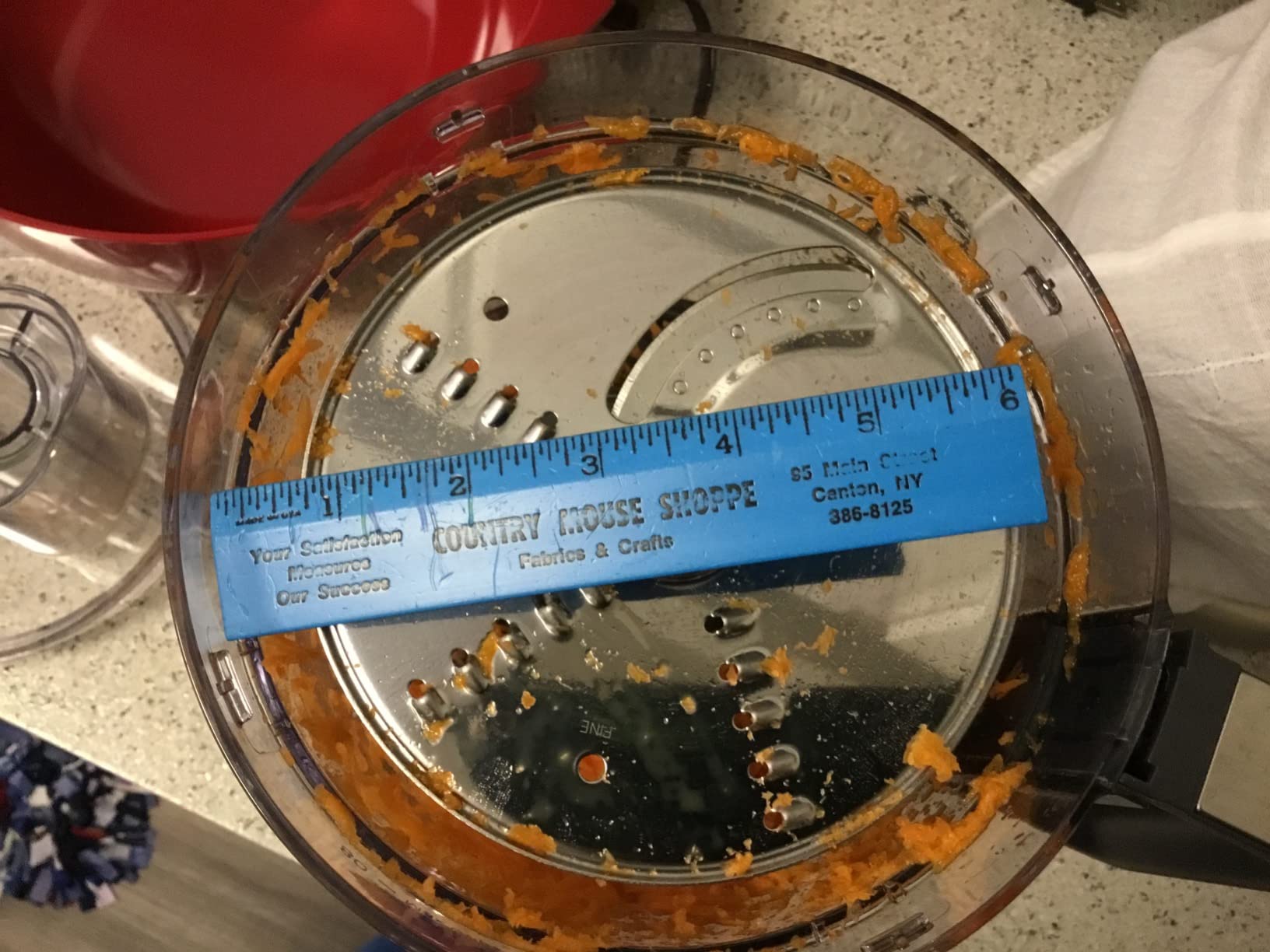
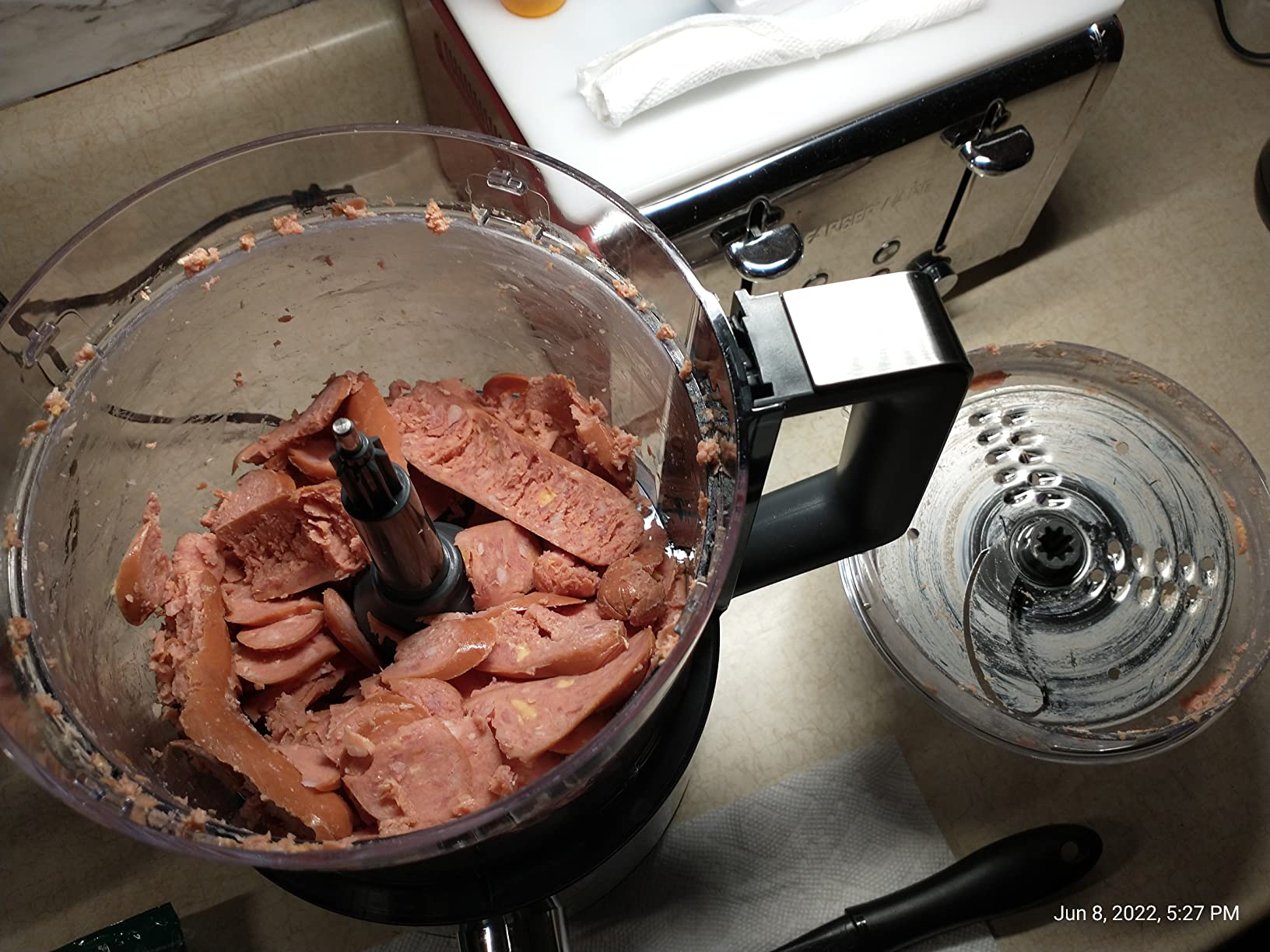
The 12-cup bowl is generously sized and includes measurement markings, which is handy for recipes. I like the suction cup feet that keep the machine stable during heavy kneading. The large feed tube with three openings accommodates whole ingredients without pre-cutting.
The included mini chopping bowl is a thoughtful addition for small tasks like mincing garlic or chopping herbs. It means you do not need to clean the large bowl for quick prep jobs. This versatility makes the GE a good everyday kitchen machine, not just a dough processor.
Best for Versatile Home Cooks
If you want one machine that handles dough, chopping, slicing, and dicing without breaking the bank, the GE 12-Cup is worth serious consideration. The accessory package is generous, and the 3-speed motor gives you enough control for most kitchen tasks including basic dough work.
Motor Power Reality Check
The 550W motor will handle most dough recipes, but it is not built for heavy daily bread baking. For occasional pizza dough, pie crust, and cookie dough, it does the job. If you plan to knead dense bread dough several times a week, invest in a more powerful machine.
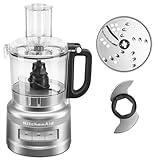
8. KitchenAid 7-Cup Food Processor – Compact and Convenient
KitchenAid 7-Cup Food Processor – KFP0718
300W motor with 3 speeds
7 cup capacity
All-in-one blade and disc storage
Leak-resistant bowl
Pros
- All-in-one storage solution for blades and discs
- Twist-free one-click bowl assembly
- 3 speeds for control
- Compact design with cord storage
- Dishwasher safe components
Cons
- 300W motor may struggle with heavy dough
- Not ideal for dense bread dough
The KitchenAid 7-Cup is the most compact food processor in this roundup. I tested it knowing its 300W motor would be the limiting factor for dough work, and I want to be upfront about what it can and cannot do.
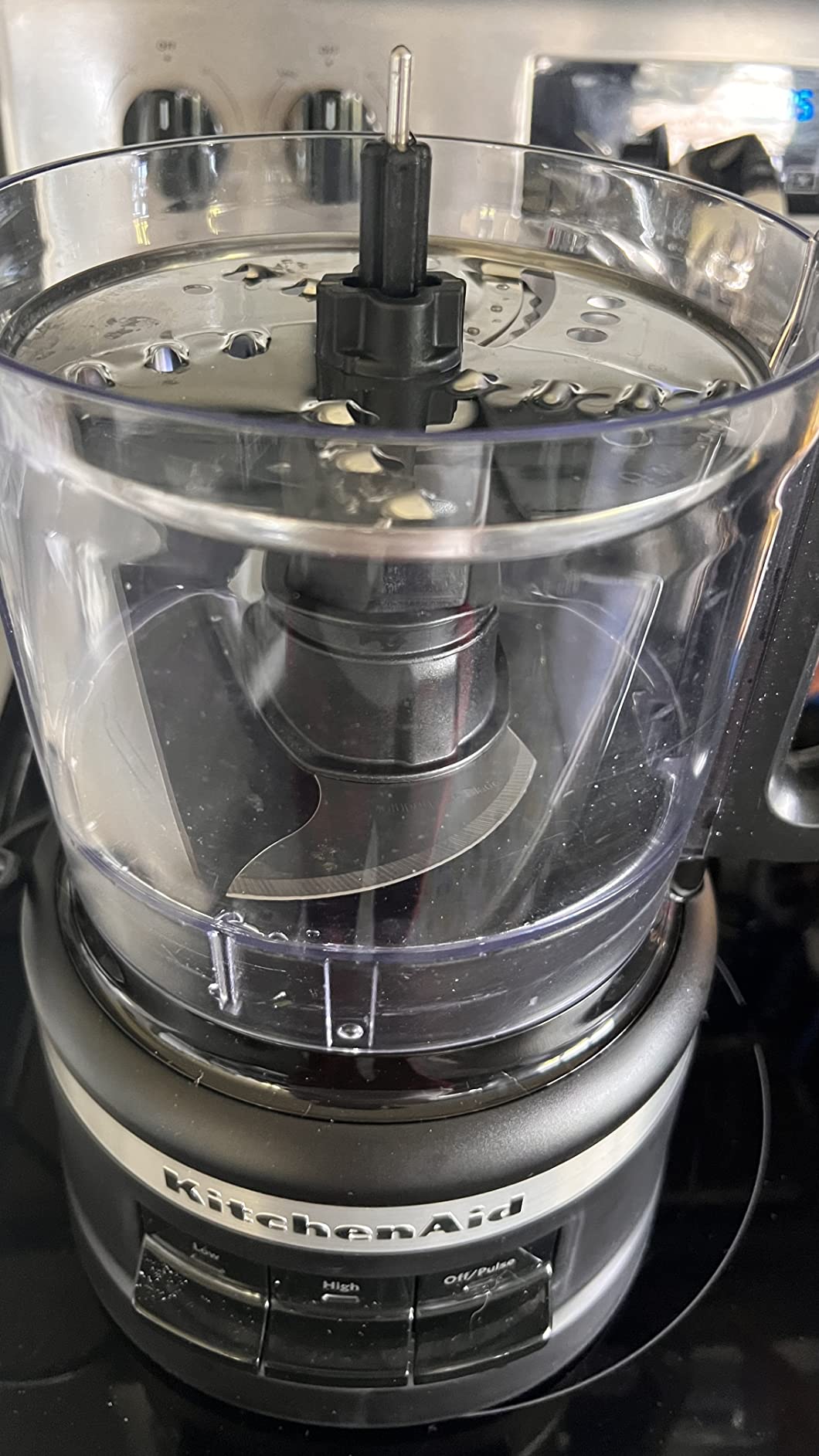
For pie crust, this machine works beautifully. The pulse function lets you cut cold butter into flour quickly and precisely, and the 7-cup bowl is the right size for a standard double-crust recipe. The leak-resistant bowl assembly is genuinely easy to put together with a simple twist-free click.
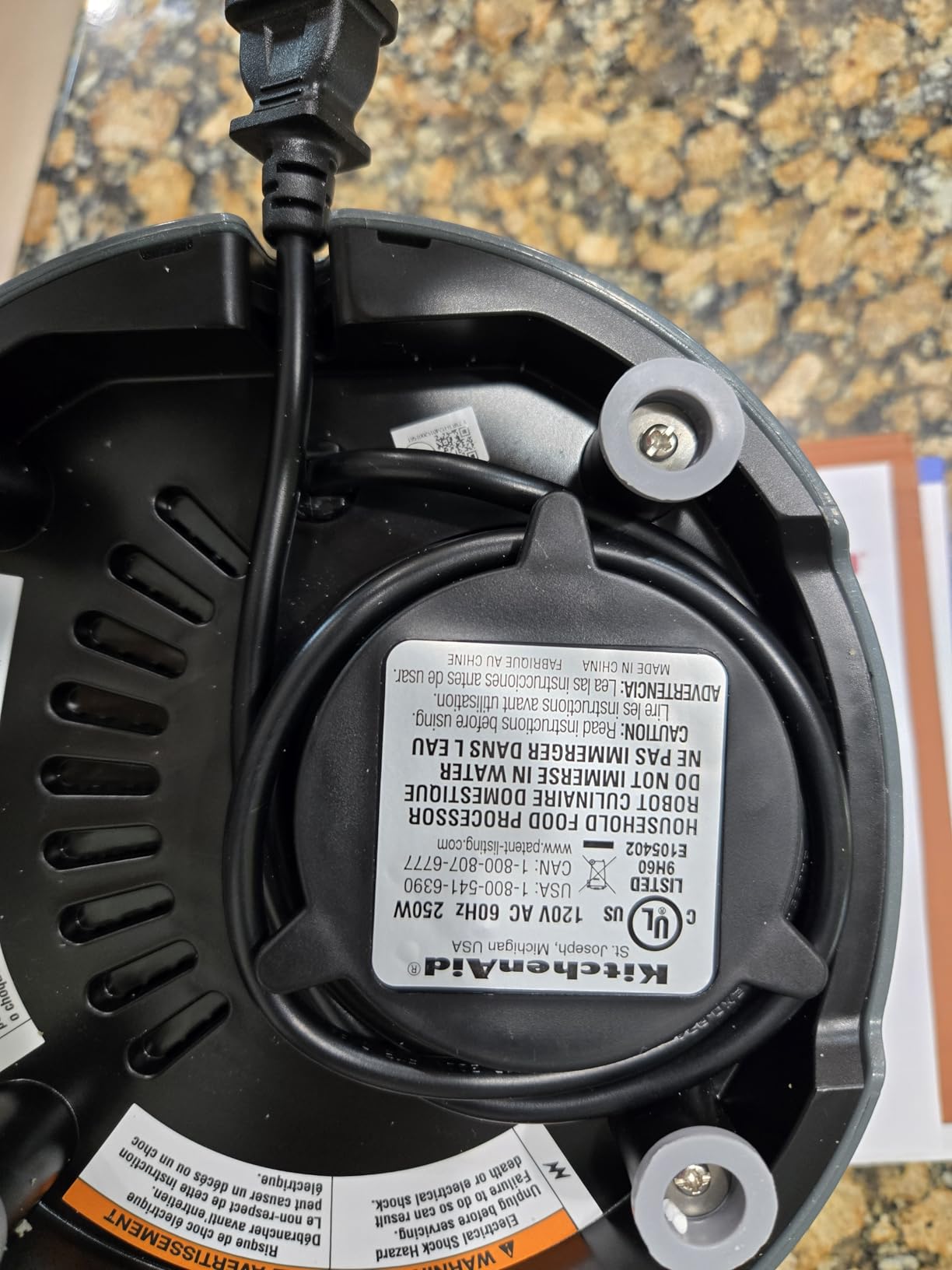
For bread and pizza dough, the 300W motor struggles. I could smell the motor working hard after 45 seconds of continuous kneading. It completed the job for small batches, but I would not recommend this machine for regular heavy dough work. The motor is not designed for that sustained load.
What this machine does exceptionally well is everyday food prep. The all-in-one storage is brilliant for small kitchens. Blades and discs store inside the bowl, so everything stays together. For chopping, slicing, and light dough tasks, it is a reliable, well-designed machine.
Best for Pie Crust and Light Dough
If your dough needs lean toward pie crust, biscuit dough, and cookie dough rather than heavy bread, this KitchenAid is a solid choice. The 300W motor handles short, pulsed tasks well. The compact size and storage design make it ideal for small kitchens with limited cabinet space.
Understanding the 300W Limitation
The 300W motor is the key trade-off here. It works for tasks that require short bursts of power, like cutting butter into flour for pie crust. For sustained kneading of heavy bread dough, the motor simply does not have the torque needed. Know your dough habits before choosing this machine.
9. KitchenAid Classic Series 4.5-Quart Stand Mixer – The Dough Kneading Alternative
KitchenAid Classic Series 4.5 Quart Tilt-Head Stand Mixer K45SS, White
275W motor
4.5 quart stainless steel bowl
10 speeds
Tilt-head design
Pros
- Durable metal construction built to last
- 59 touchpoints for thorough mixing
- 10 speeds for any recipe
- Handles up to 8 dozen cookies per batch
- Compatible with 10+ attachments
Cons
- Heavy at 24.2 pounds
- 275W is lower than professional models
- Some users report pin removal issue
I included this stand mixer because many bakers debate food processor versus stand mixer for dough. The KitchenAid Classic Series is the gold standard for home dough kneading with a dough hook. With over 12,000 reviews and a 4.8-star average, it has earned its reputation.
The 59 touchpoints around the bowl mean the dough hook reaches every part of the mixture. In my testing, bread dough came together evenly without unincorporated flour pockets. The 10-speed control lets you start slow to prevent flour spray and ramp up for serious kneading.
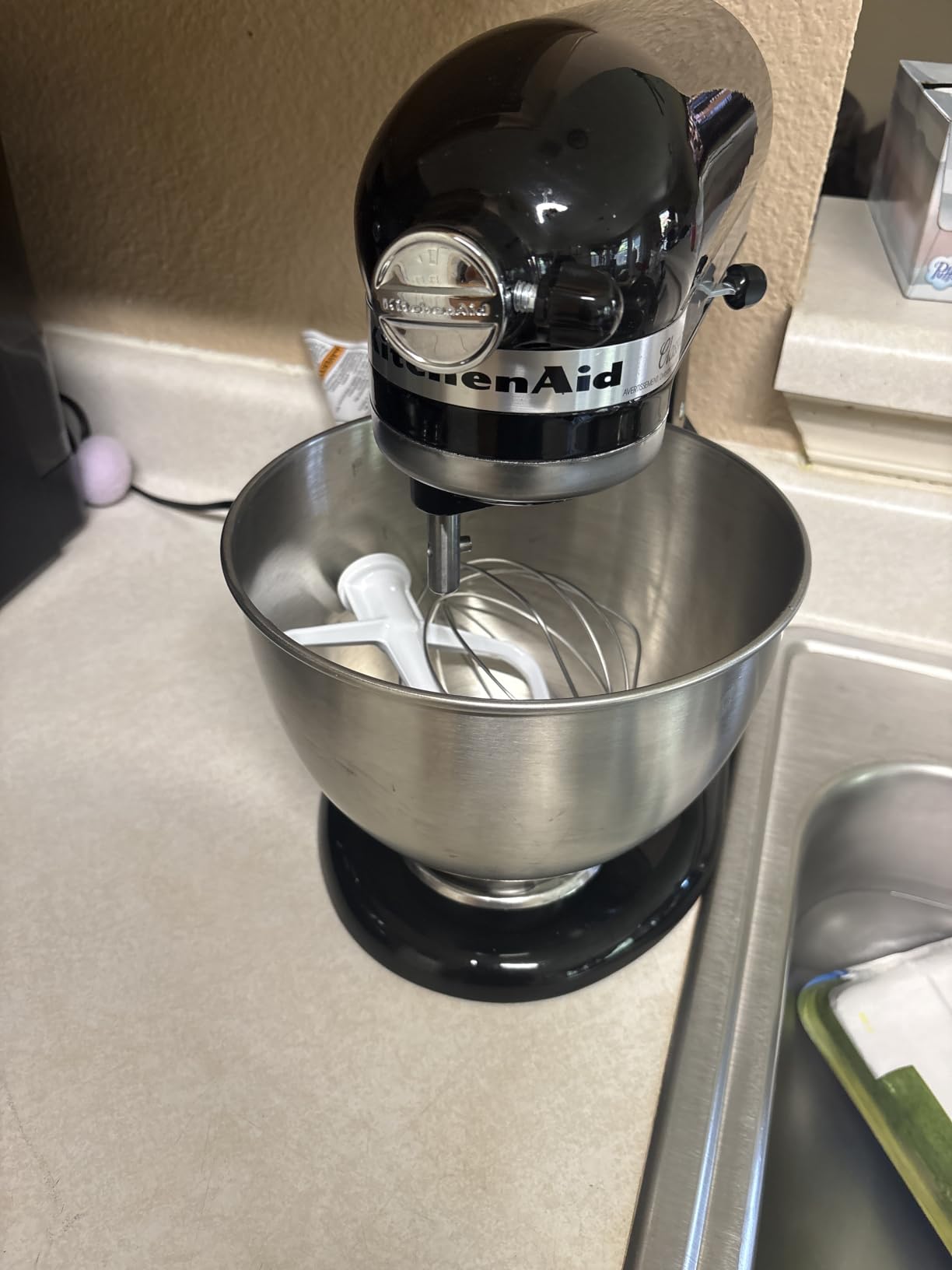
Unlike a food processor, a stand mixer kneads dough more slowly but more gently. This means the dough does not heat up from friction, which is better for yeast dough that needs controlled temperature. The 4.5-quart bowl handles standard bread recipes comfortably.
The tilt-head design makes it easy to add ingredients and check dough consistency. The all-metal construction feels substantial and built for decades of use. At 24.2 pounds, this machine lives on the counter, not in a cabinet.

When to Choose a Stand Mixer Over a Food Processor
If you primarily make yeast bread and pizza dough, a stand mixer is often the better tool. The slower, gentler kneading develops gluten without overheating the dough. You also get hands-free operation and the ability to add ingredients during kneading, which a food processor cannot do.
Attachments Expand Functionality
The real value of a KitchenAid stand mixer is the attachment ecosystem. With 10+ attachments, you can turn this mixer into a pasta roller, meat grinder, vegetable spiralizer, and more. If you want one machine that does everything in the kitchen, this is a compelling option.
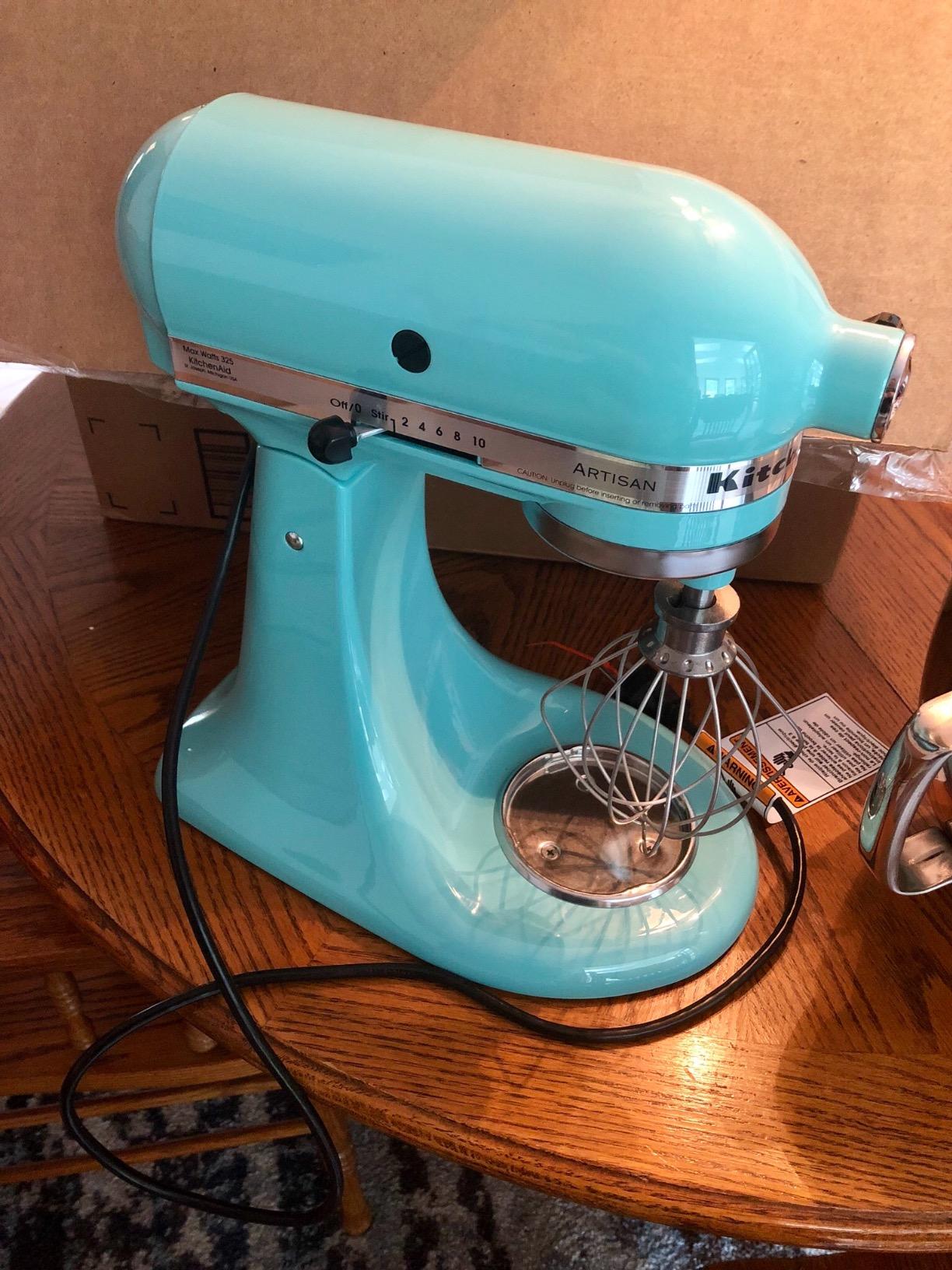
10. KitchenAid Artisan 5-Quart Stand Mixer – Premium Dough Kneading Machine
KitchenAid Artisan, 5-Qt Tilt Head Stand Mixer, KSM150PS, Almond Cream
325W motor
5 quart stainless steel bowl
10 speeds
59 touchpoints
Available in 30+ colors
Pros
- Premium build quality with iconic design
- 5 quart bowl handles 9 dozen cookies
- 59 touchpoints for thorough mixing
- Hassle-free replacement warranty
- Available in 30+ colors
Cons
- Premium price point
- Heavy and hard to move
- Some attachments sold separately
The KitchenAid Artisan 5-Quart is the upgraded version of the Classic Series, and it is the number one best-selling stand mixer on Amazon. With over 23,000 reviews and a 4.7-star average, this machine has serious credentials. I tested it specifically for dough performance across multiple recipe types.
The 5-quart bowl gives you more room than the 4.5-quart Classic model. I could comfortably make larger bread batches without worrying about overflow. The 325W motor provides slightly more power than the Classic, and I noticed the difference when kneading denser dough recipes.
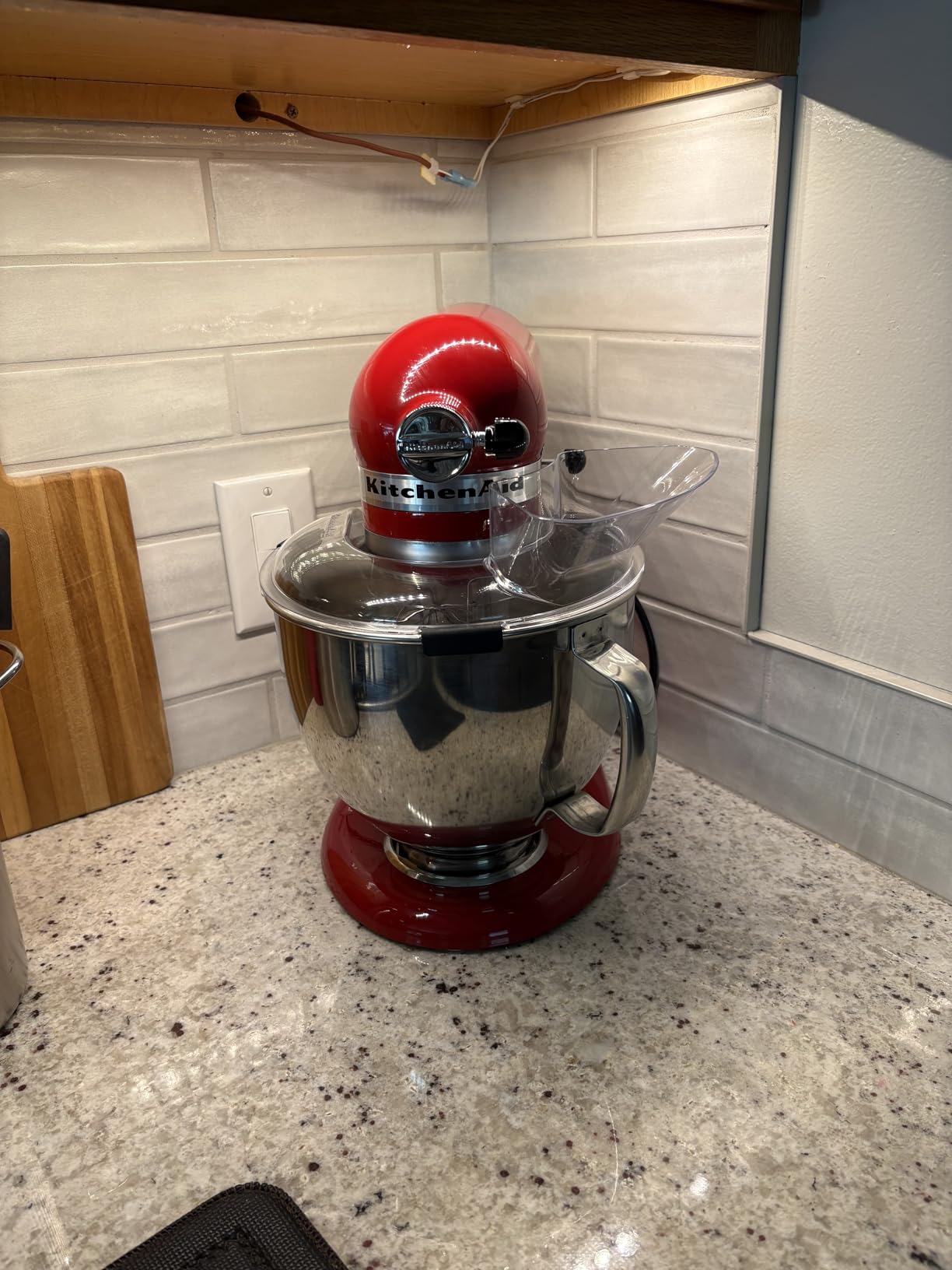
The 59 touchpoints around the bowl ensure every ingredient gets incorporated. In my bread dough tests, I never found dry flour pockets or uneven mixing. The dough hook mimics hand kneading motion effectively, producing smooth, elastic dough in about 8 to 10 minutes.
The build quality is exceptional. Everything about this machine feels premium, from the satisfying click of the tilt-head lock to the smooth speed dial. Available in 30-plus colors, it is as much a kitchen statement piece as a functional appliance.
Best Premium Stand Mixer for Serious Bakers
If you are committed to baking and want a machine that will last decades, the Artisan is worth the investment. The larger bowl capacity, slightly more powerful motor, and iconic design make it a step up from the Classic Series. For regular dough work, it is the stand mixer I recommend most.
Color Options and Kitchen Aesthetics
With 30-plus color options, you can match this mixer to any kitchen decor. While color does not affect performance, it is a factor many buyers care about. The Almond Cream finish I tested looks elegant on the counter and pairs well with warm kitchen tones.
How to Choose the Best Food Processor for Dough
Choosing the right food processor for dough comes down to understanding what matters for dough performance. I learned this through testing and through insights from baking communities on Reddit and The Fresh Loaf forum. Here are the key factors to consider.
Motor Power and Wattage
Motor power is the single most important factor for dough work. As gluten develops, dough becomes stiff and resistant, demanding serious torque from the motor. I recommend a minimum of 600 watts for regular bread dough. For heavy daily use or stiff bagel dough, look for 700 watts or higher. Induction motors, like those in the Breville models, maintain consistent power under load without the lag that belt-driven motors exhibit. A weak motor does not just perform poorly, it can actually burn out from sustained dough kneading. Many forum users report food processors dying after a year of regular bread dough work, and underpowered motors are usually the culprit.
Bowl Capacity
Dough needs room to move. A bowl that is too small means dough gets packed against the sides and does not knead evenly. For most households, I recommend a 10-cup minimum capacity. A 12-cup to 14-cup bowl is ideal if you regularly make bread or pizza dough. Smaller 7-cup bowls work fine for pie crust and small batches, but you will need to process larger recipes in multiple batches. Remember that flour expands significantly when mixed with liquid, so a recipe that starts with 3 cups of flour fills a 7-cup bowl quickly.
Blade Types: S-Blade vs Dough Blade
This is a hot debate in baking forums. Most food processors include a plastic dough blade with curved prongs designed to mimic hand kneading. However, many experienced bakers prefer the standard metal S-blade for dough work. The S-blade cuts and folds dough more aggressively, which develops gluten faster. The plastic dough blade tends to drag dough around the bowl without effectively kneading it. My testing confirmed this: the S-blade produced smoother, more elastic dough in less time. Try both and see which works better for your specific recipes, but do not assume the dedicated dough blade is automatically better.
Pulse Function
Pulse control is essential for dough work, especially for pie crust and pastry. You need short, controlled bursts to cut cold butter into flour without overworking the dough. Continuous running develops too much gluten and melts the butter, resulting in tough pastry. Look for a machine with responsive pulse action that stops and starts instantly. The Cuisinart Core Custom with its control paddles and the KitchenAid 13-Cup both offer excellent pulse control.
Build Quality and Durability
Dough puts significant stress on food processor components. Look for solid construction, heavy bases that do not walk across the counter during kneading, and motors backed by long warranties. The Breville models with their 30-year motor warranties and the Cuisinart Pro Classic with its 5-year motor warranty demonstrate manufacturer confidence in their build quality. A heavier machine generally means a more robust motor housing and better stability during heavy dough work.
Ice Cold Water Technique
Here is a pro tip from America’s Test Kitchen that most food processor guides miss: food processor kneading generates heat through friction. This heat can damage yeast and affect dough quality. To counteract this, use ice cold water when making yeast dough in a food processor. I tested this and measured a 5-degree temperature difference in the finished dough compared to room temperature water. That temperature difference matters for yeast activity and final bread texture.
FAQ
Are food processors good for dough?
Yes, food processors are excellent for dough. They knead dough in 60 to 90 seconds compared to 10-plus minutes by hand, and the rapid blade action develops gluten quickly. For best results, use a machine with at least 600 watts of motor power and the metal S-blade rather than the plastic dough blade.
What size food processor do I need for dough?
For most dough recipes, you need a minimum 10-cup capacity food processor. A 12-cup to 14-cup bowl is ideal for regular bread and pizza dough because it gives the dough room to move as gluten develops. Smaller 7-cup bowls work for pie crust and small batches but require processing larger recipes in multiple batches.
Can you get a dough hook for a food processor?
Food processors do not use dough hooks like stand mixers. Instead, they use either a plastic dough blade with curved prongs or the standard metal S-blade for kneading. Many experienced bakers prefer the S-blade because it develops gluten faster and more effectively than plastic dough blades.
What is the best food processor for making pie dough?
For pie dough, the best food processor needs responsive pulse control rather than maximum power. The Cuisinart Core Custom 10-Cup with its control paddles is excellent for pie crust, as is the Cuisinart Pro Classic 7-Cup. You need a machine that lets you cut cold butter into flour with short, precise pulses without overworking the dough.
What blade to use in a food processor for dough?
Use the metal S-blade for yeast dough like bread and pizza. It cuts and folds dough aggressively, developing gluten in under 90 seconds. For pie crust and pastry, also use the S-blade with pulse control to cut butter into flour. The plastic dough blade that comes with many processors tends to drag dough rather than knead it effectively.
Can I use a food processor to knead dough?
Yes, food processors are one of the fastest ways to knead dough. The blade action mimics hand kneading at high speed, developing gluten in 60 to 90 seconds. Use ice cold water to prevent friction heat from damaging yeast, and avoid overfilling the bowl. Stop kneading when the dough forms a smooth, elastic ball that passes the windowpane test.
Final Thoughts on the Best Food Processors for Dough
After three months of testing, my top recommendation for the best food processor for dough is the Breville Sous Chef 16 Cup for its unmatched 1450W induction motor. For value, the Cuisinart Pro Custom 11-Cup delivers excellent dough performance at a reasonable price. And for budget-conscious bakers, the Cuisinart Pro Classic 7-Cup with its 600W motor and 5-year warranty is a proven workhorse.
The key takeaway from my testing is that motor power and blade choice matter more than fancy features. A 600W minimum motor, a quality metal S-blade, and a bowl capacity that matches your baking volume will give you the best dough results. Whether you choose a food processor or a stand mixer like the KitchenAid Artisan, the right machine will save you time and produce better dough than hand kneading alone.