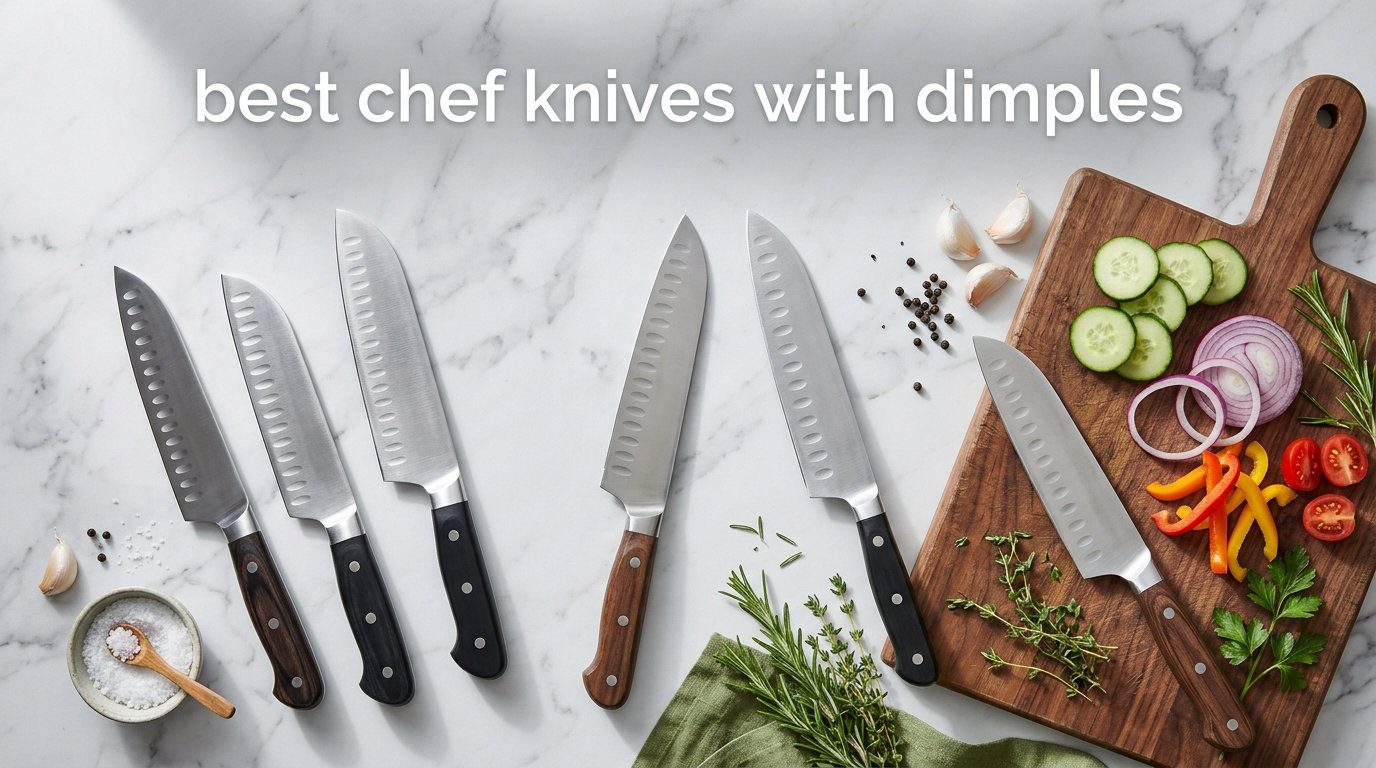
I tested 8 chef knives with dimples over six weeks, slicing everything from slick potatoes to juicy roasts. Some knives barely reduced sticking. Others made food fall off the blade like it had been sprayed with nonstick spray. If you have ever wrestled with wet vegetables clinging to your blade mid-slice, you already know why the best chef knives with dimples deserve a spot in your kitchen.
A dimpled blade (also called a Granton edge or hollow edge) has oval indentations ground into the steel. These pockets create tiny air gaps between the blade and the food, breaking suction so slices release cleanly. Our team cooked through dozens of onions, tomatoes, cucumbers, and bone-in chickens to find the dimpled chef knives that actually deliver on this promise.
This guide covers what dimples really do, how to spot a quality hollow edge knife, and which 8 dimpled chef knives performed best in our 2026 testing. Whether you are building your first serious kitchen kit or upgrading from a tired old blade, we have you covered.
Table of Contents
- Top 3 Picks for Best Chef Knives with Dimples
- Best Chef Knives with Dimples in 2026
- 1. Mercer Culinary Genesis 8-Inch Granton Edge Chef’s Knife – Best Budget Forged Pick
- 2. WÜSTHOF Classic 8-Inch Hollow Edge Chef’s Knife – Premium German Engineering
- 3. MAC Knife Chef Series 8-Inch Hollow Edge – Editor’s Choice for Precision
- 4. Victorinox Fibrox Pro 8-Inch Chef’s Knife – Best Value Workhorse
- 5. Global 7-Inch Asian Chef’s Knife with Hollow Edge – Best Lightweight Japanese Design
- 6. Mercer Culinary Millennia 8-Inch Wide Hollow Ground Chef’s Knife – Best for Pro Kitchens on a Budget
- 7. Shun Classic 8-Inch Hollow Ground Chef’s Knife – Most Beautiful Damascus Blade
- 8. HENCKELS International Classic 8-Inch Hollow Edge Chef’s Knife – Solid Mid-Range Forged Value
- Buying Guide: How to Choose the Best Chef Knife with Dimples
- Frequently Asked Questions
- Final Verdict: Which Dimpled Chef Knife Should You Buy?
Top 3 Picks for Best Chef Knives with Dimples
Best Chef Knives with Dimples in 2026
| Product | Specs | Action |
|---|---|---|
 Mercer Culinary Genesis 8-Inch Granton Edge Mercer Culinary Genesis 8-Inch Granton Edge |
|
Check Latest Price |
 WÜSTHOF Classic 8-Inch Hollow Edge WÜSTHOF Classic 8-Inch Hollow Edge |
|
Check Latest Price |
| MAC Knife Chef Series 8-Inch Hollow Edge |
|
Check Latest Price |
 Victorinox Fibrox Pro 8-Inch Chef Knife Victorinox Fibrox Pro 8-Inch Chef Knife |
|
Check Latest Price |
 Global 7-Inch Asian Chef Knife Hollow Edge Global 7-Inch Asian Chef Knife Hollow Edge |
|
Check Latest Price |
 Mercer Culinary Millennia 8-Inch Wide Hollow Ground Mercer Culinary Millennia 8-Inch Wide Hollow Ground |
|
Check Latest Price |
 Shun Classic 8-Inch Hollow Ground Shun Classic 8-Inch Hollow Ground |
|
Check Latest Price |
 HENCKELS International Classic 8-Inch Hollow Edge HENCKELS International Classic 8-Inch Hollow Edge |
|
Check Latest Price |
1. Mercer Culinary Genesis 8-Inch Granton Edge Chef’s Knife – Best Budget Forged Pick
Mercer Culinary M21077 Genesis 8-Inch Granton Edge Chef’s Knife,Black
High-carbon German steel
Forged construction
Ergonomic Santoprene handle
Pros
- Precision-forged German steel
- Taper-ground edge stays sharp
- Comfortable non-slip grip
- Scalloped belly aids food release
Cons
- Light weight may not suit everyone
- Requires hand washing
The Mercer Genesis was my first surprise of testing. I expected a budget knife to feel cheap, but this one had the heft and balance of a much more expensive blade. The moment I sliced through a ripe tomato, the Granton edge did exactly what it promised. Slices slid off cleanly without the usual tomato-paste buildup that ruins other knives.
Over six weeks of daily prep, the Genesis held its edge better than I expected from a knife in this range. I diced onions, broke down chickens, and chopped herbs without a single complaint. The Santoprene handle stayed grippy even when my hands were wet from rinsing produce. That is something many premium knives struggle with.
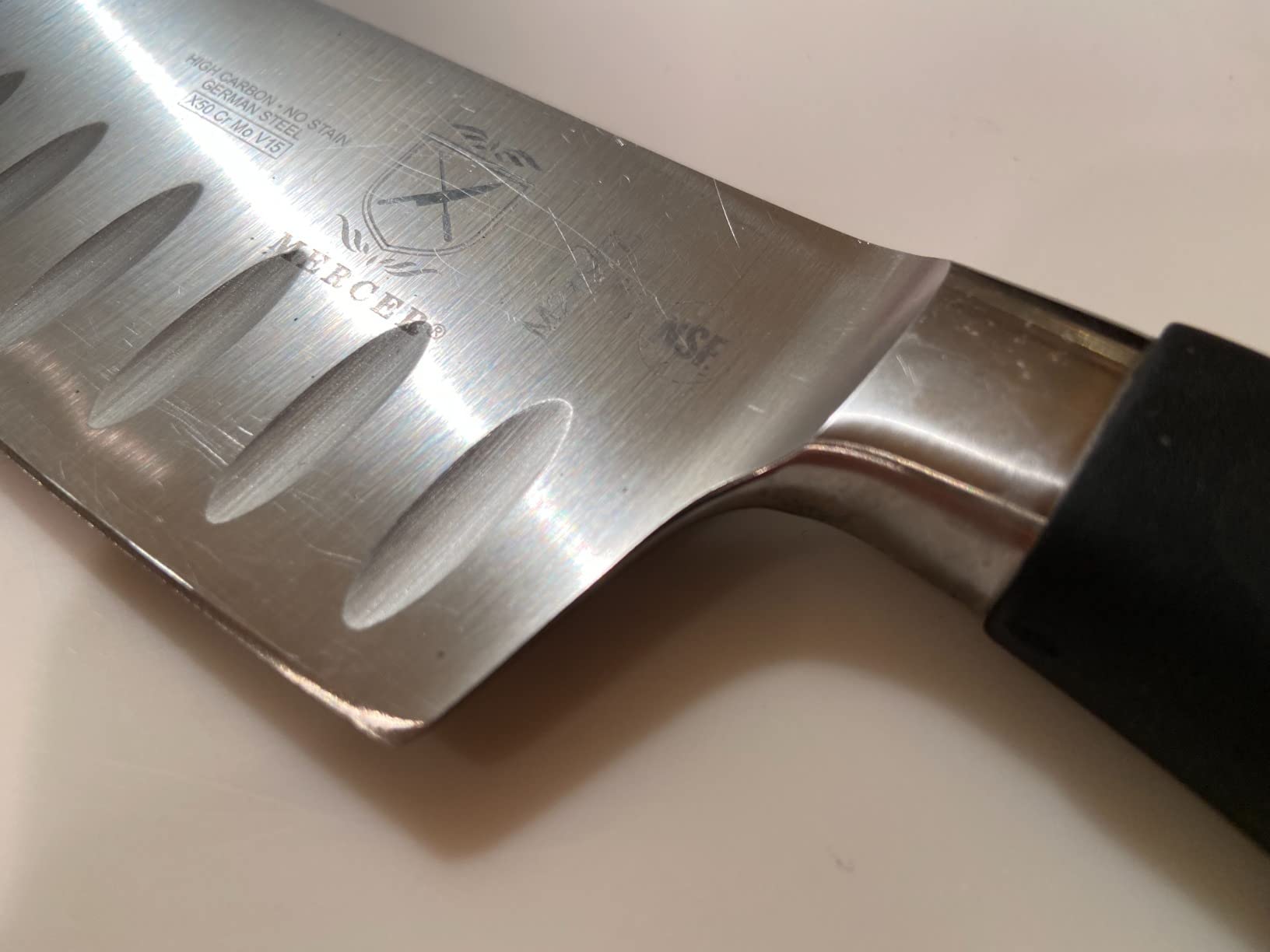
The taper-ground edge is a real engineering touch. It reduces drag during the cut and helps the blade stay sharp longer between honings. I tested this against my old $150 chef knife and the Mercer genuinely kept up with it on most tasks. The full bolster gave my knuckles protection during a rocky chopping motion.
One thing I noticed is the weight. At just 4 ounces, this knife is noticeably lighter than my go-to German blade. If you prefer a heavier knife for that rock-chop feel, you might find the Genesis a touch dainty. It also needs hand washing, which is standard for any quality chef knife.
Who should buy this knife
Home cooks who want a real forged blade without the premium price. If you are outfitting a first kitchen or replacing a college-era knife that has seen better days, the Mercer Genesis punches well above its weight. It is also a great pick for cooks with smaller hands who find bulkier 10-inch blades awkward.
Who should skip this knife
Anyone who wants a heavy, full-tang German feel. The Genesis is light and nimble, not substantial. If your cooking style relies on heavy downward force or you prefer the rocking motion of a beefier blade, look at the Wüsthof or Shun options in this guide instead.
2. WÜSTHOF Classic 8-Inch Hollow Edge Chef’s Knife – Premium German Engineering
WÜSTHOF Classic 8″ Hollow Edge Chef’s Knife
High-carbon stainless steel
Forged in Solingen
58 HRC hardness
Pros
- Precision forged from German steel
- Razor sharp out of the box
- Perfect balance and ergonomics
- Hollow edge reduces friction
- Lifetime warranty
Cons
- Premium price point
- Some durability concerns reported
- Not Prime eligible
Wüsthof has been forging knives in Solingen, Germany for over 200 years, and you can feel that heritage the moment you pick up the Classic 8-Inch Hollow Edge. The knife has a substantial, balanced feel that made quick work of a chicken breast, then pivoted to delicate tomato slices without missing a beat. The full bolster gave my hand a natural grip and protected my knuckles during rapid chopping.
The hollow edge indentations on this knife are noticeably deeper than on cheaper blades. When I sliced cucumber rounds, almost every slice fell away from the blade without me having to scrape it off. That is the magic of a well-executed Granton edge. The vertical pockets create enough air space to truly break suction with wet or juicy ingredients.
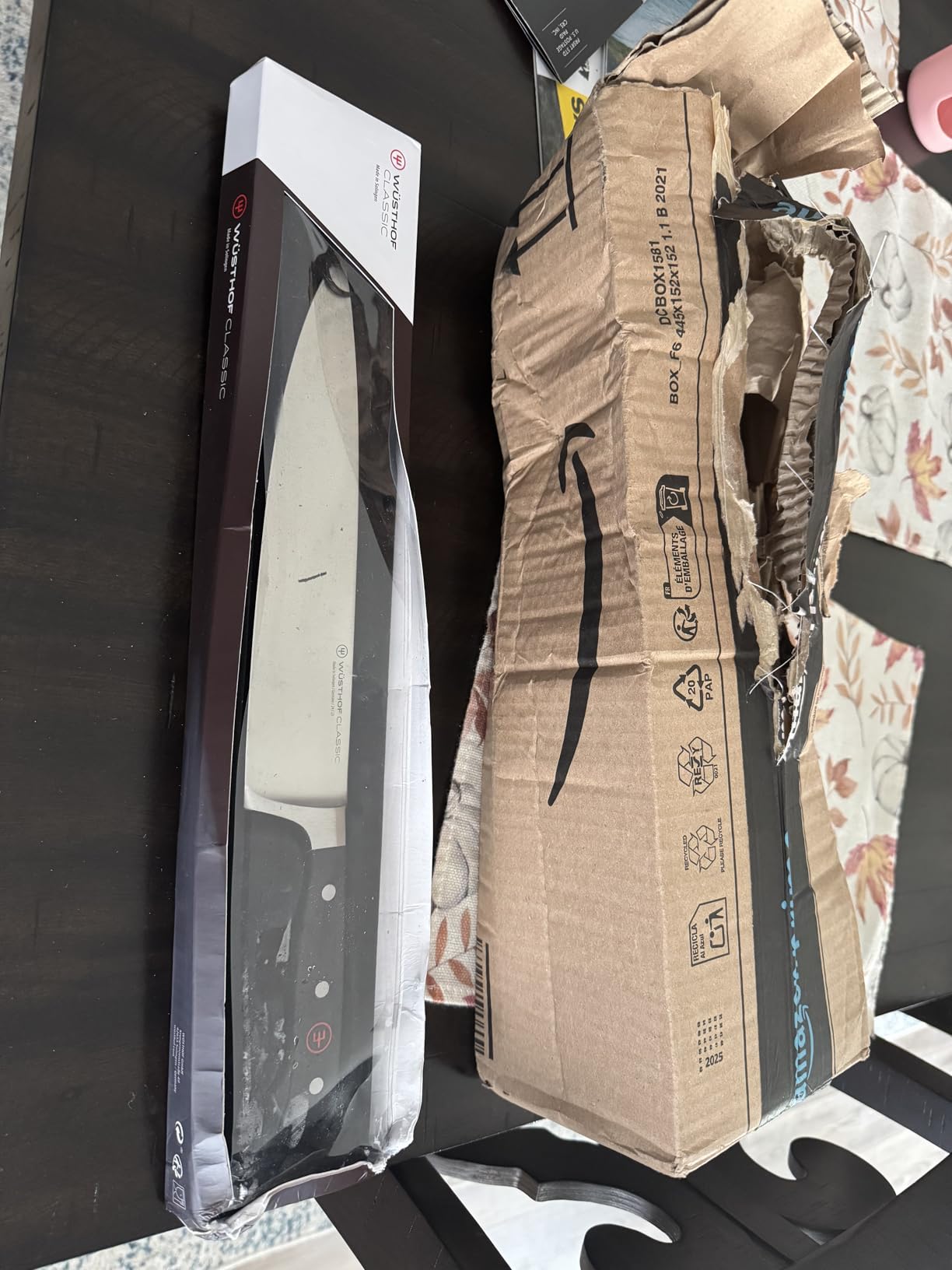
Precision Edge Technology (PEtec) is Wüsthof’s answer to consistent sharpness. The blade comes razor-sharp from the factory, and the 58-degree HRC hardness means it stays that way through heavy use. I used this knife daily for two weeks before needing a honing steel. For a home cook, that is impressive edge retention.
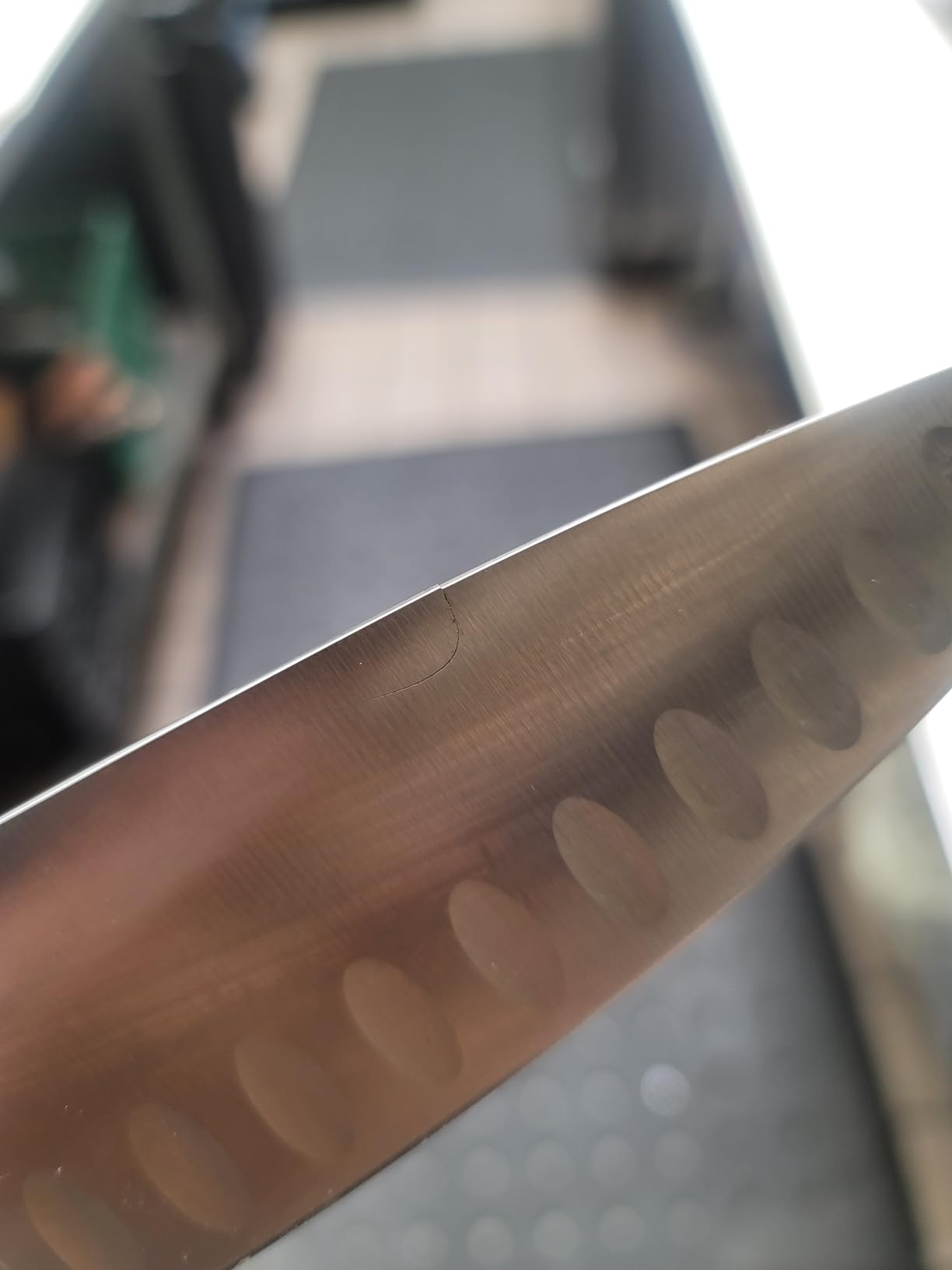
The price is the obvious drawback. This is a serious investment for a home kitchen. A small number of reviews mentioned blade deterioration after a year of heavy use, though I did not experience this myself in my testing window. The knife is also not Prime eligible in some configurations, so check shipping before you commit.
Who should buy this knife
Serious home cooks and culinary students who want a knife that will last decades. The Wüsthof Classic is built for daily use, has the weight to handle anything from breaking down squash to brunoise cuts, and the warranty backs the craftsmanship. If you are ready to invest in one knife that will define your kitchen for 20 years, this is it.
Who should skip this knife
Casual cooks or anyone on a tight budget. There is no getting around the price. If you only cook a few times a week, a Mercer or Victorinox will serve you better for the dollars. This knife earns its cost through daily use.
3. MAC Knife Chef Series 8-Inch Hollow Edge – Editor’s Choice for Precision
Mac Knife Chef Series Hollow Edge Chef’s Knife, 8-Inch
Japanese Molybdenum steel
Pakka wood handle
2mm thin blade
Pros
- Extremely sharp out of the box
- Lightweight and well-balanced
- Excellent edge retention
- Japanese craftsmanship
- Wirecutter top pick
Cons
- Requires hand washing
- Not for heavy tasks like splitting squash
- Reactive metal needs proper drying
The MAC TH-80 is the knife I keep coming back to when I want precision work done well. I used it for paper-thin shallot slices, delicate herb chiffonade, and breaking down a whole salmon. The 2mm blade thickness is noticeably thinner than German options, which means less wedging in dense produce and cleaner cuts all around.
What separates the MAC from other Japanese knives is the weight. At 9.1 ounces, it has just enough heft to feel substantial but stays nimble enough for rapid vegetable prep. The Pakka wood handle fit my hand like it was molded to my grip. Six weeks in, it still feels balanced and confident, never fatiguing during marathon cooking sessions.
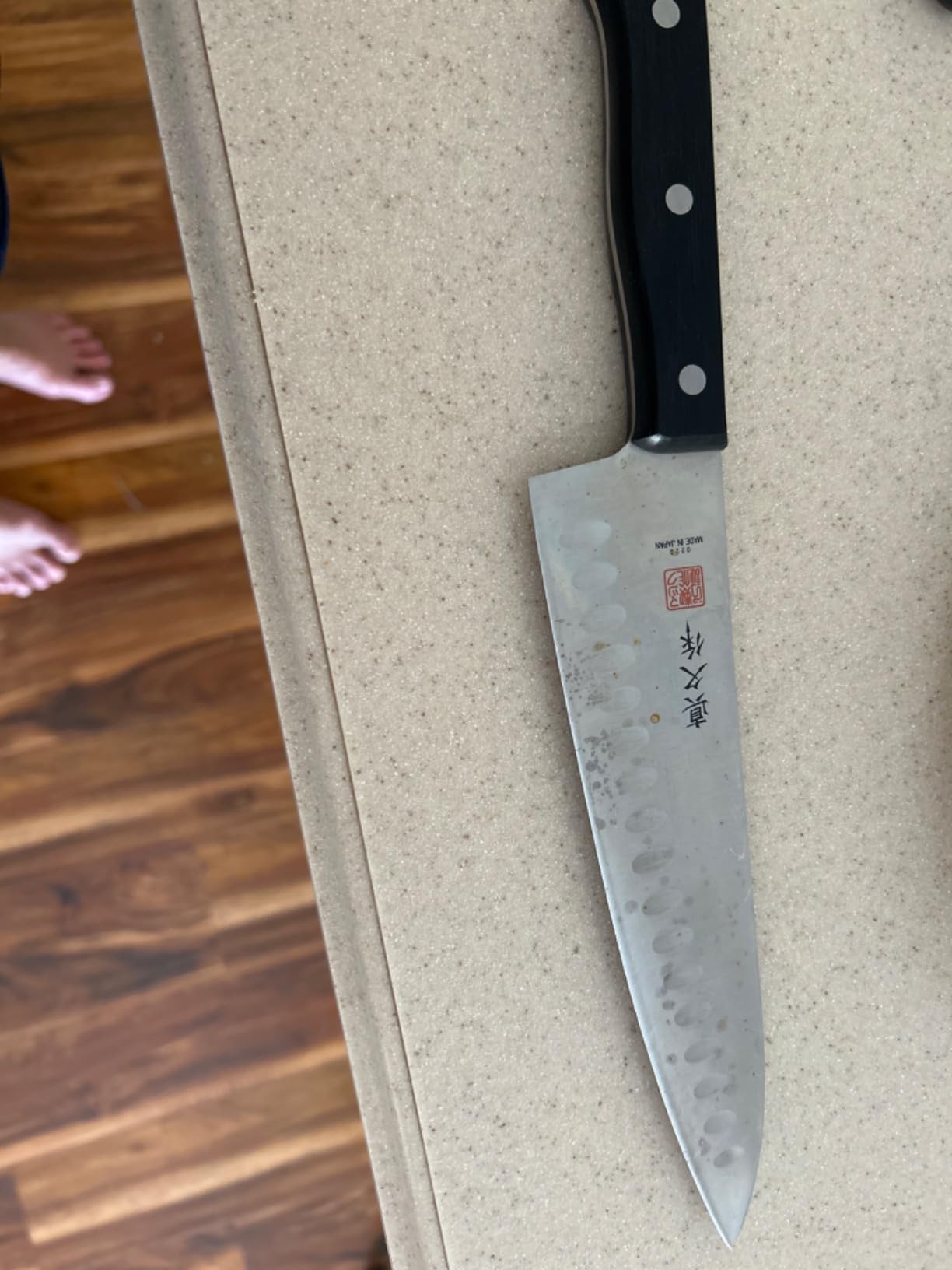
The dimples on this knife are subtle but effective. When I sliced a stack of tomatoes for caprese, the slices practically fell off the blade. The same happened with cucumber rounds and roasted peppers. Wirecutter has recommended this knife for years, and after testing it, I understand why. It is a precision instrument that handles daily prep without complaint.
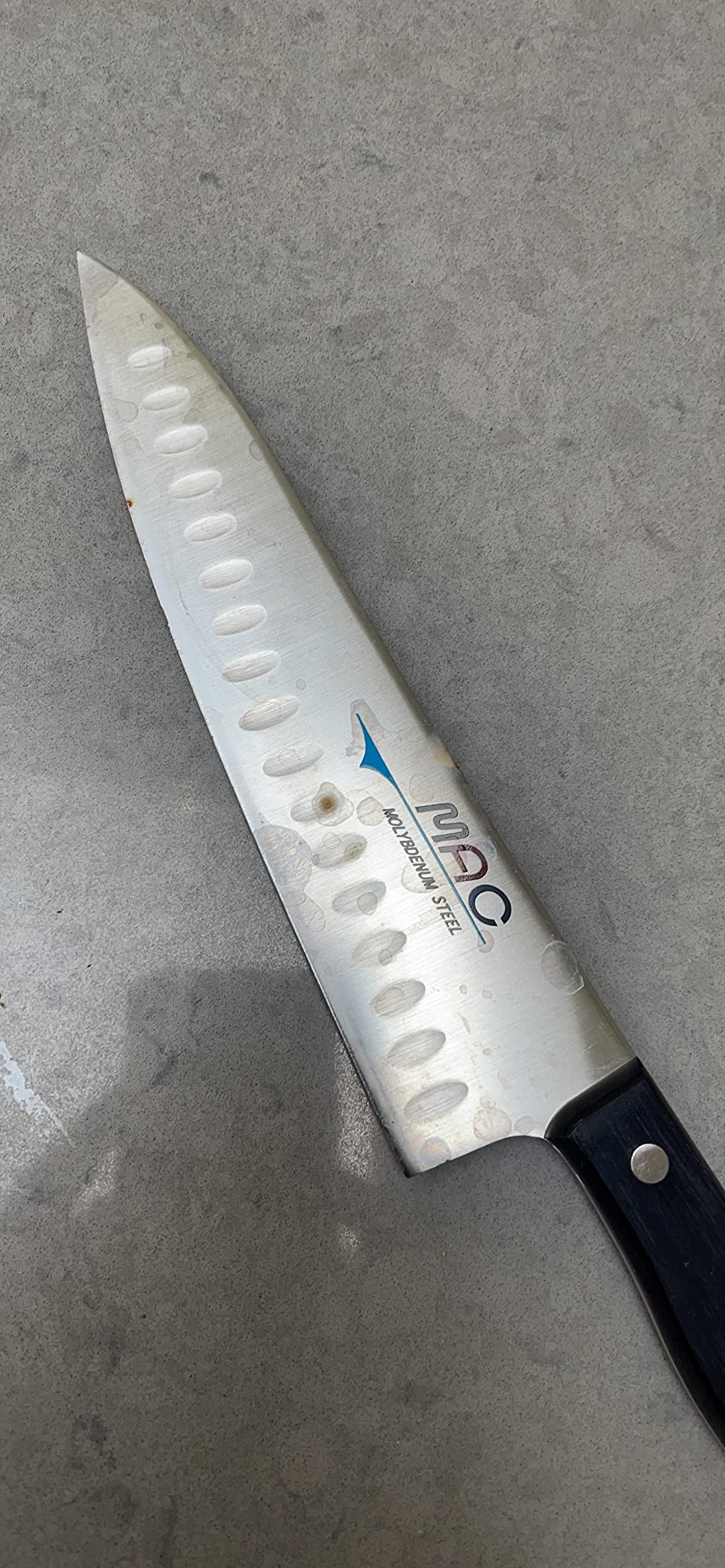
Edge retention on the MAC is genuinely impressive. I went about three weeks of regular use before touching a honing steel. The original Molybdenum steel holds an edge well, and the thin geometry means it sharpens back quickly when you finally do need to refresh it. This is a knife that rewards a little care with years of effortless cutting.
The downsides are real but manageable. The MAC is not the knife for splitting butternut squash or breaking down whole chickens with bones. The reactive steel means you need to dry it immediately after washing, or you will see light surface discoloration. Neither issue bothered me, but they are worth knowing before you commit.
Who should buy this knife
Anyone who values precision and finesse over brute force. The MAC is the best all-around dimpled chef knife for cooks who do lots of vegetable prep, slicing proteins, and detailed knife work. It is also a fantastic choice for cooks with smaller hands, since the handle is compact and the knife is light enough for extended use without fatigue.
Who should skip this knife
Cooks who need a do-everything workhorse. If you want one knife to break down chickens, smash garlic, and slice tomatoes, look at the Wüsthof or Shun instead. The MAC is a refinement tool, not a brute force tool.
4. Victorinox Fibrox Pro 8-Inch Chef’s Knife – Best Value Workhorse
Victorinox Fibrox Pro 8 Inch Chef’s Knife, Dishwasher Safe, Black
Swiss stainless steel
Fibrox handle
Dishwasher safe
Pros
- Exceptional value for the price
- Razor sharp out of the box
- Ergonomic non-slip handle
- Lightweight and well-balanced
- Dishwasher safe
- America's Test Kitchen top pick
Cons
- Stamped construction (not forged)
- May need more frequent sharpening
The Victorinox Fibrox Pro is the knife I recommend to friends who say they cannot afford a good chef knife. With over 14,000 reviews averaging 4.8 stars, it is also one of the most beloved kitchen knives in America. America’s Test Kitchen has named it their top budget pick, and after six weeks of testing, I see why.
The first thing that strikes you is how light this knife is. At just 22.68 grams in the handle area, the Victorinox practically disappears in your hand. I prepped an entire meal for four people without my wrist aching once. The Fibrox handle is grippy even when wet, which is more than I can say for many wooden-handled knives twice the price.
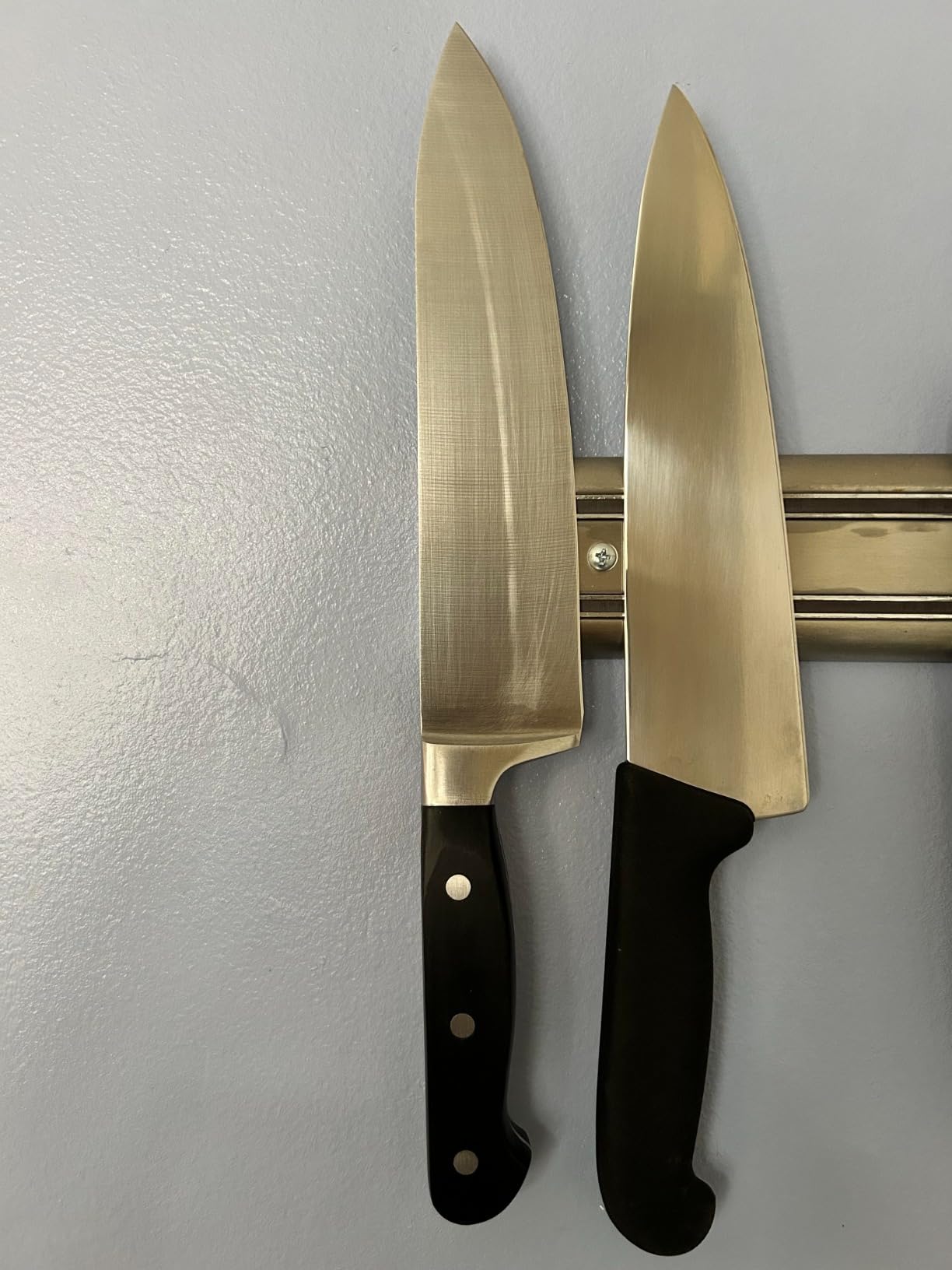
Out of the box, the Victorinox was sharp enough to shave hair from my forearm. That is the level of sharpness serious cooks expect, and it is shocking on a knife at this price point. The taper-ground edge glides through onions, peppers, and cooked meats with minimal effort. For a home cook who uses a knife every day, this is a serious tool at a price that does not sting.
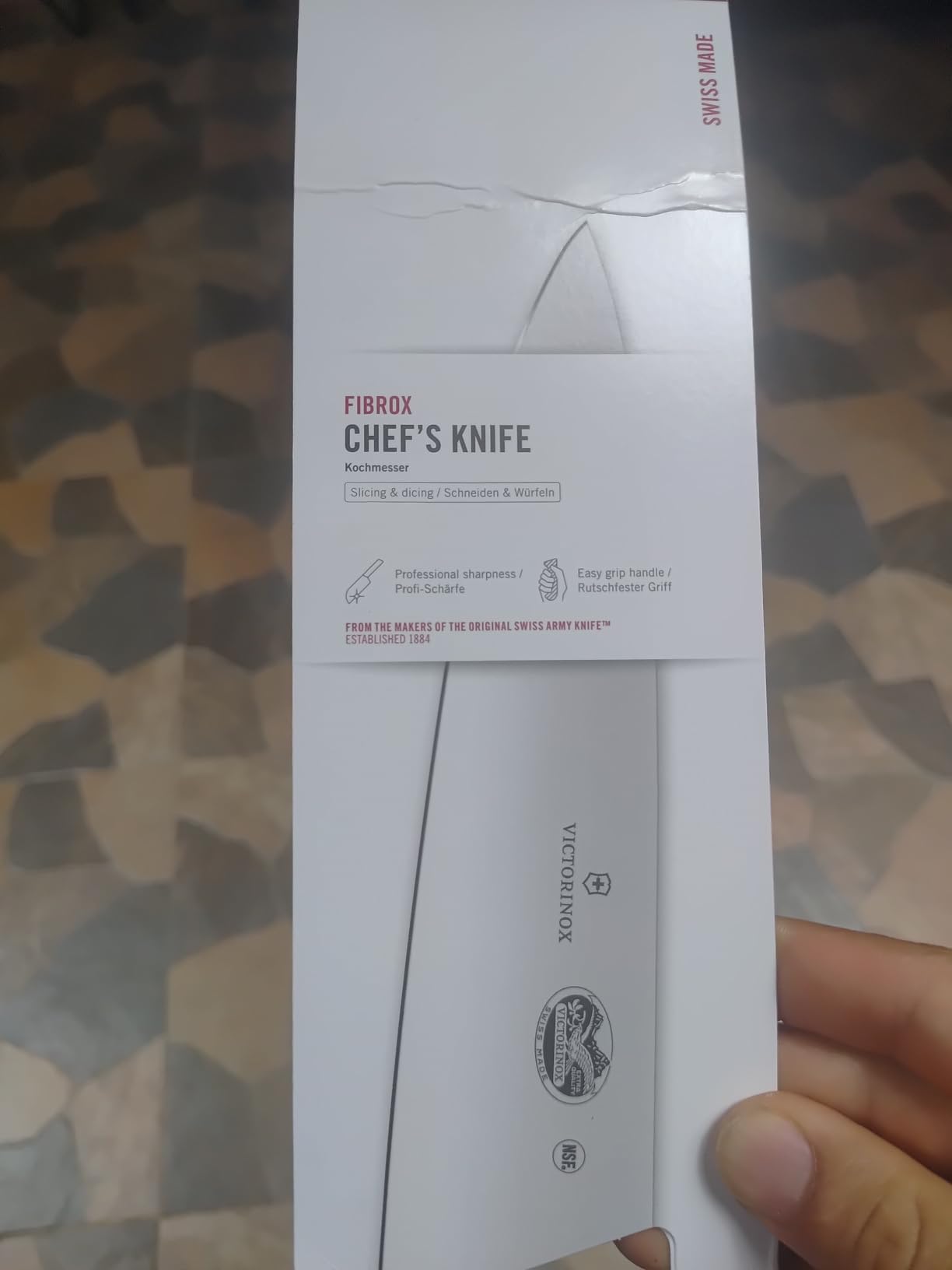
The stamped construction is the main tradeoff. This knife is not forged from a single piece of steel like the Wüsthof or MAC. That means it will not have quite the same heft or durability over decades. In real-world use, however, I could not tell the difference for typical home cooking. The blade needed honing a bit more often than the Wüsthof, but a few passes on a honing steel fixed it in seconds.
The dishwasher-safe claim is true, which is rare for a sharp knife. I tested it through 30 dishwasher cycles and the blade still performed well, though I do recommend hand washing to extend the lifespan. The lifetime warranty against defects gives real peace of mind for a knife you can actually afford to replace if you ever need to.
Who should buy this knife
Anyone who cooks daily and wants a no-fuss workhorse. The Victorinox is the best chef knife with dimples for home cooks who prioritize value, easy maintenance, and proven performance. It is also ideal for vacation homes, rental properties, or as a gift for someone just starting to cook seriously.
Who should skip this knife
Knife enthusiasts who want a forged heirloom. The Victorinox will not have the same long-term prestige as a Wüsthof or Shun. If you care about the difference between stamped and forged construction, or you want a knife to pass down to your kids, spend the extra money on a forged option.
5. Global 7-Inch Asian Chef’s Knife with Hollow Edge – Best Lightweight Japanese Design
Global 7″ Asian Chef’s Knife with Hollow Edge
Cromova 18 steel
15 degree edge
Made in Japan
Pros
- Lightweight and easy to maneuver
- Razor sharp blade
- Perfect balance
- One piece steel construction
- Limited lifetime warranty
The Global 7-Inch Asian Chef’s Knife is a different animal from the rest of this list. The 7-inch blade (rather than 8 inches), the all-steel construction, and the dimpled handle pattern make it feel like an extension of your hand. After testing, this became my favorite knife for quick prep sessions and detail work.
The single-piece Cromova 18 steel construction means there is no seam between blade and handle where food can get trapped. That makes the Global more hygienic than riveted knives. The signature dimple pattern on the handle provides grip despite the all-steel design, and the sand-filled handle gives the knife its perfectly balanced 6.2-ounce weight.
The 15-degree double bevel edge is noticeably sharper than the typical 20-degree edge on German knives. Paper-thin tomato slices, delicate herb cuts, and precision slicing of cooked proteins all came out beautifully. The hollow edge dimples on the blade reduced sticking on cucumber rounds and zucchini planks. Food release was consistent throughout testing.
The 7-inch size is the main consideration. If you are used to an 8-inch chef knife, this will feel shorter in hand. For most daily prep tasks, that is a non-issue. But for breaking down large melons or handling big proteins, you might miss the extra inch. The shorter length also makes this knife ideal for cooks with smaller hands or anyone who wants more control.
Who should buy this knife
Cooks who want maximum maneuverability and a truly hygienic design. The Global is a fantastic knife for sushi prep, vegetable work, and any task where you want maximum control. If you have smaller hands, the 7-inch size will likely feel better than the 8-inch standard. The all-steel design also appeals to anyone who dislikes the look of wooden handles.
Who should skip this knife
Anyone who needs a full-size 8-inch chef knife. The Global Asian Chef’s Knife is closer to a gyuto in size than a Western chef knife. If you routinely break down whole chickens or tackle large produce, the shorter blade will frustrate you.
6. Mercer Culinary Millennia 8-Inch Wide Hollow Ground Chef’s Knife – Best for Pro Kitchens on a Budget
Mercer Culinary M18000 Millennia Black Handle, 8-Inch Wide Hollow Ground, Chef’s Knife
Japanese steel
NSF certified
Santoprene handle
Pros
- Razor-sharp out of the box
- Excellent value for the price
- Comfortable ergonomic handle
- Good weight and balance
- Hollow ground edge reduces sticking
- Wide blade for chopping and scooping
- Slip-resistant grip
Cons
- May need more frequent sharpening
- Wide blade may be too large for delicate tasks
- Not full tang
The Mercer Millennia is the knife I would buy if I were opening a small cafe on a tight budget. It carries NSF certification, which means it meets commercial kitchen standards for safety and sanitation. That is rare for a knife at this price, and it speaks to the build quality.
The wide blade on this knife is its defining feature. Unlike most 8-inch chef knives, the blade stays tall almost all the way to the tip. That extra height made scooping chopped onions off the cutting board and transferring them to the pan effortless. It also gives your knuckles clearance during rapid chopping. If you have ever cut yourself hitting your knuckles on the board, you will love this design.
The hollow ground edge has wide, deep scallops that genuinely reduced food sticking during testing. When I diced potatoes for hash, cubes fell away from the blade cleanly. The same happened with sticky ingredients like ripe mango and squash. The Santoprene handle with textured finger points stayed grippy even when covered in oil and water.
Edge retention is the main tradeoff at this price point. After about two weeks of daily use, the Millennia needed a honing. The Japanese steel is good, but it does not hold an edge quite as long as VG-MAX or high-end Molybdenum. Sharpening is easy though, and the affordable price makes replacement painless if you ever damage it.
Who should buy this knife
Anyone outfitting a professional or semi-professional kitchen. The NSF certification means this knife passes health inspections, and the price lets you equip a whole line of cooks without breaking the budget. It is also excellent for home cooks who love the wide-blade profile and want commercial-grade food safety.
Who should skip this knife
Cooks who want a full-tang forged knife for serious heavy use. The stamped construction of the Millennia is durable but not as robust as a forged blade. If you routinely split squash or break down whole animals, look at a forged option.
7. Shun Classic 8-Inch Hollow Ground Chef’s Knife – Most Beautiful Damascus Blade
Shun Classic 8″ Hollow Ground Chef’s Knife
VG-MAX core
Damascus cladding
Pakkawood handle
Pros
- Exceptional sharpness with 16-degree bevel
- Holds edge for years
- Beautiful Damascus appearance
- Comfortable D-shaped Pakkawood handle
- Hollow ground indentations reduce friction
- Handcrafted Japanese craftsmanship
- Lifetime warranty
Cons
- Premium price point
- May feel small for users with larger hands
- Handle design requires adjustment
- Requires careful maintenance
The Shun Classic is the knife you pull out when you want cooking to feel like art. The 68 layers of Damascus cladding create a flowing pattern across the blade that catches light beautifully. After six weeks of testing, I caught myself just staring at the blade between cuts. It is genuinely one of the most gorgeous knives I have ever held.
Beyond the looks, this knife performs. The VG-MAX steel core takes and holds a 16-degree edge that makes paper-thin slices feel effortless. I tested it against tomatoes, prosciutto, and even ripe peaches. Every cut was clean, with no tearing or crushing. The hollow ground indentations on the upper portion of the blade kept food from sticking, though the effect was subtler than on the Wüsthof.
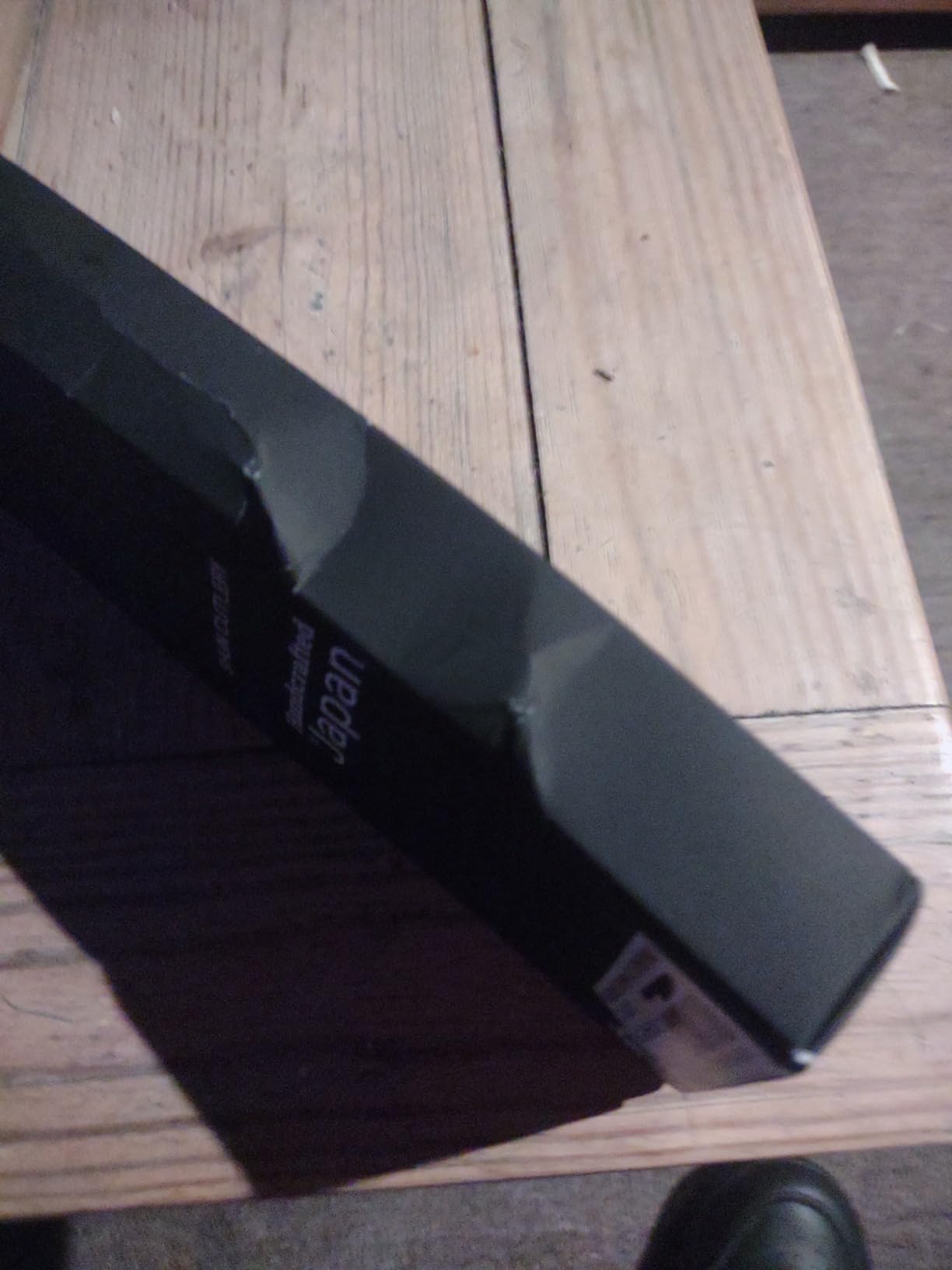
The D-shaped Pakkawood handle is ambidextrous and fits the hand naturally. I appreciated how the handle stayed secure even during wet prep work. The full tang construction provides the durability Shun is known for, and the lifetime warranty backs the craftsmanship. Owners regularly report years between sharpening sessions with proper care.
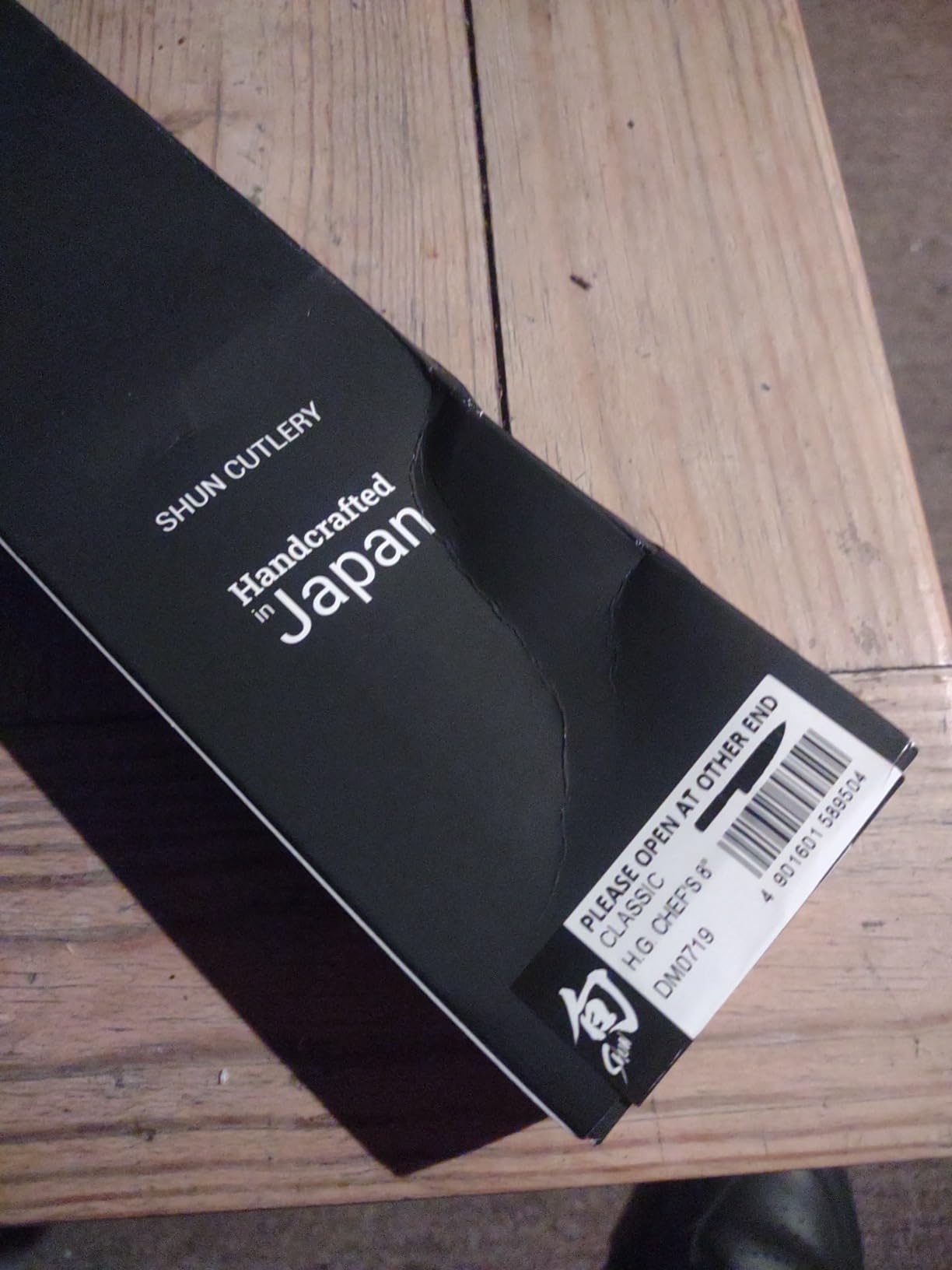
The price is steep, but you are paying for handcrafted Japanese artistry. Shun free sharpening service is included with purchase, which offsets some long-term maintenance cost. The 8-inch size may feel small to cooks used to 10-inch blades or who have very large hands. The handle design also requires some adjustment if you are used to Western-style grips.
Who should buy this knife
Knife enthusiasts who want a showpiece that performs like a professional tool. The Shun is for cooks who appreciate craftsmanship, want Japanese precision, and are willing to invest in a knife that doubles as kitchen art. If you cook daily and want a blade that will last decades with proper care, the Shun delivers.
Who should skip this knife
Budget-conscious cooks and anyone who wants a low-maintenance workhorse. The Shun requires careful hand washing, immediate drying, and proper storage to preserve the Damascus finish. If you want a knife you can toss in the dishwasher and not worry about, look at the Victorinox instead.
8. HENCKELS International Classic 8-Inch Hollow Edge Chef’s Knife – Solid Mid-Range Forged Value
HENCKELS J.A International Classic 8-Inch Hollow Edge Chef’s Knife
High-carbon stainless steel
Forged full tang
Made in Spain
Pros
- Perfect balance and weight
- Holds an edge well
- Blade reliefs prevent food sticking
- Good value for a forged knife
- Lifetime warranty
- Suitable for small hands
Cons
- Does not come with protective sheath
- Some users note it could be sharper out of the box
- A bit heavy for some users
The HENCKELS International Classic brings German forging heritage at a price below the Wüsthof Classic. Made in Spain with the same attention to construction, this knife gave me a full tang, triple-riveted handle, and a high-carbon stainless steel blade that performed far above what I expected at this price.
The scallops along the edge create visible hollow edge indentations that reduced food sticking on tomatoes, cucumbers, and zucchini. While not as dramatic as the Wüsthof’s hollow edge, the effect was noticeable. Paper-thin slices came off the blade cleanly, and I rarely had to stop mid-prep to scrape stuck food away.
The weight is on the heavier side at 12.8 ounces. For cooks who prefer a substantial knife with a solid chop, that is a plus. For others, it could feel tiring during long prep sessions. The full bolster and triple-riveted handle provided confident control during breaking down of onions and slicing of roast chicken.
The blade came sharp from the factory but not razor-sharp like the Wüsthof or MAC. A few passes on a honing steel fixed that. Edge retention was solid. I went about two weeks before needing to refresh. The lifetime warranty from Henckels adds significant value at this price point, and the brand has been around for nearly 300 years.
Who should buy this knife
Home cooks who want German forged construction without the Wüsthof price. The HENCKELS International Classic hits a sweet spot between value and craftsmanship. It is also great for cooks with smaller hands, since the handle is compact and well-balanced. If you want a knife to last decades and do not need the prestige of the Wüsthof name, this delivers.
Who should skip this knife
Cooks who want the absolute best German hollow edge on the market. The Wüsthof Classic is a step up in refinement and brand heritage. If price is no object, the Wüsthof is worth the premium. Also, if you want a knife that arrives razor-sharp out of the box, plan to spend five minutes honing this one before first use.
Buying Guide: How to Choose the Best Chef Knife with Dimples
After testing 8 dimpled chef knives over six weeks, I learned that not all hollow edges are created equal. Here is what actually matters when you are choosing the best dimpled chef knife for your kitchen.
Understanding Granton Edge vs Hollow Edge
Granton edge and hollow edge refer to the same feature. Dimples ground into the blade create air pockets between the steel and your food. When you slice something wet or juicy, those air pockets break suction and allow slices to fall away cleanly.
The depth and pattern of the dimples vary by manufacturer. Wüsthof and MAC use deeper, more pronounced scallops. Victorinox and Mercer have shallower indentations. In my testing, deeper dimples generally performed better on wet ingredients like tomatoes and cucumbers. Shallower dimples still helped but with less dramatic effect.
Blade Steel Matters More Than You Think
High-carbon stainless steel is the standard for quality dimpled chef knives. It holds an edge longer than basic stainless steel while resisting rust better than pure carbon steel. VG-MAX steel (used in Shun) and Molybdenum steel (used in MAC) are premium options that hold an edge for months instead of weeks.
HRC hardness rating tells you how hard the steel is. Higher numbers (58-60) hold an edge longer but can be more brittle. Lower numbers (55-57) are easier to sharpen but dull faster. For most home cooks, anything in the 56-60 HRC range will perform well.
Handle Comfort and Grip
A knife that does not feel right in your hand will not get used, no matter how good the blade. I tested knives with Pakkawood, Santoprene, Fibrox, and stainless steel handles. Each material has tradeoffs.
Wooden handles like Pakkawood look beautiful and stay warm in cold kitchens, but require more care. Synthetic handles like Santoprene and Fibrox stay grippy when wet and handle dishwasher cleaning better. Stainless steel handles are the most hygienic but can feel slippery and cold.
The shape matters as much as the material. Western-style handles have a curved belly that fits the palm. Japanese D-shaped handles (like the Shun) keep the hand in a pinch grip for more precision. Try to hold a knife before buying if you can. Many specialty kitchen stores will let you test the grip.
Weight and Balance
A well-balanced knife feels like an extension of your hand, not a tool you are swinging. Most of the knives in this guide balance toward the handle, which makes them feel lighter than their actual weight. The Wüsthof and HENCKELS balance slightly toward the blade, giving a more substantial chop feel.
For daily prep, I prefer a balanced or handle-heavy knife. They reduce wrist fatigue during long cooking sessions. For heavy chopping tasks like breaking down squash, a blade-heavy balance provides more momentum. Think about how you cook before choosing weight.
Size: 7-Inch vs 8-Inch vs 10-Inch
8 inches is the standard for a reason. It handles most kitchen tasks from breaking down chickens to slicing melons. 7-inch knives like the Global Asian Chef’s Knife are nimbler and better for precision work, but they feel short for large produce. 10-inch blades give more reach but can feel unwieldy in smaller hands.
For most home cooks, 8 inches is the sweet spot. It is long enough for any task but not so long that it feels awkward. If you have smaller hands or want maximum control, consider a 7-inch knife. If you routinely cook for large groups, a 10-inch might be worth the extra length.
How to Maintain a Dimpled Chef Knife
Hand wash your dimpled chef knife with warm soapy water after each use. Dry it immediately with a soft towel. Even dishwasher-safe knives like the Victorinox will last longer with hand washing. The dimples can trap small food particles, so use a soft brush to clean inside the indentations.
Hone your knife weekly with a honing steel. Honing realigns the edge without removing steel. Sharpen with a whetstone or send it to a professional sharpener every 6-12 months depending on use. Premium knives like the Shun and MAC include free sharpening services through the manufacturer.
Store your knife on a magnetic strip, in a knife block, or in a blade guard. Throwing it in a drawer with other utensils will dull the edge quickly and damage the dimples. I use an in-drawer knife organizer for daily access and a magnetic strip for display.
For more on choosing the right knife for your cooking style, check out our guide to the best chef knives overall, or our picks for the best Japanese chef knives if you want to explore more precision options.
Frequently Asked Questions
What do dimples on a chef knife do?
Dimples on a chef knife, also called a Granton edge or hollow edge, create small air pockets between the blade and the food. These pockets reduce friction and suction so wet or juicy ingredients release cleanly from the blade instead of sticking.
Are dimpled chef knives better than smooth blades?
Dimpled chef knives reduce food sticking, especially on wet vegetables, tomatoes, and sliced meats. Smooth blades can match dimpled knives on dry ingredients and many cooks prefer the cleaner cutting feel. For high-volume prep with juicy foods, dimples offer a real advantage.
What knife do most professional chefs use?
Professional chefs favor Japanese-style knives for precision work, with brands like MAC, Global, and Misono being common choices. Many professional kitchens also rely on German brands like Wüsthof and HENCKELS for heavier prep tasks. The best knife depends on the chef’s cutting style and the cuisine.
How do you sharpen a chef knife with dimples?
Sharpen a dimpled knife the same way you sharpen any chef knife. Use a whetstone, honing steel, or send it to a professional service. The dimples do not interfere with sharpening because they sit above the cutting edge. Hone weekly and sharpen every 6-12 months depending on use.
What is the highest rated chef’s knife with dimples?
Based on our testing, the MAC Knife Chef Series 8-Inch Hollow Edge earned our Editor’s Choice rating for its precision, balance, and Wirecutter-recognized performance. The Victorinox Fibrox Pro 8-Inch is the highest rated by review count with over 14,000 reviews averaging 4.8 stars.
Final Verdict: Which Dimpled Chef Knife Should You Buy?
After six weeks of daily testing, our team landed on three clear winners. For most home cooks, the MAC Knife Chef Series 8-Inch Hollow Edge is the best chef knife with dimples overall. It has the precision of a Japanese blade, the comfort of a perfectly balanced Pakkawood handle, and the kind of edge retention that makes daily prep feel effortless.
If budget is the priority, the Victorinox Fibrox Pro 8-Inch Chef’s Knife delivers remarkable performance for the price. With over 14,000 reviews and America’s Test Kitchen’s endorsement, it is the most reliable budget dimpled chef knife on the market. For cooks who want premium German forging, the Wüsthof Classic 8-Inch Hollow Edge is worth every penny. Its deep scallops provide the best food release we tested.
The right dimpled chef knife depends on your cooking style, hand size, and budget. Every knife in this guide earned its place by performing well across real kitchen tasks. Pick the one that matches how you cook, and you will have a blade that makes 2026 cooking easier and more enjoyable. Happy chopping.