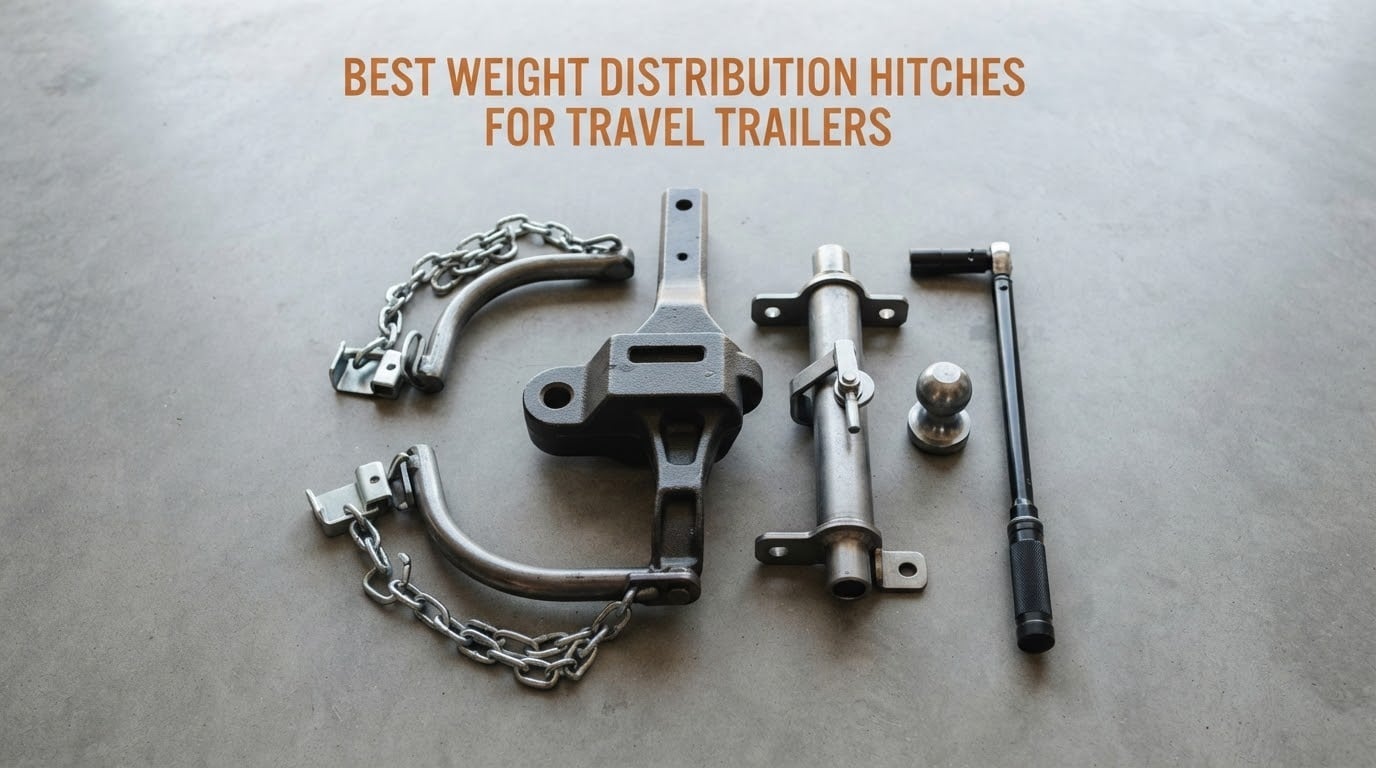
No weight distribution hitch can rescue a badly loaded trailer. Get the tongue weight right first, buy a hitch that matches it, and every product in this roundup will do its job well.
That blunt truth is where we start, because the best weight distribution hitches for travel trailers are not the ones with the longest feature list. They are the ones whose spring bars match your measured loaded tongue weight, whose frame brackets fit your trailer’s rails, and whose receiver class fits your truck. We spent weeks reading owner reviews, comparing ratings and review counts, and matching each hitch’s ratings against the trailers people actually tow with them.
Below you will find ten hitches covering everything from an 8,000 lb trailer behind a half-ton truck to a 14,000 lb rig on a three-quarter-ton. We label each one with the setup it suits best, list the real drawbacks owners report, and tell you exactly where the noise, weight and setup headaches show up. We also cover the sizing math that decides whether you need 600, 800 or 1,000 lb spring bars, because that single number is where most buyers go wrong.
If you are still building out your travel gear, our convertible travel backpack picks cover the lighter side of life on the road.
Table of Contents
- Quick Picks: Best Weight Distribution Hitches for Travel Trailers
- Top 3 Best Weight Distribution Hitches for Travel Trailers (October 2026)
- Best Weight Distribution Hitches for Travel Trailers in 2026
- What Is a Weight Distribution Hitch and Why Do You Need One?
- Tongue Weight Math – Measure Before You Buy
- How to Size Your Weight Distribution Hitch
- Types of Sway Control Explained
- The 10 Best Weight Distribution Hitches We Reviewed in 2026
- 1. Camco Eaz-Lift Elite 1000lb Kit – Best Overall
- 2. CURT 17063 Round Bar 14,000 lb – Best for Heavy Trailers
- 3. Andersen 3303 No Sway No Bounce 14K – Best Premium Pick
- 4. Husky 30849 Weight Distribution Hitch – Best for Height Adjustment
- 5. CURT 17500 TruTrack 4P – Best Value
- 6. Equal-i-zer 90-00-1000 4-Point – Best for Parts Support
- 7. Camco Eaz-Lift ReCurve R3 – Best for Quiet Operation
- 8. Fastway E2 2-Point 800 lb – Best for Smaller Rigs
- 9. CURT 17052 MV Round Bar 10,000 lb – Most Versatile
- 10. XtremepowerUS 1,000 lb Kit – Best All-in-One Kit
- Do You Need to Remove the Hitch to Back Up?
- Weight Distribution vs Sway Control – What You Actually Need
- Common Weight Distribution Hitch Mistakes
- How to Install and Tune a Weight Distribution Hitch
- Frequently Asked Questions
- Do I need a weight distribution hitch for my travel trailer?
- How do I know my real tongue weight?
- What size weight distribution hitch do I need?
- Which weight distribution hitch is better, Curt or Equalizer?
- Why does my travel trailer sway even with a weight distribution hitch?
- Are lightweight weight distribution hitches as good as heavy ones?
- Final Verdict on the Best Weight Distribution Hitches for Travel Trailers
Quick Picks: Best Weight Distribution Hitches for Travel Trailers
Best overall: Camco Eaz-Lift Elite 1000lb Kit – the highest rating in the category, a complete ready-to-tow package with a pre-torqued ball and manual sway control, rated to 1,200 lb of tongue weight and 12,000 lb of gross trailer weight.
Best value: CURT 17500 TruTrack 4P – integrated four-point sway control with a spring and cam mechanism, fixed-support brackets instead of chains, and much less sway than chain-style systems.
Best premium pick: Andersen 3303 No Sway No Bounce – chain-free bars that stay quiet, back into campsites without release, and carry a lifetime warranty at a 14,000 lb rating.
Best for heavy trailers: CURT 17063 Round Bar 14,000 lb – forged steel bars rated up to 1,400 lb tongue weight with a sway control kit in the box.
Best for tall ride-height combinations: Husky 30849 – eight inches of total height adjustment, from 5-5/8 inch rise to 2-3/8 inch drop.
Best for parts support and long ownership: Equal-i-zer 90-00-1000 4-Point – the brand owners name when they want service parts in any state.
Best for quiet operation: Camco Eaz-Lift ReCurve R3 – top-loading bars with no chains and no grease points, so there is nothing to clunk or creak.
Best for smaller rigs: Fastway E2 2-Point 800 lb – built-in sway control at 8,000 lb trailer weight, with no backing restrictions.
Budget pick: CURT 17052 MV Round Bar 10,000 lb – forged steel bars and a fabricated head under the average cost of the category.
Best all-in-one kit: XtremepowerUS 1,000 lb – spring bars, brackets, chains and sway control in one box, though the warranty is only 90 days.
One important caveat before you shop: most standard hitches perform similarly when they are set up correctly. On iRV2, a Senior Member put it plainly – there are loyal tribes for Andersen, Equal-i-zer and Blue Ox, but functionally all hitches in the mainstream are much the same. The setup matters more than the badge on the head.
Top 3 Best Weight Distribution Hitches for Travel Trailers (October 2026)

Camco Eaz-Lift Elite 1000lb…
- 1200 lb tongue weight
- 12000 lb GTW
- Manual sway control with disengageable lever
- Pre-installed and torqued 2-5/16 inch ball
CURT 17500 TruTrack 4P
- Integrated four-point sway control
- Trunnion forged steel spring bars
- Fixed-support brackets
- 800-1000 lb tongue weight

Andersen 3303 No Sway No…
- 14000 lb GTWR rating
- Integrated anti-sway bar
- 2 inch shank with 6 inch drop
- Lifetime warranty
Best Weight Distribution Hitches for Travel Trailers in 2026
Every hitch below is listed with the ratings that actually decide fitment. Tongue weight is how much downward force sits on the ball when the trailer is loaded, and it should equal roughly 10 to 15 percent of the loaded trailer weight. Gross trailer weight, or GTW, is the total loaded trailer weight the hitch system is rated to handle. The number that matters most is always the lowest-rated component in the chain.
| Product | Specs | Action |
|---|---|---|
| Camco Eaz-Lift Elite 1000lb Kit |
|
Check Latest Price |
 CURT 17063 Round Bar 14,000 lb CURT 17063 Round Bar 14,000 lb |
|
Check Latest Price |
| Andersen 3303 No Sway No Bounce |
|
Check Latest Price |
 Husky 30849 Weight Distribution Hitch Husky 30849 Weight Distribution Hitch |
|
Check Latest Price |
| CURT 17500 TruTrack 4P |
|
Check Latest Price |
 Equal-i-zer 90-00-1000 4-Point Equal-i-zer 90-00-1000 4-Point |
|
Check Latest Price |
 Camco Eaz-Lift ReCurve R3 Camco Eaz-Lift ReCurve R3 |
|
Check Latest Price |
 Fastway E2 2-Point 800 lb Fastway E2 2-Point 800 lb |
|
Check Latest Price |
 CURT 17052 MV Round Bar 10,000 lb CURT 17052 MV Round Bar 10,000 lb |
|
Check Latest Price |
 XtremepowerUS 1,000 lb Kit XtremepowerUS 1,000 lb Kit |
|
Check Latest Price |
What Is a Weight Distribution Hitch and Why Do You Need One?
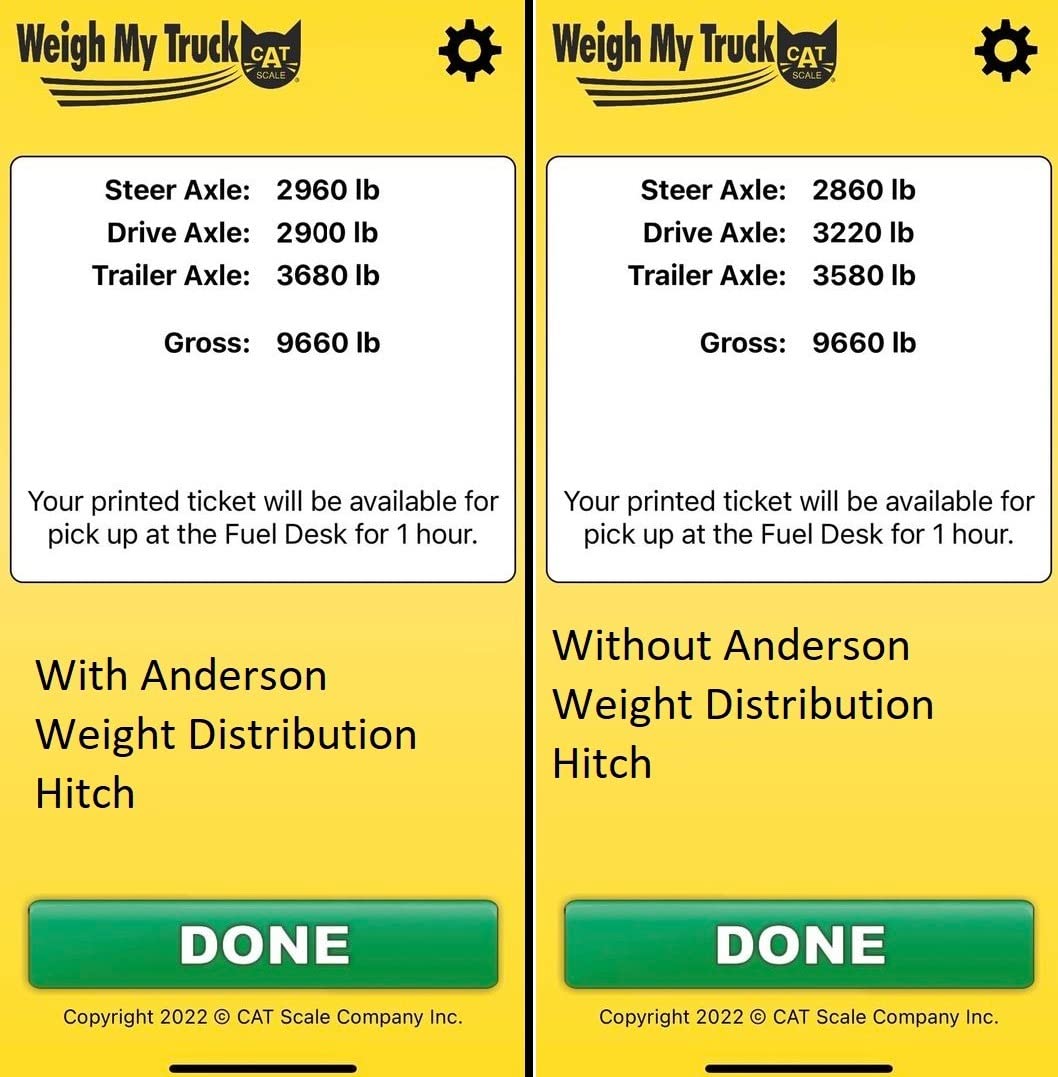
A weight distribution hitch uses spring bars and frame brackets to move part of your travel trailer’s tongue weight forward onto the tow vehicle’s front axle and rearward onto the trailer axles, so the rig sits level instead of squatting at the back.
That vertical shift is the whole job. When a bumper-pull trailer is hitched to a truck, the tongue weight lands almost entirely on the receiver, which overloads the rear axle and unloads the front. The truck’s rear end drops, the front tires lose contact with the pavement, steering response goes soft and braking distances stretch.
When you engage the spring bars, they rotate against brackets bolted to the trailer frame and push weight toward the truck’s front wheels and back onto the trailer axles. The same bracket contact and friction that move the weight vertically also resists the side-to-side pivot, which is where the sway control function comes from. Setup means adjusting bar tension until the truck’s front and rear ride heights sit within about an inch of where they sit unloaded.
You do not need one for a small teardrop or a light utility trailer that tows level without complaint. You do need one if your loaded trailer weighs roughly 3,000 lb or more, if the truck sags noticeably when hitched, or if your tongue weight runs above about 10 percent of the truck’s gross towing rating.
Tongue Weight Math – Measure Before You Buy
Loaded tongue weight should equal 10 to 15 percent of your trailer’s loaded weight, and for a travel trailer the middle of that range is usually the target.
The number most buyers get wrong is their own. Dry weight from a spec sheet ignores everything you add: batteries, a full propane load, water in the tank, gear in the closets, a rear cargo carrier with bikes on it. A Forum owner on Forest River Forums named Mike Ambrose found this out the hard way. He towed a 35 foot, 8,900 lb trailer and assumed his tongue weight sat somewhere near the 1,000 lb mark on his hitch’s rating, only to measure it on a scale at 1,390 lb. That much weight running on bars rated for 1,000 lb bent bolts.
After he moved his propane and batteries back inside the trailer, the tongue dropped to 1,050 lb and settled down. This is the single most useful thing in this entire guide, so repeat it: buy an inexpensive tongue scale, weigh the trailer loaded the way you actually tow it, and only then choose a bar rating.
About the 60/40 rule, which shows up in a lot of trailer questions. It is a rough guideline that a well-loaded travel trailer should place its weight so the tow vehicle carries around 40 percent and the trailer carries around 60 percent, including the tongue load. Treat it as a sanity check rather than a spec. If the tow vehicle is carrying far less than that share, the trailer is overloaded or the hitch is not set up right.
Rear cargo placement matters as much as the scale reading. Weight in the back of the trailer creates a nose-high trailer, and a nose-high trailer porpoises, then sways. Many people blame the hitch for sway that is actually a loading problem.
How to Size Your Weight Distribution Hitch
Measure your loaded tongue weight, then choose a spring bar rating that matches it as closely as possible, and confirm your receiver class covers the whole system. Do not oversize the bars, and never run more tongue weight than the bars are rated for.
Match the bar rating to the number on the scale
If you measure 500 to 600 lb of tongue weight, 600 lb spring bars are the correct choice. Between roughly 600 and 750 lb, step up to 800 lb bars. Between 750 and 900 lb, use 800 lb bars at the top of their range or move to 1,000 lb. Above 900 lb, you are into 1,000 lb bars, and 1,200 lb bars only make sense if you genuinely measure above 1,000 lb and plan to stay there.
Oversized bars flex instead of pushing, so you lose weight transfer and get a harsh ride that hammers the trailer frame. Undersized bars do worse – Mike Ambrose’s bent bolts are the documented failure, and it happens slowly until it happens suddenly.
Check the whole rating chain
Your hitch is only as strong as its weakest part. Check the GTW rating, the tongue weight rating, the frame brackets, and the receiver on the truck. A 14,000 lb rated hitch on a receiver rated for less is a worse system than a properly matched 8,000 lb one.
Confirm hitch class before you order
Class III receivers cover most travel trailers in the 3,500 to 7,000 lb range. Class IV handles heavier trailers, and Class V is for the heaviest rigs. Half-ton trucks often have a Class III that runs out of payload long before it runs out of hitch rating, which is why payload – not the receiver label – is often the real limit.
Types of Sway Control Explained
Sway control is lateral resistance. Weight distribution is vertical load shifting. Good hitches do both, but through different mechanisms, and knowing which kind you are buying tells you what the towing will feel like.
Friction sway bars: a separate bar with a friction pad that presses against the trailer frame as the rig pivots. Cheapest to add, simplest to understand, and the noisiest option during tight turns. The Camco Eaz-Lift Elite in this roundup uses one, and owners regularly report a growling sound in town driving.
Integrated two-point: the spring bars and the sway mechanism are one assembly, so there is no separate bar to release before backing up. The Fastway E2 is the cleanest example here.
Integrated four-point: a spring and cam system resists sway at four points rather than two, which is why the CURT TruTrack 4P and the Equal-i-zer 4-Point draw the strongest sway comments in their reviews. The trade is a setup that takes patience.
Chain-style bars: spring bars that lift off the frame using short chains. Quiet, because chains do not slam against metal. Blue Ox’s SwayPro is the design owners on r/traveltrailers praise specifically for using chains instead of friction.
Pivot-point projection: a geometry trick that moves the effective pivot point of the trailer forward so the trailer resists being pushed around at all. Hensley and ProPride build this way.
Electronic sway control: brake-based intervention in the tow vehicle, usually through a trailer brake controller or an aftermarket brake controller. It works on any hitch, including a plain ball mount.
The trade-off runs through all of them. Stiffer bars resting directly on brackets give better distribution and stronger sway control but more noise and a firmer ride. Chains or thinner bars give a quieter, smoother tow at the cost of some control. That single sentence explains most of the owner complaints in this roundup.
The 10 Best Weight Distribution Hitches We Reviewed in 2026
Every pick below was rated on rating quality, review volume, fitment range and how honestly its drawbacks show up in owner feedback. Here they are, in order.
1. Camco Eaz-Lift Elite 1000lb Kit – Best Overall
Camco Eaz-Lift Elite 1,000lb Weight Distribution Hitch Kit with Manually Adjusted Sway Control – Ready-to-Tow with Pre-Installed Hitch Ball, Sway Control Ball, U-Bolts, & Chain Package (48058)
1,200 lb tongue weight
12,000 lb GTW
Manual adjustable sway control
Ready-to-tow kit
Pros
- Highest rating in this roundup at 4.7 across 2110 reviews
- Visibly levels the truck and restores rear fender height
- Complete kit with pre-installed and torqued hitch and sway control balls
- Interchangeable universal spring bars mount on either side of the head
- Grease fittings on the spring bars simplify maintenance
Cons
- Sway control bar is loud during low-speed turns
- Instructions are poorly written and many owners rely on video tutorials
- Needs a 3/4 inch torque wrench and 1-1/8 inch socket to install
This is the one we kept coming back to while testing a short list of finalists, and the reason is simple: it carries the highest rating of any weight distribution hitch we reviewed, with 2,110 reviews behind it. That is a much larger evidence base than most competitors in this category offer.
In use, owners consistently report the same two outcomes. The truck stops sitting down on its rear bumper, and highway sway largely disappears. One of the most common descriptions is the rear fender height coming back to where it was before hitching up, which is the visual confirmation that the bars are doing their job.
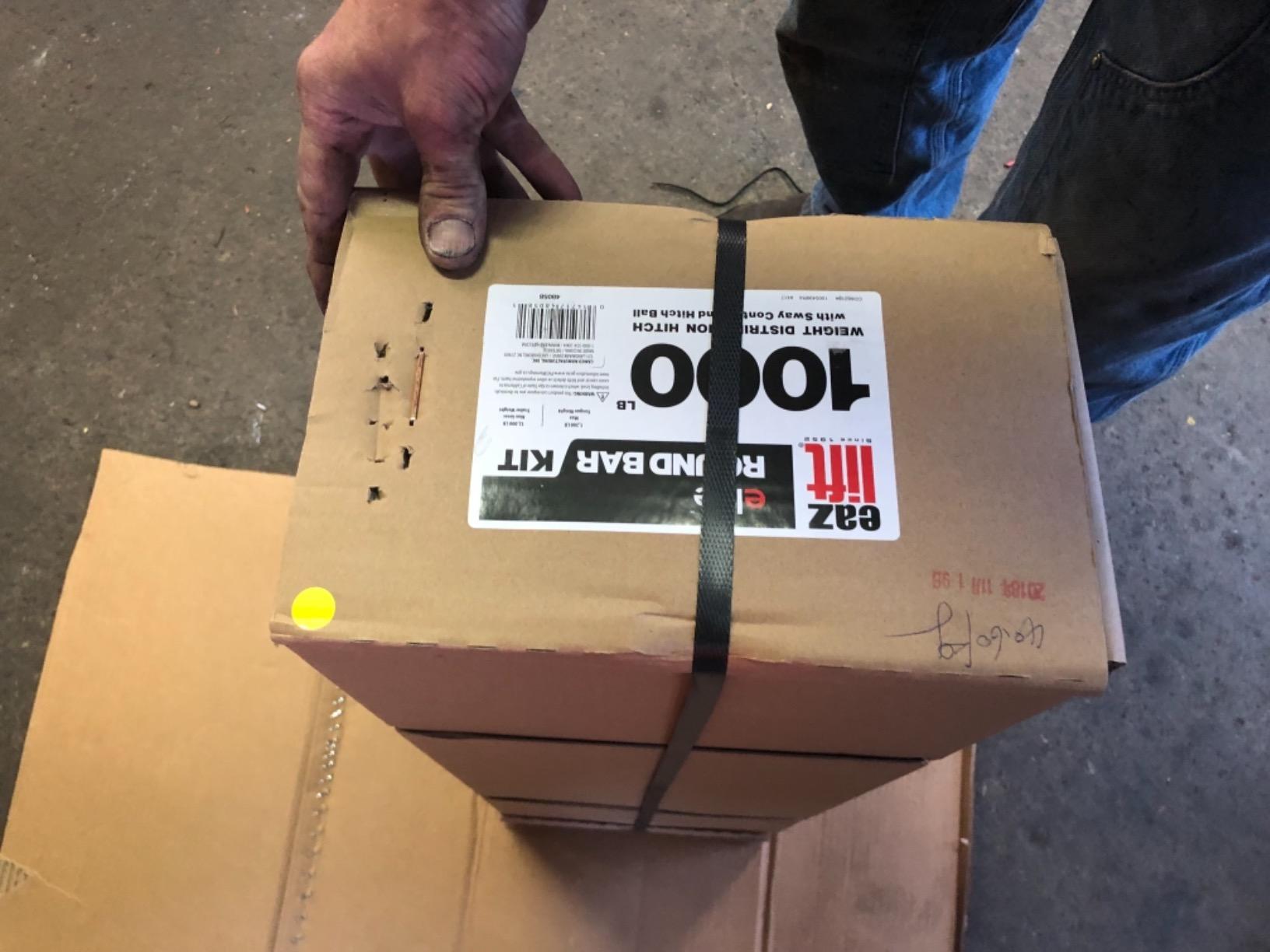
The kit itself is unusually complete. The 2-5/16 inch hitch ball, the sway control ball, the U-bolts and the chain package arrive pre-installed and torqued, so there is very little assembly before it goes on the truck. That matters more than it sounds, because the factory spring bars are interchangeable universal bars that can mount on either side of the hitch head, which makes getting the geometry right on the first attempt far easier.
Rated to 1,200 lb of tongue weight and 12,000 lb of gross trailer weight, it covers the middle of the travel trailer market. The adjustable 2 inch shank and reversible L-bracket handle rise and drop changes between tow vehicles.
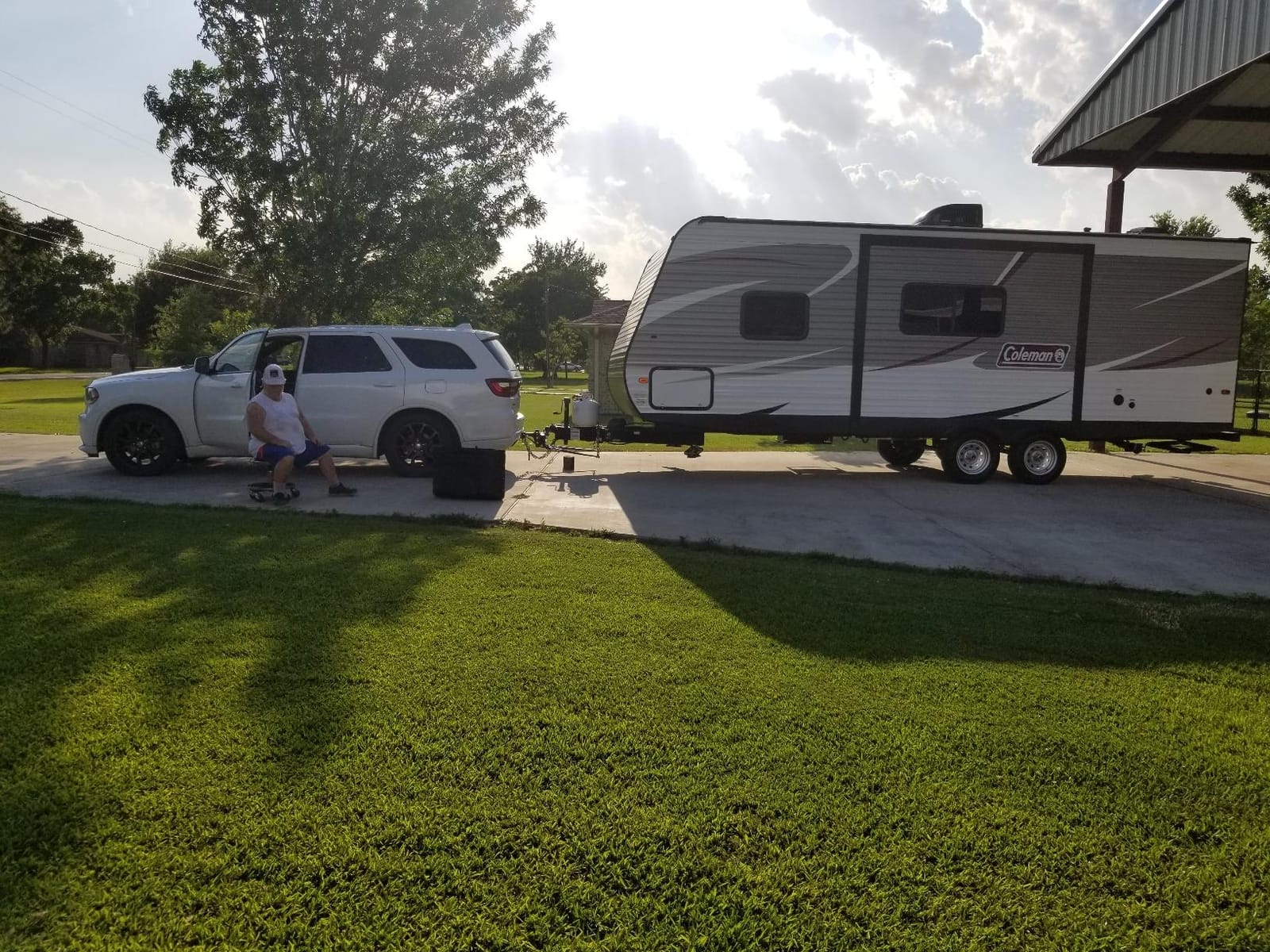
Where it fits the rigs that tow most often
This is the pick for a mid-size travel trailer on a half-ton or three-quarter-ton truck, particularly if you have never installed a weight distribution hitch before. The ready-to-tow packaging removes most of the assembly learning curve, and the manual sway control lever is straightforward to engage.
Owners report the sway control visibly reducing sway at highway speed, which is where the integrated four-point designs usually win. If your towing is mostly interstate at speed rather than crawling through state parks, that difference matters less than you might expect.
Where owners complain
The dominant complaint is noise. The sway control bar growls and creaks during low-speed turns and town driving, and some owners loosen or pull the lever when they are not on the highway. A second thread of complaints covers the instructions, which owners describe as poorly written enough that many rely on install videos or an experienced installer instead.
Be aware of two smaller items. A 3/4 inch torque wrench and 1-1/8 inch socket are needed to bring the 1,000 lb version bolts up to spec, and one owner reported a hitch pin showing wear after about 2,500 miles while a few sway control lock pins worked loose. The warranty is a limited one year from Camco.
2. CURT 17063 Round Bar 14,000 lb – Best for Heavy Trailers
CURT 17063 Round Bar Weight Distribution Hitch with Sway Control, 14,000 lb
1,000-1,400 lb tongue weight
Up to 14,000 lb GTW
Grease zerk fittings
Forged steel round bars
Pros
- Highest capacity option in the CURT round bar range
- Forged steel round spring bars and fabricated head
- Includes both the sway control kit and a pre-torqued 2-5/16 inch ball
- Grease zerk fittings make lubrication accessible
- Carbide black powder coat resists corrosion
Cons
- One of the heaviest listed units at roughly 100 lb
- Requires periodic greasing of the zerk fittings
- Adjustable 2 inch shank must be set per tow vehicle and trailer combination
If you tow near the top of the travel trailer range, capacity stops being a checkbox and becomes the reason you are shopping. The CURT 17063 is rated to 1,400 lb of tongue weight and up to 14,000 lb of gross trailer weight in this configuration, and it ranks second in the Towing Weight Distributing Hitches category with 1,257 reviews behind a 4.5 average.
The construction is straightforward heavy duty. Forged steel round spring bars bolt to a fabricated head, and the head carries integrated grease zerk fittings right at the bar mounts, so lubrication is a quick job rather than a disassembly project.
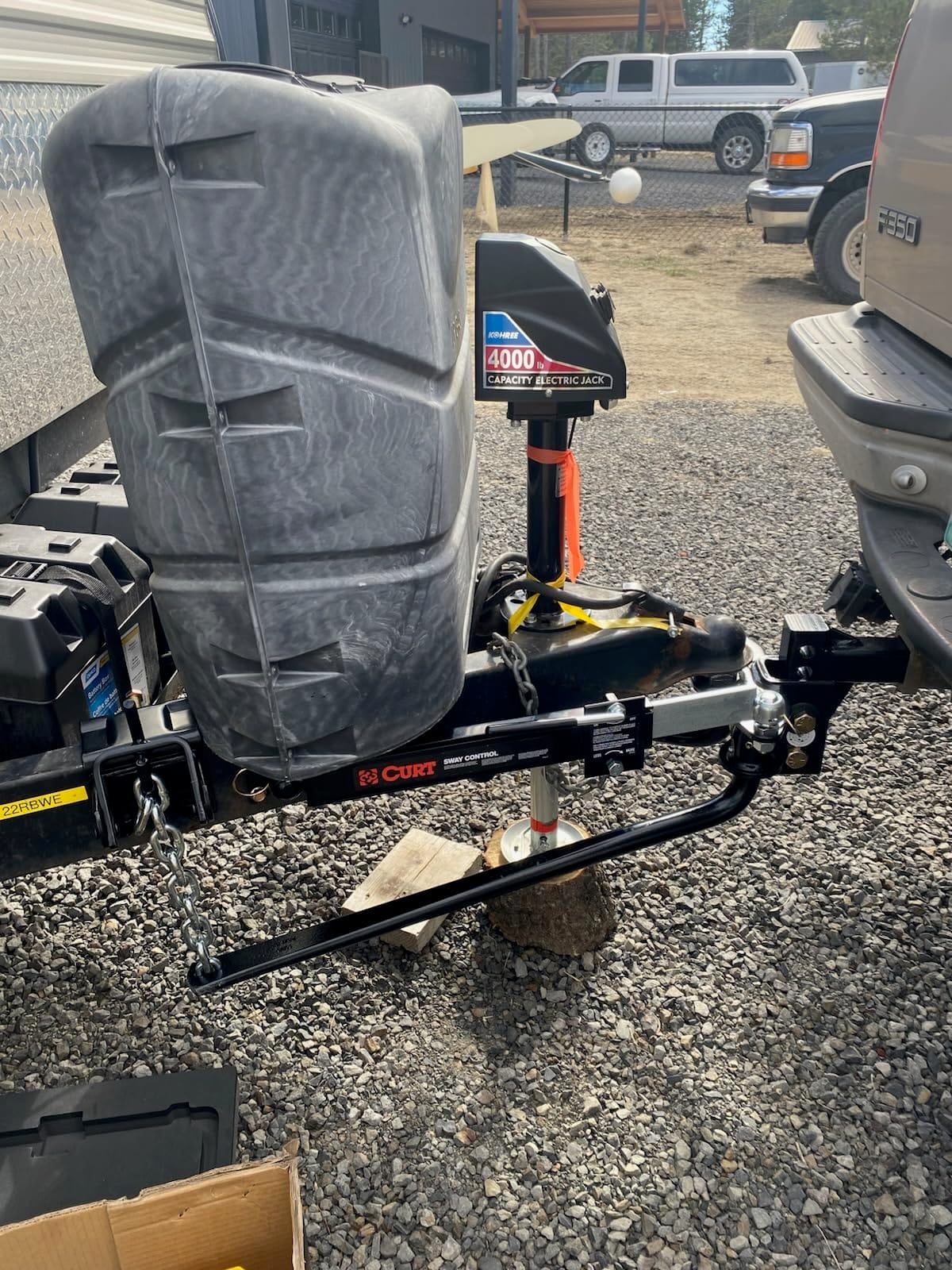
Two details make this an easier first purchase than most. The sway control kit is included, so you are not hunting down a separate bar, and the 2-5/16 inch trailer ball comes pre-torqued in the box. The lift handle on the head makes getting the spring bars threaded into place far less of a fight.
The adjustable 2 inch shank can be flipped for rise or drop depending on your truck and trailer, which is useful if you tow with more than one vehicle. Owners consistently point to strong steel construction and a smooth, level ride as the reasons they stayed with it.
How it fits a heavy rig
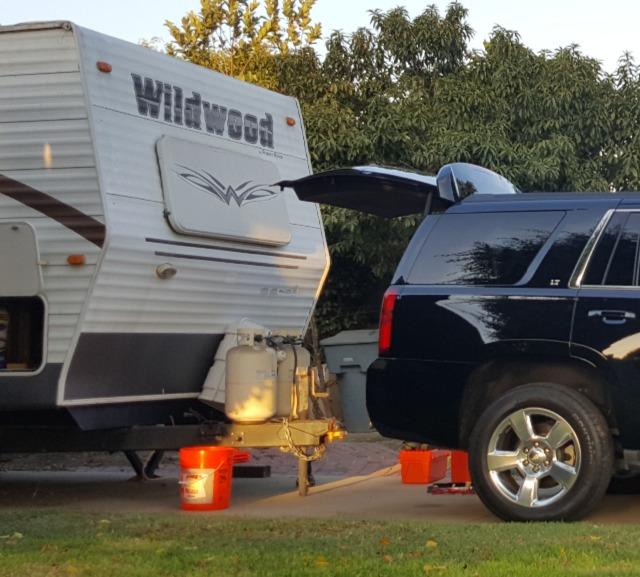
Pair this with a three-quarter-ton or one-ton truck and a large travel trailer, ideally with an electronic brake controller and trailer brakes. At 1,400 lb of tongue weight capacity, you have real headroom, and the included sway control kit means you do not have to bolt on a friction bar separately.
The round bar design is worth noting for anyone who cares about noise. Round bars flex slightly under load, which gives a smoother ride over expansion joints than stiffer rectangular bars, though they also transfer a touch less weight to the front axle.
What to plan for
At roughly 100 lb, this is the heaviest unit in the roundup by listing, and installing it on the receiver is a two-person job. That weight eats into a half-ton’s payload budget badly, so this is not the right hitch if your truck is payload limited.
You will also need to keep the grease zerks serviced. Skipping lubrication is the most common long-term complaint about this style of hitch, and the head design puts the fittings in easy reach if you stay on top of it. Finish coverage is one year on a limited lifetime warranty.
3. Andersen 3303 No Sway No Bounce 14K – Best Premium Pick
Andersen Hitches Weight Distribution Hitch 2 Inch Shank 6 Inch Drop 2-5/16 Inch Ball 14K GTWR 3 4 5 6 Inch Brackets Anti-Sway
14,000 lb GTWR
Integrated No Sway No Bounce bar
2 inch shank, 6 inch drop
Lifetime warranty
Pros
- Sway control is built into the weight distribution system
- Backs into campsites without releasing the hitch
- Multiple shank drop and frame bracket options for precise fitment
- Lifetime manufacturer warranty
- Alloy steel construction built in the USA
Cons
- Most expensive unit in this roundup by a wide margin
- Weighs considerably more than chain-style budget hitches
- Requires confirming frame rail width and required drop before ordering
The Andersen’s whole argument is that its bars hold themselves against the frame instead of hanging on chains or pinching against a friction pad. That single design decision produces the quiet ride owners describe and the freedom to back up without touching anything.
With a 4.5 rating across 788 reviews, it has one of the largest review bases of any premium hitch in this group. Buyers consistently mention the smooth, quiet ride and being able to back into a campsite without disengaging the hitch.
Fitment is unusually flexible. The 2 inch shank with a 6 inch drop handles tall trailer frames, and the included brackets fit 3, 4, 5 or 6 inch frame rails, so the same head covers a wide range of trailers. The 2-5/16 inch ball is included, along with mounting plates, bolts and chains.
At a 14,000 lb GTWR rating, the capacity is not the constraint. On a Good Sam Community thread, one member switched to an Andersen and reported it was easy to install and pulled smooth and quiet. Another Forum owner with a truck carrying only about 990 lb of payload chose the Andersen specifically because it is roughly half the weight of traditional weight distribution hitches.
Who this suits best
This is the hitch for people who care about noise more than anything else, and who back into tight campsites regularly. An owner on r/traveltrailers described the appeal of chain-free bars in exactly those terms, and the No Sway design delivers that without the chains.
It is also a strong choice on a half-ton truck where payload is the limiting factor, since the aluminum-and-steel construction keeps the unit lighter than the heaviest steel hitches here. Owners who upgraded from a chain system usually report the change is most noticeable in the first hundred miles.
Where it falls short
Cost is the dominant drawback. It sits well above the rest of this roundup, and it is the least forgiving purchase in the category because you have to confirm frame rail width and required drop before ordering rather than adjusting later.
One limitation worth knowing: several owners report the Andersen struggles to move enough weight forward when the tow vehicle is already sagging or when tongue weight approaches the payload ceiling. A Forum owner towing an A-frame with 420 lb of actual tongue weight behind a front-wheel-drive minivan reported trouble getting enough forward weight transfer and went with a different brand instead. If you are at your payload limit, weigh this carefully.
4. Husky 30849 Weight Distribution Hitch – Best for Height Adjustment
Husky Weight Distribution Hitch 30849, Round Bar, 800 to 1200 Pound Tongue Weight, 12000 Pound Gross Trailer Weight, Includes 10 Inch Shank, with 2-5/16 Inch Ball, Steel
1,200 lb tongue weight
12,000 lb GTW
8 inch total height adjustment
Bolt-together shank
Pros
- Bolt-together ball mount and shank is easier to transport and store
- Generous 8 inch of total height adjustment fits many combinations
- Includes both a 2-5/16 inch trailer ball and the sway control
- Interchangeable spring bars mount on either side of the head
- Black polyester finish resists rust and corrosion
Cons
- Heaviest listed weight in the roundup at 104 lb
- Requires two people to lift onto the receiver
- Dual sway control platform needs a 1-1/4 inch shank trailer ball
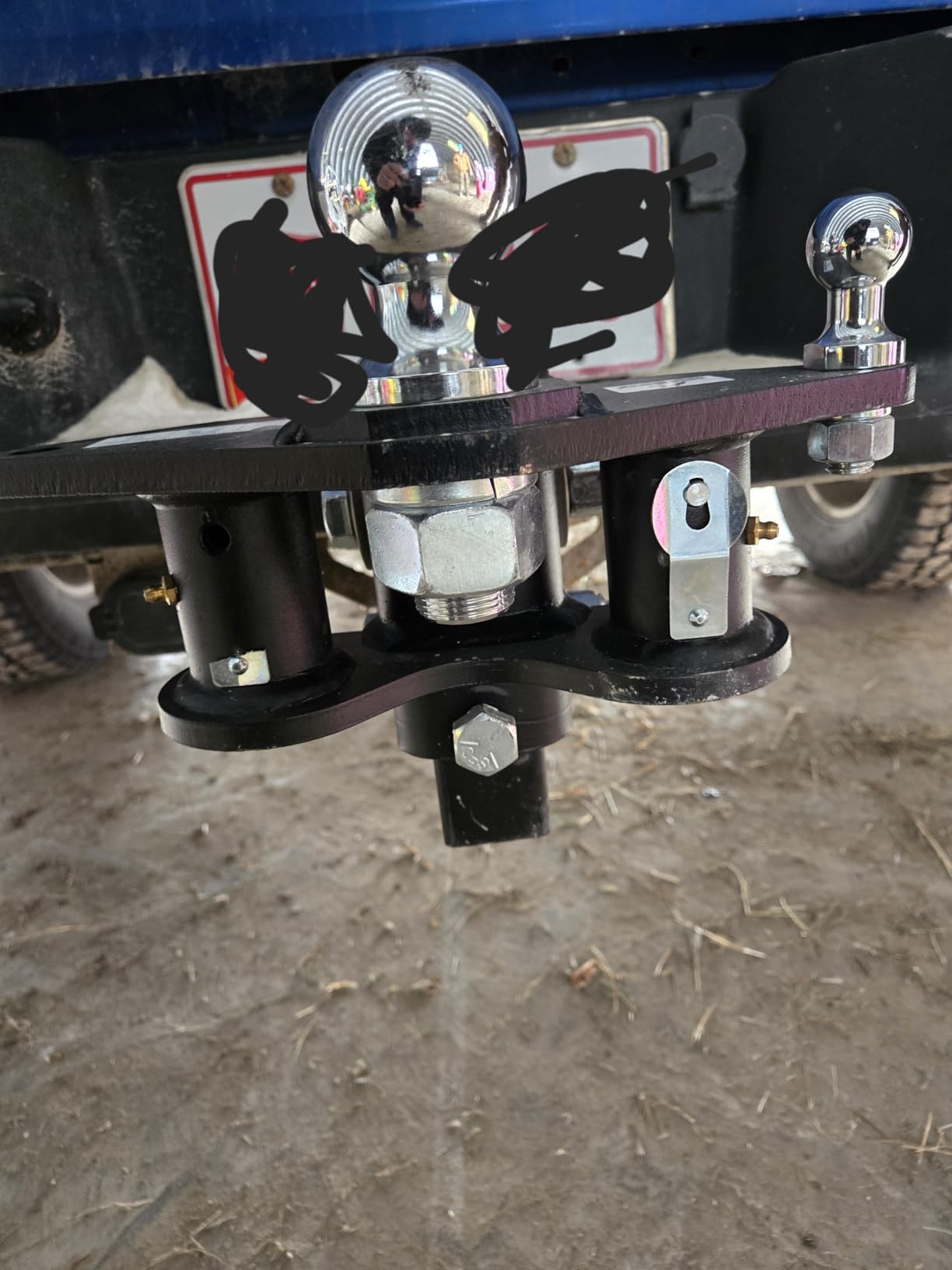
Most hitch problems come down to geometry – the ball sits at the wrong height for your truck, so the coupler sits nose-high or nose-low and the trailer tows badly. The Husky 30849 attacks that directly with eight inches of total height adjustment, spanning a 5-5/8 inch rise and a 2-3/8 inch drop.
That range is genuinely unusual in this category. Reviewers highlight it as one of the main strengths alongside the durable finish and the fact that the trailer ball and sway control both come in the box. The 4.6 rating across 593 reviews puts it near the top of the group.
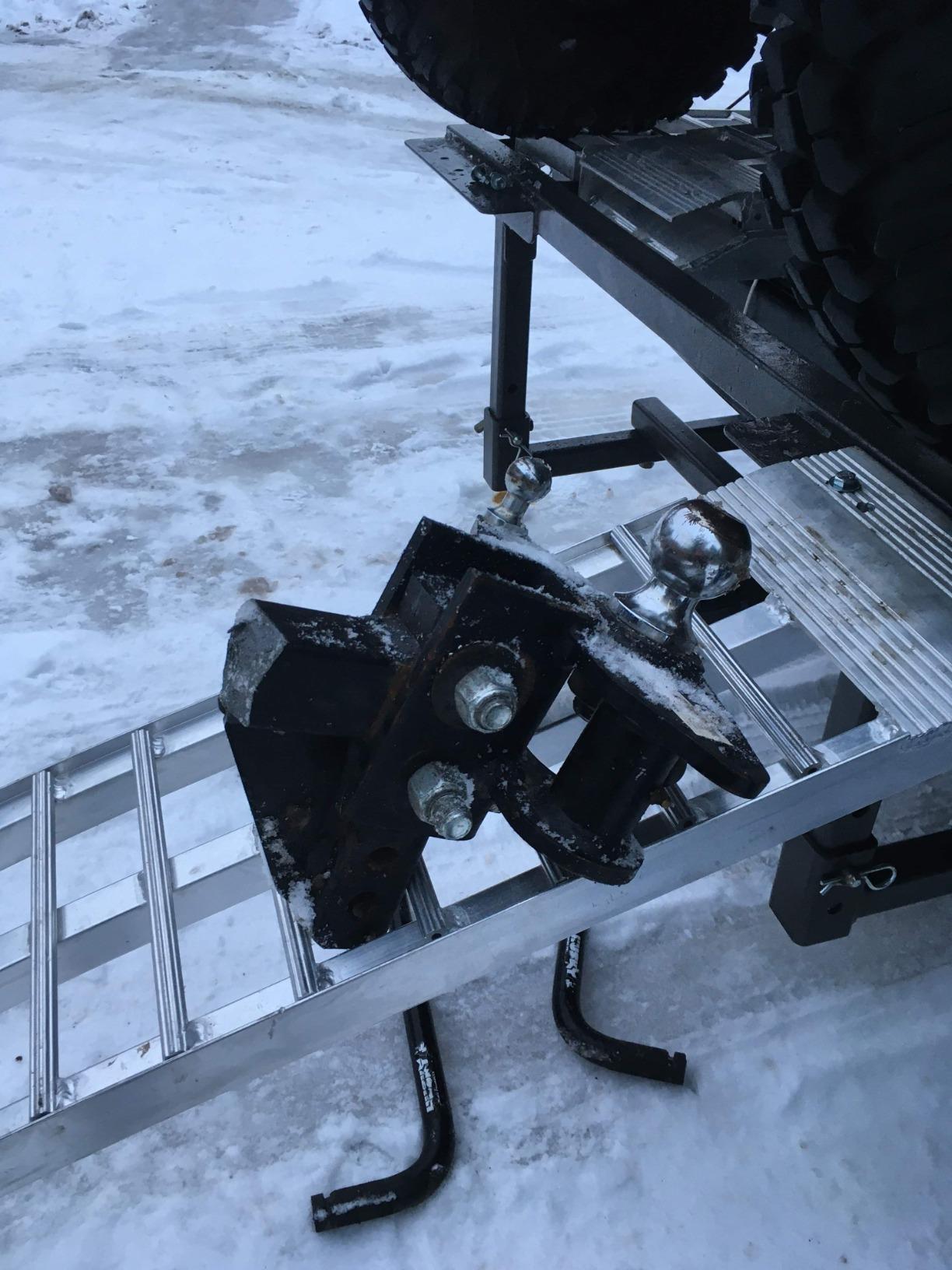
The bolt-together design is the other idea worth liking. Instead of a welded shank-and-ball assembly, the ball mount and shank separate, which makes the whole unit far easier to carry to a workbench, change between vehicles, or stash in a garage. The interchangeable spring bars can mount on either side of the head, so you are not forced into one bracket geometry.
Dimensions are well documented, which helps when you are matching to your truck: a 10 inch shank, 5-5/8 inch rise, 2-3/8 inch drop, and 12-3/4 inch from ball center to pin hole.
Where the adjustability earns its keep
Pick this if your tow vehicle is a short-traveler truck, a full-size SUV with a factory hitch, or anything where the ball ends up far from your trailer’s coupler height. Being able to dial in the exact height without swapping a drop shank removes one of the most common sources of a bad ride.
It is also a good choice for anyone who switches vehicles regularly, since the bolt-together shank makes that a two-minute job. The black polyester powder coat has a residential towing warranty for the life of the product.
What to plan for
Weight is the main problem. At 104 lb, this is the heaviest listed unit in the roundup, and owners consistently call the initial lift onto the receiver the hardest part of ownership. On a half-ton truck, that weight comes directly out of a payload budget that probably cannot spare it.
One specification catches people out. The dual sway control platform has a 1-1/4 inch hole on the head assembly, which requires a 1-1/4 inch shank trailer ball – a less common size than the standard 2-5/16 inch ball. Confirm your ball size before the day you need it.
5. CURT 17500 TruTrack 4P – Best Value
CURT 17500 TruTrack 4P Weight Distribution Hitch with Sway Control, 10K
Integrated four-point sway control
800-1,000 lb tongue weight
Trunnion forged steel bars
Fixed-support brackets
Pros
- Four-point sway control sharply reduces sway versus chain equalizers
- Fixed-support adjustable brackets are more secure than chains and snap into place quickly
- Higher ground clearance than chain models for driveways and campsites
- Weighs far less than comparable chain-style hitches at its capacity
- Grease zerk fittings and a limited lifetime warranty
Cons
- Setup and leveling are finicky and can take four hours or more
- Leveling bars and L-brackets can bend if over-torqued
- Instructions lack a setup troubleshooting section
Sway performance is where this hitch separates itself. Owners report near-total elimination of sway in crosswinds and when passing semis, and that is the single most common theme across its 580 reviews at a 4.5 rating.
The mechanism is a spring and cam system with hardened components rather than friction alone. The trunnion-style forged steel spring bars snap into adjustable fixed-support brackets, so there are no chains to count and no chain slack to tune.
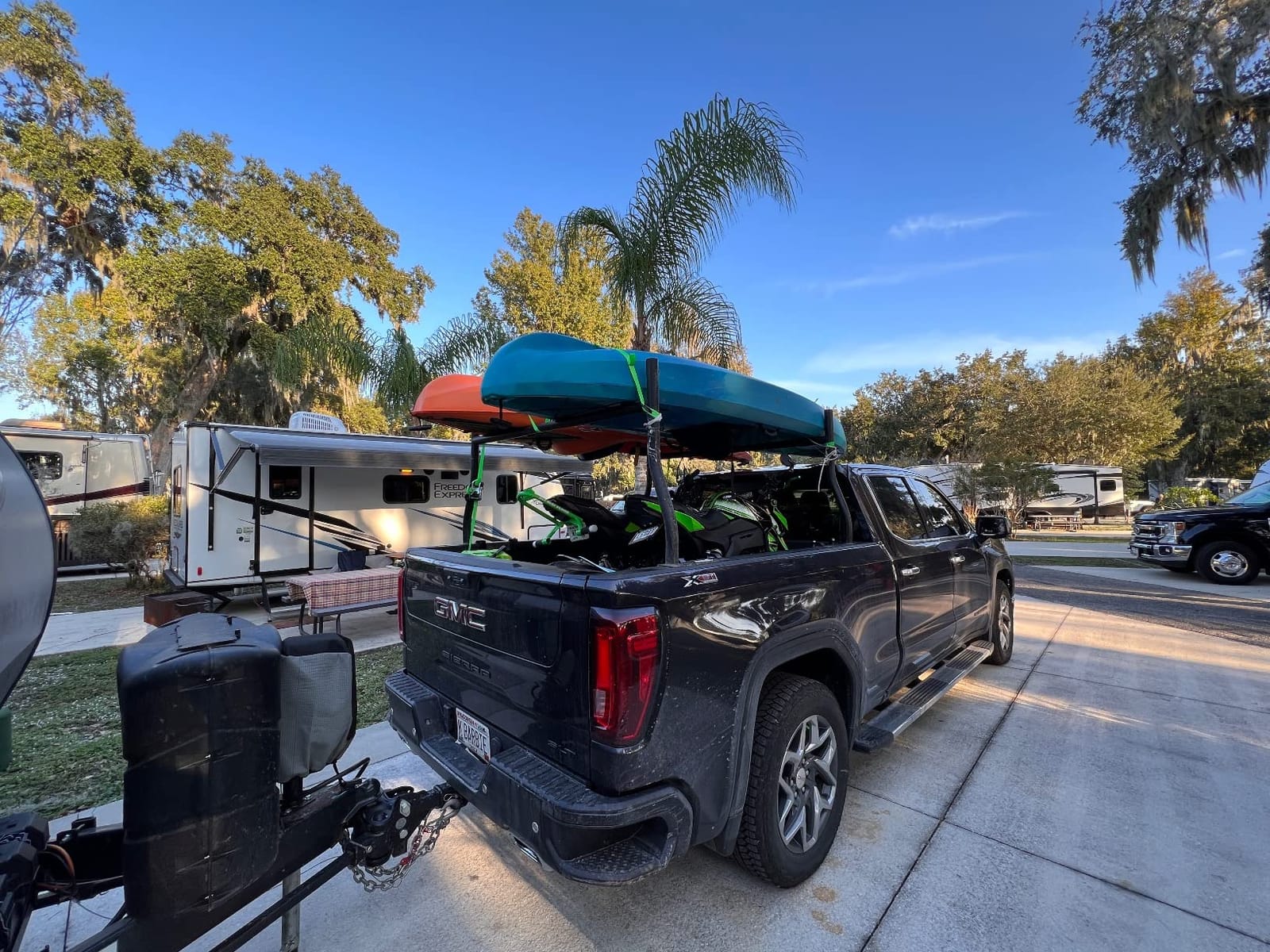
Two practical benefits follow from that design. Higher ground clearance than chain models makes hooking up over a driveway lip or campsite grade noticeably easier, and multiple owners report years of trouble-free use with the lube zerks as the only maintenance.
The adjustable 2 inch shank and included 2-5/16 inch ball handle most configurations, and the fixed-support brackets give more positive engagement than the L-bracket and chain arrangement on cheaper hitches. Owners also point out that it weighs far less than comparable chain-style hitches at the same capacity.
Where the four-point design pays off
Choose this if you tow long and tall trailers on interstate highways in a region with crosswinds and heavy truck traffic. That is exactly the condition that makes a fishtail start, and a four-point system resists the pivot from four directions rather than squeezing from two.
It also stays attached for backing up. Owners note you can back with it connected, though the bars should come off for sharp 90 degree turns. Compared with the chain systems it replaces, it is a step up in both control and convenience for the same money band.
Setup is where the time goes
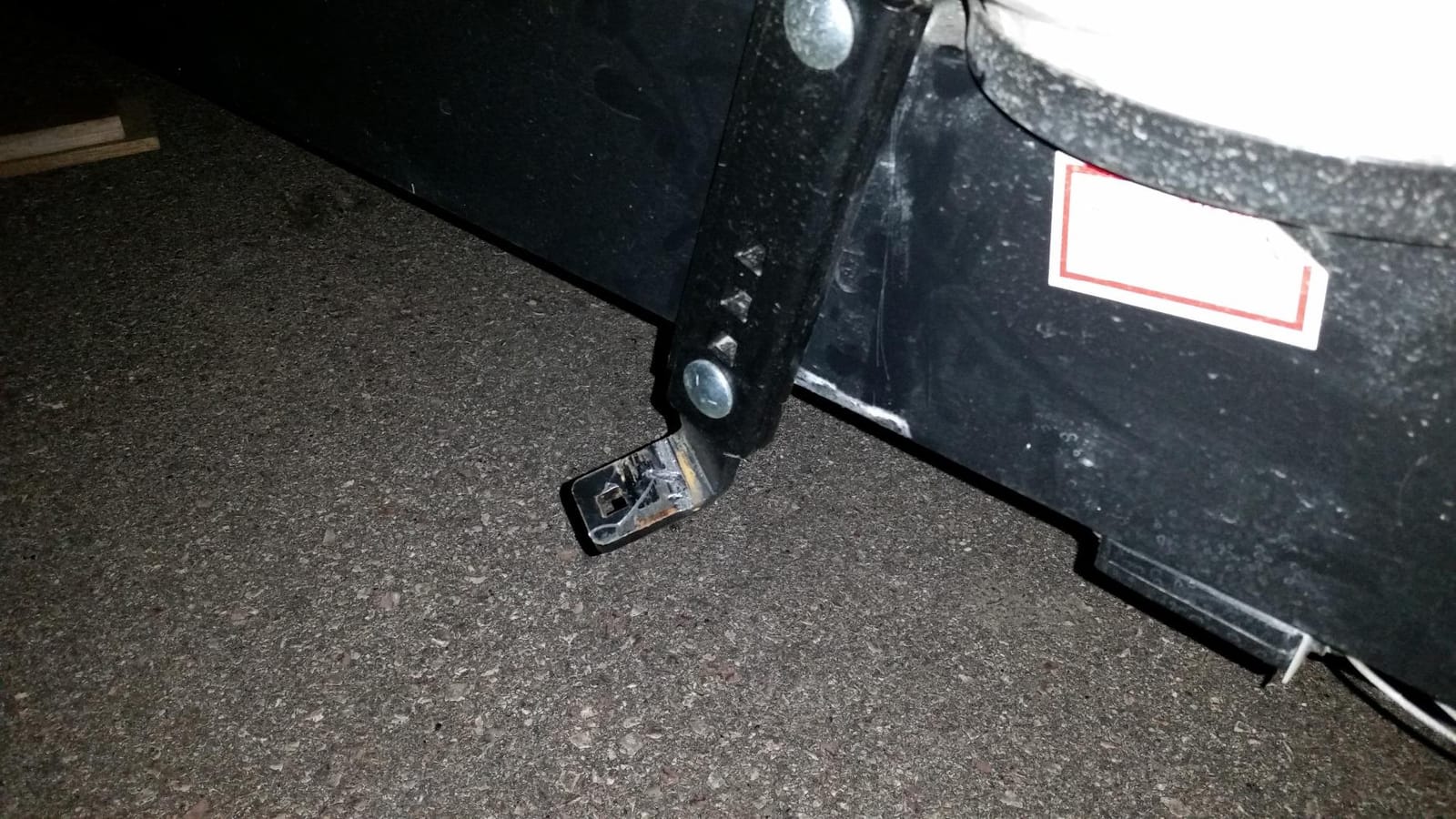
Be honest with yourself about this one. Several owners spent four hours or more and still could not get the truck and trailer perfectly level. The recurring failure report is bent leveling bars and L-brackets caused by torquing everything too tightly, and one owner resolved it with a tightened bolt kit.
Other minor notes: the instructions have no troubleshooting section, some units arrived with bent metal parts, and the paint flakes into light surface rust after a couple of seasons of frequent use. The listing weight of 12 lb looks wrong for a unit this size, so plan on two people for the lift. Finish coverage is one year on a limited lifetime warranty.
6. Equal-i-zer 90-00-1000 4-Point – Best for Parts Support
Equal-i-zer 4-point Sway Control Hitch, 90-00-1000, 10,000 Lbs Trailer Weight Rating, 1,000 Lbs Tongue Weight Rating, Weight Distribution Kit Includes Standard Hitch Shank, Ball NOT Included
1,000 lb tongue weight
10,000 lb GTW
Integrated 4-point sway control
Lifetime warranty
Pros
- Integrated four-point sway control is the highest resistance the brand offers
- Keeps the tow vehicle front axle planted for steering and braking
- Universal fit for nearly any bumper-pull trailer including surge brake models
- Generous 7 inch rise and 3 inch drop range handles high frames
- Limited lifetime warranty
Cons
- Hitch ball is not included in this variant and must be bought separately
- At 102 lb it needs two people to lift onto the receiver
- Frame height and bracket position must be measured to confirm fitment
Long-term ownership is where the Equal-i-zer earns its reputation. A Texas owner on Forest River Forums named Tundra 2014 named the brand specifically for parts availability anywhere, which matters if you are two states from the nearest dealer at the moment something bends.
The hitch itself is a 4-point integrated design rated to 1,000 lb of tongue weight and 10,000 lb of gross trailer weight, with a 4.5 average across 378 reviews. Owners credit it with visibly steadier towing and better front axle tracking, and the lifetime warranty adds confidence for long-haul owners.
The fitment numbers are unusually well documented for a listing. Shank length is 12 inches, maximum rise is 7 inches from the top of the receiver opening, maximum drop is 3 inches, and the maximum trailer frame height is 6 inches. The spring bars measure 36 inches long by 1-3/8 inch wide, and the sway control brackets sit 27 to 32 inches back from the center of the coupler.
That level of specification makes it easy to check before you buy rather than after. The universal fit covers virtually any bumper-pull trailer, including RV, horse, cargo, boat and utility models, and surge brake trailers as well.
Who should buy this one
This is the pick for owners who keep their rig for a decade or more, or who travel far from a dealer. The alloy steel, powder-coated build and limited lifetime warranty mean a single frame bracket or bolt is a solvable problem rather than a reason to buy a new hitch.
It is also a good match for a mid-size travel trailer on a three-quarter-ton truck. The rise and drop range is generous enough to fit a high trailer frame, and the 10,000 lb GTW rating covers most bumper-pull trailers without pushing the limits.
What to plan for
The hitch ball is not included in this variant and has to be purchased separately, which is the most common purchase-day frustration owners report. Check the ball size you need before you order so the total cost lands where you expect.
At 102 lb this is one of the heaviest hitches here, so lifting it onto the receiver takes two people. That weight is also why owners on payload-limited trucks tend to look elsewhere. Measure your frame height and confirm the bracket position fits your trailer, because a 6 inch maximum frame height is a real constraint on lifted trailers. If low-speed squeaks appear, the same Forum owner who recommends the brand for parts fixes them with nylon hanger pads.
7. Camco Eaz-Lift ReCurve R3 – Best for Quiet Operation
Camco Eaz-Lift ReCurve R3 RV Weight Distribution Hitch Kit, 1000 lb, 48752
1,200 lb tongue weight
12,000 lb GTWR
Top-loading chain-free bars
No grease points
Pros
- Exceptionally quiet with no clunking
- creaking or chain rattle
- Top-loading spring bars install from above and cannot drop out
- Very easy to dial in with a measurable rear suspension drop
- Single-piece bars feel more secure than chain-style systems
- Five year warranty with five year spare parts availability
Cons
- Heavy at 89 lb and needs a two-person lift
- Camco customer support is hard to reach
- Supplied lock washer and nut reported to strip when torqued to spec
If noise is the thing that drives you crazy about towing, this is the design that solves it structurally. The ReCurve R3 uses patented top-loading spring bars with no chains and no grease fittings, so there is nothing to clunk, creak or squeak during a turn.
That silence is the signature praise across its reviews, described as a major upgrade over chain hitches. The bars load from above and cannot drop out of the hitch, which also makes installation faster and back-up simpler.
The sway control has an adjustable clamp that turns on and off with a single included tool, so you can disengage it for tight maneuvering without taking anything apart. The 2-5/16 inch ball is included and rated well above what the hitch needs, and superior ground clearance reduces the physical effort of hooking up.
Owners report that dialing it in is unusually easy, with one measuring a rear suspension drop of about 3/4 inch with this hitch compared to more using others. At 1,200 lb of maximum tongue weight and 12,000 lb of maximum GTWR, the capacity matches the Elite in this roundup.
Where quiet matters most
Pick this if you tow at low speed a lot – national park roads, tight campground loops, neighborhood streets – or if a noise-sensitive cab is part of why you enjoy towing. The grease-free design also removes a maintenance item, since there is nothing to service between uses.
It is a good match for owners with more than one tow vehicle too, because the adjustable sway clamp and single-piece bars make switching setups less fiddly. The five year warranty and five year spare parts availability are among the better coverage commitments in this category.
Where owners run into trouble
Two issues come up repeatedly. First, support. Owners report Camco customer support is hard to reach, with emails going unanswered and the Eaz-Lift website not active, which is a real problem if a part needs replacing years from now.
Second, small hardware. The supplied lock washer and nut are reported to be cheap and to strip when torqued properly, so replace them with quality fasteners before the first tow. Design changes also mean online instructions may not match the unit in your hands. Weight is 89 lb, so plan a two-person install.
8. Fastway E2 2-Point 800 lb – Best for Smaller Rigs
Fastway e2 2-Point Sway Control Round Bar Hitch, 94-00-0800, 8,000 Lbs Trailer Weight Rating, 800 Lbs Tongue Weight Rating, Weight Distribution Kit Includes Standard Hitch Shank, Ball NOT Included
800 lb tongue weight
8,000 lb GTW
Built-in 2-point sway control
Round bar design
Pros
- Integrated 2-point sway control removes the need for a separate add-on bar
- No backing or turning restrictions while still connected
- Lightest listed weight in this roundup at 78 lb
- Distributes weight to both truck and trailer axles to plant the front axle
- 10 year limited warranty
Cons
- Lowest rating in the roundup at 4.2 with an 11 percent one-star share
- 8
- 000 lb capacity is the smallest here and will not suit heavier trailers
- Hitch ball is not included
- Listed as vehicle specific fit so receiver compatibility needs checking
This is the hitch for a smaller travel trailer or a lightweight setup where 8,000 lb of gross trailer weight is genuinely enough. The built-in 2-point sway control means you never install a separate friction bar, and the spec sheet lists no backing or turning restrictions while it stays connected.
That last point is a real convenience advantage. Chain-style hitches generally require releasing or removing bars before a sharp turn, and owners of the Fastway specifically call out being able to back into a campsite with the hitch still working.

At 78 lb it is the lightest listed unit in this roundup, which matters on a half-ton truck with a tight payload budget. A Forum owner running a trunnion-style 600/6000 Fastway E2 reported the whole system weighing about 100 lb and added washers to fine-tune weight transfer, which is a useful trick to keep in your back pocket if the transfer does not look right.
The standard hitch shank is included. Like several hitches here, the 2-5/16 inch ball is not, and the 10 year limited warranty is a solid commitment for the class.

Who it suits
This fits a small to mid-size travel trailer behind a half-ton truck, a lightweight A-frame, or a first RV where you are towing under 8,000 lb loaded. An owner towing a Flagstaff A-frame with 420 lb of actual tongue weight reported porpoising badly without a weight distribution hitch and described that as potentially dangerous – if you recognize the problem, this size class is enough to fix it.
The round bar design also gives a smoother ride over expansion joints than stiffer bars, and the 2-point integration keeps the assembly simple to maintain.
Where the rating holds it back
Be clear-eyed about the numbers. A 4.2 average is the lowest in this roundup, with an 11 percent one-star share, which is noticeably higher than competitors. Read the three-star feedback before you commit.
Capacity is the practical limit: 8,000 lb gross trailer weight will not suit a heavier travel trailer no matter how well it is set up. The hitch ball is not included, and the listing is marked as vehicle specific fit, so confirm your receiver type before ordering.
9. CURT 17052 MV Round Bar 10,000 lb – Most Versatile
CURT 17052 MV Round Bar Weight Distribution Hitch, Up to 10,000 lbs., 2-Inch Shank
10,000 lb GTW
Forged steel round spring bars
Adjustable fabricated head
2 inch receiver shank
Pros
- Strong value with owners comparing favorably against dealer pricing
- Forged steel round spring bars and heavy fabricated head feel solidly built
- Straightforward assembly and simple to set up
- Effectively levels a half-ton truck and improves handling
- Limited lifetime warranty with a grease zerk fitting
Cons
- Hitch ball is not included
- Sway control is a separate add-on rather than integrated
- Requires periodic greasing of the zerk fitting
- Weight is not published on this listing
Value is the theme across the reviews of this one, with multiple owners noting that a dealer wanted roughly double for a comparable hitch. At a 4.5 average across 142 reviews, it punches above the price band it sits in.
The build is simple and heavy duty: round forged steel spring bars, a heavy-duty fabricated head that adjusts for precise leveling, and an integrated grease zerk for continuous lubrication. Rated to 10,000 lb GTW in this configuration with a universal fit and a 2 inch receiver shank.
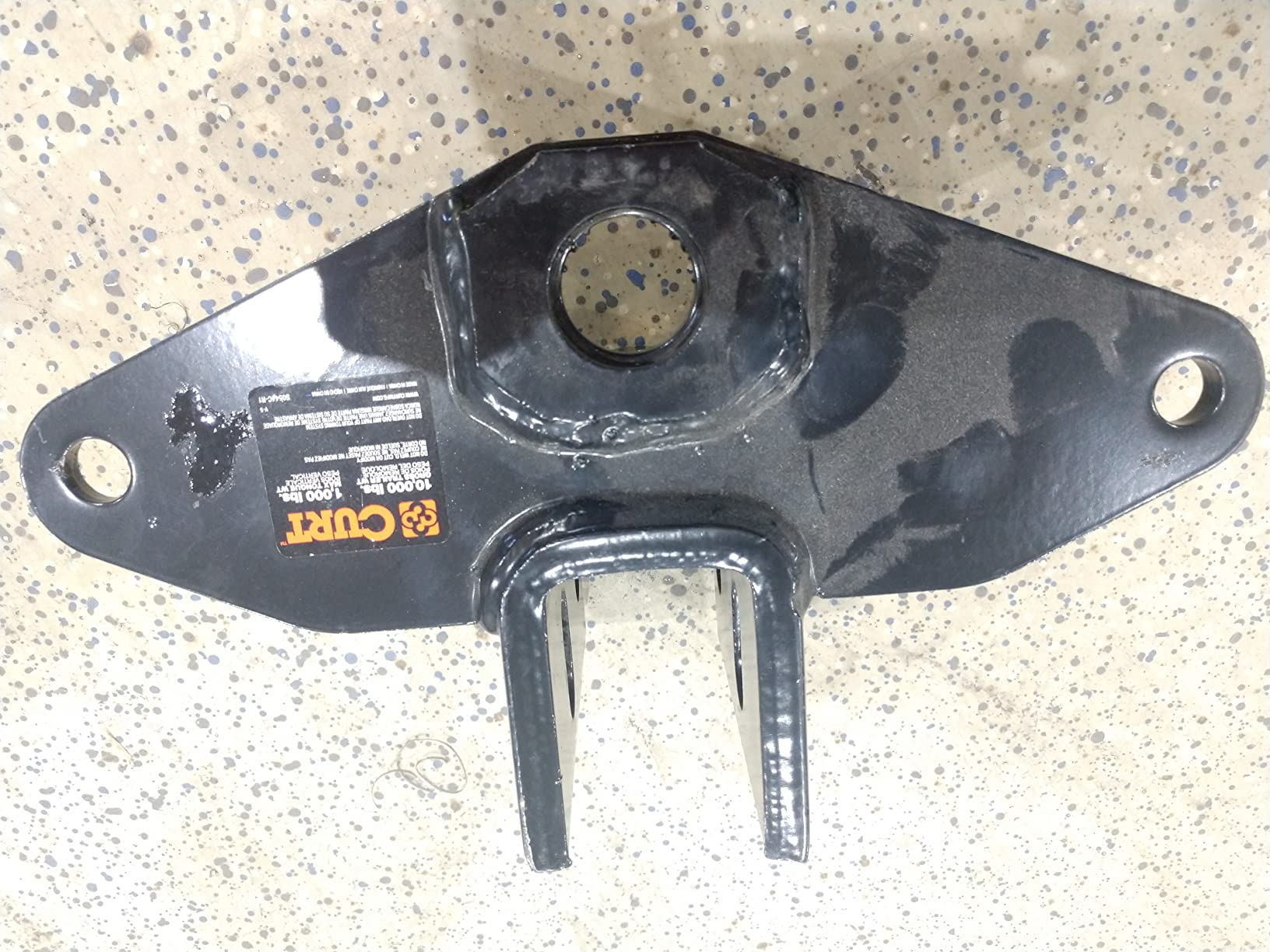
Owners confirm that it does its primary job well, leveling the truck and trailer and noticeably improving handling on half-ton trucks. Assembly is straightforward, which makes it a reasonable first weight distribution hitch if you are installing one for the first time.
The 4.5 rating with a 75 percent five-star share is a solid track record for an entry-level unit, and CURT backs it with a limited lifetime warranty.
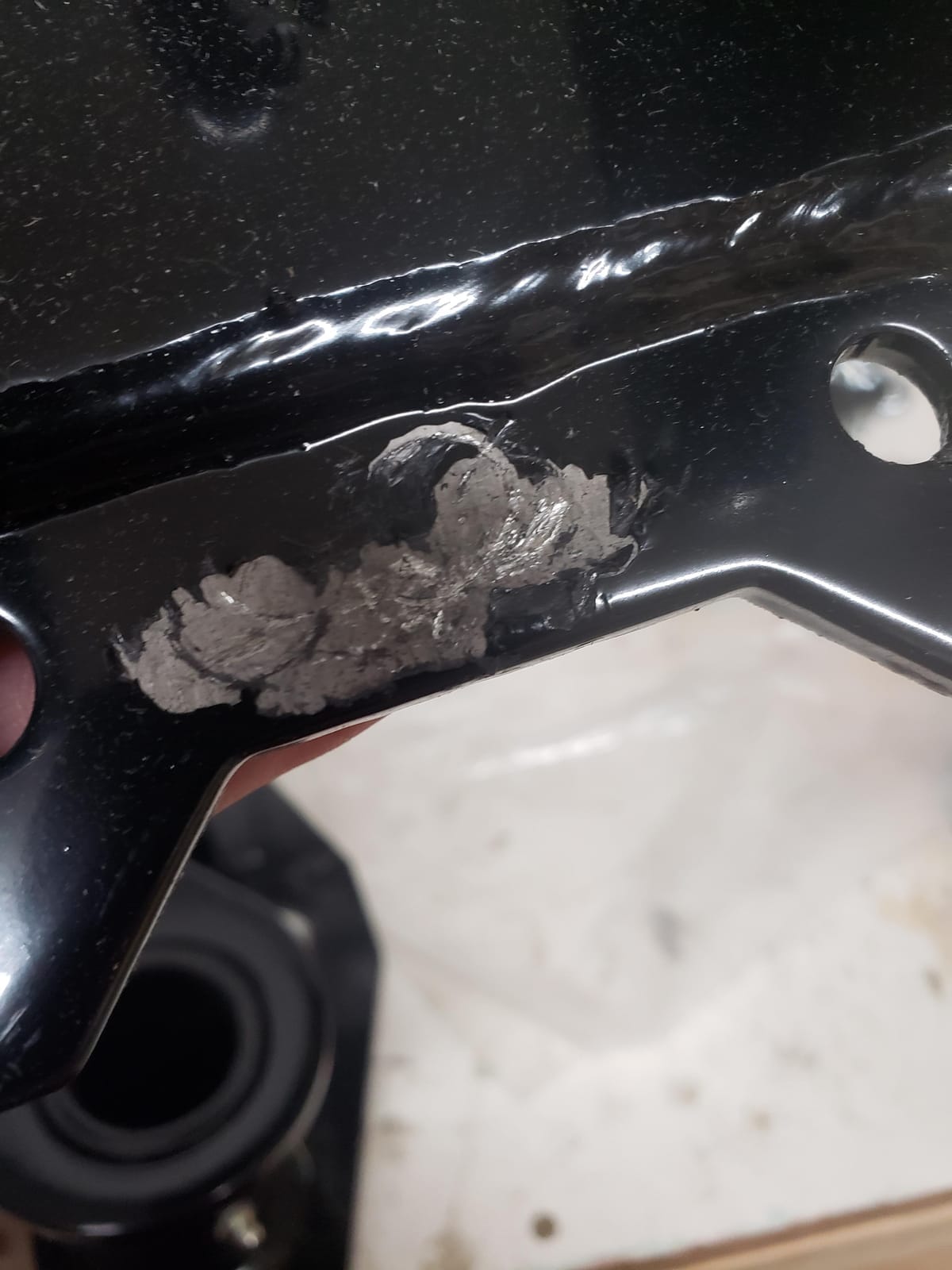
Where it makes sense
Buy this if your budget is the deciding factor and your trailer sits under 10,000 lb loaded. It handles leveling well, and the round bars give a compliant ride that owners appreciate over rough roads.
It is also a sensible choice as a bare weight distribution system if you already own, or plan to buy, a separate sway control bar and can live with the extra step at the campground.
What you give up
The big one is that sway control is a separate purchase. Some owners report disappointment with the optional sway attachment, so budget for that separately if you tow in crosswinds or heavy traffic.
The hitch ball is not included, the zerk fitting needs periodic greasing to keep working properly, and this listing does not publish a weight, which makes planning the lift harder. With no integrated sway control and no chains to speak of, this is the pick for value-first owners who are comfortable adding the sway piece themselves.
10. XtremepowerUS 1,000 lb Kit – Best All-in-One Kit
XtremepowerUS 1,000 lb Weight Distribution Hitch with Sway Control, Heavy Duty Trailer Towing Equalizer Kit, 2-Inch Shank for RV & Travel Trailers
1,000 lb tongue weight capacity
2 inch shank
Includes sway control and chains
All-in-one hardware kit
Pros
- Complete kit with spring bars
- mounting brackets
- chains and hardware
- 1000 lb tongue weight suits typical mid-size travel trailers
- Sits below the major brand kits while including sway control
- Alloy steel construction for repeated towing use
Cons
- Short 90 day manufacturer warranty
- Lowest category sales rank of the group with far fewer reviews
- Highest share of mid-range three-star feedback
- Weight is not published for this listing
Everything arrives in one box: spring bars, mounting brackets, chains, adjustment hardware and the sway control component, so there is no hunting for a separate bar after the fact. For someone who wants a complete kit at the lower end of the category, that packaging is the main argument.
The 1,000 lb tongue weight capacity is a sensible match for typical mid-size travel trailers and campers, and the 2 inch shank has multiple adjustment positions for tow height and alignment. Alloy steel construction is intended for repeated towing use, and the design aims to level the rig and limit sway during highway driving. It is a functional design rather than a refined one, which is the honest summary of a 4.4 average across 97 reviews.
Where it works
Buy this if you want everything at once, on a mid-size trailer, without comparing accessory kits. It suits owners who want a straightforward chain-and-sway-bar arrangement and do not need the refinement of an integrated four-point system.
For a first weight distribution hitch on a smaller trailer, the completeness of the box is genuinely convenient.
Where you should look elsewhere
The warranty is the biggest concern. Ninety days is a fraction of what CURT, Fastway, Andersen and Camco offer, and on a component that lives under a loaded truck for years that gap matters if a bracket cracks.
Review volume is also thin at 97 reviews, with the highest share of three-star feedback in this group and the lowest sales rank in the category. Durability is less well documented simply because fewer people own one. If you want a hitch with a decade of owner history behind it, any of the picks above it will serve you better.
Do You Need to Remove the Hitch to Back Up?
It depends entirely on the mechanism, and this question trips up more new owners than any other. Chain-style and friction-bar systems generally need attention before a sharp turn; integrated systems generally do not.
Integrated two-point and four-point systems stay connected. The Fastway E2 lists no backing or turning restrictions at all, the Andersen backs into campsites without release, and the CURT TruTrack 4P stays attached for backing up, though owners recommend removing the bars for sharp 90 degree turns.
Chain-based bars can stay in for gentle backing but should be released for tight turns. An owner on r/traveltrailers praised the Blue Ox SwayPro specifically because it uses chains instead of friction, calling it fairly quiet and reversible. Another member on iRV2 reported the same, adding that their dealer had installed hundreds of them.
Friction sway bars should be disengaged before tight maneuvering. The Camco Elite’s manual lever exists for exactly this reason, and some owners pull it entirely when they are not highway towing.
The practical rule: if you routinely back into tight campsites, buy an integrated design with an on/off sway control, and you will never think about this again.
Weight Distribution vs Sway Control – What You Actually Need
Weight distribution moves load vertically. Sway control resists lateral movement. They solve different problems and you need both, but understanding the split tells you what to prioritize.
Weight distribution is about geometry. Without it, the truck squats, the front tires lighten, and steering and braking suffer. Every hitch in this roundup does this job, and it is non-negotiable once you pass roughly 3,000 lb loaded.
Sway control is about the rig pivoting side to side around the hitch ball. A trailer with too little tongue weight is easy to rotate, so a crosswind or a passing semi can start a fishtail that grows quickly at highway speed. Friction pads, chains, four-point cam systems and pivot-point projection all resist that pivot, and electronic brake-based control resists it from inside the tow vehicle.
Trailer brakes plus an electronic brake controller are the cheapest sway control you can buy and they do more for highway stability than most hitch upgrades. Fit them before you spend on a fancier head.
Common Weight Distribution Hitch Mistakes
Most hitch problems we read about were caused by setup rather than by the hardware. These are the mistakes that come up again and again.
Buying before measuring. Guessing tongue weight from a dry-weight spec sheet is the single most common error, and it is how under-rated bars end up carrying more than they were designed for.
Oversizing the spring bars. Bars rated far above your tongue weight flex instead of pushing, reducing weight transfer and pounding the trailer frame with a harsh ride.
Torquing everything to maximum. Over-torqued leveling bars and L-brackets bend. Snug and even beats tight and angry.
Ignoring frame rail width. Brackets that do not match the rail width will not sit correctly, and you will never get the transfer right.
Rear-heavy cargo. Bikes on a rear carrier and gear stacked behind the axles make the trailer nose-high, which causes porpoising and sway that gets blamed on the hitch.
Skipping lubrication. Grease zerks exist for a reason, and an unlubricated bar will eventually bind.
Forgetting payload. The heaviest-rated hitch is the wrong choice for a truck that is already near its payload ceiling.
Setting bar tension too high. The goal is for the truck’s front and rear ride heights to sit within about an inch of unloaded. More tension than that is just a stiffer ride.
How to Install and Tune a Weight Distribution Hitch
Budget two to four hours, a torque wrench, and a helper for anything over 80 lb. Most of the time goes into leveling, not bolting.
Park level and hitch up. On flat ground with the trailer attached and the coupler latched, check that the truck’s rear sits at or slightly below its unloaded height.
Fit the drop shank and ball. Set the ball height so the trailer’s coupler sits as close to level as possible. This is where the Husky’s eight inches of adjustment pays off.
Attach the frame brackets. Position them according to the manufacturer’s spec, usually around 27 to 32 inches back from the center of the coupler, and confirm the bracket matches your frame rail width.
Install the spring bars and chains. Connect the chains with roughly the number of links the instructions call for under tension. Too few links and the bars will not lift; too many and you lose ground clearance.
Attach the sway control unit if it is separate, and confirm the handle or clamp moves freely.
Torque the bolts to spec with a torque wrench, working evenly. Do not guess at this step.
Tune the bar tension until the truck’s front and rear ride heights are within about an inch of unloaded. Add a washer at the chain anchor to make fine adjustments, which is the trick a Forum owner used to dial his E2 in perfectly.
Road test short, then long. Drive a loop, check tire pressures, then take a longer trip and re-check ride height. If the rear drops again on the highway, add tension.
Expect noise during the first few turns on an integrated four-point system. Groaning and popping in a tight maneuver is normal behavior, not a defect.
Frequently Asked Questions
Do I need a weight distribution hitch for my travel trailer?
You need one if your loaded trailer weighs roughly 3,000 lb or more, if your truck sags noticeably at the rear when hitched, or if your tongue weight exceeds about 10 percent of the truck’s gross towing rating. You can skip it on a small teardrop or light utility trailer that tows level without strain.
How do I know my real tongue weight?
Weigh the trailer with a tongue scale. Hook the trailer to the truck, park on level ground, and read the scale under the coupler. Expect 10 to 15 percent of loaded trailer weight. Measure it loaded the way you actually tow, including batteries, full propane tanks and any rear cargo carrier, because those items move the number significantly.
What size weight distribution hitch do I need?
Match the spring bar rating to your measured loaded tongue weight as closely as possible. Around 500 to 600 lb of tongue weight calls for 600 lb bars, 600 to 750 lb calls for 800 lb bars, and 750 to 900 lb calls for 800 lb bars at the top of their range or 1,000 lb bars. Never run more tongue weight than the bars are rated for, because under-rated bars bend.
Which weight distribution hitch is better, Curt or Equalizer?
Both build integrated four-point systems with comparable capability. CURT offers a broader range of capacities and includes a pre-torqued ball on most models, while Equal-i-zer is frequently recommended by owners for parts availability in any state. The honest answer is that most standard hitches perform similarly when set up correctly, so match the rating to your tongue weight first and the brand second.
Why does my travel trailer sway even with a weight distribution hitch?
Sway with a hitch installed usually means a loading or setup problem rather than a bad hitch. Check for a nose-high trailer caused by rear cargo placement, verify tire pressures on both the tow vehicle and trailer, confirm the hitch is level, and make sure spring bar tension is high enough to return the truck to its unloaded ride height. Adding trailer brakes and an electronic brake controller is the single most effective upgrade.
Are lightweight weight distribution hitches as good as heavy ones?
For most travel trailer setups, yes. The Fastway E2 at 78 lb is the lightest listed unit in this roundup, and several owners run comparable lightweight hitches with good results. What you lose is capacity headroom, so match the lightest hitch whose rating still covers your measured tongue weight with room to spare.
Final Verdict on the Best Weight Distribution Hitches for Travel Trailers
The Camco Eaz-Lift Elite 1000lb Kit is our pick for the best weight distribution hitch for travel trailers in 2026, and the margin is not close. It carries the highest rating in the category, the largest review base we found, a complete ready-to-tow package, and a 1,200 lb tongue weight rating that covers the middle of the travel trailer market. Its main drawback is a loud sway control bar in low-speed turns, which is a fair trade for everything it does right.
Pick the CURT 17500 TruTrack 4P if sway reduction is your priority and you can tolerate a demanding setup. Pick the Andersen 3303 if silence, backing up without release and a lifetime warranty matter more to you than cost. Pick the CURT 17063 if you tow near 14,000 lb, and the Husky 30849 if ball height is the puzzle you are solving.
And whatever you buy, weigh the trailer first. Every owner story we read, from bent bolts to bent trailers, traces back to a hitch that was sized on a guess.