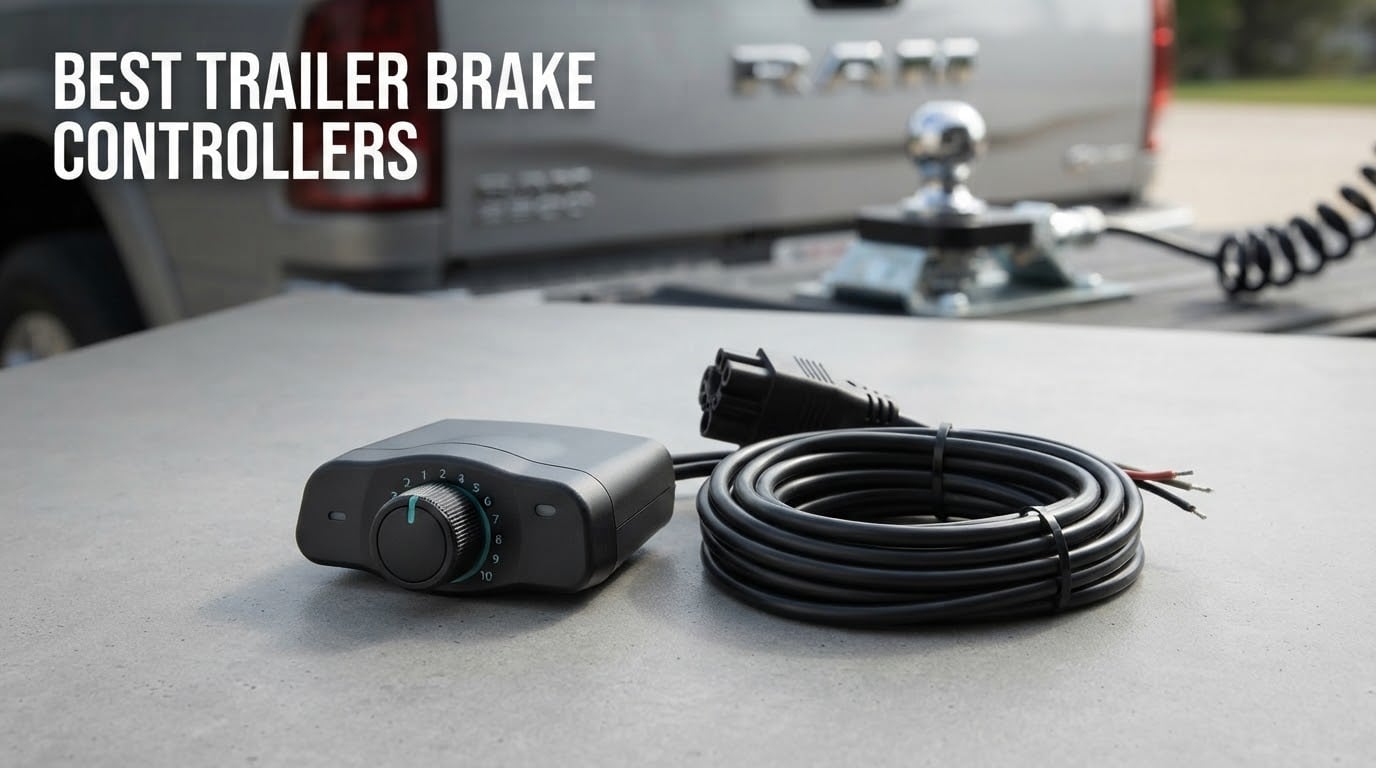
The short answer: the REDARC Tow-Pro Elite is the best trailer brake controller for most people because it runs proportional braking on 1 to 3 axles and adds a user-controlled off-road mode, while the CURT 51116 Venturer Next is the pick if you want the simplest setup under 3 axles. Everything else depends on how many axles you run and whether you want a knob or a phone.
Here is the honest wrinkle before we list anything: almost every controller on the market today is proportional, and almost all of them need a wiring harness that is sold separately. The differences that actually change your day-to-day towing are axle capacity, whether the manual override is a physical control you can hit with your thumb, and whether the unit mounts in your dash cleanly.
A trailer brake controller is the box that sits between your brake pedal and the trailer’s electric brakes. It measures how hard the tow vehicle is slowing down and sends the trailer’s brake magnets a matching amount of current, so the trailer pushes back in sync with the truck instead of dragging or doing nothing. Without one, a braked trailer is carrying dead weight and every stop distance in your mirrors belongs to the truck alone. We covered 8 controllers across portable, under-dash, hidden-module, and time-delay designs, and you can see the full lineup in our best kamado grill temperature controllers companion guide for how we handle device-controlled gear of every kind.
One note on sourcing, because owners ask about it constantly: we did not bench-test braking current on a dynamometer. Every spec below is a published manufacturer figure, every rating is the live Amazon rating, and every owner comment is drawn from the review record on the listing. Where owners disagree with each other we tell you, because that disagreement is usually the most useful information in the whole category.
Table of Contents
- Top 3 Trailer Brake Controllers in 2026
- Best Trailer Brake Controllers (October 2026)
- 1. REDARC Tow-Pro Elite – Best Overall for Towing Anything
- 2. REDARC Tow-Pro Liberty – Best Value Proportional Controller
- 3. CURT 51116 Venturer Next – Best Budget Time-Delay Controller
- 4. CURT 51170 Spectrum – Best for an OEM-Looking Dash
- 5. Tekonsha 90920 Prodigy iD – Best for App-Controlled Setups
- 6. CURT 51180 Echo Mobile – Best for Rentals and Multi-Vehicle Towing
- 7. Hopkins 47284 Reliance – Best for Light Utility Trailers
- 8. REDARC Tow-Pro Link – Best for Tech-Heavy Towing Setups
- How to Choose a Trailer Brake Controller
- Frequently Asked Questions
- Which is the best electric trailer brake controller?
- What does a brake controller do on a trailer?
- Do I need a brake controller if I have a 7 pin trailer plug?
- Are wireless or portable trailer brake controllers any good?
- Can I add a trailer brake controller to my F-150 or other truck with a tow package?
- What happens if I tow a braked trailer with no brake controller installed?
- Final Verdict on the Best Trailer Brake Controllers in 2026
Top 3 Trailer Brake Controllers in 2026
REDARC Tow-Pro Elite
- Dual braking modes
- Proportional plus user-controlled
- 1 to 3 axles
- 12V and 24V compatible

REDARC Tow-Pro Liberty
- Proportional braking only
- 1 to 2 axles
- Compact dash dial
- Active Calibration

CURT 51116 Venturer Next
- Time-delay braking
- 1 to 3 axles
- Low-profile housing
- No leveling needed
Best Trailer Brake Controllers (October 2026)
| Product | Specs | Action |
|---|---|---|
| REDARC Tow-Pro Elite |
|
Check Latest Price |
| REDARC Tow-Pro Liberty |
|
Check Latest Price |
| CURT 51116 Venturer Next |
|
Check Latest Price |
 CURT 51170 Spectrum CURT 51170 Spectrum |
|
Check Latest Price |
 Tekonsha 90920 Prodigy iD Tekonsha 90920 Prodigy iD |
|
Check Latest Price |
 CURT 51180 Echo Mobile CURT 51180 Echo Mobile |
|
Check Latest Price |
 Hopkins 47284 Reliance Hopkins 47284 Reliance |
|
Check Latest Price |
 REDARC Tow-Pro Link REDARC Tow-Pro Link |
|
Check Latest Price |
1. REDARC Tow-Pro Elite – Best Overall for Towing Anything
REDARC Tow-Pro Elite Electric Trailer Brake Controller, Universal Fit for 1 to 3 Axle Trucks, SUVs, Dual Braking Modes, Plug and Play Install, 12V/24V Compatible to Tow RV, Camper, Trailer, Boat
Proportional and user-controlled modes
1 to 3 axles
12V and 24V compatible
Active Calibration
Pros
- Dual braking modes for road and off-road use
- Handles 1 to 3 axles
- Self-calibrates in almost any mounting orientation
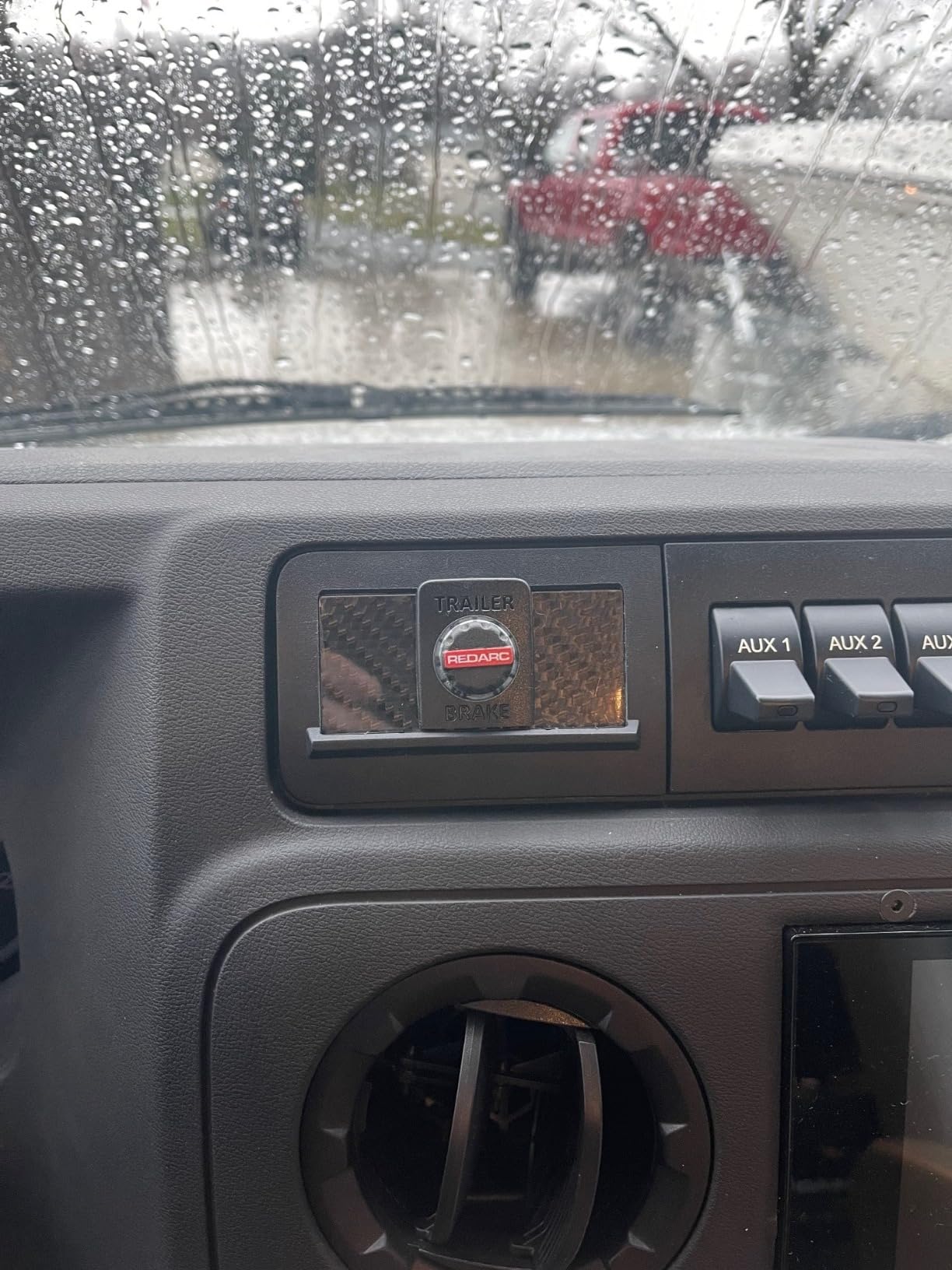
- Hidden module with a compact dash dial
- Highest rating in this roundup at 4.6
Cons
- Vehicle-specific wiring harness sold separately
- Universal switch insert plate does not fit every dash opening
- Two year limited warranty rather than lifetime
The Tow-Pro Elite is the one we send people to first, and the reason is the mode switch. Most proportional controllers on sale today do exactly one thing: they sense deceleration and match it. The Elite adds a user-controlled mode you dial in yourself, which matters the moment you are on a loose downhill grade with a heavy fifth wheel behind you and you want the trailer brakes to hold rather than fade out.
It handles 1 to 3 axles and runs on both 12V and 24V systems, so it covers most trucks and SUVs on the road today, and the main unit hides behind the dash while a small dial and switch panel live where you can see them. Owners on the listing talk about smooth predictable stops with no trailer push, and about calibration being close to automatic because of Active Calibration, which samples the mounting angle rather than demanding a level surface.
Capacity is where it separates itself. A 1 to 2 axle ceiling, which is where most of the category sits, rules out a triple-axle equipment trailer or a loaded gooseneck. This unit does not. The 6 to 8 brake range implied by three axles also means you can run a heavy travel trailer without wondering whether the controller is the weak link.
The catch is cost assembly. The controller, the dash switch insert, and the remote head cable are in the box, but the vehicle-specific harness is not. Budget for that separately, and check that your dash opening will accept the included universal switch insert plate, because a handful of owners report it sitting proud of the dash trim on their particular cab.
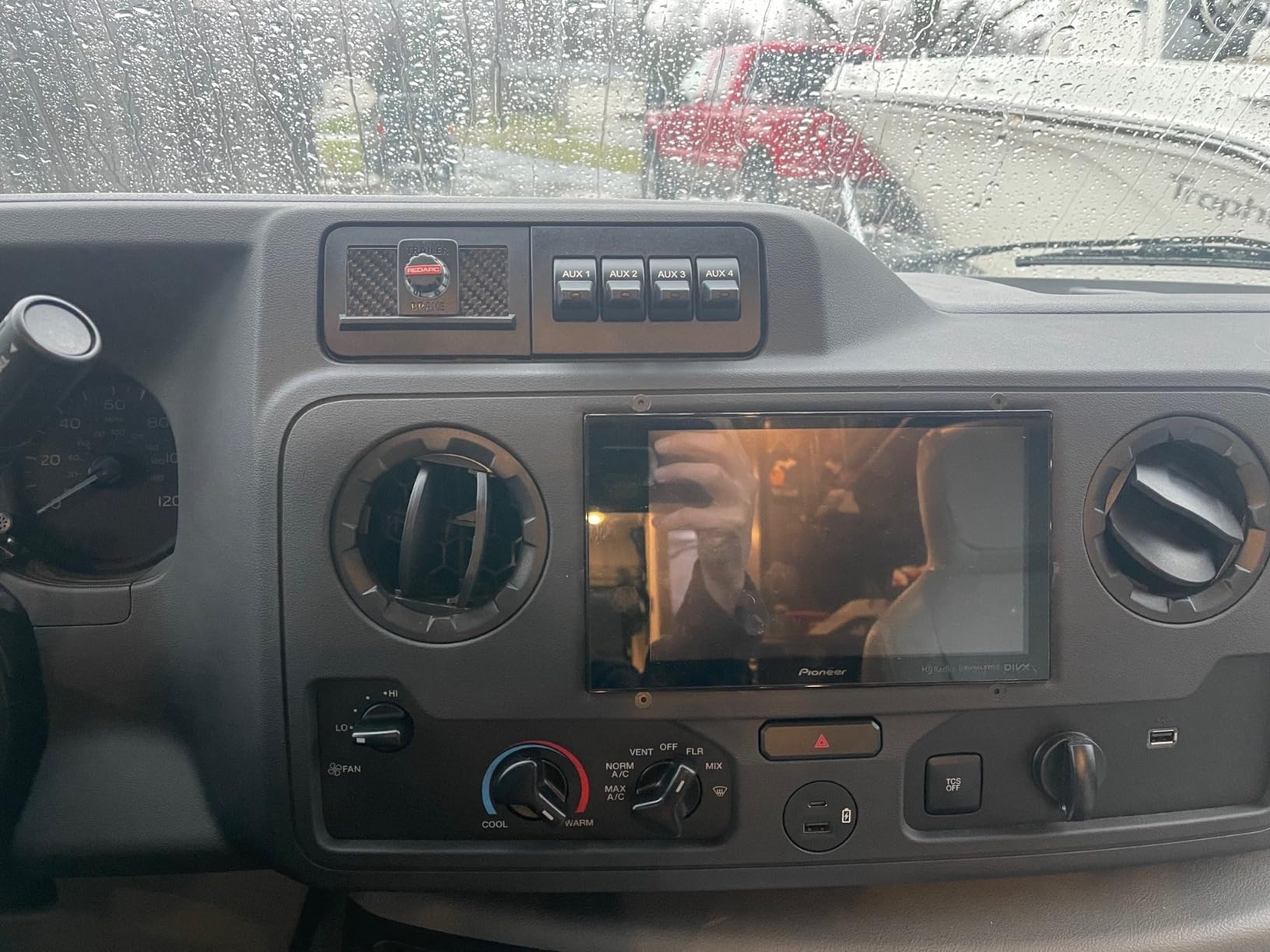
Is the Tow-Pro Elite the right fit for your trailer?
It suits anyone running one to three axles who will pull on grades and wants one controller to cover both highway and off-road work. The knob-plus-module layout also solves the dash clearance problem that pushes people out of under-dash units in wide trucks.
If your trailer is a two-axle unit under about 5,000 lb and you tow it on paved roads, you are paying for capacity and a second mode you may never touch. The Liberty below does the core job for less money.
What could go wrong with the Tow-Pro Elite?
The wiring harness is the near-universal complaint across this whole category rather than a fault of this model, but it does mean the purchase is not finished when the box opens. The warranty is two years, which is shorter than the limited lifetime coverage Hopkins and CURT offer on some models.
The 492-review base is also thinner than the CURT entries here, so long-term durability data is thinner too. REDARC replaced a faulty unit for one owner quickly, which is a decent signal on service even if the warranty clock is short.
2. REDARC Tow-Pro Liberty – Best Value Proportional Controller
REDARC Tow-Pro Liberty Electric Trailer Brake Controller, Universal Fit for 1 to 2 Axle Cars, Trucks, SUVs, Proportional Braking, 12V Compatible to Tow RV, Camper, Trailer, Boat
Proportional braking only
1 to 2 axles
12V system
Active Calibration
Pros
- Compact dash dial that avoids knee interference
- Active Calibration works with or without a trailer
- Clean factory-style fit inside the dash
- Strong 4.5 rating across 817 reviews
- Two year limited warranty
Cons
- Proportional mode only with no off-road setting
- Two axle maximum
- Vehicle-specific harness sold separately
The Liberty is the same idea as the Elite with the off-road mode removed and the axle ceiling dropped to two. If that is all you need, this is the smarter buy, and at 4.5 stars across 817 reviews it has the second-largest owner record in this roundup, which makes its long-term behavior easier to judge than most.
Owners consistently point at two things: the dial is small enough to disappear into the dash trim without intruding on legroom, and the braking is smooth once calibrated. Active Calibration means it samples the installation angle itself, so a slightly tilted mounting position does not leave you chasing a gain setting that feels off.
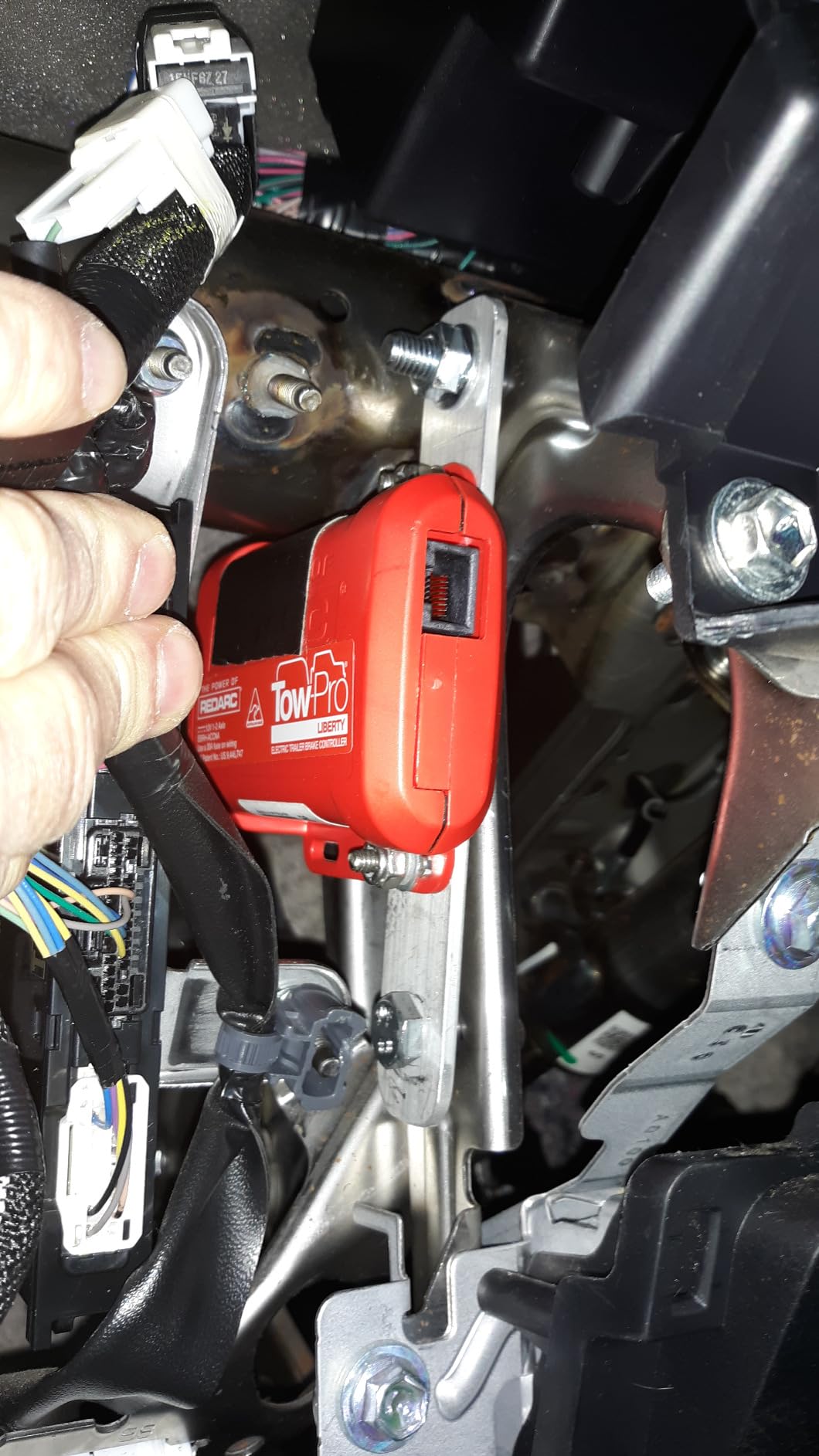
Worth knowing before you buy: about 80% of ratings on this listing are five star, and the negatives cluster on the same two items. Proportional mode only means there is no manual control dial for technical descents, and the 1 to 2 axle range means it is not a fit for a triple-axle trailer. Neither is disqualifying for most people, but both are dealbreakers in specific setups.
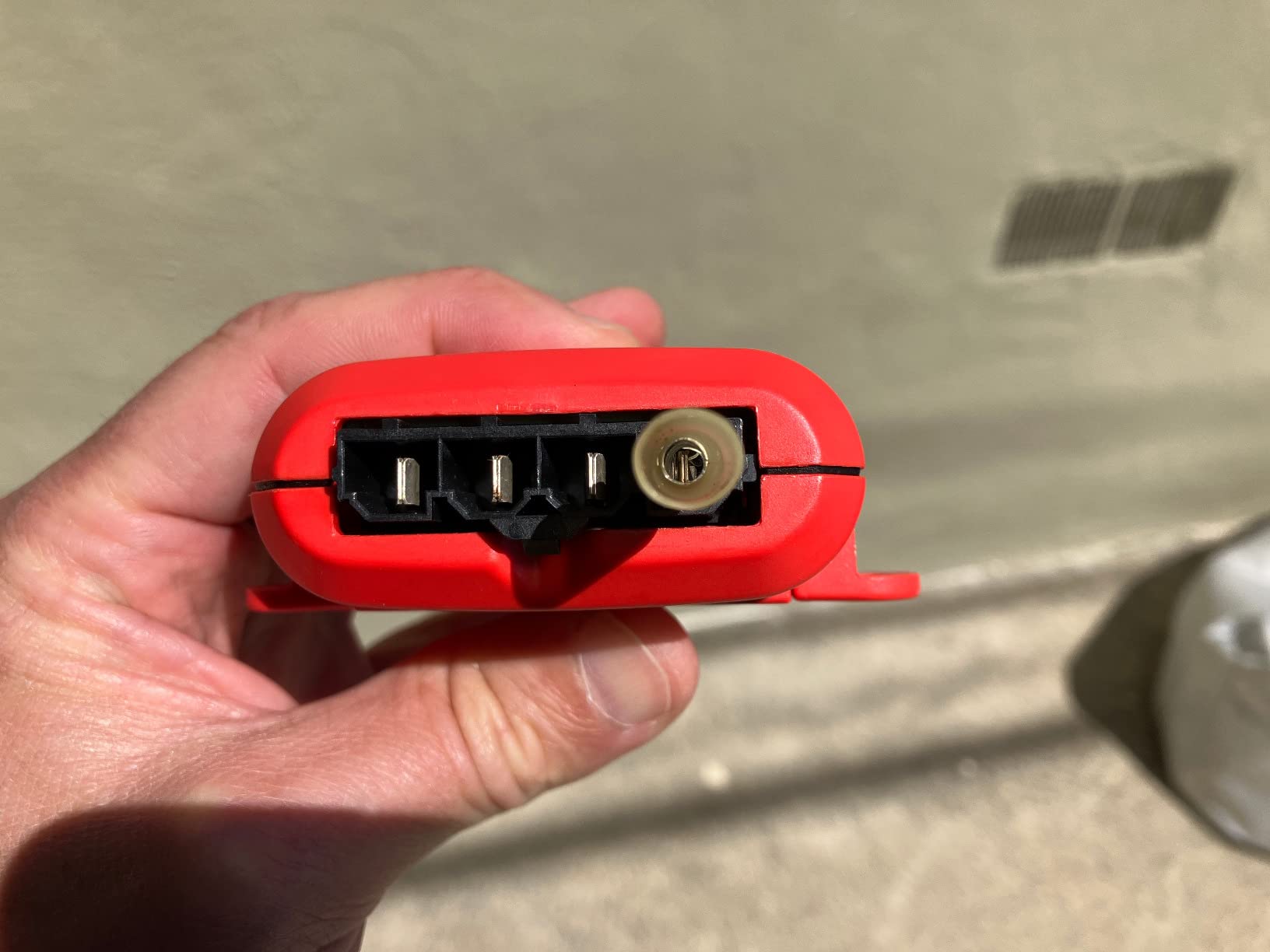
The universal pig tail harness option is listed, though most owners end up buying the vehicle-specific harness for a clean install. Plan on the harness as a separate line item and the install stops being an afternoon project.
Who should buy the Tow-Pro Liberty?
A two-axle trailer, a truck with a crowded dash, and a driver who wants factory-looking hardware that disappears when they are not using it. It also works as a straightforward step up from a time-delay unit, which is the most common upgrade path owners describe in forum threads about this category.
Skip it if you pull a triple-axle equipment trailer or plan to do serious off-road descent work, since neither use case is in scope.
Where the Liberty runs short
Two axles and one braking mode. That is the whole list of limitations, and both are design choices rather than defects, which is exactly why it holds a 4.5 average across so many reviews.
The separate harness purchase catches people out on a first install, and the 12V-only spec rules it out on a 24V heavy-duty truck that the Elite would serve.
3. CURT 51116 Venturer Next – Best Budget Time-Delay Controller
CURT 51116 Venturer Next Electric Trailer Brake Controller, Time-Delay, Fully Adjustable, Low Profile, 1-3 Axles, Plug-and-Play
Time-delay braking
Fully adjustable power and ramp time
1 to 3 axles
9.6 ounces
Pros
- Slim low-profile housing improves dash clearance
- Power and ramp time both fully adjustable
- No internal moving parts and no leveling step
- Handles up to 3 axles
- Plug-and-play connection
Cons
- Time-delay only
- so braking does not track tow vehicle deceleration
- Two to six brakes rather than eight
- Smaller review history at 141 reviews
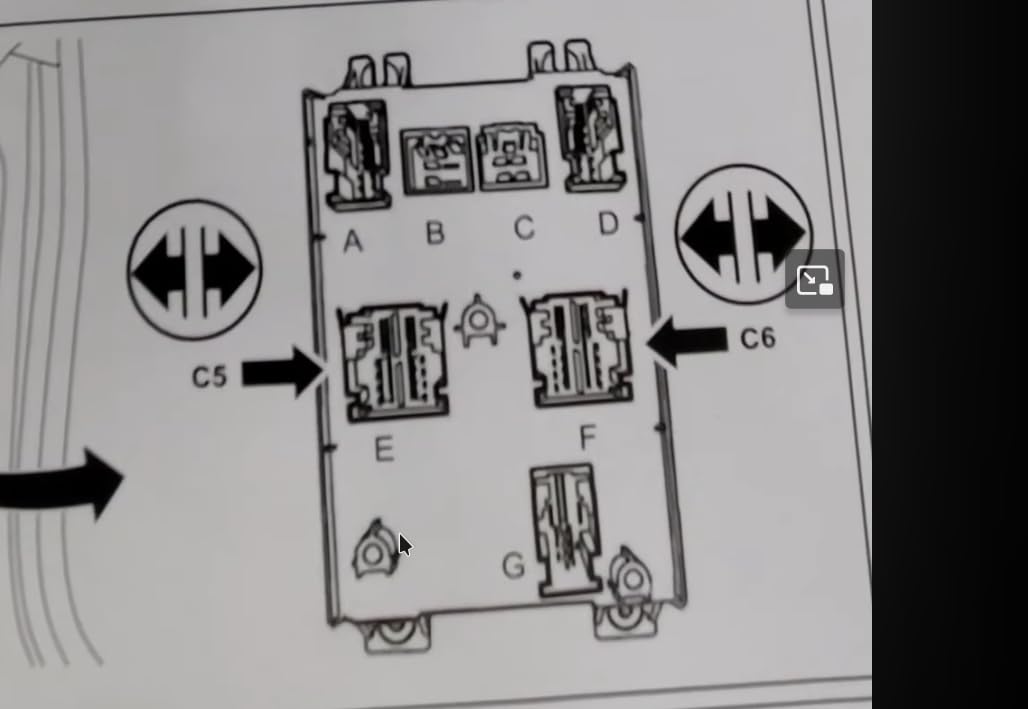
The Venturer Next is the cheapest way into a controller that still covers three axles, and it does that with a time-delay design rather than a sensor. There is no accelerometer here. You set a power level and a ramp time, the unit climbs to that level over the seconds you specify, and it holds there until you release the pedal.
That means it will not automatically match how hard you are braking. Owners accept this in exchange for a setup with no calibration step at all, no internal moving parts to wear, and a bracket system that keeps the housing out of your sightline. Both power and ramp time are adjustable, so you have more tuning room than a basic fixed-output time-delay unit gives you.
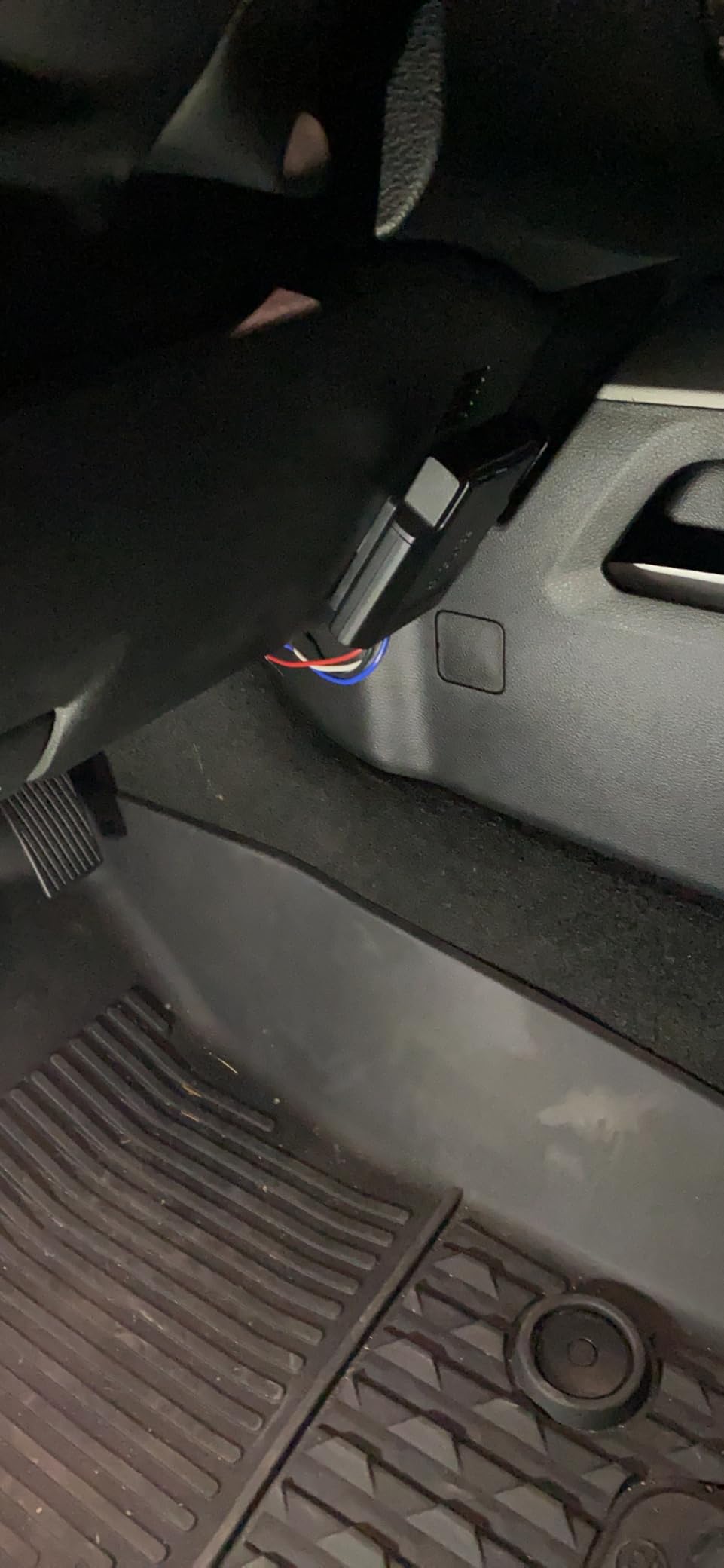
Three axles is unusual at this end of the category, and the operating range of 2 to 6 brakes covers the trailer sizes most people actually tow. Weights of 9.6 ounces and a slim housing make it an easy under-dash mount even in the cab layouts owners complain about with bulkier units.
The trade is honest and worth stating plainly. On a mild stop the time-delay unit can still be ramping when the truck is already slowed, and on a firm stop it can be applying full power slightly behind the truck’s own deceleration. For highway running that is fine. For a fully loaded trailer on a mountain grade it is the reason most owners in this category move up to proportional within a year or two.
Is the Venturer Next good enough for a first trailer?
Yes, for light to medium towing on roads that are mostly flat and straight. It installs without a leveling step, which removes the single most common install mistake people make with sensor-based units, and the adjustable ramp lets you soften the early application.
It is also a sensible pairing for a boat or utility trailer on a 4-pin to 7-pin adapter, where simplicity beats precision. It is not the right call for a loaded fifth wheel over long grades.
What should you know before choosing a time-delay unit?
Two to six brakes, so a four-axle trailer is out. And no sensing means no automatic response, which is the entire difference between this and the four proportional controllers above it.
At 141 reviews the owner record is short, so you are buying on design logic and current reviews rather than on years of accumulated data. That is fine for a straightforward product, but it is a fair thing to weigh if you keep trailers a long time.
4. CURT 51170 Spectrum – Best for an OEM-Looking Dash
CURT 51170 Spectrum Proportional Trailer Brake Controller, Dash-Mount Knob
Controls 1 to 4 axles and 2 to 8 brakes
10 tri-color LEDs
Hidden module
Push-button rotary knob
Pros
- Widest brake capacity in this roundup at 2 to 8 brakes
- Dash knob stays clear of driver knee space
- Adjustable LED brightness for night driving
- Auto leveling with a triple-axis accelerometer
- Limited lifetime manufacturer warranty
Cons
- Vehicle-specific wiring harness sold separately
- LED indicator patterns take practice to decode
- Does not integrate with any OEM center display
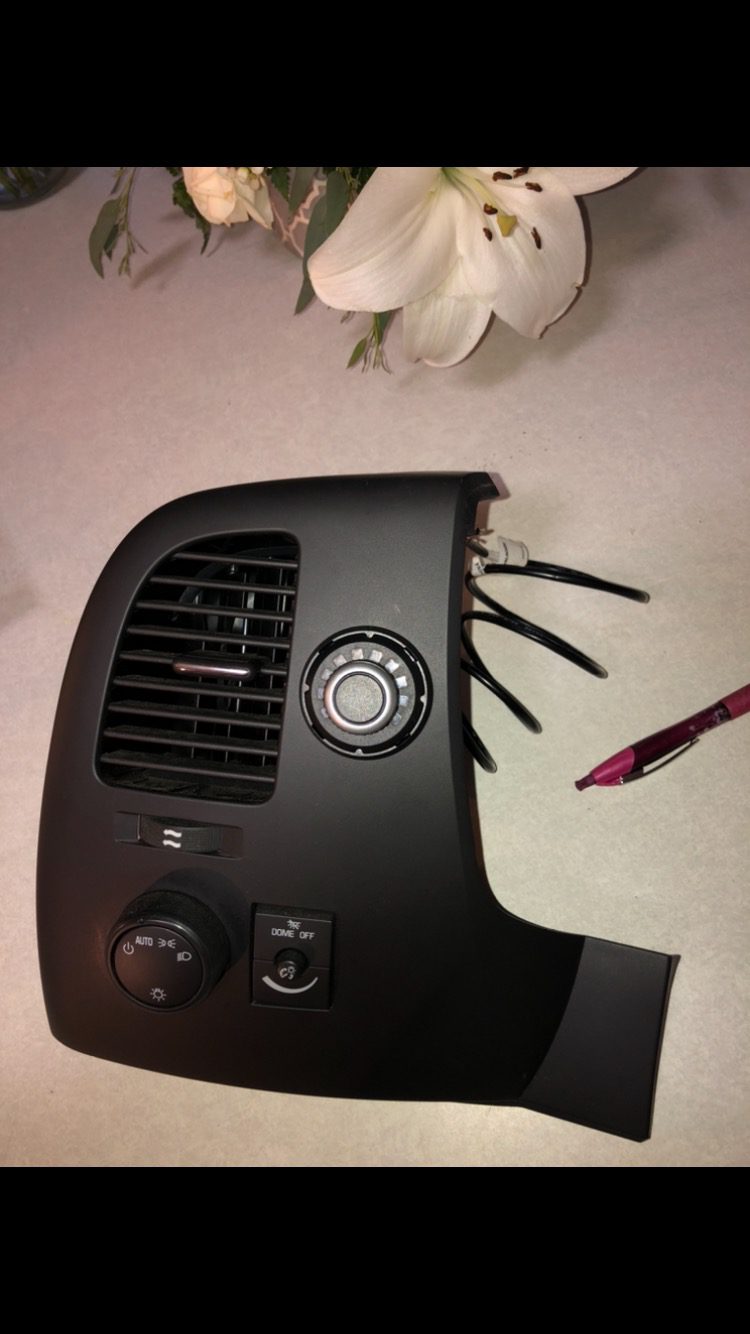
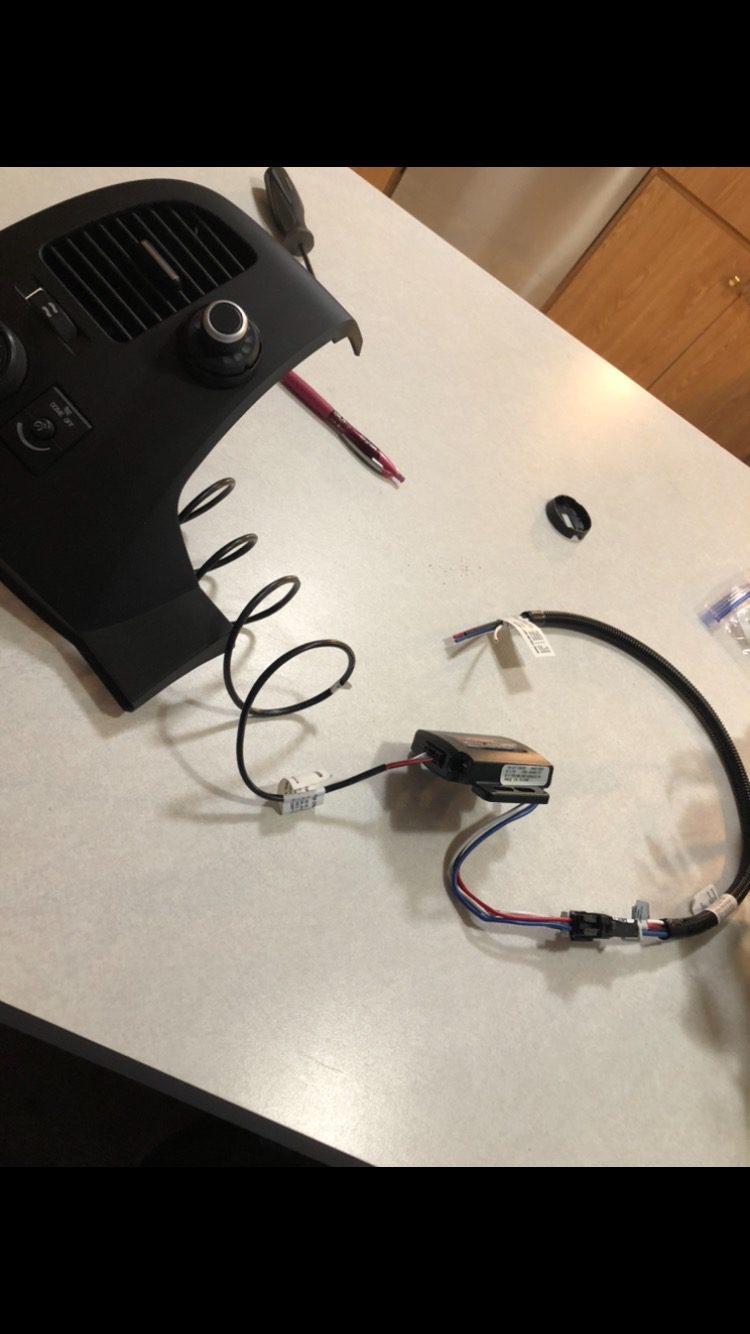
The Spectrum is the widest-capacity proportional unit here, controlling 1 to 4 axles and 2 to 8 brakes, which makes it the one to look at if you ever move up to a triple or quad axle trailer without replacing your controller. The main module mounts out of sight behind the dash and only a rotary knob with a manual override button stays visible.
That knob is the selling point for a lot of owners. It reads like factory hardware rather than an add-on, it sits clear of the driver’s knees, and the 10 tri-color LEDs can be dimmed for night driving. Auto leveling means the module figures out its own mounting angle, which is a real improvement over units that demand a level screw and then brake wrong when the screw is slightly off.
Owners describe the braking as smooth and well damped after a single setup pass, which is what a good triple-axis accelerometer should give you. The limited lifetime manufacturer warranty is the strongest coverage in this roundup, and it is a genuine point in favor for anyone who keeps a trailer for a decade.
Two things get repeated in the reviews. The LED language is not intuitive out of the box and takes a manual and some trial to decode. More seriously, a small but persistent group of owners reports the module occasionally failing to engage the trailer brakes, and some of them moved to an OEM controller after it. At 4.3 stars across 782 reviews, that thread is real but not dominant.
When the Spectrum is worth the extra money?
Four axles, a dash that has to look factory, or a warranty that outlives the trailer. If you tow a travel trailer on paved roads and care more about appearance than app control, this is a very strong fit.
It is also the pick for anyone who wants manual override on a physical button with no phone involved, since the knob carries an override you press rather than an app button you open.
When to pick something else
If you need Bluetooth control or want to see live brake output, the Prodigy iD below is the more informative display. If the occasional no-engage reports worry you, the REDARC units have a cleaner owner record on the same kind of application.
Plan on the separate harness, and note that it will never appear on your truck’s own center screen, which is a deal for some owners and a disappointment for others.
5. Tekonsha 90920 Prodigy iD – Best for App-Controlled Setups
TEKONSHA 90920 Prodigy iD Smart Phone Configured Brake Controller for Trailers with 1-4 Axles, Compatible with Ford, GM, Chevy, Dodge, RAM, Toyota, Jeep (Please Verify Vehicle Compatibility
1 to 4 axles and 2 to 8 brakes
Bluetooth via the EDGE app
Color LED display
Protected dash module
Pros
- Full programming from an Apple or Android device
- Color LED shows settings and live diagnostics
- Protected power module hidden behind the dash
- Wide 1 to 4 axle coverage across major brands
- Shareable diagnostic log assists tech support
Cons
- Vehicle-specific Tekonsha harness sold separately
- App pairing needed for full programmability
- Compatibility should be confirmed before buying
The Prodigy iD is the most informative display in this group. The face is a front-facing color LED panel rather than a row of indicator lights, and it surfaces your current settings, real-time brake output, and system alerts without opening a manual. Owners who have chased wiring faults on other controllers tend to like that visibility more than they expected to.
Control runs through the Tekonsha EDGE app over Bluetooth, so you can change power, boost, and braking type from a phone or tablet rather than reaching under the dash. The power module itself is protected behind the dash, and the in-dash rotary knob is styled to look OEM. Capacity covers 1 to 4 axles and 2 to 8 brakes.
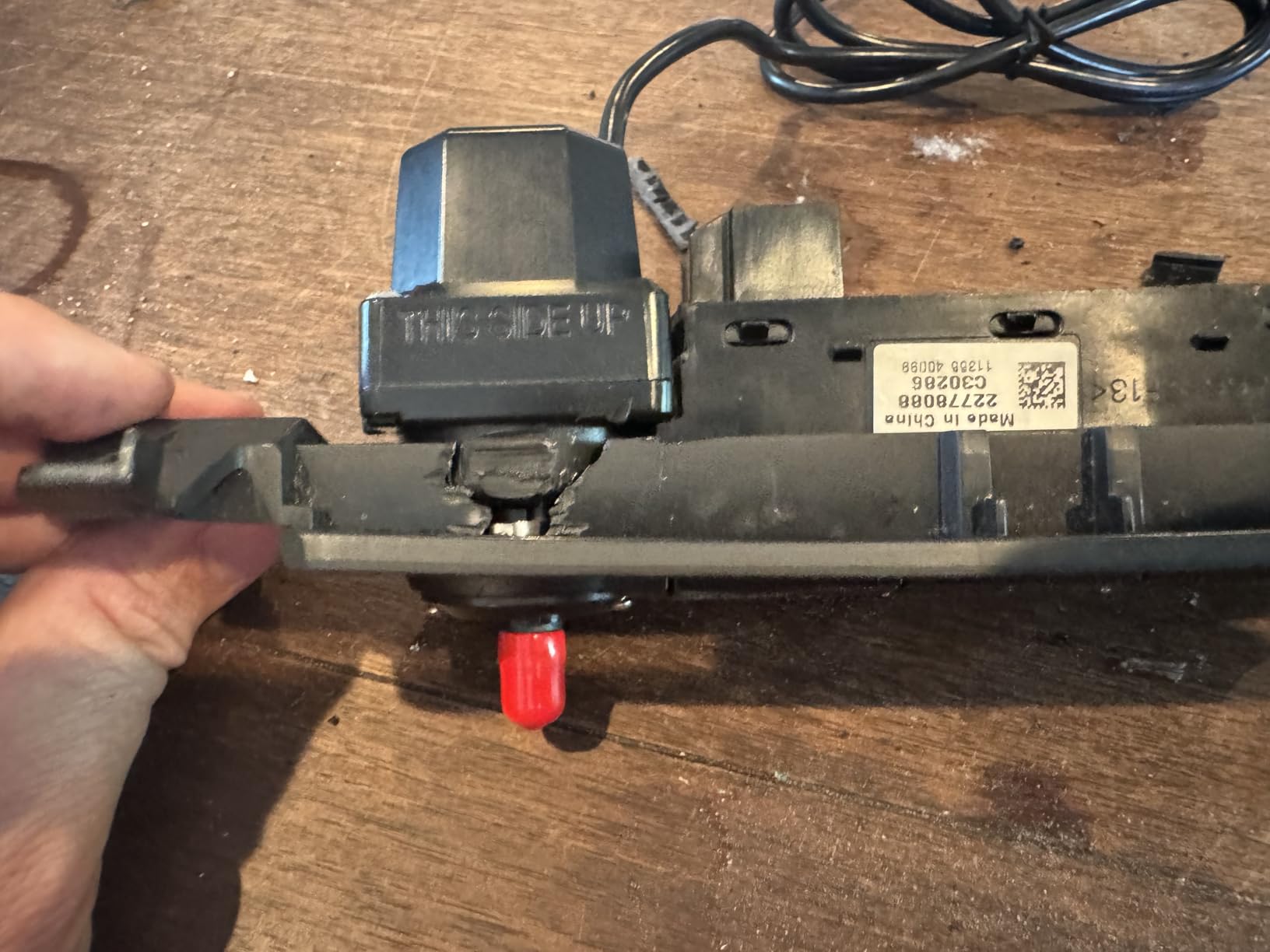
There is a practical warning here that Tekonsha prints and the listing repeats: the vehicle-specific Plug and Play harness is sold separately, and the fitment list should be checked against your exact vehicle before you commit. The listed compatibility covers Ford, GM, Chevy, Dodge, RAM, Toyota, and Jeep, but the model year matters more than the brand.
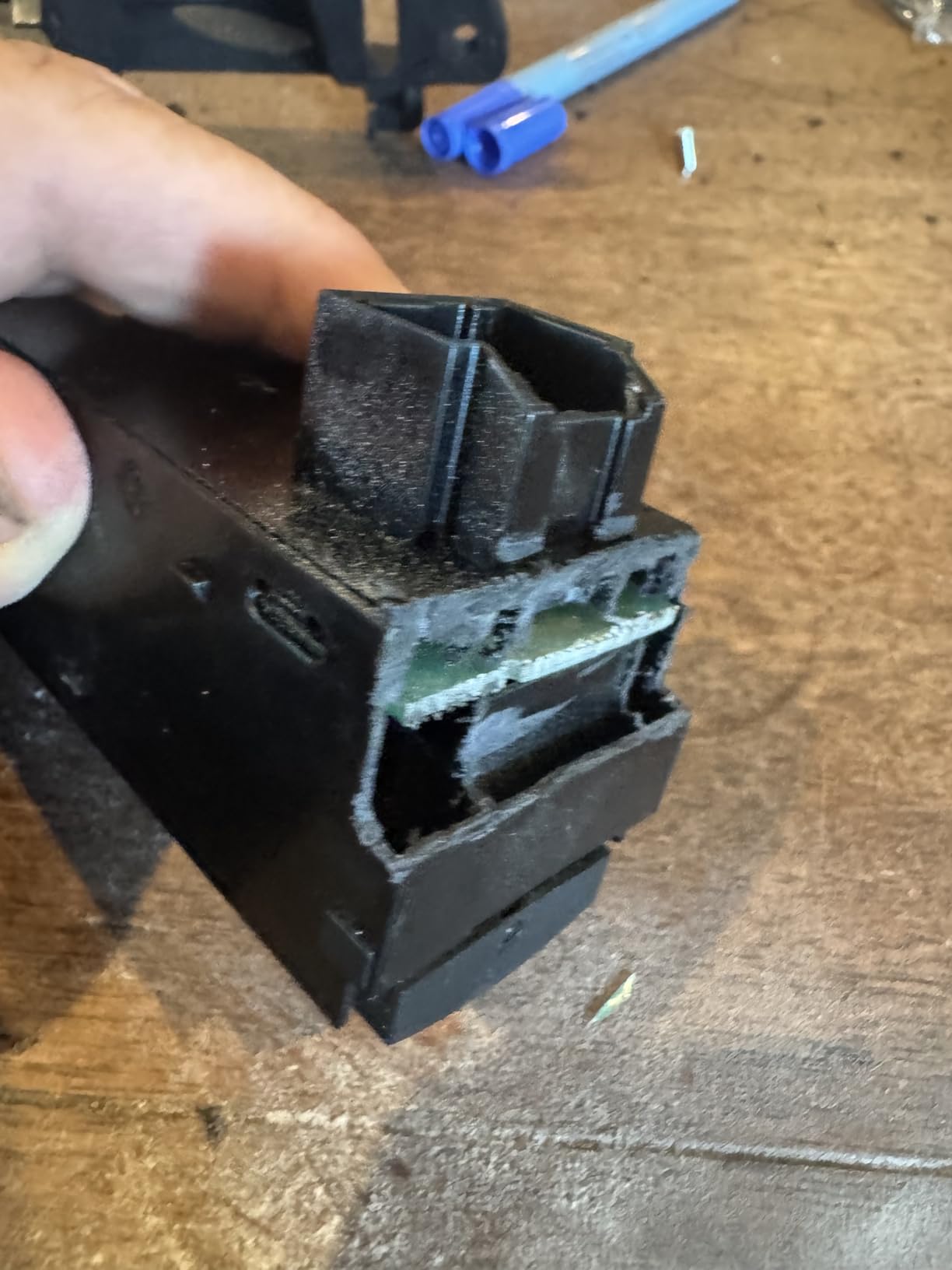
About 72% of ratings are five star, and the smaller 127-review base is the main limitation of trusting the record. Long-term owners on the platform tend to endorse the brand, but this specific unit has a shorter history than the CURT and REDARC models here.
Who benefits most from the Prodigy iD?
Drivers who want to see exactly what the controller is doing instead of inferring it from lamps, and who like tuning braking from the seat. The diagnostic log is genuinely useful if you ever need to explain a fault to a shop or to the manufacturer’s support line.
It is also a reasonable second-controller option for a household running two trailer types, since you can store more than one setup rather than re-tuning gain for every trailer.
What to watch out for
The install is incomplete without the separate harness, and that is the reason most negative reviews exist. App dependence is real, though the dash knob still gives you physical control, which is a difference from app-only designs.
Verify vehicle compatibility first, and accept that you are buying a display-first controller when the curved dash and small knob of a simpler unit would have served you too.
6. CURT 51180 Echo Mobile – Best for Rentals and Multi-Vehicle Towing
CURT 51180 Echo Mobile Bluetooth Trailer Brake Controller, 7-Way, 1-2 Axles
Portable between 7-way connectors
1 to 2 axles and 2 to 4 brakes
Triple-axis accelerometer
Bluetooth up to 50 ft
Pros
- Zero-tool install between the vehicle and trailer 7-way plugs
- Moves between tow vehicles for rentals and households
- Triple-axis proportional braking that owners report holds under load
- OneControl Auto app stores multiple vehicle and trailer profiles
- Works with cruise control and ABS systems
Cons
- Hanging body can reduce ground clearance on low 7-way receptacles
- Will not mate with every standard-looking 7-way blade connector
- App issues reported on some Android phones
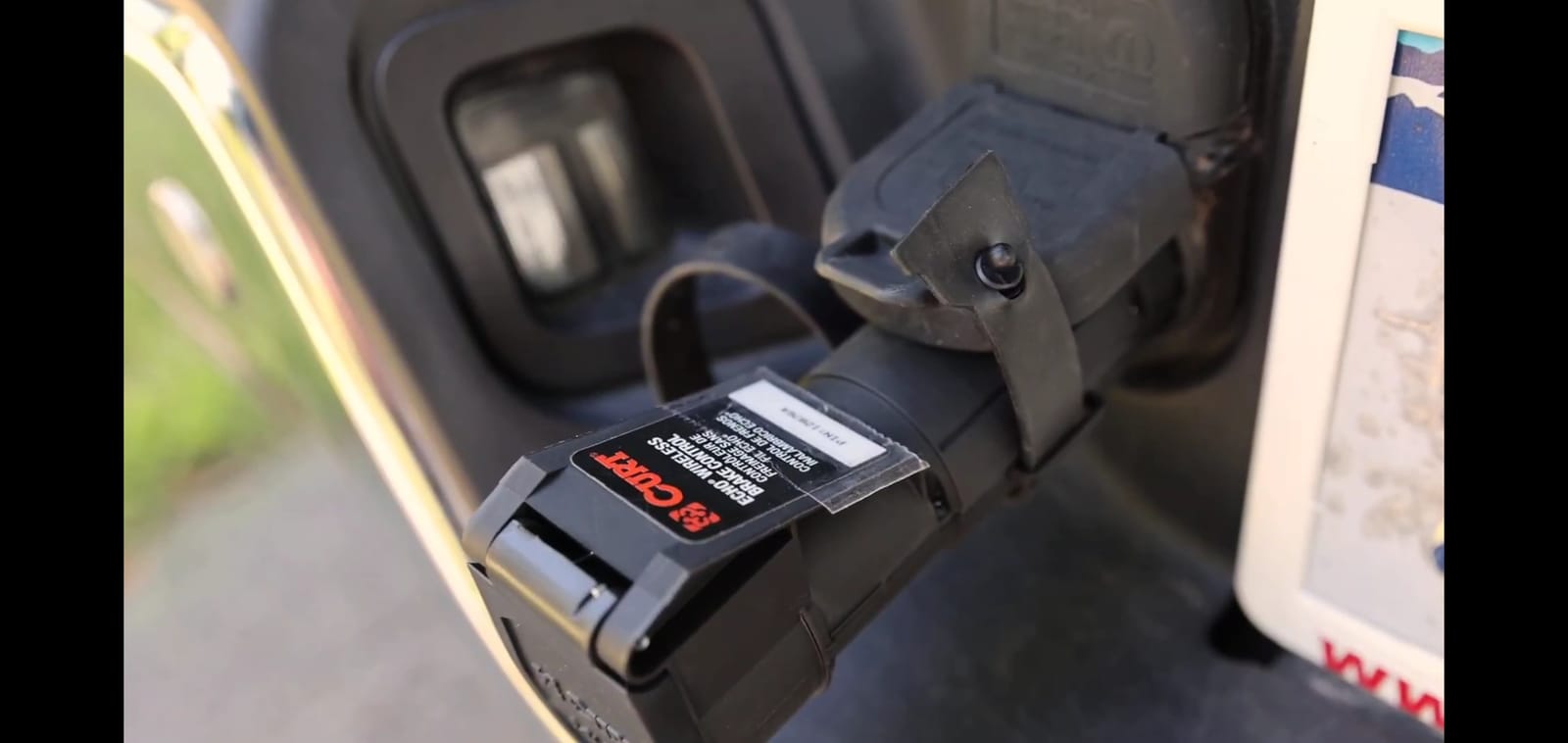
The Echo Mobile is the only genuinely portable controller here. It plugs in between the vehicle 7-way and the trailer 7-way, so there is no dash drilling and no under-dash wiring, and the whole thing weighs 8.8 ounces. If you rent the truck, borrow the trailer, or rotate between two tow vehicles, this solves a problem no installed controller can.
Underneath the portability it is a real proportional controller, using a triple-axis accelerometer for 1 to 2 axles and 2 to 4 brakes. Bluetooth reaches 50 ft unobstructed, the OneControl Auto app stores multiple vehicle and trailer profiles, and it is listed as compatible with cruise control, ABS, and low-voltage or PWM systems, with a hazard light mode that stops the output pulsing when you use signals.

Owners widely praise the install and the fact that it transfers in seconds, and a recurring five-star theme is smooth proportional braking on mountain grades. The critical thread is physical rather than electrical: the body hangs below the connector, so on a truck with a low-mounted 7-way receptacle owners report losing ground clearance on driveway entries and ramps.
At 4.1 stars across 3,248 reviews it has by far the largest owner record in this roundup and the lowest rating, and both facts come from the same place. Fitment with 7-way blade connectors is inconsistent, some standard-looking receptacles will not mate, the rubber safety strap stud is a weak point, and a minority of owners report over-braking with a noticeable delay compared with factory controllers. The plastic housing is held by four small screws and flexes at the connector end.
Is a portable brake controller actually safe?
For light and medium trailers on road, yes. It is a full proportional unit with a triple-axis sensor, not a stripped-down phone accessory, and the profile storage means you are not re-tuning for every trailer. The brake output is real.
What it does not give you is a physical override lever. Manual override lives in the app, which means the phone has to be unlocked and in the foreground, and that is the drawback owners on towing forums raise most often for anything heavy enough to sway.
Who should pass on the Echo Mobile?
Anyone with a high-rise hitch and a low 7-way, and anyone pulling a trailer big enough that they want a thumb-reachable override rather than an app screen. Check your receptacle height and connector shape before buying, since fitment is the main source of returns.
App reliability also varies: some owners with Samsung Galaxy S23 phones report pairing problems, and the app is not offered in every country, which matters if you tow abroad.
7. Hopkins 47284 Reliance – Best for Light Utility Trailers
Hopkins Towing Solutions 47284 Reliance Plug-in Simple Brake Control, Controls up to 4 trailer brakes
Time-based braking
Up to 4 trailer brakes
Any-angle mounting
Digital 5 to 99 percent readout
Pros
- Time-based setup needs no leveling or calibration
- Digital display shows exact braking power
- Mounts at any angle where dash space is tight
- Vertical manual slide lever gives smooth manual control
- Limited lifetime warranty
Cons
- Time-based output does not scale with tow vehicle deceleration
- First listed as a legacy design
- 4.5 stars from a smaller 296-review base
The Reliance is an older design that has aged well because it does one simple thing. It is time-based, not proportional, so you dial in a power level and it applies that amount rather than reading your deceleration. In exchange it needs no leveling, no calibration, and it mounts at literally any angle, which matters in the cab layouts owners complain about with sensor-based units.
The vertical manual slide lever is the part people notice. It is a physical, thumb-reachable manual control, and unlike the app-based override on the Echo it works with the phone in your pocket. The digital display reads out braking power from 5% to 99%, which is more precise feedback than most units in this price tier offer.
It handles up to 4 trailer brakes, covering a two-axle trailer, and it carries a limited lifetime warranty. Plug-In Simple quick-connect technology with short-circuit protection is built in, so the wiring side is straightforward on a 12V system.
Is the Reliance right for a utility trailer?
If you are towing a small utility trailer, a boat, or a light equipment trailer on mostly flat roads, it is a genuinely good fit. Owners treat it as a dependable budget option, and about 77% of ratings are five star, with the accepted trade being that braking effort is fixed once you set it.
Its warranty coverage is better than the REDARC units here, and the any-angle mounting removes the install step that trips people up on accelerometers.
What are you giving up?
Automatic matching to tow vehicle deceleration, which is the whole argument for proportional control on a heavier trailer. A four-axle setup is also out of range at 4 brakes maximum.
One more thing to check: owners confirm it satisfies requirements in most states and provinces, but brake requirements are set state by state, so verify the threshold where you actually tow before relying on this class of controller.
8. REDARC Tow-Pro Link – Best for Tech-Heavy Towing Setups
REDARC Tow-Pro Link Electric Trailer Brake Controller, 6-Axis Sensor Sway Control, Dual Braking Modes, Plug and Play Install for Cars, Trucks, SUVs, Compatible to Tow RV, Camper, Trailer, Boat
6-axis sensor with SwayStop Plus
Two braking modes
Remote and CarPlay control
15 minute 7-pin install
Pros
- Remote plus Bluetooth app and CarPlay or Android Auto control
- 6-axis sensor drives active sway correction
- Quick 15 minute plug-and-play install on 7-pin vehicles
- Dual modes cover highway and off-road towing
- LED light bar on the pre-paired remote
Cons
- 4.2 rating pulled down by a 16 percent one-star share
- Thin 41-review base for reliability assessment
- Requires a 7-pin connection
The Tow-Pro Link is the newest unit in this group and by a wide margin the most connected. A pre-paired USB-A remote with an LED light bar comes in the box, and the same controller can be driven from a Bluetooth app, Apple CarPlay, or Android Auto. Install is genuinely quick: about 15 minutes on a truck or SUV that already has a 7-pin.
The technical centerpiece is the 6-axis motion sensor feeding SwayStop Plus, which uses that sensing to detect and correct trailer sway rather than just logging it. Two braking modes cover everyday proportional use and a manual off-road setting, and active calibration handles the mounting angle.
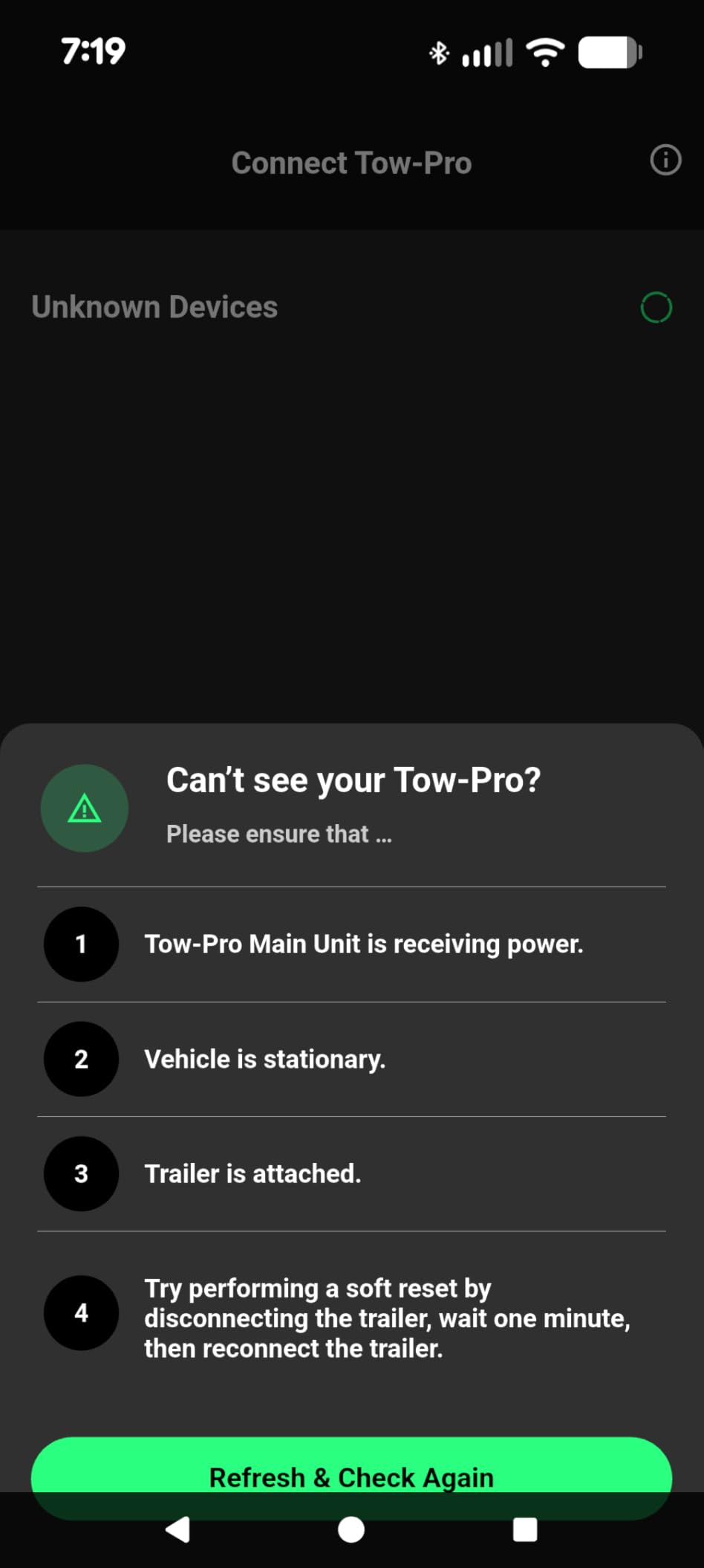
That feature list is impressive and the owner feedback is genuinely positive, with about 73% of reviews at five stars. The reason the average sits at 4.2 rather than higher is a one-star slice of roughly 16%, which is a large share for any product and worth reading before you commit.
The second limitation is data volume. Forty-one reviews is not enough history to judge long-term durability, and this is a device category where electronics fail over time. A five-year ownership record simply does not exist yet for a unit that only recently reached the market.

Who gets the most out of the Tow-Pro Link?
Drivers who want their brake controller in the same interface as the rest of the vehicle, who value active sway correction over a lever they have to reach for, and who are comfortable with a phone-based control loop during a descent.
It is also the natural choice if you have already committed to a 7-pin setup and want the shortest install of anything on this list.
What should give you pause?
The 16% one-star share is the single thing. Read a few of those reviews before buying, because whatever they describe is likely to be exactly what you would hit.
Two year limited warranty, a thin reliability record, and a need for a working 7-pin on the vehicle all add up to a pick we would describe as leading edge rather than proven. The REDARC Tow-Pro Elite gives you most of this category maturity at a lower tier of risk.
How to Choose a Trailer Brake Controller
Start with the trailer, not the brand. Forum consensus in towing communities is consistent on this: people describe their decision as vehicle-first, naming their tow package and trailer weight before naming any model. Get those two facts straight and the shortlist shrinks on its own.
Proportional or time delay: the real difference
A proportional controller contains an accelerometer that measures how quickly the tow vehicle is decelerating, then sends the trailer brakes a matching current. Brake harder and the trailer brakes harder. That is the behavior you want on a road with traffic, on grades, and with a loaded trailer.
A time-delay controller has no sensor. It ramps to a preset level over a number of seconds you choose and holds it. The consequence shows up in two ways: on a gentle stop the trailer can still be ramping after the truck has slowed, and on a hard stop it can reach full power slightly behind the truck’s own deceleration. Four of our eight picks are proportional only, two are time-delay or time-based, and two let you switch between a road mode and a user-controlled off-road mode.
Axle count and brake count are not the same number
Axles are what most manufacturers advertise. Brakes are what the controller actually powers, and one trailer axle usually means one brake assembly unless it is a dual-axle setup. The two-to-one relationship is why a unit described as 1 to 3 axles operates 2 to 6 brakes, and why the two 1 to 4 axle controllers here reach 8 brakes.
Match the axle count at or above your trailer, not below. If you think you will ever move to a triple-axle equipment trailer, buy the 1 to 4 axle unit now, because swapping later means new wiring and a new harness.
Mounting style and the manual override question
There are three mounting approaches in this roundup. Under-dash units bolt to a bracket and put the whole controller in your sightline. Knob-plus-module designs put the main unit behind the dash and leave a rotary dial visible. Portable units hang between the vehicle and trailer 7-way connectors with no mounting at all.
The manual override is the feature most worth being deliberate about. It is a separate brake input that applies the trailer brakes without touching the truck’s brake pedal, and it is the fastest way to settle sway on a downgrade. A physical lever or button, like the vertical slide on the Hopkins or the button on the CURT Spectrum, is reachable with your thumb while you are focused on the road. An app-only override, like the one on the Echo Mobile, requires unlocking a phone.
Gain and boost are two different adjustments
Gain sets the maximum braking output the controller will command. You set it once per trailer and only re-set it after changing loads significantly, changing trailers, or noticing a change in brake feel.
Boost is a temporary, on-the-fly addition to gain that you hold or switch on when you need the trailer brakes harder, such as on a long descent or when a loaded trailer starts pushing. Nearly every controller in this list has some form of it, and it is the control you will actually use between setups.
Wiring is where the real cost hides
Every mounted unit in this roundup except the portable Echo requires a vehicle-specific wiring harness, and none of them include it. That single fact catches out nearly every first-time buyer, and it is the reason a controller-only shopping comparison understates the real spend by a wide margin.
If your truck has a factory tow package, a 7-pin receptacle, and brake light output at the connector, installation is a matter of plugging in a harness and mounting the unit. If it does not, you are looking at a 4-pin to 7-pin adapter plus brake light wiring spliced into the circuit, or a professional install. That vehicle-side work is the single biggest surprise cost owners report in towing forums, and it varies so much by vehicle and region that we will not quote a number that would be wrong for you.
How to set gain in five steps
First, get to a straight, flat, empty stretch of road and load the trailer close to how you will actually tow it. Empty gains do not transfer to a loaded trailer.
Second, set gain to its lowest setting and make sure you understand which control on your specific unit sets gain versus boost, because naming conventions differ between brands. Third, drive at low speed, about 15 to 20 mph, and pull the trailer up to speed.
Fourth, apply the brake pedal firmly enough to slow the truck noticeably, and increase gain one step at a time until the trailer brakes respond firmly and smoothly without locking up or jerking the truck. The target is a trailer that feels like part of the vehicle rather than a weight being pushed.
Fifth, test again fully loaded after any change, and re-run the step if you switch to a different trailer. If braking feels like it kicks in late and then bites hard, gain is too high. If the trailer barely slows the rig, gain is too low.
What to check before you tow
Do a brake light test with someone watching while you press the pedal and turn on each signal, and confirm the controller shows a connection rather than a no-trailer warning. Then drive to a safe speed and confirm the controller registers braking output, which most units display either as a percentage or as an active indicator.
Confirm your breakaway switch and its battery are functional if your trailer has one, and check that the manual override moves the trailer brakes on its own. A controller that looks installed but has not been tested is the most common source of a trailer that will not stop, and a five-minute test prevents it.
On legality, brake requirements are set by state and vary widely, with thresholds commonly falling somewhere between 1,500 and 5,000 lb depending on where you are. We deliberately do not print a single number, because a wrong national figure is worse than none. Check with your own DMV or motor vehicle division for the rule where you tow. Surge-braked trailers are the exception: they act from the coupler’s own momentum and need no controller at all.
Frequently Asked Questions
Which is the best electric trailer brake controller?
The REDARC Tow-Pro Elite is the best overall choice here because it runs proportional braking on 1 to 3 axles and adds a user-controlled off-road mode, while staying usable on both 12V and 24V systems. For a two-axle trailer on paved roads, the REDARC Tow-Pro Liberty does the same core job for less money. For a light utility trailer, the CURT 51116 Venturer Next is the simplest install. All three need a vehicle-specific wiring harness bought separately.
What does a brake controller do on a trailer?
It sits between your brake pedal and the trailer’s electric brakes and tells them how hard to apply. Most controllers use an accelerometer to measure how quickly the tow vehicle is slowing down, then send the trailer’s brake magnets a matching amount of current, so the trailer slows in sync with the truck. Time-delay controllers skip the sensor and ramp to a fixed preset over a set number of seconds regardless of how firmly you are actually braking.
Do I need a brake controller if I have a 7 pin trailer plug?
A 7-pin connector is only the physical connection, not permission to skip the controller. The plug carries brake light and 12V power circuits, but the electric brakes on the trailer need a controller to tell them when to fire. Without one the trailer brakes never activate, and all stopping force falls on tow vehicle brakes that were not sized for the combined weight. Surge-braked trailers are the exception, since they act from the coupler mechanically and need no controller.
Are wireless or portable trailer brake controllers any good?
Yes, for light and medium trailers. The CURT 51180 Echo Mobile is a full proportional unit with a triple-axis accelerometer, not a stripped-down accessory, and its 3248-review record is the largest in this roundup. The limitations are physical: the body hangs below the connector and can cost ground clearance on a low 7-way, it will not mate with every standard-looking blade connector, and its manual override lives in the app rather than on a thumb-reachable control.
Can I add a trailer brake controller to my F-150 or other truck with a tow package?
Usually yes, and it is the easier case. If the truck has a factory tow package, a 7-pin receptacle, and powered brake light output at that connector, you mount the controller, buy the vehicle-specific harness for your make and model, and plug it in. Verify vehicle compatibility before ordering, because harness fitment is model-year specific even within one brand. If the truck has no tow package, you will need a 4-pin to 7-pin adapter plus brake light wiring spliced into the circuit, or a professional install.
What happens if I tow a braked trailer with no brake controller installed?
The trailer’s electric brakes never fire. The rig is towing a heavy object that cannot slow down on its own, so every stop depends entirely on truck brakes that were not sized for the combined weight, and stopping distances grow sharply as speed rises. You also lose the ability to apply trailer brakes independently, which is the fastest way to settle trailer sway on a downhill grade. Test the brakes before every trip rather than assuming the system works.
Final Verdict on the Best Trailer Brake Controllers in 2026
The REDARC Tow-Pro Elite wins this roundup because it is the only unit that covers proportional and user-controlled braking on up to 3 axles on both 12V and 24V systems, with a 4.6 rating that is the highest in the group. Buy the Tow-Pro Liberty for a two-axle trailer on a budget, the CURT 51116 Venturer Next for the simplest possible install on a light trailer, and the CURT 51170 Spectrum if axle capacity and a limited lifetime warranty matter more than app control.
Whatever you choose, add the vehicle-specific harness to your list before you click through, then set the gain on a straight road with the trailer loaded the way you will tow it. Those two steps account for most of the disappointments we see in this category.