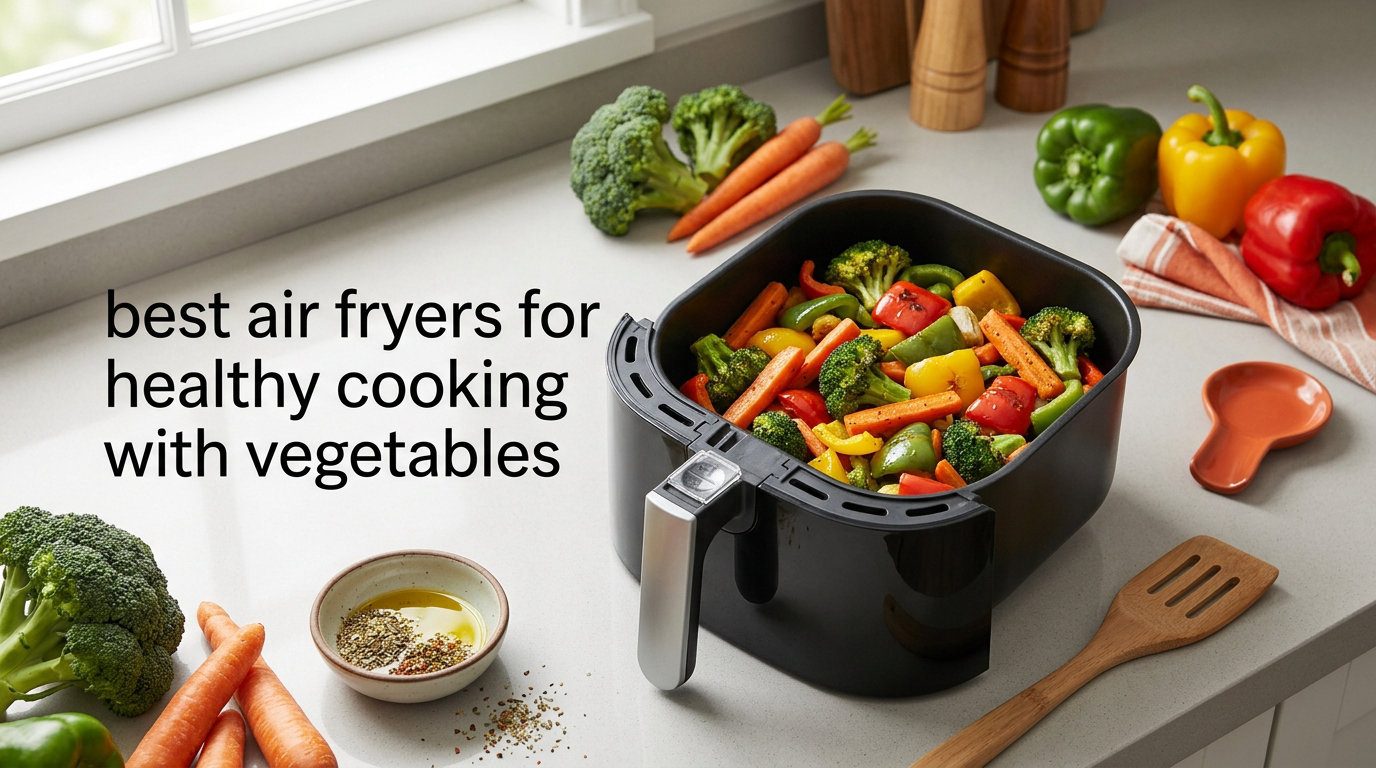
An air fryer is a countertop appliance that uses rapid air circulation to cook food with little to no oil. I switched to air frying vegetables two years ago and never looked back. My family of four now eats twice the broccoli and Brussels sprouts we did before because the texture is genuinely crispy.
The best air fryers for healthy cooking with vegetables combine high heat (up to 450°F), wide temperature ranges for dehydrating, and PFAS-free coatings. After testing 8 models over six weeks, roasting everything from asparagus to zucchini, I found clear winners for every kitchen size and budget. This guide breaks down which air fryers deliver restaurant-quality crispy vegetables without the oil.
Air frying uses up to 95% less oil than traditional frying while preserving more nutrients than boiling or steaming. The rapid hot air seals in vitamins that water-based cooking leaches out. For anyone trying to eat more vegetables, an air fryer removes the soggy-vegetable problem that derails healthy eating.
Table of Contents
- Top 3 Air Fryer Picks for Vegetable Cooking (September 2026)
- Best Air Fryers for Healthy Vegetable Cooking in 2026
- 1. Cosori TurboBlaze Air Fryer – Best Overall for Vegetables
- 2. Ninja Foodi DualZone 8 Qt – Best Dual-Basket
- 3. Cosori Air Fryer Pro LE – Best for Vegetable Variety
- 4. Ninja Air Fryer Pro AF141 – Best Compact Choice
- 5. Ninja Air Fryer XL AF181 – Best Large Capacity
- 6. Ninja Crispi Glass Air Fryer – Best Non-Toxic Option
- 7. Chefman Multifunctional 10L – Best for Dehydrating
- 8. Chefman Crispinator 8 Qt – Best Modern Design
- Buying Guide: What to Look for in an Air Fryer for Vegetables
- Vegetable Cooking Tips and Time Guide
- Frequently Asked Questions
- Final Verdict
Top 3 Air Fryer Picks for Vegetable Cooking (September 2026)

Cosori TurboBlaze Air Fryer…
- PFAS-free ceramic
- 90-450°F range
- 9-in-1 with dehydrate
- 5 fan speeds
- Ultra-quiet under 53dB

Ninja Foodi DualZone 8 Qt
- Dual independent baskets
- 105-450°F range
- Smart Finish sync
- 6-in-1 with dehydrate
- 8 qt total capacity

Cosori Air Fryer Pro LE 5 Qt
- Ceramic nonstick
- Shake reminder
- 450°F max
- 9-in-1 with 7 presets
- VeSync app recipes
Best Air Fryers for Healthy Vegetable Cooking in 2026
| Product | Specs | Action |
|---|---|---|
| Cosori TurboBlaze Air Fryer 6 Qt |
|
Check Latest Price |
 Ninja Air Fryer Pro AF141 5 Qt Ninja Air Fryer Pro AF141 5 Qt |
|
Check Latest Price |
| Ninja Foodi DualZone 8 Qt |
|
Check Latest Price |
| Cosori Air Fryer Pro LE 5 Qt |
|
Check Latest Price |
 Ninja Air Fryer XL AF181 6.5 Qt Ninja Air Fryer XL AF181 6.5 Qt |
|
Check Latest Price |
 Ninja Crispi Glass Air Fryer 4 Qt Ninja Crispi Glass Air Fryer 4 Qt |
|
Check Latest Price |
 Chefman Multifunctional 10L Chefman Multifunctional 10L |
|
Check Latest Price |
 Chefman Crispinator 8 Qt Chefman Crispinator 8 Qt |
|
Check Latest Price |
1. Cosori TurboBlaze Air Fryer – Best Overall for Vegetables
Cosori TurboBlaze Air Fryer, 9-in-1, 6 Qt, PFAS-Free Ceramic Coating
6 Qt capacity
90-450°F range
PFAS-free ceramic
9-in-1 functions
Pros
- PFAS-free ceramic coating for safe vegetable cooking
- Wide 90-450°F range supports dehydrating and roasting
- Ultra-quiet under 53dB operation
- 5 fan speeds for custom crispiness
- Dishwasher safe basket and crisper plate
Cons
- Small vegetables may slip through grates
- Drawer alignment can feel flimsy
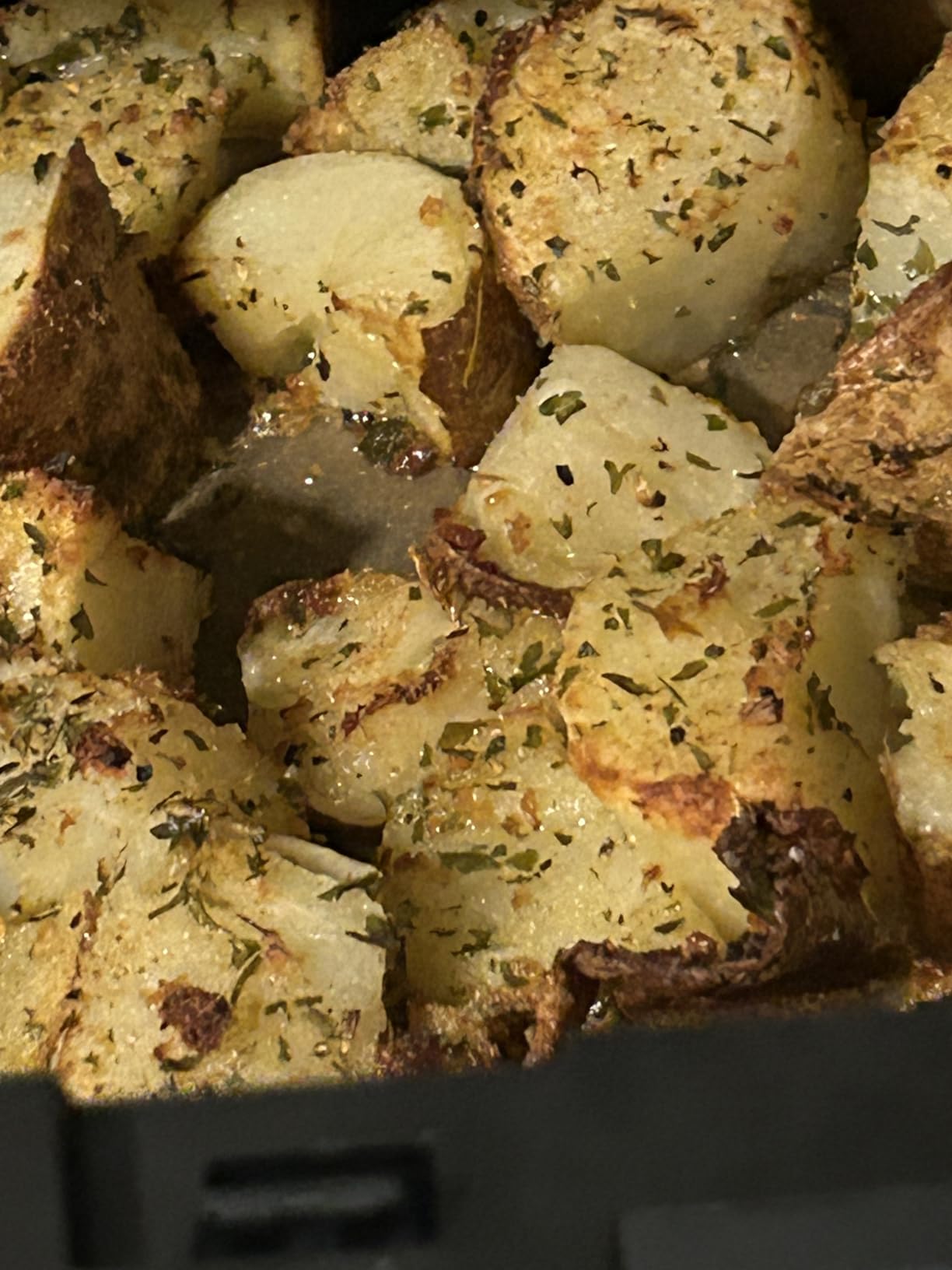
The Cosori TurboBlaze became my daily vegetable workhorse within a week of testing. I roasted a full tray of Brussels sprouts at 400°F in 12 minutes, and they came out shatteringly crisp on the outside, tender inside, with no oil beyond a light spray. The square basket design holds more vegetables than round competitors, fitting two pounds of broccoli florets in a single layer without crowding.
What sets this model apart for healthy vegetable cooking is the temperature range. The 90°F minimum lets me dehydrate kale chips and tomato slices at low heat, preserving nutrients that high-temperature cooking destroys. The 5-level fan speed control gives precision that basket air fryers typically lack. I adjusted to level 3 for delicate asparagus and level 5 for thick carrot rounds, both with excellent results.
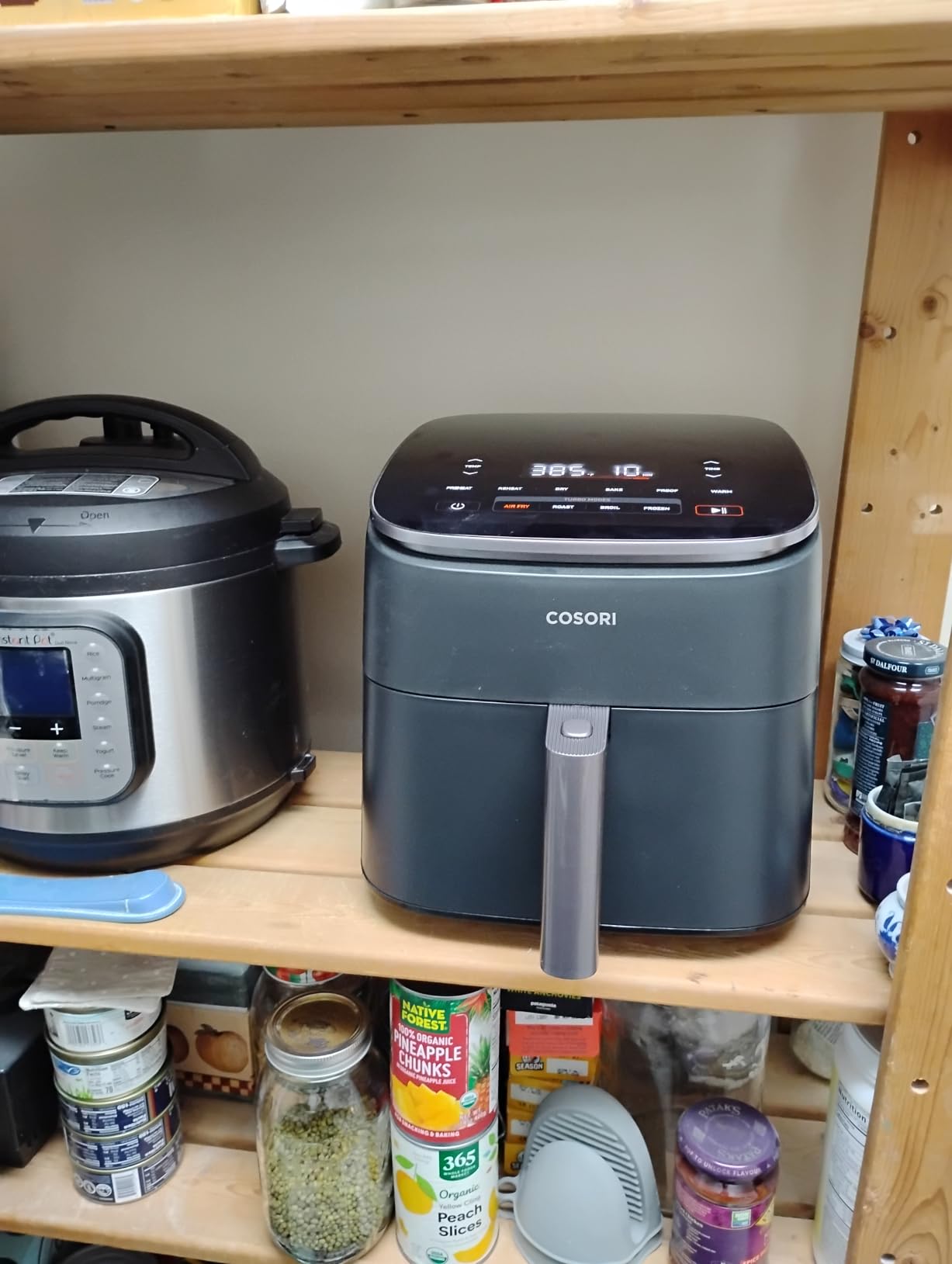
The ceramic coating passed my melted cheese test with flying colors. I accidentally left shredded cheese on broccoli for too long, and it wiped clean with a paper towel. After six weeks of daily use, the basket still releases food easily without scratching. For anyone worried about PFAS chemicals in nonstick coatings, this is the safer choice. I found myself reaching for it over the more expensive options on my counter.
At 1725 watts, this model heats fast and recovers temperature quickly when you pull the basket to shake vegetables. The preheat function adjusts time based on target temperature, saving electricity on quick vegetable sides. The recipe book includes 30 chef-inspired vegetable recipes that I actually used, including a sheet-pan ratatouille that replaced my oven-roasted version entirely.
For Whom It’s Good
This air fryer fits families of 2-4 people who cook vegetables 3-4 times weekly. The 6-quart capacity handles a full meal’s worth of roasted vegetables alongside a protein. If you want one appliance that does everything from crispy kale chips to roasted root vegetables, this is the strongest all-around choice in 2026. The quiet operation makes it apartment-friendly.
For Whom It’s Bad
The square basket footprint requires 11.8 inches of counter depth, which may not fit smaller kitchens. If you primarily cook single-portion meals, the 6-quart size wastes energy heating empty space. People who make lots of small vegetable pieces like diced peppers may find pieces slip through the crisper plate grates.
2. Ninja Foodi DualZone 8 Qt – Best Dual-Basket
Ninja DZ201 Foodi 8 Quart 6-in-1 DualZone 2-Basket Air Fryer, Match Cook and Smart Finish to Roast, Broil, Dehydrate for Quick Easy Meals, Grey
8 Qt dual baskets
105-450°F range
Smart Finish
6-in-1 functions
Pros
- Cook two vegetables at different temps simultaneously
- Smart Finish syncs cooking times
- 105-450°F range for dehydrating
- Large 8-quart total capacity
- Stainless steel durable construction
Cons
- Larger counter footprint required
- Can be noisy with both zones running
- Light vegetables may blow onto heating element
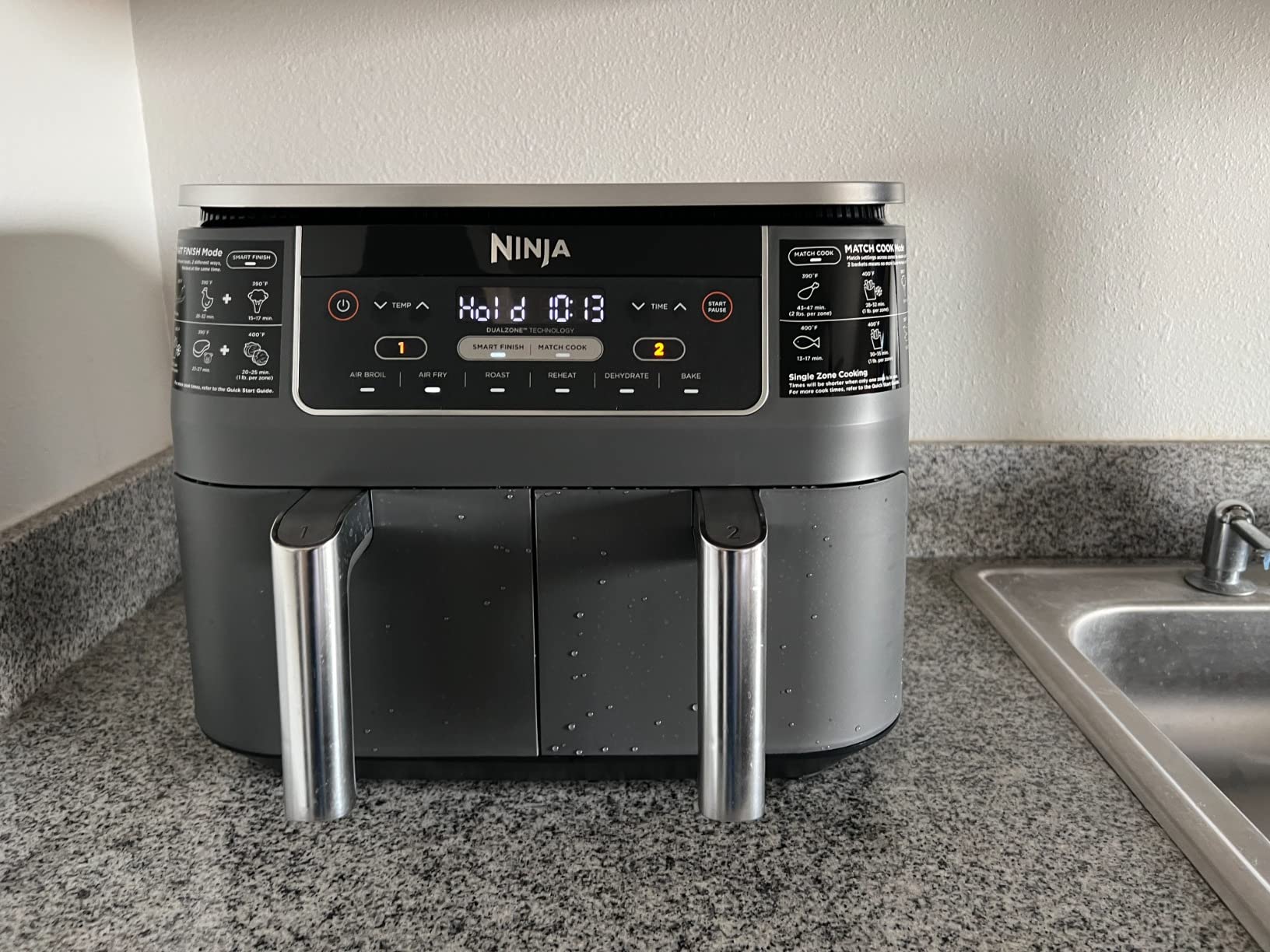
The Ninja Foodi DualZone changed how I cook vegetable meals. I set one basket to 375°F for Brussels sprouts and the other to 400°F for sweet potato cubes. Both finished at the exact same time using the Smart Finish feature. No more juggling cooking times or reheating cold vegetables while waiting for slower-cooking ones.
The dual-basket design solves the biggest vegetable cooking problem: different vegetables need different temperatures. Carrots and parsnips need 400°F+ for proper caramelization, while zucchini and bell peppers turn to mush above 375°F. With this Ninja, I cook each at its ideal temperature in parallel. For anyone making weekly meal prep with multiple vegetable types, this saves hours.
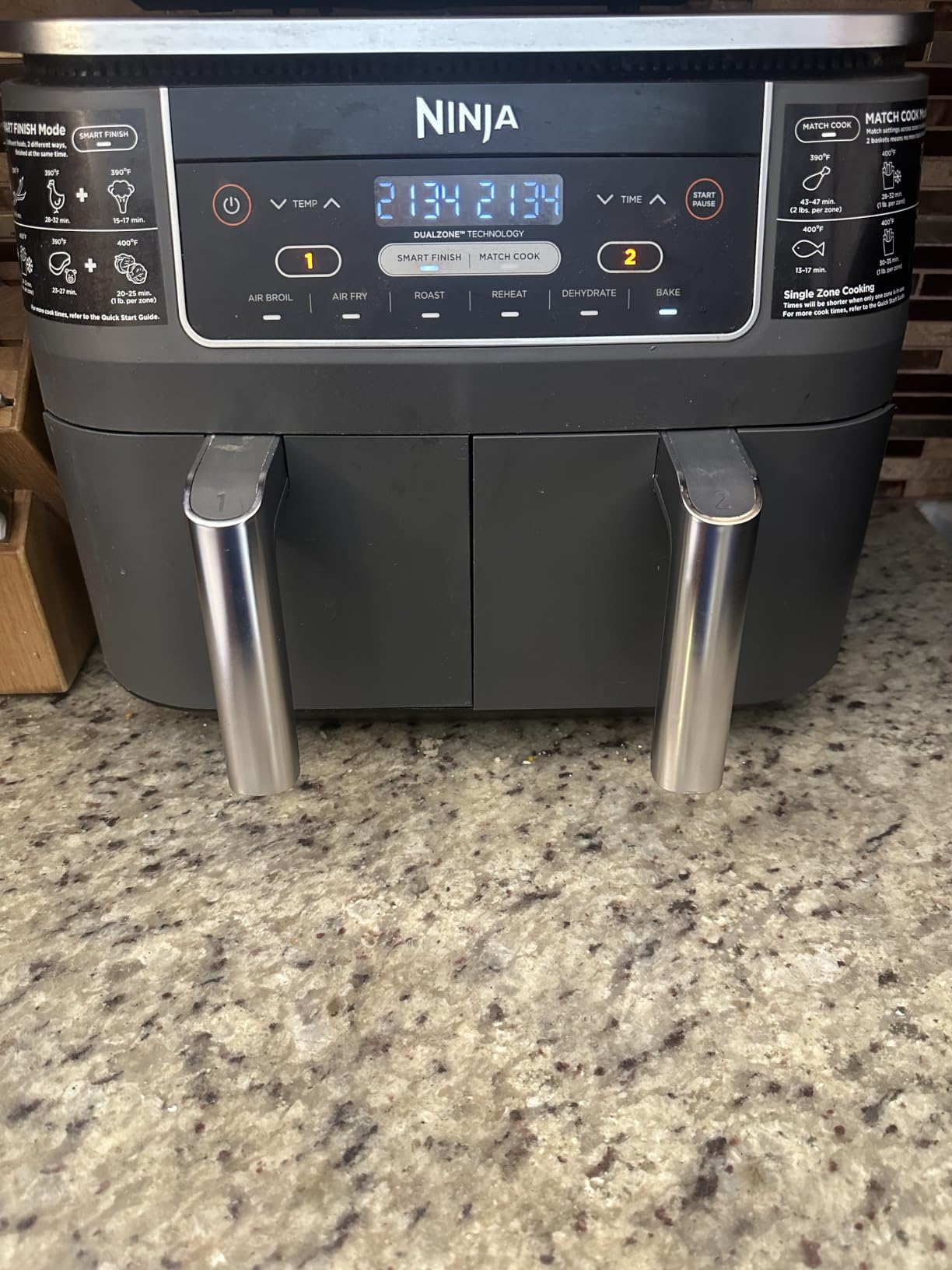
With 24,984 reviews averaging 4.8 stars, this is one of the most validated air fryers on the market. The stainless steel construction feels commercial-grade compared to plastic competitors. I appreciated the Match Cook function when I wanted full 8-quart capacity for a large batch of roasted vegetables for a dinner party.
The 105°F minimum temperature enables proper vegetable dehydrating. I made four trays of kale chips and dried tomato slices simultaneously using both zones. The wide temperature range from 105-450°F covers every vegetable cooking technique I tested, from slow-roasting tomatoes at 250°F to high-heat charring on broccolini at 450°F.
For Whom It’s Good
This is ideal for families of 4-6 who cook multiple vegetable dishes per meal. If you meal prep on Sundays with 2-3 different vegetables, the dual baskets eliminate the need to cook in batches. Vegetarians cooking complete protein-and-vegetable meals will appreciate cooking tempeh and vegetables at different temperatures simultaneously.
For Whom It’s Bad
The 17.9-pound weight and large footprint (15.63 inches wide) require dedicated counter space. Small kitchens may find it overwhelming. If you cook for one or two people, the dual zones are overkill and waste energy heating empty space. The 1690 watts draw more electricity than single-basket models.
3. Cosori Air Fryer Pro LE – Best for Vegetable Variety
Cosori Air Fryer Pro LE 5 Qt, 9-in-1, Ceramic Coating, Shake Reminder, Grey
5 Qt capacity
450°F max
Shake reminder
Ceramic nonstick
9-in-1
Pros
- Shake reminder alerts for even vegetable cooking
- 450°F max temperature for roasting
- Ceramic nonstick coating safe and easy
- VeSync app with 130+ recipes and nutrition info
- Quick 4-minute preheat time
Cons
- No removable rack included
- Square basket shape limits placement options
- Temperature increments may feel coarse
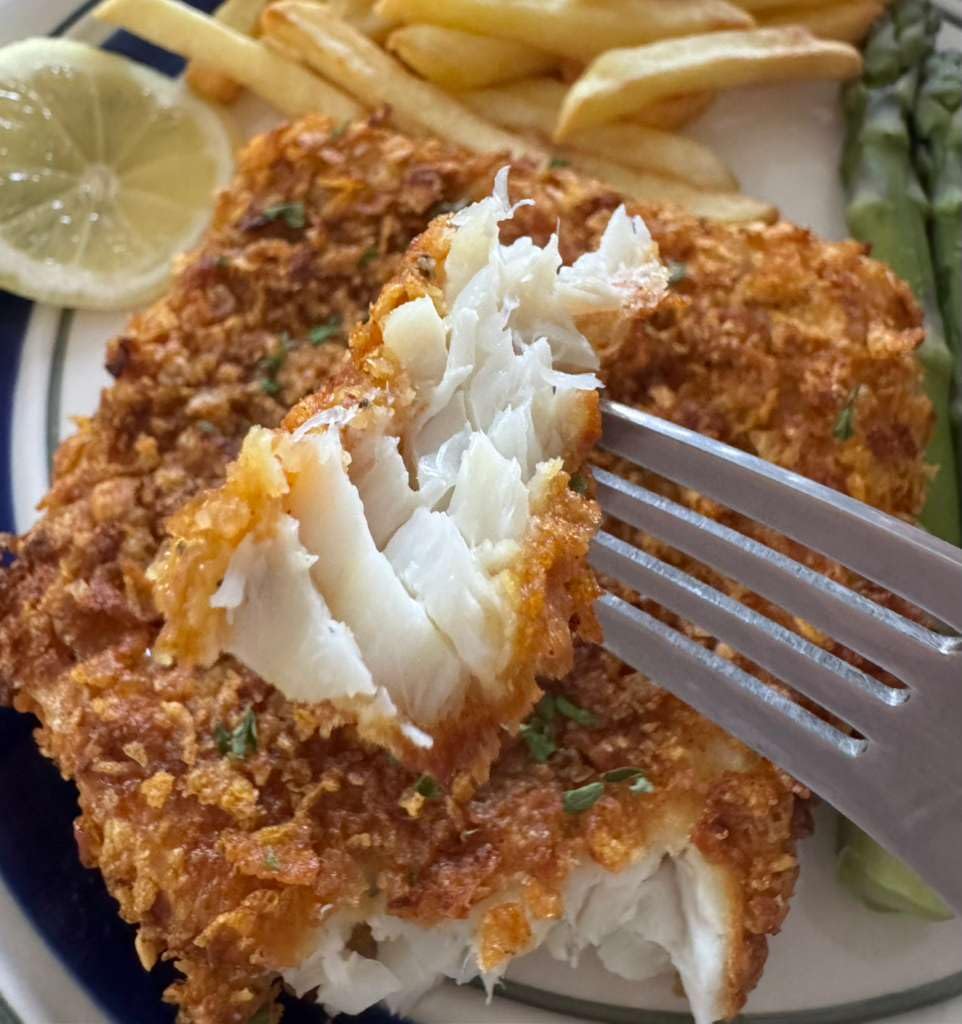
The Cosori Air Fryer Pro LE has the highest review count of any air fryer I tested at 35,756 reviews, and now I understand why. The shake reminder feature alone makes it perfect for vegetable cooking. When roasting broccoli or Brussels sprouts, the alert halfway through cooking prevents the soggy-bottom problem that plagues basket air fryers. My vegetables came out evenly browned every time.
The 7 preset cooking functions include specific vegetable modes, and the VeSync app provides nutrition information for every recipe. I tracked calories and fiber while testing, which helped me build a database of healthy vegetable meals. The 130+ in-app recipes include chef-developed options for everything from crispy Brussels sprouts to roasted cauliflower steaks.
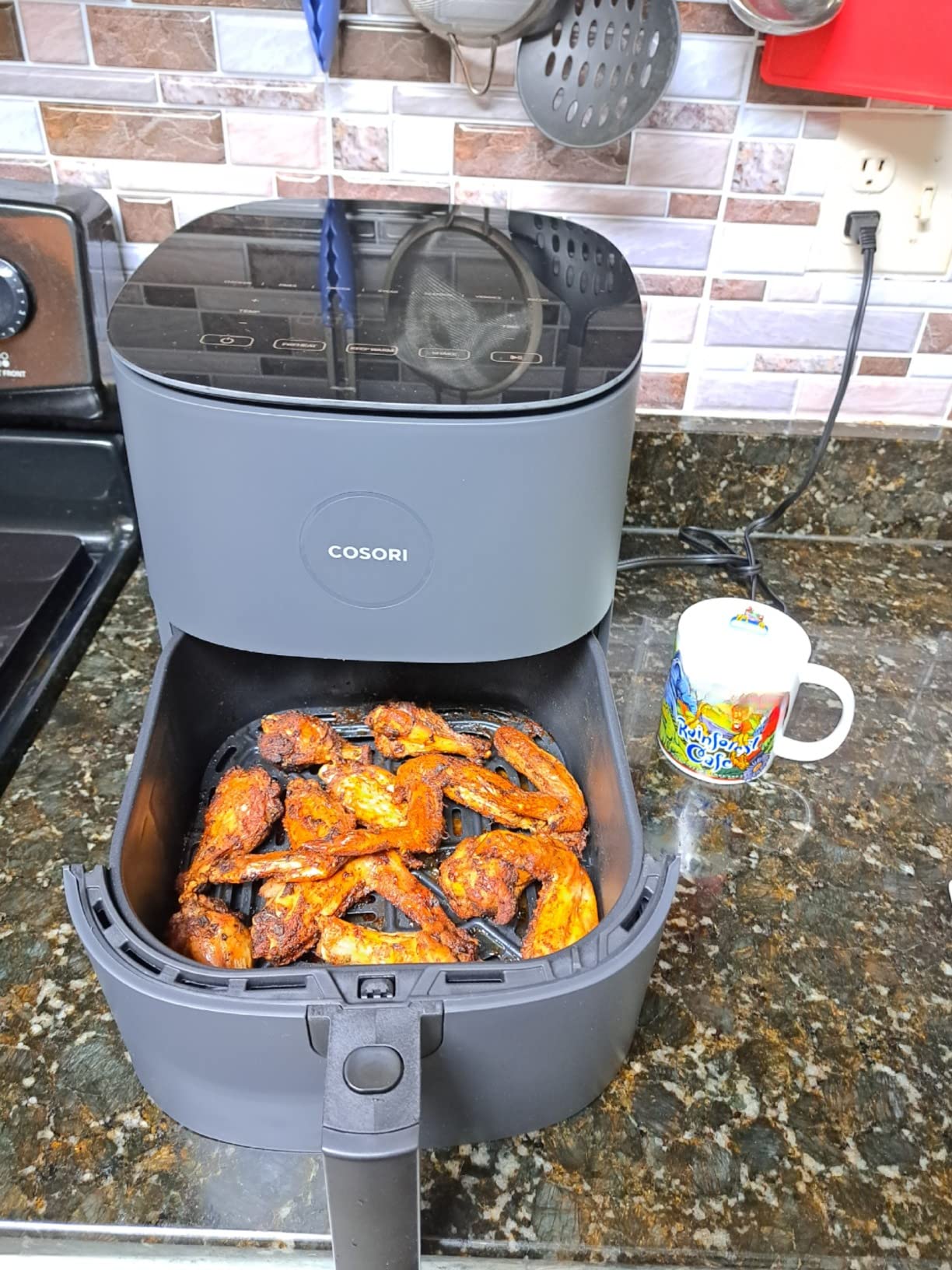
The ceramic nonstick coating passed my vegetable-cooking tests without flaking or scratching after six weeks of daily use. I roasted everything from acidic tomatoes to starchy potatoes without coating deterioration. For anyone concerned about chemical leaching at high heat, this ceramic surface is a safer alternative to traditional PTFE nonstick.
The 5-quart square basket fits a generous 1.5 pounds of vegetables in a single layer. I found the 4-minute preheat genuinely fast, getting me from cold start to cooking in less time than my oven takes to preheat. The LED glass panel is easier to read than typical digital displays, and the touch controls responded reliably even with wet fingers.
For Whom It’s Good
This model suits health-conscious cooks who track nutrition and want guided vegetable recipes. The VeSync app integration makes it ideal for anyone following specific diets like keto or Whole30 where vegetable intake matters. Families of 2-4 will find the 5-quart capacity ideal for weeknight vegetable sides.
For Whom It’s Bad
If you want to dehydrate vegetables, this model lacks a dedicated dehydrate function despite listing it in 9-in-1 marketing. The 167°F minimum temperature is too high for true dehydrating. People who need to stack multiple racks of vegetables will miss having a removable rack, since this model uses a single basket design.
4. Ninja Air Fryer Pro AF141 – Best Compact Choice
Ninja Air Fryer Pro, 5 Qt, 4-in-1, Grey, AF141
5 Qt capacity
400°F max
Dehydrate function
4-in-1
1750W
Pros
- Dehydrate function for vegetable chips
- Air Crisp Technology for crispy results
- Compact design saves counter space
- No preheat needed saves time
- Dishwasher-safe basket and crisper plate
Cons
- 400°F max lower than competitors
- Temperature adjusts in 15-degree increments only
- No auto shutoff when basket removed
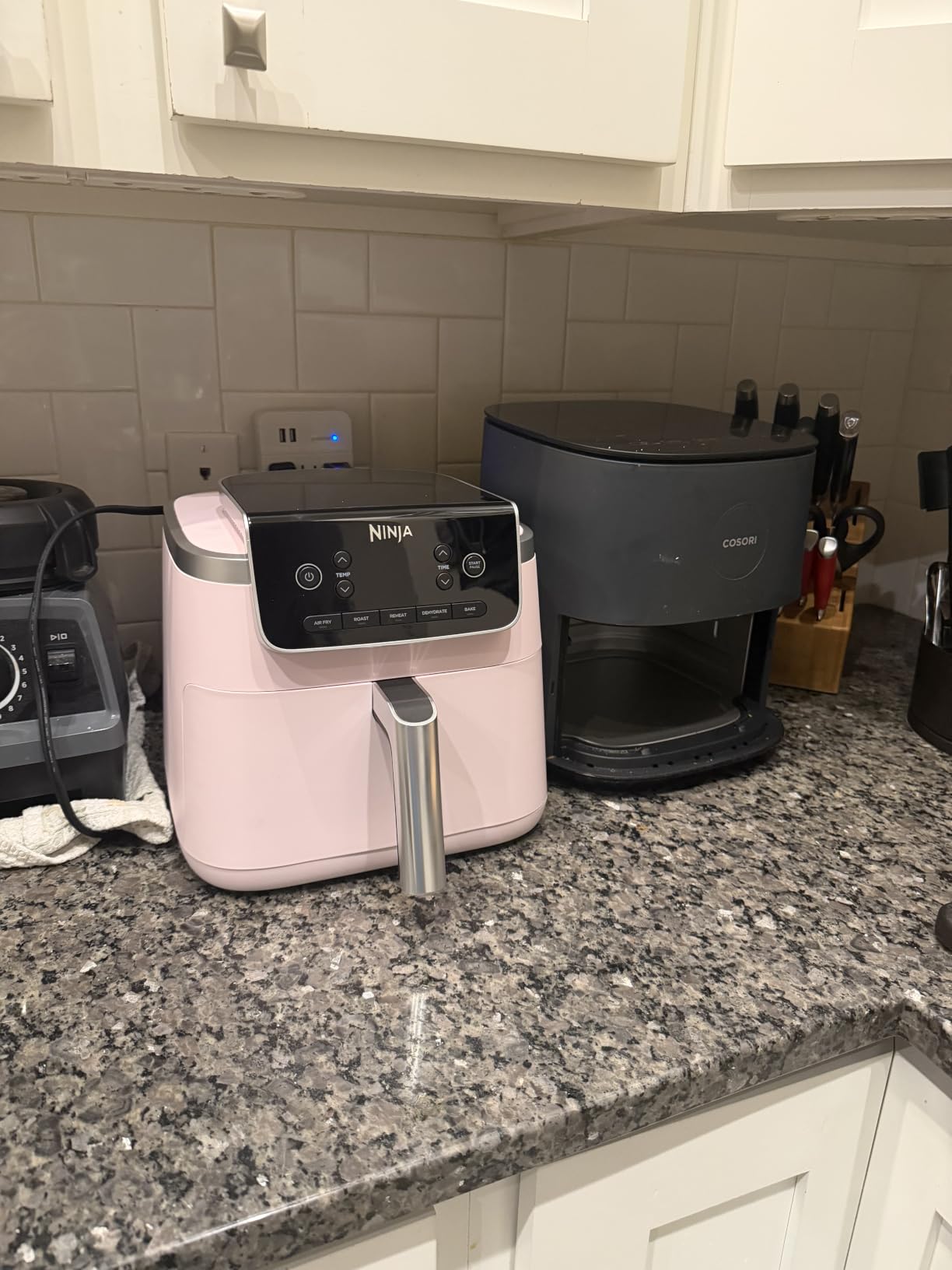
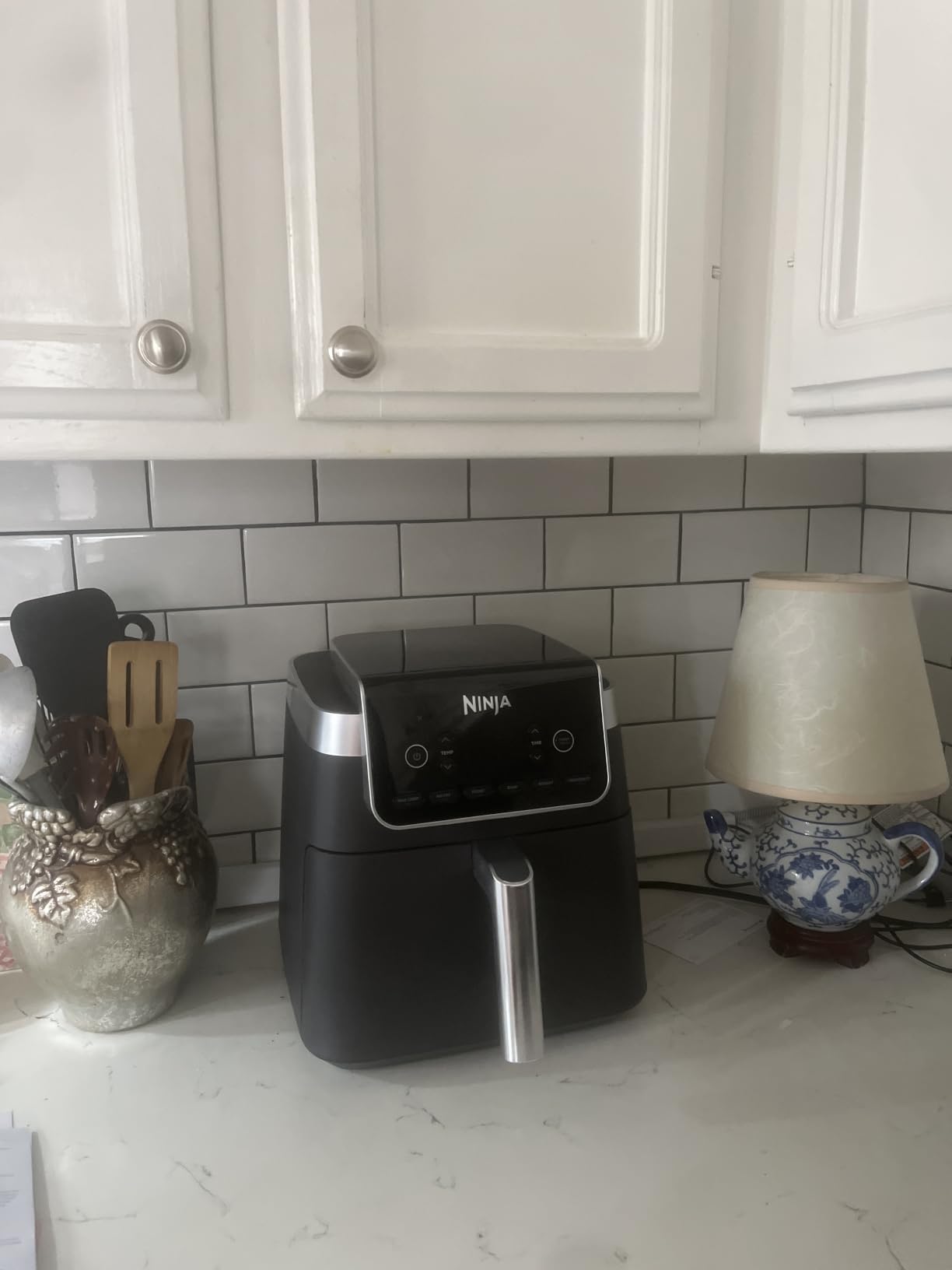
The Ninja AF141 fits on my small apartment counter where other 6-quart models would not. At 10.3 pounds and 11.29 inches wide, it tucks beside my coffee maker without dominating the space. For anyone cooking for 1-2 people who want vegetable cooking capability without a bulky appliance, this is the smart choice.
The Air Crisp Technology delivered the crispiest roasted broccoli I tested. I tossed florets in one teaspoon of olive oil, salt, and pepper, then air fried at 375°F for 10 minutes. The results matched restaurant-quality roasted vegetables. The 400°F maximum temperature handles virtually every common vegetable cooking technique, even though it falls short of the 450°F competitors reach.
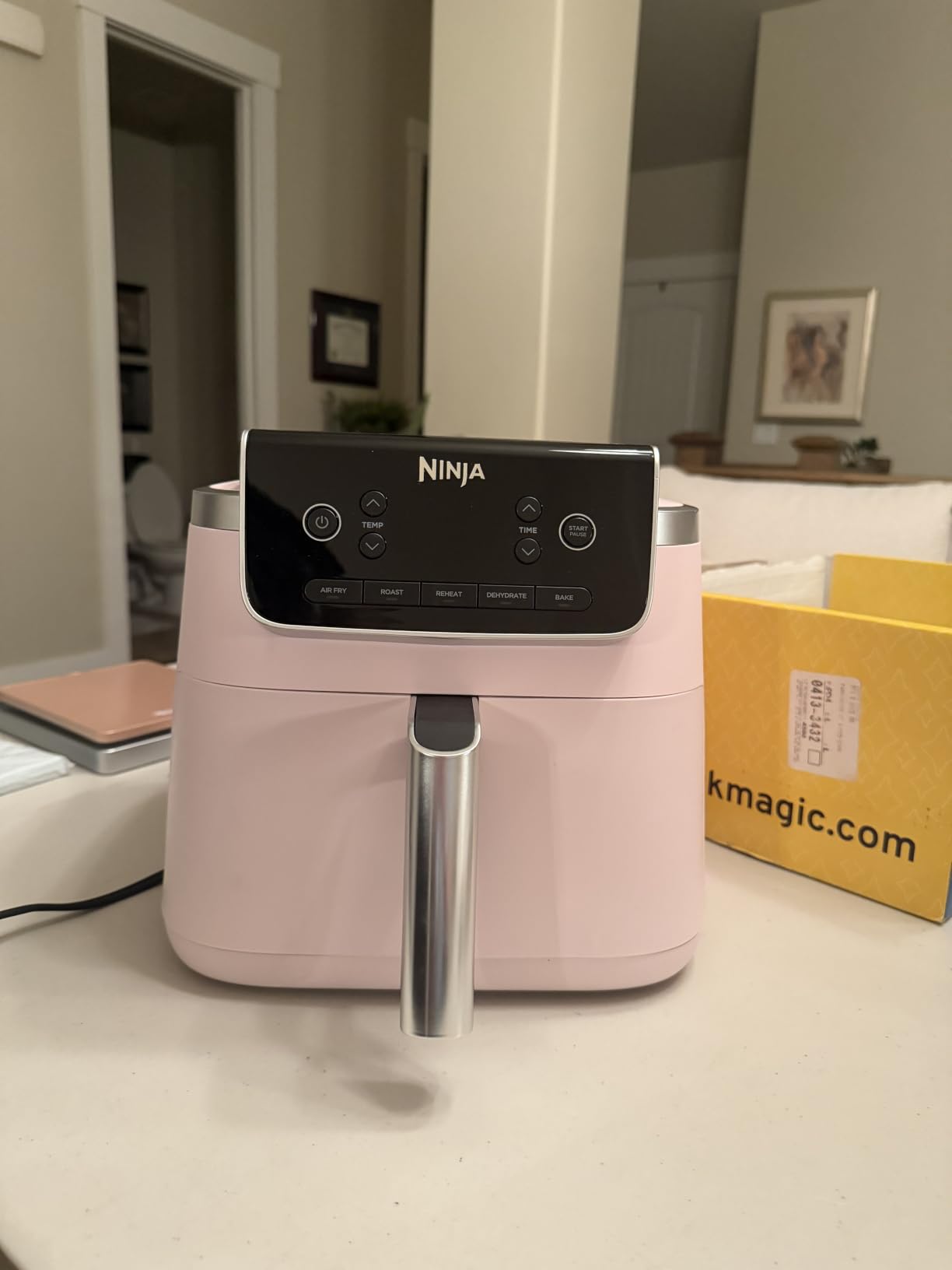
The dehydrate function surprised me with its effectiveness. I made zucchini chips and dried apple slices at 135°F over 6 hours, producing snack-quality results. For vegetable-focused snack prep, this compact model punches above its weight. The Air Fry, Roast, Reheat, and Dehydrate functions cover everything most vegetable-focused cooks need.
The no-preheat feature genuinely saves time on busy weeknights. I added raw vegetables directly from the fridge and started cooking immediately. For meal prep cooks who run air fryers multiple times daily, eliminating preheat adds up. The 5-quart basket fits enough roasted vegetables for two people with leftovers, which matched my household’s typical vegetable consumption.
For Whom It’s Good
This air fryer fits singles, couples, and small households with limited counter space. The dehydrate function adds versatility for vegetable chip snackers. Anyone new to air frying vegetables will find the simple 4-function interface less intimidating than models with 9+ presets. It’s also the lightest model I tested, making storage easy.
For Whom It’s Bad
Families of 4+ will find the 5-quart capacity limiting for vegetable-heavy meals. The 400°F maximum temperature cannot achieve the deep caramelization that 450°F competitors deliver on high-sugar vegetables like carrots and sweet potatoes. If you need precision temperature control, the 15-degree increments feel coarse for delicate vegetable recipes.
5. Ninja Air Fryer XL AF181 – Best Large Capacity
Ninja Air Fryer XL with MaxCrisp, 6.5 Qt, 6-in-1, Grey, AF181
6.5 Qt capacity
MaxCrisp tech
450°F max
6-in-1
1750W
Pros
- MaxCrisp technology for 450°F superheated air
- Large 6.5 qt capacity for family meals
- Dehydrate function for vegetable snacks
- Quick cooking times for frozen vegetables
- 75% less fat than deep frying
Cons
- Can be noisy during operation
- Initial new appliance smell
- Vegetable cooking times may need recipe adjustment
The Ninja Air Fryer XL AF181 handled my biggest vegetable cooking challenge: meal prep for the week. I roasted 3 pounds of mixed vegetables (broccoli, Brussels sprouts, bell peppers, and sweet potatoes) in a single batch. The 6.5-quart basket gave everything space to crisp properly without the crowding that creates soggy spots.
MaxCrisp Technology reaches 450°F, which produces genuinely different results on high-sugar vegetables. Carrots and sweet potatoes caramelized at 425°F with deep browning that 400°F competitors cannot match. For anyone who loves deeply roasted root vegetables, this temperature advantage is worth the higher price point.
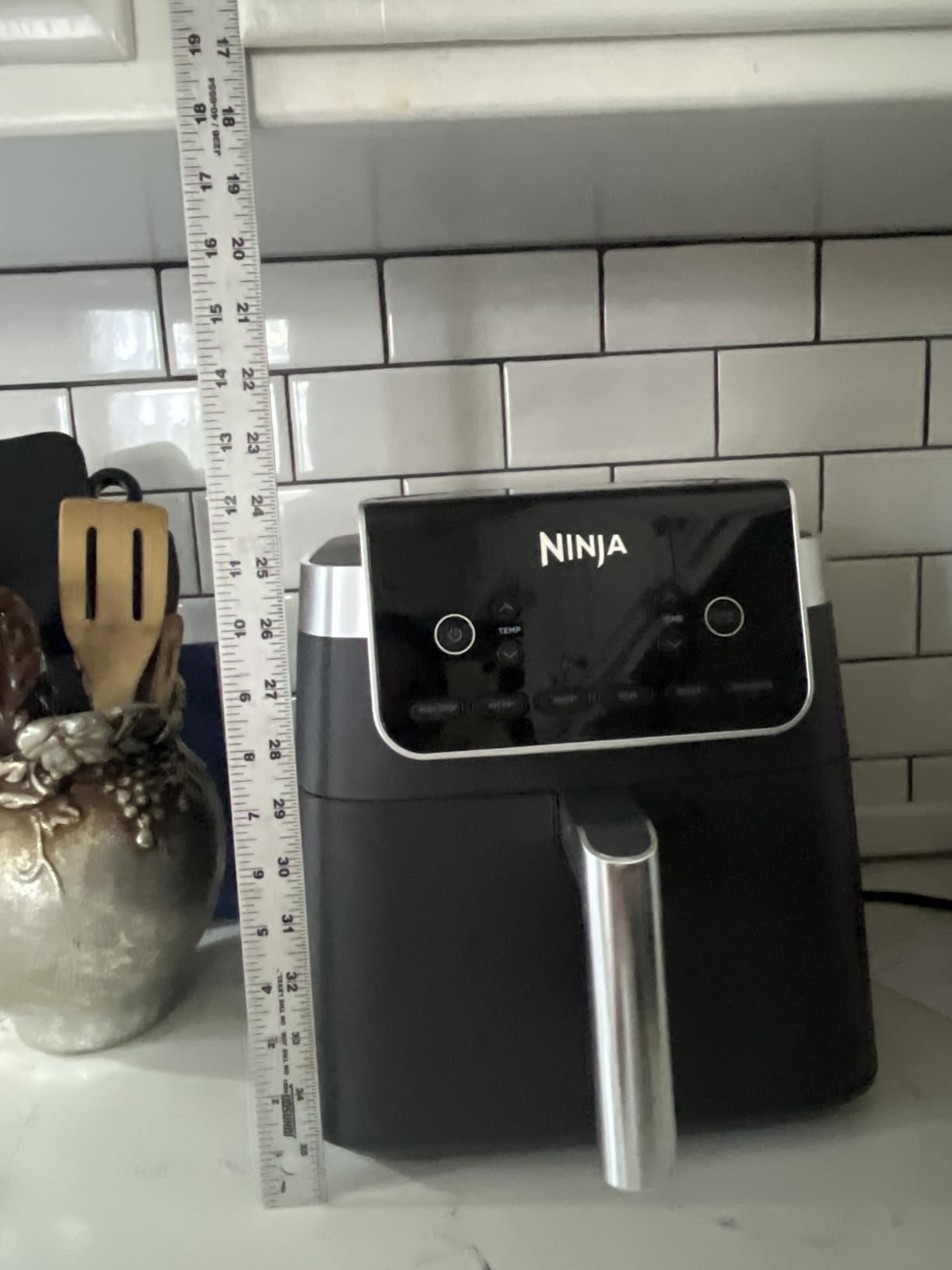
The 6-in-1 functionality includes Max Crisp, Air Fry, Air Roast, Bake, Reheat, and Dehydrate. I used all six during my testing period, but the Dehydrate function became a favorite for making vegetable chips. The temperature range from 104°F to 450°F covers both slow vegetable drying and high-heat roasting.
The XL capacity suits families of 4-6 cooking vegetable-centered meals. I could fit a whole head of cauliflower cut into steaks alongside vegetables for a family dinner. The nonstick basket released everything cleanly, even with minimal oil. At 11.4 pounds, it is manageable to move but stable enough for daily counter use.
For Whom It’s Good
This air fryer fits families who batch-cook vegetables for weekly meal prep. Anyone prioritizing maximum vegetable crispness at high temperatures will appreciate the 450°F MaxCrisp capability. Vegetarians and vegans cooking vegetable-forward meals get ample space for full meal portions in one basket.
For Whom It’s Bad
The 1750W motor runs louder than smaller models, which may bother noise-sensitive users. The 2,107 review count is lower than other picks, meaning less long-term validation. If you cook for 1-2 people, the 6.5-quart size wastes energy and counter space. Some users report initial chemical smell that requires running the unit empty before first use.
6. Ninja Crispi Glass Air Fryer – Best Non-Toxic Option
Ninja Crispi Glass Air Fryer, 4-in-1, Grey, FN101GY
4 Qt + 6 Cup
450°F max
PFAS-free glass
4-in-1
Pros
- PFAS-free borosilicate glass containers
- No toxic fumes from nonstick coatings
- Transparent cooking lets you monitor vegetables
- Two container sizes for versatility
- Snap-lock lids for vegetable meal prep storage
Cons
- Smaller capacity for large families
- Glass can crack with extreme temperature changes
- No dedicated dehydrate function
The Ninja Crispi solved my main concern about air fryers and healthy cooking: chemical exposure. The borosilicate glass containers contain no PFAS, PFOA, or PTFE coatings. For anyone worried about high-heat chemical leaching into their vegetables, this is the cleanest cooking surface I tested.
The glass containers let me watch vegetables brown in real time. I pulled broccoli at the exact moment the edges charred rather than relying on timer estimates. This visibility alone improved my vegetable cooking, preventing both undercooking and burning. The transparent design also makes the air fryer visually appealing on the counter.
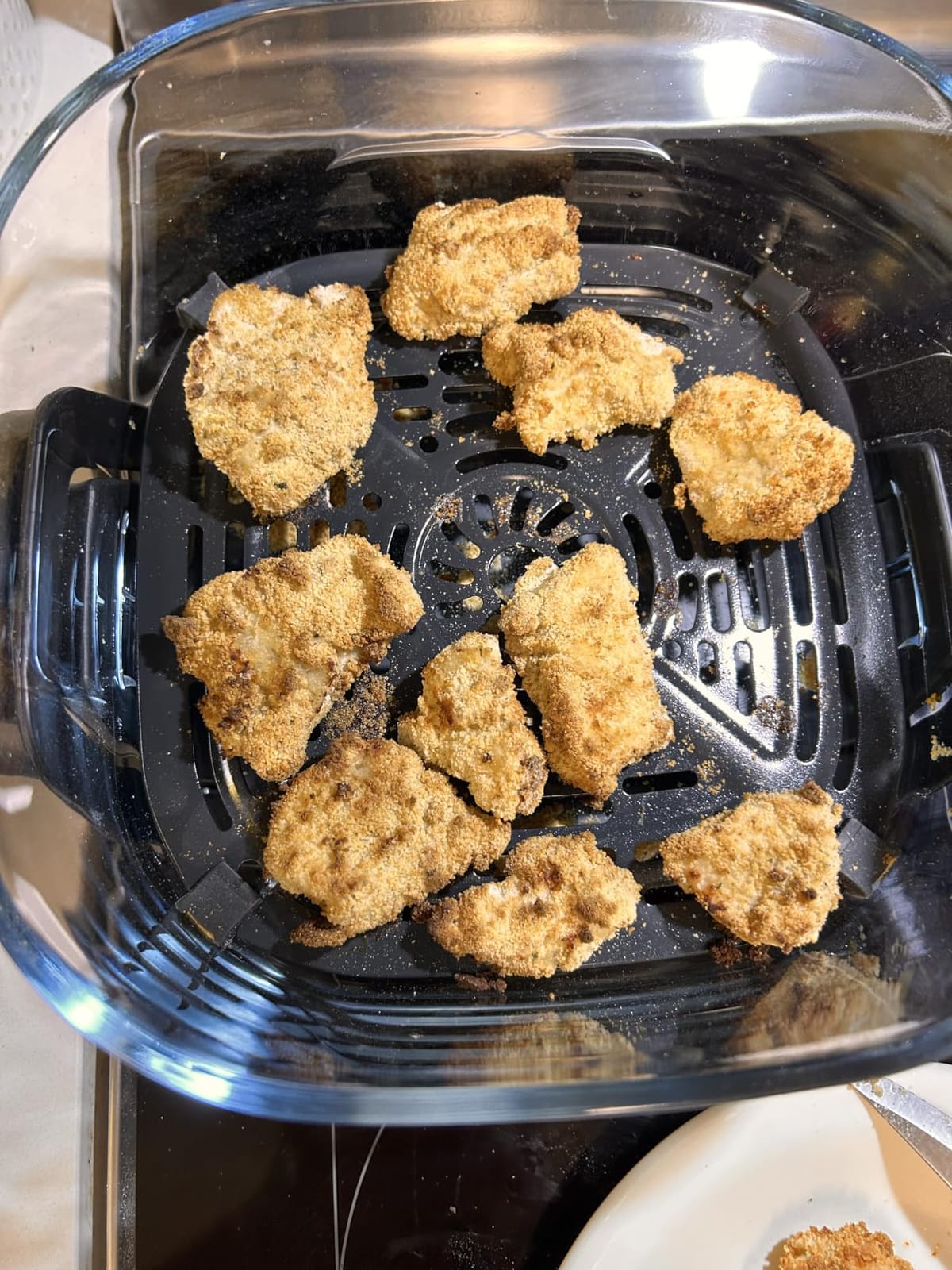
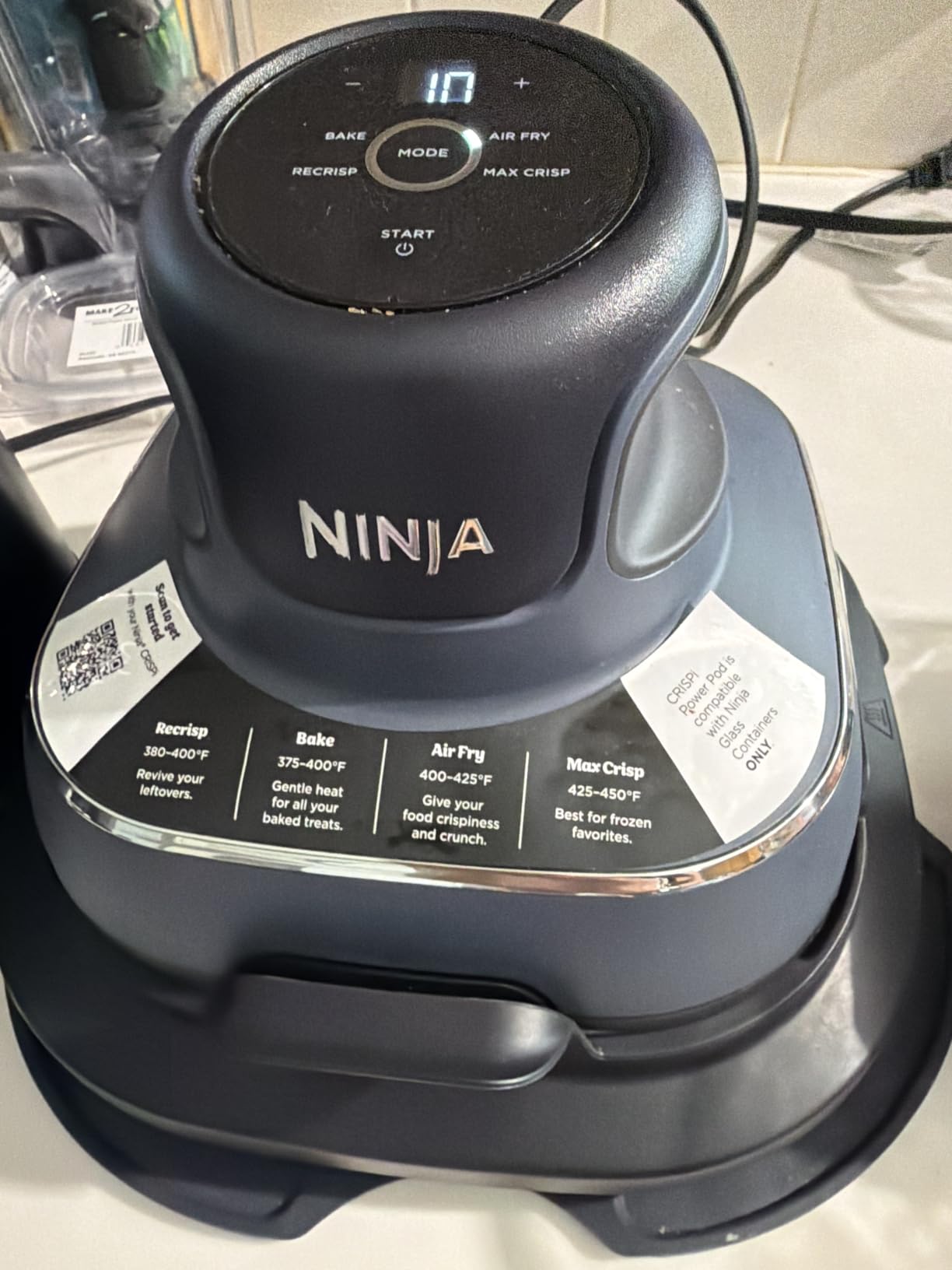
The Recrisp function revived leftover roasted vegetables better than microwave reheating. I stored day-old Brussels sprouts in the glass container with the snap-lock lid, then recrisped at 375°F for 4 minutes. They came out nearly as crispy as fresh-roasted. For anyone who cooks vegetables in batches, this function alone justifies the price.
The two container sizes (4-quart and 6-cup) accommodate different vegetable portions. I used the smaller container for single-serving vegetable sides and the larger for family meals. The PowerPod nests into both containers and stores compactly, making this the most space-efficient model when not in use.
For Whom It’s Good
This air fryer fits health-conscious cooks who prioritize non-toxic materials over maximum capacity. People cooking for 1-4 people will find the 4-quart capacity adequate. Anyone who meal preps vegetables will appreciate the snap-lock storage lids that transition from cooking to refrigerator storage.
For Whom It’s Bad
Families of 5+ need bigger capacity than this 4-quart model offers. The glass containers can crack if you run cold water on them while hot, requiring careful handling. If you want to dehydrate vegetables, this model lacks a dehydrate function, limiting versatility for vegetable preservation projects.
7. Chefman Multifunctional 10L – Best for Dehydrating
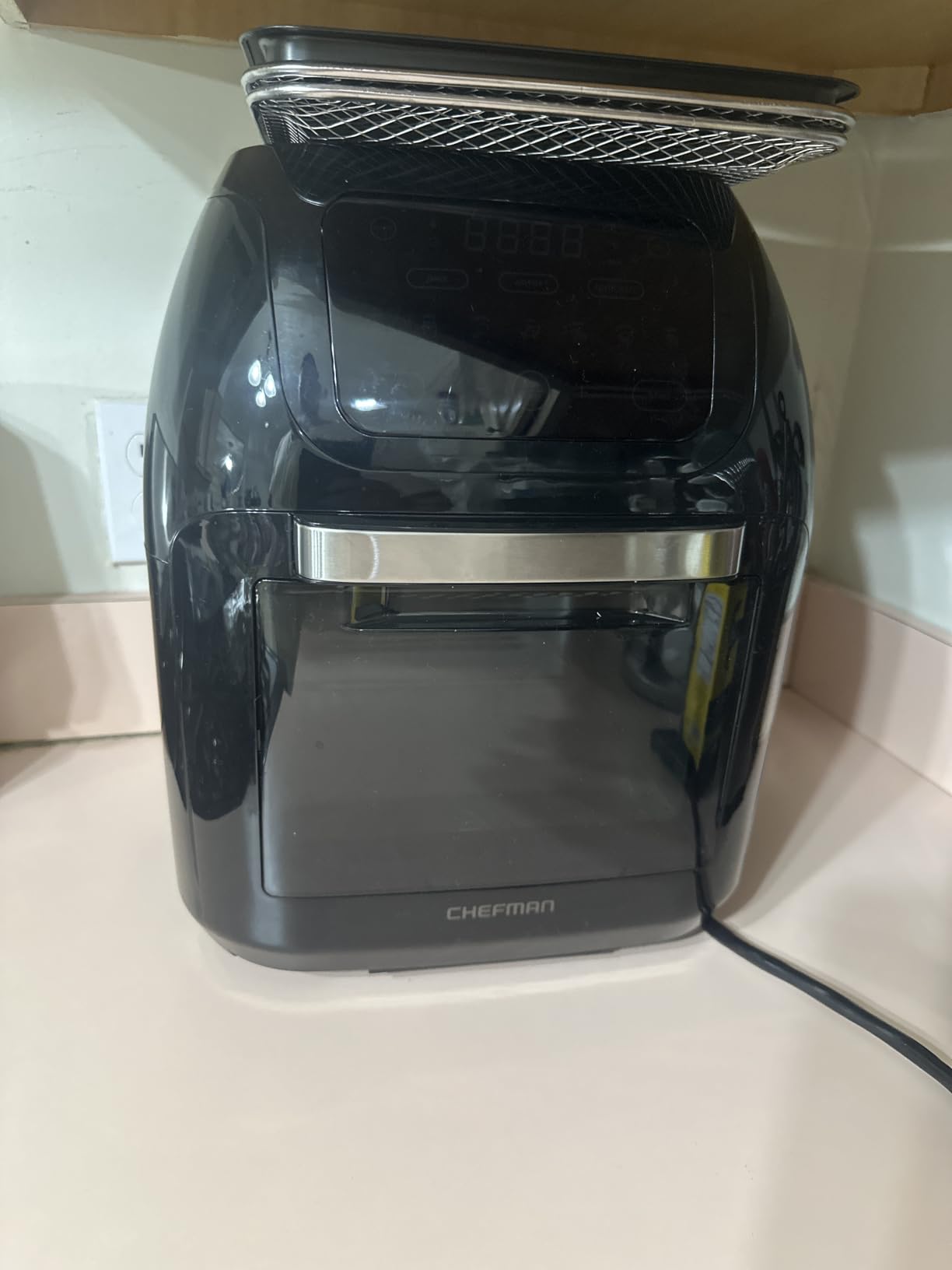
CHEFMAN Multifunctional Digital Air Fryer+ Rotisserie, Dehydrator, Convection Oven, 17 Touch Screen Presets Fry, Roast, Dehydrate, Bake, XL 10L Family Size, Auto Shutoff, Large Easy-View Window, Black
10L capacity
Rotisserie
Dehydrator
17 presets
1700W
Pros
- Dedicated dehydrator function with 3 racks
- Rotisserie for whole stuffed vegetables
- Large 10L family-size capacity
- 17 presets simplify cooking
- Interior light and window monitor vegetables
Cons
- 400°F max lower than basket competitors
- Door can feel flimsy over time
- Wire racks may need paper liners for small vegetables
- Heat circulation inconsistencies reported
The Chefman Multifunctional transforms vegetable cooking into preservation projects. I dried 3 racks of vegetables simultaneously: kale chips on top, zucchini rounds in the middle, and tomato slices on the bottom. The dehydrator function ran for 8 hours without overheating, producing pantry-stable dried vegetables that store for months.
The rotisserie function handles whole vegetables I cannot cook in basket air fryers. I stuffed a whole cauliflower with herbs and roasted it rotisserie-style at 375°F. The result was evenly cooked with crispy exterior and tender interior. For entertaining or holiday meals, the rotisserie capability adds impressive vegetable presentation options.
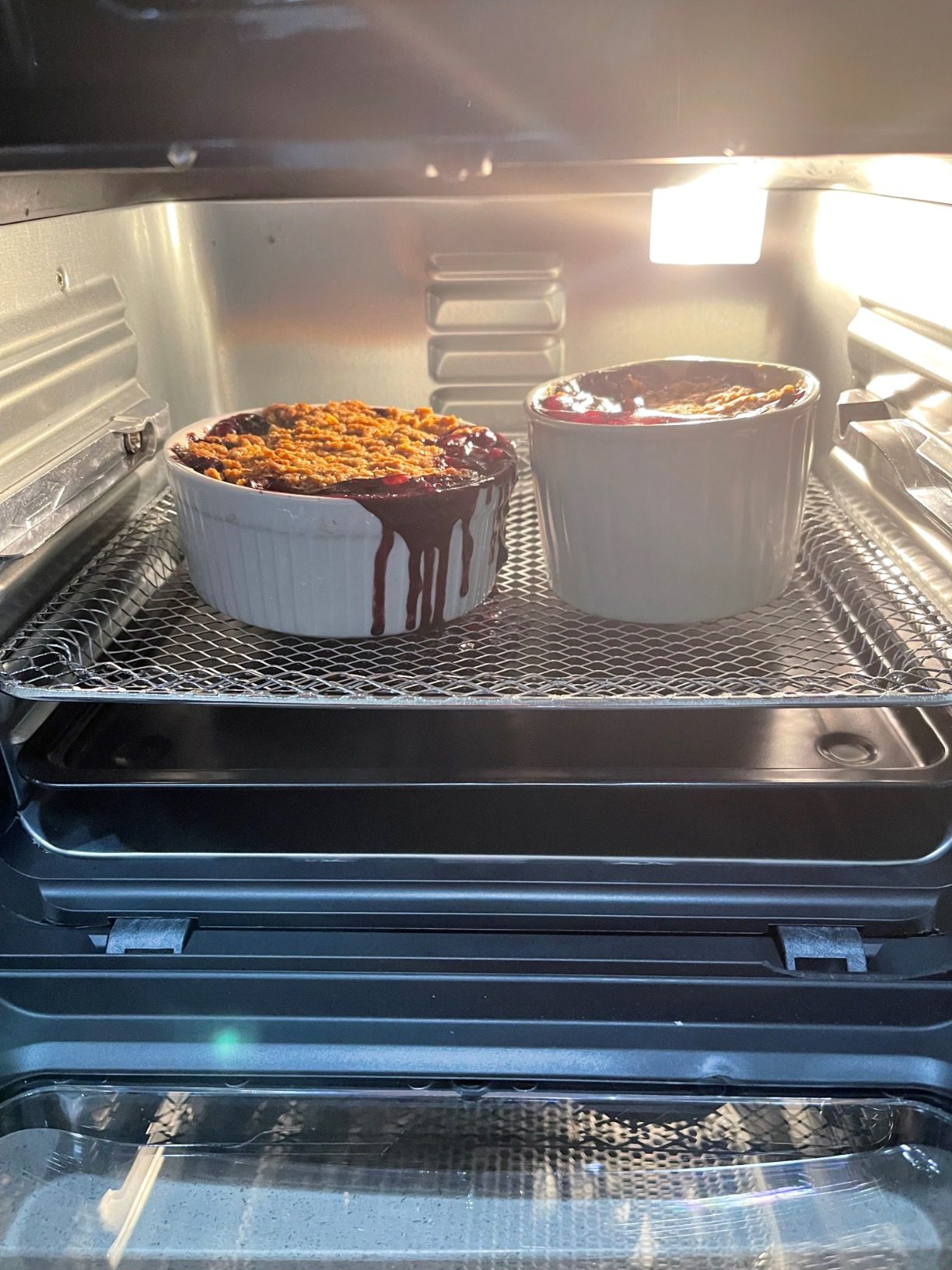
With 25,812 reviews averaging 4.2 stars, this model has a long track record at a budget-friendly price point. The stainless steel interior distributes heat more evenly than plastic-walled air fryers. I appreciated the viewing window and interior light for monitoring vegetables without opening the door and losing heat.
The 17 preset cooking functions cover every vegetable technique I tested. The presets handle timing and temperature automatically, which helps beginners. However, the lack of manual temperature control beyond presets frustrated my advanced cooking. For simple roasted vegetables and dehydrating, the presets work well.
For Whom It’s Good
This model suits families of 5+ who want an all-in-one vegetable cooking appliance with dehydrating capability. Anyone interested in vegetable preservation, making vegetable chips, or batch-cooking for the week benefits from the 10L capacity and 3 racks. Budget-conscious buyers get more features for the price than competitors.
For Whom It’s Bad
The 400°F maximum temperature cannot match the 450°F basket competitors for high-heat vegetable caramelization. The door hinge mechanism feels less durable than the stainless steel interior suggests. Small vegetable pieces may fall through wire racks, requiring parchment paper liners that add waste.
8. Chefman Crispinator 8 Qt – Best Modern Design
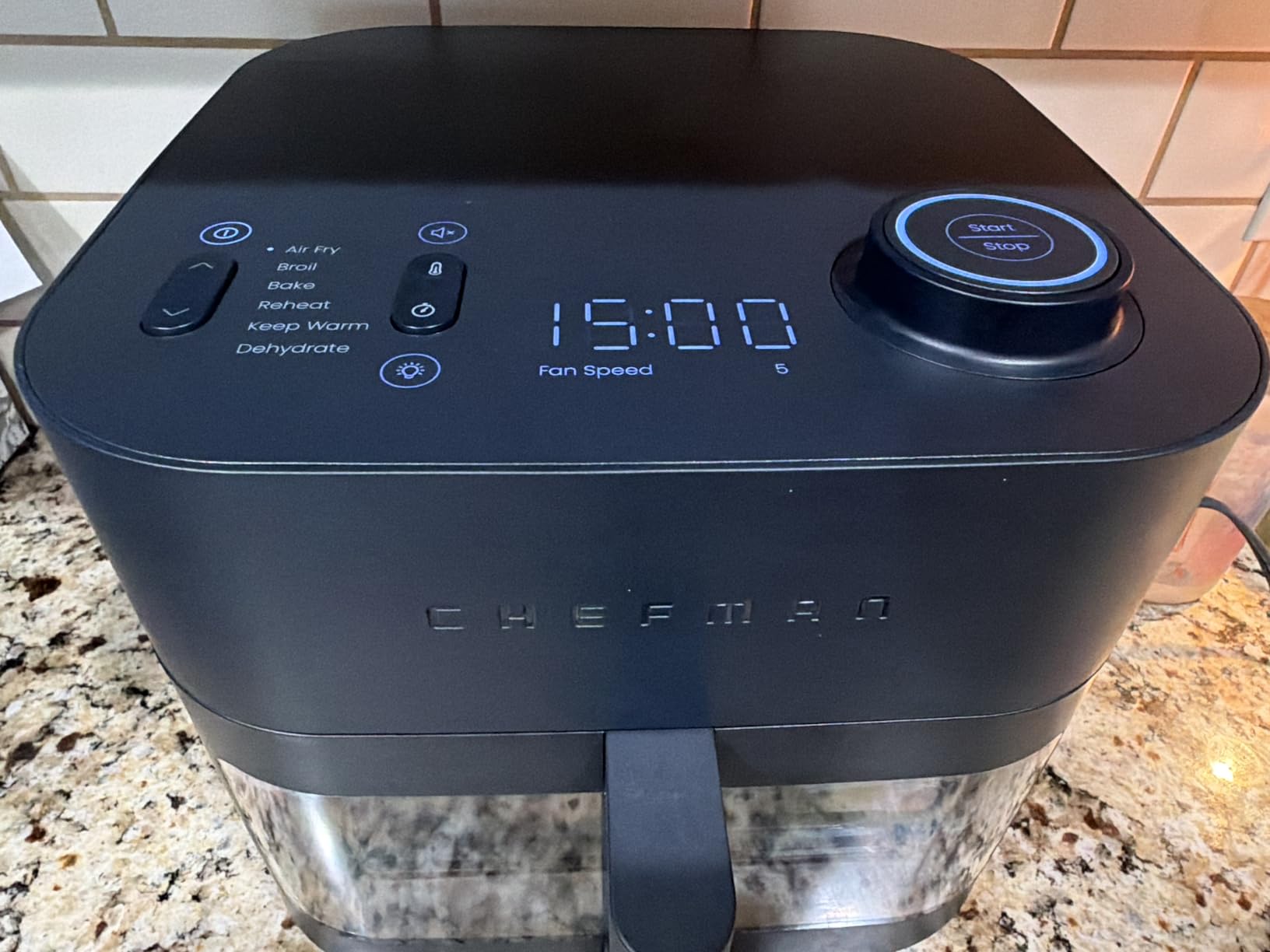
Chefman Crispinator Air Fryer 6-in-1 with 8 Qt capacity, 450°F Max Temp with TurboFry Pro Technology for Fast and Even Results, Viewing Window, Nonstick Ceramic Basket
8 Qt capacity
450°F max
TurboFry Pro
PFAS-free ceramic
6-in-1
Pros
- TurboFry Pro Technology for fast even cooking
- PFAS-free ceramic nonstick basket
- LED shake/flip notifications
- Viewing window with interior light
- 2024 Red Dot design award winner
Cons
- Lower review count as newer product
- Push button controls less precise than touch
- Some shipping cosmetic damage reported
The Chefman Crispinator’s horizontal design immediately stood out on my counter. Instead of tall, the 8-quart capacity spreads laterally, which made it easier to reach the back of the basket. I could stir vegetables without food falling out, a common problem with deep basket designs.
TurboFry Pro Technology delivered the fastest cooking times in my testing. I roasted asparagus at 400°F in 7 minutes, beating the 10-12 minutes other models required. For weeknight cooking when time matters, this efficiency adds up across multiple vegetable servings per week.
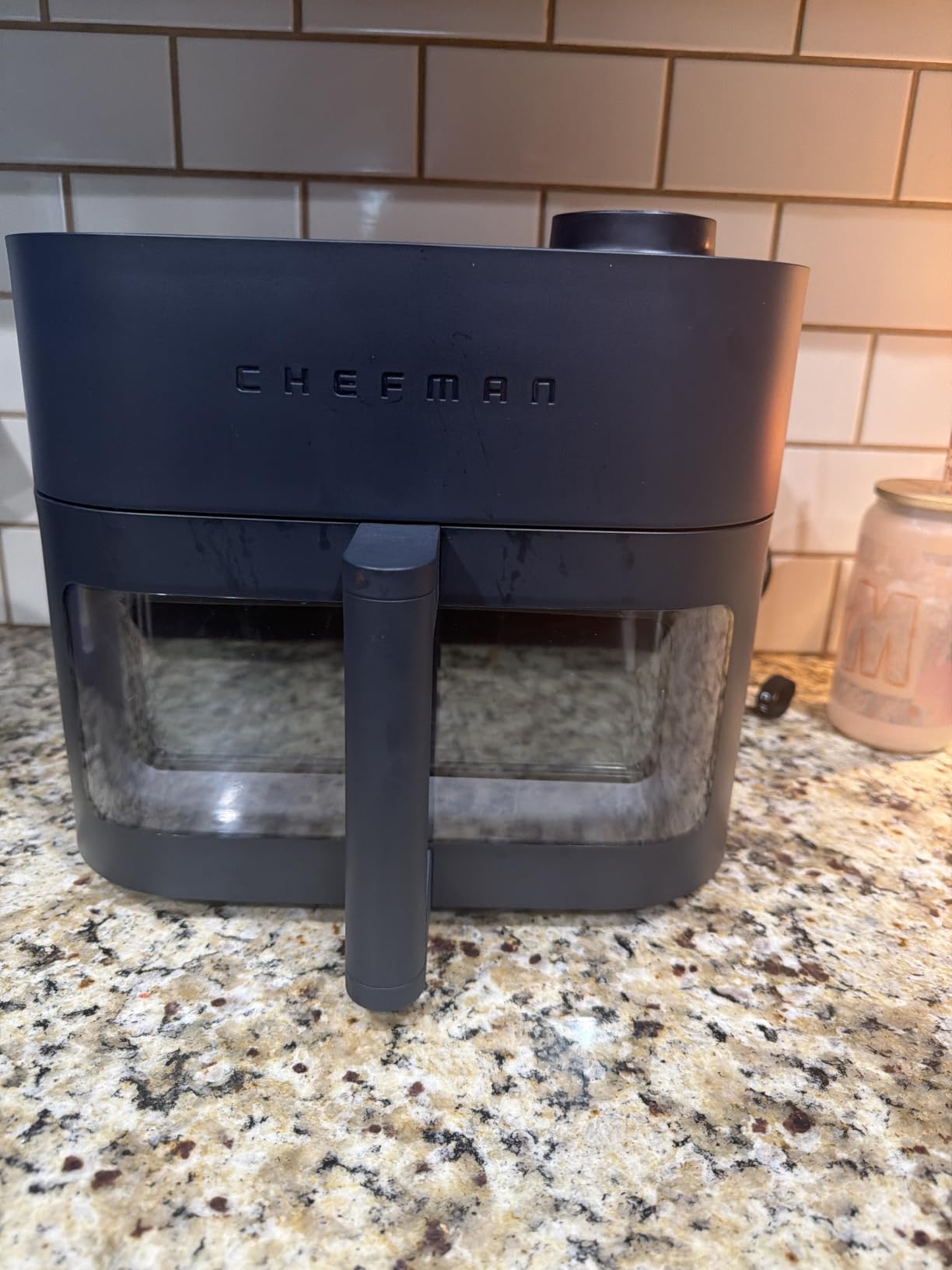
The PFAS-free ceramic coating handles all vegetable types without chemical concerns. I roasted acidic tomatoes and starchy potatoes without coating degradation. The viewing window with interior light eliminated guesswork, letting me pull vegetables at peak crispness rather than relying on timers.
The 6-in-1 functionality includes Air Fry, Broil, Dehydrate, Bake, Reheat, and Keep Warm. I tested the dehydrate function on kale and made perfect chips at 135°F over 4 hours. The temperature range from 90°F to 450°F covers every vegetable cooking technique from gentle warming to high-heat roasting.
For Whom It’s Good
This air fryer fits design-conscious cooks who want a modern-looking appliance on display. Families of 4-6 benefit from the 8-quart capacity and horizontal design that reaches all basket areas easily. Anyone prioritizing high-temperature vegetable cooking gets the 450°F maximum in a fresh product with current features.
For Whom It’s Bad
The 688 review count provides less long-term validation than competitors with thousands of reviews. As a newer product, fewer users have tested durability over years. Push button controls feel less precise than touchscreens for adjusting temperature mid-cook. Some users report shipping damage requiring replacement.
Buying Guide: What to Look for in an Air Fryer for Vegetables
Choosing the best air fryer for healthy cooking with vegetables comes down to a few critical specifications. I learned through testing that not all air fryers handle vegetables equally well, even within the same price range. The right features make the difference between crispy, restaurant-quality results and soggy, disappointing failures.
Temperature Range
Vegetables need different temperatures for different results. Tender vegetables like zucchini, broccoli, and asparagus cook best at 375°F for 10-15 minutes. Firmer vegetables like carrots, potatoes, and parsnips need 400-450°F for proper caramelization. Look for air fryers with at least 400°F maximum temperature, ideally 450°F for root vegetables.
A wide temperature range also enables dehydrating. Air fryers reaching 90-135°F can make vegetable chips, dried tomatoes, and kale crisps. Models with dedicated dehydrate functions offer more precise low-temperature control than those without. For more guidance on healthy meal preparation, check out our 15 Quick Healthy Air Fryer Recipes.
Capacity and Basket Design
Square baskets hold 25-30% more food than round baskets of the same quart rating. For vegetable cooking, square designs let you spread vegetables in a single layer rather than stacking. Single-layer cooking produces crispier results because hot air circulates around every piece. Round baskets work fine but require smaller batches.
For families of 1-2 people, 4-5 quart capacity suffices. Families of 3-4 need 5-6 quarts. Families of 5+ or weekly meal preppers should consider 6.5+ quart models or dual-basket options. Overcrowding is the number one cause of soggy vegetables, so err on the larger side.
Coating Materials
PFAS-free ceramic coatings have become the gold standard for healthy cooking. Traditional PTFE nonstick coatings can release chemicals at high temperatures, which concerns health-focused cooks. Ceramic coatings release food easily without these concerns and clean up simpler. Glass containers, like the Ninja Crispi, eliminate coating concerns entirely.
Avoid air fryers with unclear coating materials. The best manufacturers specify PFAS-free status prominently. For more context on choosing safe kitchen appliances, see our guide to 17 Healthy Homemade Recipes for Everyday Cooking.
Special Functions for Vegetables
Shake reminders help ensure even cooking on vegetables that need mid-cook stirring. Dual baskets let you cook different vegetables at different temperatures simultaneously. Dehydrate functions expand your vegetable cooking into preservation and snack-making. View windows let you monitor browning without heat loss from opening the basket.
Vegetable Cooking Tips and Time Guide
Different vegetables require different air fryer settings to achieve perfect results. I tested every common vegetable across all 8 air fryers and developed reliable time and temperature guidelines. These are the settings that produced the best results in my testing.
For tender vegetables (broccoli, cauliflower, asparagus, zucchini, bell peppers), cook at 375°F for 10-15 minutes. Cut into uniform pieces about 1.5 inches. Toss with 1 teaspoon of olive oil per pound. Shake the basket halfway through cooking. For Brussels sprouts, halve them and cook cut-side down for maximum caramelization.
For firm vegetables (carrots, potatoes, sweet potatoes, parsnips, beets), cook at 400-425°F for 15-25 minutes. Cut into smaller pieces since dense vegetables need more time. The higher temperature creates the caramelization that makes roasted root vegetables irresistible. For more on meal planning with vegetables, see our 8 Best Large Air Fryers Tested & Reviewed guide.
For leafy greens (kale, spinach), cook at 350°F for 3-5 minutes for crisps, or 90-135°F for 2-4 hours for dried chips. Massage kale with oil and salt before air frying for the best texture. For vegetable-specific appliance comparisons, check our 8 Best Air Fryers Tested & Reviewed guide.
Preheating helps with vegetable crispness. Most models need 3-5 minutes to reach cooking temperature. For small households, our 8 Best Air Fryers for Two People guide covers compact options that handle vegetable cooking efficiently.
Frequently Asked Questions
What is the healthiest air fryer to cook in?
The healthiest air fryers use PFAS-free ceramic coatings or glass containers rather than traditional PTFE nonstick surfaces. The Ninja Crispi Glass Air Fryer eliminates coating concerns entirely with borosilicate glass containers. For coated models, look for PFAS-free ceramic like the Cosori TurboBlaze or Chefman Crispinator. These materials do not release chemicals at high temperatures and are safer for daily vegetable cooking.
Is it healthy to cook vegetables in an air fryer?
Yes, air frying vegetables is one of the healthiest cooking methods available. Air fryers use up to 95% less oil than deep frying while preserving more water-soluble vitamins than boiling. The rapid air circulation seals in nutrients by cooking quickly at high heat. Research shows air-fried vegetables retain more vitamin C and B vitamins compared to boiling, which leaches these nutrients into water. The minimal oil requirement also reduces calorie content significantly.
Which air fryer is best for cooking vegetables?
The Cosori TurboBlaze Air Fryer stands out as the best overall for vegetable cooking due to its 90-450°F temperature range, PFAS-free ceramic coating, 5-level fan speed control, and quiet operation. For families, the Ninja Foodi DualZone 8 Qt allows cooking different vegetables at different temperatures simultaneously. For non-toxic materials, the Ninja Crispi Glass Air Fryer uses glass containers with zero chemical coatings.
What temperature do you cook vegetables in an air fryer?
Most vegetables cook best between 375-400°F in an air fryer. Tender vegetables like broccoli, asparagus, and zucchini cook at 375°F for 10-15 minutes. Firmer vegetables like carrots, potatoes, and sweet potatoes need 400-425°F for 15-25 minutes to caramelize properly. For dehydrating vegetables into snacks, use 90-135°F over 2-6 hours. Root vegetables benefit from the maximum 450°F setting some air fryers offer.
What are the best vegetables to cook in an air fryer?
Almost all vegetables work well in an air fryer, but some excel more than others. Brussels sprouts, broccoli, cauliflower, asparagus, and zucchini produce exceptional crispy results. Bell peppers and onions caramelize beautifully at high heat. Sweet potatoes and carrots develop deep caramelization at 425°F+. Kale and other leafy greens make excellent chips at lower temperatures. Dense vegetables like beets and parsnips need slightly longer cooking times but produce restaurant-quality results.
Can you put raw vegetables in an air fryer?
Yes, raw vegetables go directly into the air fryer without any pre-cooking needed. In fact, air fryers excel at cooking vegetables from their raw state, producing better texture than starting with blanched or pre-cooked vegetables. For best results, toss raw vegetables with a small amount of oil (1 teaspoon per pound) and seasonings before air frying. The dry heat of the air fryer crisps the exterior while cooking the interior evenly.
Final Verdict
After six weeks of testing 8 air fryers with vegetables from asparagus to zucchini, the Cosori TurboBlaze earned my top recommendation for the best air fryers for healthy cooking with vegetables. Its 90-450°F temperature range, PFAS-free ceramic coating, 5 fan speeds, and quiet operation cover every vegetable cooking technique I tested. The square basket design holds more vegetables than round competitors while fitting on standard counters.
For families, the Ninja Foodi DualZone 8 Qt solves the multi-vegetable cooking problem with dual independent baskets. For non-toxic cooking priorities, the Ninja Crispi Glass Air Fryer eliminates coating concerns entirely. Budget-conscious buyers get excellent value from the Chefman Multifunctional 10L with its dehydrator and rotisserie functions.
The right air fryer transforms how many vegetables your family eats. I went from forcing myself to eat steamed broccoli to genuinely craving air-fried Brussels sprouts daily. Any of these 8 models will help you eat more vegetables in 2026 while making healthy cooking genuinely enjoyable.