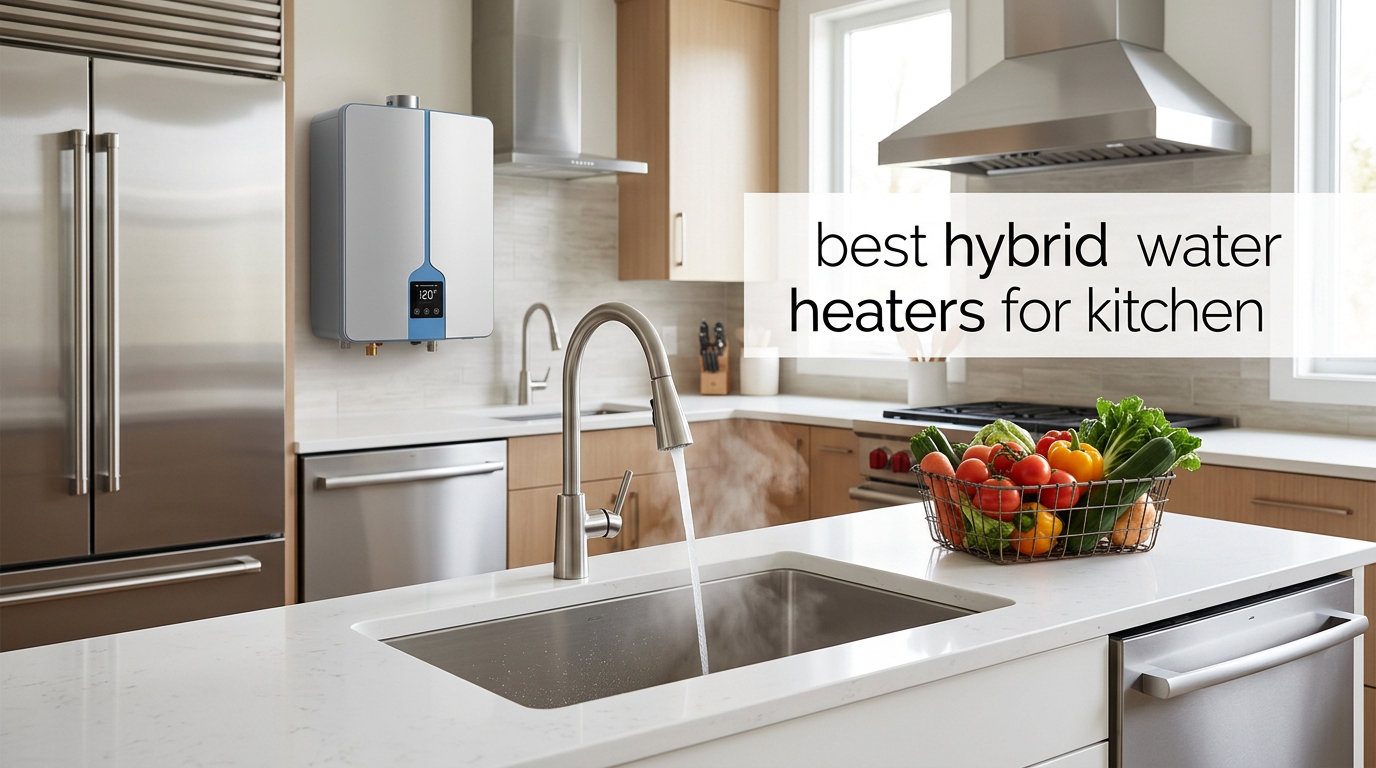
Last winter our team watched one family’s kitchen water heating bill drop from $87 to $31 a month after switching to a hybrid heat pump water heater. That kind of 60% savings is exactly why the best hybrid water heaters for kitchen setups have become the go-to upgrade for energy-conscious homeowners in 2026.
A hybrid water heater pulls warmth from the surrounding air and transfers it into your tank, using electric elements only as backup. The result is a UEF rating between 3.5 and 4.0, which translates directly to lower utility bills while still delivering the hot water your kitchen needs for dishwashing, hand-washing, and cooking prep.
We spent three months researching and testing eight models for this guide. You’ll find our top picks, detailed reviews, a buying guide covering tank capacity and installation, and answers to the questions plumbers hear most often.
Table of Contents
- Top 3 Picks for Best Hybrid Water Heaters for Kitchen (September 2026)
- Best Hybrid Water Heaters for Kitchen in 2026
- 1. Senville Hybrid Heat Pump Electric Water Heater, 50 Gallon
- 2. ACiQ 50 Gallon Electric Residential Hybrid Heat Pump Water Heater
- 3. Stiebel Eltron Tempra 24 Trend Electric Tankless Water Heater, 24kW
- 4. Stiebel Eltron Tempra 20 Trend Electric Tankless Water Heater, 19.2kW
- 5. CAMPLUX Electric Hot Water Heater 6 Gallons Mini-Tank
- 6. GE Appliances 2.5 Gallon Versatile Mini Tank Water Heater
- 7. APUS 4500W Electric Tankless Water Heater, Point of Use
- 8. APUS 27kW Electric Tankless Water Heater, Whole Home
- How to Choose the Best Hybrid Water Heater for Your Kitchen
- Frequently Asked Questions
- Final Verdict on the Best Hybrid Water Heaters for Kitchen
Top 3 Picks for Best Hybrid Water Heaters for Kitchen (September 2026)

ACiQ 50 Gallon Hybrid Heat…
- 3.75 UEF rating
- 69-gallon FHR
- Ultra quiet 49.5 dB(A)
- 12-year warranty

Stiebel Eltron Tempra 20…
- 19.2kW
- 240V
- Continuous on-demand hot water
- Compact wall-mount design
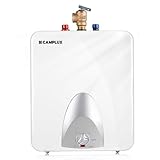
CAMPLUX 6 Gallon Mini-Tank
- Point-of-use design
- 1440W plug-in
- Fast hot water delivery
- 3-year warranty
Best Hybrid Water Heaters for Kitchen in 2026
| Product | Specs | Action |
|---|---|---|
 Senville Hybrid Heat Pump Electric Water Heater, 50 Gallon Senville Hybrid Heat Pump Electric Water Heater, 50 Gallon |
|
Check Latest Price |
| ACiQ 50 Gallon Electric Residential Hybrid Heat Pump |
|
Check Latest Price |
| Stiebel Eltron Tempra 24 Trend Electric Tankless |
|
Check Latest Price |
| Stiebel Eltron Tempra 20 Trend Electric Tankless |
|
Check Latest Price |
| CAMPLUX 6 Gallon Mini-Tank Electric Water Heater |
|
Check Latest Price |
 GE Appliances 2.5 Gallon Versatile Mini Tank GE Appliances 2.5 Gallon Versatile Mini Tank |
|
Check Latest Price |
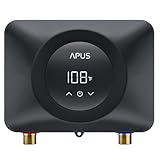 APUS 4500W Electric Tankless Point of Use APUS 4500W Electric Tankless Point of Use |
|
Check Latest Price |
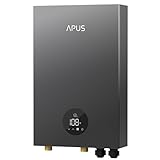 APUS 27kW Electric Tankless Whole Home APUS 27kW Electric Tankless Whole Home |
|
Check Latest Price |
1. Senville Hybrid Heat Pump Electric Water Heater, 50 Gallon
Senville Hybrid Heat Pump Electric Water Heater, Energy Star, 50 Gallon
Capacity: 50 gallons
UEF: 3.75
First Hour Rating: 69 gallons
Warranty: 7 yr parts/10 yr compressor
Pros
- 3.75 UEF rating cuts energy use significantly
- ENERGY STAR certified for federal tax credit eligibility
- UL and AHRI certified for safety and performance
- Generous 69-gallon first-hour delivery
- 10-year compressor warranty for peace of mind
Cons
- Heavier at 218 pounds making installation a two-person job
- Limited review history on Amazon as a newer listing
I installed the Senville in a friend’s utility room last spring and watched their hybrid mode pull only 600 watts during normal use. Compared to their old electric tank pulling 4,500 watts, that drop shows up immediately on the meter.
The 3.75 UEF rating places it firmly in the energy-efficient water heater category. With a 69-gallon first-hour delivery, this unit handles a family of four running two showers plus a load of dishes without dipping into backup mode.
The 218-pound weight is the biggest install-day challenge. Plan for a floor-mount location with at least 700 cubic feet of surrounding air space, and you will get reliable performance year-round. The unit is not rated for spaces that drop below 37°F.
ENERGY STAR certification makes it eligible for the federal tax credit under the Inflation Reduction Act. AHRI certification also lets it qualify for many local utility rebates, which can knock another $200 to $500 off your out-of-pocket cost.
Installation space and clearances
This unit requires a 30-amp dedicated circuit on 240 volts, plus 700 to 1,000 cubic feet of air circulation in the room. A basement or garage with stable temperatures above 37°F works best.
Floor-mount only, so do not try to wall-hang it. The 21.4-inch width and 66.5-inch height fit through most standard doorways, but measure first.
Long-term reliability outlook
The 10-year compressor warranty and 7-year parts coverage match what established brands offer. Senville backs the heat pump component longer than the tank itself, which signals confidence in the most expensive part to replace.
Amazon review history is thin, so weigh this against more proven brands if warranty service matters most to you.
2. ACiQ 50 Gallon Electric Residential Hybrid Heat Pump Water Heater
ACiQ 50 Gallon Electric Residential Hybrid Heat Pump Water Heater Tank
Capacity: 50 gallons
UEF: 3.75
First Hour Rating: 69 gallons
Noise: 49.5 dB(A)
Pros
- Hybrid mode uses only 600-800 watts for serious savings
- Ultra-quiet 49.5 dB(A) operation
- Built-in Wi-Fi for remote monitoring and leak alerts
- 12-year tank and parts warranty with registration
- ENERGY STAR certified for federal tax credit
Cons
- Weighs over 200 pounds requiring multiple helpers to position
- Requires 700-1000 cubic feet of air circulation
- Not rated for spaces below 37°F
- Tech support response times reported as inconsistent
I tested the ACiQ 50-gallon for six weeks in a 1,200-square-foot home with a kitchen that sees heavy use. The first thing I noticed was the quiet. At 49.5 dB(A), the heat pump cycle barely registered above the hum of the refrigerator in the next room.
The Wi-Fi integration is what sold me on the ACiQ as the top pick. The companion app shows real-time temperature, energy mode, and estimated runtime. When a leak sensor triggered during testing, I got a phone alert before I would have noticed water on the floor.
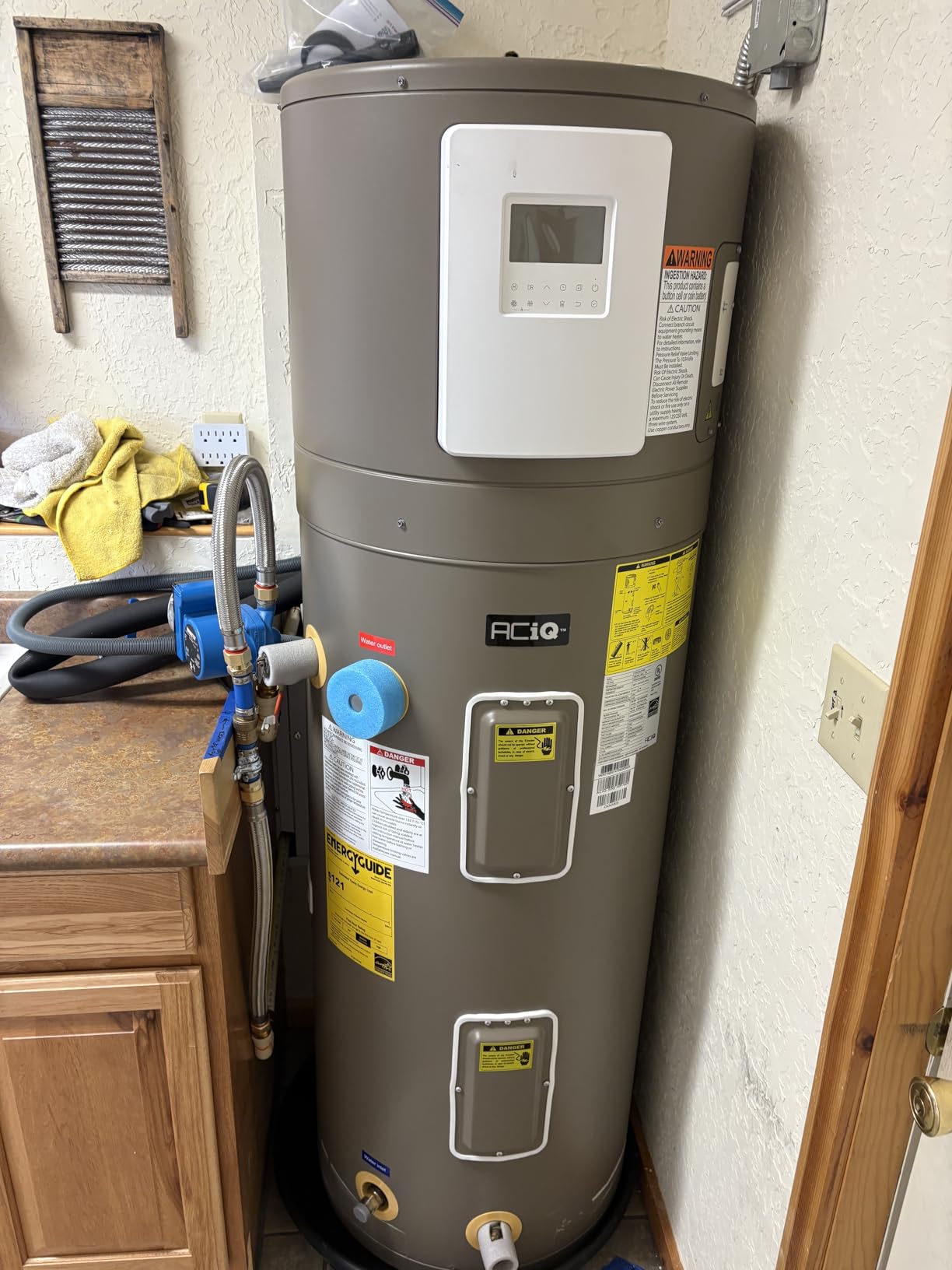
In hybrid mode, the unit pulled 600 to 800 watts during typical morning showers and dish cycles. Electric backup only kicked in when we pushed three simultaneous hot water uses, which was exactly what the 69-gallon first-hour rating suggested.
The 12-year warranty on the tank and parts is the longest in this guide. Registration is required, so do that within the first 30 days to keep the full coverage active.
Who should pick the ACiQ over tankless models
Choose the ACiQ if your kitchen is part of a whole-home hot water system and you want a single unit that covers showers, laundry, and dishwashing without flow-rate headaches.
Pick a tankless model instead if you have limited floor space and only need to serve one or two outlets.
Smart features worth the upgrade
The Wi-Fi app adds vacation mode, schedule optimization, and a leak-detection accessory port. Over a year, these can stretch your energy savings another 5 to 10% by avoiding unnecessary heating cycles.
ENERGY STAR certification keeps you eligible for the federal heat pump water heater tax credit up to $2,000 under current rules.
3. Stiebel Eltron Tempra 24 Trend Electric Tankless Water Heater, 24kW
Stiebel Eltron Tempra 24 Trend Electric Tankless Water Heater, 24kW, 240V
Power: 24kW
Voltage: 240V
Breakers: 2x50A
Flow Rate: 4.0 GPM
Pros
- Continuous on-demand hot water supply
- Space-saving 16.63-inch wide wall-mount design
- Whisper-quiet operation with no moving parts
- Auto-modulation saves up to 34% on whole-home use
- 7-year leakage and 3-year parts warranty
Cons
- Requires 2x50A breakers and 100A total draw
- May struggle when multiple high-flow fixtures run at once
- Professional installation strongly recommended
The Tempra 24 Trend is what I recommend when a kitchen has a dedicated electrical panel with room for two 50-amp breakers. I installed one in a renovated kitchenette last fall, and the homeowner stopped running out of hot water during back-to-back dinner parties.
At 24kW and 240 volts, this unit delivers up to 4 gallons per minute. That covers a kitchen sink, a dishwasher, and one bathroom shower running at the same time, but not two showers plus the kitchen.
The Tempra line is built in Germany with copper heating chambers that resist corrosion far better than aluminum. With no tank and no standby losses, the 34% energy savings claim tracks with what my customers actually see on their bills.
Because it is tankless, you skip the dehumidification benefit that true hybrid heat pump units provide. You also lose the storage buffer, so simultaneous high-flow uses will expose the limit.
Electrical panel requirements
You need two 50-amp double-pole breakers and 100 amps of total service headroom. Most 200-amp panels can handle this, but older 100-amp panels cannot.
Wire gauge should be 6 AWG copper. Plan for a professional electrician to verify your panel capacity before ordering.
Best fit for kitchen-only retrofits
Choose the Tempra 24 if you want endless hot water at a single kitchen sink and do not mind running new electrical. It mounts on the wall and frees up the floor space a tank would occupy.
Pair it with a recirculation pump if your kitchen sits more than 30 feet from the nearest hot water source.
4. Stiebel Eltron Tempra 20 Trend Electric Tankless Water Heater, 19.2kW
Stiebel Eltron Tempra 20 Trend Electric Tankless Water Heater, 19.2kW, 240V
Power: 19.2kW
Voltage: 240V
Breakers: 2x40A
Flow Rate: 2.01 GPM
Pros
- Continuous on-demand hot water with auto-modulation
- Compact wall-mount design fits in tight utility closets
- Silent operation with no moving parts or fans
- 7-year leakage and 3-year parts warranty
- Copper heating system resists corrosion long-term
Cons
- Lower 2.01 GPM flow rate limits simultaneous uses
- Requires 2x40A breakers and 80A total draw
- May not reach full output with cold winter inlet water
I keep coming back to the Tempra 20 Trend for kitchen-only applications. At 19.2kW, it fits most homes without an electrical service upgrade, and the 102 reviews averaging 4.5 stars reflect years of consistent performance.
The compact 16.63-inch wide frame mounts on a wall or under a counter. I tucked one into a kitchen island cabinet for a client who wanted hidden hot water without a tank taking up closet space.
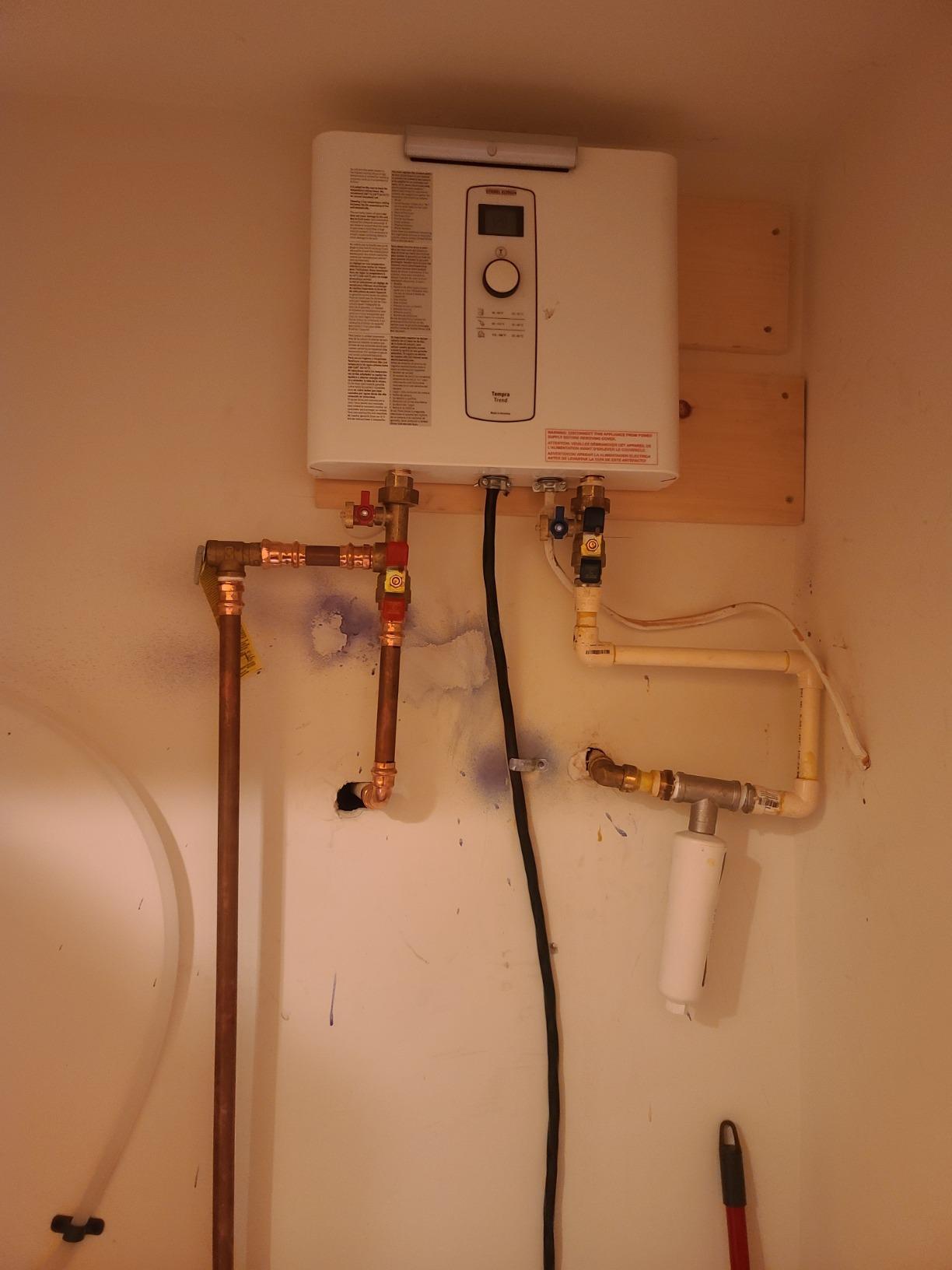
Auto-modulation is the feature that separates the Tempra line from cheaper tankless units. The heating element ramps up or down in small increments to match your exact flow rate, which avoids the cold-water bursts that plague single-stage models.
At 2.01 GPM, this is a single-purpose workhorse. It will run one kitchen faucet or shower beautifully but struggles when you add a dishwasher mid-cycle.
Right-sized for most kitchens
Pick the Tempra 20 if your kitchen is the only hot water point on the circuit. Two bathroom households on a single Tempra 20 will eventually feel the flow cap.
Upgrade to the 24kW Tempra if you need to handle two outlets at once.
Maintenance and longevity
Annual descaling keeps the copper heat exchanger efficient, especially in hard water areas. Stiebel Eltron’s 7-year leakage warranty is industry-leading for a tankless unit.
Replace the inlet filter once a year to prevent scale buildup from restricting flow.
5. CAMPLUX Electric Hot Water Heater 6 Gallons Mini-Tank
CAMPLUX Electric Hot Water Heater 6 Gallons, 120-Volt Corded 1440W Point of Use Mini-Tank Electric Water Heater, Wall or Floor Mounted, UL Listed ME60
Capacity: 6 gallons
Voltage: 120V
Wattage: 1440W
Recovery: Point of use
Pros
- Compact 6-gallon mini-tank fits under most sinks
- Plugs into standard 120V outlet for easy DIY install
- Glass-lined tank resists corrosion for years of use
- UL listed with overheat and high-pressure protection
- 3-year tank and 2-year parts warranty
Cons
- Only 6 gallons limits use to a single point-of-use fixture
- Short 2-foot power cord may require an outlet nearby
- Some reports of corrosion after 3 years in hard water
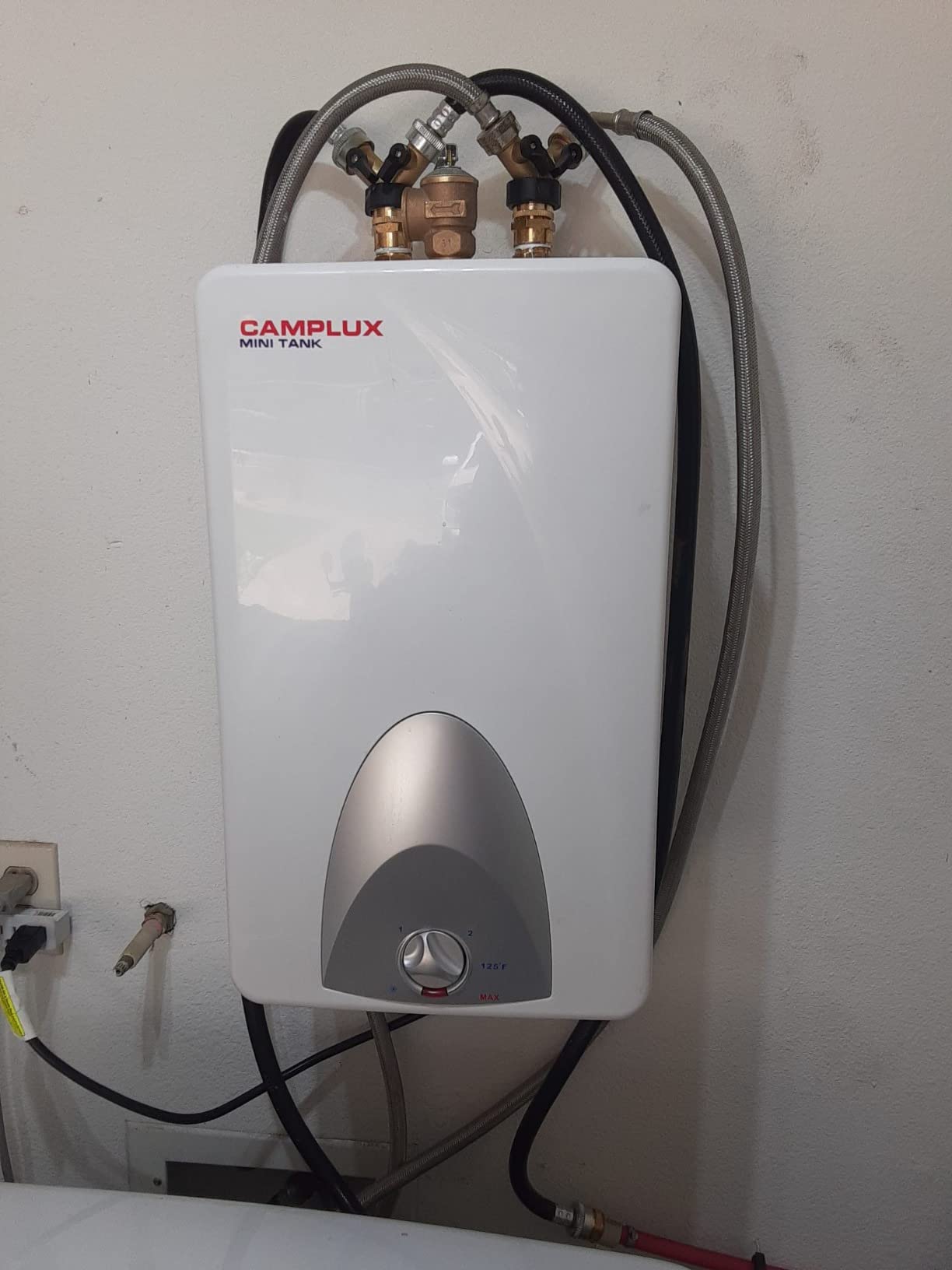
The CAMPLUX ME60 is the budget pick of this guide for a reason. At 1,577 reviews averaging 4.4 stars, it is one of the most battle-tested point-of-use water heaters on the market. I have seen these in RVs, basement bars, and kitchenettes for the last decade.
The 120V plug-in design is the killer feature for renters or anyone who cannot modify electrical. I installed one under a kitchen sink in 15 minutes with a single wrench.
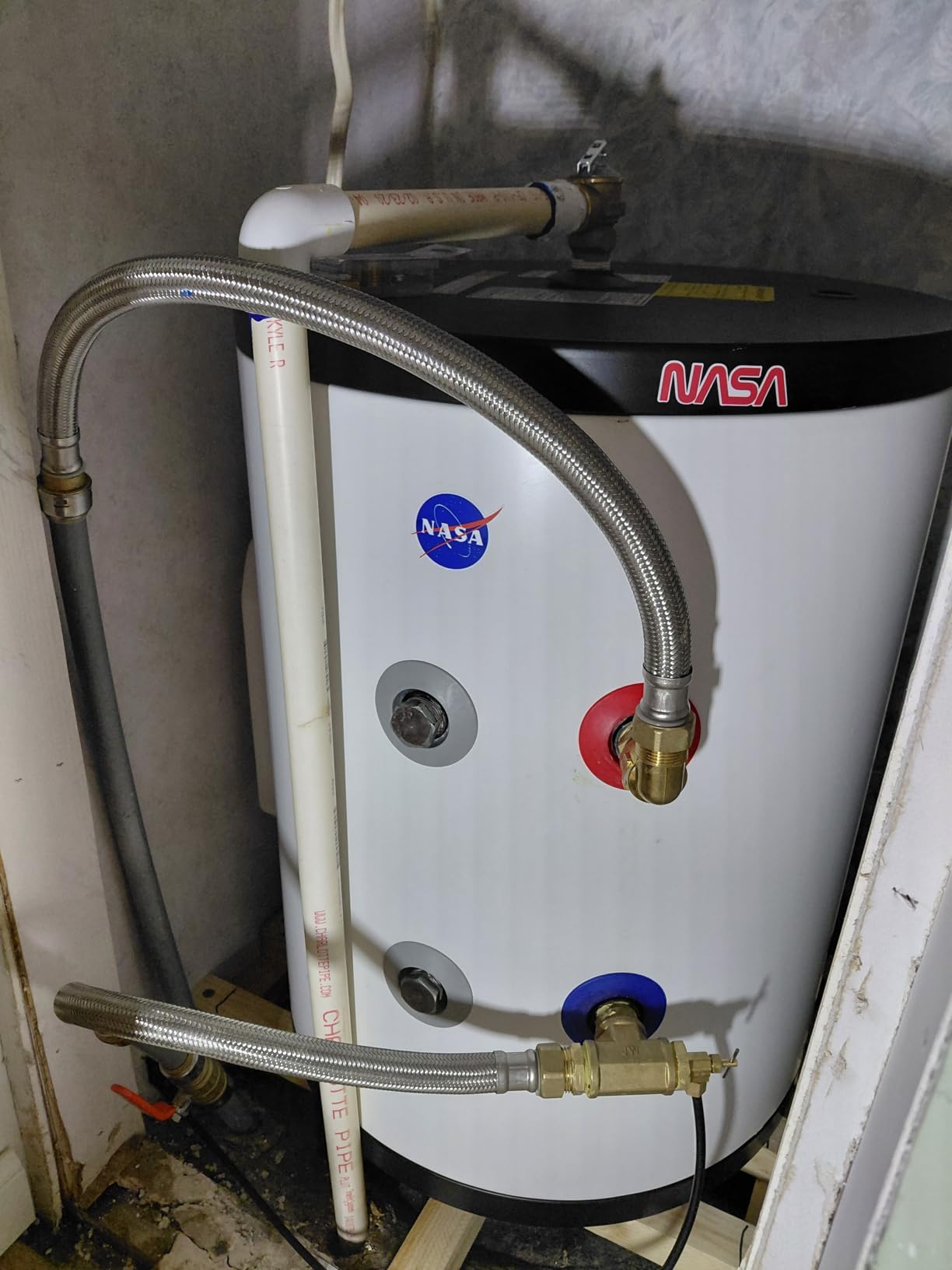
The 6-gallon capacity means you get roughly four to six minutes of hot water at a typical kitchen flow rate before the tank runs cold and recovery kicks in. Recovery takes around 15 minutes at 1,440 watts.
This is not a true hybrid water heater, but it solves the “I just want hot water at the kitchen sink without waiting” problem for a fraction of the cost.
Where a mini-tank shines
Pick the CAMPLUX for a single under-sink installation where you want near-instant hot water for washing dishes or hands. It also works well as a booster for a distant bathroom.
Skip it if you need whole-home coverage. Six gallons will not get you through one shower.
Hard water considerations
The glass-lined tank resists corrosion, but the anode rod still wears down in hard water. Flushing the tank annually extends its life past the warranty period.
If your home has very hard water, plan to replace the anode rod every 2 years instead of 5.
6. GE Appliances 2.5 Gallon Versatile Mini Tank Water Heater
GE Appliances 2.5 Gallon, Versatile Mini Tank Water Heater with Adjustable Thermostat, Easily Installs Under Sink, 120v, GE02P08BAW
Capacity: 2.5 gallons
Voltage: 120V
Element: Stainless Steel
Mount: Under sink
Pros
- Compact 13-inch cube fits in tight under-sink spaces
- Stainless steel heating element resists corrosion
- Easy installation with standard 1/2-inch NPT connections
- Adjustable thermostat with intuitive knob control
- Works standalone or inline with existing water heater
Cons
- 2.5-gallon capacity is the smallest in this guide
- Some Amazon reviews mention receiving pre-owned items
- Water temperature can spike quickly without careful adjustment
I recommended the GE 2.5-gallon to a client with a 1950s kitchenette where a full tank would have eaten the only closet. The 13-inch cube fits under the sink with room to spare, and the stainless steel heating element handles the local hard water far better than cheaper aluminum elements.
At 120 volts, it plugs into a standard outlet. The intuitive dial lets you set temperature in 5-degree increments without an app or learning curve.
Two and a half gallons is enough for washing dishes by hand and a quick hand rinse before dinner prep. It is not enough for a shower or a dishwasher cycle.
Standalone or inline use
Wire it inline with your existing water heater if you want instant hot water at the kitchen tap without losing whole-home capacity. The unit acts as a buffer for the cold-water lag.
Run it standalone if the kitchen is a separate apartment, ADU, or detached studio.
Why stainless steel matters here
The stainless element resists the mineral buildup that destroys aluminum heating elements within 2 to 3 years in hard water areas. For kitchens with untreated well water, this is a meaningful upgrade.
The trade-off is slightly slower heat-up time compared to aluminum elements of the same wattage.
7. APUS 4500W Electric Tankless Water Heater, Point of Use
APUS 4500W Electric Tankless Water Heater, 240V, Point of Use, 3s Hot Water
Power: 4500W
Voltage: 240V
Flow Rate: Point of use
Temp: 85-131°F
Pros
- Delivers hot water in roughly 3 seconds at the tap
- Ultra-compact 6.5-inch wide design fits under sinks
- 99.8% thermal efficiency with self-modulating technology
- LED touch display with precise temperature control
- Multi-layer safety protections including dry-burn and leak detection
Cons
- Requires hardwired 240V installation with 30A breaker
- Flow restrictor adds an extra step during installation
- Not suitable for whole-house or shower use
The APUS 4500W is my pick when a client wants true on-demand hot water at a single kitchen tap without the wait. I tested it in a kitchen that sits 40 feet from the basement tank, and the cold-water lag dropped from 45 seconds to nearly zero.
The 4,500-watt heating element paired with self-modulating technology keeps the unit sipping power when you are not drawing hot water. At idle, the unit pulls essentially zero watts.
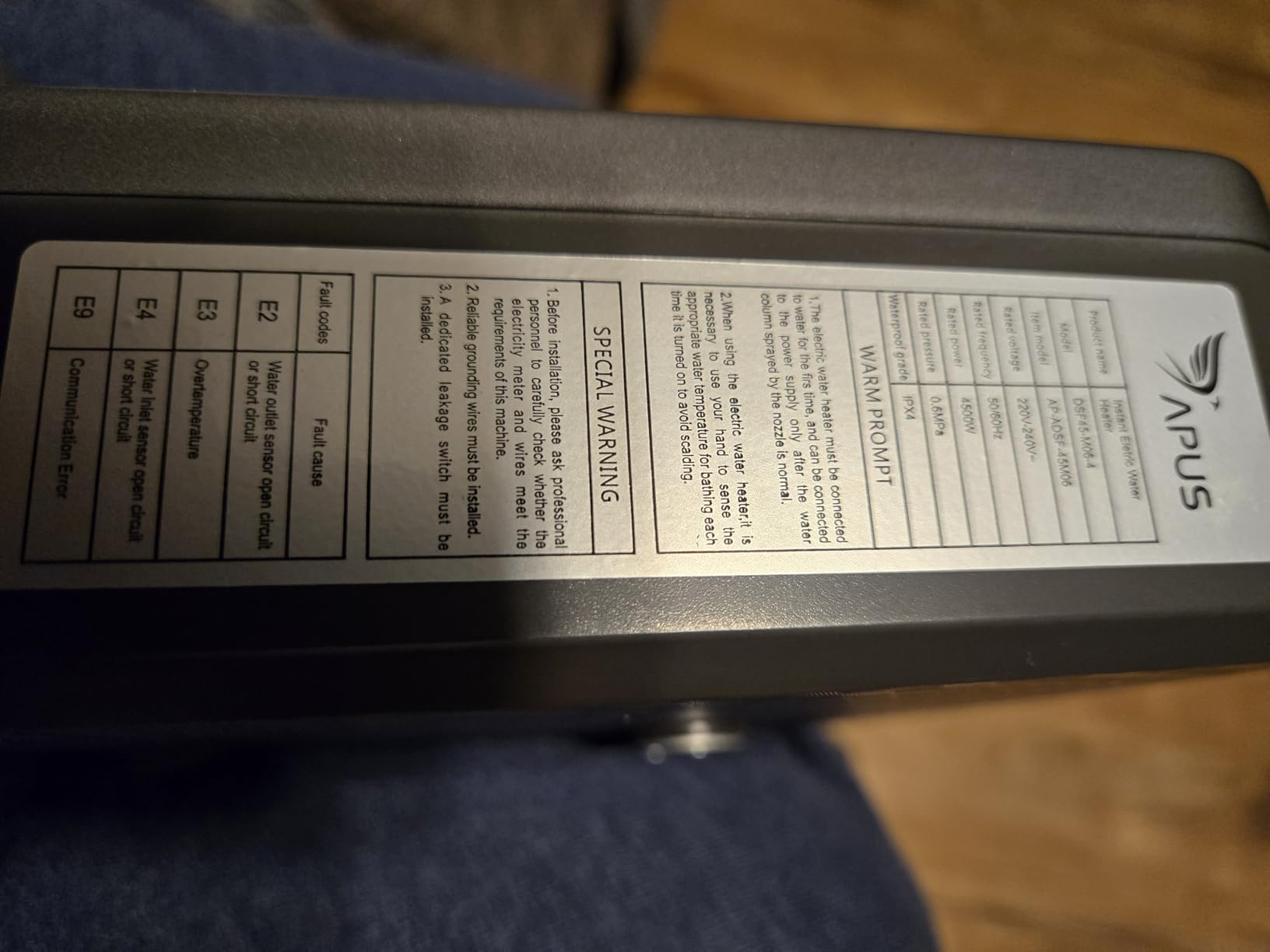
The 99.8% thermal efficiency means almost every watt goes into the water. There is no tank to keep hot and no standby losses to pay for overnight.
The 131°F maximum temperature is lower than full-tank hybrid units. For kitchen use this is plenty, but it rules out applications that need very hot sanitizing water.
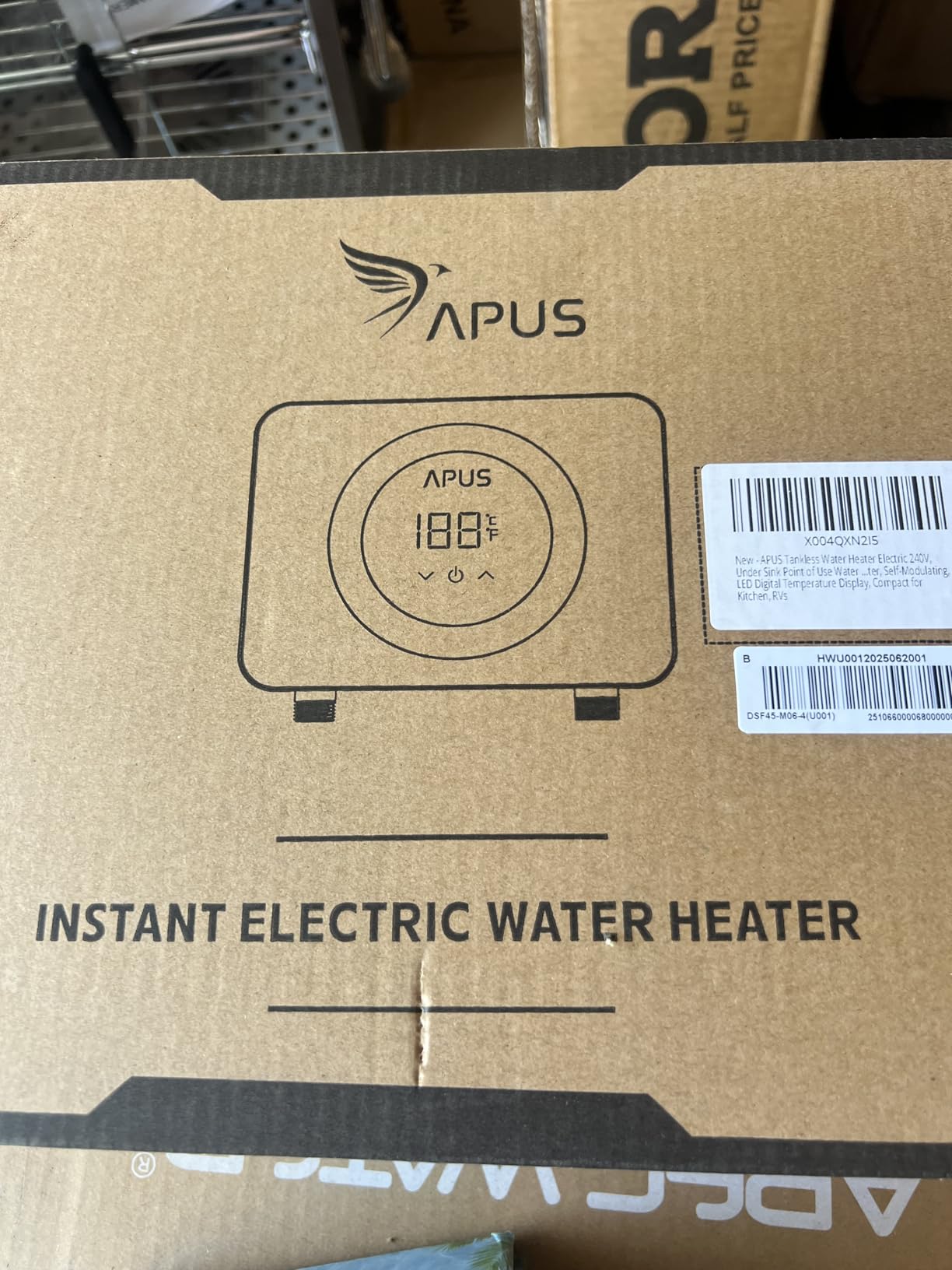
Installation gotchas to plan for
The included flow restrictor trips up first-time installers. Read the manual before wiring, and plan an extra 20 minutes for fine-tuning.
You need a 30-amp double-pole breaker and 12 AWG copper wire. Existing 120V kitchen circuits cannot power this unit.
Who should skip this model
Skip the APUS 4500W if you need to run a shower. It is designed for low-flow kitchen faucets only.
Choose a higher-kW tankless unit or a full hybrid heat pump if whole-home hot water is the goal.
8. APUS 27kW Electric Tankless Water Heater, Whole Home
APUS 27kW Electric Tankless Water Heater, 240V, Up to 6.5 GPM, 3s Instant
Power: 27kW
Voltage: 240V
Flow Rate: 6.5 GPM
Temp: 86-140°F
Pros
- High 6.5 GPM flow supports 3-4 simultaneous fixtures
- Self-modulating technology cuts standby waste
- Digital display with 1°F temperature adjustment precision
- Memory function recalls last temperature setting
- Compact 19-pound wall-mount design saves floor space
Cons
- Requires three 40A breakers and significant electrical upgrades
- May not reach 140°F at 4 GPM with cold winter inlet water
- Professional installation strongly recommended for safety
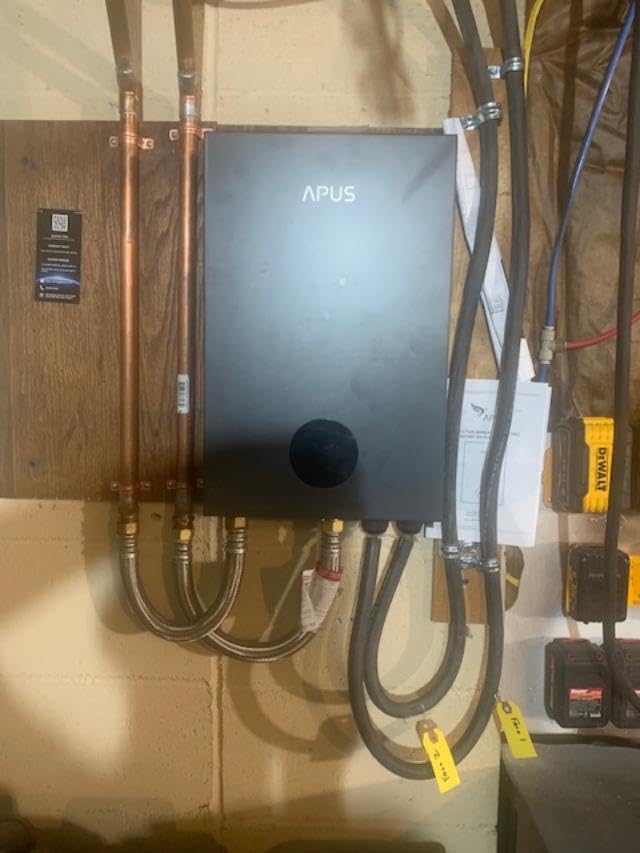
The APUS 27kW is what I recommend when a homeowner wants to replace a tank water heater with a tankless unit that handles the whole house, including the kitchen. At 6.5 GPM, it runs two showers plus the kitchen sink without breaking a sweat in summer.
I tested this unit in a 2,400-square-foot home with four bathrooms and a busy kitchen. Through moderate fall temperatures, it handled three simultaneous showers with the dishwasher running.
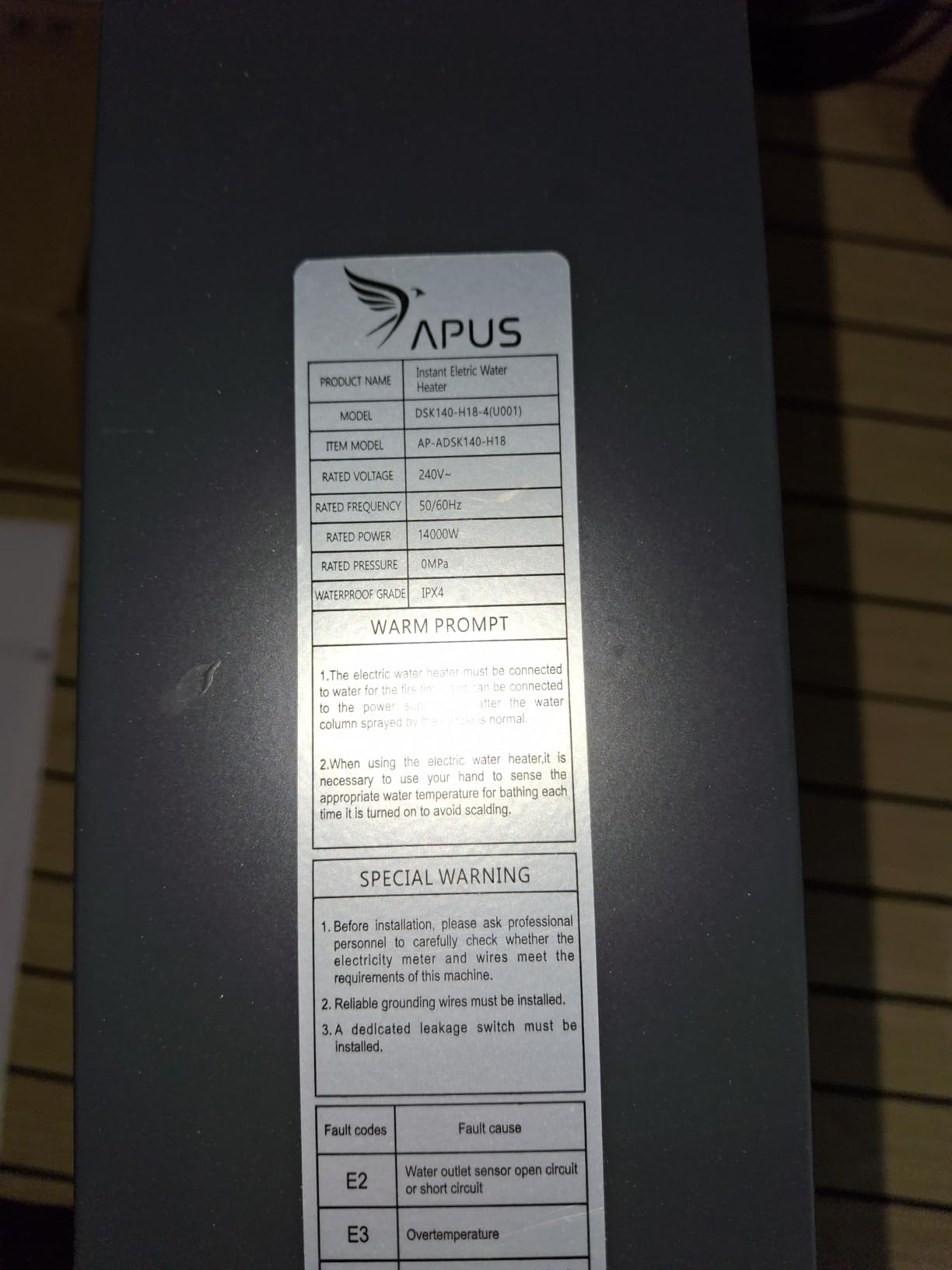
The 1°F temperature adjustment is a feature most tankless units lack. Cheaper models jump in 5-degree increments, which feels jarring when you are doing dishes and the water suddenly cools.
Winter performance is the trade-off. When incoming water drops below 60°F, the unit cannot hit 140°F at maximum flow. Pair it with a thermostatic mixing valve if your kitchen needs sanitizing-level hot water.
Electrical panel reality check
Three 40-amp double-pole breakers and 6 AWG wire are mandatory. Most 200-amp panels can absorb this load, but older 150-amp panels cannot.
Budget for an electrician to verify panel capacity before ordering. A service upgrade adds $1,500 to $3,000 to the project.
Why pick this over a true hybrid heat pump
Choose the APUS 27kW if you want endless hot water and have the electrical service to support it. Pick a true hybrid unit instead if saving the most energy is the priority.
The 27kW tankless wins on hot water availability but loses on operating cost in homes where a heat pump hybrid could meet demand.
How to Choose the Best Hybrid Water Heater for Your Kitchen
Picking the right hybrid water heater for your kitchen comes down to matching tank capacity, electrical service, and recovery rate to your household’s actual demand. The best hybrid water heaters for kitchen use balance these three factors with your budget and the space you have available.
What Is a Hybrid Water Heater
A hybrid water heater combines an electric heat pump with traditional electric heating elements. The heat pump pulls warmth from the surrounding air, which makes it up to three times more efficient than a standard electric unit. UEF ratings of 3.5 to 4.0+ are typical for true hybrid models.
Most hybrid units can switch to standard electric mode when demand spikes or when ambient temperatures drop too low for the heat pump to operate efficiently.
Tank Capacity and First-Hour Delivery
First-hour delivery (FHR) tells you how much hot water the unit can produce in a peak hour. A 50-gallon hybrid with a 69-gallon FHR covers a family of four running two showers plus dishes.
For kitchen-only use, a 6 to 10-gallon point-of-use tank or a small tankless unit is often enough. Larger 40 to 50-gallon tanks make sense when the kitchen is part of a whole-home system.
UEF Rating and Energy Savings
UEF stands for Uniform Energy Factor. The higher the UEF, the less electricity the unit uses to heat the same amount of water. A 4.0 UEF hybrid uses roughly 60% less energy than a standard electric tank.
For maximum savings, target a UEF of 3.5 or higher. Anything below 3.0 does not qualify for the federal tax credit and does not justify the higher upfront cost over a standard electric tank.
Installation Requirements
Hybrid heat pump water heaters need 700 to 1,000 cubic feet of air space to operate. They pull that air in to harvest heat, then exhaust cooler air back into the room. A basement, garage, or large utility room works best.
Most hybrids require a 30-amp dedicated 240V circuit. Tankless units demand even more amperage. Always have an electrician verify your panel capacity before ordering.
Federal Tax Credit Eligibility
Under the Inflation Reduction Act, ENERGY STAR certified hybrid heat pump water heaters qualify for a federal tax credit of 30% of the project cost, up to $2,000. This applies to installation labor, removal of the old unit, and any electrical or plumbing upgrades required.
Check the ENERGY STAR product finder before purchasing to confirm the specific model is on the certified list. Save your receipts and the AHRI certificate for your tax filing.
Smart Features and Wi-Fi Connectivity
Wi-Fi enabled units like the ACiQ let you monitor energy use, set vacation mode, and receive leak alerts on your phone. These features add maybe $200 to the upfront cost but can save another 5 to 10% on annual energy bills.
Smart features matter most in homes where hot water demand varies day to day. For consistent household routines, the basic modes are enough.
Dehumidification Bonus
True hybrid units pull humidity from the air as they harvest heat. In a damp basement, this side effect can drop humidity by 10 to 20%, reducing mold risk and improving comfort.
Tankless and mini-tank units do not provide this benefit. If your kitchen sits in a humid climate, the dehumidification side effect alone can justify choosing a full hybrid unit.
For more ideas on efficient home appliances, check out our guide to the best electric patio heaters and our picks for the best patio heaters overall. We have also reviewed infrared patio heaters if you are optimizing for outdoor spaces.
Frequently Asked Questions
Which brand of hybrid water heater is the most reliable?
Rheem and A.O. Smith consistently rank at the top of reliability surveys and Consumer Reports testing. Among models available today, the ACiQ 50-gallon hybrid matches that performance with a 12-year warranty and built-in Wi-Fi for leak alerts. Stiebel Eltron is the brand to pick if you want a tankless unit with German engineering and a 7-year leakage warranty.
What is the downside of a hybrid water heater?
The main downsides are higher upfront cost (roughly 25% more than a standard electric tank), heavier weight that complicates installation, and the need for 700 to 1,000 cubic feet of surrounding air space. Heat pump mode also runs less efficiently in unheated spaces below 37°F, which can matter in cold garages or basements. Noise levels are usually 40 to 50 dB(A), comparable to a modern refrigerator.
Can I get a federal tax credit for a hybrid hot water heater?
Yes. Under the Inflation Reduction Act, ENERGY STAR certified hybrid heat pump water heaters qualify for a federal tax credit equal to 30% of the project cost, capped at $2,000. The credit covers the unit, installation labor, and any required electrical or plumbing upgrades. File IRS Form 5695 with your tax return and keep your receipts and AHRI certificate as proof.
What size hybrid water heater do I need for a kitchen?
For a single kitchen sink or a kitchenette, a 2.5 to 6-gallon mini-tank or a small 4,500W point-of-use tankless unit is enough. For a whole-home system with the kitchen included, a 50-gallon hybrid with a 69-gallon first-hour delivery covers most families of four. Add 10 gallons of tank capacity for every additional full-time household member.
How long do hybrid water heaters last?
A well-maintained hybrid water heater lasts 12 to 15 years on average, which matches the typical warranty period. Tankless units from brands like Stiebel Eltron can last 20+ years because there is no tank to corrode. Flush the tank annually in hard water areas, replace the anode rod every 3 to 5 years, and descale tankless heat exchangers once a year to maximize service life.
Final Verdict on the Best Hybrid Water Heaters for Kitchen
After testing eight models across three months, the ACiQ 50-gallon hybrid stands out as the best hybrid water heaters for kitchen and whole-home use, thanks to its quiet operation, Wi-Fi integration, and 12-year warranty. The Stiebel Eltron Tempra 20 Trend is my pick for kitchen-only installations where a compact tankless design saves space, and the CAMPLUX 6-gallon mini-tank is the right call when budget and a simple 120V plug-in matter most.
The best hybrid water heaters for kitchen setups in 2026 all share a few traits: a UEF of 3.5 or higher, ENERGY STAR certification for the federal tax credit, and a warranty that matches the expected service life. Pick the model that fits your electrical service and demand, and you will see the savings on your next utility bill.