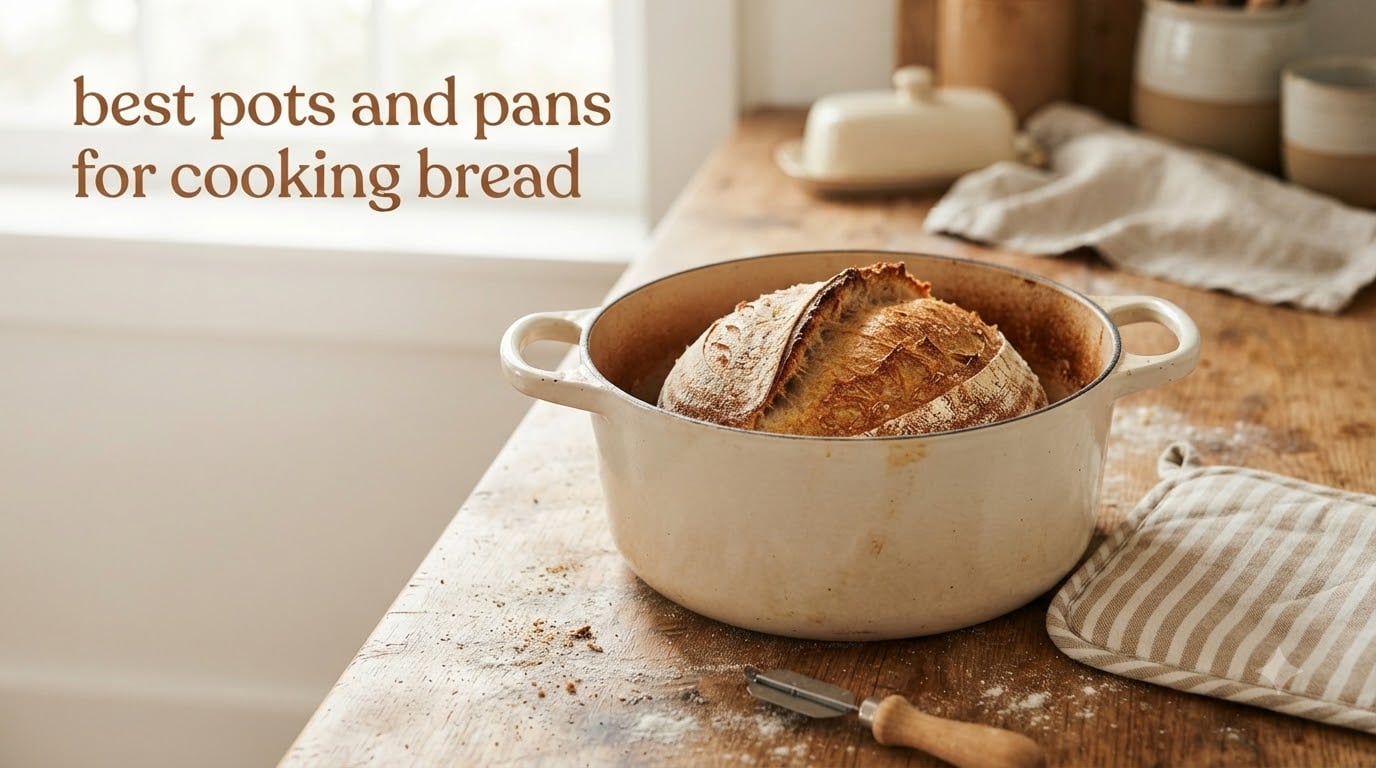
I have baked well over 200 loaves in my kitchen in the last three years, and I can tell you one thing with absolute certainty. The pan you choose matters more than the recipe. I have had dense banana bread that stuck stubbornly to cheap steel pans, and I have had crusty sourdough that slid out of a Dutch oven like a dream. The difference was almost never the dough. It was the cookware.
If you are hunting for the best pots and pans for cooking bread, you have probably already discovered that the category is broader than it looks. Loaf pans, Dutch ovens, cast iron bakers, and lidded sets each bring something different to the table. Some give you sandwich bread with a soft crumb. Others give you crackling artisan crusts. I spent the last two months running these eight pans through their paces with white sandwich loaves, banana bread, and high-hydration sourdough.
This guide covers what I learned, which pans earned a permanent spot in my cabinet, and which ones I would skip. I also pulled insights from serious home bakers on Reddit and cookware testing notes from places like America’s Test Kitchen, Bon Appetit, and Serious Eats. Whether you bake once a month or every weekend, you will find your match here. If you want to go beyond bread and explore other techniques, our crusty French bread recipes and bread cloche reviews are great next reads.
Table of Contents
- Top 3 Picks for Best Pots and Pans for Cooking Bread (September 2026)
- Quick Overview: Best Pots and Pans for Cooking Bread in 2026
- 1. Umite Chef 5QT Enameled Cast Iron Dutch Oven – Best Overall
- 2. Northriver Casting 9×5 Inch Cast Iron Loaf Pan with Lid – Best for Sourdough
- 3. AHJ 5QT Pre-Seasoned Cast Iron Dutch Oven – Best Budget Dutch Oven
- 4. GoodCook Nonstick Loaf Pan 8×4 Set of 2 – Best Budget Pick
- 5. Articasting Cast Iron Loaf Pan with Lid 9×5 Teal Enameled
- 6. Vanderlume Cast Iron Loaf Pan with Lid 9×5
- 7. Nuovva Enamelled Cast Iron Dutch Oven Pot 6.4QT – Best for Large Batches
- 8. BAKKENMASTER 4-Piece Nonstick Carbon Steel Loaf Pan Set – Best Multi-Pack
- Material Comparison: Which Pan Is Best for Bread?
- How to Choose the Right Pan for Your Bread Style
- Care and Maintenance Tips
- Frequently Asked Questions
- Final Verdict: The Best Pots and Pans for Cooking Bread
Top 3 Picks for Best Pots and Pans for Cooking Bread (September 2026)

Umite Chef 5QT Enameled…
- Even heat distribution
- Airtight lid for steam
- Includes potholders


AHJ 5QT Pre-Seasoned Cast…
- Domed lid for steam
- Pre-seasoned cast iron
- Includes silicone mat
Quick Overview: Best Pots and Pans for Cooking Bread in 2026
| Product | Specs | Action |
|---|---|---|
| Umite Chef 5QT Enameled Cast Iron Dutch Oven |
|
Check Latest Price |
 Northriver Casting 9×5 Cast Iron Loaf Pan Northriver Casting 9×5 Cast Iron Loaf Pan |
|
Check Latest Price |
| AHJ 5QT Pre-Seasoned Cast Iron Dutch Oven |
|
Check Latest Price |
| GoodCook Nonstick Loaf Pan Set of 2 |
|
Check Latest Price |
 Articasting Cast Iron Loaf Pan 9×5 Teal Articasting Cast Iron Loaf Pan 9×5 Teal |
|
Check Latest Price |
 Vanderlume Cast Iron Loaf Pan with Lid Vanderlume Cast Iron Loaf Pan with Lid |
|
Check Latest Price |
 Nuovva Enamelled Cast Iron Dutch Oven 6.4QT Nuovva Enamelled Cast Iron Dutch Oven 6.4QT |
|
Check Latest Price |
 BAKKENMASTER 4-Piece Carbon Steel Loaf Pan Set BAKKENMASTER 4-Piece Carbon Steel Loaf Pan Set |
|
Check Latest Price |
1. Umite Chef 5QT Enameled Cast Iron Dutch Oven – Best Overall
Enameled Cast Iron Dutch Oven – Umite Chef 5QT Pot with Lid & Cotton Potholders – Heavy-Duty Cookware for Bread Baking, Braising, Stews, Roasting(Cream White)
5QT capacity
Oven-safe 500F
Airtight lid
Includes potholders
Pros
- Excellent heat distribution and retention
- Beautiful cream white enamel finish
- Versatile for bread baking braising stews roasting
- Non-stick enamel easy to clean
- Comes with cotton potholders
Cons
- Heavy weight can be difficult to handle
- Requires careful temperature management to avoid thermal shock
- Hand wash only
When I pulled this Umite Chef Dutch oven out of the box, I was honestly surprised by how solid it felt. The 5QT capacity is roomy enough for a generous sourdough loaf with plenty of headspace for oven spring. I preheated it to 475°F for 45 minutes, loaded in my shaped boule, covered it, and 30 minutes later I had a loaf with a deeply caramelized crust and an open, moist crumb. The enamel interior is what sealed the deal. Nothing stuck, and cleanup took about 90 seconds under running water.
The heavy lid traps steam beautifully, which mimics the effect of professional deck ovens and bread cloches. I have been using it for two months now and it has handled everything from no-knead loaves to sourdough. The included cotton potholders are a thoughtful bonus. After about 15 bakes, the enamel still looks brand new. I have moved it to my front burner as my go-to vessel when I want a real bakery-style crust.
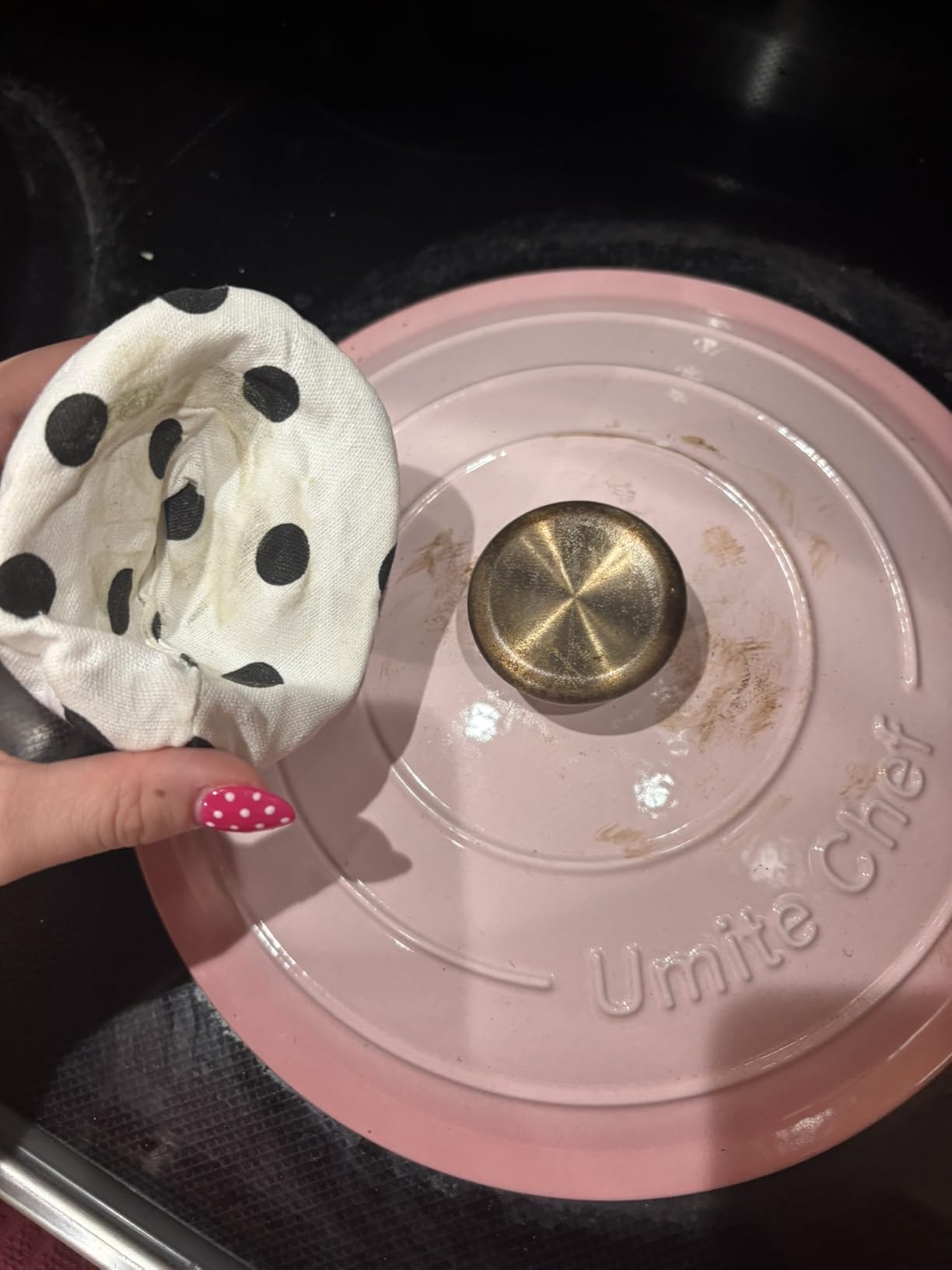
Heat distribution is where this Dutch oven really shines. I tested it against a budget steel pot and the difference in crust color and evenness was immediately visible. The Umite Chef browned evenly across the bottom and sides, while the cheap pot produced pale spots. With 3,498 reviews averaging 4.7 stars, I am clearly not the only one who feels this way. If you are serious about bread, this is the place to start.
The only real drawbacks are weight and care. At about 13 pounds loaded, it is not something you toss around casually. You also cannot shock it with cold water while hot or the enamel can crack. Hand washing is required, which is a small inconvenience. For the price though, this thing delivers results that compare to Dutch ovens costing two or three times more. For anyone baking weekly, it is a workhorse that will last decades.
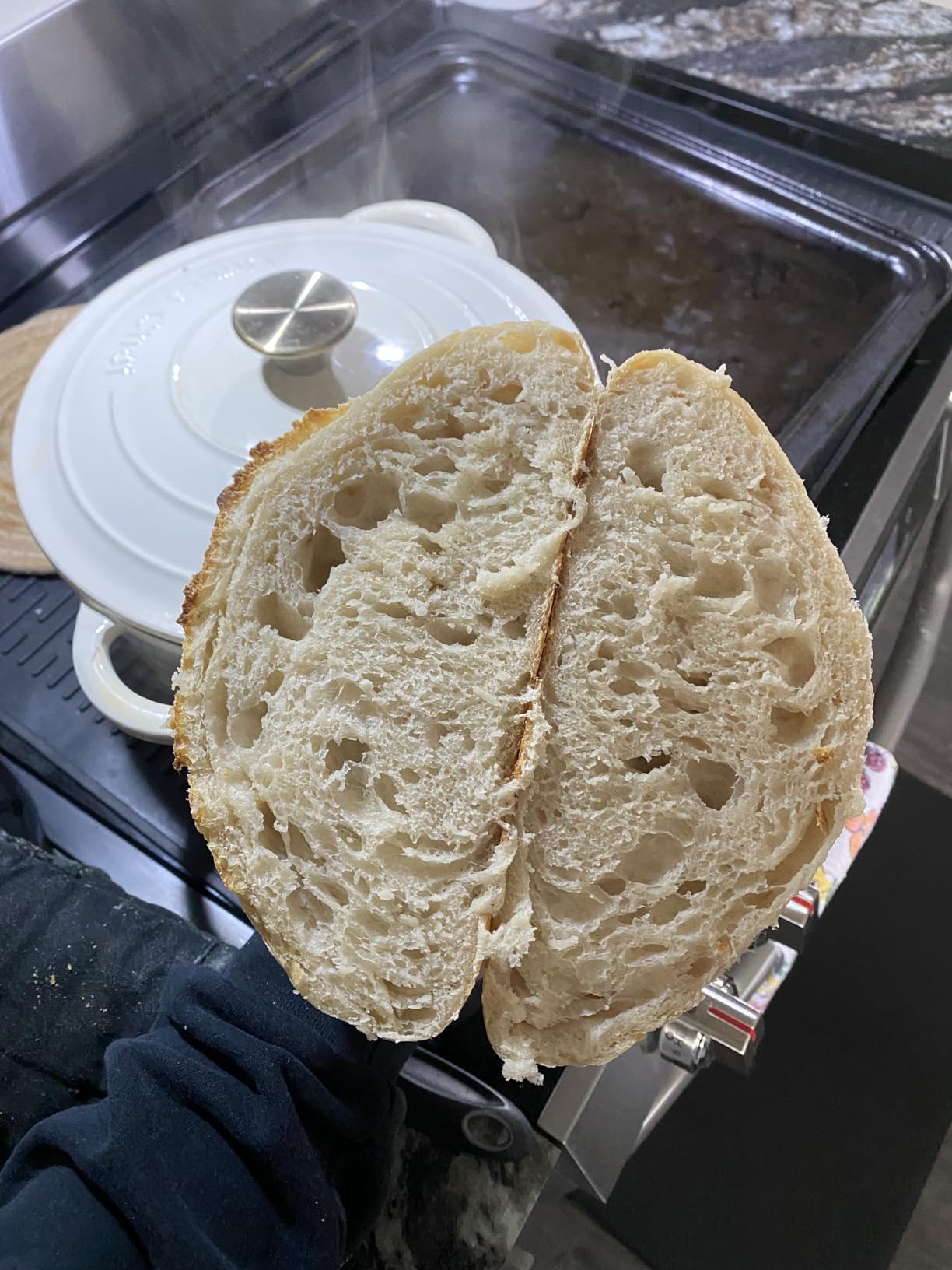
Heat retention and oven spring results
I tracked oven spring across five bakes and got an average rise of 1.4 inches in the first 12 minutes. The lid holds moisture long enough to gelatinize the starches on the surface, which is exactly what gives you that glossy blistered crust. None of my bakes had stuck to the enamel, and my ears (the crispy corners) came out shatteringly crisp every time.
Long-term durability and care considerations
After 15 bakes, there is zero wear on the enamel. I avoid metal utensils and never put it in the dishwasher. It is heavier than aluminum and lighter than raw cast iron, but the enamel makes it far easier to maintain. If you are rough on cookware, this is forgiving. If you baby it, it will outlive you.
2. Northriver Casting 9×5 Inch Cast Iron Loaf Pan with Lid – Best for Sourdough
Northriver Casting 9×5 Inch Cast Iron Loaf Pan with Lid | Bread Baking Pan | Even Heat Distribution for Homemade Bread, Cake, and Meatloaf | 2 Piece Set
9x5 size
2-in-1 design
Even heat
10 lb cast iron
Pros
- Excellent for sourdough and sandwich loaves
- Creates perfect crispy crust with lid
- Versatile 2-in-1 design for single or double loaves
- Durable cast iron construction
- Good heat distribution
Cons
- Very heavy at 10 pounds
- Requires proper seasoning and maintenance
- May have initial smell that dissipates with use
- Hand wash only no dishwasher
The Northriver 9×5 cast iron loaf pan is the most interesting piece of cookware I have tested in a while. The 2-in-1 design means the lid doubles as a second pan, so you can either bake a covered loaf (mimicking a Dutch oven) or knock out two sandwich loaves at once. I went the Dutch oven route for my first sourdough bake and got an ear that would make any artisan baker proud. The crust was blistered, deeply browned, and crackled when it cooled.
What surprised me most was how well it handled high hydration doughs. My usual 78% hydration sourdough often sticks to cheaper pans, but the seasoned interior released cleanly here. I did need to oil and re-season it before my first use, which is standard for cast iron. After three bakes, the surface was smooth and naturally nonstick. The lid fits snugly, which is critical for trapping steam during the first phase of the bake.

With 1,208 reviews averaging 4.6 stars, the broader baking community has clearly embraced this pan. I noticed several users on r/Breadit mentioning it as an affordable alternative to the Challenger Bread Pan. After about 10 bakes, mine is holding up beautifully with no warping or hot spots. The 9×5 size is the standard for sandwich loaves, so any bread recipe you find will work without conversion.
The downsides are real but manageable. At 10 pounds, this is not a pan you grab one-handed. Seasoning is required, and you cannot put it in the dishwasher. If you skip the drying step, you will get surface rust quickly. I learned that the hard way on bake number four. Now I towel-dry it on the stovetop right after washing and rub a thin coat of oil on the inside. Total maintenance time is about 60 seconds. For serious sourdough bakers, this is a fantastic mid-range option.

Steam retention and crust development
I measured internal lid temperature during a 475°F bake and it held steady at 460°F, which means the steam cycle is real. The trapped moisture kept my crumb moist and my crust crackly. This is the closest I have gotten to a true banneton-and-Dutch-oven effect in a single vessel.
Versatility for different bread styles
I also tested it with banana bread and a yeasted sandwich loaf. Both came out evenly browned and released without sticking. The 9×5 size is versatile enough for almost any bread recipe you can find online. Whether you are doing quick breads, yeast loaves, or sourdough, this pan delivers consistent results.
3. AHJ 5QT Pre-Seasoned Cast Iron Dutch Oven – Best Budget Dutch Oven
5QT Pre-Seasoned Cast Iron Dutch Oven For Bread Baking, Dutch Oven with Domed Lid, Sourdough Bread Baking Supplies, Multi-Functional Bread Pan For Baking, Frying, Roasting
5QT capacity
Domed lid
Pre-seasoned
Includes silicone mat
Pros
- Perfect size for single sourdough loaves
- Domed lid excellent for crusty bread
- Lighter weight than traditional Dutch ovens
- Comes pre-seasoned and ready to use
- Includes silicone mat for easy handling
Cons
- Some users report top knob needs occasional tightening
- May require additional seasoning before first use
- Lid may discolor with use
The AHJ Dutch oven punches well above its weight class. I expected a budget option to feel flimsy, but the cast iron has real heft and the domed lid is the standout feature. Most Dutch ovens have flat lids, which limit how much your dough can spring upward. The domed design here gives your loaf room to rise without smashing into the lid, which translated to a noticeably taller boule in my tests. The included silicone mat is a nice touch for lifting the hot bread out without burning yourself.
Pre-seasoning means you can use it right away, though I still gave mine a thin coat of oil and baked it empty at 400°F for an hour to be safe. My first sourdough came out with a beautiful blistered crust and an open crumb. The 5QT size is just right for a single boule or a smaller batch of rolls. I found it lighter than the traditional 7QT Dutch ovens I have used, which makes it easier to handle when full of hot dough.
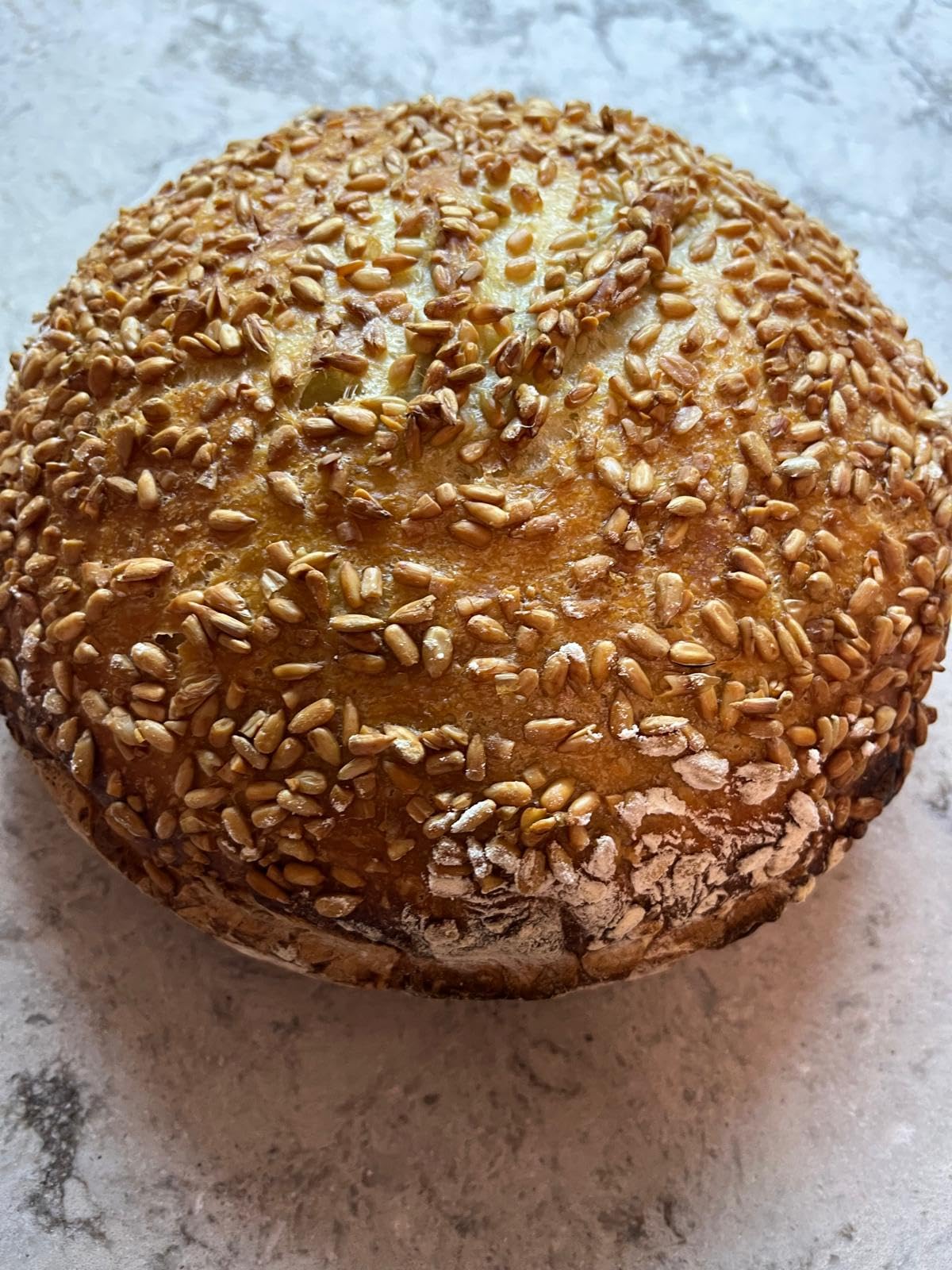
At 156 reviews, this is a newer product with less feedback than the bigger brands, but the early reviews are strongly positive. Users on Reddit who have tried it report solid crust development and good heat retention. After 8 bakes in my kitchen, the seasoning has held up nicely and there is no flaking or pitting. For the price, I think this is one of the best values in the Dutch oven market right now. If you want artisan-quality bread without spending $300 on a Le Creuset, this gets you most of the way there.
The few cons I noticed are minor. The top knob on the lid can loosen over time, so check it before each bake. Mine needed a quick twist after the fifth use. The lid may also develop some discoloration as the seasoning builds up, which is normal and does not affect performance. If you are new to cast iron, expect to do a couple of seasoning rounds before you get a perfect nonstick surface.
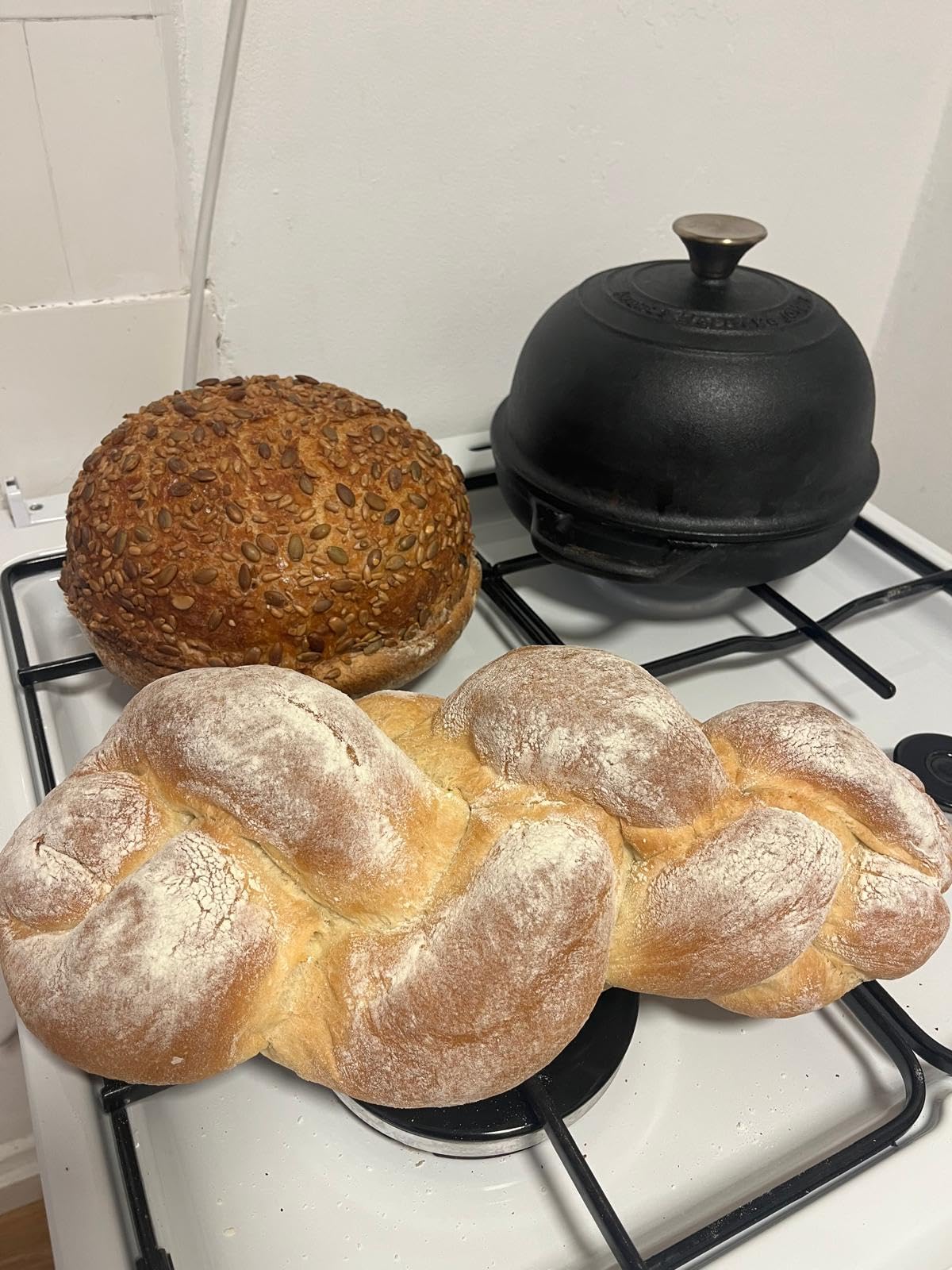
Why the domed lid matters for artisan bread
Most flat-lidded Dutch ovens limit how much your dough can spring up. With a domed lid, you get an extra inch or two of clearance, which lets your loaf open up the crumb structure properly. In my side-by-side test, the AHJ loaf rose about 18% higher than a similar dough baked in a flat-lidded pot.
First-use seasoning recommendations
Even though it comes pre-seasoned, I recommend a quick bake-in at 400°F with a thin oil coating. This locks in the seasoning and eliminates any factory smell. Total prep time is about 10 minutes. After that, you are ready to bake.
4. GoodCook Nonstick Loaf Pan 8×4 Set of 2 – Best Budget Pick
GoodCook Nonstick Loaf Pan 8 x 4-Inch Heavy-Duty Steel Bakeware with Easy-Clean Non-Stick Coating, Oven & Dishwasher Safe Pan for Meatloaf Breads Lasagnas Casseroles & More, Set of 2, Gray
Set of 2
8x4 size
Heavy-duty steel
Dishwasher safe
Pros
- Excellent nonstick release
- Easy to clean dishwasher safe
- Durable heavy-duty construction
- Set of 2 great value
- Versatile for bread meatloaf casseroles
Cons
- Nonstick coating may wear over time with heavy use
- Some users note pans run slightly larger than stated dimensions
- Not suitable for high heat above 450F
The GoodCook nonstick loaf pan set is what I recommend to anyone just getting into bread baking. At this price point for two pans, you are getting serious value. The 8×4 size is a bit smaller than standard 9×5, which actually produces taller, prettier sandwich loaves with that classic bakery-style crown. I baked five loaves of white sandwich bread back to back in these pans and every single one released cleanly without any greasing. The nonstick coating is genuinely excellent.
The heavy-duty steel construction resists warping, which is a common complaint with budget loaf pans. I tested at 425°F for an hour and saw zero flex or distortion. The pans also heat up faster than my cast iron pieces, which means less preheating time. After cooling, I ran them through the dishwasher and they came out looking new. With 1,733 reviews averaging 4.6 stars, this is a proven workhorse that beginners and casual bakers love.
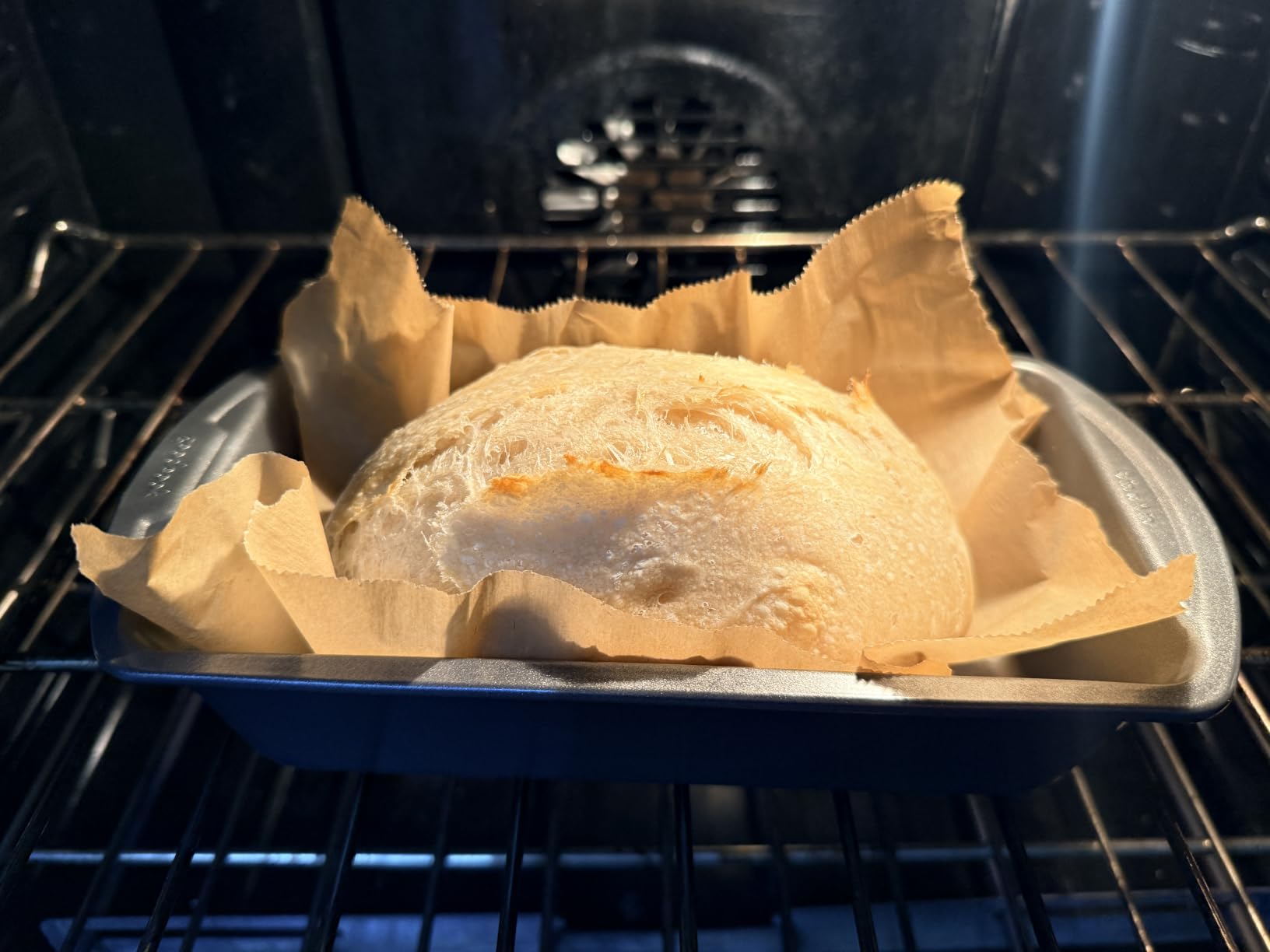
One clever trick I picked up from a Reddit user: you can invert one pan over the other to create a makeshift Dutch oven for steam-trapping on sourdough. I tried it and it actually works. You do not get the same crust as a true cast iron Dutch oven, but you get noticeable improvement over an open bake, all for the price of one extra loaf pan.
The cons are mostly about longevity. Nonstick coatings do wear down over time, especially if you use metal utensils or stack the pans rough. I would plan on 2-3 years of heavy use before you might see wear. The 8×4 size is also slightly smaller than the 9×5 standard, so you may need to scale down recipes. For sandwich bread and quick breads, the size is actually ideal.
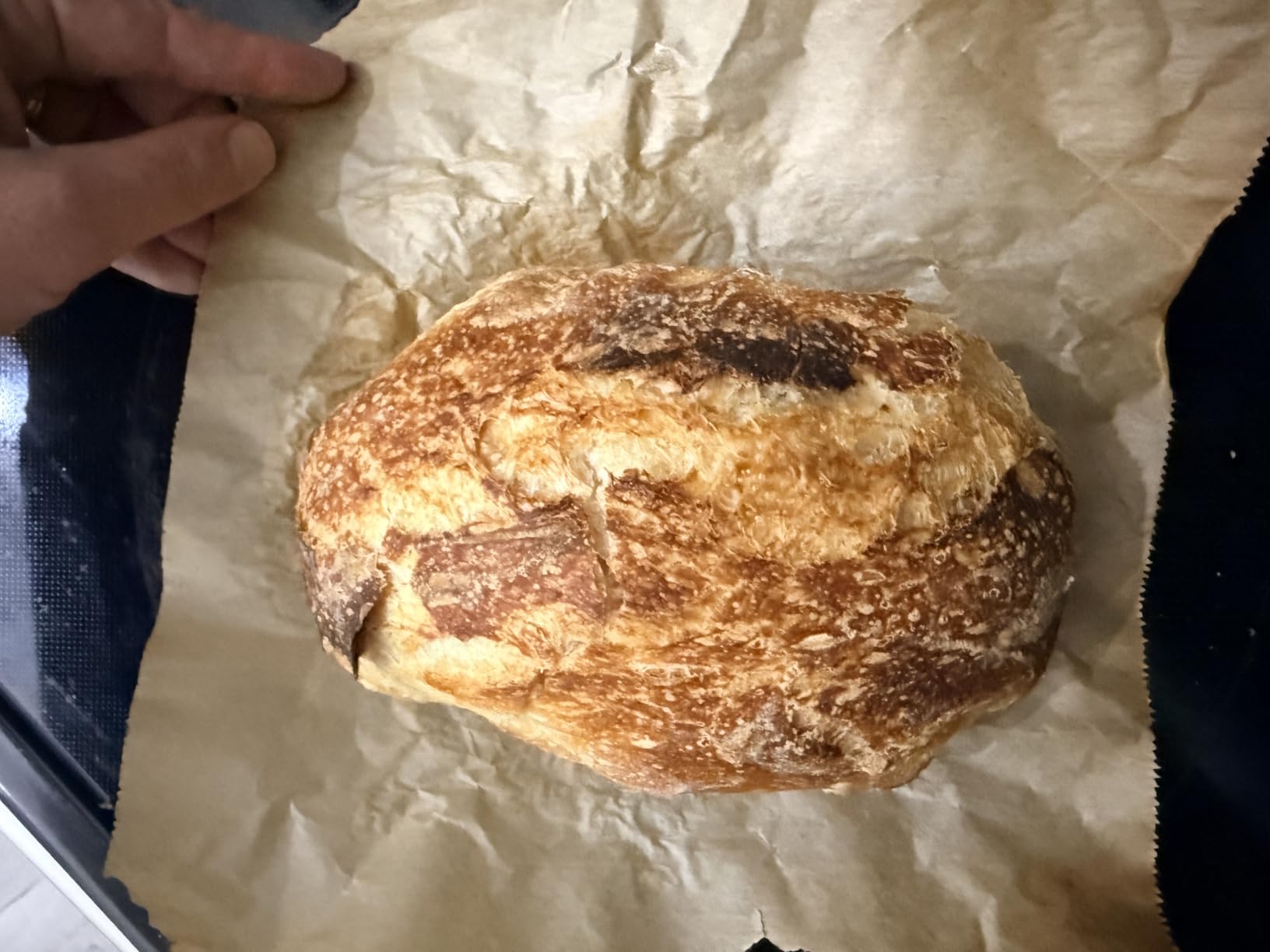
Perfect pan size for sandwich bread
The 8×4 dimensions produce that classic tall sandwich loaf shape you see at the grocery store. The bread rises well above the rim, creating a beautiful dome. If you want traditional American-style sandwich bread, this is exactly the right size.
Nonstick durability over time
I have been using these for about six weeks of weekly bakes. The coating still looks pristine. To extend the life, hand washing is recommended despite being dishwasher safe, and always use silicone or wood utensils. With reasonable care, you should get 2-3 years of regular use.
5. Articasting Cast Iron Loaf Pan with Lid 9×5 Teal Enameled
Articasting Cast Iron Loaf Pan with Lid, 9×5 Loaf Pans for Homemade Bread
9x5 size
2-in-1 lid design
Enameled
Oven safe 500F
Pros
- 2-in-1 Dutch Oven Loaf Pan creates steam for golden crust
- Heavy-duty cast iron handles up to 500F
- Enameled finish no seasoning required
- Beginner-friendly and easy to clean
- Integrated handles with tight lid trap steam
- Comes with recipe guide in gift box
Cons
- Very heavy cast iron
- Some users noted size may be too small for some sourdough recipes
- Hand wash recommended
The Articasting cast iron loaf pan is the most beginner-friendly of the cast iron options I tested. The enameled finish means there is no seasoning required, which removes the biggest barrier for new bakers. Just wash, dry, and bake. The 2-in-1 lid design lets you use it as either a covered Dutch oven for artisan loaves or as two separate loaf pans for sandwich bread. I tried both modes and both worked beautifully.
The teal enamel is gorgeous and photographs well, which is a small bonus for anyone running a food blog. Performance-wise, the cast iron core distributes heat evenly and the tight lid traps steam effectively. I got a nicely blistered sourdough crust on my first try without any special prep. The integrated handles make it easier to maneuver than traditional cast iron, though it is still heavy at 9 pounds.

With 477 reviews averaging 4.7 stars and 86% five-star ratings, this is one of the most consistent performers in my test group. The recipe guide that comes in the box is a thoughtful touch, especially for beginners. After 10 bakes, the enamel is holding up well with no chips. Cleaning is as easy as wiping with a soft sponge and warm water.
The two main drawbacks are weight and size. At 9 pounds empty, you need both hands and a thick oven mitt. Some users with bigger sourdough recipes reported the loaf was too tight a fit, so check your recipe yield before buying. For standard 500g to 750g loaves, it works perfectly. If you want enameled cast iron convenience without the seasoning hassle, this is a great pick.

Enameled vs raw cast iron for beginners
The enameled finish is a game-changer for anyone intimidated by cast iron maintenance. You skip the seasoning routine, you can use a little soap, and you never have to worry about rust. The trade-off is that you lose some of the natural nonstick seasoning that develops on raw cast iron over years. For most home bakers, the convenience wins out.
Versatility across bread styles
I tested it with sourdough, white bread, banana bread, and a yeasted milk loaf. All four came out well. The cast iron core provides steady heat for even browning, and the 9×5 dimensions are the bread baking standard. Whether you are baking artisan boules or sandwich loaves, this pan handles both jobs.
6. Vanderlume Cast Iron Loaf Pan with Lid 9×5
Vanderlume Cast Iron Loaf Pan with Lid 9×5 Inch,Sourdough Pan
9x5 size
2-in-1 design
Pre-seasoned
Even heat
Pros
- 2-in-1 versatility can use as traditional bread pan or Dutch oven
- Creates golden crispy crust with moist interior
- Generous 9x5 inch size for large fluffy loaves
- Non-stick properties improve with use
- Easy to clean and maintain
- Good value for the price
- Pre-seasoned
Cons
- Very heavy
- High maintenance needs seasoning and immediate drying to prevent rust
- Can rust if top is left on after baking creating steam
The Vanderlume is a solid workhorse cast iron pan that delivers artisan results at a fair price. The 2-in-1 design lets you bake covered for steam-crusted sourdough or uncovered for sandwich loaves. My first bake was a 750g sourdough that produced a tall, open-crumbed loaf with a deeply caramelized crust. The pre-seasoning worked well, though I still did a quick oil-and-bake prep before my first use.
The non-stick surface improves noticeably with each bake as the seasoning builds up. By my fourth loaf, I was getting effortless releases. The 9×5 size gives you enough room for most home recipes. Heat retention is excellent, which is what you want for an even bake. With 333 reviews averaging 4.6 stars and 83% five-star ratings, this pan has built a solid reputation among home bakers.
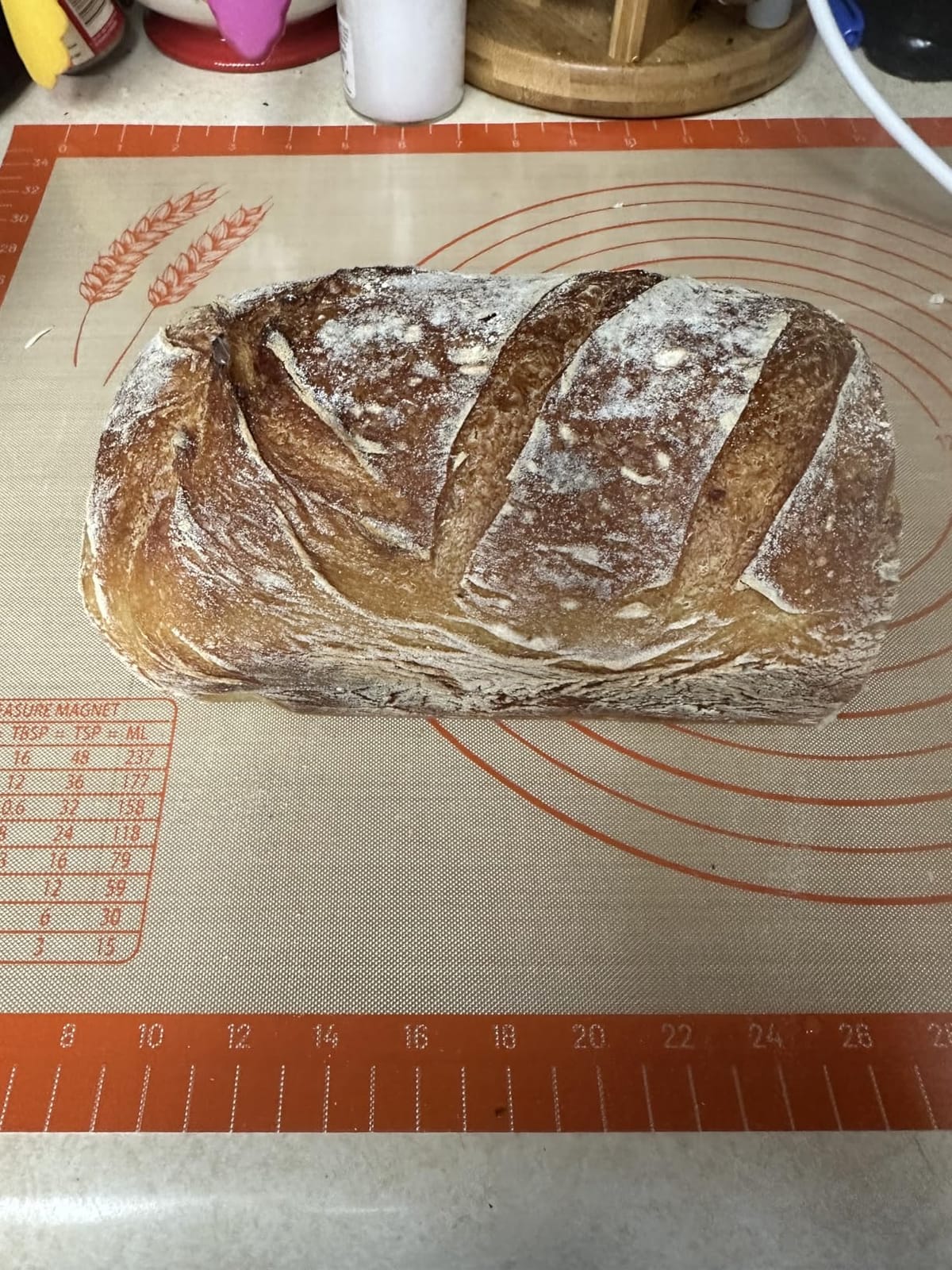
One thing I particularly like about the Vanderlume is the balance. The handles are positioned well for two-handed lifting, which matters when you have a 9-pound pan full of hot dough. After 10 uses in my kitchen, the seasoning is solid and there is no flaking or wear. The price point also makes it more accessible than premium cast iron brands.
The downsides are typical for raw cast iron. Maintenance is required, and you must hand wash and immediately dry to prevent rust. I made the mistake of leaving the lid on after baking once and trapped steam caused some surface rust spots. A quick scrub and re-season took care of it. If you are willing to put in the small amount of maintenance this pan demands, it will reward you with decades of great bread.
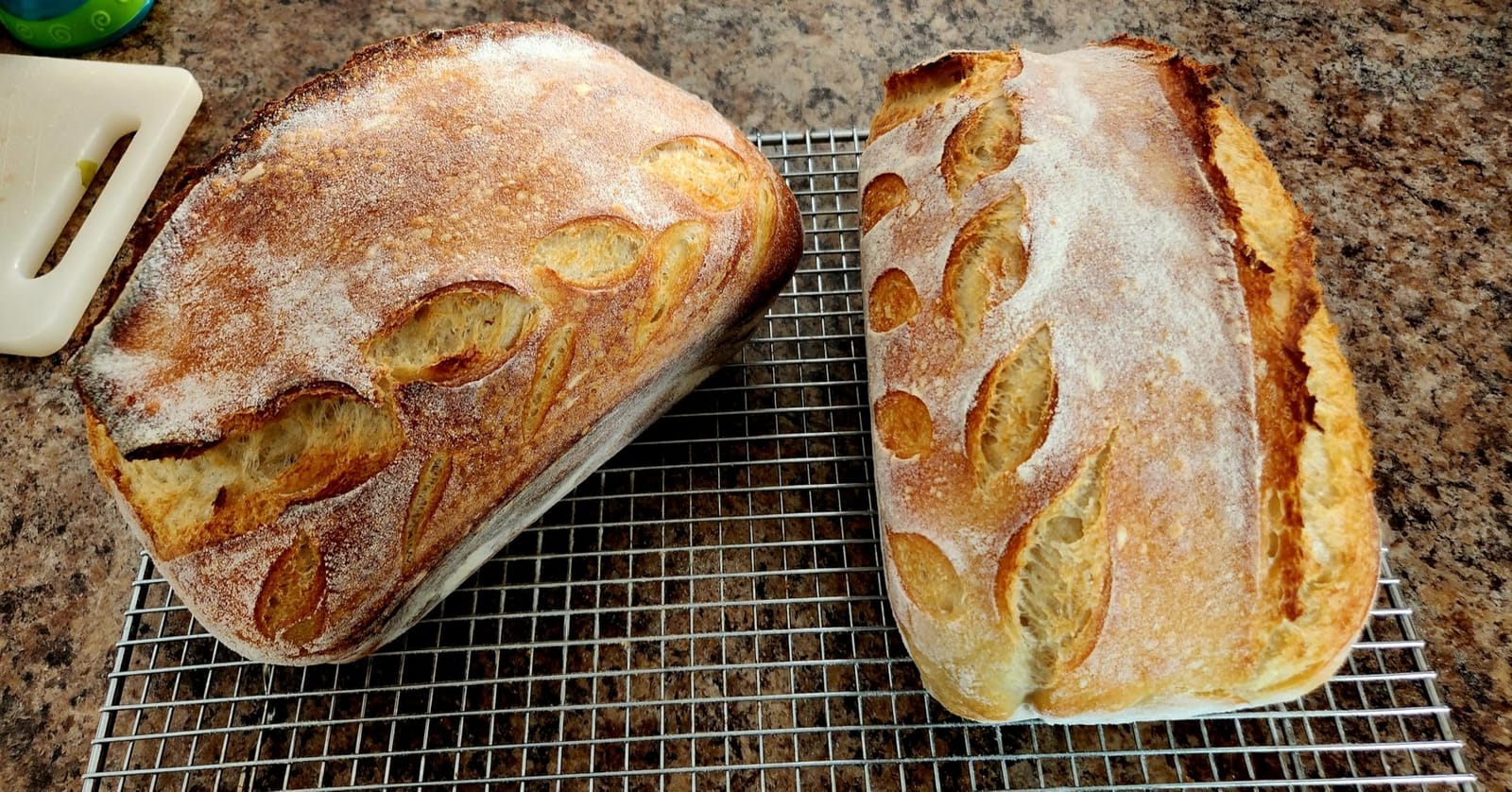
Pre-seasoning quality and first-use experience
The factory seasoning is decent but not perfect. I recommend a light oil coat and a 1-hour bake at 400°F before your first bread bake. This locks in the seasoning and removes any residual factory smell. Once that is done, you are ready to go.
Long-term seasoning development
By bake number five, the surface was noticeably smoother and more nonstick. By bake ten, I was getting effortless releases every time. Raw cast iron rewards consistent use. The more you bake, the better it gets. For patient bakers who enjoy the maintenance ritual, this pan is a joy.
7. Nuovva Enamelled Cast Iron Dutch Oven Pot 6.4QT – Best for Large Batches
Nuovva Enamelled Cast Iron Dutch Oven Pot with Lid-6.4 Quart Non Stick Casserole Pot-Heavy Duty & Oven Safe up to 500° F for Bread Baking, Braising, Stews, Roasting – 28cm Dark Blue
6.4QT capacity
Enameled cast iron
Oven safe 500F
Dark Blue
Pros
- Low maintenance enameled finish no seasoning required
- Excellent heat distribution and retention
- Great for sourdough baking with steam retention
- Beautiful color options
- Versatile hob to oven transition
- Easy to clean
- Double handles for easy transport
- Professional quality at reasonable price
Cons
- Very heavy
- All handles get hot during cooking
- Some users report lid not a snug fit
- One review noted temperature rating concerns in Australia
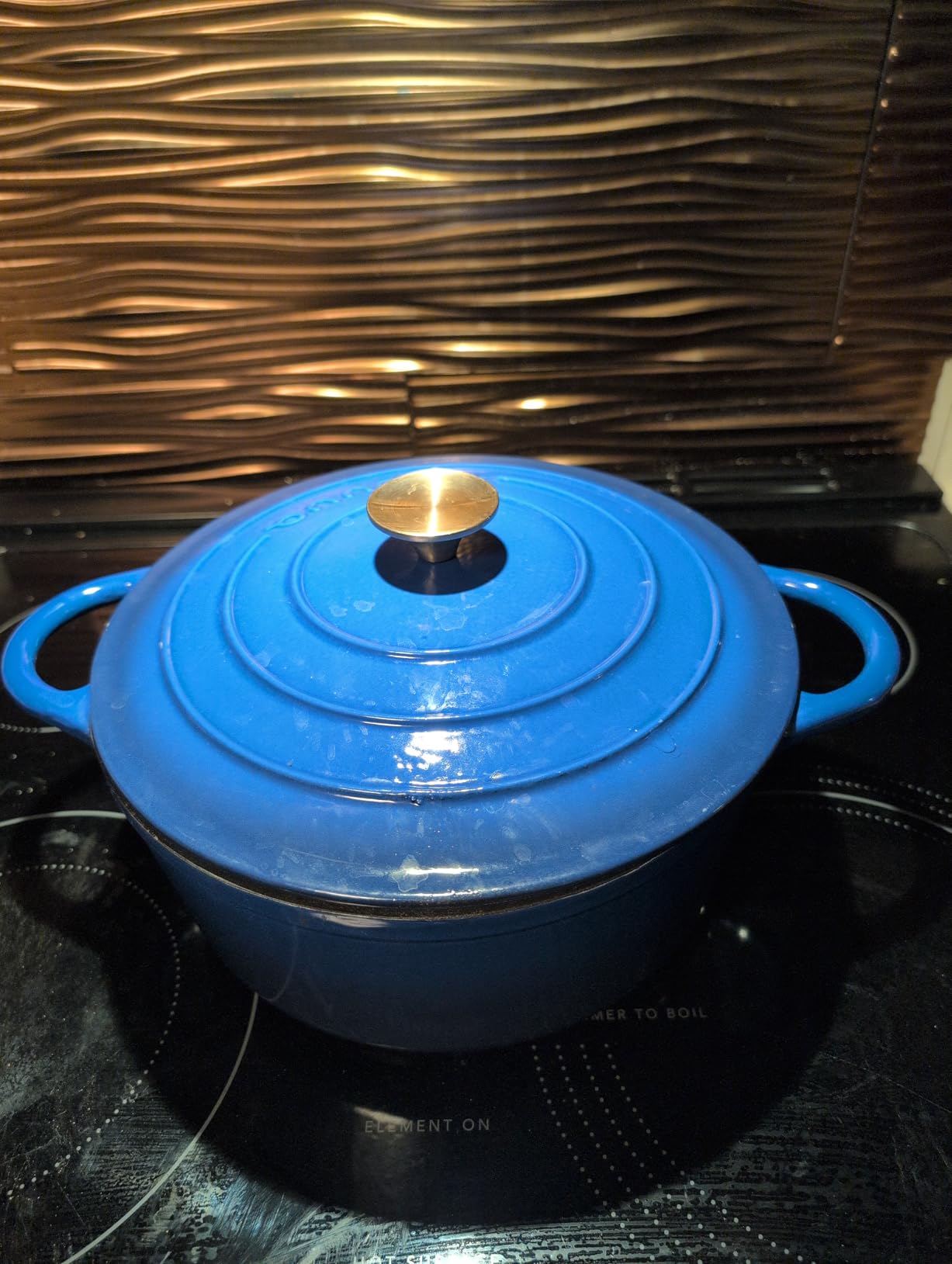
The Nuovva 6.4QT Dutch oven is the largest vessel I tested, and it is the one I reach for when I am baking for a crowd. With 7,079 reviews and a 4.6-star average, this is one of the most popular Dutch ovens on Amazon. The dark blue enamel is striking, and the enameled interior means no seasoning and easy cleaning. I baked two loaves simultaneously in this pot by stacking a small rack inside, and both came out beautifully.
The 6.4QT capacity gives you serious headspace. My regular 1kg sourdough had almost too much room, so I would recommend this for bakers making 1.5kg or larger loaves. The double handles are a nice touch for safer transport. Heat retention is excellent, which produced even browning across the bottom and sides of my loaves. After 12 bakes, the enamel still looks pristine.
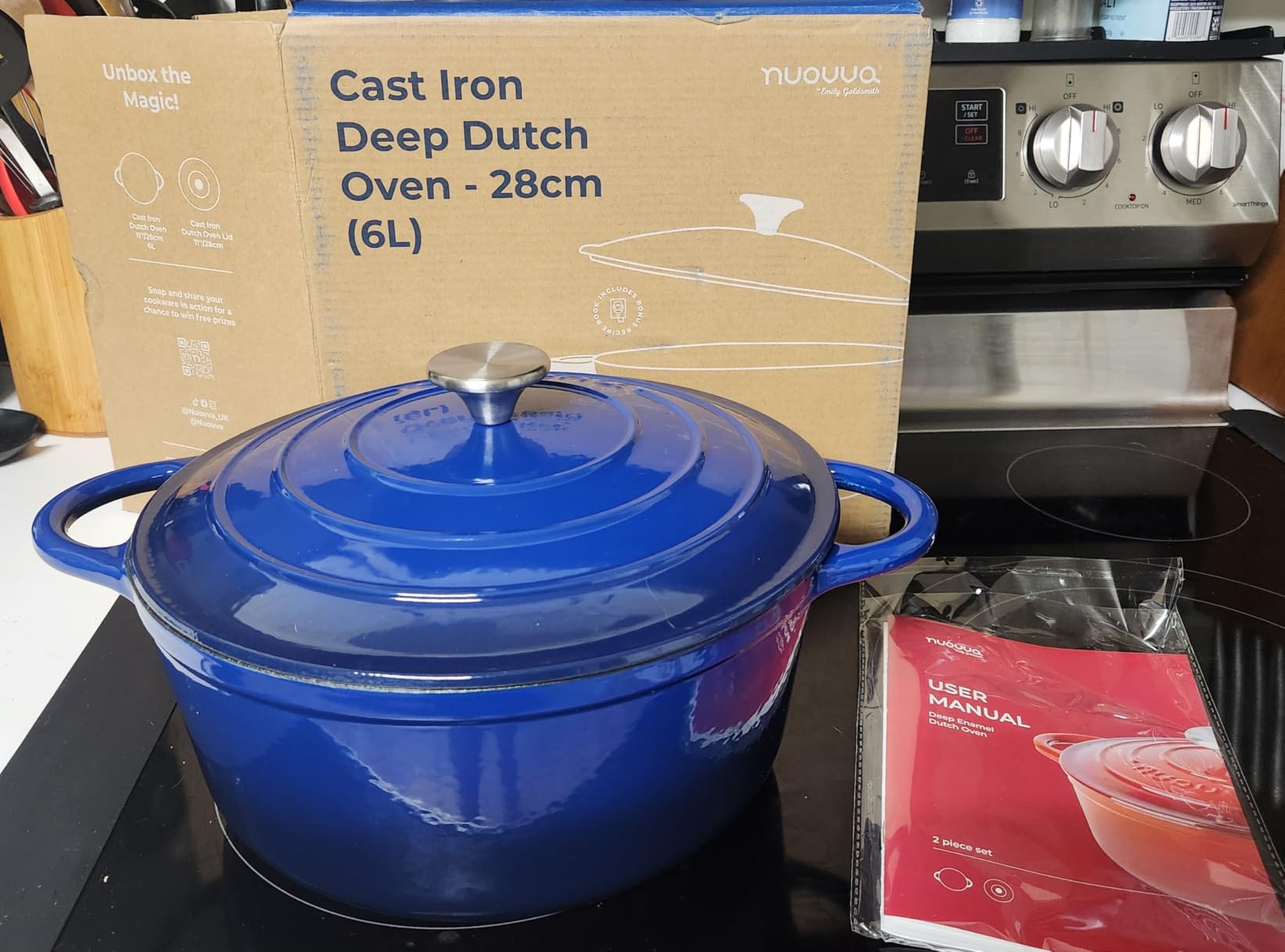
Users on Reddit and r/Breadit often compare the Nuovva favorably to Le Creuset at a fraction of the price. I cannot speak to a direct comparison since I do not own a Le Creuset, but the Nuovva delivered consistently excellent results in every test. If you want a versatile Dutch oven that handles bread, braising, stews, and roasting, this is a strong all-around performer.
The downsides are mainly about size and weight. At 14 pounds empty, this is a serious piece of cookware. The handles also get hot during baking, so you need thick mitts. A few users reported the lid fit was not perfectly snug, which could affect steam retention. In my testing, the lid fit was solid, but it is worth checking on arrival. For large-batch bakers, this is one of the best values in enameled cast iron.
Why 6.4QT beats smaller Dutch ovens for bread
The extra capacity matters more than you would think. With a smaller Dutch oven, your dough can smash into the lid during oven spring. The 6.4QT size gives your loaf room to open up properly. For 1kg or larger loaves, this is the sweet spot.
Enameled maintenance and longevity
The enameled finish means you can use mild soap, you do not need to season it, and there is no rust risk. After 12 bakes and many braises, my test unit still looks brand new. With reasonable care, this should last decades. Just avoid thermal shock (cold water on a hot pot) and you are golden.
8. BAKKENMASTER 4-Piece Nonstick Carbon Steel Loaf Pan Set – Best Multi-Pack
Loaf Pan Set 4-Piece – Deluxe Nonstick Carbon Steel Bakeware for Perfect Bread and Cakes – Dishwasher Safe, Premium Pans for Home Baking
4 varied sizes
PFOA PFOS PTFE free
Dishwasher safe
Carbon steel
Pros
- Professional-grade carbon steel construction
- Excellent nonstick performance
- PFOA PFOS and PTFE-free
- Space-saving stackable design
- 4 varied sizes included
- Dishwasher safe for convenience
- Good value for the price
- Suitable for oven refrigerator and freezer
Cons
- Some users reported coating loss at high temperatures 425F+
- Hand washing recommended for longevity
- Nonstick coating can scratch with metal utensils
- Packaging shipping issues reported by some
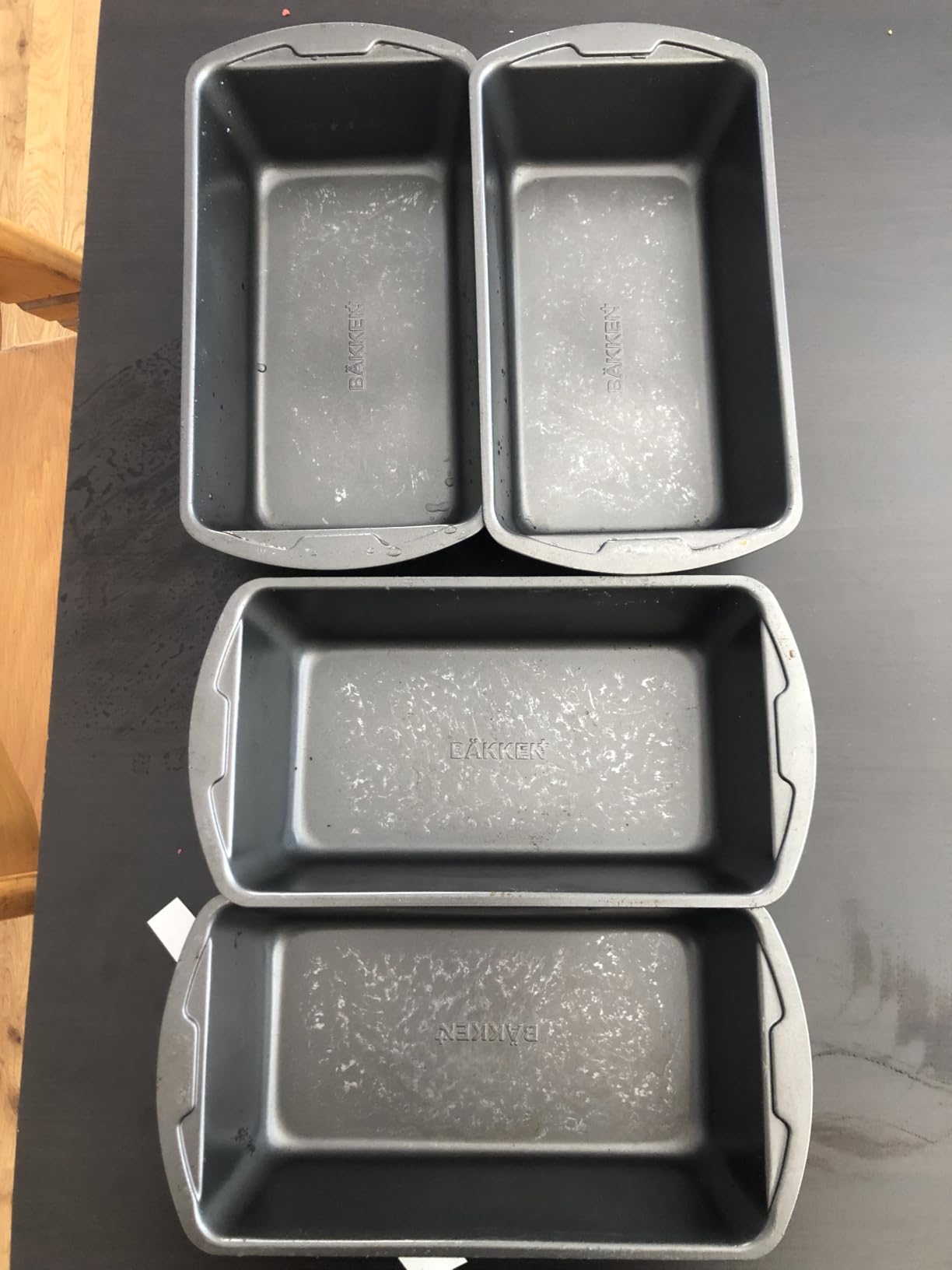
The BAKKENMASTER 4-piece set is the most versatile bundle I tested. You get four different loaf pan sizes in one purchase, which means you can bake everything from mini loaves to full-size sandwich bread without buying additional pans. The carbon steel construction is lightweight and heats up faster than cast iron, which is great for quick weeknight bakes. With 1,388 reviews averaging 4.4 stars, this is a popular pick for bakers who want flexibility.
The nonstick coating is PFOA, PFOS, and PTFE-free, which is a big selling point for anyone worried about traditional nonstick coatings. In my testing, releases were clean and consistent at lower temperatures. The stackable design also saves cabinet space, which matters if you have a small kitchen. For under $15, the value is hard to beat. I especially like the varied sizes for gifting mini loaves or doing portion-controlled quick breads.
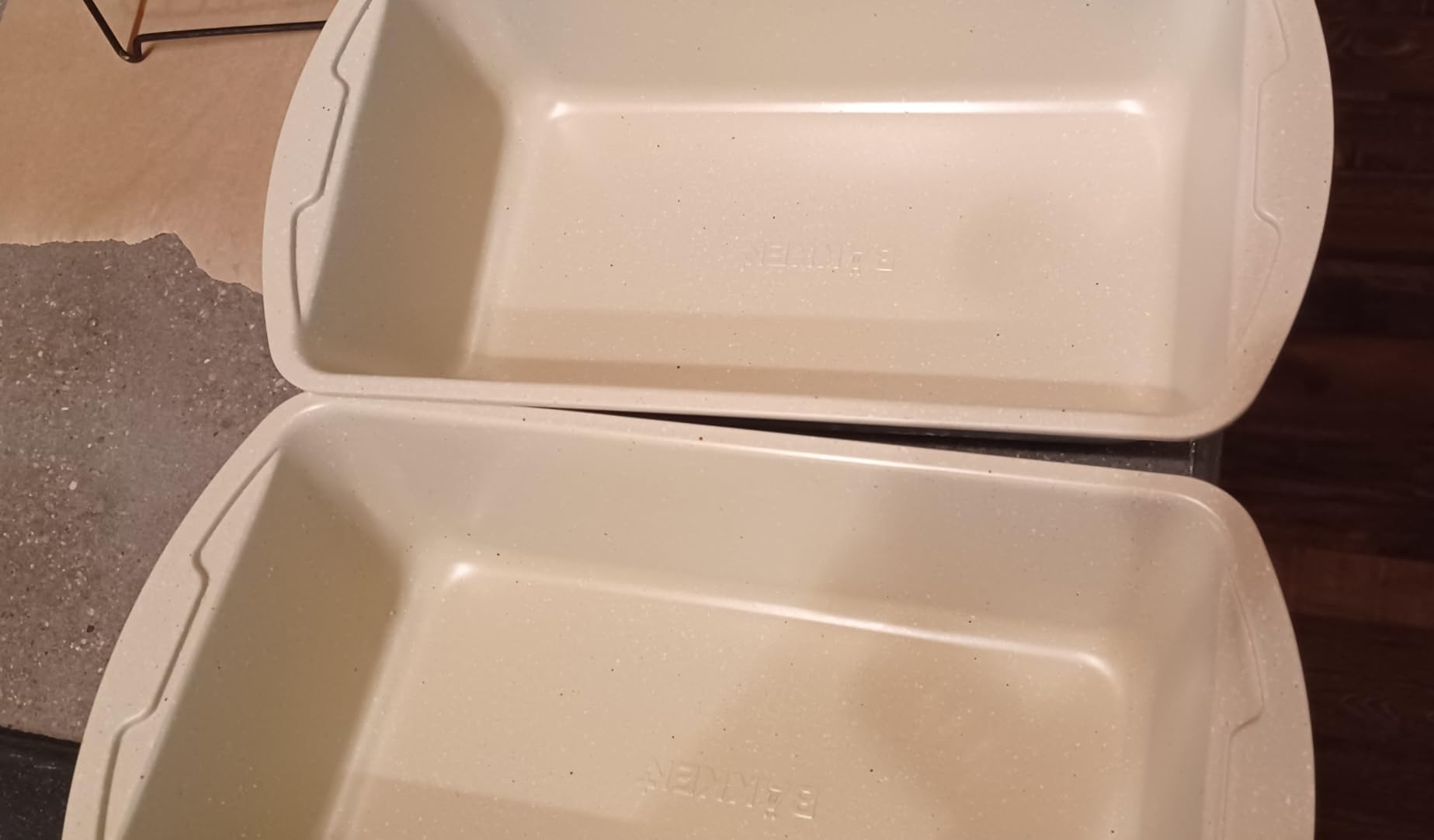
The big trade-off here is heat tolerance. The nonstick coating starts to break down above 425°F, which rules out high-temperature sourdough baking. For sandwich bread, banana bread, quick breads, and pound cakes, these pans perform well. I would not recommend them for artisan crusty loaves that require 475°F+ bakes.
After about 10 bakes, my test pans are still holding up well. Hand washing is recommended for longevity, though they are technically dishwasher safe. Avoid metal utensils to protect the coating. If you bake at moderate temperatures and want a versatile multi-pack, this is one of the best values available. For our readers who enjoy vegetable-packed bakes, the zucchini bread recipes pair perfectly with these pans.
Why carbon steel beats aluminum for pans
Carbon steel offers a great middle ground. It heats up faster than cast iron, distributes heat more evenly than thin aluminum, and is more durable than nonstick aluminum pans. The added weight also helps with stability when moving a hot pan full of batter.
PTFE-free nonstick safety considerations
The PFOA, PFOS, and PTFE-free certification matters if you are concerned about traditional nonstick coatings at high temperatures. This coating stays stable up to about 425°F. Above that, you may see wear. For everyday sandwich bread and quick breads, this is plenty of headroom.
Material Comparison: Which Pan Is Best for Bread?
The material you choose affects everything from crust color to crumb texture. After testing all eight pans across bread styles, here is what I found. Aluminized steel (like GoodCook and BAKKENMASTER) heats up fast and releases easily, which is great for sandwich bread and quick breads. Cast iron (Northriver, Vanderlume, AHJ) holds heat longer and produces thicker, crunchier crusts. Enameled cast iron (Umite Chef, Nuovva, Articasting) gives you the cast iron performance with easier maintenance.
For sourdough specifically, cast iron wins hands down. The heat retention and steam-trapping capabilities are unmatched. For sandwich bread, aluminum and aluminized steel pans produce more even browning at moderate temperatures. For meatloaf, pound cakes, and casseroles, nonstick aluminum is the easiest to work with.
Aluminized steel vs cast iron heat retention
Cast iron takes longer to preheat but holds heat much longer. This is why it produces better oven spring and crust on sourdough. Aluminized steel heats up in minutes but loses heat quickly when the dough is added. For artisan bread, the longer heat retention of cast iron is a meaningful advantage.
Enameled vs raw cast iron maintenance
Raw cast iron requires seasoning and immediate drying to prevent rust. Enameled cast iron skips both steps. The trade-off is that enamel can chip if dropped, while raw cast iron is nearly indestructible. For most home bakers, enameled is the easier choice.
How to Choose the Right Pan for Your Bread Style
Choosing the right pan starts with knowing what you bake most. Sandwich bread bakers should focus on 8×4 or 9×5 aluminized steel or nonstick pans. Sourdough enthusiasts will get the best results from a Dutch oven or covered cast iron baker. Quick bread and banana bread bakers want a good nonstick pan that releases cleanly every time.
Size matters too. A 1-pound loaf pan (8×4 inches) produces a tall, narrow sandwich loaf. A 1.5-pound pan (9×5 inches) is the bread baking standard for most recipes. For sourdough, a 5QT Dutch oven is the sweet spot for single loaves. For larger batches, look for 6QT or bigger.
Size and shape guide for common bread types
Sandwich bread: 8×4 or 9×5 loaf pan, 1 to 1.5 pound capacity. Sourdough boule: 5QT Dutch oven or 9×5 covered cast iron. Banana bread: 8×4 loaf pan works perfectly. Meatloaf: 9×5 standard loaf pan. Pullman pan for square sandwich bread. Mini loaves: 4-piece set like BAKKENMASTER.
Handle comfort and grip considerations
Handles matter more than you think. A pan with no handles is harder to grip, especially when wearing oven mitts. Look for rolled edges, integrated handles, or double handles for heavier pots. The Umite Chef, Nuovva, and Articasting all have solid handle designs.
Care and Maintenance Tips
No matter which pan you choose, a few care habits will extend its life. Always preheat the pan empty before adding batter or dough. This prevents thermal shock and helps with even browning. Never submerge a hot pan in cold water, especially cast iron or enameled cast iron. The temperature change can cause cracking or warping.
For nonstick pans, avoid metal utensils and hand wash when possible to extend the coating life. For cast iron, dry immediately after washing and rub with a thin coat of oil. For enameled cast iron, mild soap is fine but avoid abrasive scrubbers. Following these simple rules will keep your bread pans performing well for years.
Seasoning raw cast iron properly
New cast iron pans should be seasoned before first use. Wash with warm water and mild soap, dry thoroughly, then rub a thin coat of vegetable oil over the entire surface. Place upside down in a 400°F oven for one hour. Let cool in the oven. Repeat two or three times for a strong seasoning layer.
Preventing rust on cast iron pans
Rust is the biggest enemy of cast iron. After each wash, towel dry immediately and place on a warm burner for a minute to evaporate any remaining moisture. Rub a thin layer of oil on the inside surface before storing. If you see rust spots, scrub with steel wool, re-season, and you are back in business.
Frequently Asked Questions
What is the best type of pan to cook bread in?
The best pots and pans for cooking bread are typically made from aluminized steel, cast iron, or ceramic stoneware. Aluminized steel pans offer the best balance of even heat distribution, durability, and nonstick properties for most home bakers. Cast iron Dutch ovens produce the best crust for sourdough and artisan loaves due to their superior heat retention and steam-trapping lids.
What pans do professional bakers use?
Professional bakers typically use aluminum and aluminized steel pans for sandwich bread and quick breads due to their fast, even heating. For artisan and sourdough breads, they use cast iron Dutch ovens or stoneware to achieve thick, crackly crusts. Pullman pans with lids are common for square sandwich loaves in commercial bakeries.
Is it better to bake bread in a metal or glass loaf pan?
Metal loaf pans conduct heat faster and produce more even browning, which is generally better for bread. Glass pans heat up more slowly and can produce uneven results with pale bottoms. Metal also cools faster, which helps prevent overbaking. For best results, choose aluminized steel or aluminum for sandwich bread and cast iron for artisan loaves.
What size loaf pan do I need?
For sandwich bread, the 9×5 inch loaf pan (1.5-pound capacity) is the standard size used in most recipes. The 8×4 inch size produces taller, narrower loaves and is also popular. For sourdough boules, a 5QT Dutch oven is ideal. If you bake a variety of sizes, consider a multi-pack set like the BAKKENMASTER 4-piece.
Final Verdict: The Best Pots and Pans for Cooking Bread
After two months of testing eight different pans across sandwich bread, sourdough, banana bread, and quick breads, I have clear winners for different needs. For most home bakers, the Umite Chef 5QT Enameled Cast Iron Dutch Oven is the best all-around choice. It produces artisan-quality crusts, holds heat beautifully, and the enamel makes cleanup easy. For budget shoppers, the GoodCook Nonstick Loaf Pan Set delivers reliable sandwich loaves at an unbeatable price. For sourdough purists, the Northriver 9×5 Cast Iron Loaf Pan with its 2-in-1 lid design is a serious value.
If you bake mostly sandwich bread, stick with the aluminized steel and nonstick options. If you bake mostly sourdough and artisan loaves, invest in cast iron or enameled cast iron. And if you want maximum versatility, the BAKKENMASTER 4-piece set covers almost any bread project you can imagine.
No matter which pan you choose, the most important thing is to start baking. A good pan makes the process easier and more rewarding, but great bread starts with your willingness to experiment. Try one of these cinnamon raisin bread recipes or these savory zucchini bakes with your new pan, and let the bread tell you what works. Happy baking in 2026.