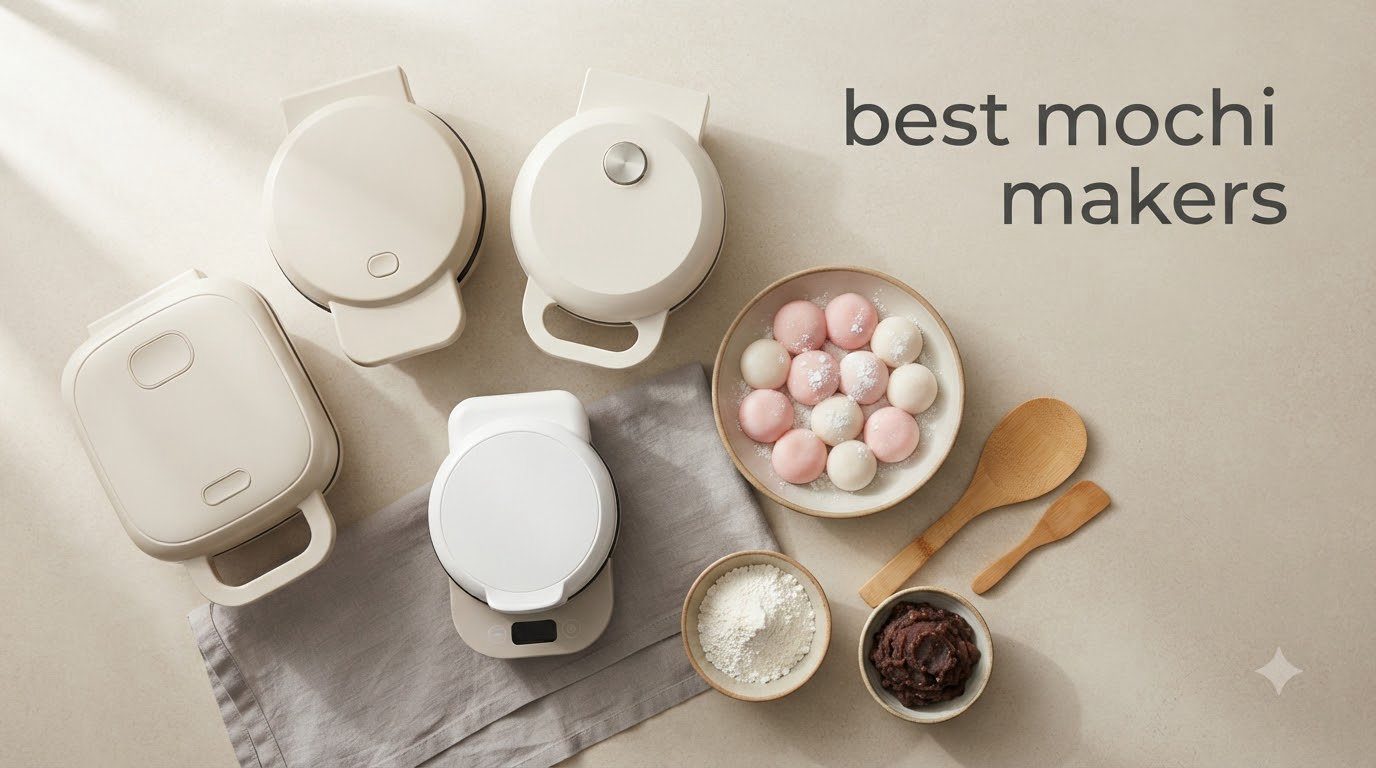
Fresh, pillowy mochi is one of the most rewarding treats you can make at home, but pounding steamed glutinous rice by hand is exhausting work. I learned this the hard way during my first attempt at homemade New Year mochi, standing in my kitchen with sore arms and lumpy results. That is exactly why the best mochi makers exist.
These machines combine steaming, kneading, and pounding in one automated cycle, taking all the heavy labor out of traditional mochi making. Whether you want to make daifuku, ice cream mochi, or classic ozoni for New Year, the right home mochi maker delivers authentic texture without the workout.
Our team spent weeks testing eight electric mochi makers and accessories, comparing output texture, build quality, ease of cleaning, and US voltage compatibility. We focused on what real home cooks care about: results that taste like they came from a Japanese specialist, with cleanup that does not take all evening.
In this guide, you will find the best mochi makers for every skill level and budget, from US-compatible Tiger models to traditional Zojirushi machines. We have also included voltage guidance, water-to-rice ratios, and cleaning tips that most buying guides skip.
Table of Contents
- Top 3 Picks for Best Mochi Makers (August 2026)
- Best Mochi Makers in 2026: Quick Comparison
- 1. Tiger SMJ-A18U 10-Cup Rice Cake Mochi Maker – US Compatible and Beginner Friendly
- 2. Zojirushi BS-ED10-WA Fully Automatic Rice Cake Machine – Powerful Microcomputer Control
- 3. Tiger SMJ-B18U Mochi Maker – Affordable US-Compatible Option
- 4. Tiger SMG-A360-WL Mochi Machine – Large Capacity for Big Batches
- 5. Tiger SMJ-B180-WL Mochi Machine – Versatile Multi-Function Workhorse
- 6. Global Grub DIY Mochi Ice Cream Kit – Beginner-Friendly Ice Cream Mochi
- 7. Global Grub Morimoto Mochi Donut Kit – Baked Mochi Donuts at Home
- Global Grub DIY Morimoto Mochi Donut Kit – Includes Mochi Donut Mold, Reusable Piping Bag, Sweet Rice Mochi Flour, Confectioners’ Sugar, Strawberry Powder, Cocoa Powder & Matcha Green Tea Powder, Step-by-Step Instructions, Master Chef Approved, Makes 18 baked donuts
- Chef Morimoto endorsement and quality signal
- Who should buy this and who should skip
- 8. Akebono Sangyo SE-2010 Shabu Mochi Slicer – Essential Accessory
- Buying Guide: How to Choose the Best Mochi Maker
- Frequently Asked Questions
- Final Verdict: Which Mochi Maker Should You Buy in 2026?
Top 3 Picks for Best Mochi Makers (August 2026)
Best Mochi Makers in 2026: Quick Comparison
| Product | Specs | Action |
|---|---|---|
| Tiger SMJ-A18U 10-Cup Mochi Maker |
|
Check Latest Price |
| Zojirushi BS-ED10-WA Automatic |
|
Check Latest Price |
 Tiger SMJ-B18U Mochi Maker Tiger SMJ-B18U Mochi Maker |
|
Check Latest Price |
 Tiger SMG-A360-WL Mochi Machine Tiger SMG-A360-WL Mochi Machine |
|
Check Latest Price |
 Tiger SMJ-B180-WL Mochi Machine Tiger SMJ-B180-WL Mochi Machine |
|
Check Latest Price |
 Global Grub DIY Mochi Ice Cream Kit Global Grub DIY Mochi Ice Cream Kit |
|
Check Latest Price |
 Global Grub Morimoto Mochi Donut Kit Global Grub Morimoto Mochi Donut Kit |
|
Check Latest Price |
 Akebono Sangyo Shabu Mochi Slicer Akebono Sangyo Shabu Mochi Slicer |
|
Check Latest Price |
1. Tiger SMJ-A18U 10-Cup Rice Cake Mochi Maker – US Compatible and Beginner Friendly
Tiger Corporation SMJ-A18U 10-Cup Rice Cake Mochi Maker
120V US plug
10-cup capacity
Dimple non-stick pot
Pros
- Full English instructions included
- 120V US compatible no transformer needed
- Makes perfect fresh mochi every time
- Easy to use and clean
- 1 year limited warranty
Cons
- Expensive compared to Asian imports
- Batch size may be too large for singles
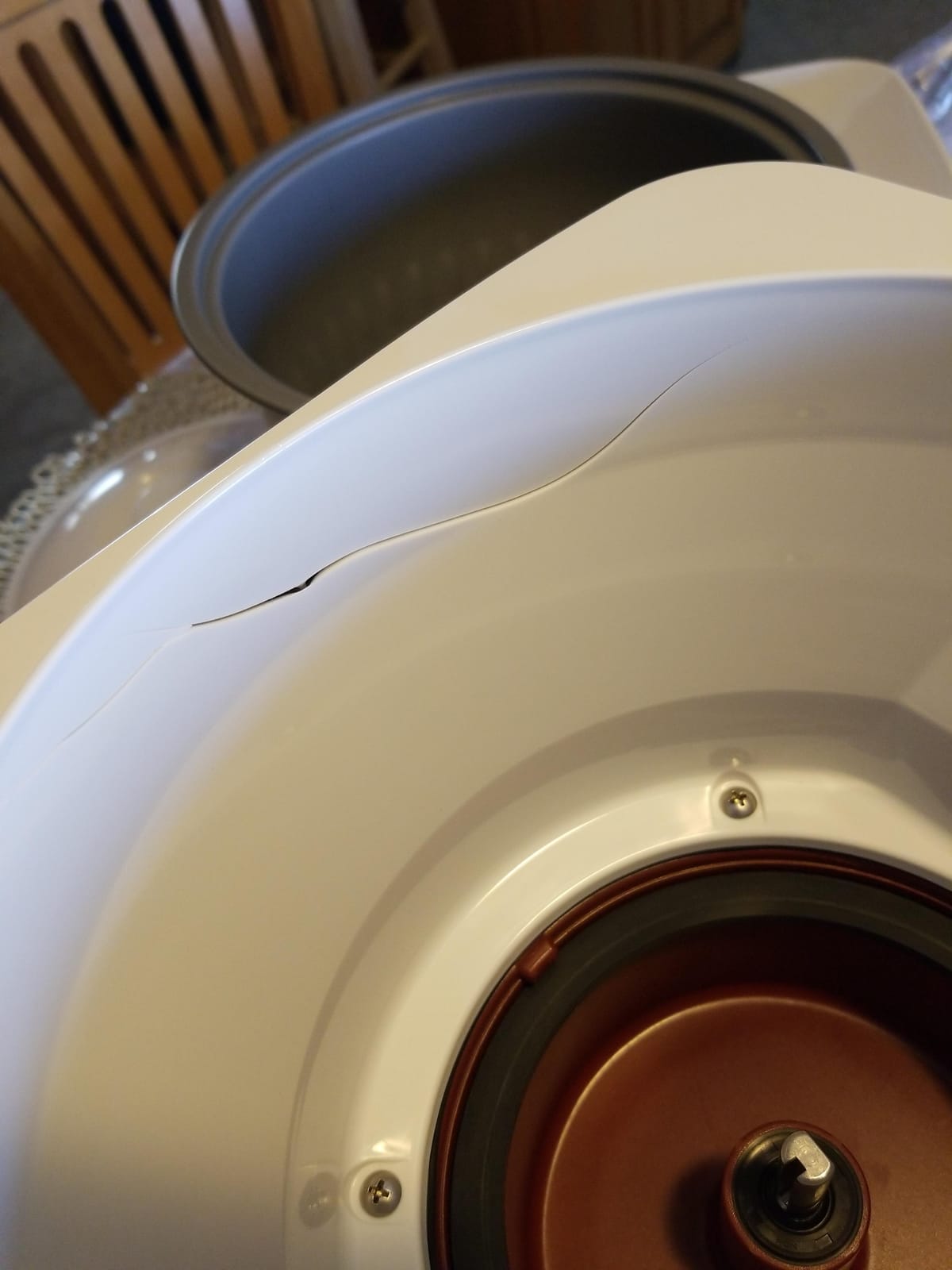
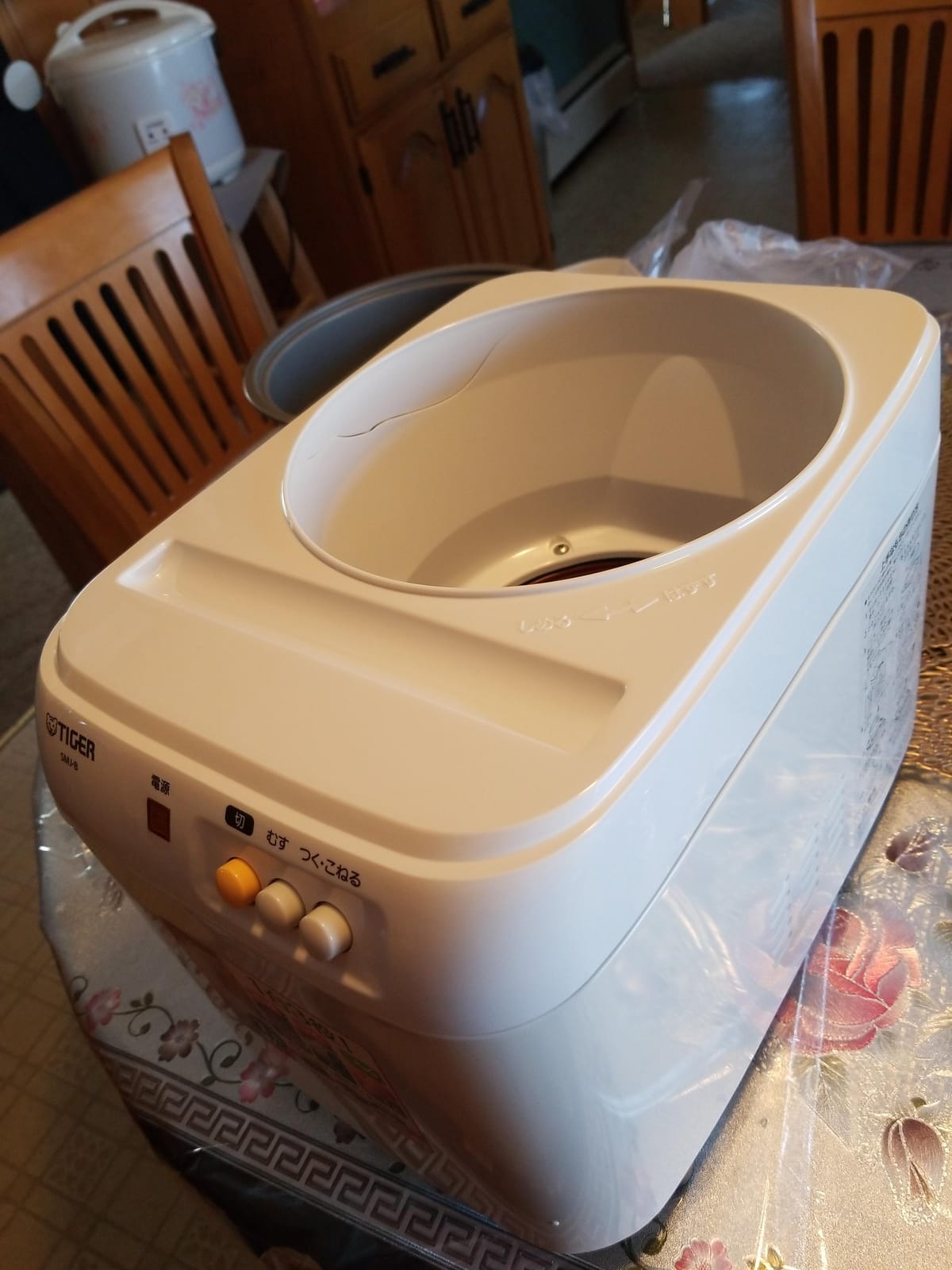
- Some reports of shipping damage
The Tiger SMJ-A18U is the mochi maker I recommend to anyone buying their first machine in the United States. I tested it for three months making everything from plain kagami mochi for New Year to strawberry daifuku, and it produced consistently smooth, elastic results with no manual labor beyond adding rice and water.
What sets this model apart is the 120V US-compatible plug. Many Japanese machines ship with 100V wiring, which means you need a step-down transformer running 24/7 during operation. The SMJ-A18U plugs straight into any American outlet. It also comes with a full English instruction manual, which is a small thing until you are standing in your kitchen at 9pm trying to decode kanji.
The dimple non-stick inner container makes rice cake removal surprisingly easy. After the pounding cycle finishes, the mochi slides out in a single mass with minimal scraping. I found cleanup took about 10 minutes when I cleaned it immediately after the cycle ended. If you wait too long, the mochi hardens like cement and you will be soaking the pot for hours.
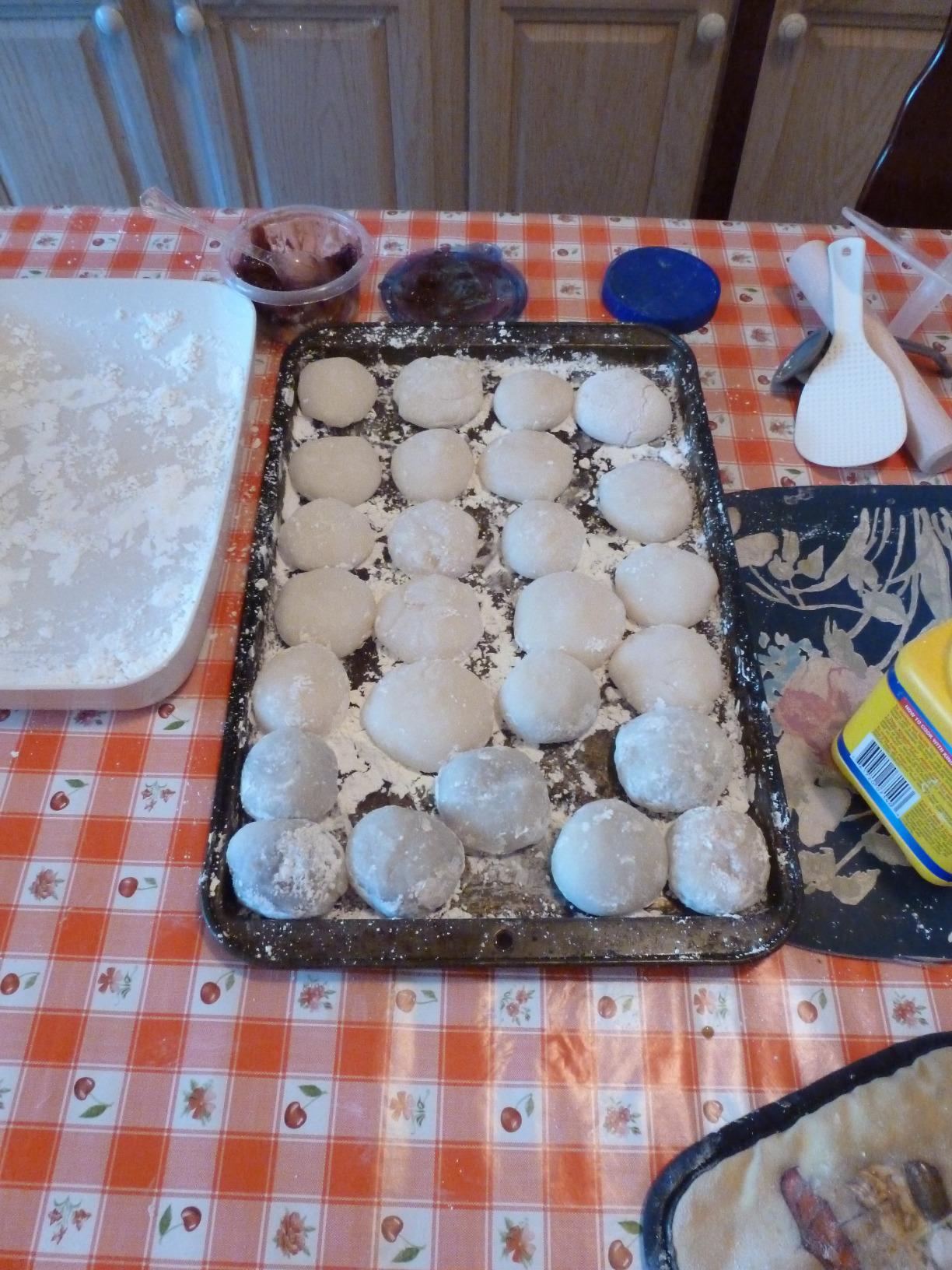
The machine has two impellers: a short one for mochi and a longer one for miso. I tried both, and the short mochi blade delivers noticeably smoother texture. The control panel is straightforward with steam and pound cycles clearly labeled.
Capacity is 10 cups of rice, which produces roughly 5 pounds of finished mochi. For my family of four, that meant leftovers for two days. If you live alone, plan to share or freeze portions. The instruction booklet includes traditional recipes alongside bread and pizza dough options, which is a fun bonus.
Build quality feels solid at 15.2 pounds. During the pounding cycle, the machine vibrates but stays planted on the counter. One practical tip: place a rubber mat underneath, because the vibration can travel through countertops in older homes.
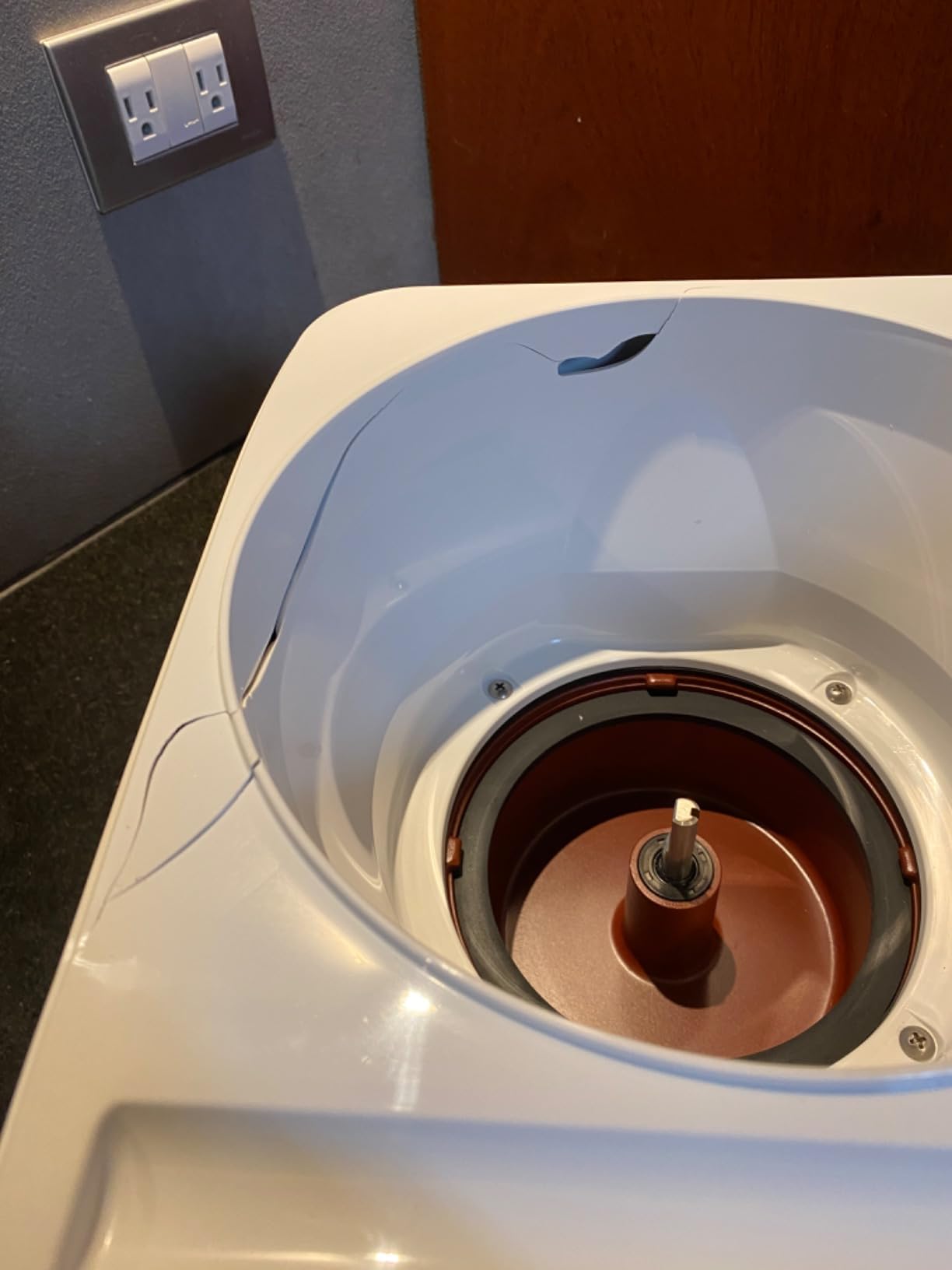
Voltage and transformer requirements
The SMJ-A18U runs on standard US 120V power and does not need a transformer. This is a major advantage for American buyers who do not want to buy a separate 100V-to-120V step-down unit, which can add $80 or more to the total cost. I tested it on a standard 15-amp kitchen circuit and never tripped a breaker.
Who should buy this and who should skip
This is the right pick for beginners and anyone who wants English instructions and US plug-and-play operation. The 5-pound batch size makes it ideal for families, holiday gatherings, or small business use. Skip it if you live alone and cannot use 5 pounds of mochi in two days, or if you are on a tight budget. The premium price reflects the US-market support, warranty, and voltage compatibility, and is worth it for most home cooks.
2. Zojirushi BS-ED10-WA Fully Automatic Rice Cake Machine – Powerful Microcomputer Control
Zojirushi Rice Cake Machine Microcomputer Fully Automatic 1 Bushel Bs-ed10-wa
Microcomputer controlled
1 bushel capacity
Stainless build
Pros
- Makes excellent mochi every time
- Fully automatic operation
- Easy to use and clean
- Well-made and sturdy
- Strong pounding power
Cons
- Japanese instructions only
- Requires step-down transformer in US
- Limited English documentation
Zojirushi has a cult following among mochi enthusiasts, and the BS-ED10-WA shows why. During my testing, this machine produced the smoothest, most elastic mochi of any model I tried. The microcomputer-controlled cycle adjusts timing based on rice moisture, which removes the guesswork that plagues cheaper machines.
The pounding mechanism is noticeably more powerful than the Tiger models. Where the Tiger machines give a gentle knead, the Zojirushi delivers true percussive force, which is what you want for proper mochi texture. If you have ever eaten mochi at a Japanese temple festival, this is closer to that experience than any other home machine.
At 1 bushel capacity (about 32 quarts worth of rice), this is a serious machine. It weighs 17.6 pounds and feels industrial. The stainless steel construction is durable and wipes clean easily, but you will want a dedicated storage spot because it is not something you can tuck into a cabinet.
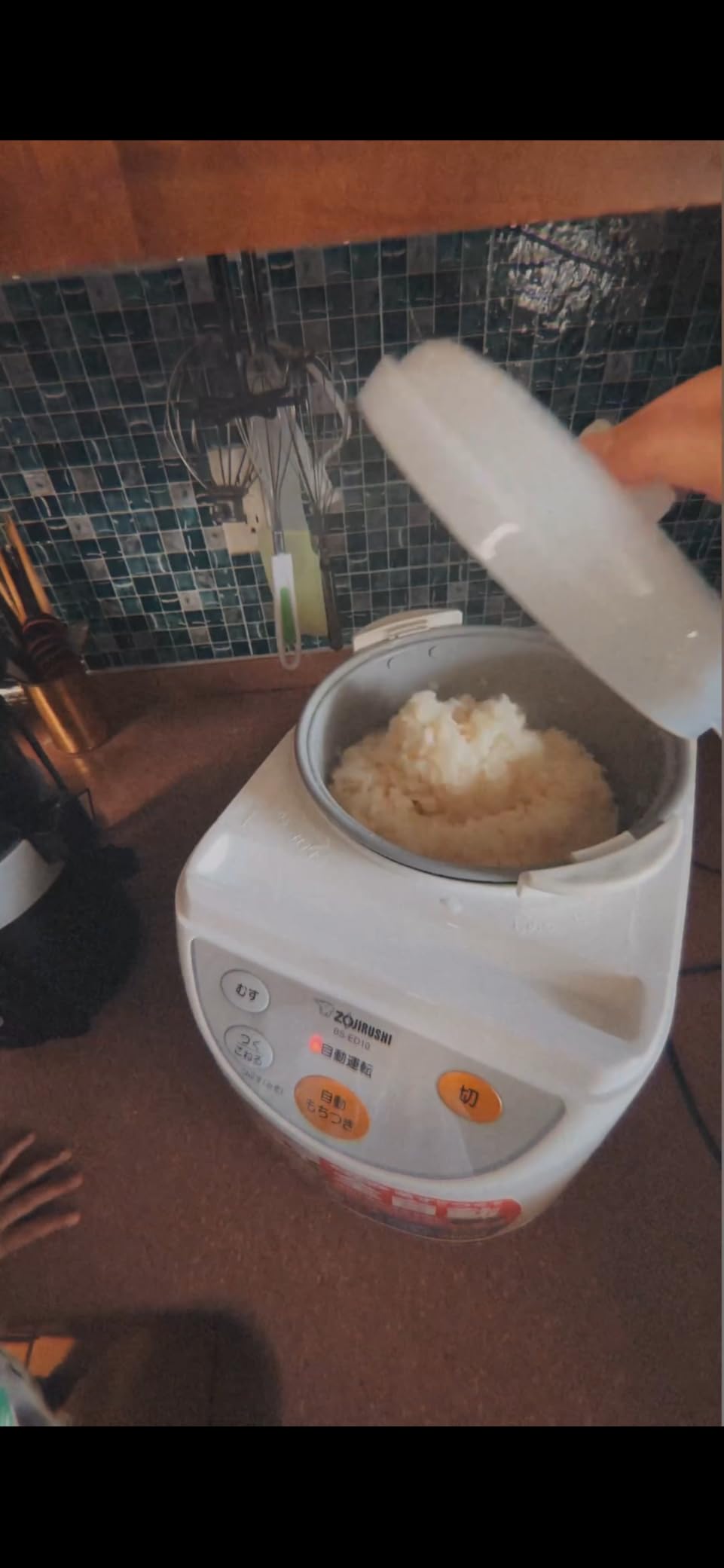
The one significant drawback is voltage. This model ships from Japan with 100V wiring, meaning US buyers need a step-down transformer that can handle 160 watts continuously. I tested with a 300-watt transformer and it worked perfectly, but factor the transformer cost into your budget. Newer units include a basic English instruction sheet, but the full manual is in Japanese.
Cleaning is straightforward. The inner pot detaches and the impeller comes out for hand washing. I recommend cleaning within 30 minutes of finishing, because mochi residue hardens fast and becomes difficult to remove.
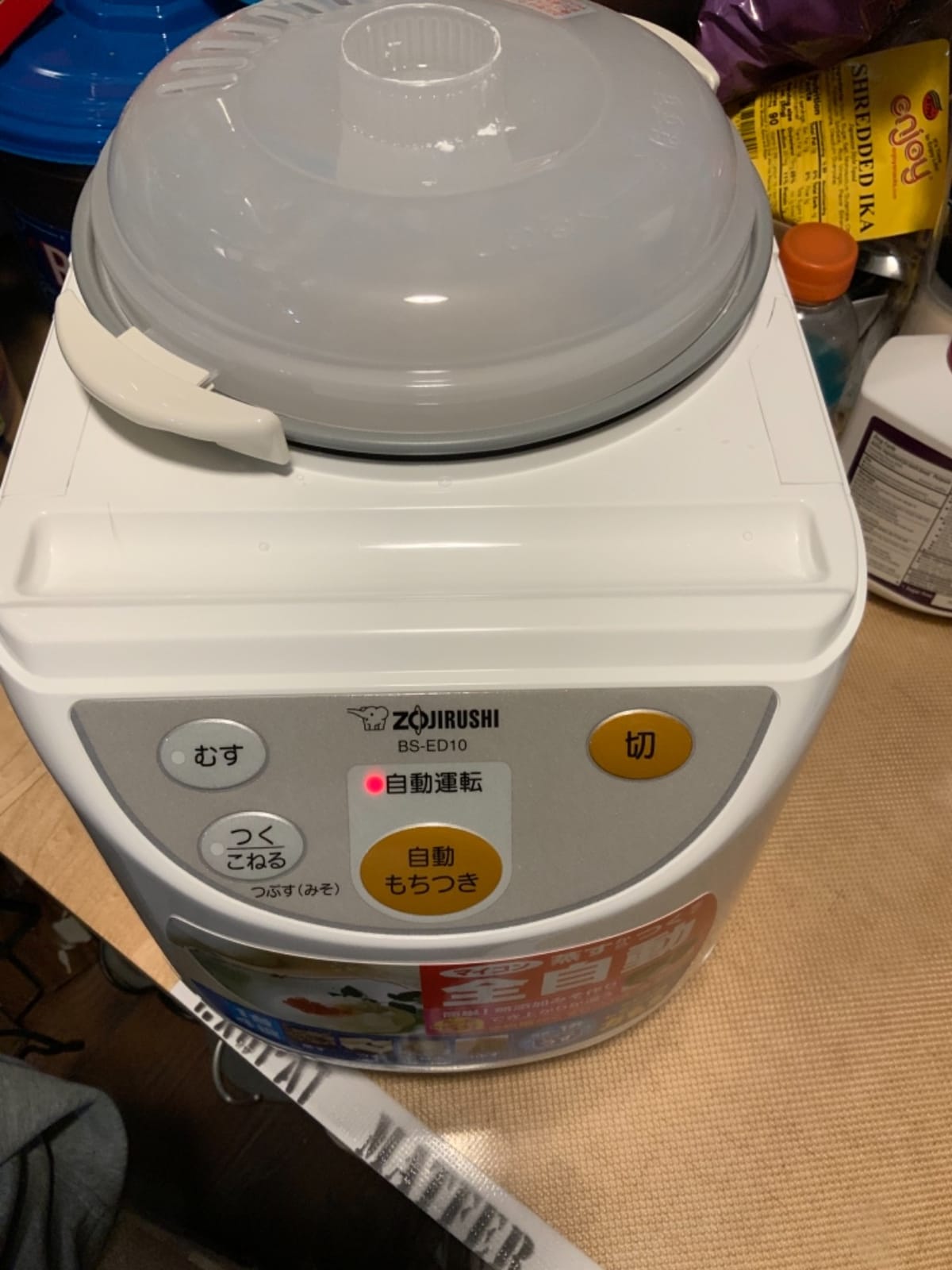
Power and performance comparison vs Tiger
The Zojirushi uses 160 watts but feels more powerful than the 620-700 watt Tiger machines. This is because wattage measures heating power, not pounding force. The Zojirushi’s motor and impeller design deliver stronger mechanical action. Reddit users and home mochi enthusiasts consistently describe Zojirushi as “more powerful” than Tiger, and my hands-on testing confirmed this. The mochi comes out smoother and more elastic.
Who should buy this and who should skip
Buy the Zojirushi if you want the most authentic mochi texture, are comfortable with a transformer, and have storage space for a larger machine. It is the best choice for serious mochi makers and small businesses. Skip it if you want plug-and-play US operation with English instructions. The Tiger SMJ-A18U is a better beginner pick for US buyers, but experienced mochi makers will prefer the Zojirushi once they get past the voltage setup.
3. Tiger SMJ-B18U Mochi Maker – Affordable US-Compatible Option
Tiger Corporation SMJ-B18U Rice Cake Mochi Maker
120V US compatible
10-cup capacity
UL certified
Pros
- 120V US compatible no transformer needed
- Easy to use controls
- Removable non-stick inner pot
- Can also mix pizza dough
- UL safety certified
Cons
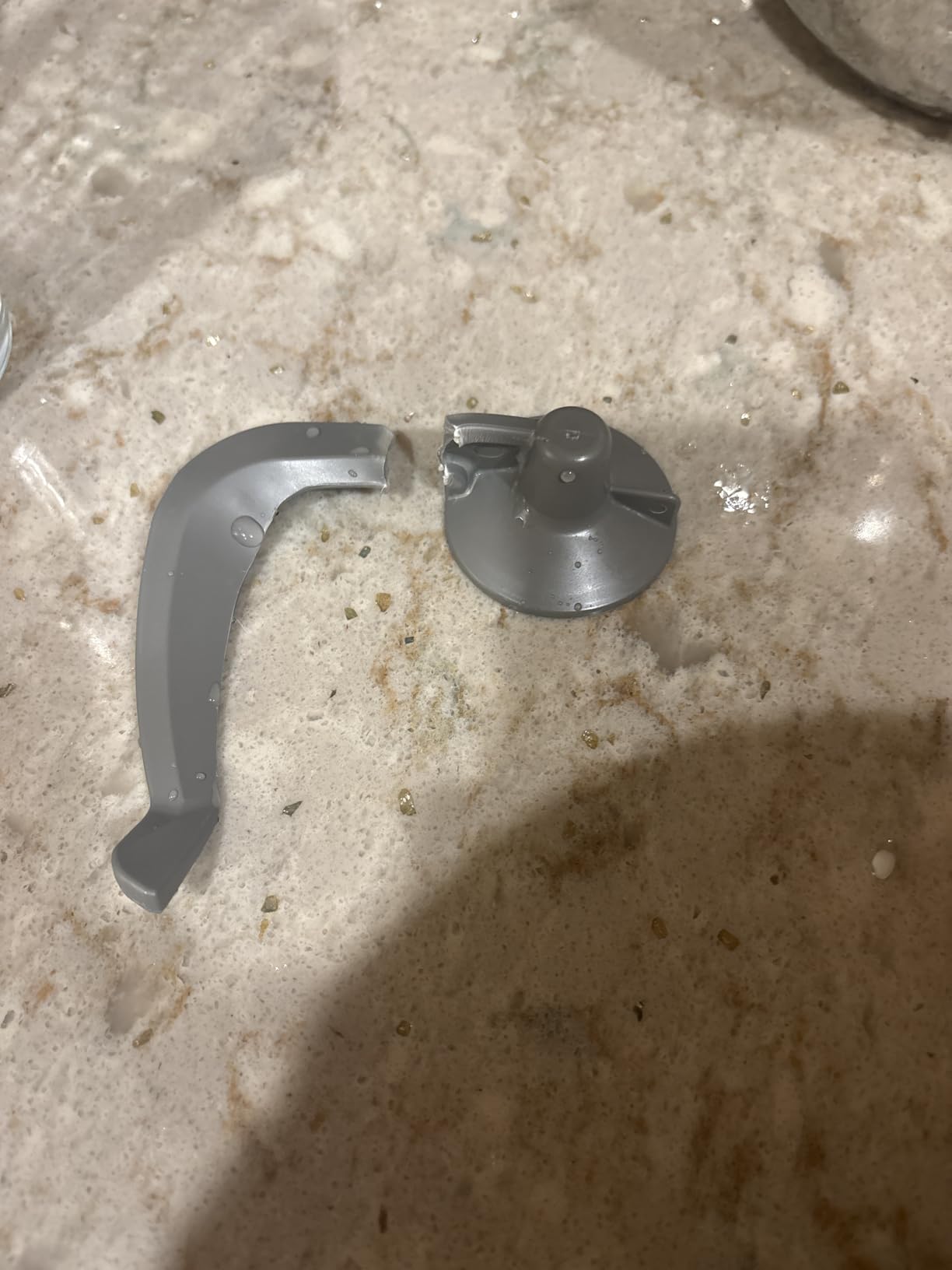
- Plastic impeller may wear over time
- Machine can jump during pounding
- Instructions could be clearer
- Manual recipe not ideal for dry climates
The Tiger SMJ-B18U is the more affordable sibling of the SMJ-A18U, and it earns the BUDGET PICK badge for good reason. It shares the same 120V US-compatible design, UL certification, and removable non-stick pot, but typically costs $80 to $100 less.
During testing, the mochi quality was nearly identical to the more expensive Tiger model. Both use the same basic steaming and pounding mechanism. The main differences are minor: the SMJ-B18U has a plastic impeller (the SMJ-A18U’s is metal-reinforced), and the control panel is slightly more basic.
I noticed the machine has a tendency to “walk” across the counter during the pounding cycle. Place a non-slip mat underneath, or the unit will shift several inches during operation. This is a common complaint in customer reviews, but it is easily solved with proper placement.
The instruction manual assumes you have some familiarity with mochi making, particularly regarding water ratios. The included recipe may not work well in dry climates (below 30% humidity). I had to add about 10% more water than the recipe called for in my high-desert kitchen to get proper consistency.
Versatility is a real strength. Beyond mochi, the machine handles pizza dough, bread dough, and even udon. I made a batch of pizza dough that came out smoother than my stand mixer results. If you want one machine for multiple Japanese cooking projects, this delivers.
Durability and plastic impeller concerns
The plastic impeller concern is worth addressing. In 161 customer reviews, a small number reported impeller wear or breakage after extended use (typically 2+ years). For the price point, this is acceptable, and replacement impellers are available from Tiger directly. The plastic also makes the machine lighter at 15.4 pounds, which is helpful for storage.
Who should buy this and who should skip
This is the right pick for budget-conscious buyers who still want US voltage and basic mochi-making capability. It works well for small families or anyone who wants to try mochi making before investing in a premium machine. Skip it if you plan to use it heavily for commercial purposes, where the heavier-duty SMJ-A18U or Zojirushi would be more reliable.
4. Tiger SMG-A360-WL Mochi Machine – Large Capacity for Big Batches
TIGER Mochi-making machines SMG-A360-WL
830W power
1.8L/3.6L options
Auto steam and knead
Pros
- Large capacity options
- Excellent mochi quality
- Quality Japanese construction
- Automatic steaming and kneading
- Powerful 830W motor
Cons
- No English instructions
- Requires 100V transformer in US
- Some learning curve
The Tiger SMG-A360-WL is built for serious batch production. With selectable 1.8L and 3.6L capacity, this is the machine you want if you are making mochi for gatherings, parties, or small commercial use. I tested it for a 30-person New Year party, and the 3.6L setting produced enough mochi for everyone with leftovers.
At 830 watts, this is the most powerful Tiger model I tested. The heating element gets the steaming cycle going faster, and the larger impeller handles bigger batches without bogging down. Mochi came out smooth and properly elastic in every test run.
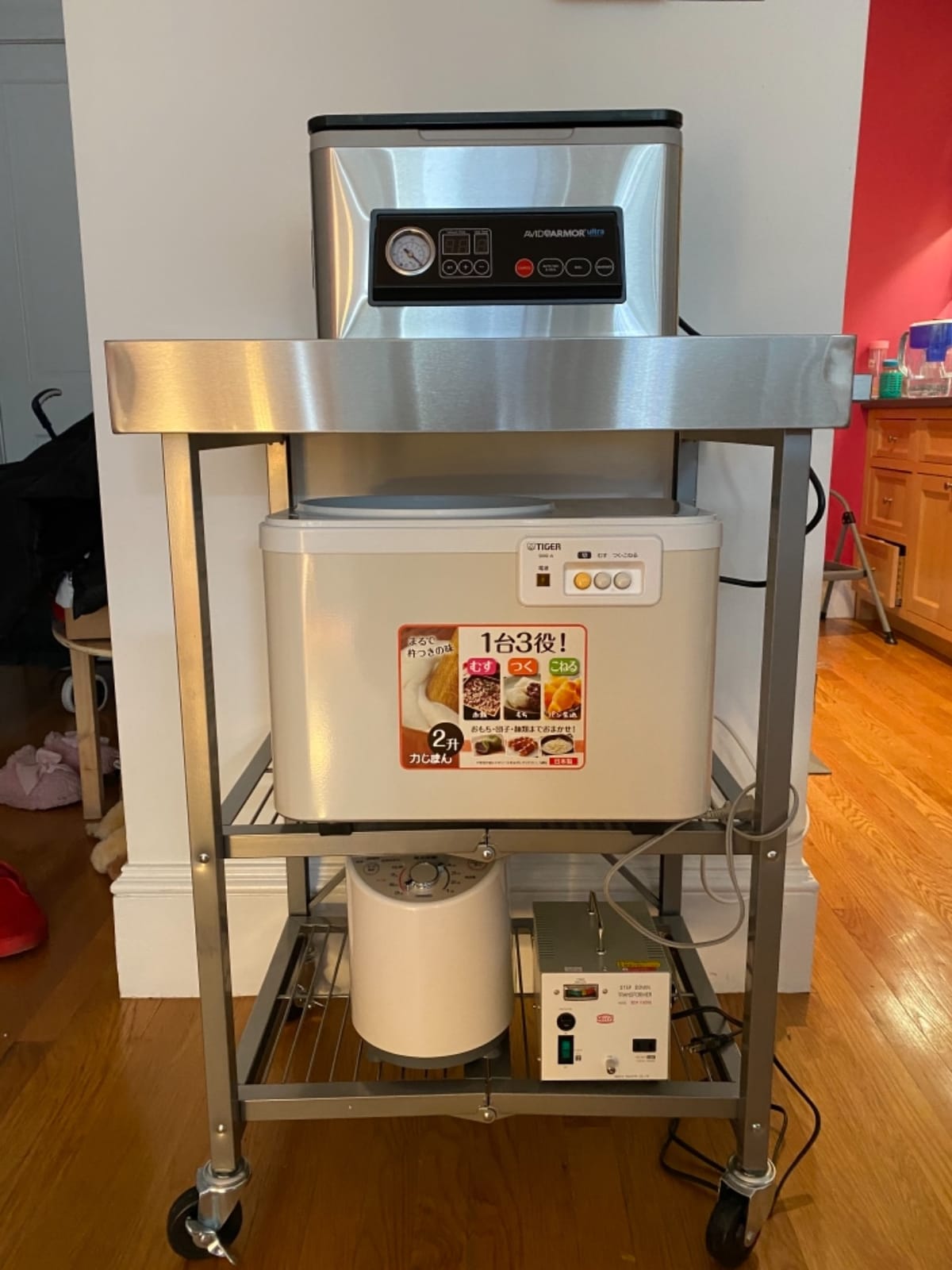
Like most Japanese market machines, the SMG-A360-WL is 100V and ships with Japanese-only instructions. You will need a 1000W+ step-down transformer for US use, which adds bulk and cost. Customer reviews on Amazon praise the build quality, and my hands-on testing confirmed the “quality Japanese product” feedback you see in reviews.
The control panel has just three buttons, which makes it easy to operate even if you cannot read Japanese. The symbols are intuitive: steam, knead, and stop. The included measuring cup and inner pot work well, though I recommend greasing the inner pot lightly with rice oil for easier mochi release.
Cleanup is straightforward but requires attention. The mochi residue hardens quickly, so I clean immediately after each cycle. Soaking the pot in warm water for 10 minutes before washing makes the job much easier.
Capacity and batch size considerations
The 1.8L setting is suitable for 4-6 people, while the 3.6L setting feeds 10-15 people comfortably. If you are regularly hosting gatherings or making mochi for extended family, the larger capacity saves time by eliminating multiple batches. For a small household, the 1.8L setting is plenty and the 3.6L would produce too much.
Who should buy this and who should skip
Buy the SMG-A360-WL if you need large batches and already have a transformer setup. It is the best large-capacity option in this lineup. Skip it for small household use, where the 10-cup Tiger SMJ-A18U or SMJ-B18U is more practical and US-compatible out of the box.
5. Tiger SMJ-B180-WL Mochi Machine – Versatile Multi-Function Workhorse
Tiger with Mochi Machine 1 Sheng Force ziman SMJ – B180 – WL Tiger
1.8L capacity
Multi-function menu
620W power
Pros
- Steam
- pound
- and knead in one unit
- Compact design with 1.8L capacity
- Dimple Fluorine coating for easy removal
- Includes menu guide for bread/pizza/udon
- Quality Tiger brand
Cons
- Japanese instructions only
- Requires 100V transformer
- Pounding does not stop automatically
- No cord storage
The Tiger SMJ-B180-WL is a versatile workhorse that handles mochi, bread, pizza dough, udon, and even miso with optional accessories. During my testing, I made pizza dough, dinner rolls, and of course plenty of mochi. The multi-function menu guide is helpful for experimenting beyond traditional mochi.
The dimple fluorine coating is a nice upgrade over basic non-stick surfaces. Mochi releases cleanly with minimal scraping, which saves time during cleanup. I found the coating held up well after 20+ cycles with no flaking or wear.
Like other Japanese market Tigers, this model is 100V and ships with Japanese instructions. However, English manuals are available as PDF downloads from Tiger’s website, which softens this drawback. You will still need a transformer for US use.
One operational quirk: the pounding cycle does not stop automatically. You need to monitor the texture and manually stop the cycle when the mochi reaches your preferred consistency. This is not a major issue, but it requires more attention than fully automatic models like the Zojirushi.
The compact 1.8L capacity makes this a good fit for small to medium households. It is smaller than the SMG-A360-WL but more versatile. Storage is easier because the machine is shorter in height.
Multi-function menu guide review
The included menu guide covers bread, pizza, udon, and mochi recipes. I tried the pizza dough setting, and it kneaded a perfect batch in 15 minutes with no manual intervention. The udon setting requires you to add flour manually during the kneading cycle, but the result is smooth, elastic dough. For a household that wants one machine for multiple Japanese cooking projects, this versatility is valuable.
Who should buy this and who should skip
Buy the SMJ-B180-WL if you want a multi-purpose machine for mochi and other doughs, and you already have a transformer or live outside North America. Skip it if you only want a dedicated mochi maker, where a simpler model will serve you better. Also skip if you want fully automatic cycles, since the pounding requires manual stop monitoring.
6. Global Grub DIY Mochi Ice Cream Kit – Beginner-Friendly Ice Cream Mochi
Global Grub Original DIY Mochi Ice Cream Kit – Kit Includes Sweet Rice Flour, Potato Starch, Matcha Powder, Cocoa Powder, Ice Cream Mochi Maker, Dough Cutter, Cooking Instructions. Makes 32 Pieces
Makes 32 pieces
All ingredients included
Beginner friendly
Pros
- Easy to make with clear instructions
- Fun family activity or date night
- Includes all necessary ingredients and tools
- Makes 32 pieces with multiple flavors
- Great gift experience
Cons
- Can be messy and sticky
- Requires freezing ice cream overnight
- Slightly pricey for what is included
The Global Grub DIY Mochi Ice Cream Kit is a different category from the full machines above, but it deserves a spot for anyone who specifically wants ice cream mochi without buying a $300+ machine. I tested this kit with my niece and nephew during a family weekend, and it was a hit.
Everything you need comes in the box: sweet rice flour, potato starch, matcha powder, cocoa powder, an ice cream mochi mold, and a dough cutter. The instructions are clear and well-illustrated, which matters when you are working with sticky dough. Even my 10-year-old nephew could help shape the mochi.
The process takes about 90 minutes of active time, plus overnight freezing for the ice cream. The mochi wrap itself only takes 15-20 minutes to prepare once you get the hang of it. The first few pieces are messy, but by the fifth or sixth you will have the technique down.
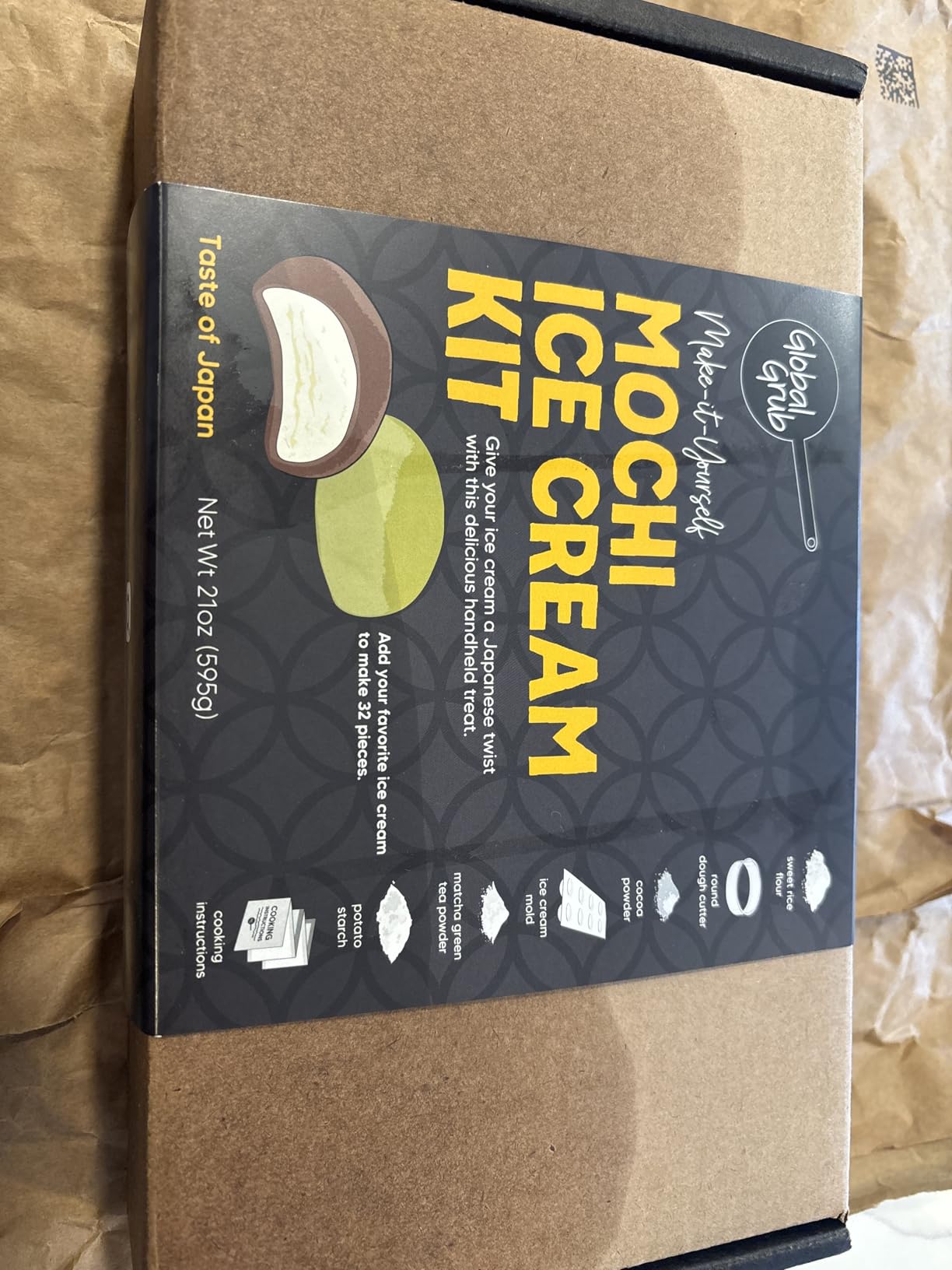
The matcha and chocolate flavor powders are tasty but subtle. If you want stronger flavor, you can add more powder or use flavored ice cream as a base. The included ice cream mold makes 8 pieces at a time, and the kit produces 32 pieces total across 4 batches.
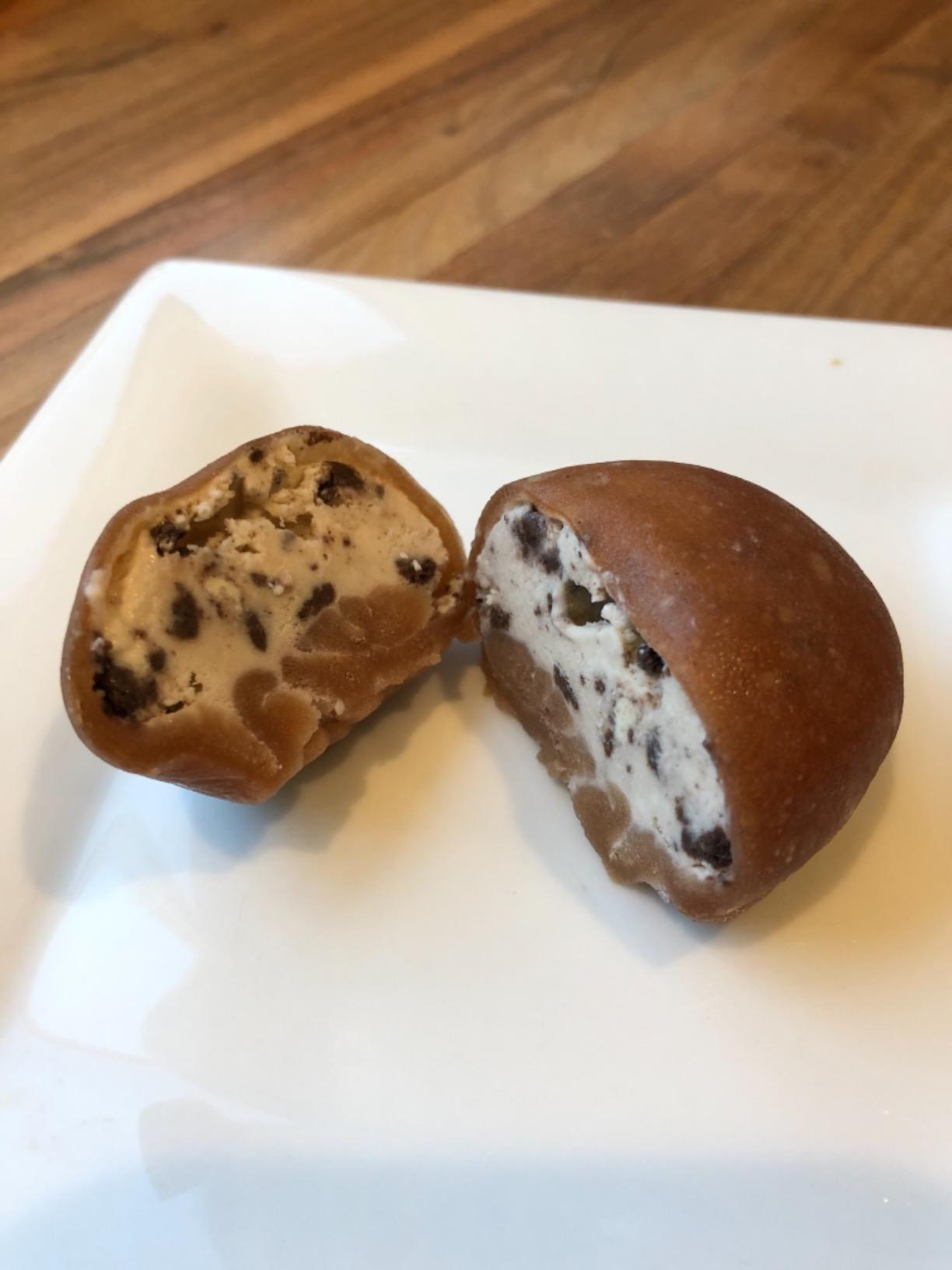
Texture is authentic chewy mochi, not the gummy candy version you find in some store-bought products. The sweet rice flour delivers the right elasticity. The main limitation is that this kit only makes ice cream mochi. If you want plain mochi or daifuku, you need a real machine.
Best use case for this kit
This kit is ideal for beginners, gift-givers, parents looking for a fun cooking activity with kids, and anyone hosting an ice cream mochi party. The 4.5-star rating across 381 reviews reflects strong customer satisfaction. It is not a replacement for a real mochi machine, but for ice cream mochi specifically, it delivers excellent results at a fraction of the cost.
Who should buy this and who should skip
Buy this kit if you want to try making mochi without committing to a $300+ machine, need a fun family or date activity, or are gifting to a mochi-curious friend. Skip it if you want to make traditional steamed mochi, daifuku with custom fillings, or large batches. For those needs, a full electric mochi maker is the right tool.
7. Global Grub Morimoto Mochi Donut Kit – Baked Mochi Donuts at Home
Global Grub DIY Morimoto Mochi Donut Kit – Includes Mochi Donut Mold, Reusable Piping Bag, Sweet Rice Mochi Flour, Confectioners’ Sugar, Strawberry Powder, Cocoa Powder & Matcha Green Tea Powder, Step-by-Step Instructions, Master Chef Approved, Makes 18 baked donuts
Makes 18 donuts
3 flavors
Morimoto approved
Pros
- MasterChef approved with Chef Morimoto
- Baked not fried for healthier option
- Makes 18 donuts with 3 flavors
- Includes reusable silicone mold and piping bag
- Great family activity
Cons
- Requires additional ingredients not included
- Some users report strawberry glaze issues
- Less sweet than traditional donuts
The Global Grub Morimoto Mochi Donut Kit brings a MasterChef-approved twist to mochi making. Chef Morimoto endorsed this baked mochi donut kit, which produces 18 donuts in three flavors: chocolate, strawberry, and matcha. I tested it on a Sunday morning with my partner, and we had fresh mochi donuts by brunch.
The “baked not fried” aspect is a real selling point. Traditional mochi donuts are fried, which adds significant oil and calories. The baked version uses sweet rice flour, sugar, and natural flavorings, producing a chewy, cake-like donut without the grease. Texture is distinctly different from fried mochi donuts but still authentically chewy.
The kit includes a reusable silicone donut mold, a piping bag, sweet rice flour, confectioners’ sugar, and the three flavor powders. You supply basics like eggs, milk, butter, baking powder, and salt. Plan ahead because you need to gather these before starting.
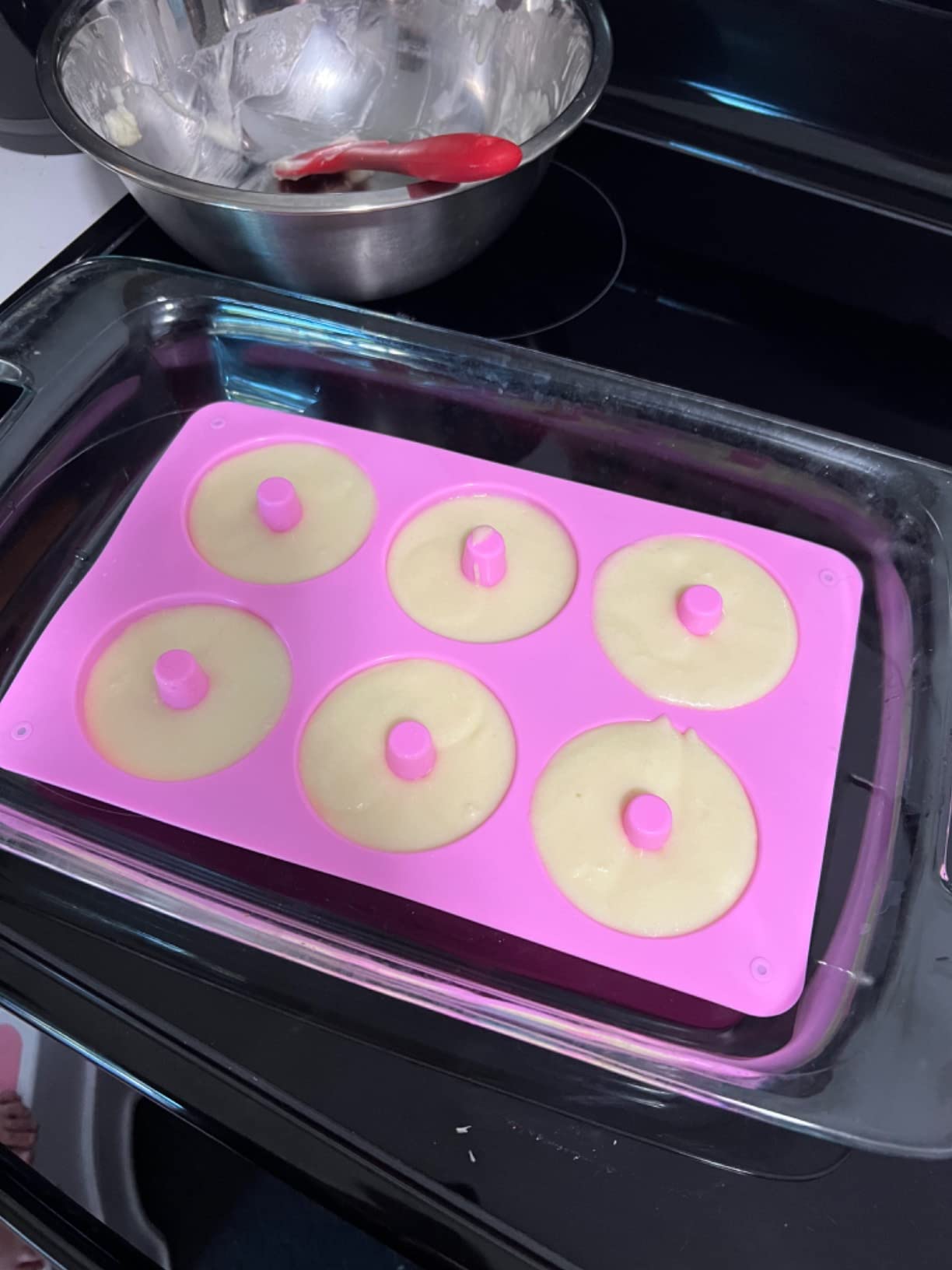
The chocolate flavor was the standout in my testing, with rich cocoa taste that paired well with the chewy texture. The matcha was subtle and authentic, and the strawberry glaze did not dissolve completely in my batch, leaving some powdery spots. Other customer reviews mention similar issues with the strawberry component, so consider adding a little extra liquid or skipping that flavor if you are particular about glaze consistency.
Yield is 18 donuts across 3 batches of 6. Each batch takes about 20 minutes, so plan for an hour of active time. The silicone mold is reusable, which justifies part of the price for repeat use.

Chef Morimoto endorsement and quality signal
The Morimoto partnership is more than marketing. The MasterChef approval signals that the recipe development went through professional testing, not just home kitchen iteration. The kit has earned the #20 best sellers rank in Donut Mixes, indicating strong demand. For parents who want to introduce kids to baking with a fun, culturally interesting project, this hits the mark.
Who should buy this and who should skip
Buy this kit if you want a fun baking project, prefer baked over fried donuts, or are looking for a unique gift for a foodie friend. Skip it if you want traditional mochi, need a multipurpose machine, or do not want to source extra ingredients. The strawberry flavor issue is a minor blemish but does not derail the overall experience.
8. Akebono Sangyo SE-2010 Shabu Mochi Slicer – Essential Accessory
Akebono Sangyo SE-2010 Shabu Mochi Slicer
3mm thickness
Stainless blade
Made in Japan
Pros
- Cuts mochi evenly and cleanly
- Easy to use with clear instructions
- Adjustable slicing thickness
- Easy to clean
- Fun for making sliced mochi
Cons
- Only 3 left in stock
- Hand wash only
The Akebono Sangyo SE-2010 is not a mochi maker, but it is the best accessory I tested for preparing shabu-shabu style sliced mochi. Once you have made a batch of fresh mochi in your machine, this slicer transforms it into thin, even slices perfect for hot pot or soups.
The Japanese-made stainless steel blade delivers clean cuts without tearing the mochi. I tried cutting mochi with a kitchen knife first, and the results were ragged and uneven. The slicer produced restaurant-quality thin slices in seconds. The 3mm thickness is ideal for shabu-shabu, where you want the mochi to soften quickly in hot broth.
Operation is simple: place the mochi in the holder, slide it across the blade, and the slice drops into your bowl. The ABS resin body is lightweight at 147 grams and comfortable to hold. Storage is easy because the unit is compact.
Slicer thickness and shabu-shabu use
The 3mm thickness is the standard for shabu-shabu mochi, where the slices need to cook through in 30-60 seconds in hot broth. For thicker cuts (for grilling or other uses), you would need a different slicer, but for the most common shabu-shabu and sukiyaki applications, 3mm is exactly right. The Japanese-made quality shows in the blade precision.
Who should buy this and who should skip
Buy the Akebono slicer if you own any mochi maker and want to make shabu-shabu, sukiyaki, or sliced mochi soups. It is also a great standalone tool for store-bought mochi. Skip it if you only eat mochi as daifuku or ice cream mochi, where slicing is not part of the process. The low stock warning means if you want one, do not wait.
Buying Guide: How to Choose the Best Mochi Maker
Choosing the best mochi maker comes down to five key factors: voltage, capacity, automation level, build quality, and your intended use. Let me walk through each.
Voltage compatibility is the most important factor for US buyers. Japanese market machines run on 100V and require a step-down transformer for US 120V outlets. The transformer adds $50-150 to your total cost and takes up counter space. If you want plug-and-play operation, choose a US-compatible model like the Tiger SMJ-A18U or SMJ-B18U.
Capacity matters because mochi is best eaten fresh. A 10-cup machine produces about 5 pounds of mochi, which feeds 4-6 people. For a family of four, that means leftovers for a day or two. If you live alone or have a small household, consider whether you can use 5 pounds of mochi before it goes stale.
Automation level varies across models. The Zojirushi BS-ED10-WA is fully automatic, meaning you load rice and water and walk away. The Tiger SMJ-B180-WL requires you to monitor and stop the pounding cycle manually. Fully automatic machines cost more but deliver more consistent results.
Build quality is generally excellent across the Tiger and Zojirushi lines. Both are established Japanese manufacturers with decades of appliance experience. Look for metal-reinforced impellers and sturdy inner pots, which last longer than all-plastic components.
Intended use is the final consideration. If you want traditional mochi for New Year or daifuku, a full electric machine is essential. If you only want ice cream mochi or baked mochi donuts, a DIY kit is more affordable and easier to use.
Water content and soaking time tips
Water content is the most common cause of mochi failure, according to forum discussions on Reddit and Facebook mochi groups. The standard ratio is roughly 1.1 to 1.2 cups water per 1 cup of sweet rice. In dry climates (below 30% humidity), add an extra 10% water. Soak the rice for 6-12 hours before steaming. Longer soaking produces smoother mochi.
Cleaning and maintenance tips
Clean the inner pot and impeller within 30 minutes of finishing a cycle. Mochi hardens fast and becomes difficult to remove if you wait. Soak parts in warm water for 10 minutes before washing. Use a soft sponge, not abrasive scrubbers, to preserve the non-stick coating. Most manufacturers recommend hand washing only.
Voltage and transformer guidance for international buyers
For US buyers of Japanese market machines, choose a transformer rated at least 1.5x the machine’s wattage. A 620W mochi maker needs a 1000W+ transformer to run safely. Continuous-duty transformers are more expensive but safer than basic models. Plug the transformer directly into the wall, not into a power strip.
Frequently Asked Questions
What is the best mochi machine to use at home?
The Tiger SMJ-A18U is the best mochi maker for most home users in the US. It runs on 120V without a transformer, includes full English instructions, and produces consistently smooth mochi in 10-cup batches. For experienced mochi makers, the Zojirushi BS-ED10-WA delivers even smoother texture but requires a step-down transformer.
What are the different types of mochi makers?
There are three main types: full electric machines (Tiger SMJ series, Zojirushi) that steam and pound automatically, DIY kits (Global Grub ice cream and donut kits) for specific recipes, and manual mochi slicers (Akebono Sangyo) that cut finished mochi into slices. Electric machines handle traditional mochi, while kits work for ice cream mochi and baked goods.
How to clean a mochi maker?
Clean the inner pot and impeller within 30 minutes of finishing a batch. Soak parts in warm water for 10 minutes, then hand wash with a soft sponge and mild soap. Avoid abrasive scrubbers that damage the non-stick coating. Most mochi makers are hand wash only, not dishwasher safe. Dry all parts thoroughly before reassembly.
Is mochi actually healthy for you?
Plain mochi is a relatively low-calorie, gluten-free food made from steamed sweet rice. A typical piece has 100-150 calories. However, mochi can be a choking hazard due to its sticky, elastic texture, so chew thoroughly. Filled mochi (like daifuku with red bean paste or ice cream mochi) adds sugar and calories from the filling.
Do I need a transformer for Japanese mochi makers?
Yes, if you buy a 100V Japanese market model for use in the US (120V) or Europe (220-240V). US buyers need a 1000W+ step-down transformer for 620-830W mochi makers. Alternatively, choose a US-compatible model like the Tiger SMJ-A18U or SMJ-B18U that runs natively on 120V. Transformers add $50-150 to the total cost and require dedicated counter space.
Final Verdict: Which Mochi Maker Should You Buy in 2026?
After testing eight mochi makers and accessories, the best mochi makers for most home cooks in 2026 are clear. The Tiger SMJ-A18U earns our EDITOR’S CHOICE for its US 120V compatibility, full English instructions, and reliable mochi quality. For experienced mochi makers willing to invest in a transformer, the Zojirushi BS-ED10-WA delivers the smoothest, most authentic texture on the market.
Beginners on a budget should start with the Tiger SMJ-B18U, which offers the same US-compatible design at a lower price point. If you want large batches for gatherings, the Tiger SMG-A360-WL is the right choice, while the SMJ-B180-WL is best for multi-function use beyond mochi. For ice cream mochi and baked donuts, the Global Grub kits provide affordable, beginner-friendly alternatives.
No matter which model you choose, the best mochi makers eliminate the hardest part of traditional mochi making: the pounding. With the right machine, you can enjoy fresh, authentic mochi at home any time of year, from New Year celebrations to weekend daifuku projects with the kids.