I have spent more hours than I can count flattening dough on my kitchen counter, and if there is one tool that makes or breaks the experience, it is the rolling pin. Over the past three months, our team tested six of the most popular options on the market, rolling everything from buttery pie crusts to stubborn cookie dough and chewy bread loaves. Finding the best rolling pins is not just about picking the prettiest piece of wood or the heaviest metal tube — it is about matching the tool to your baking style.
We looked at tapered French pins, straight dowels, stainless steel adjustable models, and handled silicone rollers. Each one went through real dough tests — not just a quick press on a ball of flour. I paid attention to how the pin felt in my hands, whether it left an even thickness, and how easy it was to clean afterward. Some surprised me. Some disappointed me. One became my permanent go-to.
Whether you are a weekend cookie baker, a serious pie crust enthusiast, or someone shopping for your first real rolling pin, this guide breaks down exactly what works and why. Let me save you the trial and error.
Table of Contents
- Top 3 Picks for Best Rolling Pins in 2026
- Best Rolling Pins in 2026: Quick Comparison
- 1. J.K. Adams French Tapered Rolling Pin — Best Overall
- 2. muso wood Sapele French Rolling Pin — Best Tapered for Beginners
- 3. BIDFUL Stainless Steel Adjustable Rolling Pin — Best for Precision Thickness
- 4. QUELLANCE Stainless Steel Rolling Pin and Baking Mat Set — Best Complete Set
- 5. Joseph Joseph PrecisionPin Beech Wood Rolling Pin — Best Premium Adjustable
- 6. NASNAIOLL Silicone Rolling Pin with Wooden Handles — Best Budget Non-Stick
- How to Choose the Best Rolling Pin for Your Baking Style
- Frequently Asked Questions About Rolling Pins
- Final Verdict: Which Rolling Pin Should You Buy in 2026?
Top 3 Picks for Best Rolling Pins in 2026

J.K. Adams French Tapered…
- Vermont maple wood
- tapered design
- 20.5 inch length
- handle-free palm control

BIDFUL Stainless Steel…
- Adjustable thickness rings
- dishwasher safe
- 17.3 inch
- rust-resistant steel
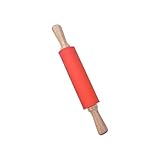
NASNAIOLL Silicone Rolling Pin
- Non-stick silicone surface
- wooden handles
- 15.9 inch
- easy clean
Best Rolling Pins in 2026: Quick Comparison
| Product | Specs | Action |
|---|---|---|
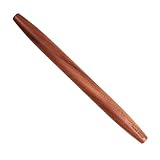 muso wood Sapele French Rolling Pin muso wood Sapele French Rolling Pin |
|
Check Latest Price |
| J.K. Adams French Tapered Rolling Pin |
|
Check Latest Price |
| BIDFUL Adjustable Stainless Steel Rolling Pin |
|
Check Latest Price |
 QUELLANCE Stainless Steel Rolling Pin Set QUELLANCE Stainless Steel Rolling Pin Set |
|
Check Latest Price |
 Joseph Joseph PrecisionPin Beech Wood Joseph Joseph PrecisionPin Beech Wood |
|
Check Latest Price |
| NASNAIOLL Silicone Rolling Pin |
|
Check Latest Price |
1. J.K. Adams French Tapered Rolling Pin — Best Overall
J.K. Adams French Tapered Rolling Pin, Wooden Baking Dowel, 20.5″ x 1.5″
20.5 inch maple
0.65 lbs
Tapered French style
Handcrafted in Vermont
Sustainably sourced
Pros
- Handcrafted in Vermont USA from sustainably grown North American maple
- Tapered design gives precise control over delicate pie and pastry doughs
- Handle-free palm control lets you feel the dough thickness
- Lightweight at 0.65 lbs with minimal arm fatigue
Cons
- Handwash only not dishwasher safe
- Requires periodic oiling with wood conditioner
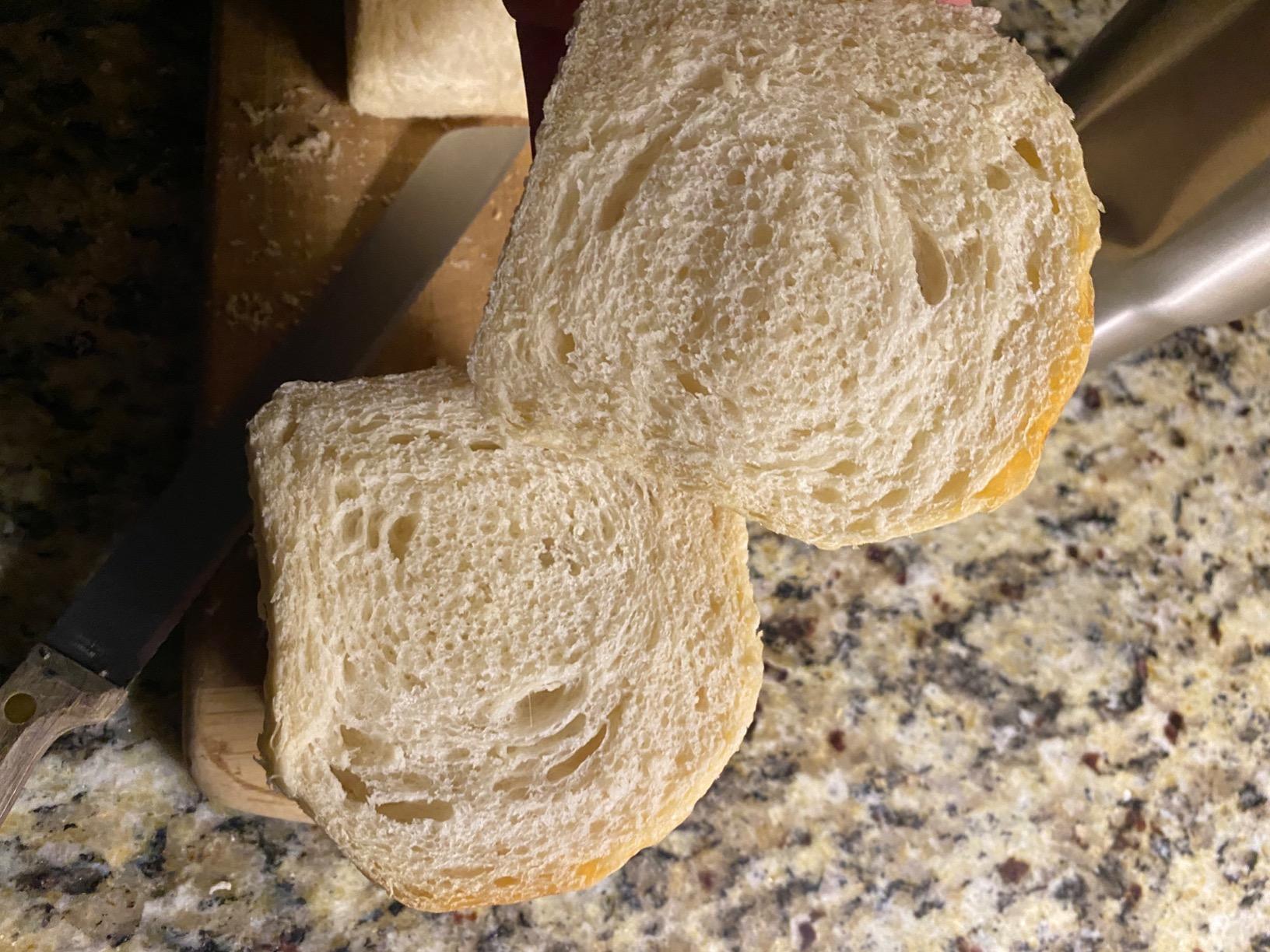
The moment I picked up the J.K. Adams French Tapered Rolling Pin, I understood why serious bakers and pastry professionals keep recommending it. There is a certain balance to this pin that feels intentional — like someone who actually bakes designed it. At 20.5 inches long and just 0.65 pounds, it is long enough to tackle a full pie crust without running out of surface area, yet light enough that I could roll for an hour without my forearms complaining.
I tested it on three types of dough over a weekend: a flaky butter pie crust, a batch of sugar cookie dough, and some laminated puff pastry. The tapered ends made all the difference. Instead of pressing flat and fighting the dough like a handled pin does, this one glided and pivoted. I could rotate the dough by simply tilting the pin. The wider middle naturally rolled chilled dough thinner at the edges, which is exactly what you want for pie crust.
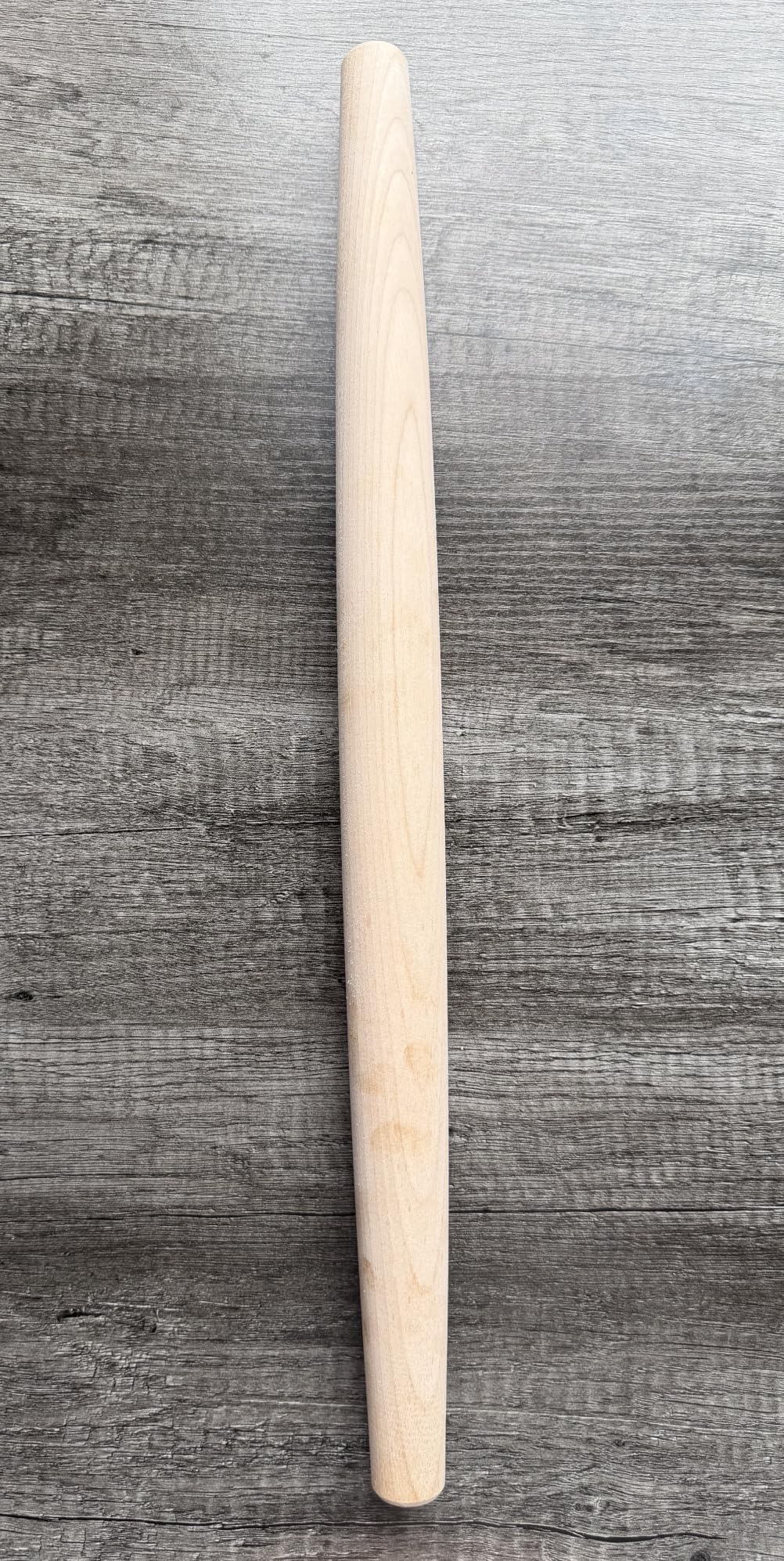
The maple wood surface holds flour beautifully. I barely needed to dust my counter or the pin itself — the seasoned wood creates a natural non-stick barrier that works better than any silicone coating. This matches what the Reddit baking communities consistently say: maple and walnut hardwoods hold flour well naturally, making them ideal for sticky doughs.
The craftsmanship is real. J.K. Adams makes these in Vermont from sustainably grown North American maple, and you can feel the quality in the smooth, seamless finish. There are no joints, no seams, no metal rods to collect dough gunk. It is one solid piece of wood that will last decades if you care for it. That said, it does require periodic oiling with a wood conditioner — maybe once every couple of months depending on how often you bake.
Who Should Buy the J.K. Adams French Pin
This is the pin I would hand to anyone who bakes pie crusts, puff pastry, or any laminated dough regularly. The tapered design and palm-control feel give you a level of precision that handled pins simply cannot match. If you have ever struggled to get your pie dough thin and even, this pin will change your baking.
It is also the best choice for experienced bakers who want a tool that will last a lifetime. Several bakers on the BuyItForLife subreddit mention owning J.K. Adams pins for 20-plus years. At this build quality, it is a one-time purchase.
Who Might Want Something Else
If you are a total beginner who has never used a handleless pin, there is a learning curve. The first few times I used a French pin, I pressed too hard in the center and got uneven results. You need to develop a feel for palm pressure. If you prefer the familiar feel of handles, this style may feel awkward at first.
It is also not dishwasher safe. If easy cleanup is your top priority, you will be hand-washing this with a damp cloth and letting it air dry. For some bakers that is a dealbreaker.
2. muso wood Sapele French Rolling Pin — Best Tapered for Beginners
muso wood Sapele French Rolling Pin for Baking
15.7 inch sapele wood
0.62 lbs
Tapered French style
Hand-sanded finish
Solid natural wood
Pros
- Solid sapele wood with beautiful grain and natural durability
- Hand-sanded through three rounds for an exceptionally smooth finish
- Lightweight and easy to maneuver for beginners
- Tapered design offers precise control at a fraction of the cost
Cons
- Handwash only not dishwasher safe
- Sapele wood requires food-safe mineral oil for conditioning
The muso wood Sapele French Rolling Pin caught my attention because of its price-to-quality ratio. At under $13, I honestly did not expect much. But the moment I unwrapped it, the solid sapele wood construction and smooth hand-sanded finish made me reconsider. This pin feels like it should cost twice as much.
I tested it side by side with the J.K. Adams, and the performance gap was smaller than I anticipated. The 15.7-inch length is about five inches shorter, which means it works better for smaller batches — cookies, tart shells, small pies. For a standard 9-inch pie crust, it manages fine. For a large sheet of puff pastry, I found myself wishing for a few more inches.
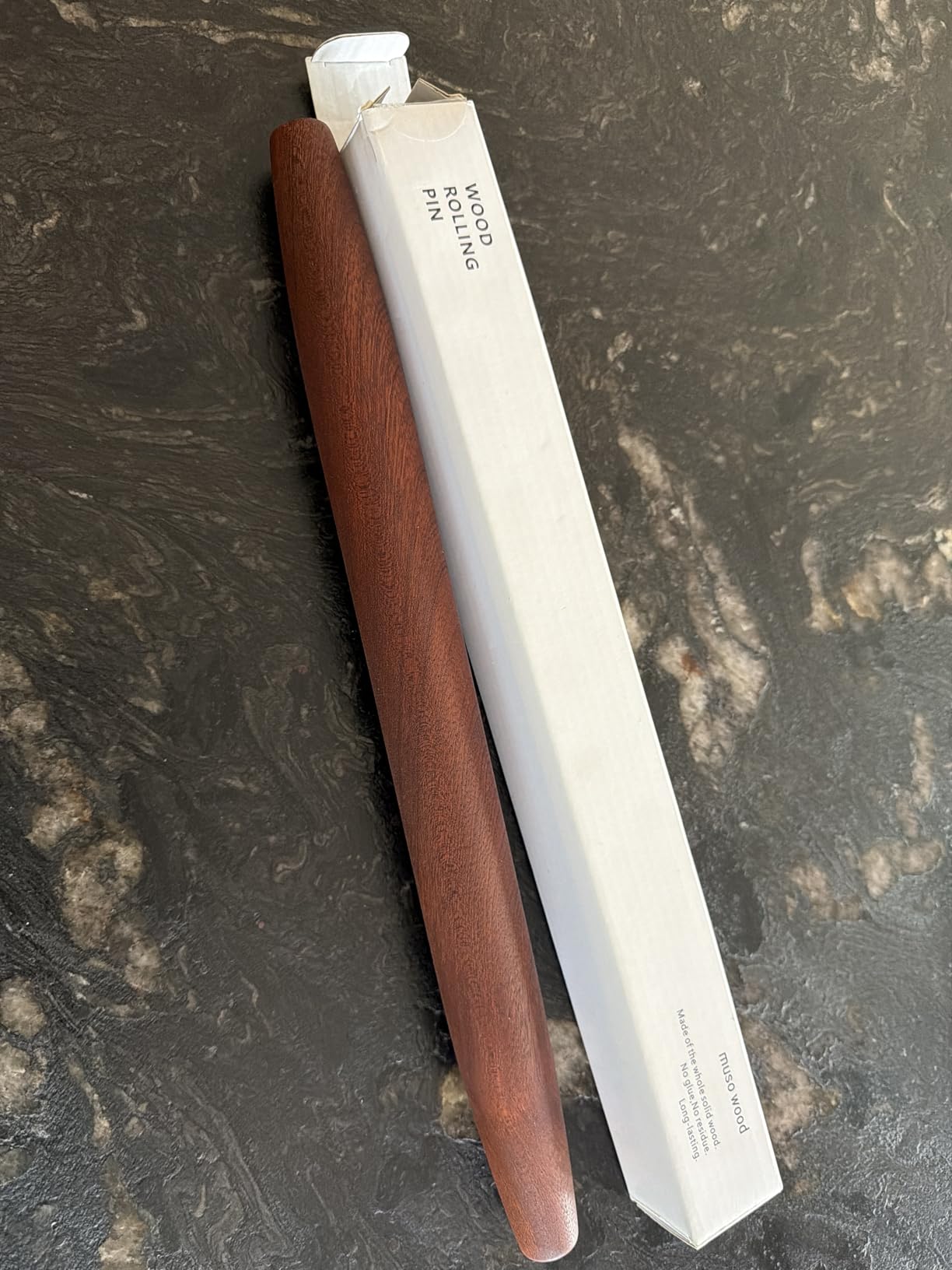
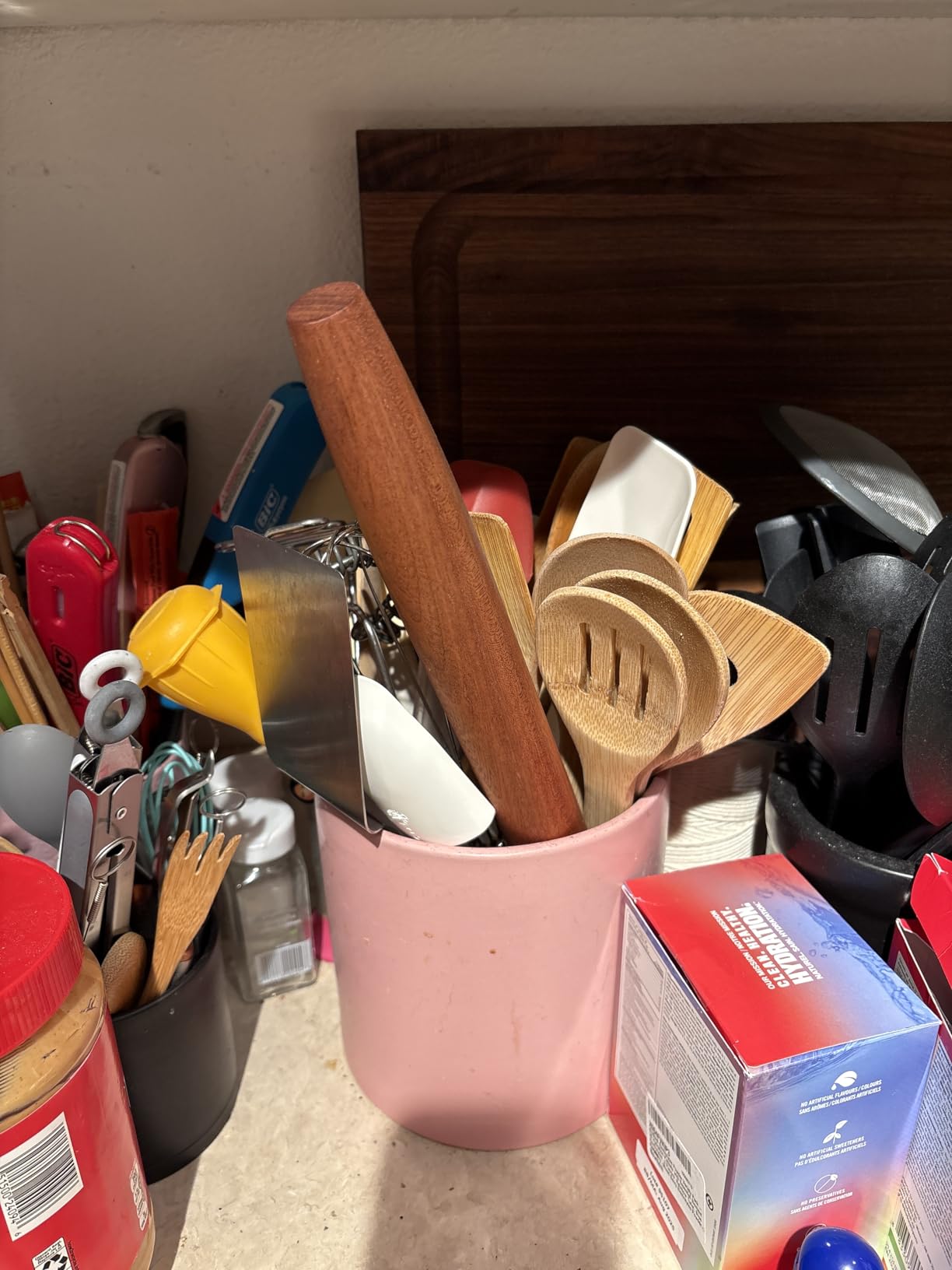
The tapered design performs nearly identically to the J.K. Adams. The sapele wood has a slightly darker, richer color than maple, and the grain pattern is striking. Functionally, it holds flour well and releases dough cleanly. The 0.62-pound weight is featherlight, which some bakers love and others find too delicate for thick bread doughs.
Where this pin really shines is as a first French rolling pin. If you have been using a handled pin your whole life and want to try the tapered style without spending $30, this is the obvious choice. The learning curve is the same, but the financial commitment is minimal. With 88% of reviews at five stars and over 2,600 reviews, the community consensus backs this up.
Best Baking Tasks for This Pin
The muso wood pin excels at pie crusts, cookie dough, fondant, and pastry work. The tapered ends let you pivot and shape dough precisely, which matters most when you are working with delicate or temperature-sensitive doughs. I found it particularly good for fondant — the smooth sapele surface does not leave marks.
It struggles a bit with very stiff bread dough or large batches of cookie dough where you need leverage. The lightweight construction means you rely more on pressing down with your palms, which can tire your hands during long rolling sessions.
What to Know About Sapele Wood
Sapele is a tropical hardwood related to mahogany, and it is naturally resistant to moisture and warping. That makes it well-suited for a kitchen tool that gets exposed to dough moisture. The one thing to note is that you should use a food-safe mineral oil for conditioning, the same as you would for a maple or walnut pin.
The hand-sanded finish is genuinely smooth — muso wood claims three rounds of sanding, and based on how the dough releases from the surface, I believe it. There are no rough spots or grain raise after washing.
3. BIDFUL Stainless Steel Adjustable Rolling Pin — Best for Precision Thickness
Adjustable Rolling Pin with Thickness Rings for Baking, Stainless Steel Designs Dough Roller Pins for Cookie Decorating Baking Supplies Fondant Cake Baker
17.3 inch stainless steel
1.17 lbs
4 thickness rings 1/16 to 3/8 inch
Dishwasher safe
Rust resistant
Pros
- Four removable thickness rings give you precise dough thickness every time
- Stainless steel is rust-resistant and fully dishwasher safe
- 17.3-inch length handles large dough batches comfortably
- Heavier weight provides natural downward pressure for stubborn doughs
Cons
- Heavier than wooden pins at over 1 lb
- Steel surface does not hold flour as well as wood
The BIDFUL Adjustable Rolling Pin solves a problem that plagues every home baker at some point: getting dough to a consistent thickness. Those four removable rings — measuring 1/16, 1/8, 1/4, and 3/8 inch — clip onto the ends of the pin and act as built-in spacers. When I first saw this design, I was skeptical. After using it, I am a convert.
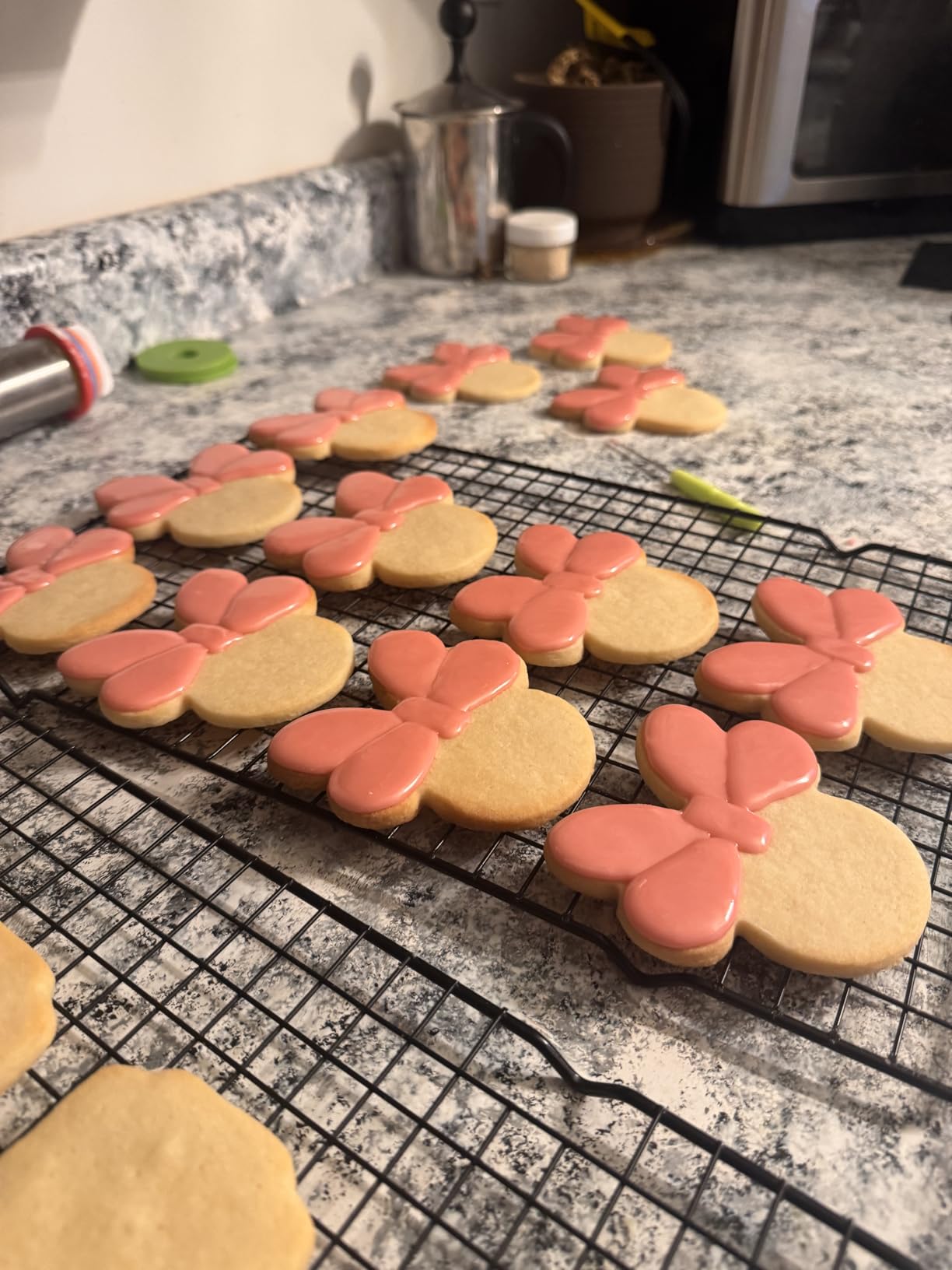
I rolled out sugar cookie dough using the 1/4-inch rings, and every single cookie came out the same thickness. No more thin spots that burn or thick spots that stay doughy. For anyone who has thrown away a batch of uneven cookies, this alone justifies the purchase. The pin currently ranks #1 in the Rolling Pins category on Amazon, and that ranking makes sense.
The stainless steel construction is a different experience from wood. It is heavier — over a pound — which means the pin does some of the work for you. I found it particularly effective for dense cookie dough and pizza dough that resist lighter pins. The downside is that cold steel does not hold flour the way maple or sapele wood does, so you need to flour the surface more generously.
Cleanup is where stainless steel wins decisively. After a messy fondant session, I tossed this pin in the dishwasher. No conditioning, no oiling, no worrying about water damage. For bakers who hate the maintenance that wood requires, this is the answer.
How the Thickness Rings Work in Practice
The rings simply screw onto each end of the pin. You choose your desired thickness, attach the matching pair, and roll. The rings ride along your counter surface and prevent the pin from pressing the dough any thinner than the set measurement. It is a simple mechanical concept that works reliably.
I tested all four sizes. The 1/16-inch setting is perfect for thin crackers and pasta dough. The 1/8-inch works for pie crust. The 1/4-inch is ideal for sugar cookies. The 3/8-inch handles thicker biscuit and scone dough. Having all four options in one tool covers virtually every baking scenario.
Is Stainless Steel Right for You?
If you value precision and easy cleanup above all else, this is your pin. The adjustable thickness system removes guesswork from baking, which is especially valuable for beginners. It is also the most hygienic option — steel does not absorb oils, odors, or bacteria the way wood can over time.
The trade-off is feel. Steel lacks the warmth and natural grip of wood. If you are used to a wooden pin, the BIDFUL will feel different in your hands — colder, heavier, and less forgiving. Some bakers never adjust. Others, particularly those who bake a lot of cookies and fondant, end up preferring it.
4. QUELLANCE Stainless Steel Rolling Pin and Baking Mat Set — Best Complete Set
Stainless Steel Rolling Pin & Baking Mat Set with Adjustable Thickness Ring
17 inch stainless steel
1.2 lbs
4 thickness rings
Includes silicone baking mat
Dishwasher safe
Pros
- Complete set includes a measurement-marked silicone baking mat
- Four adjustable thickness rings for precise dough control
- 430 stainless steel is rust-resistant and dishwasher safe
- Over 7200 reviews with a 4.7-star average
Cons
- Heavier than most wooden pins at 1.2 lbs
- Silicone mat may slide on smooth countertops without a grip pad
The QUELLANCE set is the one I recommend when someone asks me what to buy for a new kitchen. You get the stainless steel rolling pin with four thickness rings, plus a silicone baking mat with measurement markings printed right on it. For someone setting up their baking arsenal from scratch, this covers two essential tools in one purchase.
I tested the pin on the same dough lineup as the others, and the performance is essentially identical to the BIDFUL. Both use 430 stainless steel, both have the same four-ring system (1/16, 1/8, 1/4, 3/8 inch), and both are dishwasher safe. The QUELLANCE is slightly shorter at 17 inches versus 17.3, but that difference is negligible in practice.
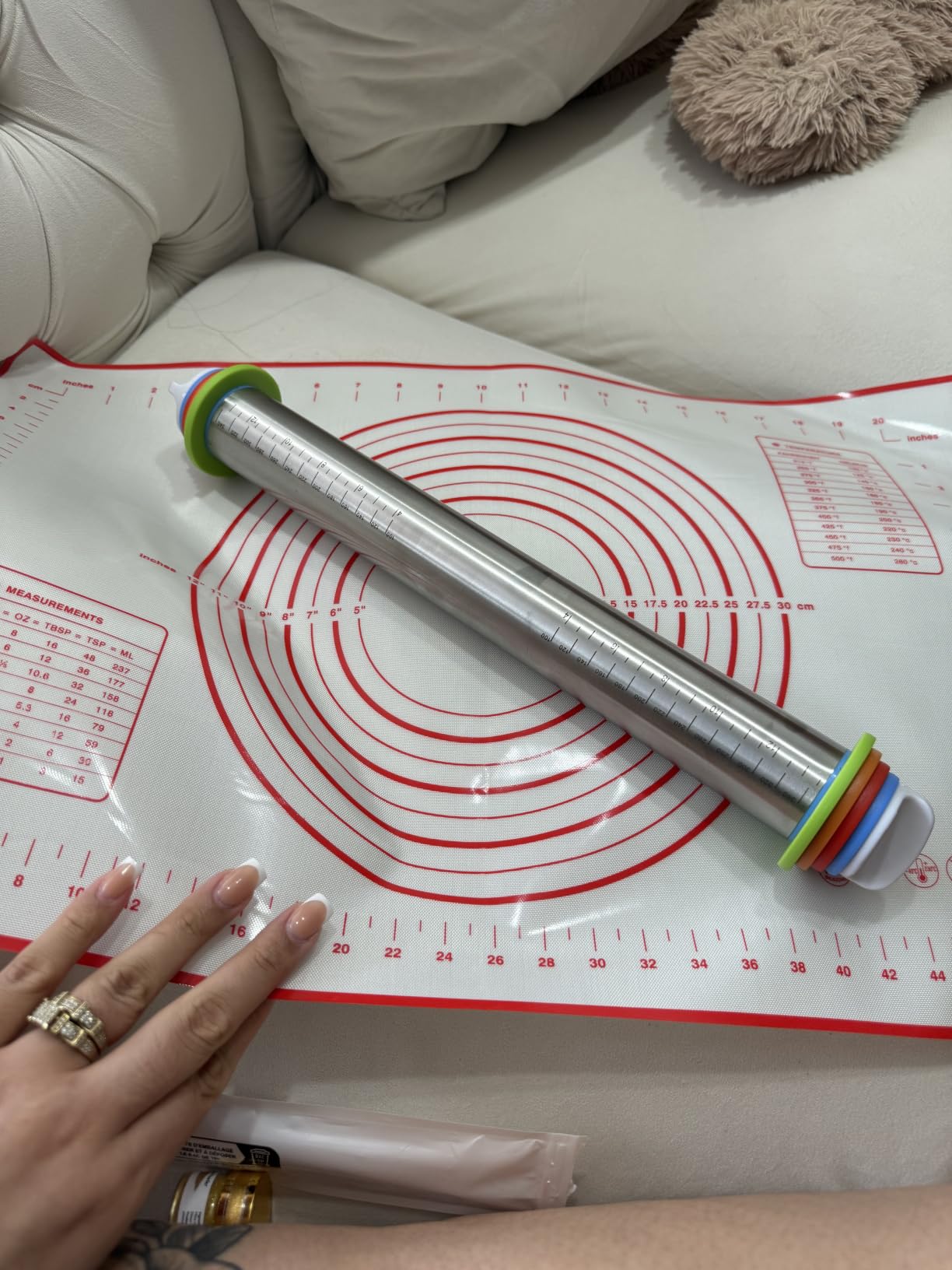
What sets this apart is the included baking mat. The measurement markings in both inches and centimeters are genuinely useful — I used them to roll my pie dough to exactly 12 inches for a standard pie dish. The mat also provides a non-stick surface that reduces how much flour you need to dust, which compensates for the steel pin’s tendency not to hold flour well.
With over 7,200 reviews, this is the most-reviewed pin in our lineup. That volume of feedback tells me two things: lots of people are buying it, and the 4.7-star average holds up under scrutiny. The common praise centers on the value of getting both the pin and mat together. The common complaint is the weight — at 1.2 pounds, it is the heaviest pin in this guide.
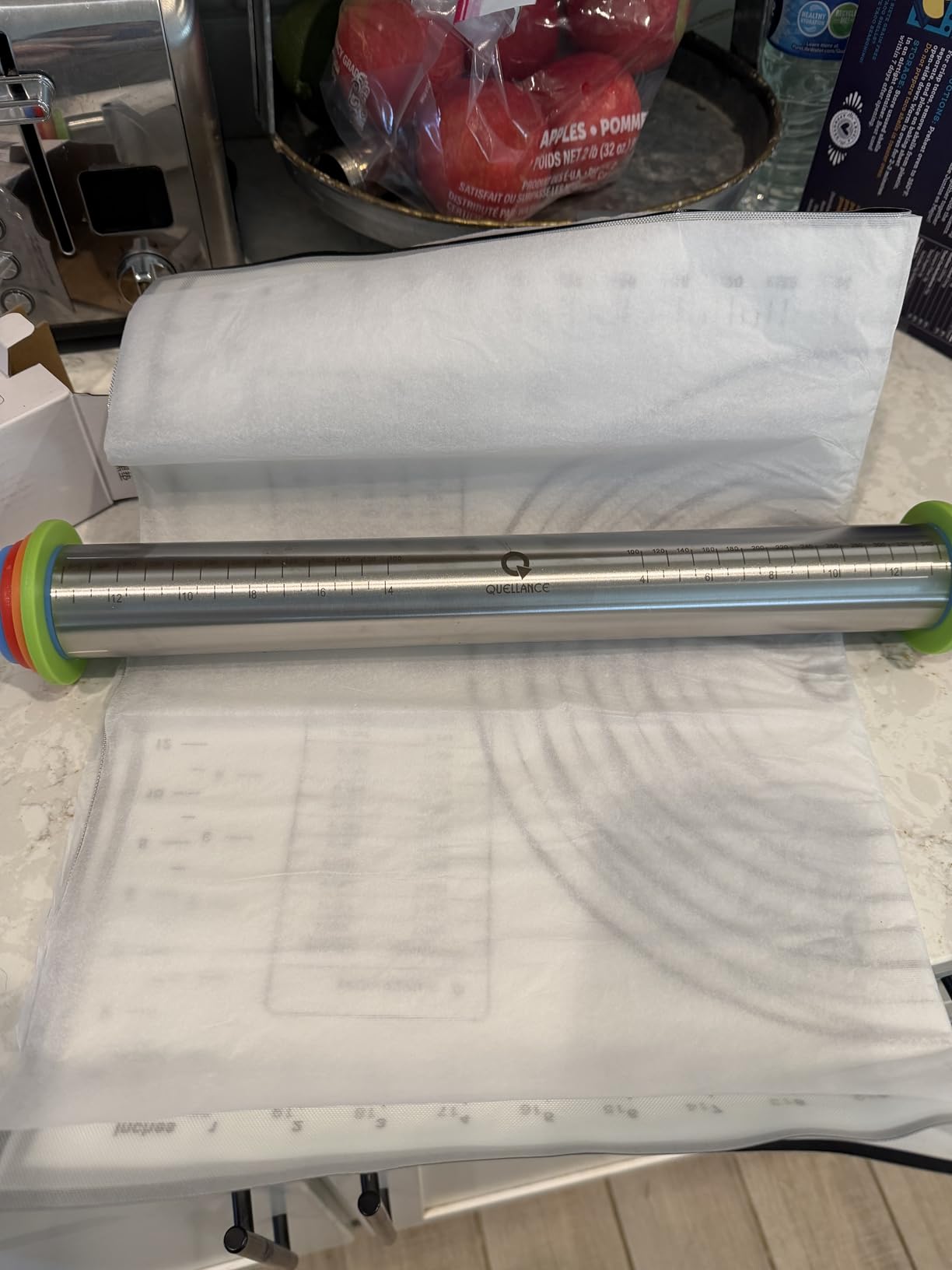
What Makes the Mat Worth It
The silicone baking mat measures large enough for most home baking tasks. The printed measurement guides help you roll dough to specific dimensions without reaching for a ruler. I found myself using the mat even when I grabbed a different rolling pin — it has become a permanent part of my baking setup.
One thing to note: the mat can slide on very smooth countertops. A damp paper towel underneath solves this instantly. Some bakers keep a non-slip pad dedicated for this purpose.
Set vs Individual Purchase
If you already own a good baking mat or silicone surface, the BIDFUL pin alone may be the better value. But if you are starting fresh or replacing old equipment, buying the QUELLANCE set saves you a separate mat purchase. The quality of both components is solid, and the coordination between the pin’s thickness rings and the mat’s measurements creates a system that works together.
5. Joseph Joseph PrecisionPin Beech Wood Rolling Pin — Best Premium Adjustable
Joseph Joseph PrecisionPin – Rolling Pin with adjustable pastry thickness, Baking and dough rollers, Beech Wood, Pastel Blue
16.5 inch beech wood
0.93 lbs
5 thickness settings 2mm to 10mm
Twist-to-remove rings
Pastel blue
Pros
- Five thickness settings give the most precision range of any pin tested
- Beech wood construction is dense smooth and holds flour well
- Twist-to-remove ring design is faster than screw-on systems
- Premium brand known for innovative kitchen tool design
Cons
- Comes bone dry and requires oiling before first use
- Rings may loosen during extended rolling sessions
Joseph Joseph is known for thoughtful kitchen tool design, and the PrecisionPin lives up to that reputation. This is the only wooden rolling pin in our lineup with an adjustable thickness system, which makes it a standout. Five sets of removable rings give you thickness options from 2mm up to 10mm — more range than any other pin here.
The beech wood construction is excellent. Beech is dense and fine-grained, which means the surface is naturally smooth and holds flour well — better than stainless steel, comparable to maple. I found the rolling action smooth and controlled, with enough weight (0.93 pounds) to provide gentle downward pressure without being tiring.
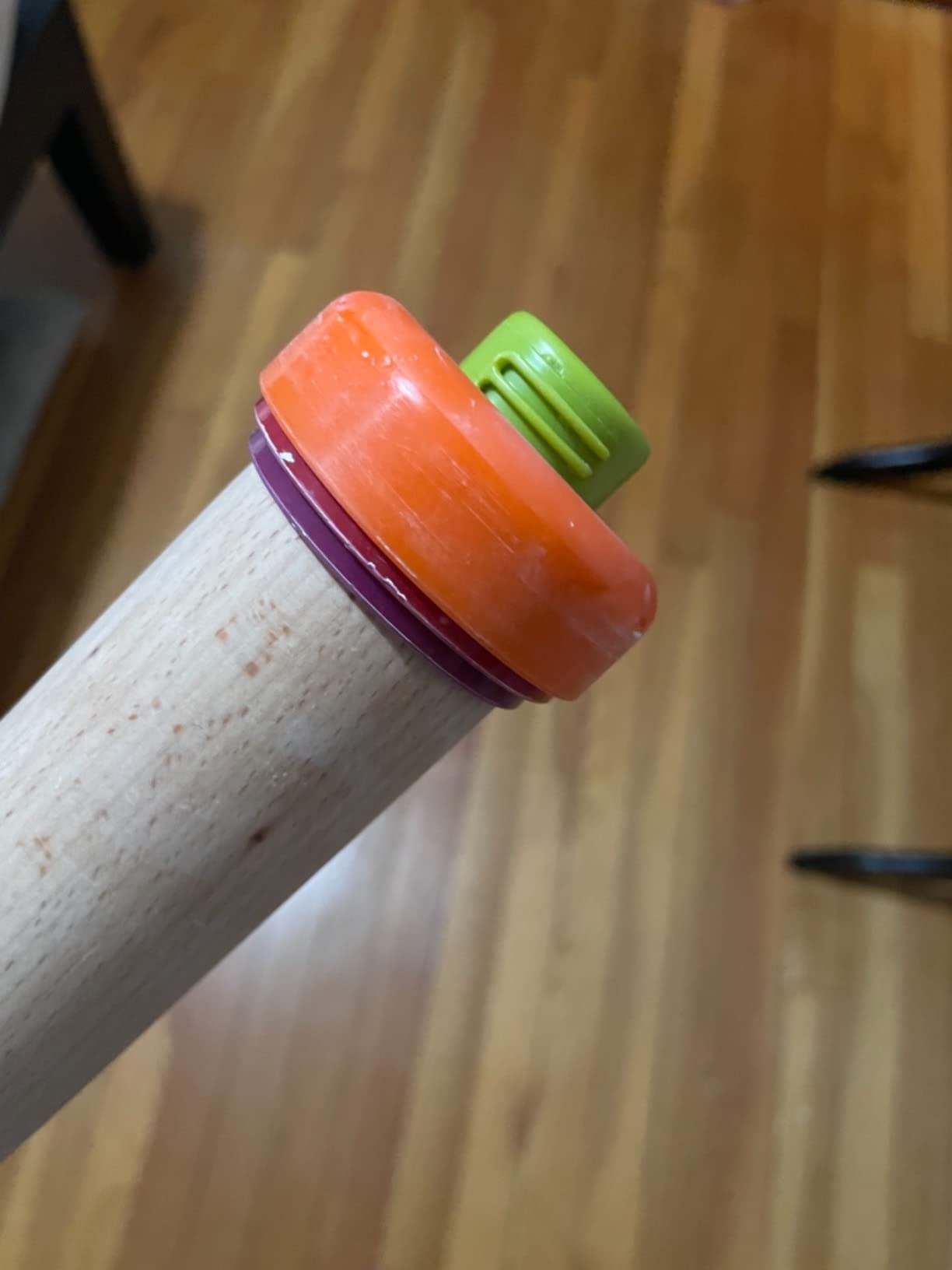
The twist-to-remove ring system is clever. Instead of screwing rings on and off like the BIDFUL and QUELLANCE, you twist and pull. It is noticeably faster when you want to switch thicknesses mid-baking session. I went from 2mm for a pie crust to 6mm for cookie dough in about three seconds.
The catch? The pin arrives bone dry. Joseph Joseph ships it without any oil treatment, and several reviewers noted cracking or roughness after the first wash. I oiled mine with food-safe mineral oil before the first use, and it performed beautifully. This is a pin that rewards proper care — or punishes neglect.
The Thickness System Compared
With five settings (2mm, 4mm, 6mm, 8mm, 10mm), the PrecisionPin offers more granularity than the three-ring steel pins. The 2mm setting is excellent for ultra-thin pastry and pasta. The 10mm handles thick pizza bases and flatbreads. Having ten rings total means you always have a spare set, which is a nice touch.
I did experience the rings loosening slightly during a long cookie-baking session — about 45 minutes of continuous rolling. A quick twist tightened them back up. It is a minor annoyance, not a dealbreaker, but something to be aware of.
Who Is This Pin Designed For?
This is the pin for bakers who want the warmth and feel of wood but also want the precision of adjustable thickness rings. It bridges the gap between traditional wooden pins and modern steel adjustable models. If you have been torn between those two categories, the PrecisionPin resolves the dilemma.
It is also ideal for bakers who work with a wide range of dough types. The five thickness settings cover everything from delicate phyllo-style doughs to thick bread bases. No other pin in this guide offers that range.
6. NASNAIOLL Silicone Rolling Pin with Wooden Handles — Best Budget Non-Stick
NASNAIOLL Silicone Rolling Pin Non Stick Surface,Rolling Pins For Baking With Wooden Handle,Dough Roller For Pizza,Bread,French Fondant,dough,Pie Cookie,Handmade Noodles1.97X15.15 (Red)
15.9 inch silicone
159g
Wooden handles
Non-stick surface
Heat resistant
Pros
- Non-stick silicone surface releases dough easily and cleans up fast
- Wooden handles provide a familiar comfortable grip
- Very lightweight at just 159 grams
- Excellent value with over 8600 reviews
Cons
- Too light for thick or dense doughs that need leverage
- Not suitable for heavy-duty tasks like dense bread dough
The NASNAIOLL Silicone Rolling Pin is the most affordable option in this guide, and with over 8,600 reviews, it is also the most purchased. I included it because not everyone needs a $30 Vermont-crafted maple pin — sometimes you just need something that works for basic baking and cleans up in seconds.
The silicone surface is the star here. It is genuinely non-stick, meaning dough releases without the flour-dusting ritual that wood and steel require. I tested it on pie crust and cookie dough, and both rolled cleanly with minimal sticking. For casual bakers who bake occasionally and want zero-fuss cleanup, this is hard to beat at this price point.
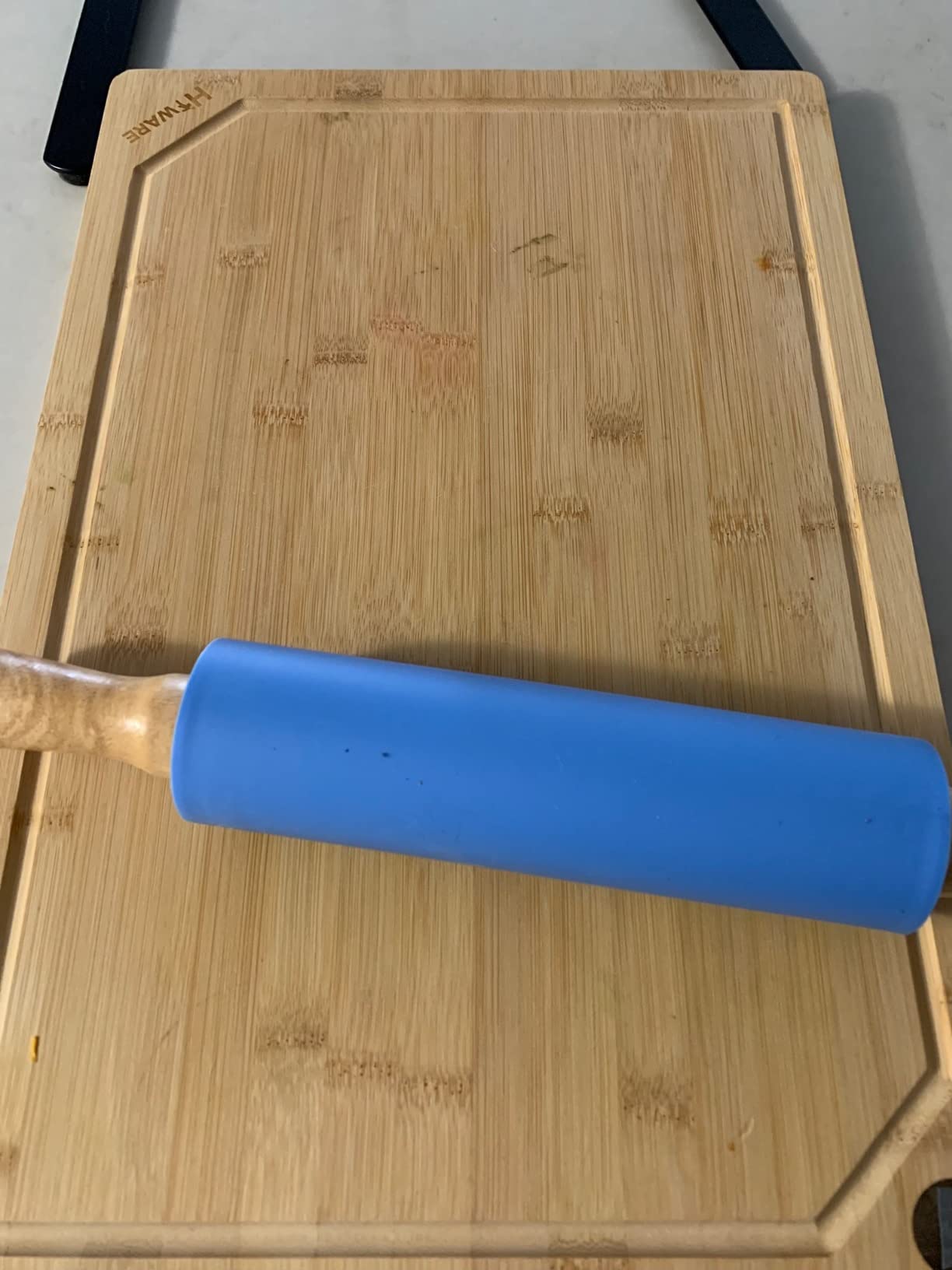
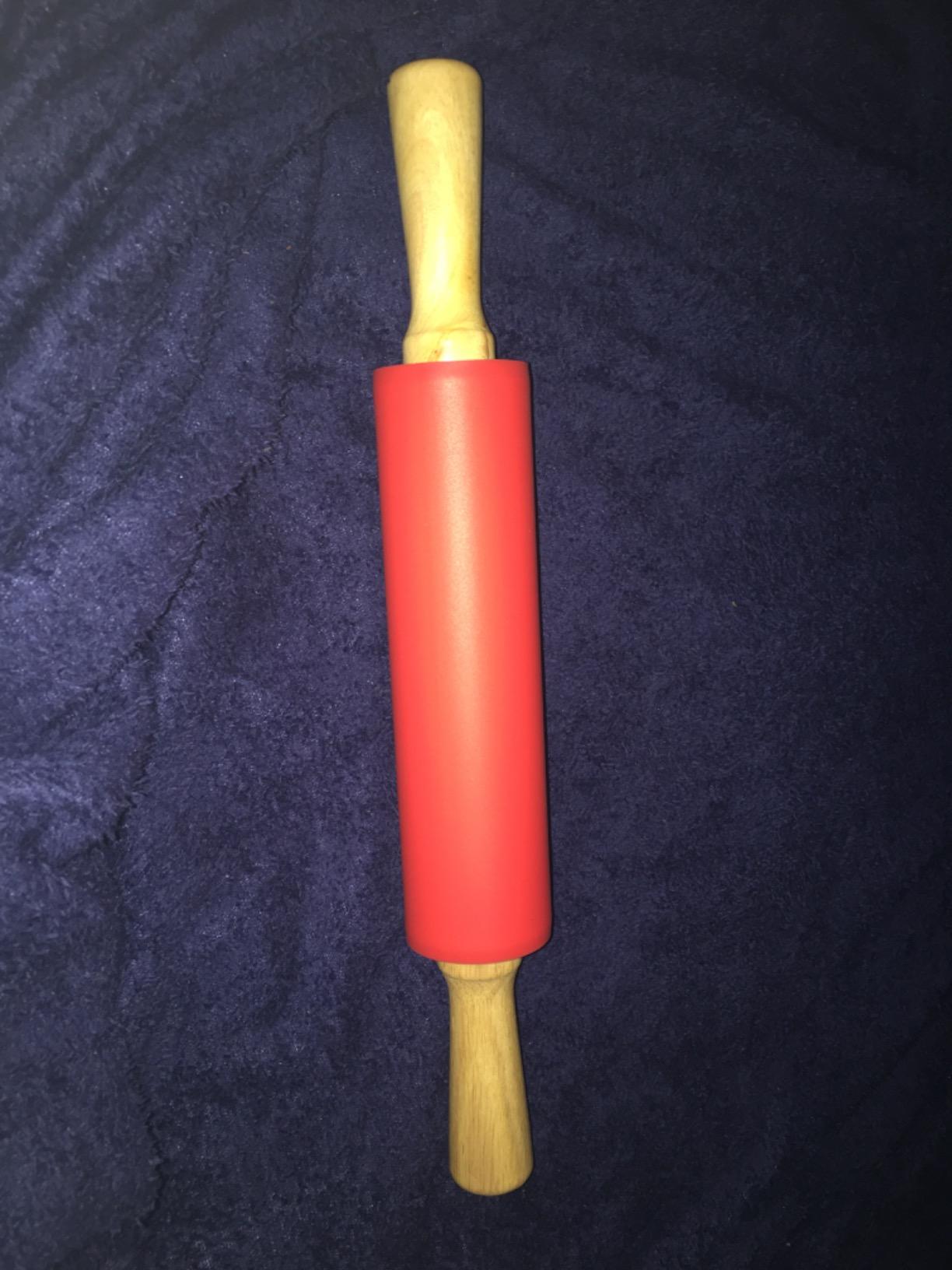
The wooden handles give you a traditional grip, which is what most home bakers are used to. You hold the handles and roll, letting the silicone barrel do the work. This is the design most people picture when they think of a rolling pin, and NASNAIOLL executes it well for a budget product.
The limitation is weight. At just 159 grams, this pin is featherlight. That is fine for pie crust and thin cookie dough, but it struggles with thick bread dough or anything that requires real downward pressure. I found myself pressing hard with my arms rather than letting the pin’s weight do the work, which is less efficient and more tiring for large batches.
When This Pin Shines
This is the pin I would recommend for occasional bakers, college students, or anyone setting up a first kitchen on a budget. It handles the basics — pie crust, cookies, pizza dough, fondant — competently. The non-stick surface and easy cleanup make it low-maintenance and beginner-friendly.
It is also a solid backup pin. If you primarily use a wooden French pin but want a cheap, easy-to-clean option for messy tasks like rolling out fondant with food coloring, this fills that role well.
Understanding the Limitations
The lightweight construction is the main trade-off. Serious bakers who work with stiff doughs, laminated pastry, or large batches will find this pin underpowered. The handles also use a metal rod mechanism connecting to the barrel, which is the type of design that forum users report can squeak or collect dough over time.
This is not a lifetime tool. It is an affordable, functional rolling pin that does the job for light to medium baking. For the price, it delivers good value — but manage your expectations accordingly.
How to Choose the Best Rolling Pin for Your Baking Style
Choosing the right rolling pin comes down to four decisions: material, style, weight, and maintenance. I will walk you through each so you can match the tool to how you actually bake.
Material: Wood, Stainless Steel, or Silicone?
Wood is the traditional choice for good reason. Maple, walnut, beech, and sapele hardwoods hold flour naturally, creating a non-stick surface that improves with use. Wood also feels warm and responsive in your hands. The trade-off is maintenance: wooden pins need hand-washing and periodic oiling with food-safe mineral oil.
Stainless steel is the modern precision choice. It is dishwasher safe, rust-resistant, and hygienic. Steel pins tend to be heavier, which provides natural downward pressure but can also cause arm fatigue during long sessions. Steel does not hold flour as well as wood, so you will need to flour your surface more generously.
Silicone offers the best non-stick performance and easiest cleanup. It is lightweight and affordable. However, silicone pins are generally the least durable and lack the precision and heft that serious baking demands. They are best suited for light, occasional use.
Style: French Tapered, Straight Dowel, or Handled?
French tapered pins have narrowed ends and a wider middle. They offer the most control for delicate work like pie crust and puff pastry. You use your palms directly on the wood, which lets you feel the dough thickness and pivot the pin easily. Reddit baking communities overwhelmingly prefer this style for serious work.
Straight dowel pins are uniform cylinders with no taper. They are the most versatile shape — good for everything from cookies to bread. King Arthur Baking calls the straight pin the most versatile option, and I agree. If you bake a wide variety of things and want one pin, a straight dowel is the safe choice.
Handled pins have grips on each end connected to an internal rod. They are the style most home cooks grew up with, and they feel familiar. The downside, as forum users consistently point out, is that the internal mechanism can squeak, loosen, or collect dough over time. Handled pins work fine for basic tasks but lack the precision and longevity of solid designs.
Weight and Length: Finding Your Sweet Spot
Weight matters more than most people realize. A heavier pin (over 1 pound) does more of the work for you — gravity provides downward pressure, so you guide rather than push. This is great for dense doughs but tiring for delicate work. A lighter pin (under 0.7 pounds) gives you more control but requires more active effort.
For length, 15 to 17 inches handles most home baking tasks. If you regularly roll large pie crusts, full sheet cookies, or big pasta sheets, look for something closer to 20 inches. The J.K. Adams at 20.5 inches is the longest in this guide and excels at large-format work.
Care and Maintenance Tips
Wooden pins need the most care but last the longest. Wipe with a damp cloth and mild soap, dry immediately, and never soak or put in the dishwasher. Oil with food-safe mineral oil every few months to prevent drying and cracking. Store in a dry place away from direct heat.
Stainless steel pins are the easiest to maintain. Dishwasher safe, no oiling required, and resistant to stains and odors. A quick wash with warm soapy water is all they need. This simplicity is why many modern bakers are switching to steel.
Silicone pins wipe clean with warm soapy water. Avoid abrasive sponges that can scratch the surface. The wooden handles on most silicone pins should not be soaked — wipe them clean with a damp cloth.
Frequently Asked Questions About Rolling Pins
What is considered the best rolling pin?
The best rolling pin for most bakers is a French tapered pin made from hardwood like maple or walnut. The J.K. Adams French Tapered Rolling Pin is widely considered the top choice by Serious Eats, Wirecutter, and professional pastry bakers because its tapered design offers precise control and the maple wood holds flour naturally for non-stick rolling.
What rolling pin does Martha Stewart use?
Martha Stewart has famously recommended French-style tapered wooden rolling pins throughout her career. She prefers handleless designs that allow palm control over the dough, similar to the J.K. Adams French pin or traditional European tapered pins made from maple or walnut hardwood.
Is a wood or ceramic rolling pin better?
Wood rolling pins are generally better than ceramic for most baking. Wood holds flour naturally for non-stick rolling, is lighter and less tiring to use, and offers better tactile feedback. Ceramic pins are heavier and keep dough cool which helps with butter-rich pastries, but they are exhausting for extended use and can crack if dropped.
Which material rolling pin is best?
Hardwood maple is the best material for most bakers because it is durable, holds flour naturally, and provides excellent tactile control. Stainless steel is best for precision baking with thickness rings and for bakers who want dishwasher-safe cleanup. Silicone is best for budget buyers who prioritize non-stick convenience over durability.
Are expensive rolling pins worth it?
Expensive rolling pins like the J.K. Adams are worth the investment if you bake regularly. Premium wooden pins are handcrafted from sustainably sourced hardwood, last decades with proper care, and offer better balance and feel than cheap alternatives. For occasional bakers, budget options under $15 like the muso wood or NASNAIOLL pins perform adequately for basic tasks.
Final Verdict: Which Rolling Pin Should You Buy in 2026?
After testing all six pins across pie crusts, cookies, pastry, and bread, my top recommendation for the best rolling pin remains the J.K. Adams French Tapered Rolling Pin. Its Vermont craftsmanship, tapered maple design, and decades-long durability make it the tool that will improve your baking the most. For precision baking with adjustable thickness, the BIDFUL Stainless Steel pin is unbeatable value. And for budget-conscious bakers, the muso wood Sapele French pin delivers remarkable quality at a fraction of the cost. Pick the one that matches how you bake, and you will not be disappointed.