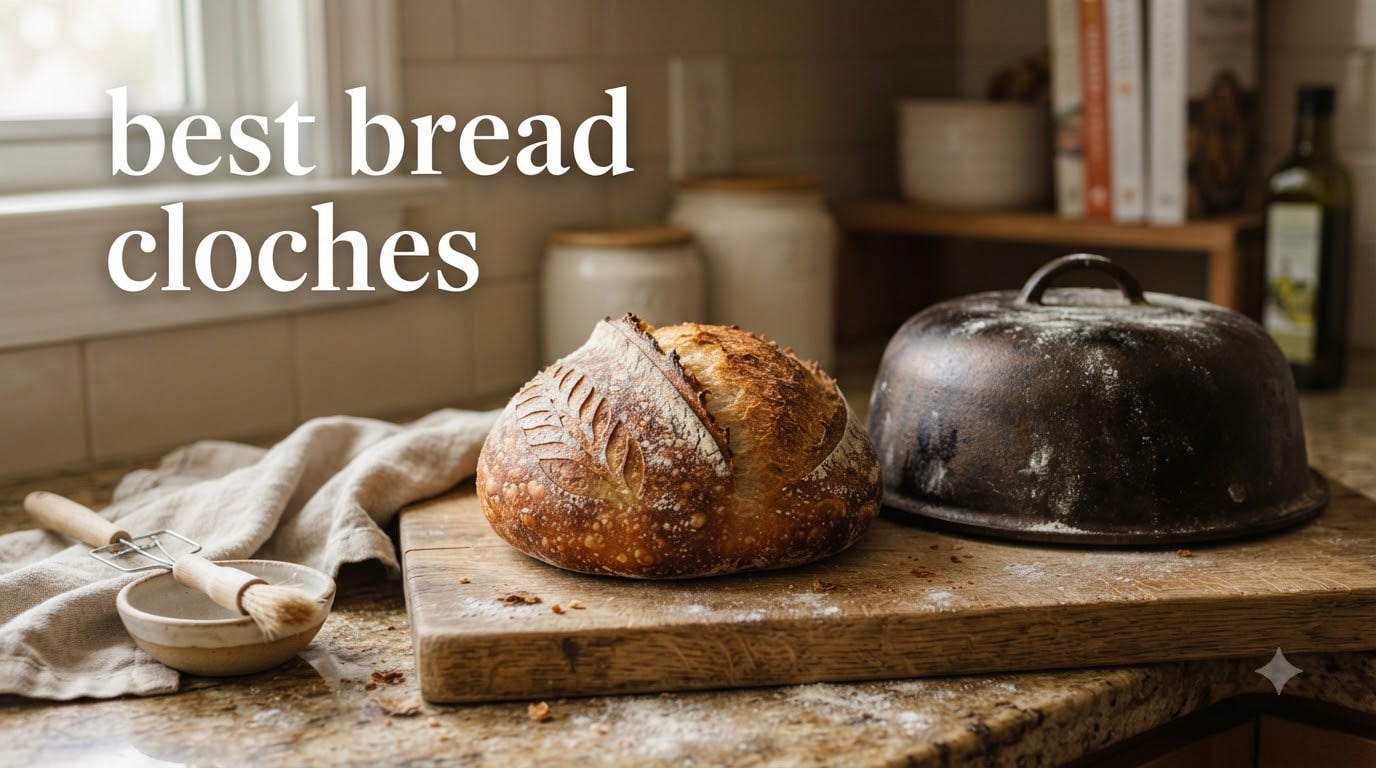
I have spent the better part of three years obsessed with getting bakery-level crust at home. The kind of crackly, deeply caramelized exterior that shatters when you tear into it and gives way to a soft, open crumb. That quest led me through dozens of setups, and I can tell you with certainty that the vessel you bake in matters as much as the dough itself.
That is where the best bread cloches come in. A bread cloche is a dome-shaped baking vessel with a base that traps the steam your dough releases during the first phase of baking. That trapped steam keeps the crust pliable so the loaf can expand fully, a process called oven spring, before the crust sets and hardens. Without steam, the crust locks in place too early and you get a denser, flatter loaf.
Our team tested four of the most popular bread cloches available right now, baking batch after batch of sourdough and country bread to compare crust formation, heat retention, ease of handling, and overall value. We looked at cast iron, ceramic, and clay options across a range of prices to find something for every type of home baker. Here is what we found.
Table of Contents
- Top 3 Picks for Best Bread Cloches in 2026
- Best Bread Cloches in 2026
- 1. Flavehc Cast Iron Bread Oven – Enameled Dome Lid for Crusty Sourdough
- 2. Emile Henry Bread Cloche – Premium Ceramic for Professional Results
- 3. AHJ Pre-Seasoned Cast Iron Dutch Oven – Best Value for Crusty Loaves
- 4. Eurita Clay Roaster – Lightweight Clay Bread Baker
- How to Choose the Best Bread Cloche for Your Kitchen
- FAQ
- Final Thoughts on the Best Bread Cloches
Top 3 Picks for Best Bread Cloches in 2026

Flavehc Cast Iron Bread Oven
- Enameled cast iron
- 500F oven safe
- Dome lid traps steam
- Works on all cooktops
Emile Henry Bread Cloche
- All-natural clay
- 10 year warranty
- Dishwasher safe
- Proof directly in cloche

AHJ Pre-Seasoned Cast Iron…
- Pre-seasoned cast iron
- 5-quart capacity
- Domed lid design
- Multi-functional use
These three stood out across our testing for different reasons. The Flavehc earned our top spot for its combination of performance and design at a reasonable cost. The Emile Henry brings premium ceramic construction and a decade-long warranty. The AHJ delivers excellent value for bakers who want cast iron performance without the premium price tag.
Best Bread Cloches in 2026
| Product | Specs | Action |
|---|---|---|
| Flavehc Cast Iron Bread Oven |
|
Check Latest Price |
| Emile Henry Bread Cloche |
|
Check Latest Price |
| AHJ Pre-Seasoned Dutch Oven |
|
Check Latest Price |
 Eurita Clay Roaster Eurita Clay Roaster |
|
Check Latest Price |
The table above covers all four models we tested. Each has distinct strengths depending on your baking style, budget, and the types of loaves you typically bake.
1. Flavehc Cast Iron Bread Oven – Enameled Dome Lid for Crusty Sourdough
Flavehc Bread Oven Cast Iron Bread Dutch Oven with Cloche Lid for Bread Baking Darkcyan Enameled Cast Iron Bread Oven with Dome Lid for Sourdough, 9.8 Inches
5-quart enameled cast iron
500F oven safe
Works on all cooktops
12.76 inch diameter
Pros
- Superior heat distribution and retention
- Tight-fitting dome lid traps steam for crispy crust
- Works on gas electric ceramic and induction cooktops
- Matte black interior enamel is easy to clean
- Beautiful colorful exterior design
Cons
- Hand washing required
- Metal tools may leave scratches
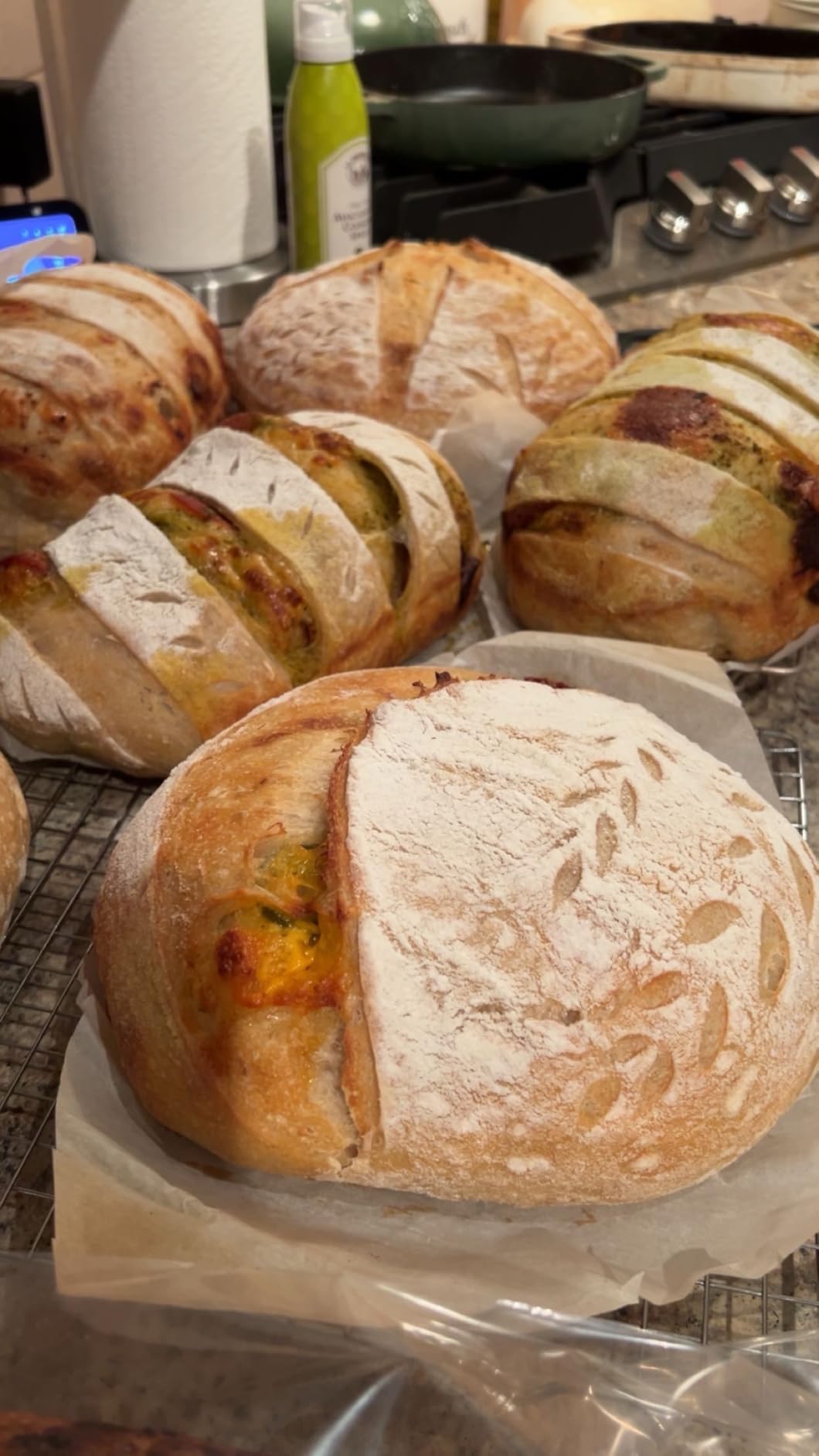
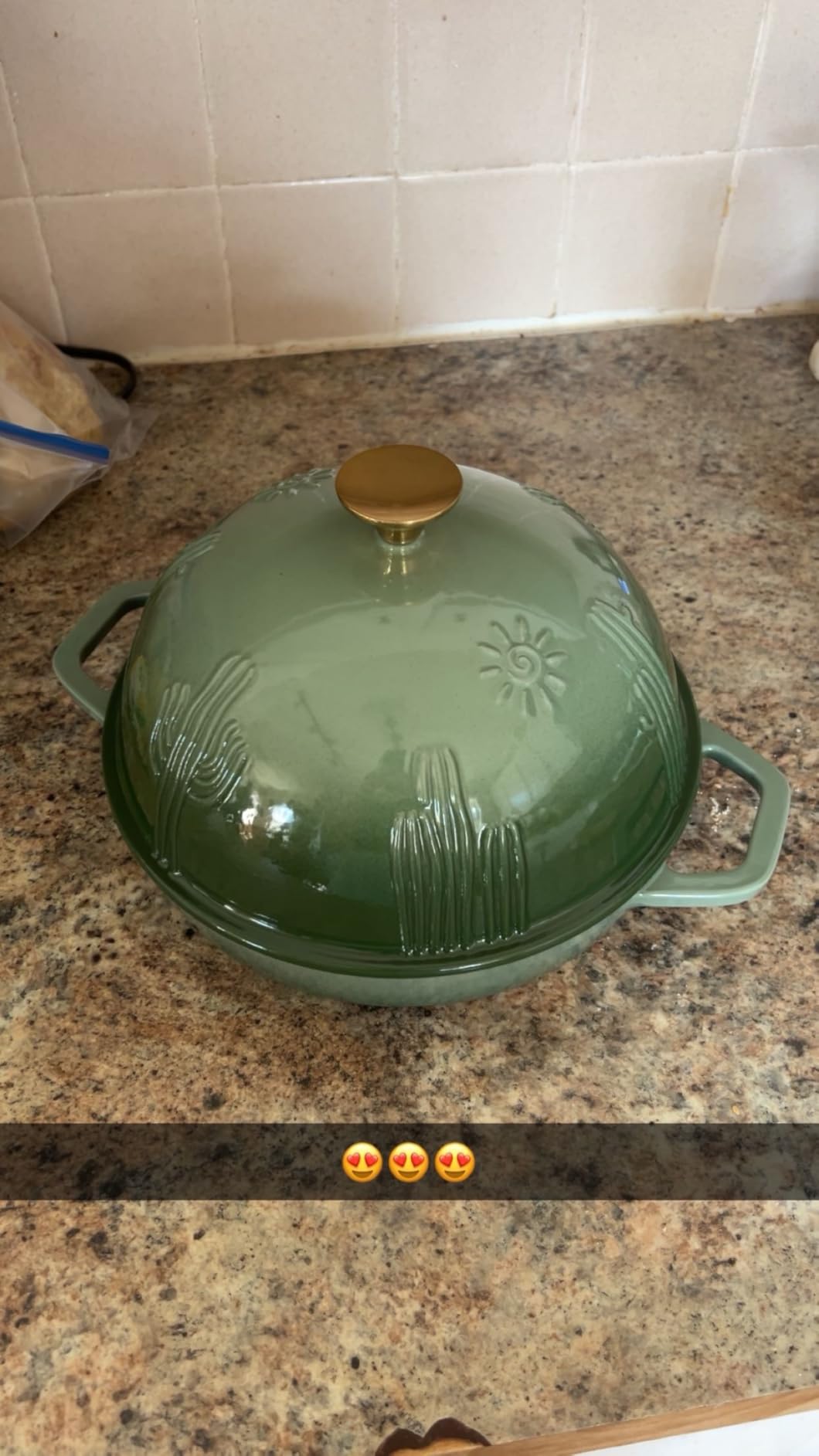
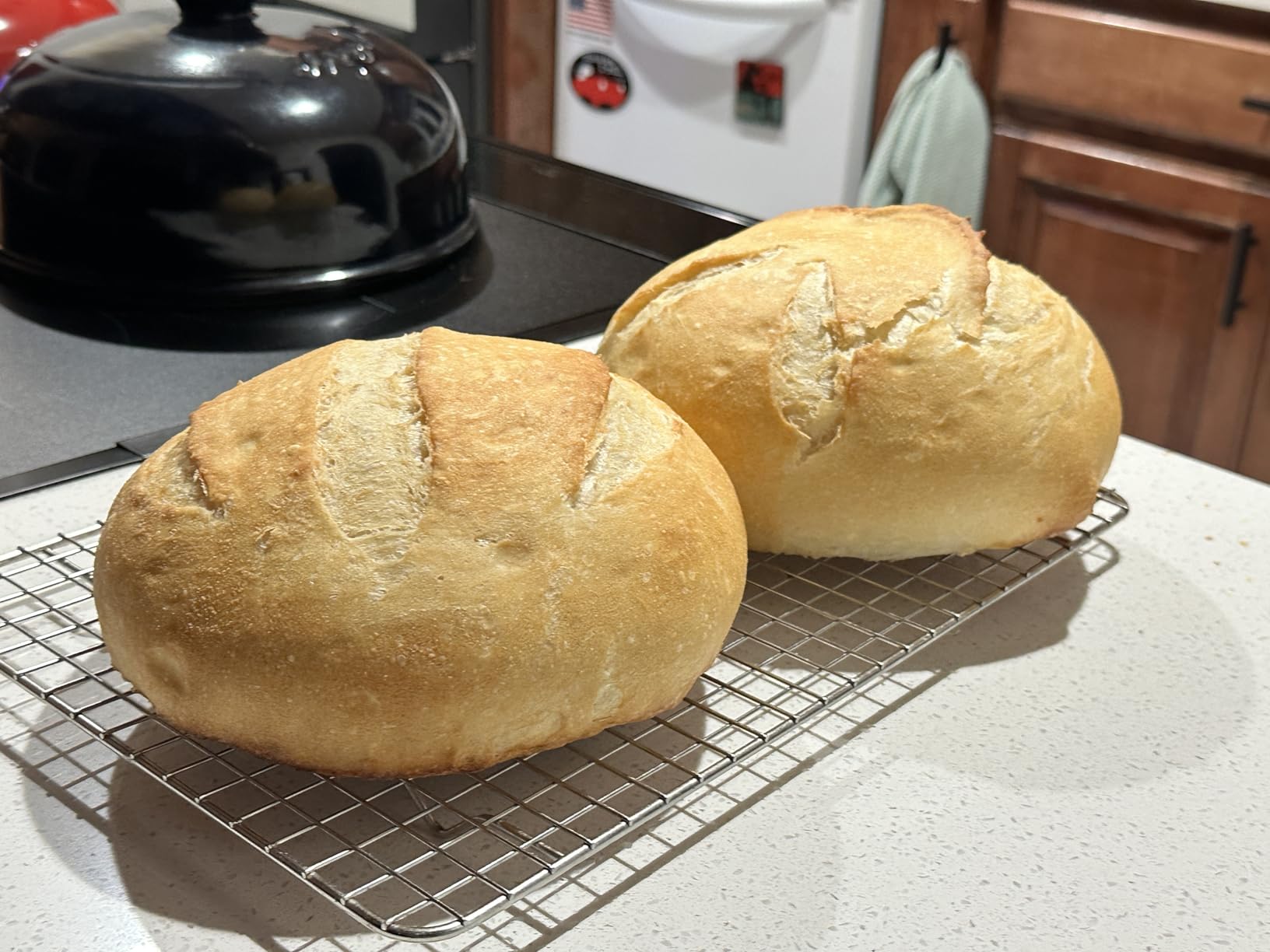
The first time I used the Flavehc bread oven, I was struck by how well the dome lid sealed against the base. Steam stayed locked inside, and my sourdough boule came out with a deep golden crust that crackled audibly as it cooled on the rack. That sound is the universal sign of a well-baked loaf, and this cloche delivered it consistently across multiple bakes.
At 5 quarts of capacity and roughly 11.6 pounds, this is a substantial piece of cookware. The enameled cast iron holds heat exceptionally well, which means your oven temperature does not crash the moment you open the door to load dough. I noticed excellent oven spring with every bake, producing loaves that were noticeably taller than what I was getting on a bare baking stone.
The matte black interior enamel is a thoughtful touch. Unlike raw cast iron, the enamel surface resists staining and wipes clean with minimal effort. I did follow the recommendation to hand wash, and I avoided metal bench scrapers inside the pot to protect the finish. After a dozen bakes, the interior still looks nearly new.
One thing that surprised me was how versatile this piece is beyond bread baking. The Flavehc works on gas, electric, ceramic, and induction cooktops, so I have used it for stovetop braises and roasts too. The ergonomic knobs and handles make it easy to lift even when the cloche is hot and fully loaded. The dark cyan exterior also looks striking on open shelving, which is a nice bonus if your cookware lives on display.
Best For Sourdough Boules
The Flavehc is specifically designed for round loaves, and that is where it shines brightest. The shallow base makes it easy to slide dough in without deflating it, and the dome lid provides plenty of vertical clearance for a tall rise. If you bake round sourdough boules regularly, this cloche gives you the geometry and steam retention to produce professional results.
The 500-degree Fahrenheit oven-safe rating is more than enough for bread baking, where most recipes call for 450 to 500 degrees. You can preheat the cloche empty and then transfer your dough in using parchment paper, which is the method I found works best for clean releases and consistent crust.
Cleaning and Maintenance
The enameled interior means you do not need to season this cloche like you would with raw cast iron. A warm water wash with mild soap is all it takes after most bakes. For stubborn baked-on residue, a paste of baking soda and water lifts stains without scratching the enamel.
Avoid the dishwasher even though the enamel is durable, because repeated dishwasher cycles can dull the finish over time. Stick with hand washing and dry the cloche thoroughly before storing to prevent any moisture buildup between the lid and base.
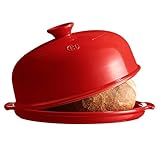
2. Emile Henry Bread Cloche – Premium Ceramic for Professional Results
Emile Henry Bread Cloche | Burgundy
All-natural clay construction
500F oven safe
10 year warranty
13.2 x 11.2 inches
Dishwasher safe
Pros
- Produces incredibly crisp crust with tender interior
- Proof bread directly in cloche
- Lid traps steam to imitate steam-injected oven
- Includes recipe and instruction book
- All-natural clay construction
- 10 year warranty
- Dishwasher safe
Cons
- Expensive compared to alternatives
- Ceramic can break if dropped
- Warranty complications from certain Amazon sellers
The Emile Henry bread cloche has a reputation among serious home bakers, and after testing one extensively I understand why. The all-natural clay construction creates a baking environment that feels different from cast iron. The heat is gentler and more diffuse, which produces a crust that is crisp without being overly thick or hard.
What sets this cloche apart is the ability to proof your dough directly inside it. You shape your loaf, place it on the base, cover with the dome, and let it do its final rise right there. Then the whole thing goes into the oven. No transferring delicate dough from a separate proofing basket, which means less risk of deflation and better overall structure in the finished loaf.
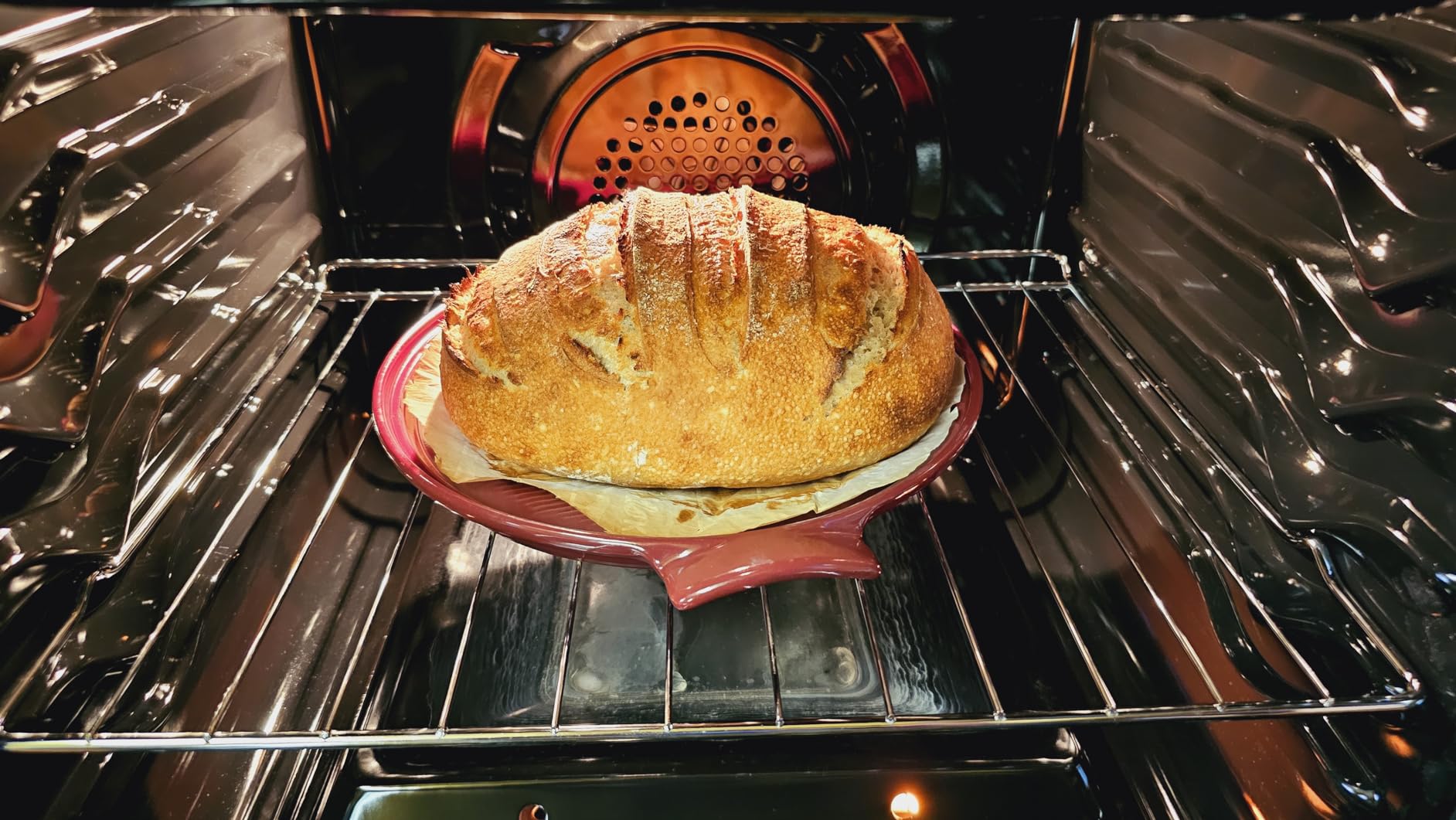
I baked several sourdough loaves with this cloche, and each one had that sought-after open crumb with a thin, crackly crust. The clay absorbs moisture during preheating and releases it slowly during the bake, creating a steam environment that mimics what professional bakers get with steam-injected ovens. The results were consistently excellent.
The 10-year warranty from Emile Henry is among the best in the category, and the cloche is dishwasher safe, which is unusual for clay bakeware. The burgundy color is beautiful and many users, myself included, leave it out on the counter as a display piece when not in use. At roughly 6.5 pounds, it is lighter and easier to handle than cast iron alternatives too.
Ideal for Beginner Bakers
The proof-in-cloche feature makes the Emile Henry especially forgiving for newer bakers. You eliminate the trickiest step in home bread baking, which is moving a fully proofed, delicate loaf from basket to hot vessel. The included recipe book walks you through the process with clear instructions for different bread types.
The cloche is sized for a round loaf made with about 3 cups of flour, which is a standard sourdough boule size. This means you get consistent, predictable results without needing to adjust your recipe quantities.
Long-Term Durability
Emile Henry ceramics are fired at very high temperatures, which produces a durable product that resists thermal shock better than many clay alternatives. The company has been making ceramic cookware in France since 1850, and their manufacturing process is well established. The 10-year warranty backs up their confidence in the product.
One thing to watch for is the warranty when purchasing from third-party Amazon sellers. Some users have reported complications with warranty claims when the product was not purchased from an authorized dealer. If warranty coverage matters to you, verify the seller before purchasing.
3. AHJ Pre-Seasoned Cast Iron Dutch Oven – Best Value for Crusty Loaves
5QT Pre-Seasoned Cast Iron Dutch Oven For Bread Baking, Dutch Oven with Domed Lid, Sourdough Bread Baking Supplies, Multi-Functional Bread Pan For Baking, Frying, Roasting
5-quart pre-seasoned cast iron
Domed lid for sourdough
Multi-functional
9.5 inch diameter
Includes silicon mat
Pros
- Dome design perfect for crusty sourdough
- Locks in steam for ultra-crisp crust
- 5-quart large capacity
- Pre-seasoned for immediate use
- Multi-functional for stewing frying and roasting
- Suitable for stovetop and oven
Cons
- Hand wash only not dishwasher safe
- Requires regular seasoning maintenance
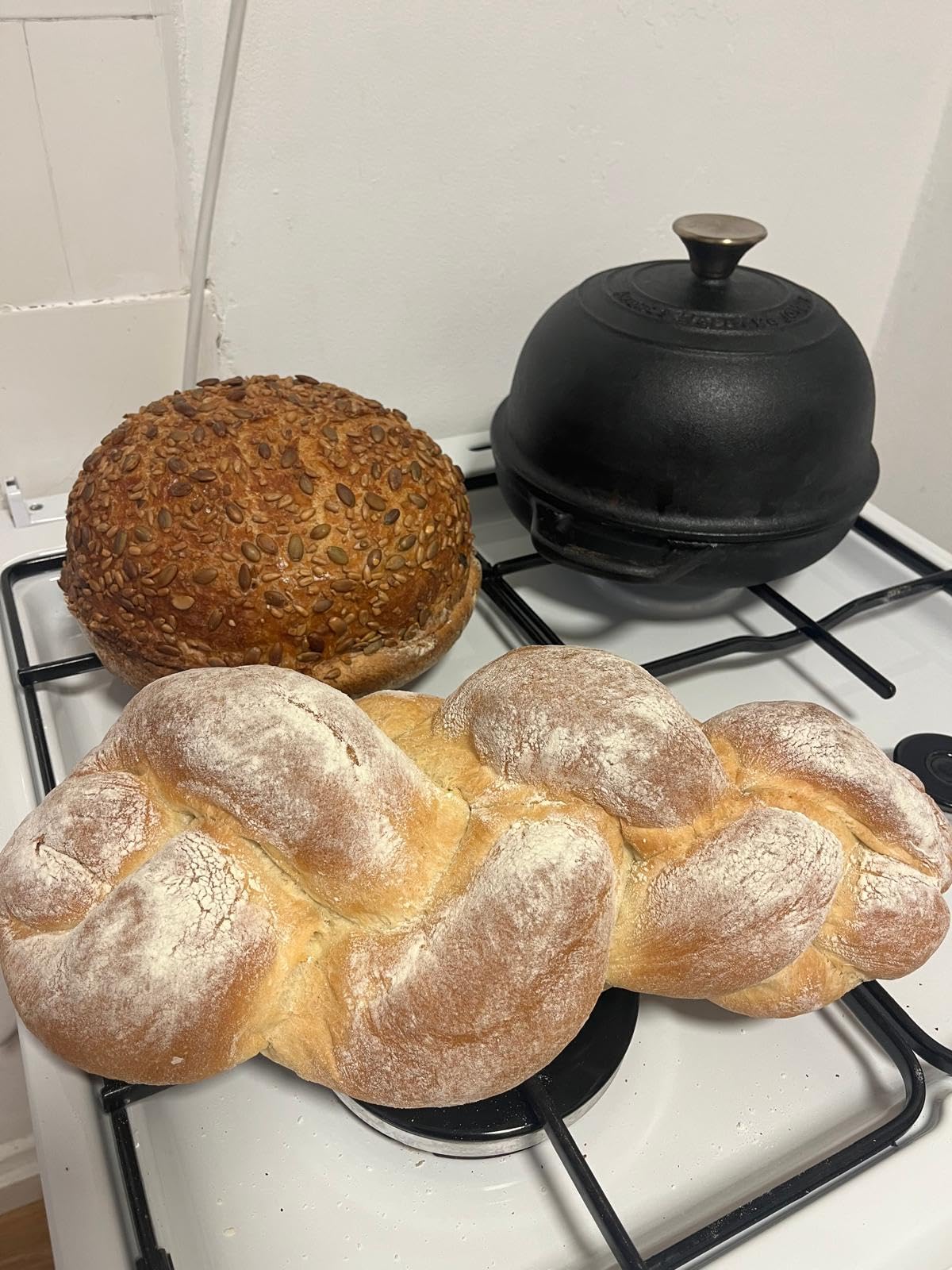
The AHJ pre-seasoned cast iron Dutch oven is the kind of product that makes you question why anyone would spend three or four times as much. It arrived pre-seasoned and ready to use, and my first loaf came out with a crackly crust and excellent oven spring that rivaled results from cloches costing significantly more.
The domed lid design is the key feature here. Unlike standard Dutch oven lids that sit flat, this one provides extra vertical space for your loaf to rise during the bake. That extra headroom translates directly to taller loaves, which is exactly what sourdough bakers are after. The 5-quart capacity is generous and handles large loaves without crowding.
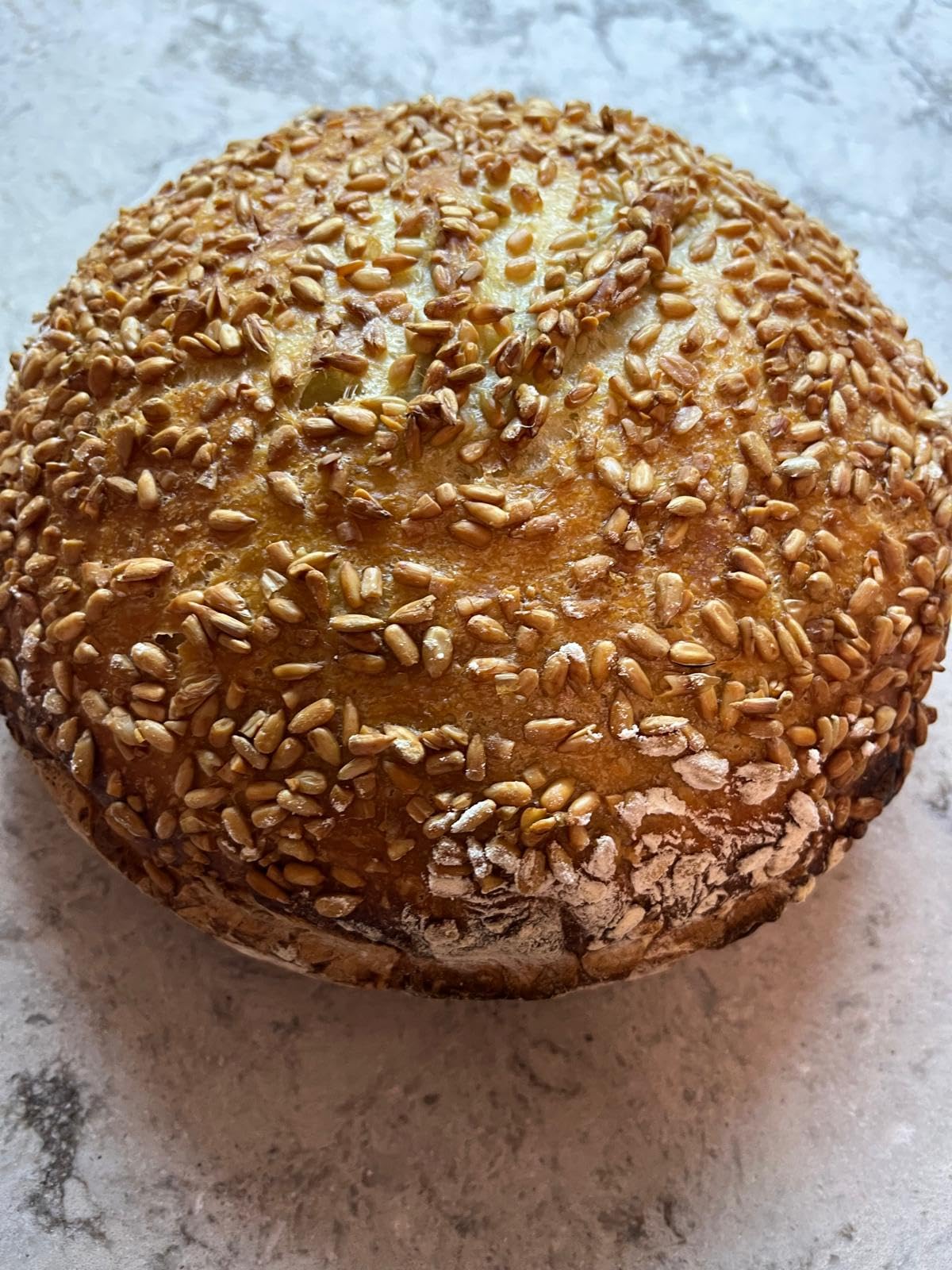
At 9.3 pounds, the AHJ is lighter than many enameled cast iron options, which makes it easier to maneuver when hot. The pre-seasoned surface performed well from the start, and the included silicon mat is a nice touch for protecting your counter or table when serving directly from the pot.
I was also impressed by the heat distribution. Cast iron is known for thermal mass, and this pot holds temperature well through the door-opening phase when you load your dough. The crust formation was even and consistent across the entire loaf surface, with no hot spots causing dark patches or underbaked sections.
Versatility Beyond Bread
This is where the AHJ really separates itself from dedicated bread cloches. The manufacturer lists stewing, braising, steak searing, shallow frying, roast chicken, and even pizza among its uses. I tested it as a stovetop braiser and it performed admirably, holding heat for excellent searing and maintaining a steady simmer.
For bakers who want one piece of cookware that handles bread on weekends and everyday cooking during the week, this is a compelling option. You are not paying for a single-purpose tool that sits idle between bakes.
Seasoning and Care
Because this is raw cast iron rather than enameled, you need to maintain the seasoning. After each use, wash with hot water and minimal soap, dry thoroughly, and apply a thin coat of oil before storing. This routine keeps the surface nonstick and protected from rust.
The seasoning actually improves with use, which means this pot gets better the more you cook with it. Many cast iron enthusiasts prefer this to enameled versions because the surface develops a natural patina that nothing sticks to. Just keep it out of the dishwasher and avoid prolonged soaking.
4. Eurita Clay Roaster – Lightweight Clay Bread Baker
Eurita Clay Roaster, Non-Stick Bread Pan & Lid, Healthy Clay Pot Cooking, With Free Recipe Guide, 2 Quarts
All-natural clay
2-quart capacity
500F oven safe
Unglazed steam lid
Glazed interior
Oblong shape
Pros
- Natural clay material with no lead cadmium or fillers
- Creates perfect steam for crispy crust
- Glazed interior prevents sticking
- Lightweight at just 3 pounds
- No preheating required can go into cold oven
- Microwave and oven safe to 500F
Cons
- Requires lid soaking before use
- Cannot tolerate sudden temperature changes
- Smaller capacity than Dutch oven loaves
- May require longer baking time
The Eurita clay roaster offers a completely different baking experience from cast iron. At just 3 pounds, it is dramatically lighter and easier to handle than any metal option we tested. The unglazed clay lid absorbs water when soaked before baking, then releases that moisture as steam during the cook to create the humid environment bread needs.
I appreciated that this roaster can go into a cold oven, which eliminates the risky maneuver of loading dough into a screaming-hot vessel. You simply place your shaped dough inside, put the lid on, and start the oven. The clay heats gradually along with the oven, which is gentler on the dough and reduces thermal shock risk for both the baker and your loaf.
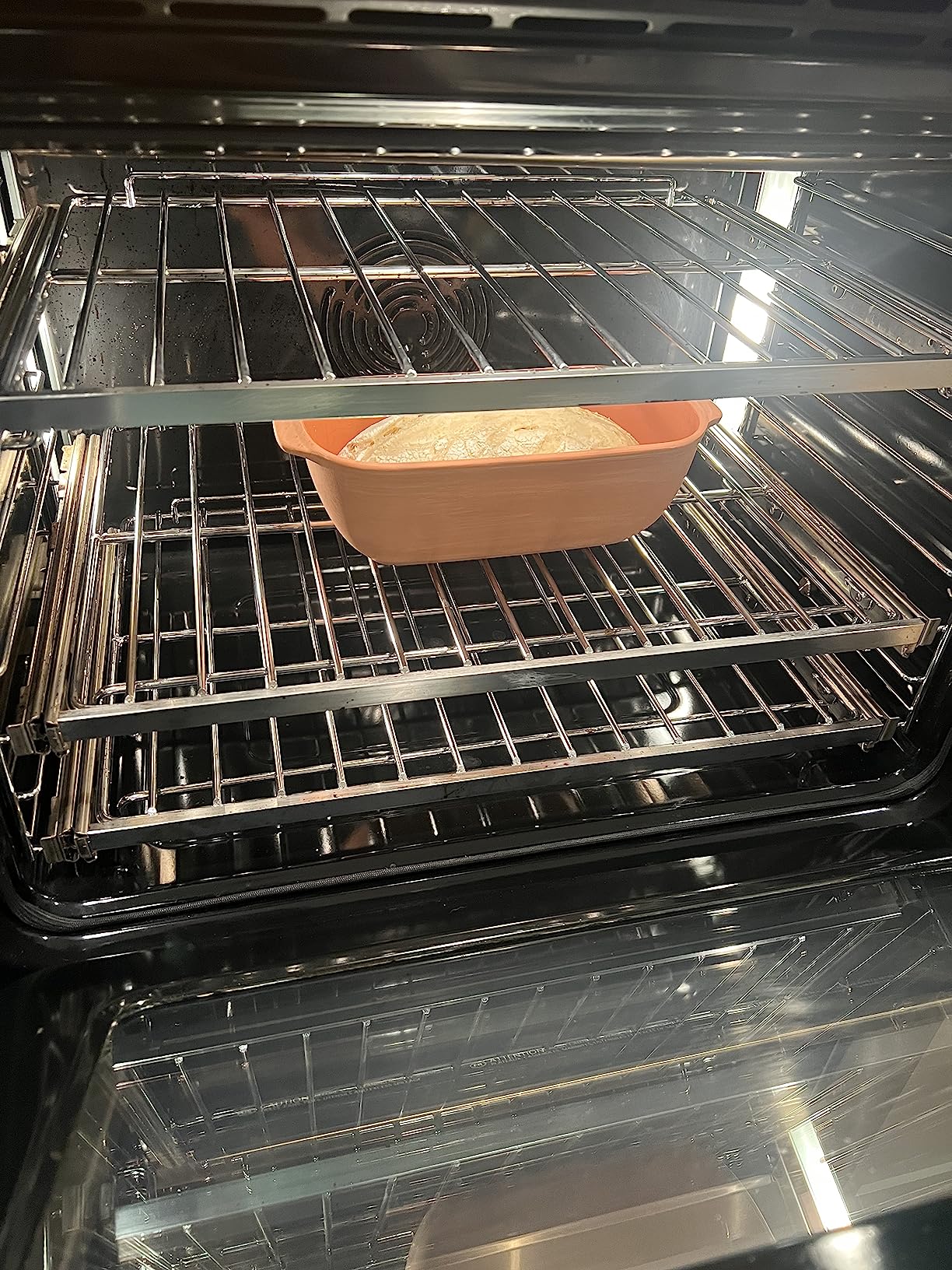
The crust I achieved with the Eurita was slightly different from cast iron results. It was crisp and well-developed but with a thinner, more delicate quality. Some bakers prefer this style for country breads and certain sourdough variations. The glazed interior with its glass frit lining released dough cleanly every time.
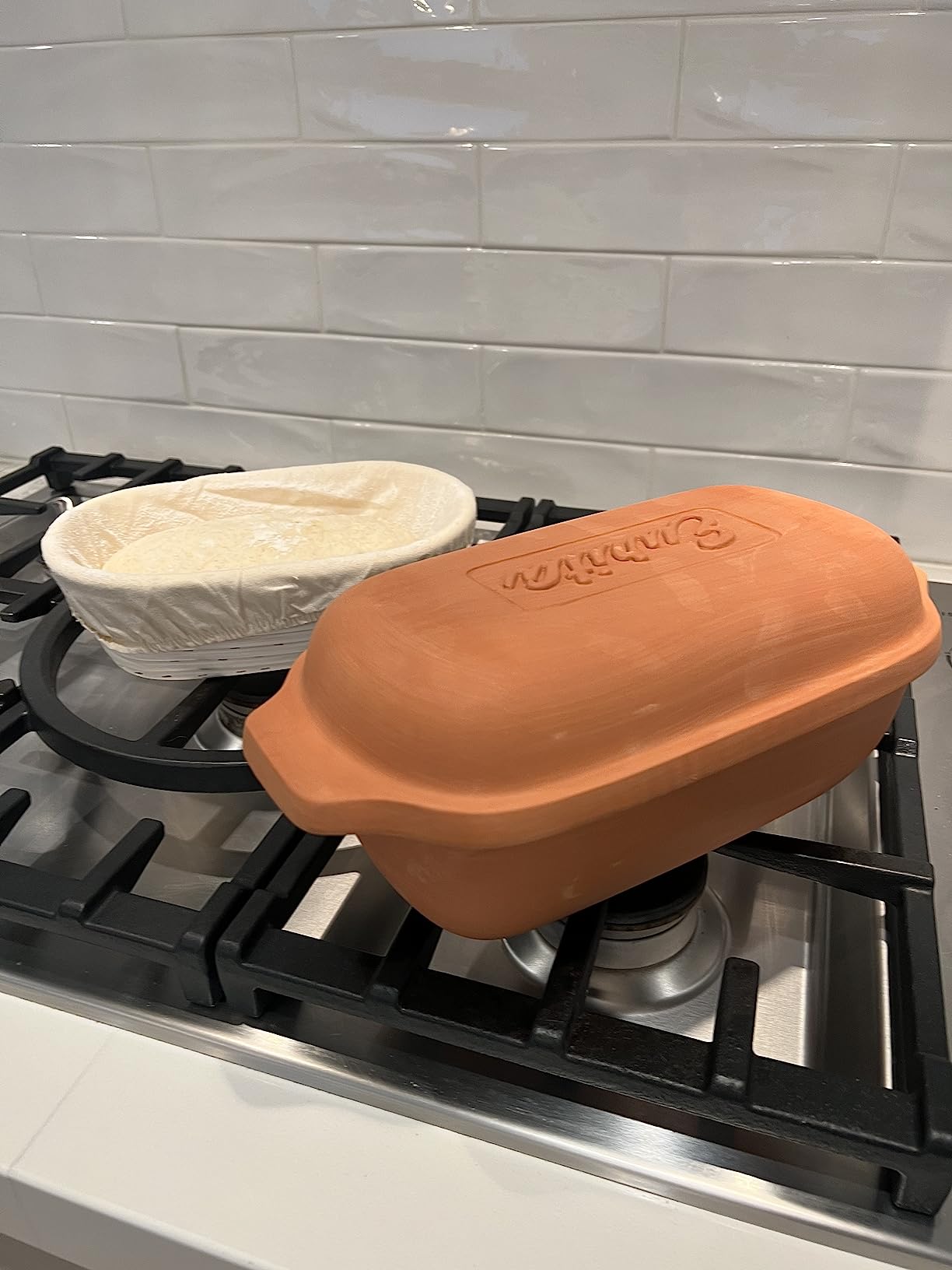
This is an oblong-shaped baker rather than round, which means it is ideal for batard-shaped loaves and certain types of pan bread. The 2-quart capacity is smaller than the other options, making it best suited for small household loaves rather than large sourdough boules. I found it perfect for a two-person household baking twice a week.
Best for Small Loaves
The Eurita excels for bakers producing smaller loaves, which includes many home bakers who do not need a massive boule every time. The oblong shape accommodates batards nicely, and the compact size means it heats through quickly without a long preheating cycle.
If you typically bake loaves using 2 to 3 cups of flour, this is the right size. For larger loaves or if you bake for a crowd, the smaller capacity becomes a limitation and one of the cast iron options would serve you better.
Soaking and Temperature Handling
The unglazed clay lid needs to be soaked in water for 10 to 15 minutes before each bake. This is what creates the steam environment inside the roaster. The soaked lid slowly releases moisture during baking, mimicking the effect of a steam-injected professional oven.
Clay cannot tolerate sudden temperature changes, so never move a cold clay roaster into a preheated hot oven or place a hot roaster on a cold counter. The cold-oven-start method eliminates this concern entirely, which is another reason that approach works so well with this particular baker.
How to Choose the Best Bread Cloche for Your Kitchen
Choosing the right bread cloche comes down to material, shape, size, and how you plan to use it. Each factor affects your baking results and your day-to-day experience with the tool.
Material: Cast Iron vs Ceramic vs Clay
Cast iron offers the highest thermal mass, which means it holds heat extremely well and creates an aggressive, deeply caramelized crust. Enameled cast iron gives you the heat performance without the seasoning maintenance, while raw cast iron develops a natural patina over time. Cast iron is the heaviest option, typically weighing 9 to 12 pounds.
Ceramic clay cloches, like the Emile Henry, produce a slightly gentler heat that many bakers find produces a more refined crust. The clay absorbs and releases moisture gradually, creating consistent steam throughout the bake. Ceramic is lighter than cast iron and often dishwasher safe, but it can chip or crack if dropped.
Natural clay roasters, like the Eurita, rely on a soaked unglazed lid to generate steam. They are the lightest option and can go into a cold oven, which is convenient and safer. The trade-off is smaller capacity and the need to soak the lid before each use.
Shape: Round vs Oval
Round cloches are ideal for boule-shaped loaves, which is the most common shape for sourdough. If you primarily bake round loaves, a round cloche gives you the best crust formation and oven spring. Most of the popular options on the market are round.
Oval or oblong cloches accommodate batard-shaped loaves and certain pan breads. Some bakers prefer batards because they are easier to slice for sandwiches. If batards are your preferred shape, look for an oblong option like the Eurita or a cloche specifically designed for oval loaves.
Weight and Handling
Weight matters more than most people expect. A 12-pound cast iron cloche that is preheated to 500 degrees Fahrenheit is genuinely challenging to handle safely. If you have any wrist or hand strength concerns, consider a lighter ceramic or clay option that weighs 3 to 7 pounds instead.
Handle design also affects usability. Look for cloches with ergonomic knobs and wide handles that give you a secure grip when wearing oven mitts. The Flavehc and AHJ both have well-designed handles that make a difference in practice.
Knob Temperature Safety
This is a detail that many bakers overlook until they melt a knob. Some premium enameled Dutch ovens have phenolic or plastic knobs that cannot exceed 450 degrees Fahrenheit. Since bread baking typically happens at 450 to 500 degrees, you need to verify the knob rating before using a Dutch oven as a bread cloche.
Forum users on r/Breadit and r/Sourdough frequently mention Le Creuset knob limitations as a real-world pain point. All four cloches in our roundup use cast iron or ceramic knobs rated for 500 degrees or higher, so this is not an issue with any of our recommended picks.
Preheating Method
Most cast iron and ceramic cloches benefit from preheating empty in the oven before you load the dough. This gives you maximum thermal mass for oven spring. The typical method is to preheat the cloche at 500 degrees Fahrenheit for 45 to 60 minutes, then carefully transfer your dough in using parchment paper.
Clay roasters like the Eurita work differently. They go into a cold oven and heat gradually, which eliminates the tricky hot-vessel transfer. Some bakers prefer this approach because it is safer and less stressful, though the trade-off can be slightly less aggressive oven spring.
Price and Value
Bread cloches range from under $30 to over $300 for premium brands. The good news from our testing is that price does not always correlate with bread quality. The AHJ at under $30 produced loaves that were essentially indistinguishable from those baked in cloches costing five times as much.
What higher prices typically buy is better build quality, longer warranties, brand reputation, and aesthetic appeal. The Emile Henry with its 10-year warranty and beautiful burgundy finish is a lifetime investment piece. The budget options get you baking great bread immediately for less.
FAQ
What is the best cloche for baking bread?
The best cloche for baking bread depends on your priorities. For overall performance and value, the Flavehc cast iron bread oven delivers excellent steam retention and crispy crusts at a reasonable price. For premium ceramic quality, the Emile Henry bread cloche is the top choice with its 10-year warranty and proof-in-cloche feature. For budget-conscious bakers, the AHJ pre-seasoned cast iron Dutch oven produces professional results for a fraction of the cost.
Should I preheat my bread cloche?
Most cast iron and ceramic cloches benefit from preheating empty at 500 degrees Fahrenheit for 45 to 60 minutes before loading dough. This maximizes thermal mass for better oven spring and crust formation. Clay roasters like the Eurita are the exception, as they go into a cold oven and heat gradually to prevent thermal shock damage to the clay.
Is a bread cloche better than a Dutch oven?
A bread cloche and a Dutch oven function similarly by trapping steam for crusty bread, but they differ in design. Bread cloches have a dome-shaped lid that provides more vertical clearance for loaf rise and are optimized specifically for bread baking. Dutch ovens are more versatile for general cooking but may have a flatter lid that limits rise. Cast iron Dutch ovens with domed lids, like the Flavehc and AHJ, combine the best of both approaches.
Are bread domes worth it?
Yes, bread domes are worth the investment if you bake artisan bread or sourdough regularly. The steam-trapping environment produces a dramatically better crust than open baking, with taller oven spring and a crispier exterior. Even budget-friendly options under $50 deliver noticeable improvements in bread quality, making them accessible for most home bakers.
How do you clean a bread cloche after baking?
For enameled cast iron cloches, hand wash with warm water and mild soap, then dry thoroughly. For raw cast iron, wash with minimal soap, dry completely, and apply a thin coat of oil to maintain seasoning. For ceramic and clay cloches, most are dishwasher safe but hand washing is gentler. Always let the cloche cool completely before cleaning to avoid thermal shock, especially with ceramic and clay materials.
Final Thoughts on the Best Bread Cloches
Any of the four bread cloches in our testing will dramatically improve your home-baked bread compared to baking on an open tray. The Flavehc cast iron bread oven earned our editor’s choice for its excellent steam retention, easy-to-clean enameled interior, and versatile cooktop compatibility. The Emile Henry is the premium pick for bakers who want a lifetime ceramic piece with proof-in-cloche convenience.
For value seekers, the AHJ pre-seasoned Dutch oven proves you do not need to spend a lot to bake professional-quality sourdough. And the Eurita clay roaster is the perfect lightweight option for smaller households and bakers who prefer the cold-oven method. Whichever you choose from the best bread cloches of 2026, your crust will never be the same.
