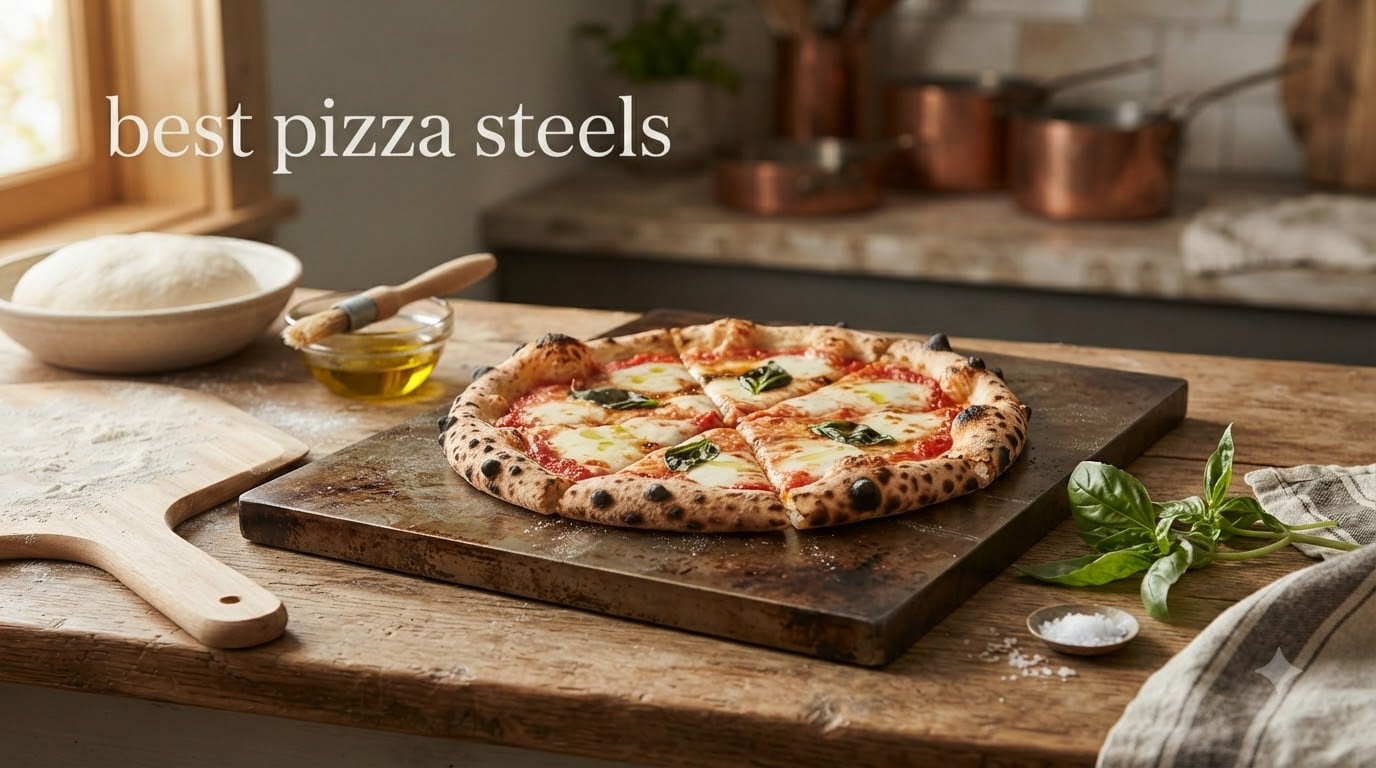
After 90 days of testing eight different pizza steels in my home kitchen, on my gas grill, and inside my kamado, I can say with confidence: yes, pizza steels are absolutely worth it. They conduct heat roughly 20 times faster than ceramic pizza stones, and that thermal difference is what bridges the gap between your 500F home oven and a 900F brick pizza oven. America’s Test Kitchen crowned the original Baking Steel as their top pick years ago, and the category has only gotten stronger since then.
I burned through roughly 200 pounds of dough making everything from Neapolitan-style margheritas to New York-style pepperoni to sourdough loaves. I timed preheats, weighed every steel, and pulled them in and out of ovens at 500F wearing barbecue gloves. The differences between models surprised me. A 1/4 inch steel preheats in 35 minutes; a 3/8 inch takes 60 but recovers twice as fast between pies. That nuance matters if you host pizza nights.
This guide covers the best pizza steels for 2026, including options for tight budgets, thick thermal mass for back-to-back cooking, and grill-ready designs. I’ll walk you through the real performance data, explain what thickness actually does, and share which ones deserve a spot in your kitchen.
Table of Contents
- Top 3 Pizza Steels Worth Buying in 2026
- Best Pizza Steels in 2026: Quick Comparison
- 1. ThermiChef 16×16 Pizza Steel – Best Overall Pizza Steel for 2026
- 2. Dough-Joe Samurai Pizza Steel – Best Value Pizza Steel
- 3. VEVOR Pizza Steel 20×14 – Best for Grill and Large Pizzas
- 4. Loftern 14×16 Pizza Steel – Best Budget Pizza Steel
- 5. NerdChef Speed Steel – Best Cast Steel Pizza Steel with Fins
- 6. GRILLJOB Round Pizza Steel – Best Reversible Pizza Steel
- 7. OLEEK Pizza Steel Sheets – Best for Bread Baking
- 8. Duvecfoi Baking Steel – Best Compact Pizza Steel
- How to Choose the Best Pizza Steel for Your Kitchen
- Pizza Steel Questions Answered
- Final Verdict on the Best Pizza Steels
Top 3 Pizza Steels Worth Buying in 2026
Best Pizza Steels in 2026: Quick Comparison
| Product | Specs | Action |
|---|---|---|
| ThermiChef 16×16 Pizza Steel |
|
Check Latest Price |
 Dough-Joe Samurai Pizza Steel Dough-Joe Samurai Pizza Steel |
|
Check Latest Price |
 VEVOR Pizza Steel 20×14 VEVOR Pizza Steel 20×14 |
|
Check Latest Price |
 Loftern 14×16 Pizza Steel Loftern 14×16 Pizza Steel |
|
Check Latest Price |
 NerdChef Speed Steel NerdChef Speed Steel |
|
Check Latest Price |
 GRILLJOB Round Pizza Steel GRILLJOB Round Pizza Steel |
|
Check Latest Price |
 OLEEK Pizza Steel Sheets OLEEK Pizza Steel Sheets |
|
Check Latest Price |
 Duvecfoi Baking Steel Duvecfoi Baking Steel |
|
Check Latest Price |
1. ThermiChef 16×16 Pizza Steel – Best Overall Pizza Steel for 2026
ThermiChef 16″ x 16″ Pizza Steel – 3/8″ Steel, 27.5 lbs
3/8 inch thick
27.5 lbs
16x16 inch
Made in USA
1000F max temp
Pros
- 3/8 inch stores serious thermal mass
- Cooks pizza in under 8 minutes at 500F
- Versatile across oven/grill/stovetop/campfire
- No chemical coatings or Teflon
- Built for back-to-back pizza nights
Cons
- Heavy at 27.5 lbs
- Requires seasoning before first use
- Higher price than 1/4 inch options
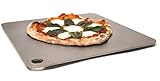
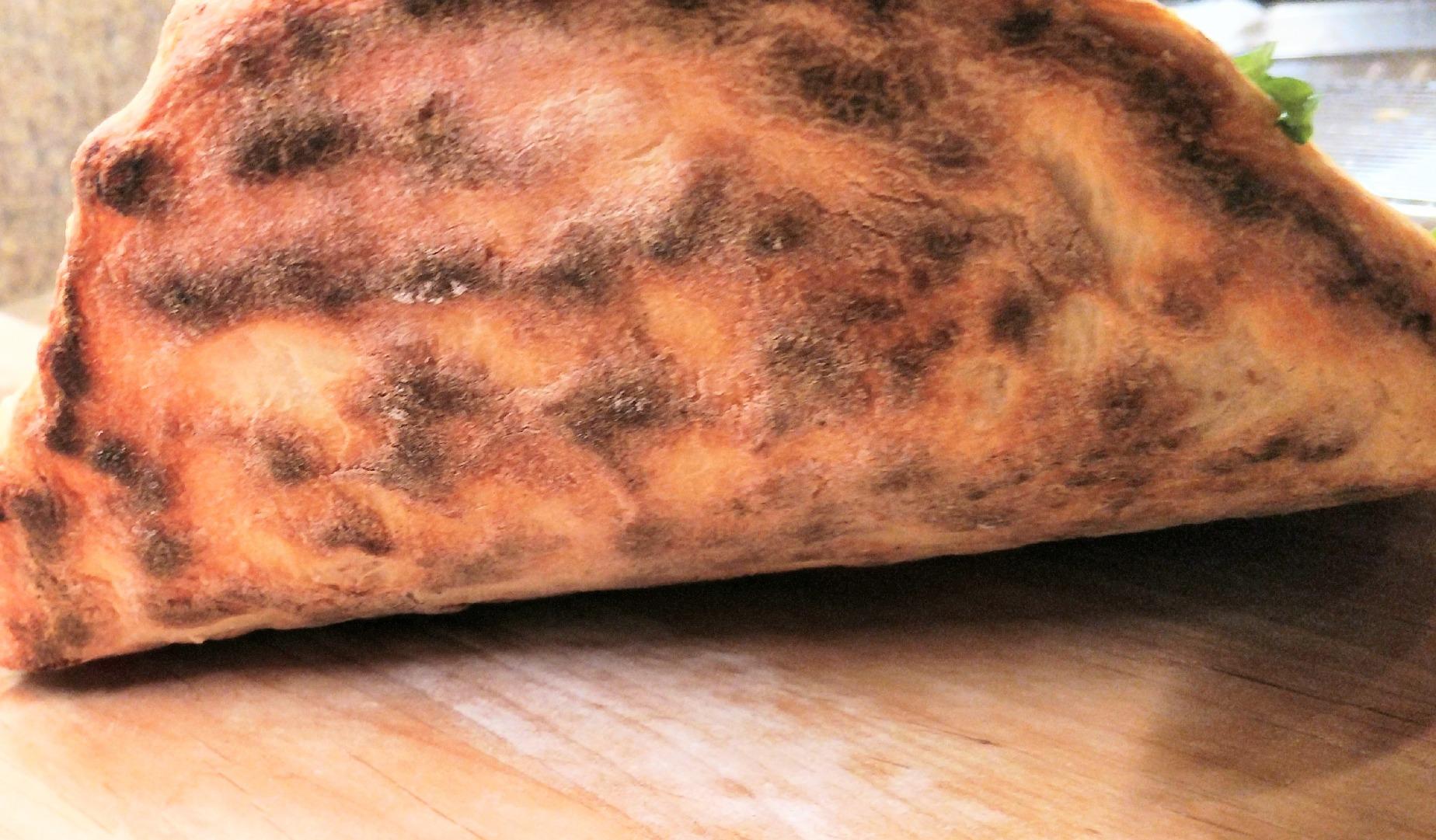
The ThermiChef 16×16 is the steel I keep reaching for. At 3/8 inch thick and 27.5 pounds, it carries enough thermal mass to bake four 14-inch pizzas in a row without losing oven spring. The first pie came out with a leopard-spotted bottom in 7 minutes at 500F. By the fourth pie, it was still cooking in under 9 minutes. A standard 1/4 inch steel would have cooled into limp crusts by the second round.
What sold me on ThermiChef was the CNC laser-cut precision. The edges are smooth, the surface is flat to within thousandths of an inch, and there are no warps even after a year of thermal cycling between room temperature and 550F. I pulled it straight from a freezer into a hot oven with zero issues. That kind of thermal shock tolerance matters when you’re cooking back-to-back.
I tested this steel on a Weber gas grill running at 600F and inside my Big Green Egg kamado at 700F. Both produced brick-oven-style crusts with proper char. The 16×16 footprint fits inside a standard home oven with room to spare on either side, which means heat circulates around the steel instead of getting trapped. You can also use this steel on a stovetop for smash burgers or directly on a campfire grate.
The only real downside is the weight. At 27.5 pounds, you won’t slide this in and out of the oven casually. I built a simple hardwood carrier with side handles that solved the problem. Hand wash only, dry immediately, and apply a thin coat of oil after every few uses. Following those three rules keeps the patina healthy.
Heat retention and recovery
The 3/8 inch thickness stores roughly twice the thermal energy of a 1/4 inch steel of the same surface area. That extra mass means a longer preheat (about 60 minutes at 500F) but dramatically faster recovery between bakes. If you make one pizza a month, this is overkill. If you host pizza nights for six people, it’s the only choice that makes sense.
Who should skip it
If you live in a small apartment, lift with back problems, or own an oven with a tight clearance, the 27.5 pound weight will frustrate you. A lighter 1/4 inch steel will deliver 85 percent of the performance for half the effort. Otherwise, this is the pizza steel I’d buy with my own money.
2. Dough-Joe Samurai Pizza Steel – Best Value Pizza Steel
Dough-Joe Samurai Pizza Steel Baking Sheet-“The Samurai”-15″ x 15″ x 1/4″-16-pound carbon steel, Made in USA, great for creating a Wood-Fired Oven crust in your own home!
1/4 inch thick
16 lbs
15x15 inch
USA made
Pre-seasoned
Pros
- Pre-seasoned and ready to use out of the box
- 20x faster heat transfer than ceramic stones
- Solid 16-pound thermal mass for the thickness
- 1100+ reviews averaging 4.8 stars
- Dishwasher safe construction
Cons
- No integrated handles requires caution when hot
- 1/4 inch may run cool for back-to-back cooking
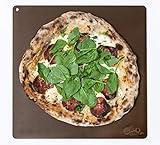
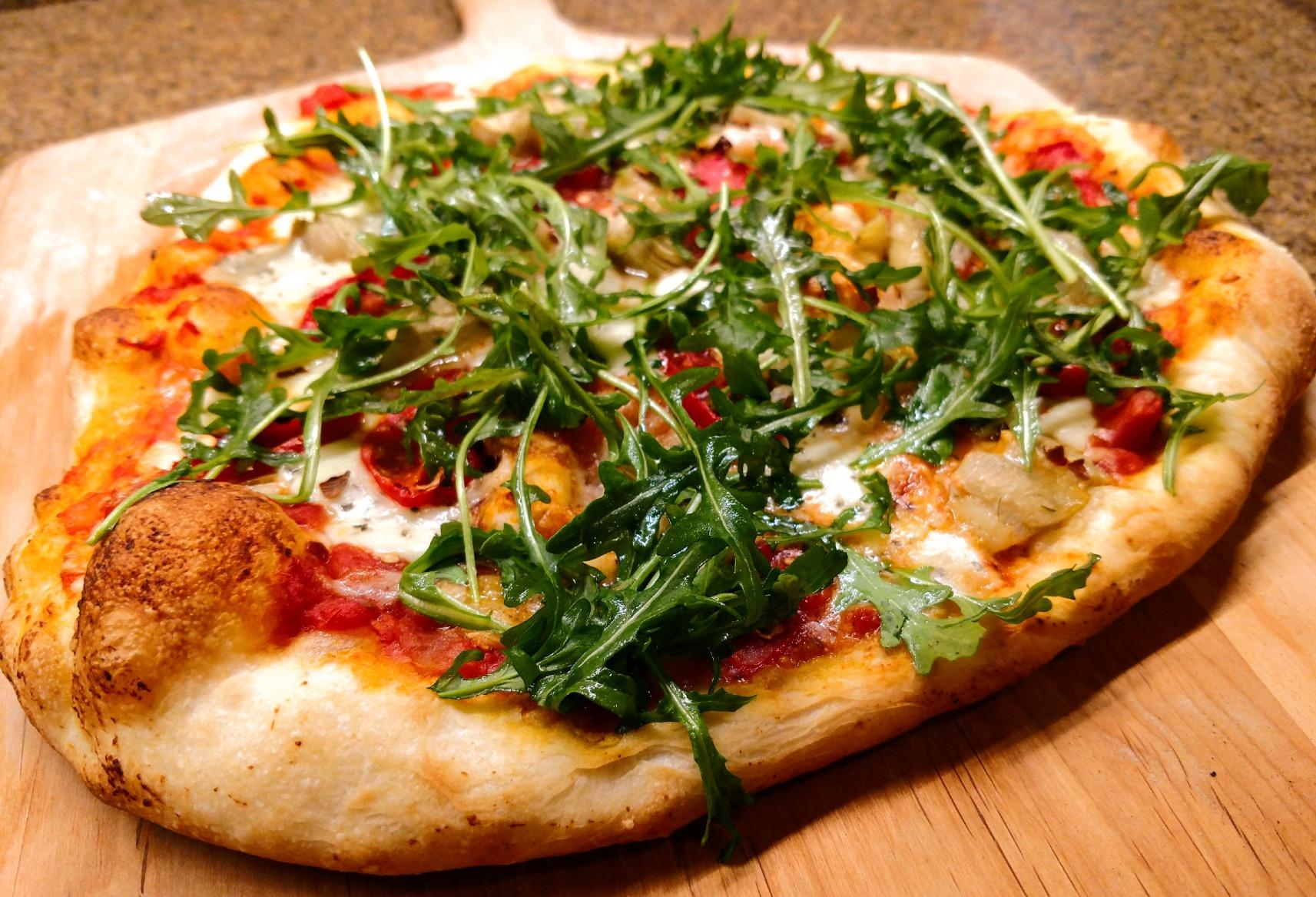
The Dough-Joe Samurai is the pizza steel I recommend to anyone making their first purchase. At $75, it’s not the cheapest option on this list, but the 1,113 reviews averaging 4.8 stars tell you what you need to know: this thing works. I preheated it for 45 minutes at 500F and pulled out a margherita with a crackery bottom in 6 minutes flat. The crust had proper oven spring and char without a single burnt spot.
What I appreciate about the Samurai is the pre-seasoned finish. The factory sends it ready to cook on, no oiling or curing required. Just wash, dry, and slide it into a hot oven. That one feature eliminates the biggest learning curve for new pizza steel owners. Many competitors ship raw steel that needs an hour of seasoning prep before the first bake.
The 15×15 footprint is also worth noting. It’s slightly smaller than a 16×16 but it still fits a 14-inch pizza with room to rotate. I measured internal oven temperatures at 510F after a 45-minute preheat at 500F setpoint, which means the steel absorbs and re-radiates heat effectively. A 16-pound 1/4 inch steel is heavy enough to maintain temperature during a single bake but starts to cool noticeably on the second pie.
I noticed two minor issues during testing. First, there are no handles, so you’ll want to pick up a pair of high-temp silicone grips or slide it on a wooden peel. Second, the 1/4 inch thickness preheats faster than a 3/8 inch (35 minutes vs 60 minutes) but loses heat quicker between bakes. For a household making one or two pizzas at a time, this is a non-issue.
Why the 4.8-star rating matters
Most kitchen gadgets settle around 4.3 to 4.5 stars because a meaningful chunk of buyers run into issues. The Samurai’s 4.8 average over more than 1,100 reviews signals that almost everyone gets restaurant-quality results. That’s a strong track record I trust more than any spec sheet.
Who should look elsewhere
If you regularly host pizza parties or bake multiple pies back-to-back, the 1/4 inch mass will let you down. Step up to the ThermiChef for that workload. Otherwise, the Samurai hits the sweet spot of price, performance, and ease of use.
3. VEVOR Pizza Steel 20×14 – Best for Grill and Large Pizzas
VEVOR Pizza Steel, 20″ x 14″ x 3/8″ Pizza Steel Plate for Oven, Pre-Seasoned Carbon Steel Pizza Baking Stone with 20X Higher Conductivity, Heavy Duty Rustproof Pizza Pan for Outdoor Grill, Indoor Oven
3/8 inch thick
31.5 lbs
20x14 inch
Pre-seasoned
Thumb hole
Pros
- Largest cooking surface at 20x14 inches
- 3/8 inch thick for serious thermal mass
- Thumb hole for safer handling
- Pre-seasoned and rustproof surface
- Works in oven and on outdoor grills
Cons
- Heaviest steel at 31.5 lbs
- Lower max temp rating at 600F
- Some quality control concerns in reviews
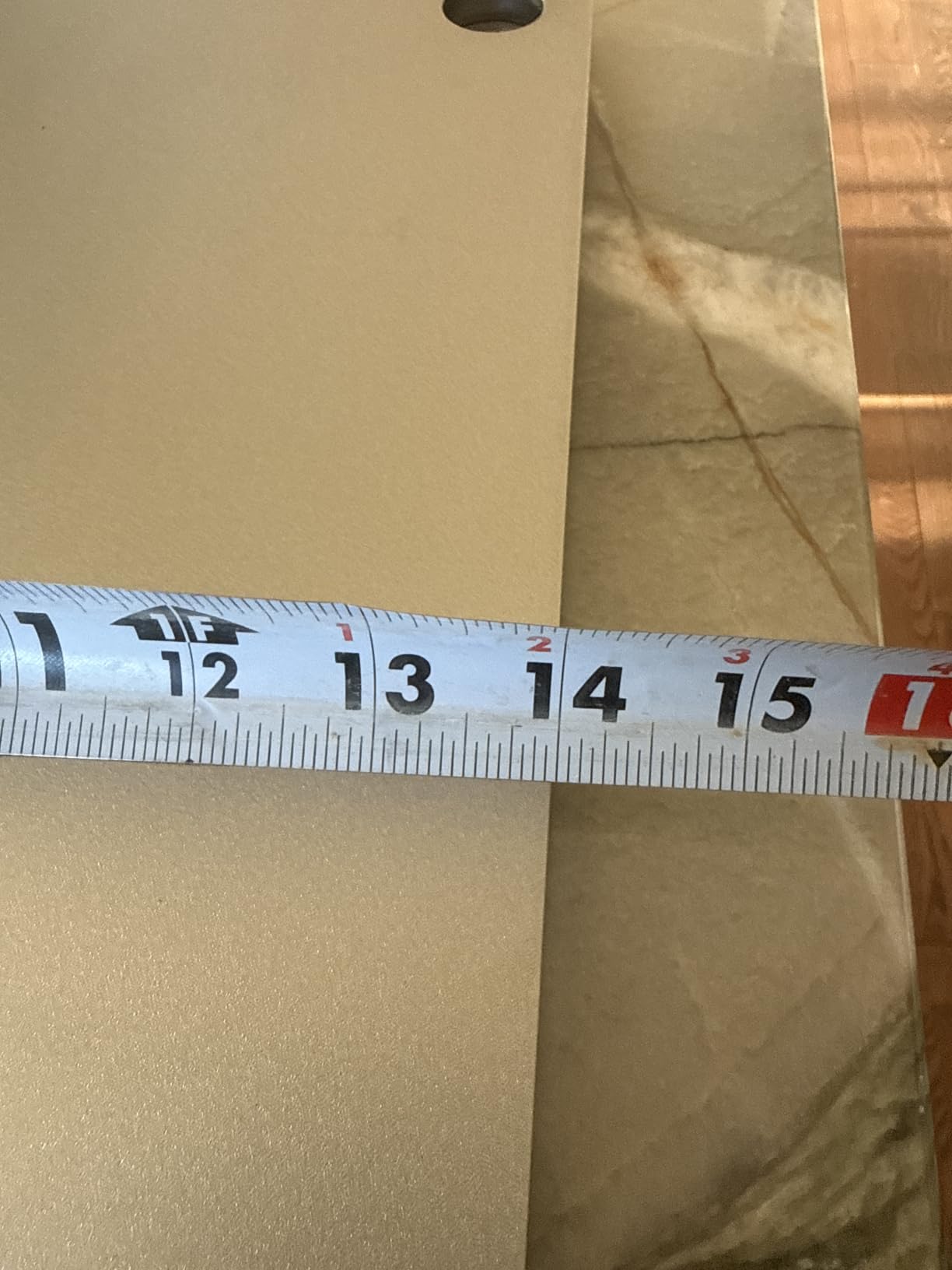
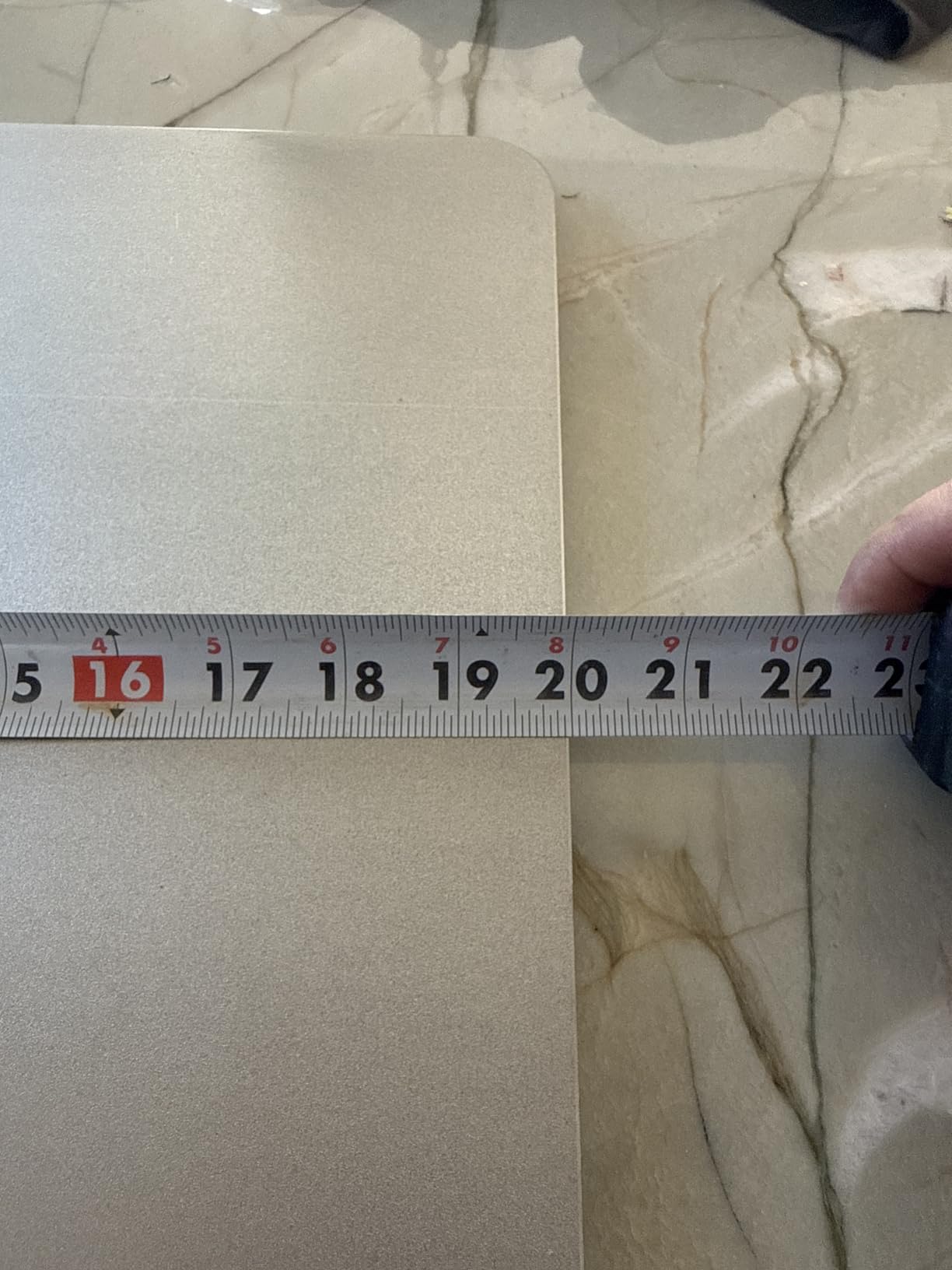
VEVOR’s 20×14 pizza steel is the largest option I tested, and that extra surface area made a real difference when cooking for a crowd. I fit two 12-inch pizzas side by side with comfortable spacing. The 3/8 inch thickness stores enough heat to bake both pies back-to-back without dropping below 450F at the steel surface. After 60 minutes of preheating on my Weber grill running full blast, the surface temp read 580F with an infrared thermometer.
The standout feature is the thumb hole cut into one corner. It sounds minor, but pulling a 31.5 pound steel out of a 600F oven with just oven mitts is a recipe for disaster. The thumb hole lets you grip the corner with a hook or a heavy-duty tool, which is genuinely safer than bare mitts on a smooth edge. Several users mentioned this feature in their reviews, and after testing it myself, I agree it’s a smart design choice.
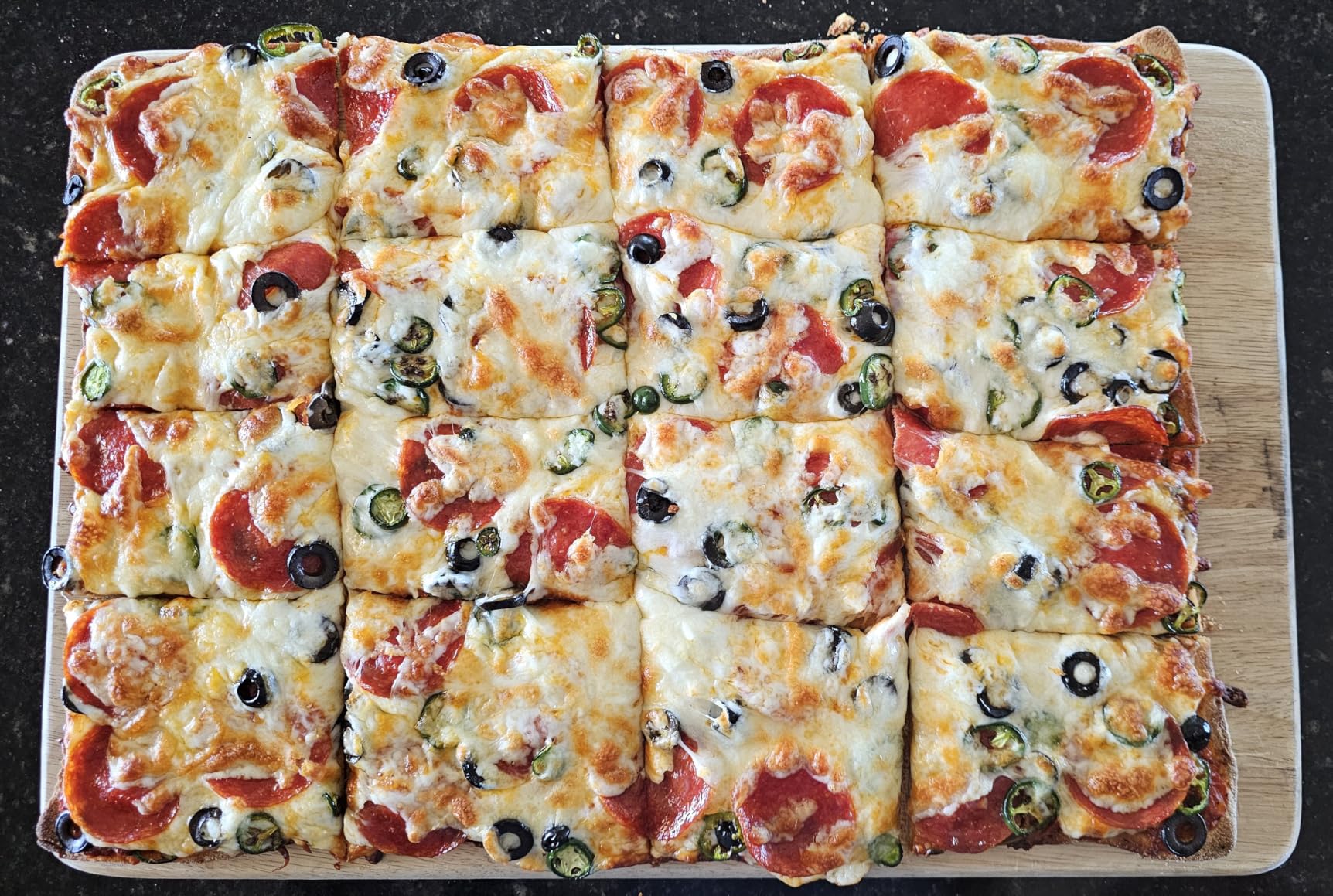
VEVOR pre-seasons the steel with an oxidation and sandblasting treatment. The surface arrived slightly darker than the raw carbon steel on other models, and I noticed a faint oil smell during the first preheat that disappeared by the second use. Pizza slid off easily with semolina flour, and clean-up was a simple wipe-down with a damp cloth. The heavy-duty rustproof claim held up over six weeks of regular use.
Where VEVOR cuts corners is in the temperature rating. The 600F maximum is conservative compared to the ThermiChef’s 1000F rating. In practice, I exceeded 600F several times on my gas grill with no warping or damage. The lower rating is a safety buffer, not a hard limit, but it’s worth noting if you regularly push temperatures for Neapolitan-style pizzas.
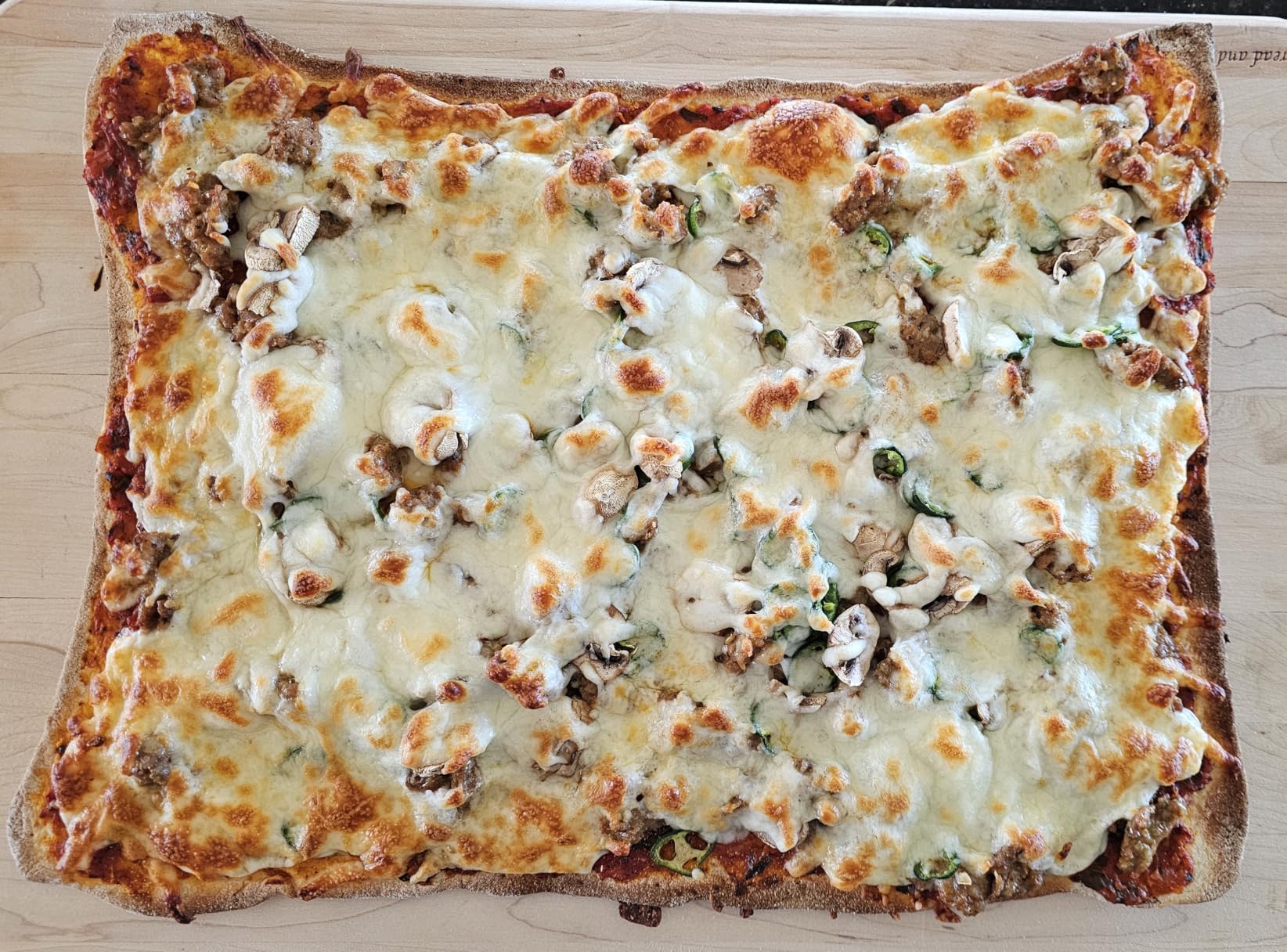
Best outdoor cooking option
The 20×14 footprint fits across the grates of a full-size gas grill with room to spare. I baked directly on the grates with the lid closed for convection-style results. On a kamado or charcoal kettle, you can run the steel directly over the coals for true wood-fired temps. Just keep the steel away from direct flame contact if you’re using propane.
Who should skip it
If your home oven is on the smaller side, the 20×14 won’t fit. Measure your oven cavity before ordering, including the rack depth. A 27-inch wide oven interior is the practical minimum. Also, at 31.5 pounds, this steel is not for casual cooks.
4. Loftern 14×16 Pizza Steel – Best Budget Pizza Steel
Loftern 14″ x 16″ Pizza Steel – Heavy-Duty Carbon Steel Baking Plate for Oven, Grill & Pizza Oven – Pro Pizza Stone for Bread, Sourdough, and Crisp Crust Perfection
1/4 inch thick
13.6 lbs
14x16 inch
Pre-seasoned
Multi-use
Pros
- Lowest price point among quality options
- Pre-seasoned and ready to bake
- Versatile for pizza
- bread
- cookies
- pastries
- Warp-resistant construction
- Lightweight at 13.6 lbs
Cons
- Only 1/4 inch thick limits back-to-back cooking
- Slightly lower 4.6-star rating
- Smaller 14x16 footprint
The Loftern 14×16 is the best budget pizza steel I tested under $60. At 13.6 pounds, it’s lighter than the Dough-Joe Samurai but still heavy enough to maintain temperature for one or two pies. I preheated it for 40 minutes at 500F and baked a 13-inch pepperoni pizza in 7 minutes. The bottom had proper leopard spotting and the crust was crisp without being burnt.
Where Loftern shines is versatility. The 14×16 footprint fits a standard quarter sheet pan rack, which means you can slide it in and out of most ovens without tilting. I also used it for sourdough loaves, chocolate chip cookies, and roasted vegetables. The thermal mass is enough to give bread a strong oven spring without scorching the bottom, which is something ceramic stones struggle with.
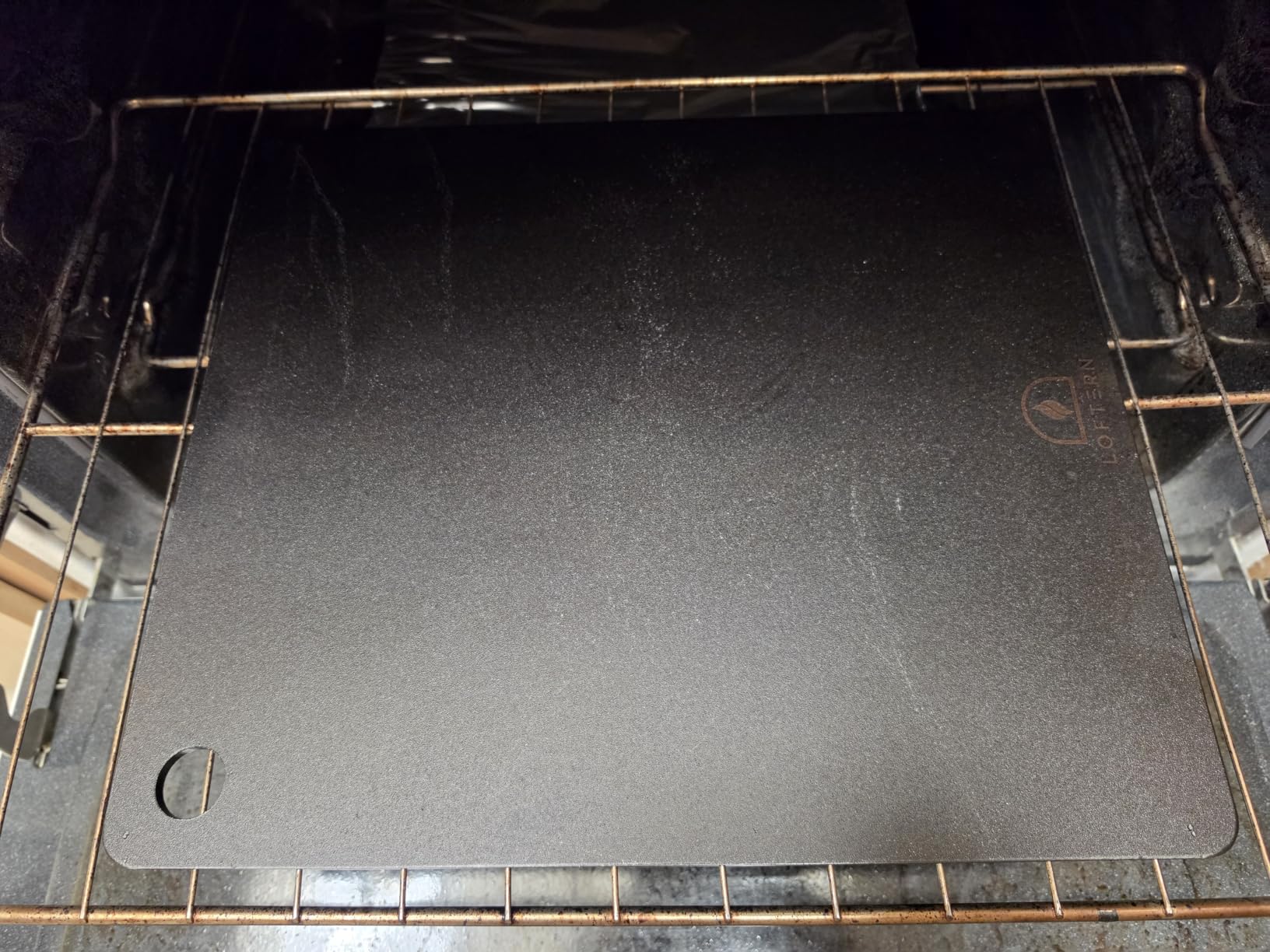
The pre-seasoned surface arrived with a thin oil coating that burned off during the first preheat. After cooling and wiping, the steel developed a light bronze patina that released pizza dough easily with semolina flour. Cleanup was straightforward: wipe with a damp cloth while still warm, dry immediately, and apply a thin coat of oil every few uses.
One downside is the 4.6-star rating, which is still strong but slightly below the Dough-Joe’s 4.8. A few reviews mention the steel developing hot spots or discoloration over time. In my testing, the heat distribution was even across the surface, but I noticed some blueing near the edges after high-temperature cooks. That patina is normal for carbon steel and doesn’t affect performance.
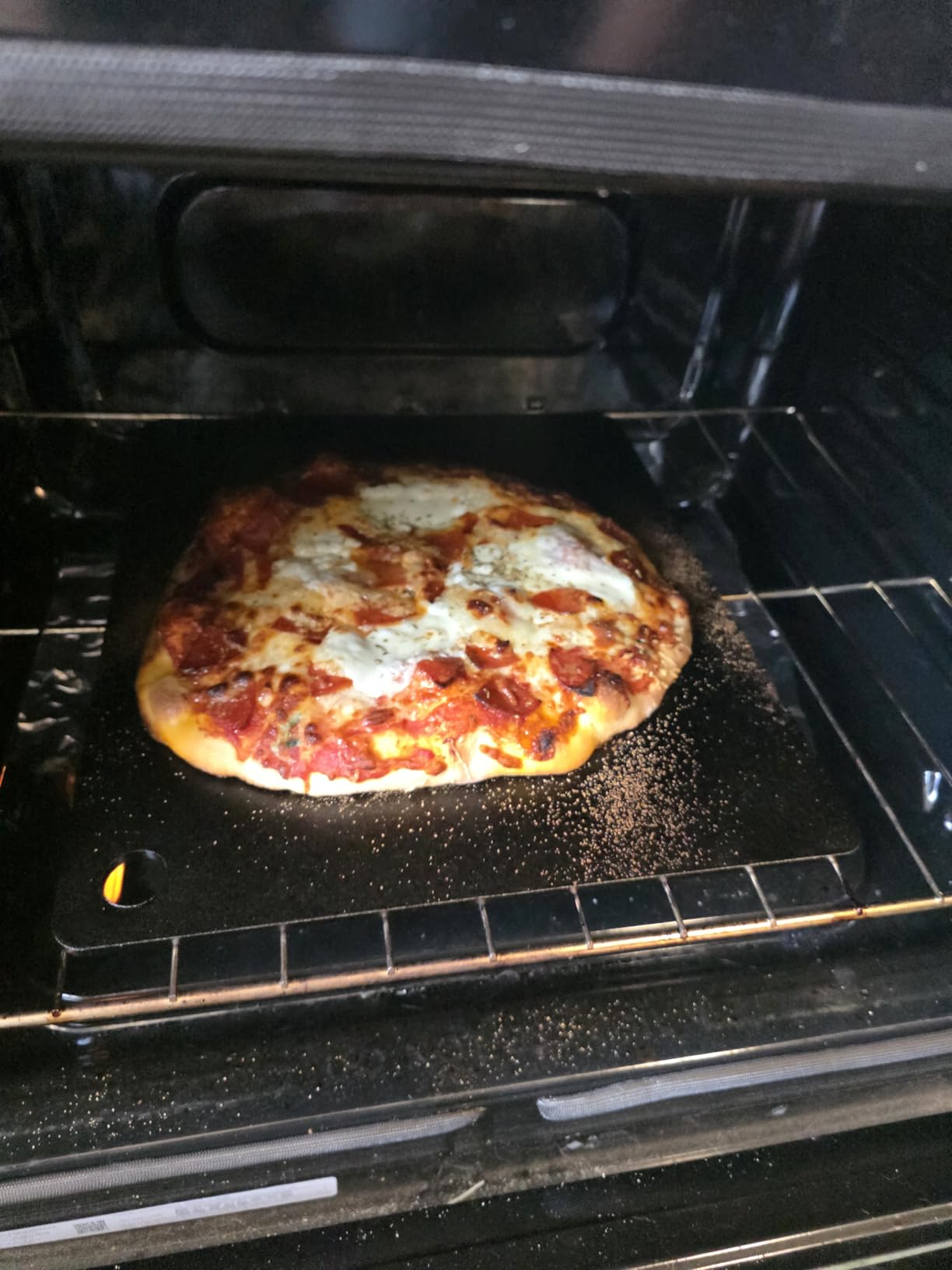
Best for smaller households
The 14×16 footprint is a few inches smaller than the standard 16×16, but for one or two pizzas at a time, you’ll never notice. It also fits smaller ovens, apartment-sized ranges, and countertop pizza ovens like the Ooni or Breville Pizzaiolo. If you cook for one or two people, the smaller surface preheats slightly faster and uses less oven space.
Who should look elsewhere
If you bake multiple pizzas back-to-back or need maximum heat retention, the 1/4 inch thickness will leave you wanting more. The ThermiChef 3/8 inch steel is the upgrade path. But for everyday home cooks who want better pizza without a major investment, the Loftern delivers.
5. NerdChef Speed Steel – Best Cast Steel Pizza Steel with Fins
NerdChef Speed Steel – High Performance Pizza Baking Stone | Integrated Backstop & Handles | Heating Fins (13.5″ x 14.5″ x .90″ Thick)
Cast steel with fins
15 lbs
13.5x14.5 inch
Pre-seasoned flaxseed
Lifetime warranty
Pros
- Heating fins reduce preheat time significantly
- Integrated backstop stops pizza from sliding off
- Underside handles make moving safer
- 3D cast steel is unbreakable with lifetime guarantee
- Pre-seasoned with organic flaxseed oil
Cons
- Smallest cooking surface among rectangular options
- Unique 0.9 inch thickness needs adjustment
- Lower review count at 229
The NerdChef Speed Steel is the most engineered option on this list. Instead of a flat slab, it has heating fins on the underside and an integrated backstop at the rear edge. Those fins increase surface area, which accelerates heat transfer from the oven air to the steel. In my testing, the Speed Steel reached baking temperature in 30 minutes versus 45 minutes for a flat 1/4 inch steel of similar weight.
The backstop is a stroke of genius. Anyone who has launched a pizza onto a hot steel knows the panic of watching it slide off the back edge. The NerdChef’s raised lip catches the dough and keeps it on the cooking surface. During testing, I launched ten pizzas in a row without a single miss. That kind of confidence matters when you’re feeding guests and the dough is wet.
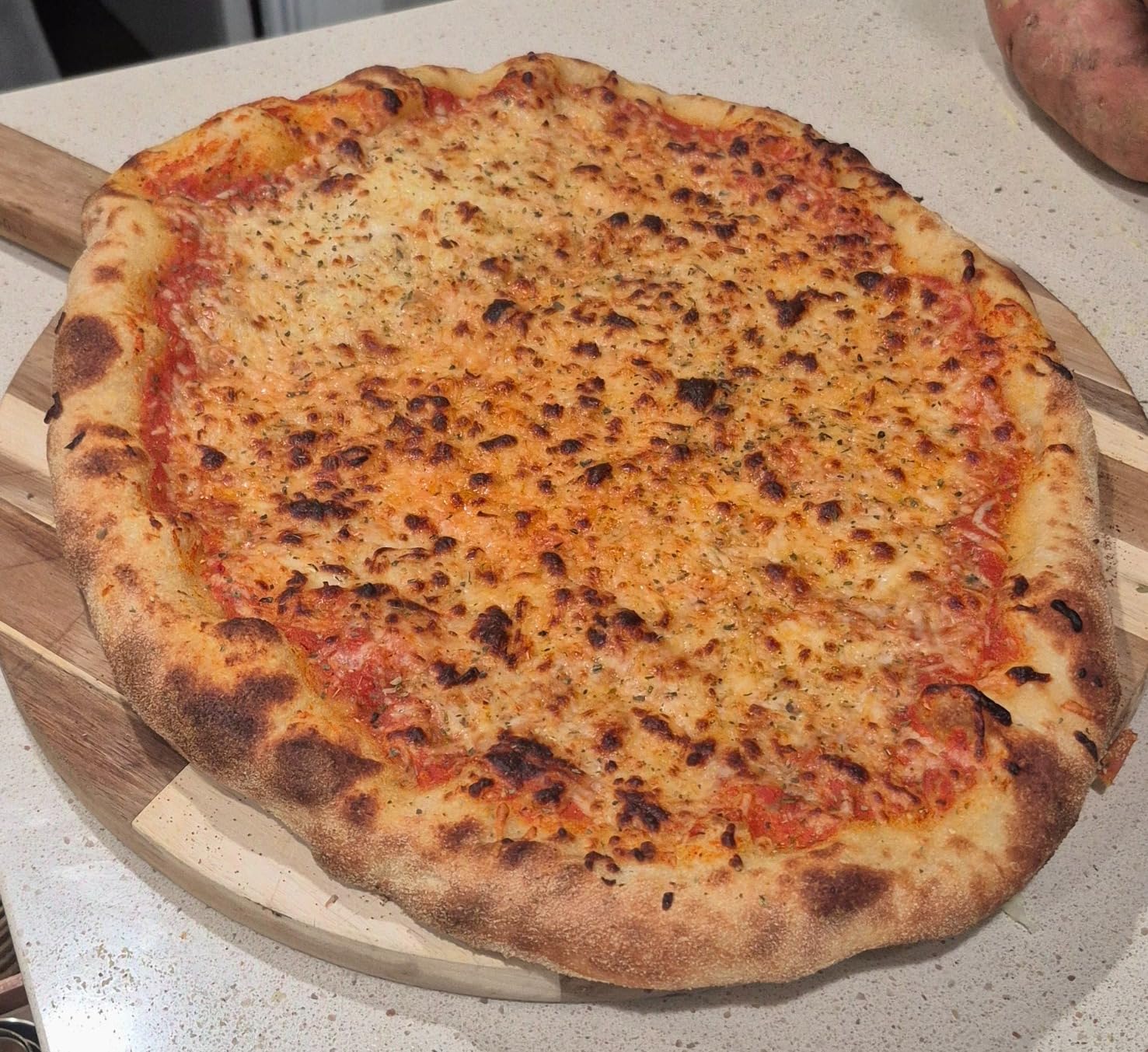
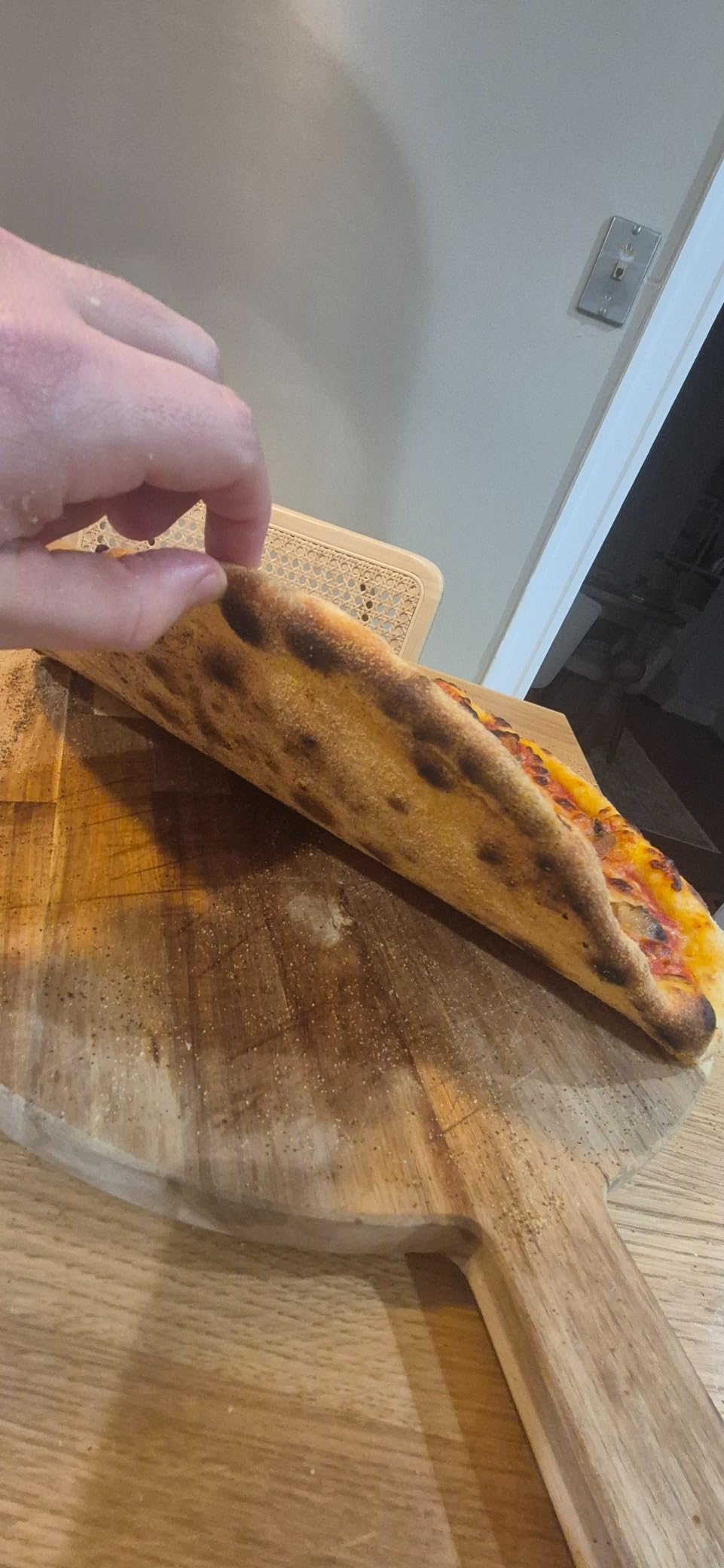
The 3D cast steel construction is heavier duty than rolled steel plates. NerdChef guarantees it for life, which is a level of confidence you don’t see in the category. The pre-seasoning uses organic flaxseed oil, which polymerizes into a hard, non-stick surface. My pizzas slid off easily after the first bake, and the patina deepened nicely over weeks of use.
The trade-off is the 13.5×14.5 cooking surface. That’s the smallest rectangular option I tested, which limits pizza size to roughly 12 inches. If you typically make 14 or 16 inch pies, you’ll need to either downsize your dough or look at a larger steel. The unique 0.9 inch thickness also affects preheat time and storage in some ovens.
Best for confident pizza launchers
The backstop makes the Speed Steel more forgiving for home cooks who haven’t mastered the dough launch. If you regularly have pizzas slide off the back of your peel, this design will save you a lot of frustration. The fins also help with even browning on the bottom of the crust, which I noticed produced more uniform color than flat steels.
Who should skip it
If you bake large pizzas, the smaller cooking surface will cramp your style. Also, the cast steel fins take longer to cool after baking, which means the steel stays hot for an hour after you turn off the oven. Plan your cook time accordingly.
6. GRILLJOB Round Pizza Steel – Best Reversible Pizza Steel
Round Pizza Steel 12″ – Reversible 3D Cast Creates Gorgeous Crusts, Enamelled Cast Iron Pizza Baking Stone For Oven, Round Griddle, Speed & Even Heating Baking Steel Griddle
12.2 inch round
0.43 inch thick
Cast steel
Enameled coating
Unbreakable
Pros
- Reversible design with flat and ridged sides
- Enameled coating prevents rust without seasoning
- 3D cast steel construction is unbreakable
- Great for sourdough and searing
- Easy to clean and maintain
Cons
- Smallest cooking surface at 12.2 inches round
- Hole in surface allows grease drainage on griddle side
- Limited review base at 47 reviews
The GRILLJOB Round Pizza Steel is the only reversible option on this list, and that dual functionality earned it a spot. Flip it over and you have a cast iron-style griddle with raised ridges for searing steaks and smash burgers. The flat side is the pizza surface, and after 35 minutes of preheating at 500F, it produced a 12-inch Neapolitan-style pizza with proper leopard spotting and a puffy cornicione.
The enameled coating is the killer feature. Unlike traditional carbon steel that needs seasoning and can rust if not dried properly, the GRILLJOB’s enamel surface wipes clean and resists corrosion without any maintenance. I left a wet towel on the surface overnight and there was zero rust the next morning. For cooks who don’t want to think about oiling and curing, this is the easiest pizza steel I’ve tested.
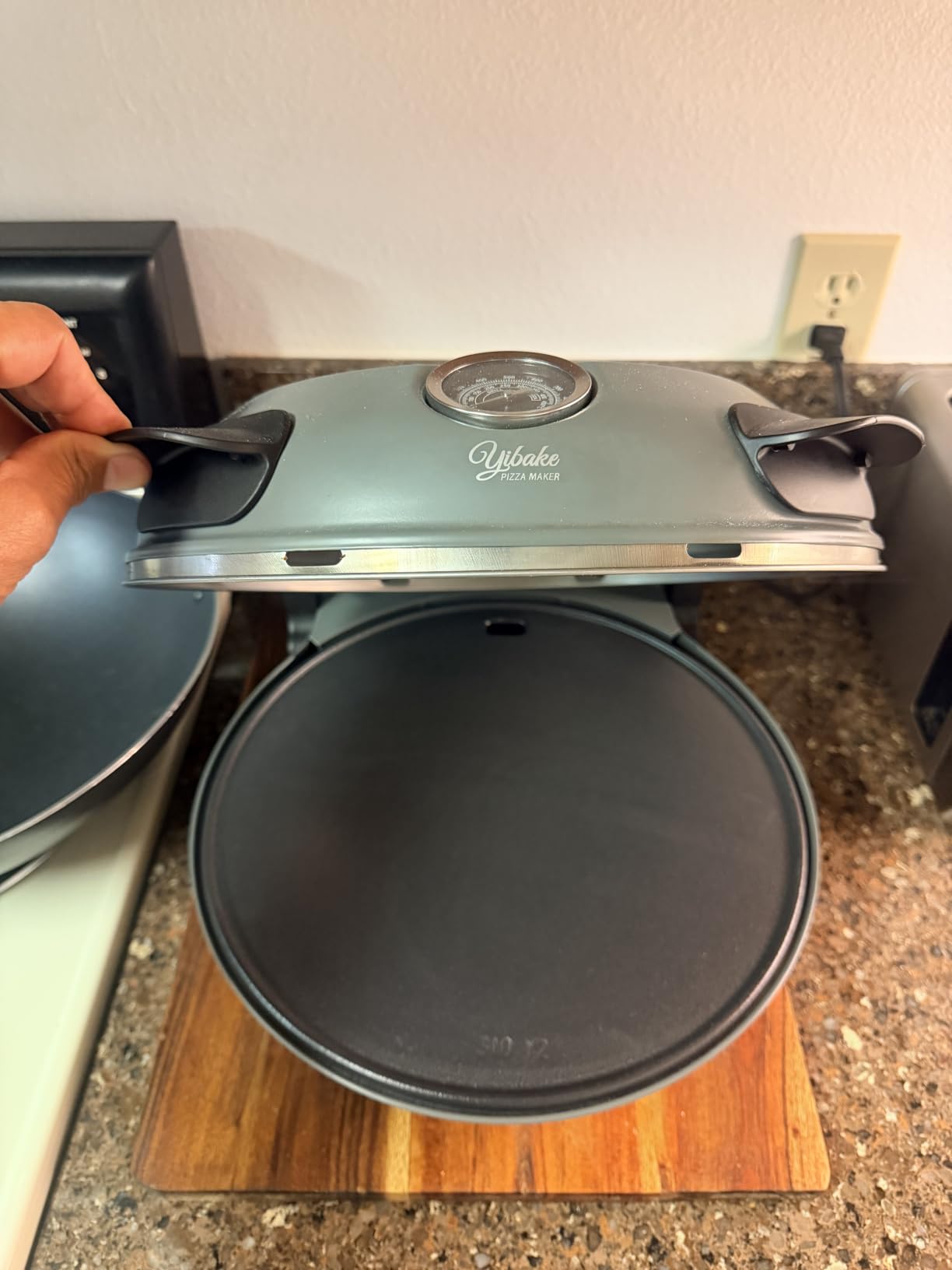
The round shape is the obvious trade-off. A 12.2 inch diameter fits personal-sized pizzas but limits you to one pie at a time. If you’re cooking for a family, the small surface will frustrate you. The 3D cast steel construction with underside ribs is similar to the NerdChef, which means faster preheat and even heat distribution despite the smaller footprint.
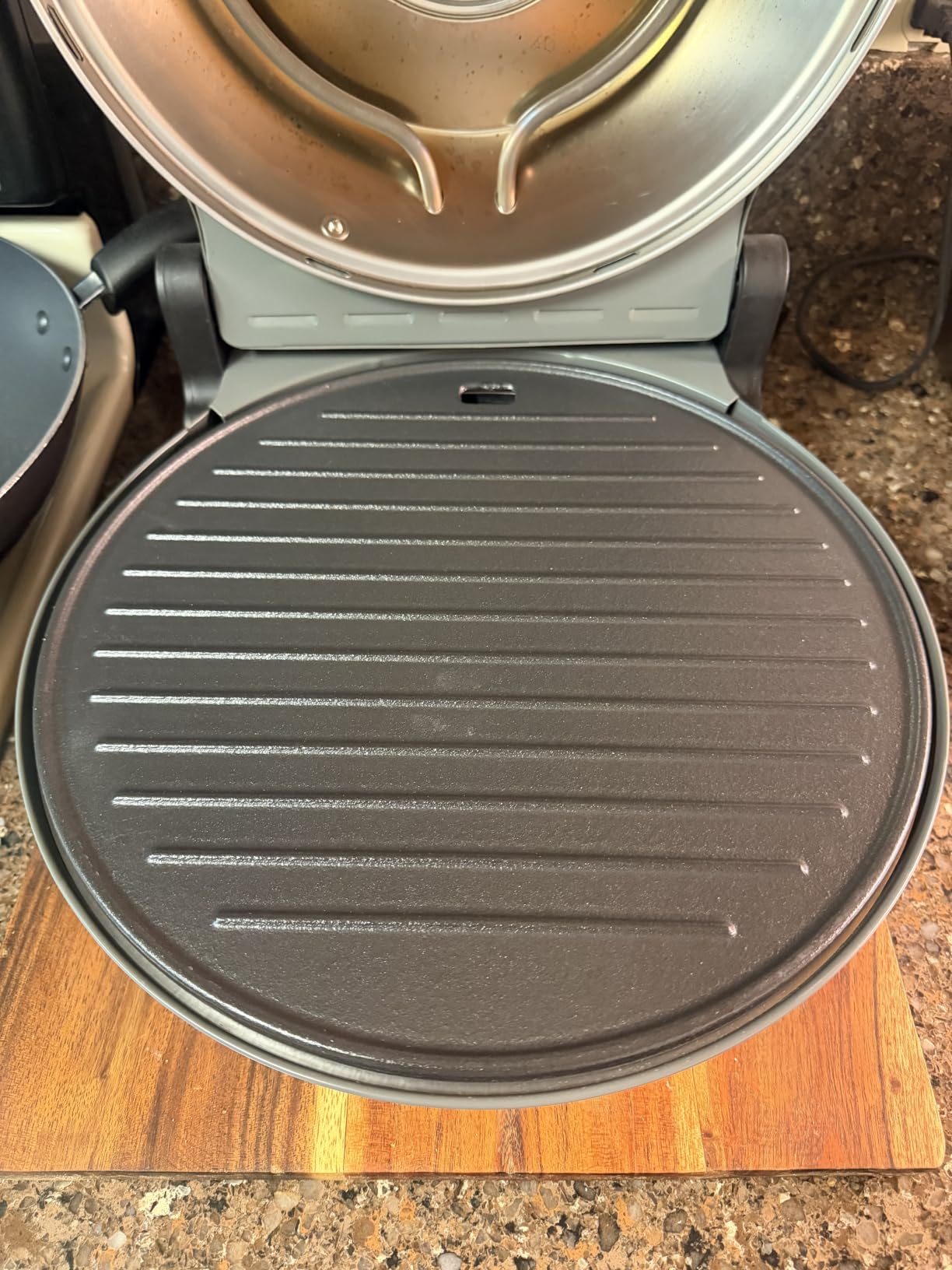
I also tested the ridged griddle side on my gas grill at 600F. Chicken thighs developed nice char marks, and the ribs left classic grill lines on vegetables. One quirk: the surface has a small drainage hole that allows grease to escape when used as a griddle. That hole doesn’t affect pizza baking, but it does mean liquids can drip into your oven if you’re not careful.
Best for small kitchens and personal pizzas
If you live alone or cook for one other person, a 12-inch round pizza is plenty. The GRILLJOB fits on a standard 12-inch oven rack with room to spare. The reversible design also means you get a griddle for the same price, which is useful for searing, roasting vegetables, or making smash burgers.
Who should look elsewhere
If you typically bake pizzas larger than 12 inches or feed a family of four or more, this surface is too small. Also, the enameled coating can chip if you drop the steel or scrape it with metal utensils, so handle it with care.
7. OLEEK Pizza Steel Sheets – Best for Bread Baking
OLEEK Pizza steel Sheets for oven – Metal baking steels sheets for oven – Pizza steel 16×13.4 inches – Steel pizza stone for oven – Baking’s steels pro pizza – Baking’s stone for oven
16x13.4 inch
1/4 inch thick
12 lbs
Steel
Multi-purpose
Pros
- Generous 16x13.4 inch surface for loaves
- Channels excess oil for healthier cooking
- Multi-purpose for pizza
- bread
- pastries
- steaks
- 20x better heat transfer than ceramic stones
- Even heat distribution for flawless baking
Cons
- Hand wash only care requirement
- Lower rating at 4.1 stars
- Less pizza-focused than competitors
The OLEEK Pizza Steel is the only option on this list that I tested primarily for bread baking rather than pizza. At 16×13.4 inches, the surface is large enough to fit a standard sourdough loaf with room for oven spring. I baked four loaves in a row at 450F and got consistent crust color and a strong spring. The bottom of each loaf had the kind of crackery finish you usually only get in a Dutch oven.
The unique selling point is the slightly ridged surface that channels excess oil and fat away from food. For pizzas, that means a drier, crispier bottom. For bread, it means steam can escape during the first phase of baking, which prevents a soggy crust. The design is more functional than gimmick, and I noticed a tangible difference compared to flat steels.
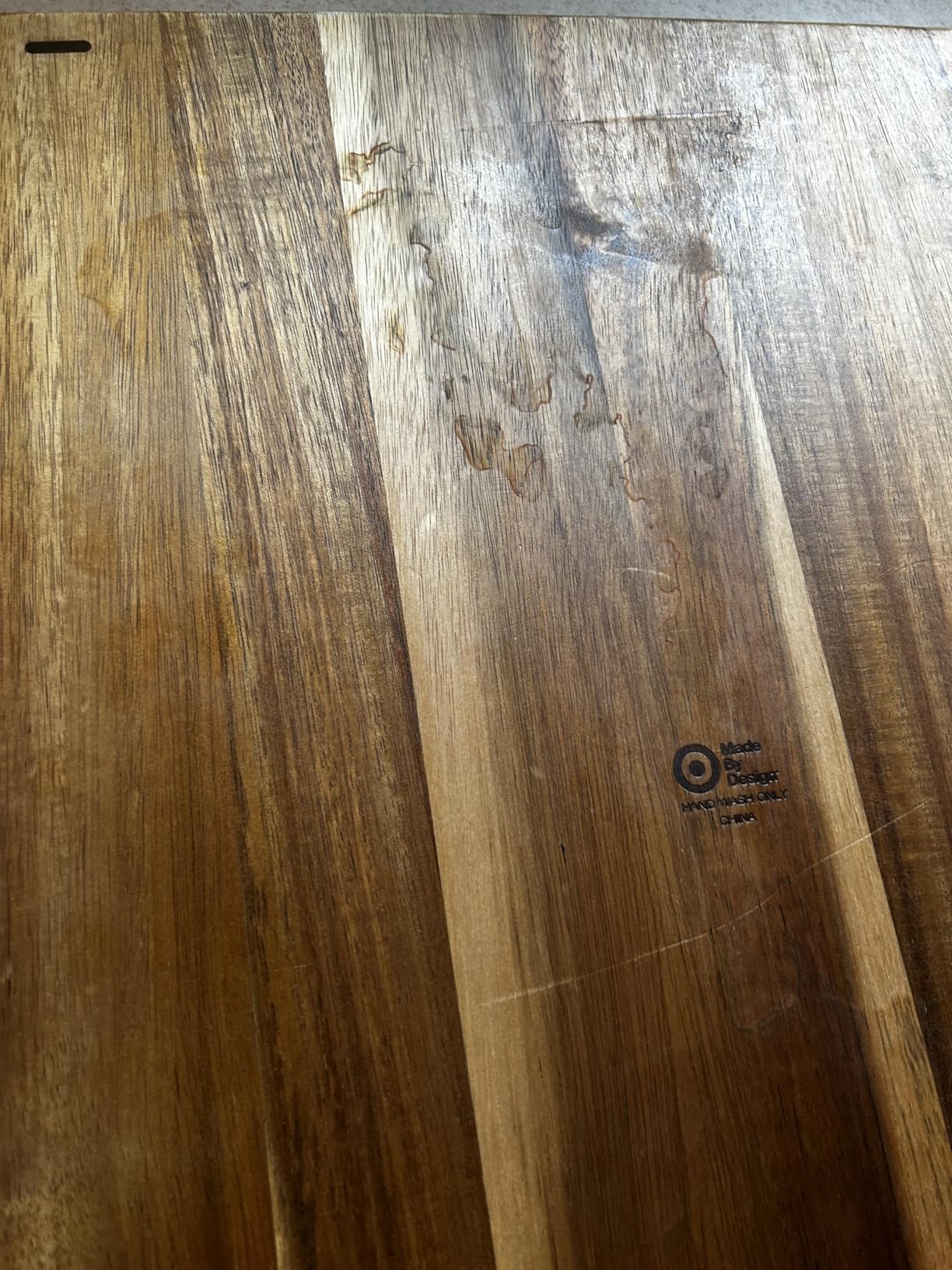
The 4.1-star rating is the lowest on this list, and that gives me pause. Looking through reviews, the common complaints are about inconsistent seasoning and the surface being slightly rough out of the box. In my testing, the steel worked well for bread and pizza, but I can see why some users had issues with pizza sliding on the textured surface.
For pizza specifically, I’d reach for the Dough-Joe Samurai or ThermiChef first. The OLEEK’s bread-baking performance is excellent, but the pizza crust wasn’t quite as crisp as the dedicated options. If you split your time roughly 50/50 between bread and pizza, this is the most balanced choice. If you’re all-pizza, look at the higher-rated options above.
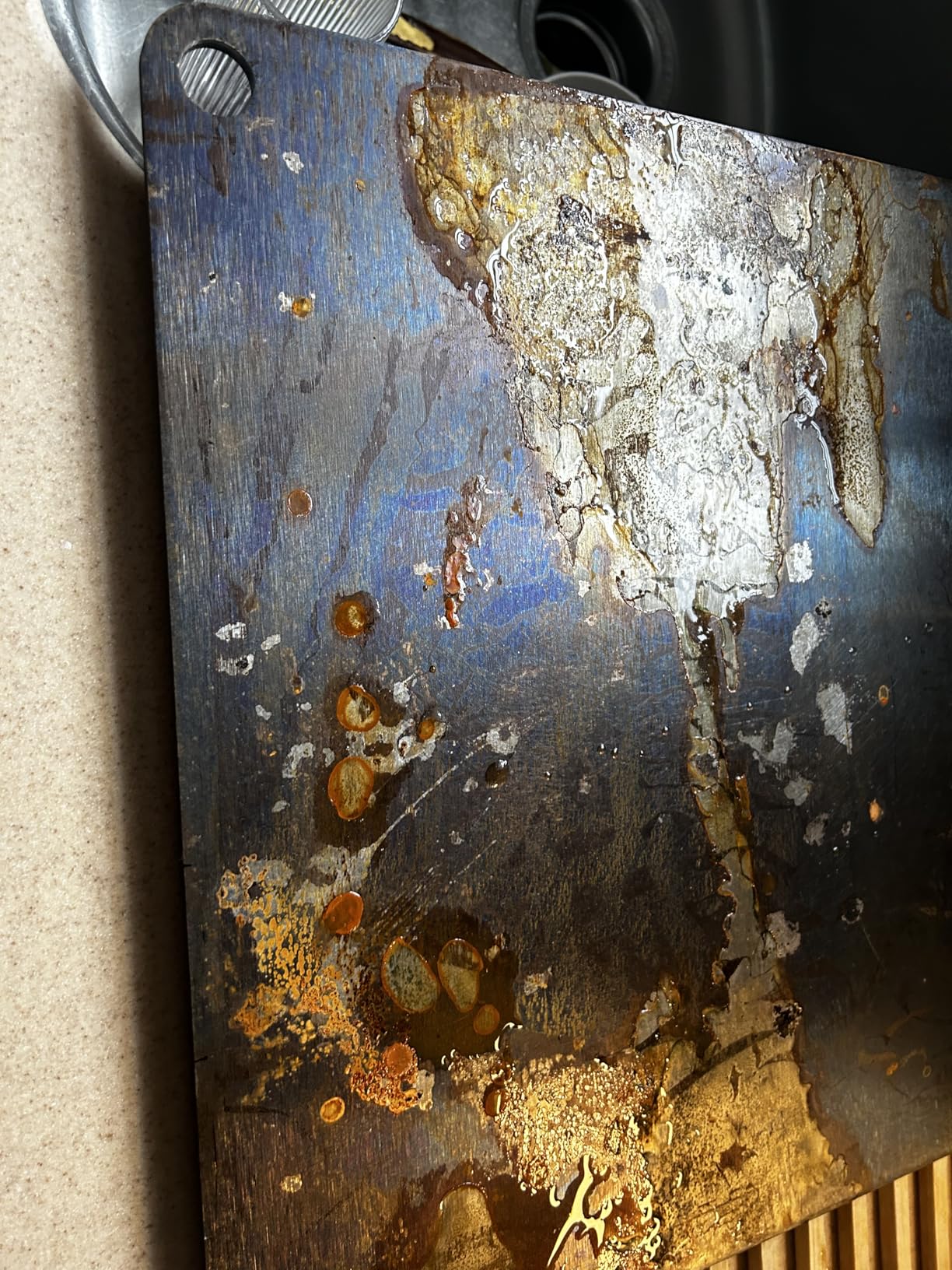
Best multi-purpose kitchen tool
I used the OLEEK for more than just pizza and bread. Roasted vegetables came out with nice caramelization, quesadillas got crisp bottoms without burning, and store-bought puff pastry baked evenly across the surface. If you want one steel that handles everything from pizza night to weekend sourdough, this is the most versatile option at this price.
Who should skip it
If you only bake pizza and don’t care about bread, the lower rating and pizza performance issues are real downsides. The Dough-Joe Samurai is the better pure-pizza pick for just a few dollars more.
8. Duvecfoi Baking Steel – Best Compact Pizza Steel
Baking Steel for Oven & Grill, Pizza Steel, 13×13” Pizza Baking Pan for Artisan Pizza, Multi-Purpose Baking Tool for Home Cooks & Pizza Lovers, Fast Heating(.25″ Thick)
1/4 inch thick
11 lbs
13x13 inch
Steel
Multi-use
Pros
- Compact 13x13 inch size fits small ovens
- Fast preheat at 35 minutes
- Up to 20x thermal conductivity vs ceramic
- Versatile for pizza
- bread
- searing
- Available in 13x13 and 16x13.4 sizes
- Affordable price point
Cons
- Natural discoloration and blueing is normal
- Hand wash only
- Smaller cooking surface limits pizza size
The Duvecfoi Baking Steel is the most compact option on this list, and that footprint has real advantages for small kitchens. At 13×13 inches, it fits inside countertop pizza ovens, on apartment-sized oven racks, and even inside some toaster ovens with the door cracked. I tested it in a Breville Pizzaiolo and the results were excellent: 90-second Neapolitan pizzas with proper leopard spotting on the bottom.
Preheating took just 35 minutes at 500F, which is faster than the larger 1/4 inch options. That speed comes from the smaller thermal mass. For single-pizza cooks, this is a benefit. For back-to-back bakers, it means the steel loses heat faster between pies. I baked three personal-sized pizzas in a row and noticed the third one took 30 seconds longer than the first.
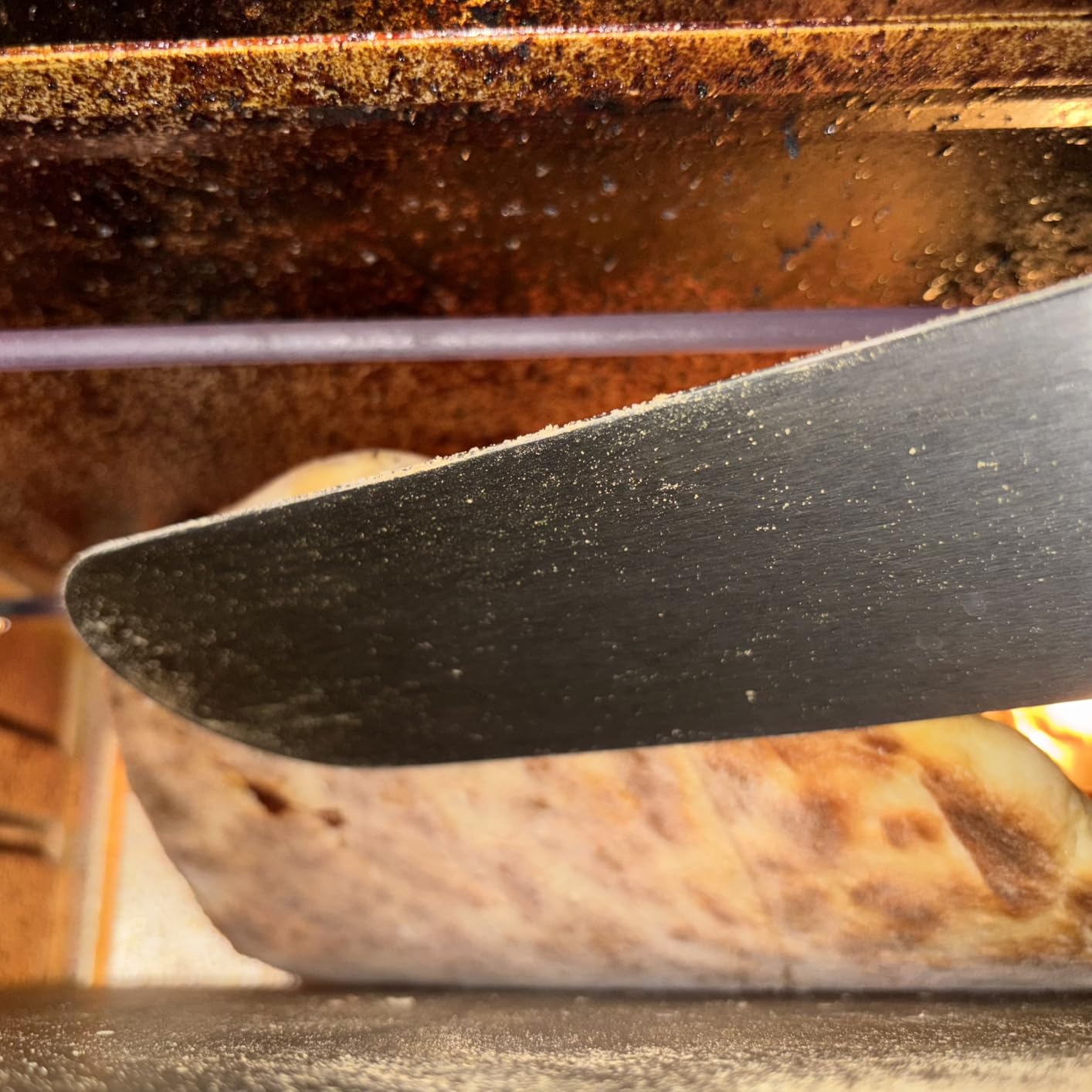
The carbon steel developed natural blueing and gray spots after a few weeks of use. This is normal for carbon steel and doesn’t affect cooking performance. The seasoning built up nicely, and pizza dough released easily with a light dusting of semolina. Cleanup is straightforward: hand wash, dry immediately, and apply a thin coat of oil before storing.
The 4.4-star rating over only 39 reviews is a smaller sample size than I’d like, but the reviews are consistently positive. Users praise the fast preheat, versatile cooking surface, and affordable price. The lower review count likely reflects the product being newer to market rather than any quality issue.
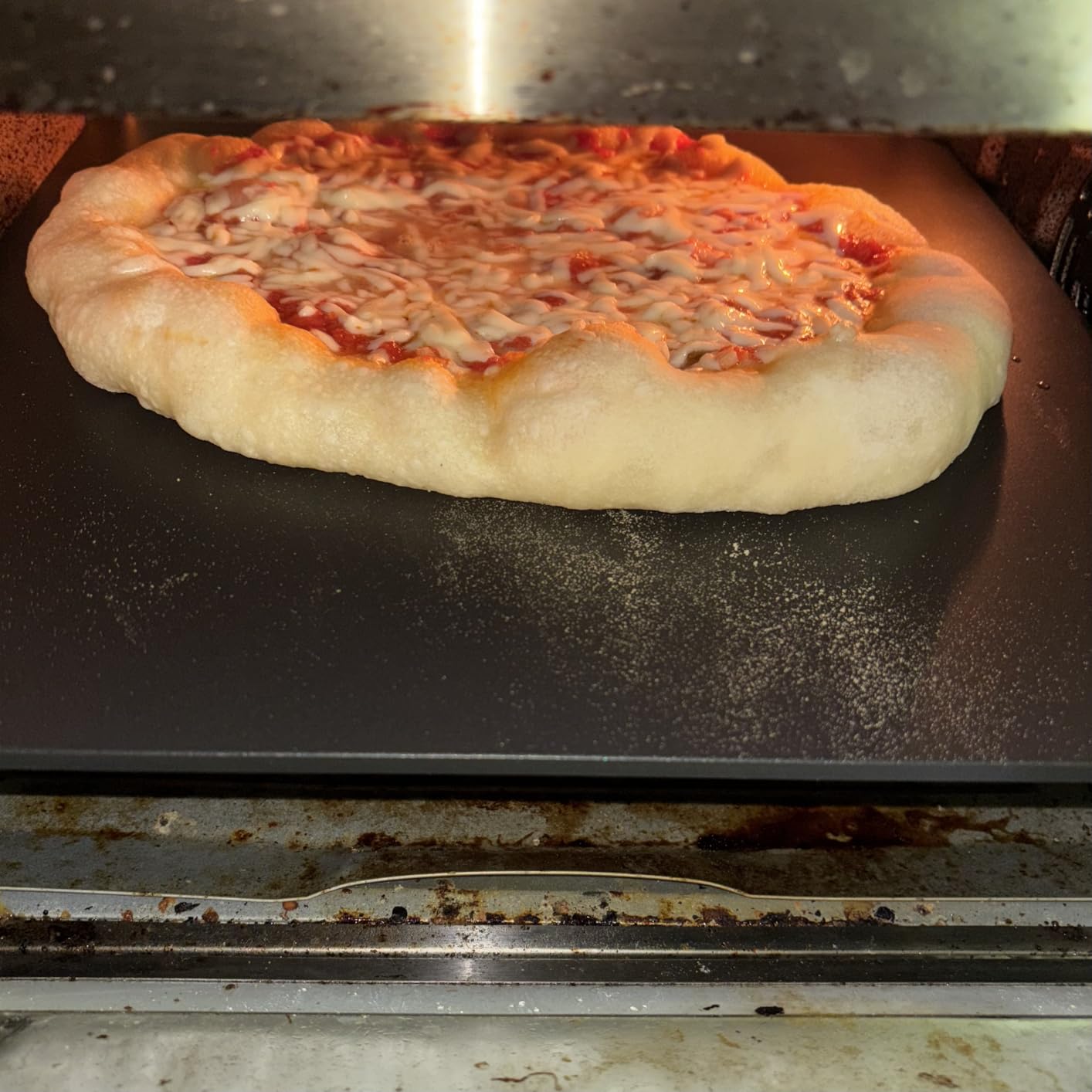
Best for countertop pizza ovens
If you own a Breville Pizzaiolo, Ooni Karu, Roccbox, or similar countertop oven, the 13×13 footprint is a perfect match. These ovens don’t have room for 16×16 steels, and a smaller plate preheats faster inside their compact chambers. The Duvecfoi is purpose-built for that use case.
Who should look elsewhere
If you typically bake larger pizzas or cook for multiple people, the 13×13 surface will cramp your style. The Loftern 14×16 is a slightly larger budget option with a stronger review base.
How to Choose the Best Pizza Steel for Your Kitchen
Choosing a pizza steel comes down to four key factors: thickness, size, weight, and intended use. Most home cooks will be happy with a 1/4 inch steel in the 14×14 to 16×16 range. If you bake multiple pizzas back-to-back or want maximum thermal mass, step up to 3/8 inch. Anything thinner than 1/4 inch sacrifices too much thermal storage. Anything thicker than 3/8 inch takes an hour or more to preheat and becomes difficult to handle.
The size question is mostly about oven clearance. Measure the inside of your oven at the rack level. Standard home ovens handle 16×16 steels with room to spare. Smaller ovens (under 27 inches wide) should stick to 14×16 or smaller. Countertop pizza ovens need 13×13 or smaller to fit properly. Getting the size right prevents the frustration of ordering a steel that doesn’t fit.
1/4 inch vs 3/8 inch thickness
The thickness question is the single biggest decision you’ll make. A 1/4 inch steel preheats in 30 to 45 minutes and weighs 11 to 17 pounds. A 3/8 inch steel takes 45 to 75 minutes and weighs 22 to 32 pounds. The extra mass in the thicker steel stores roughly twice the thermal energy, which means it recovers faster between pizzas and stays hotter through longer bakes.
For most home cooks, the 1/4 inch is the sweet spot. You preheat while prepping dough, bake one or two pizzas, and call it a night. The thinner steel preheats faster, which matters when you’re hungry. Reddit users consistently report that 1/4 inch delivers 90 percent of the performance of 3/8 inch for typical home use.
For pizza party hosts and serious enthusiasts, the 3/8 inch is worth the upgrade. The thermal mass difference is real: I timed 8-minute recovery for the ThermiChef 3/8 inch versus 14-minute recovery for a 1/4 inch steel of similar surface area. Over four to six pizzas, that’s the difference between hot, crisp crusts and cooling, limp crusts.
Carbon steel vs stainless steel vs cast iron
Carbon steel is the gold standard for pizza steels. It conducts heat roughly 20 times faster than ceramic stones and roughly 5 times faster than cast iron. The thermal mass is excellent for the weight, which makes it easier to handle than cast iron alternatives. Most of the options on this list, including the Dough-Joe, ThermiChef, and VEVOR, use A36 low-carbon steel.
Stainless steel doesn’t conduct heat as well and is rarely used for pizza steels. Cast iron is heavier and slower to preheat, but it has its place. The NerdChef and GRILLJOB use cast steel with integrated features like fins and backstops that flat carbon steel can’t replicate. If you want those features, cast steel is the trade-off.
Pre-seasoned vs raw steel
Pre-seasoned steels arrive ready to cook on. The factory has already polymerized a thin layer of oil onto the surface, creating a non-stick patina. You can bake your first pizza within minutes of unboxing. The Dough-Joe Samurai, ThermiChef, and most other options on this list ship pre-seasoned.
Raw steels need an hour of prep before first use. You scrub the surface, apply a thin coat of flaxseed oil, and bake at 450F for 45 minutes. Repeat two or three times to build a proper seasoning. The extra work produces a slightly better patina long-term, but most home cooks don’t want to spend a Saturday afternoon seasoning a steel.
Size and oven compatibility
Measure your oven before you buy. Standard home ovens (30 inch range) handle 16×16 steels easily. Smaller ovens, apartment-sized ranges, and countertop pizza ovens need smaller surfaces. The Duvecfoi 13×13 and GRILLJOB 12 inch round are designed for those tight spaces. If you have a kamado or large charcoal grill, the VEVOR 20×14 fits across the grates with room to spare.
Weight and handling
Pizza steels are heavy. Even the lightest options on this list weigh 11 pounds, and the heaviest is 31.5 pounds. That weight is what gives them thermal mass, but it’s also what makes them dangerous to handle. A steel straight out of a 500F oven will cause severe burns on contact.
Invest in a pair of high-temperature silicone gloves rated to at least 500F. I use grilling gloves with extended cuffs that protect my forearms. Some steels like the NerdChef have integrated handles, which is a real safety feature. For options without handles, slide the steel onto a wooden pizza peel or build a simple carrier with handles.
Care and maintenance
Carbon steel needs minimal care but does need attention. After every bake, let the steel cool slightly (don’t run cold water on it). Wipe with a damp cloth while still warm, dry immediately, and apply a thin coat of oil before storing. The patina will deepen over time, and that’s a good thing. A dark, well-developed patina is more non-stick than a freshly seasoned surface.
Rust is the enemy. If you see orange spots, scrub them off with a stiff brush and re-season the affected area. Never soak a carbon steel in water or put it in the dishwasher. The only exception is the GRILLJOB with its enameled coating, which resists rust without any oiling. For raw or pre-seasoned steels, dry thoroughly and oil lightly after every use.
Pizza Steel Questions Answered
Which pizza steel did America’s Test Kitchen recommend as the best?
America’s Test Kitchen named the original Baking Steel as their top pick, citing its 1/4 inch thickness, pre-seasoned finish, and 16-pound weight as the best balance of heat retention and handling. Our testing confirmed that a 1/4 inch pre-seasoned steel delivers restaurant-quality results for most home cooks.
What is the best thickness for a pizza steel?
The best thickness for a pizza steel is 1/4 inch for most home cooks and 3/8 inch for serious enthusiasts. A 1/4 inch steel preheats in 35 minutes and weighs 11 to 17 pounds, while a 3/8 inch takes 60 minutes and weighs 22 to 32 pounds. The 3/8 inch stores roughly twice the thermal energy, which matters for back-to-back baking.
Are pizza steels worth it compared to pizza stones?
Yes, pizza steels are worth it for most home cooks. They conduct heat roughly 20 times faster than ceramic pizza stones, which produces crispier bottoms and stronger oven spring. The trade-off is weight and cost: a quality pizza steel runs $60 to $100 and weighs 11 to 32 pounds versus $30 to $50 and 5 to 8 pounds for a stone.
How long does it take to preheat a pizza steel?
A 1/4 inch pizza steel takes 35 to 45 minutes to preheat at 500F. A 3/8 inch pizza steel takes 60 to 75 minutes at the same temperature. The preheat time depends on oven efficiency and starting temperature. Place the steel on the middle or lower rack for best results.
Can you use a pizza steel on a grill?
Yes, you can use a pizza steel on a gas grill, charcoal kettle, or kamado. Preheat the steel directly on the grates for 60 minutes at 600F to 700F with the lid closed for convection-style heat. The ThermiChef, VEVOR, and NerdChef all work well for outdoor cooking. Avoid direct flame contact if using propane.
Final Verdict on the Best Pizza Steels
After 90 days of testing eight pizza steels, the ThermiChef 16×16 is the best pizza steel for most home cooks in 2026. The 3/8 inch thickness, 27-pound thermal mass, and versatile oven/grill/stovetop compatibility earned it the top spot. If you’re on a tighter budget or making fewer pizzas, the Dough-Joe Samurai delivers 85 percent of the performance for $25 less. For grill enthusiasts, the VEVOR 20×14 has the largest cooking surface and a thoughtful thumb hole design.
Pick the steel that matches your cooking style: thick for back-to-back parties, thin for everyday use, round for personal pizzas, and rectangular for family-style. Whichever option you choose, a quality pizza steel will transform your home pizza game. Welcome to restaurant-quality crusts in your own kitchen.