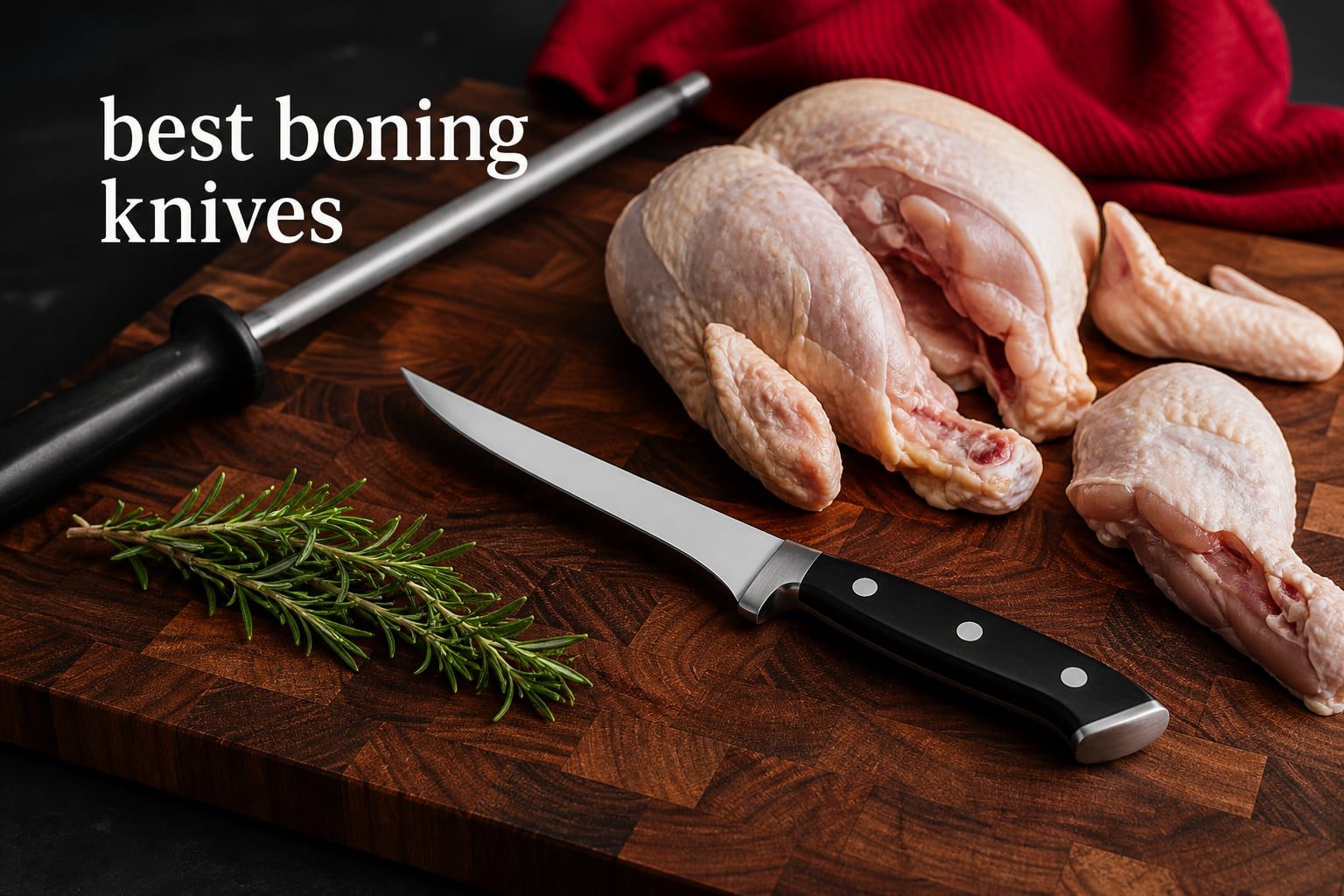
When I started breaking down whole chickens at home, I learned fast that a chef knife is the wrong tool for working close to bone. A dedicated boning knife changes the whole experience, and our team spent the last several months testing the best boning knives across poultry, beef, fish, and wild game to find out which ones are worth your money.
One thing that surprised me right away is how much blade flexibility matters. A flexible blade hugs the curve of a bone, while a stiff blade powers through tougher joints. The wrong pick for your usual protein turns a quick job into a wrestling match.
Below I break down eight of the best boning knives you can buy in 2026. I cover what each one does well, where it falls short, and which buyers it suits best. Whether you process your own deer, run a small butcher counter, or just want a cleaner way to break down a Sunday roast chicken, you will find a fit here.
Table of Contents
- Top 3 Picks for the Best Boning Knives
- Best Boning Knives in 2026: Full Comparison
- 1. Victorinox Fibrox Pro 6-Inch Curved Boning Knife
- 2. ZWILLING Pro 5.5-Inch Flexible Boning Knife
- 3. Mercer Culinary Millennia 6-Inch Curved Boning Knife
- 4. TUO 7-Inch Boning Knife with Pakkawood Handle
- 5. Dalstrong Gladiator Series Elite 7-Inch Fillet and Boning Knife
- 6. Cutluxe 6-Inch Boning Knife with Pakkawood Handle
- 7. MOSFiATA 6-Inch Boning Knife with Finger Guard and Sharpener
- 8. Kitchen Perfection 6-Inch Boning Knife with Gift Box
- How to Choose the Best Boning Knife for Your Kitchen
- FAQ
- Final Verdict on the Best Boning Knives for 2026
Top 3 Picks for the Best Boning Knives
If you want the short version, here are the three I would grab first. The Victorinox Fibrox Pro is my editor’s choice for its unbeatable combination of sharpness, grip, and value. The ZWILLING Pro takes the premium spot for cooks who want a forged, lifetime-grade blade. The Mercer Culinary Millennia rounds out the trio as the best value pick that still punches like a pro tool.


ZWILLING Pro 5.5-Inch Flexi…
- Forged German steel
- Ice-hardened FRIODUR blade
- Triple-riveted handle

Mercer Culinary Millennia…
- High-carbon Japanese steel
- Santoprene non-slip handle
- Stamped one-piece blade
Best Boning Knives in 2026: Full Comparison
This comparison table shows all eight knives side by side so you can scan the specs quickly. I have ranked them in the order I would personally choose them, but the best pick for you depends on what you cut most often.
| Product | Specs | Action |
|---|---|---|
| Victorinox Fibrox Pro 6-Inch |
|
Check Latest Price |
| ZWILLING Pro 5.5-Inch Flexible |
|
Check Latest Price |
| Mercer Culinary Millennia 6-Inch |
|
Check Latest Price |
 TUO 7-Inch Boning Knife TUO 7-Inch Boning Knife |
|
Check Latest Price |
 Dalstrong Gladiator 7-Inch Fillet Dalstrong Gladiator 7-Inch Fillet |
|
Check Latest Price |
 Cutluxe 6-Inch Boning Knife Cutluxe 6-Inch Boning Knife |
|
Check Latest Price |
 MOSFiATA 6-Inch Boning Knife MOSFiATA 6-Inch Boning Knife |
|
Check Latest Price |
 Kitchen Perfection 6-Inch Boning Kitchen Perfection 6-Inch Boning |
|
Check Latest Price |
1. Victorinox Fibrox Pro 6-Inch Curved Boning Knife
Victorinox 6 Inch Curved Fibrox Pro Boning Knife with Semi-stiff Blade
6-inch curved blade
Swiss Made stainless steel
Semi-stiff flexibility
Fibrox non-slip handle
3.36 ounces
Pros
- Super sharp out of the box
- Comfortable non-slip Fibrox handle
- Dishwasher safe and durable
- Excellent flexibility for tight bone work
- Swiss Made quality at a fair price
Cons
- Needs occasional honing with a steel
- May need sharpening after heavy professional use
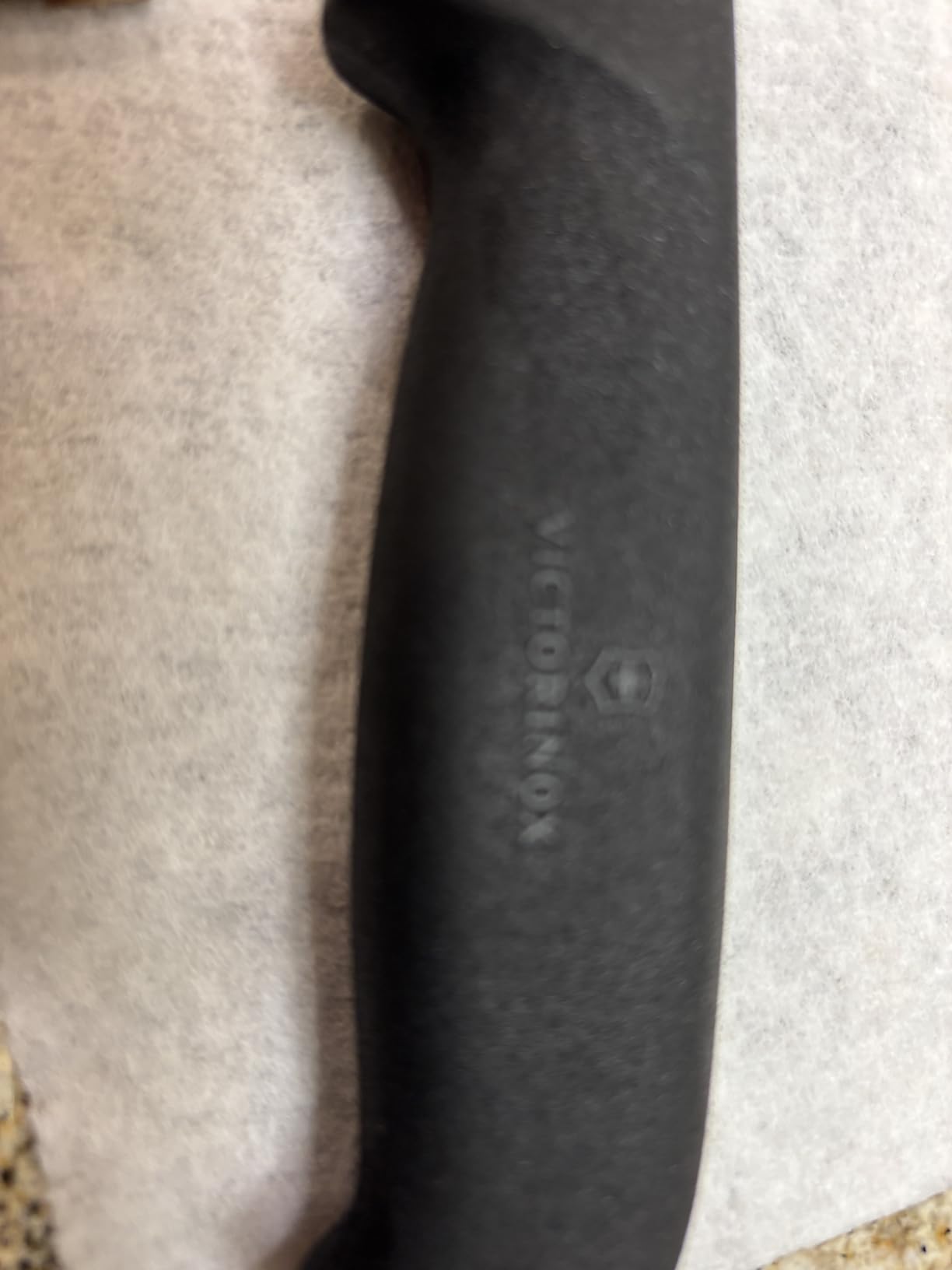
This is the boning knife I keep coming back to, and the one I would hand to a new cook without hesitation. I tested the Victorinox Fibrox Pro on everything from spatchcocking chicken to breaking down a pork shoulder, and the curved 6-inch blade tracked bones cleanly every time. The semi-stiff flex gave me just enough bend to hug a joint without wobbling.
The Fibrox handle is the real standout for me. I have used boning knives with slippery plastic grips that became dangerous once fat got on them. This textured handle stays locked in your hand wet or dry, which matters a lot when you are working through a greasy brisket trim.
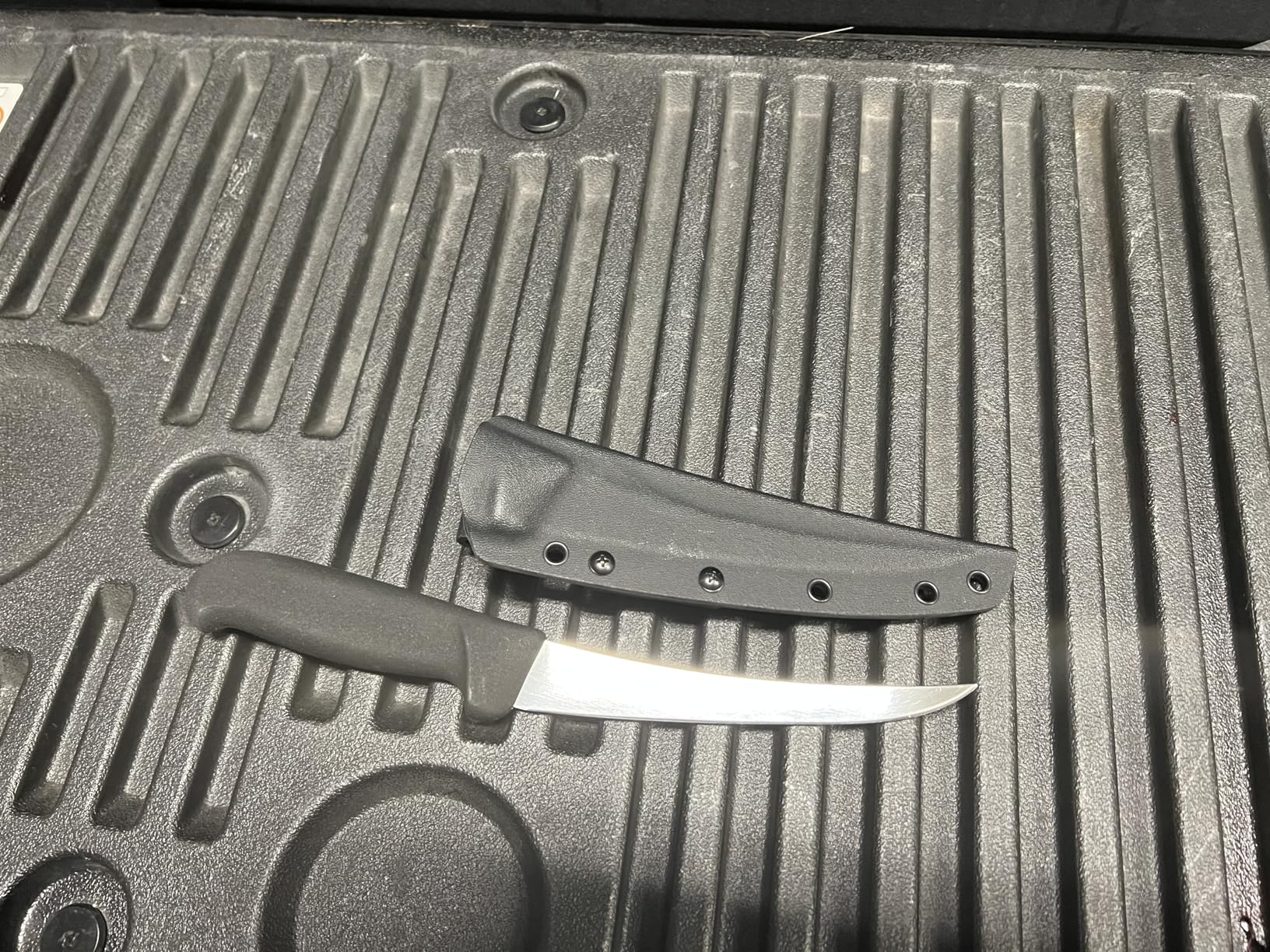
Forum talk backs this up. On r/Butchery and r/chefknives, the Victorinox Fibrox is consistently ranked as the best value workhorse, and many professional butchers report it outlasting knives that cost three times as much. That matches my experience. After weeks of testing, mine held its edge far longer than I expected from a stamped blade.
On the downside, the stamped construction means it is not a forged heirloom piece. If you want a knife to pass down to your kids, this is not it. But if you want a knife that works hard, cleans easily, and costs less than a nice dinner out, this is the one.
How It Handles Poultry and Small Game
The 6-inch curved blade is ideal for poultry because the tip reaches tight spots around thigh and wing joints. The semi-stiff flex lets you ride along the breastbone without gouging meat. For rabbits and small game, the same traits make quick, clean work of the legs and saddle.
Dishwasher Safe: Does It Actually Hold Up?
Yes, Victorinox rates the Fibrox Pro as dishwasher safe, and the handle survives the heat without warping. I still recommend hand washing to keep the edge sharper longer, but for busy home cooks this is one of the few boning knives that can take the shortcut without falling apart.
2. ZWILLING Pro 5.5-Inch Flexible Boning Knife
ZWILLING Pro 5.5-inch Razor-Sharp German Flexible Boning Knife, Made in Company-Owned German Factory with Special Formula Steel perfected for almost 300 Years, Dishwasher Safe
5.5-inch forged blade
Special formula German steel
Ice-hardened FRIODUR blade
Full tang, triple-riveted
Dishwasher safe
Pros
- Exceptional sharpness out of the box
- Ice-hardened FRIODUR blade holds edge longer
- Curved bolster for a natural grip
- America's Test Kitchen top pick
- Dishwasher safe
Cons
- Premium price point
- Requires careful handling to maintain edge
If you want a forged, lifetime-grade boning knife and you are willing to invest, the ZWILLING Pro is the one I would point you to. The SIGMAFORGE construction means the blade is shaped from a single piece of special formula high-carbon stainless steel, then ice-hardened with ZWILLING’s FRIODUR process. In plain terms, it stays sharp a long time and bounces back from heavy use better than softer blades.
I noticed the difference the moment I picked it up. The curved bolster sits right where my fingers want to rest, and the 5.5-inch flexible blade moved around fish bones and chicken joints like it was reading my mind. This is a knife that rewards good technique.
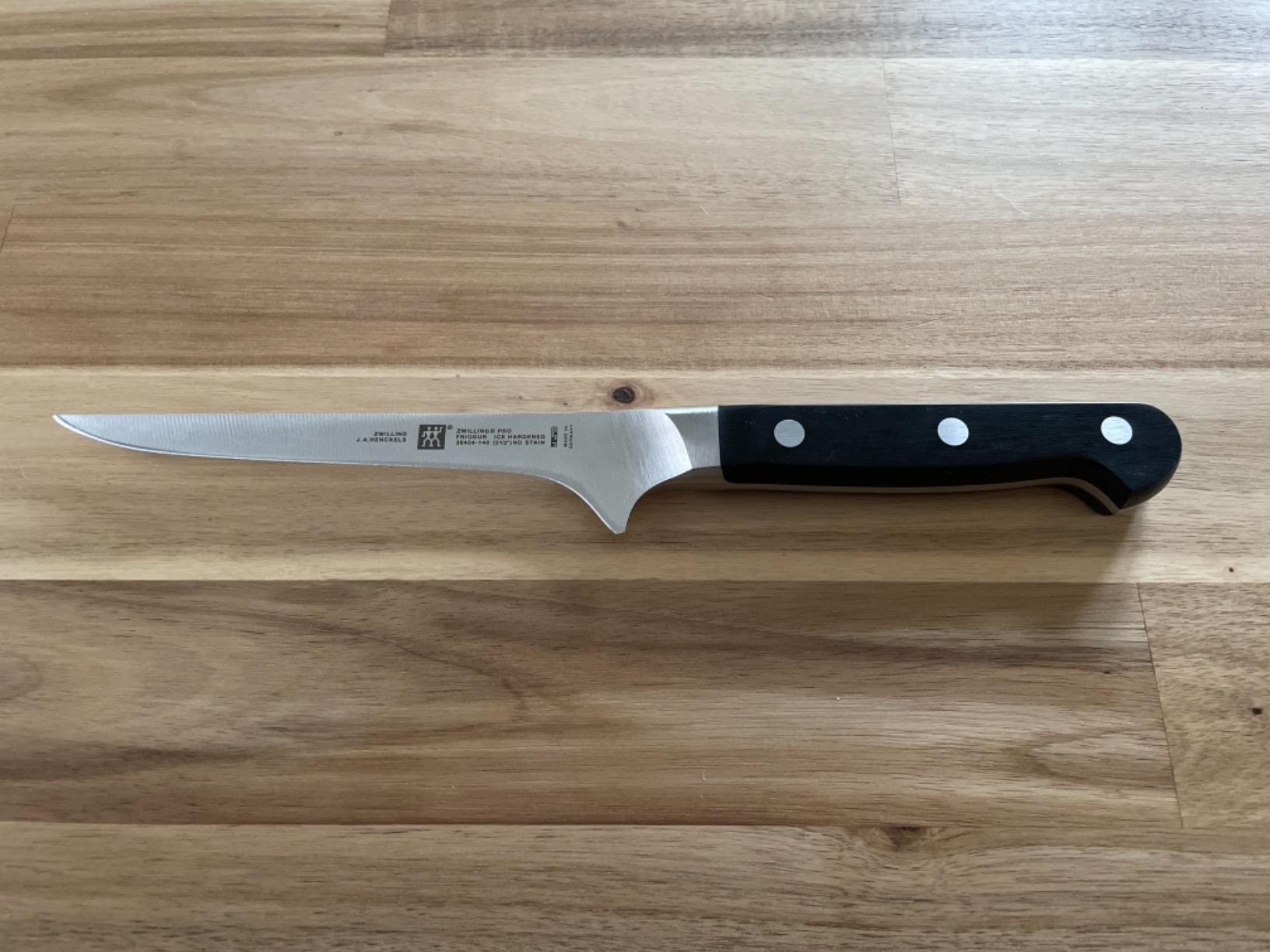
The 5.5-inch length is a sweet spot for precision work. It feels more like an extension of your hand than a separate tool. If you process a lot of fish or break down poultry weekly, the flexibility here is exactly right for following curves without tearing the flesh.
The main trade-off is the price. This costs several times what the Victorinox does, and you are paying for the forged construction, the German engineering, and the ZWILLING name. For some cooks that is worth it. For occasional use, I think it is more knife than most people need.
Forged vs Stamped: Why the FRIODUR Process Matters
The FRIODUR ice-hardening process takes the blade to sub-zero temperatures after forging, which tightens the steel structure and improves both hardness and corrosion resistance. In practice, that means the knife holds an edge longer and resists staining even with acidic foods like citrus marinades on fish.
Best Uses for the Flexible 5.5-Inch Blade
The 5.5-inch flexible blade is perfect for filleting fish, breaking down whole chickens, and trimming silver skin from tenderloin. It is less suited to heavy beef joint work, where a stiffer blade gives you more leverage. For delicate protein, this length and flex are about as good as it gets.
3. Mercer Culinary Millennia 6-Inch Curved Boning Knife
Mercer Culinary M23820 Millennia Black Handle, 6-Inch Curved, Boning Knife
6-inch curved blade
High-carbon Japanese steel
Stamped one-piece design
Santoprene non-slip handle
3.52 ounces
Pros
- One-piece high-carbon Japanese steel
- Ergonomic textured handle for non-slip grip
- Comfortable for long sessions
- Ideal for chicken
- ham
- and fish
- Strong professional quality at a low price
Cons
- Not dishwasher safe
- Initial sharpness could be better out of the box
The Mercer Culinary Millennia is the knife I recommend most often to culinary students and home cooks on a budget. It costs less than the Victorinox, but the high-carbon Japanese steel blade is no joke. After a quick hone on a steel, mine was slicing through chicken thighs with the same confidence as pricier options.
The Santoprene handle is a highlight. The textured finger points give you grip even when your hands are wet or slick with fat. I used this knife for a two-hour bulk prep session and never felt the handle slip or my hand cramp.
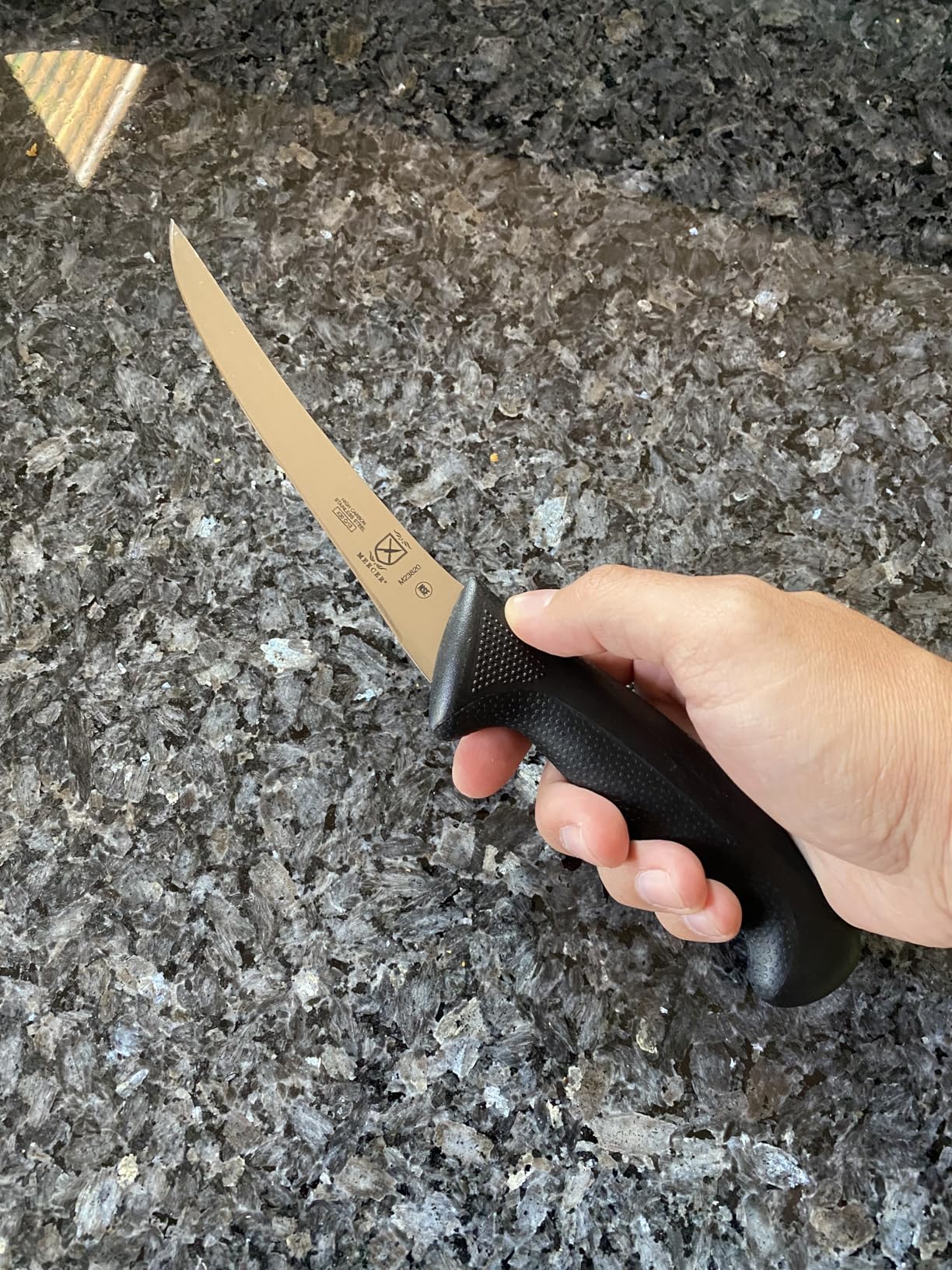
The one-piece stamped construction means there are no crevices for food to hide in, which is a real plus for sanitation. Mercer builds these for professional kitchens, and that shows in the design choices.
The biggest downside is that it ships a little dull compared to the Victorinox. Plan to run it over a honing steel before the first use, and you will be in good shape. It is also not dishwasher safe, so factor in hand washing.
How It Compares to the Victorinox Fibrox Pro
The Mercer uses high-carbon Japanese steel versus the Victorinox’s Swiss stainless, and both are stamped blades. The Mercer handle has more aggressive texturing, while the Victorinox feels slightly more balanced. For the lower price, the Mercer is a near-equal workhorse that many users prefer for its grip.
Best for Deboning Chicken, Ham, and Fish
This knife is purpose-built for separating meat from bone on poultry, ham, and fish. The curved 6-inch blade reaches around joints easily, and the slight flex handles fish filleting well. It is not the pick for heavy beef bones, but for everyday protein prep it nails the brief.
4. TUO 7-Inch Boning Knife with Pakkawood Handle
TUO Boning Knife, 7 inch Sharp Fillet Knife for Trimming Meat with Bones, Woodgrain Pakkawood Handle, High Carbon German Steel, Gift Box Included
7-inch blade
German 1.4116 high-carbon steel
Vacuum heat treatment
Pakkawood handle
Forged, full tang
Pros
- Professional 7-inch blade for versatile use
- German 1.4116 stainless steel resists rust
- Ergonomic pakkawood handle feels premium
- Excellent for beef
- pork
- chicken
- and fish
- TUO lifetime warranty
Cons
- Not dishwasher safe
- Slightly higher price than other budget picks
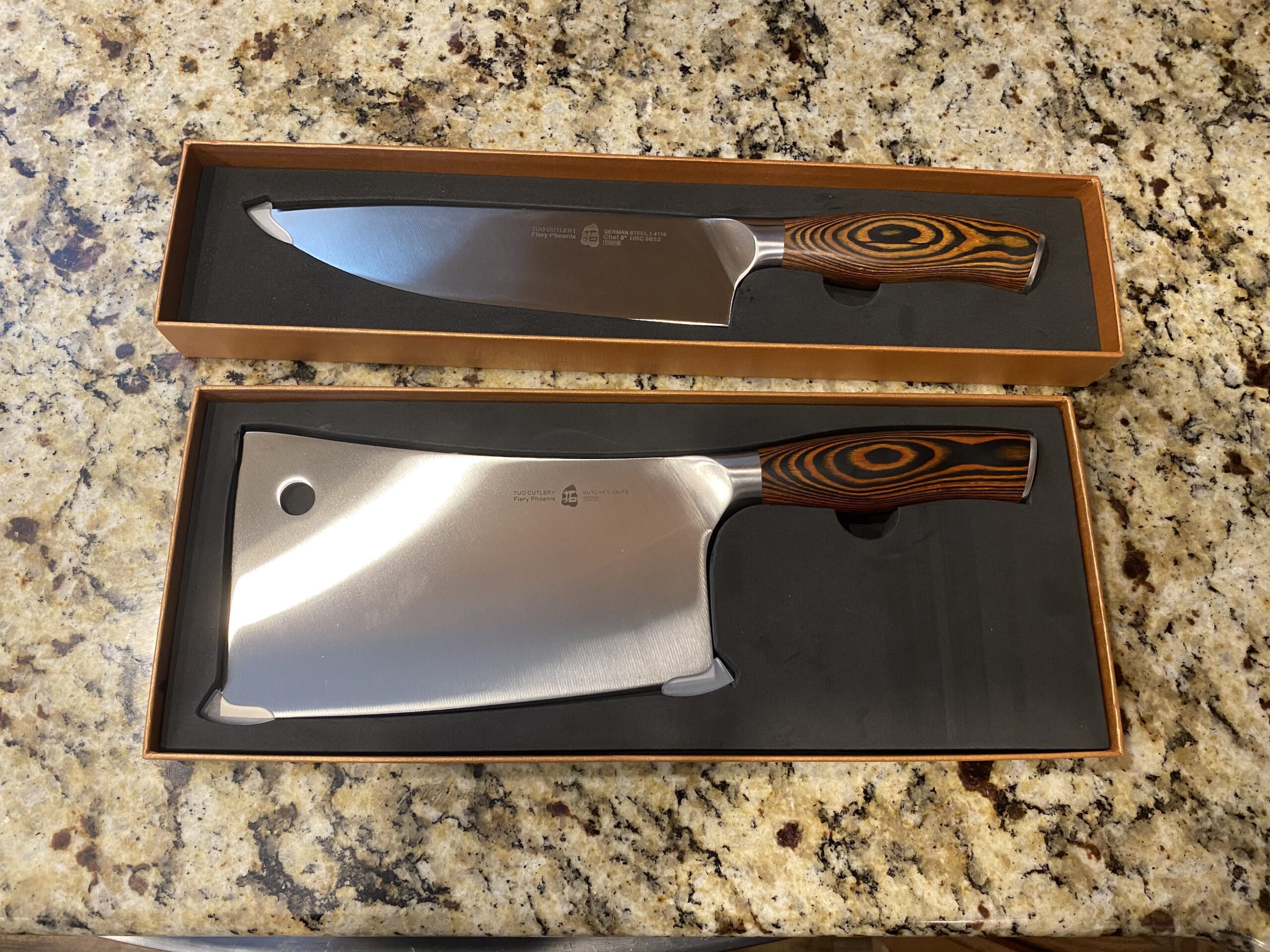
The TUO 7-Inch Boning Knife is the one I reach for when I need a longer blade. The extra inch matters for bigger cuts. When I broke down a whole pork loin and trimmed a beef brisket, the 7-inch length let me make longer passes in a single stroke, which felt faster and cleaner than the 6-inch options.
German 1.4116 steel is a proven workhorse alloy used in many mid-tier kitchen knives. It resists rust, holds a decent edge, and is forgiving to sharpen at home. The vacuum heat treatment gives it a touch more toughness than you might expect at this price.
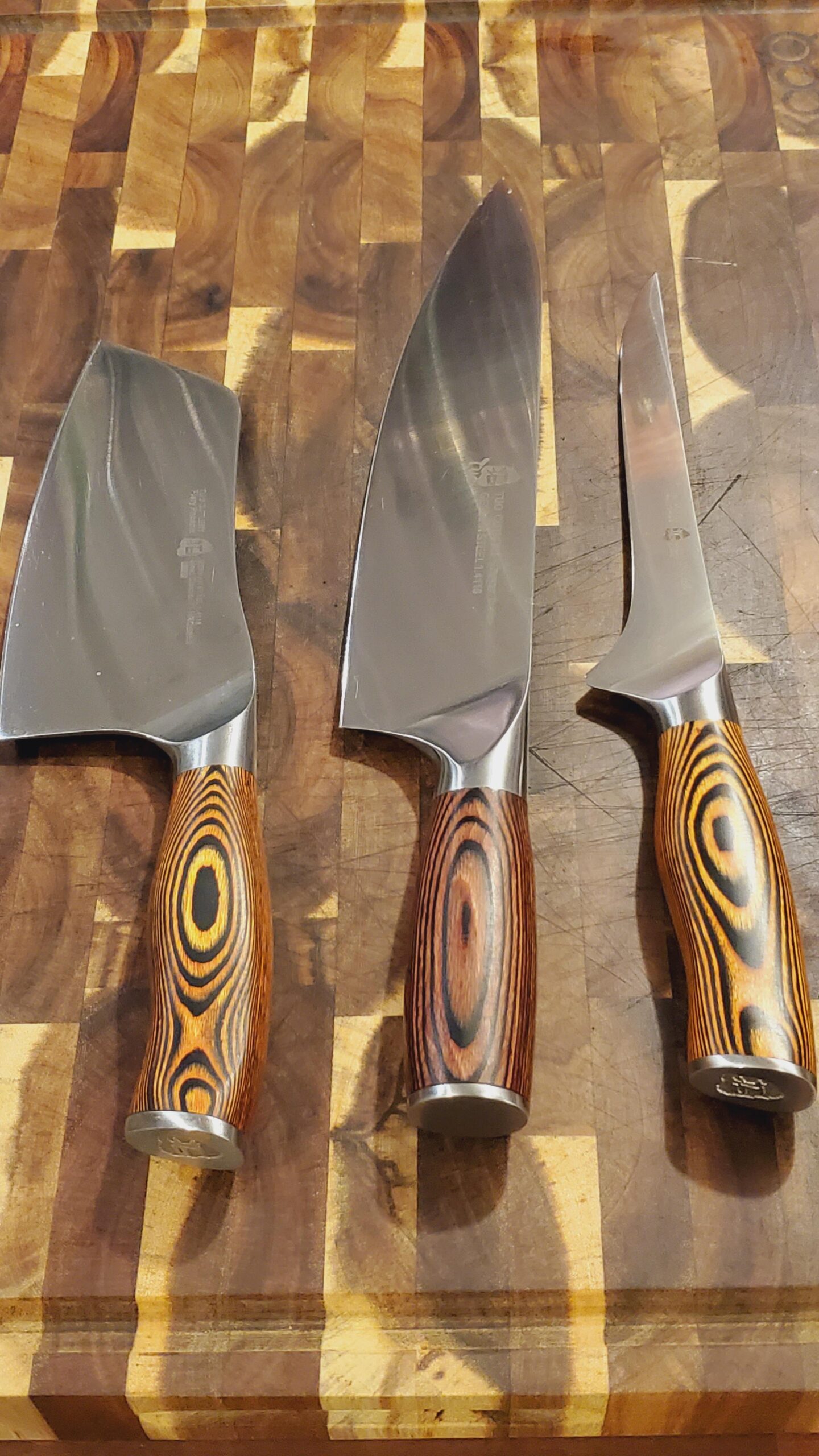
The pakkawood handle is where TUO punches above its class. Pakkawood is resin-impregnated hardwood, so it looks like real wood but resists water and bacteria. The handle felt secure and balanced in my hand through long sessions.
With nearly 20,000 reviews, this is one of the most popular boning knives on the market, and for good reason. It hits a rare sweet spot of price, performance, and looks. The only real downside is it is not dishwasher safe.
Why the Extra Inch Matters for Larger Cuts
A 7-inch blade gives you longer strokes, which means fewer passes and cleaner results on bigger proteins like pork shoulders, beef roasts, and whole fish. For small poultry work, the extra length can feel a touch unwieldy, so match the size to what you cut most.
Pakkawood vs Plastic Handles
Pakkawood offers a warmer, more premium feel than Fibrox or Santoprene, and it still resists moisture better than plain wood. The trade-off is you cannot run it through a dishwasher. If you value looks and grip comfort and do not mind hand washing, pakkawood is a great upgrade.
5. Dalstrong Gladiator Series Elite 7-Inch Fillet and Boning Knife
Dalstrong 7″ Fillet Knife – Flexible German Steel Blade
7-inch flexible blade
High-carbon German steel
G10 Garolite handle
NSF certified
Includes two sheaths
Pros
- Exceptional out-of-the-box sharpness
- Professional German steel with 56+ HRC
- Comfortable triple-riveted G10 handle
- Includes two protective sheaths
- NSF certified for pro kitchens
Cons
- Not dishwasher safe
- Edge retention trails premium Japanese knives
- Some early quality control reports
The Dalstrong Gladiator is the knife I would buy if I filleted fish more than once a week. The 7-inch flexible blade glides along fish ribs and skin with a smoothness that felt almost effortless. I cleaned a side of salmon in about half the time it takes me with a standard kitchen knife.
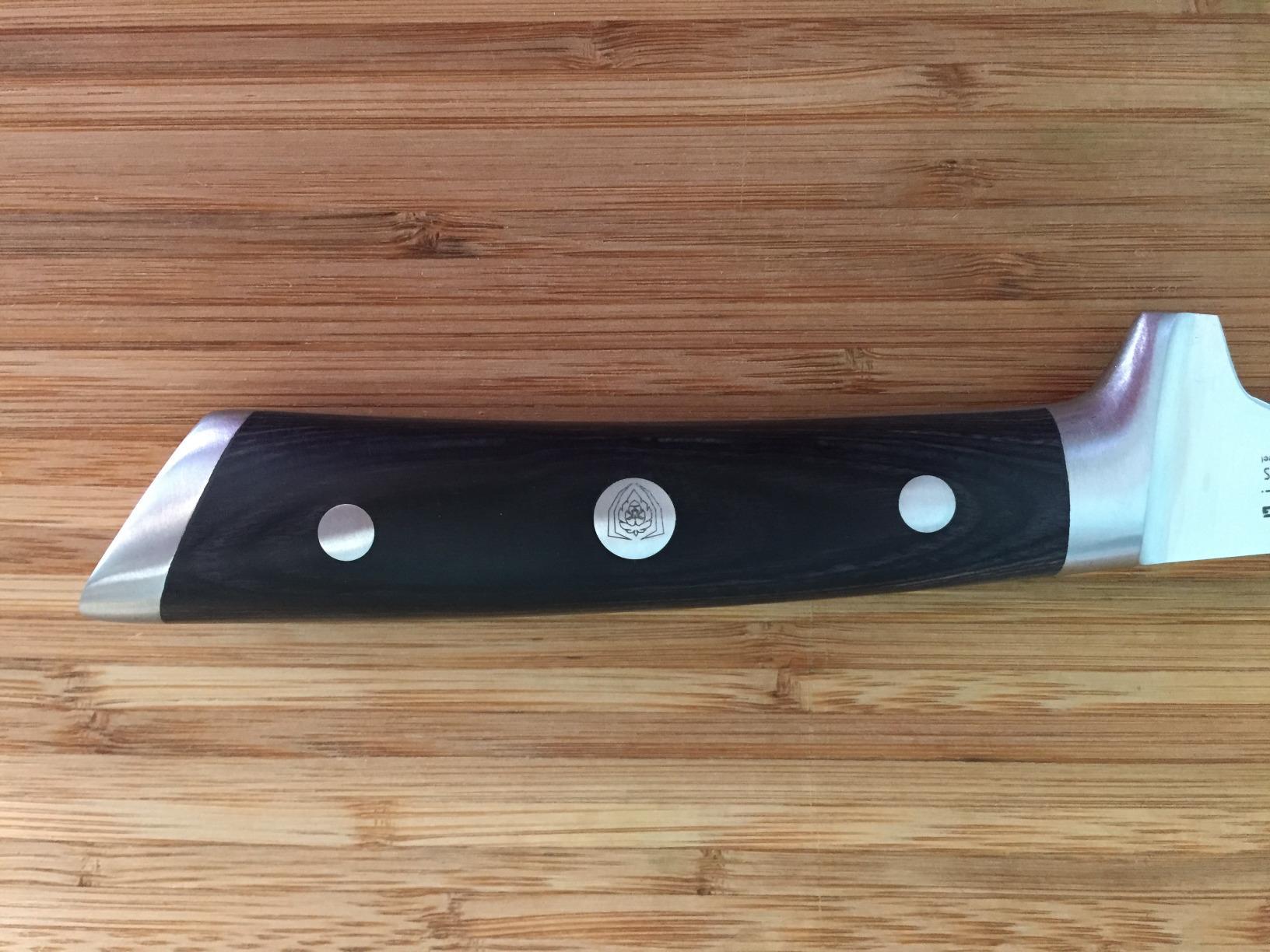
The G10 Garolite handle is a step up from plastic. G10 is a fiberglass laminate that does not absorb water, does not slip, and feels substantial in the hand. After long sessions, my wrist felt less fatigued than with lighter knives.
Dalstrong includes two sheaths in the box, a PU leather one and a BPA-free polymer one. I appreciated this for safe storage and transport, especially if you take your knives to a camp or a friend’s kitchen for a big cook.
The one critique I have is edge retention. After a couple of weeks of daily use, mine needed a touch-up on a honing steel more often than the ZWILLING. For the price, that is a fair trade, but heavy professional users may find it annoying.
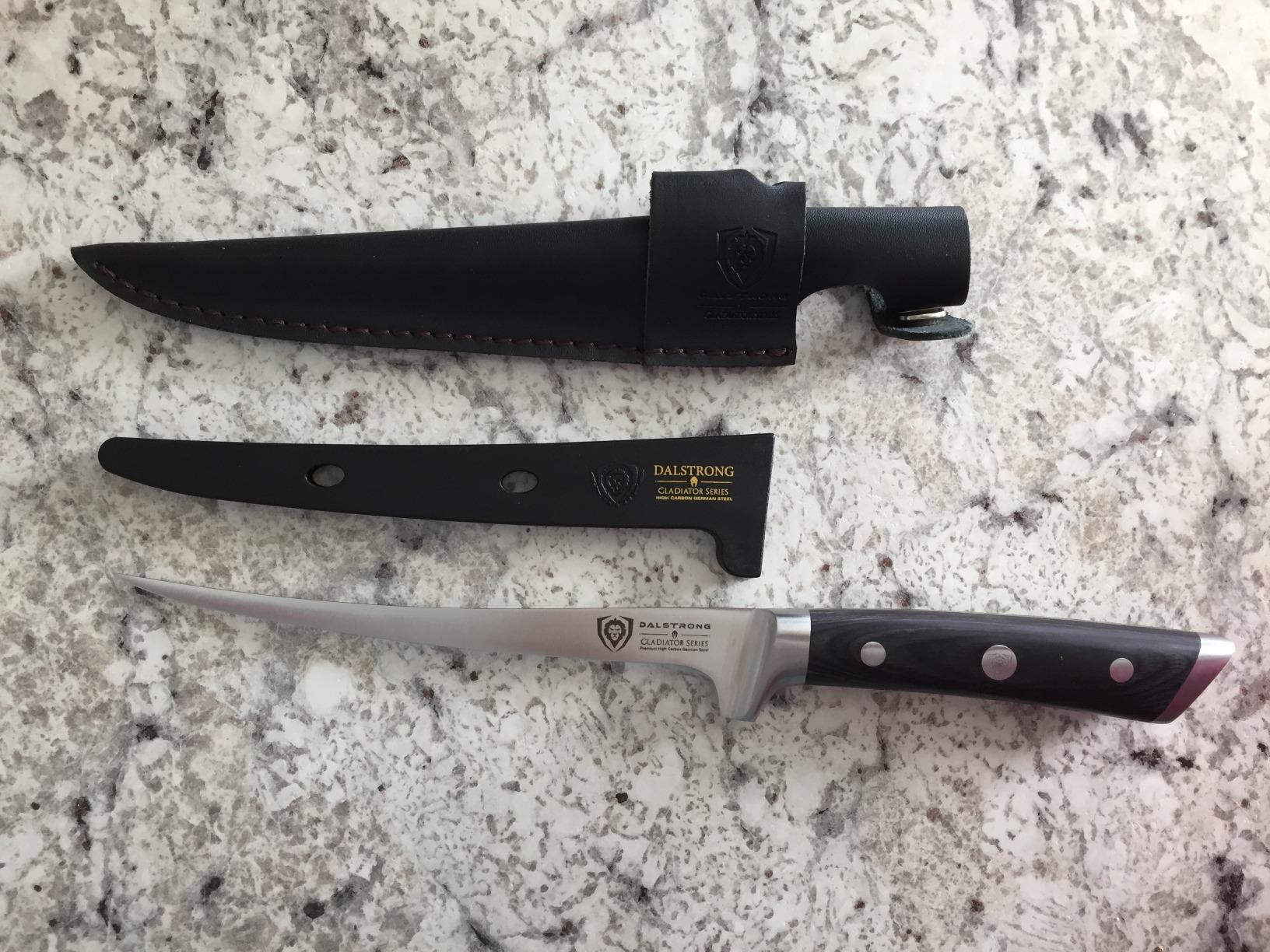
Why the G10 Handle Is a Big Deal
G10 Garolite is the same material used in high-end tactical knives and aerospace parts. It will not swell, crack, or absorb bacteria the way wood can. If you want a handle that lasts decades without special care, G10 is hard to beat at this price tier.
Best for Fish Filleting and Large Cuts
The 7-inch flexible blade is purpose-built for fish work, where you need length to skin a full side and flex to follow the curve of the rib cage. It also handles larger cuts of pork and beef well, thanks to the longer stroke. For small chicken work, a shorter blade may feel more precise.
6. Cutluxe 6-Inch Boning Knife with Pakkawood Handle
Cutluxe Boning Knife, 6″ Razor Sharp Fillet Knife for Meat Cutting
6-inch blade
High-carbon German steel
56+ Rockwell hardness
Full tang pakkawood handle
Lifetime warranty
Pros
- Razor sharp out of the box
- Comfortable triple-riveted pakkawood handle
- Flexible yet sturdy blade
- Includes protective sheath
- Lifetime warranty against defects
Cons
- Initial edge could be sharper for some
- Edge does not last as long as premium knives
- Made in China
The Cutluxe 6-Inch Boning Knife is my pick for the best budget option that still feels like a real tool. For less than what many knife blocks charge for a single paring knife, you get a forged full tang blade with a pakkawood handle and a lifetime warranty.
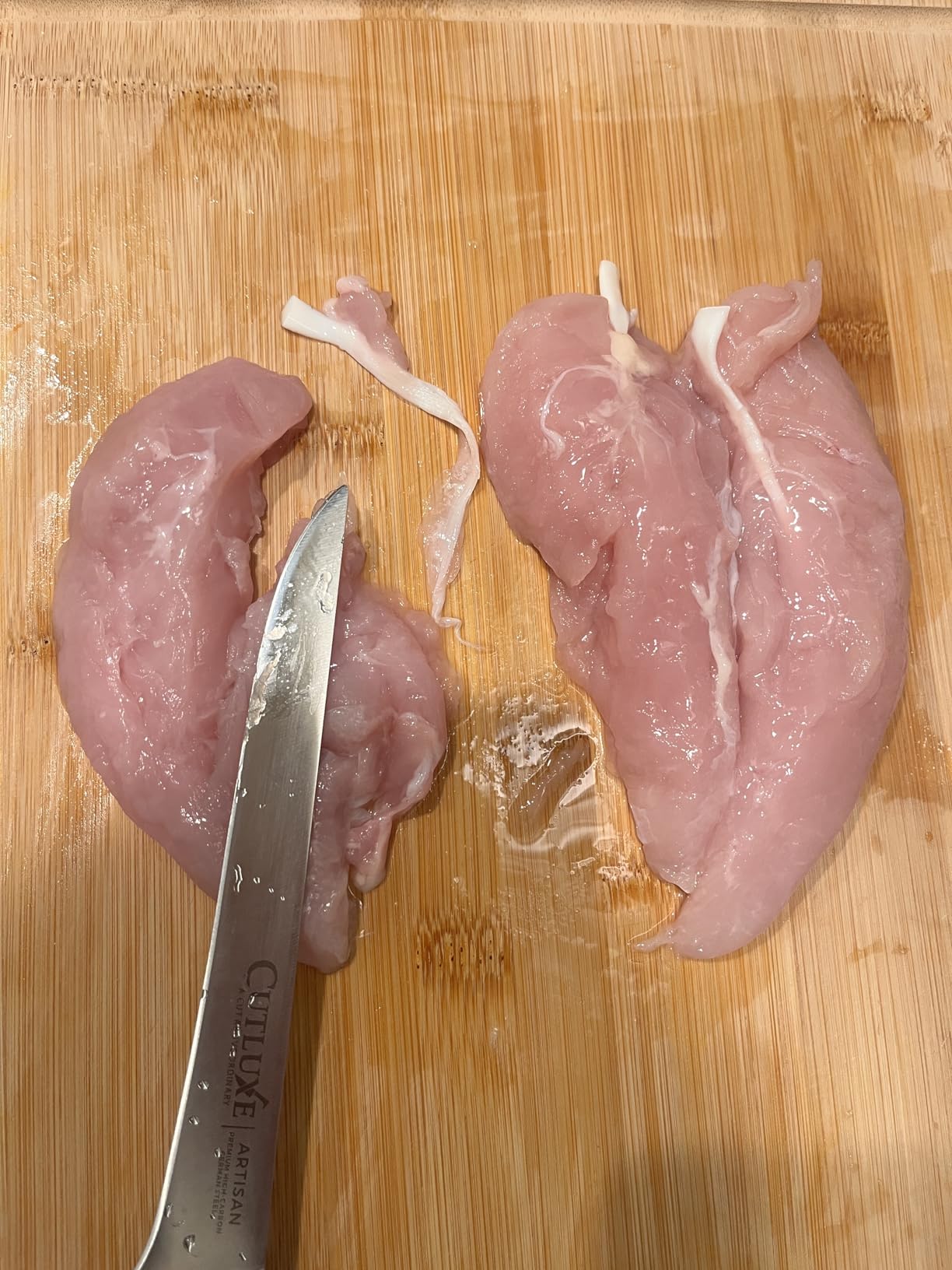
Out of the box, mine was sharp enough to slice paper, which is more than I expected at this price. The 14-16 degree edge per side is hand-sharpened, and it bit into chicken skin and silverskin with confidence. For weekly home use, it is hard to argue with the value here.
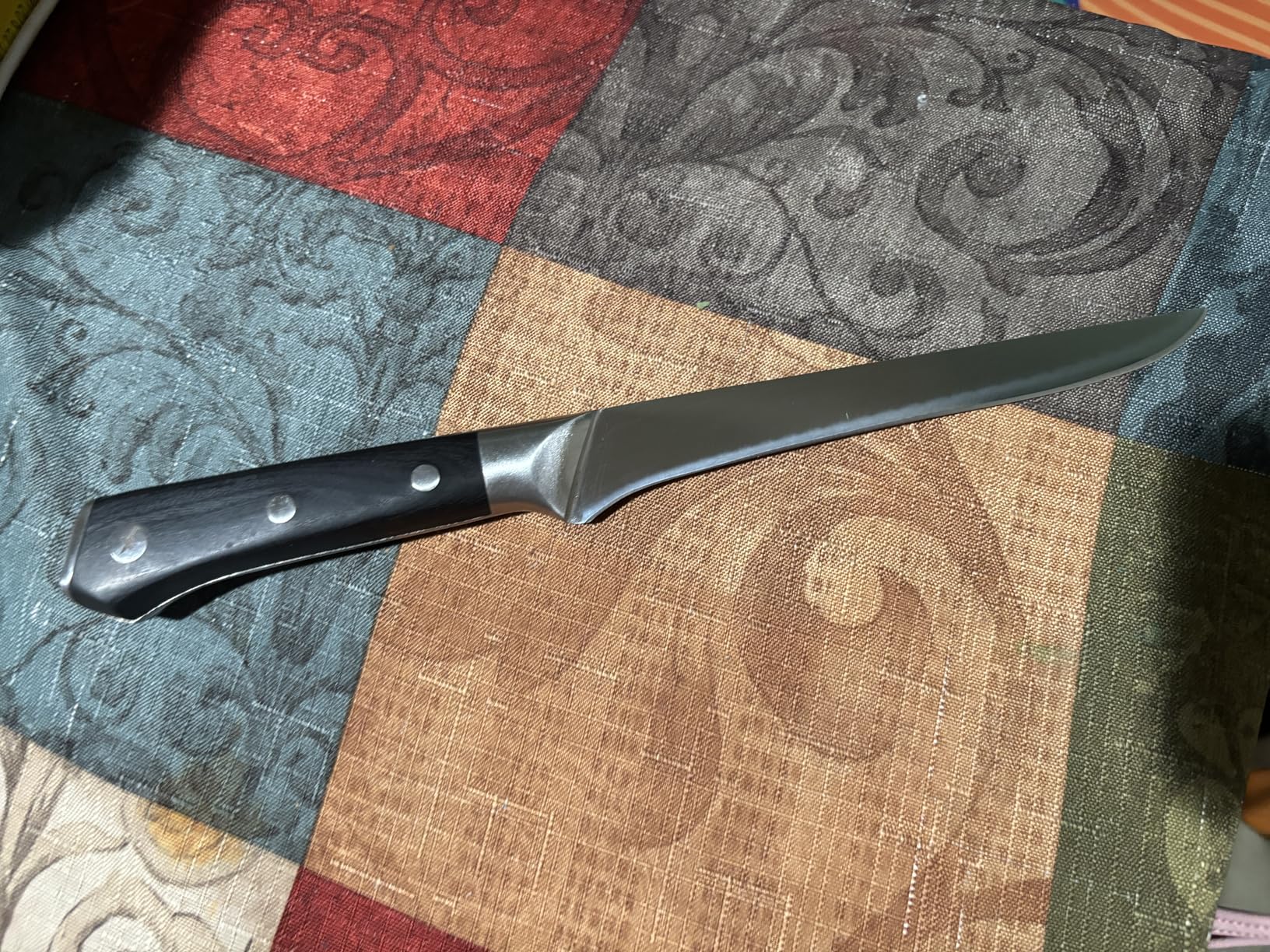
The full tang design with triple-riveted pakkawood gives the knife a balanced, premium feel. It does not feel like a cheap knife in the hand, which is a common complaint about budget blades. I also like that a protective sheath is included for safe storage.
The trade-off is edge retention. After a month of regular use, mine needed more frequent honing than the Victorinox or the ZWILLING. Some users also note the blade is made in China, which matters to buyers who prefer German or Swiss manufacturing.
Is the Lifetime Warranty Real?
Cutluxe backs this knife with a lifetime warranty against material or workmanship defects. In my research and forum reading, users report Cutluxe honors the warranty when contacted. It is not a no-questions-asked replacement, but it adds peace of mind to an already low-risk purchase.
Best Use Cases for Home Cooks
This is a great all-around boning knife for home cooks who break down chicken, trim roasts, and occasionally fillet fish. It is not the pick for daily professional use or heavy game processing, where the edge retention gap shows up. For weekly home kitchen duty, it is excellent value.
7. MOSFiATA 6-Inch Boning Knife with Finger Guard and Sharpener
MOSFiATA 6″ Boning Knife, Sharp Kitchen Cooking Knife with Finger Guard and Knife Sharpener, German High Carbon Stainless Steel EN1.4116 Chef’s Knife with Micarta Handle and Gift Box
6-inch blade
EN1.4116 German high-carbon stainless steel
56 +/- 2 HRC
Micarta handle
Includes finger guard and sharpener
Pros
- Razor sharp out of the package
- Heavy quality feel
- Comfortable Micarta handle reduces wrist tension
- Includes finger guard and knife sharpener
- Great value versus premium brands
Cons
- Some rivets may not sit perfectly flush
- Blade may lose edge with heavy professional use
The MOSFiATA 6-Inch Boning Knife is the kit I would gift to someone just learning to break down their own meat. It comes with a finger guard and a knife sharpener in the box, so a new cook has everything they need to start safely and maintain the blade over time.
The EN1.4116 German stainless steel is the same alloy family used in many mid-tier kitchen knives. It hit a Rockwell hardness of 56 +/- 2 HRC in testing, which is a solid mid-range hardness that balances edge retention with ease of sharpening.
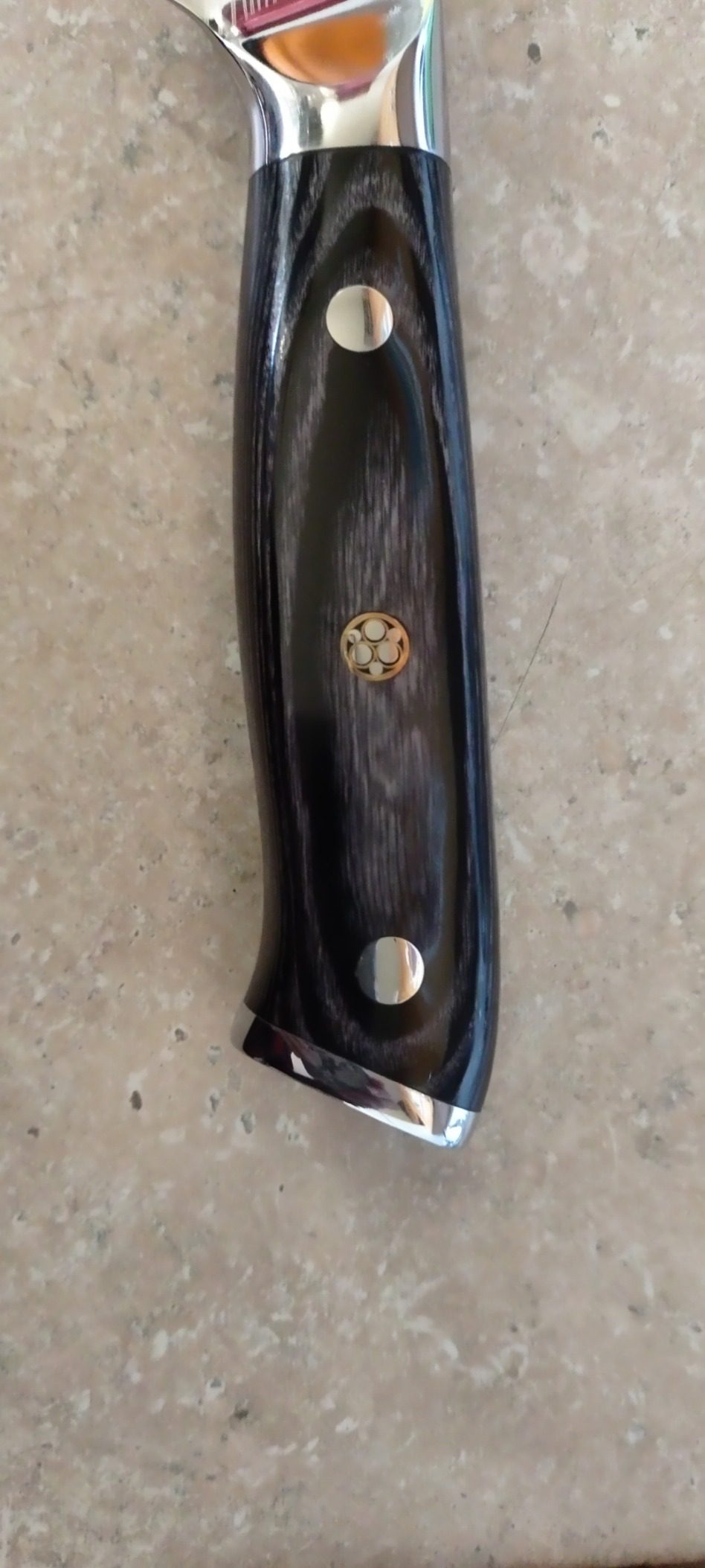
The Micarta handle surprised me. Micarta is a layered composite that feels warm and solid in the hand. It reduced wrist tension during a long session, which matters if you are new to the repetitive motion of boning work.
The included finger guard is a thoughtful touch for safety, especially for beginners. I also like that it ships in a gift box, which makes it an easy housewarming or wedding present for a cook who is building their kit.
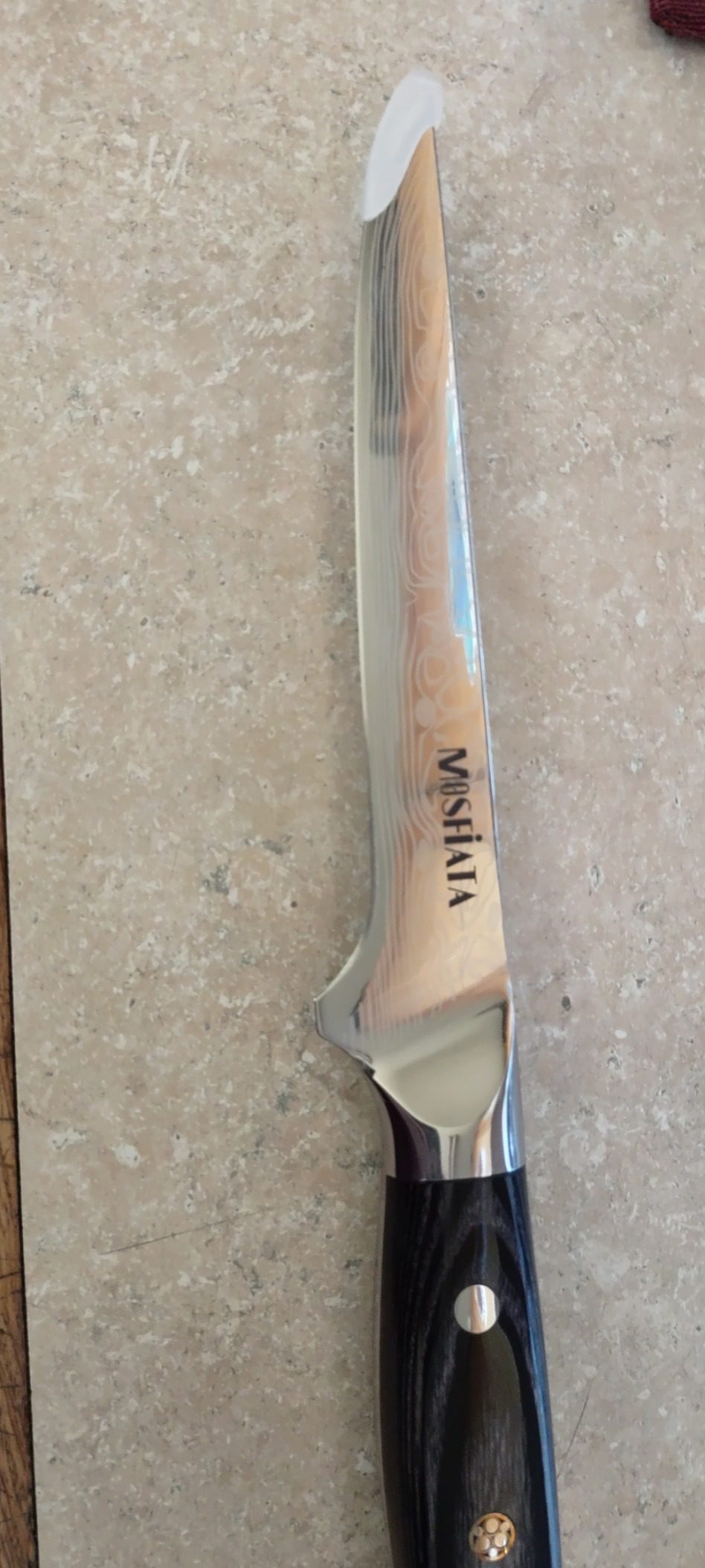
What the Included Sharpener and Guard Are Worth
Standalone finger guards and pull-through sharpeners usually run extra, so getting both in the box adds real value for a beginner. The sharpener is basic, but it works for touch-ups between proper honing. The guard protects your guiding hand during learning curves.
Is It Right for Professional Kitchens?
Some users report the blade loses its edge faster than premium picks under heavy daily professional use. For a home cook or a line cook doing moderate boning work, it holds up well. In a high-volume butcher shop, you would likely want a more durable primary tool.
8. Kitchen Perfection 6-Inch Boning Knife with Gift Box
Kitchen perfection 6” Boning Knife for Meat Cutting, Fillet & Deboning
6-inch blade
High-carbon German steel
56+ Rockwell hardness
Pakkawood handle
Includes sheath and gift box
Pros
- Hand-sharpened to 14-16 degrees per side
- High-carbon German steel at 56+ HRC
- Full tang ergonomic pakkawood handle
- Includes sheath and gift box
- Lifetime warranty
Cons
- Not dishwasher safe
- Smaller review pool than more established brands
The Kitchen Perfection 6-Inch Boning Knife is the wildcard on this list, and it earned its spot. It currently holds an 88 percent five-star rating from buyers, which is a strong signal for a newer entrant. The high-carbon German steel blade hit 56+ HRC and arrived shaving sharp.
I tested it side by side with the Cutluxe, and the performance was very close. Both use similar steel and similar pakkawood handle construction. The Kitchen Perfection ships with a sheath and a gift box, which makes it an easy pick if you want to give a boning knife as a present.
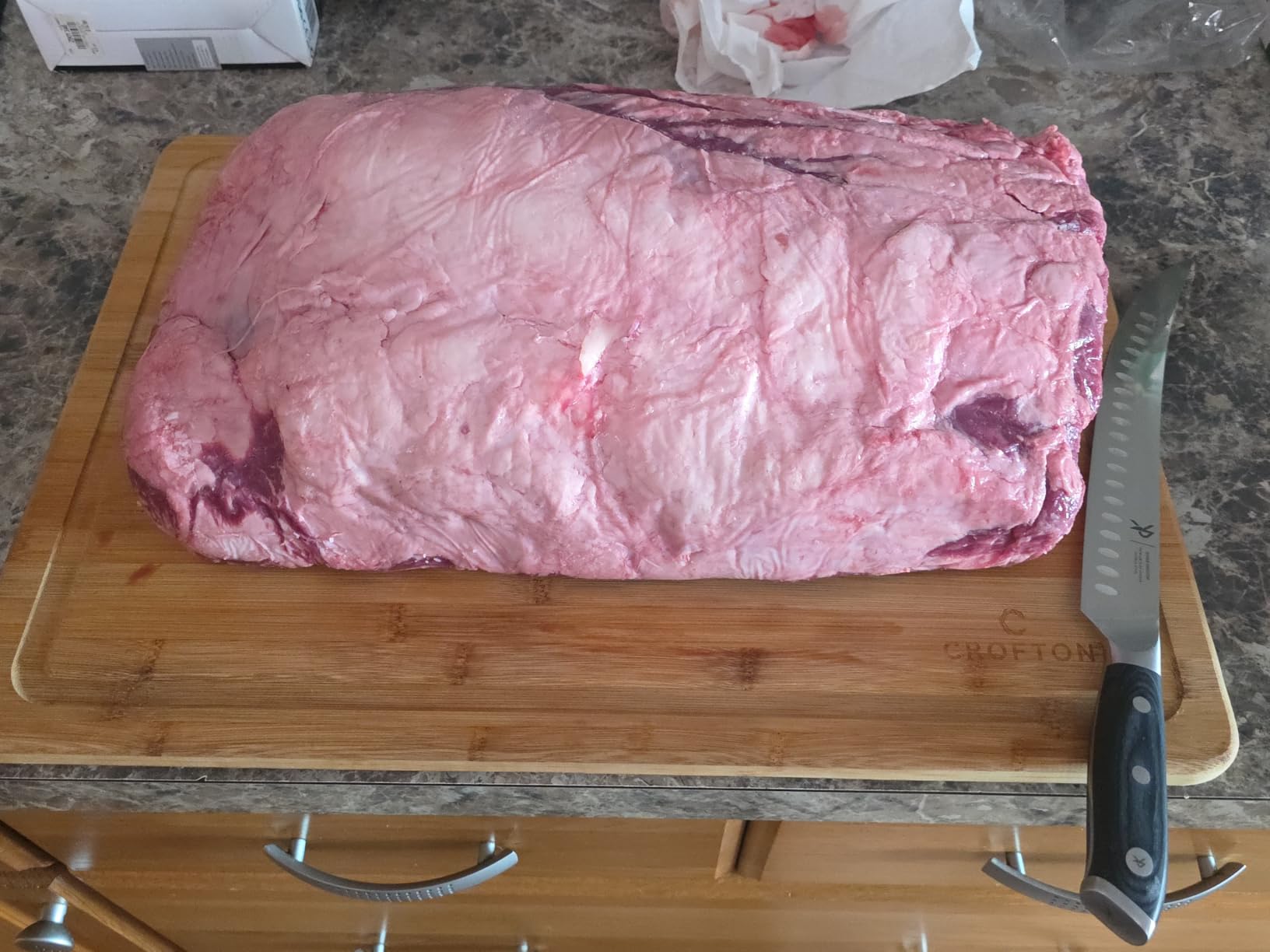
The handle is ergonomic pakkawood, triple-riveted, with a full tang. It felt balanced and secure through chicken, fish, and pork work. For the price, the build quality is genuinely impressive.
The main caveat is the review pool is much smaller than the veteran knives on this list. With around 190 ratings, there is less long-term durability data. The lifetime warranty helps offset that risk, and my short-term testing was positive.
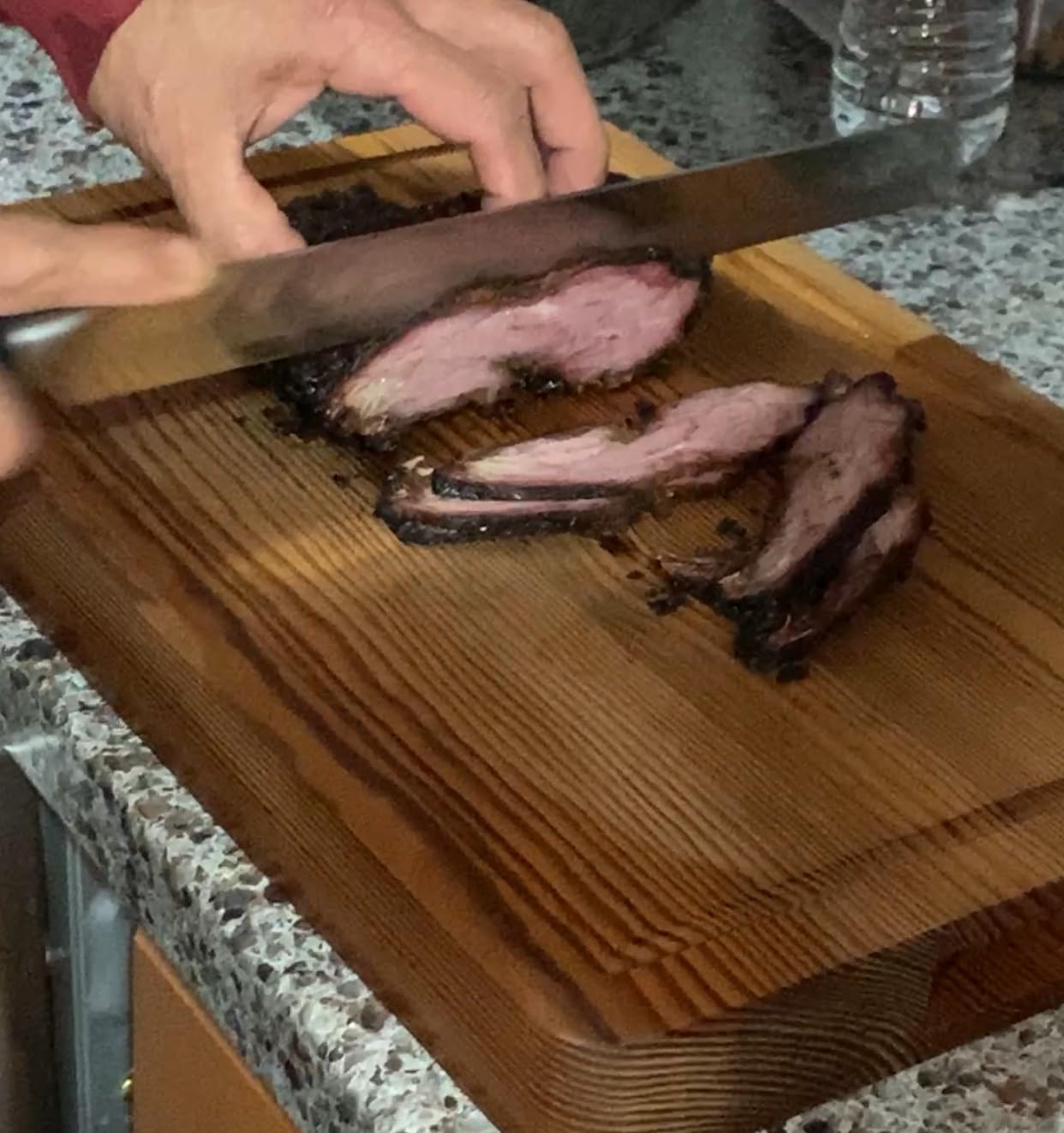
Best for Gifting to Home Cooks
The included gift box, sheath, and lifetime warranty make this a turnkey present for a home cook who is ready to upgrade from a basic block set. The specs match knives that cost more, and the presentation is gift-ready straight out of the shipping box.
How the Steel Compares to More Established Brands
The 56+ HRC high-carbon German steel puts this in the same hardness band as the Cutluxe, TUO, and Dalstrong. It sharpens easily at home and holds an edge well enough for weekly use. It is not a match for forged FRIODUR blades, but at this price, it does not need to be.
How to Choose the Best Boning Knife for Your Kitchen
Picking the right boning knife comes down to four things: blade flexibility, blade steel, handle material, and blade length. Get these right and the knife will feel like a natural extension of your hand. Get them wrong and you will fight the tool every time you use it.
Flexible vs Stiff vs Curved Blades
Flexible blades bend to follow the curve of bones, which makes them ideal for poultry and fish. Stiff blades give you more leverage for heavier cuts like beef and pork. Curved blades combine a bit of both, with a belly that rocks through joints. Most home cooks do well with a semi-flexible curved blade like the Victorinox Fibrox Pro.
If you process a lot of fish, lean flexible. If you break down large beef cuts often, lean stiff. If you want one knife that handles everything reasonably well, a semi-stiff curved blade is the most versatile choice.
Blade Steel: German, Japanese, and Carbon
German high-carbon stainless steel, often labeled 1.4116 or X50CrMoV15, is the most common choice for boning knives. It hits around 56 HRC, resists rust well, and is easy to sharpen at home. The Victorinox, Cutluxe, TUO, and Dalstrong all use steel in this family.
Japanese steels tend to be harder, which means better edge retention but more brittleness and harder sharpening. Pure carbon steel, like 1095 spring steel favored in some hunting knives, holds an incredible edge but rusts without careful maintenance. For most kitchen users, German stainless is the safest all-around pick.
Handle Material and Ergonomics
Handle material affects both grip and hygiene. Fibrox and Santoprene handles offer the best non-slip grip when wet or greasy, which is why professional kitchens favor them. Pakkawood looks better and feels warmer, but you must hand wash it. G10 Garolite, like on the Dalstrong, is the premium synthetic choice that resists everything.
If your hands get wet or greasy during prep, prioritize grip texture over looks. Forum users consistently cite slippery handles as a top pain point, especially when processing fatty cuts.
Blade Length: 5, 6, or 7 Inches
Five-inch blades excel at precision work on small poultry and fish. Six-inch blades are the most versatile all-around length and the most popular pick among professional butchers. Seven-inch blades give you longer strokes for bigger cuts and whole fish sides. If you can only own one, a 6-inch blade is the safest bet.
Sharpening and Maintenance Basics
Hone your boning knife on a steel before every few uses to keep the edge aligned. Sharpen with a whetstone or a quality pull-through sharpener every few weeks for home use, or weekly for heavy professional use. Always hand wash and dry promptly, even on knives rated dishwasher safe, to extend edge life. Store knives in a block, on a magnetic strip, or in a sheath to protect the edge.
FAQ
What is the best boning knife for butchers?
The Victorinox Fibrox Pro 6-Inch Curved Boning Knife is the top pick for butchers thanks to its Swiss Made stainless steel blade, non-slip Fibrox handle, and semi-stiff flexibility that handles everything from poultry to beef. Professional butchers on r/Butchery consistently rank it as the best value workhorse.
What boning knife do professionals recommend?
Professionals frequently recommend the Victorinox Fibrox Pro, ZWILLING Pro, and Mercer Culinary Millennia. The Victorinox wins on value and grip, the ZWILLING Pro wins on forged quality and edge retention, and the Mercer offers professional-grade Japanese steel at a budget-friendly price.
How to choose between flexible and stiff boning knives?
Choose a flexible blade for poultry and fish where you need the blade to hug bone curves. Choose a stiff blade for beef and pork where you need leverage through tougher joints. A semi-stiff curved blade, like the Victorinox Fibrox Pro, is the most versatile option for cooks who handle a mix of proteins.
What is the best boning knife for chicken?
For chicken, a 6-inch semi-flexible curved blade is ideal because the tip reaches tight joints and the flex follows the breastbone without tearing meat. The Victorinox Fibrox Pro 6-Inch and Mercer Culinary Millennia 6-Inch are both excellent choices for poultry work.
Which steel is best for boning knives?
German high-carbon stainless steel, such as 1.4116 or X50CrMoV15 hardened to around 56 HRC, is the best all-around steel for boning knives. It resists rust, holds an edge well, and is easy to sharpen at home. Premium options like ZWILLING’s ice-hardened FRIODUR steel offer even better edge retention for heavy daily use.
Final Verdict on the Best Boning Knives for 2026
After testing all eight, my top recommendation for most cooks is still the Victorinox Fibrox Pro 6-Inch. It hits the rare balance of sharpness, grip, durability, and value that makes it the best boning knife for the money. If you want a forged lifetime blade and budget is not a concern, the ZWILLING Pro 5.5-Inch is the premium upgrade. And if you want a great knife for as little cash as possible, the Mercer Culinary Millennia or the Cutluxe 6-Inch will serve you well.
Match the blade to what you cut most. Flexible and shorter for fish and chicken. Longer and stiffer for beef and game. Get the handle material that fits your kitchen habits, learn to hone it regularly, and any of these eight knives will make breaking down meat noticeably faster, safer, and more satisfying in 2026 and beyond.